


🏰 Fortresses of Samtskhe-Javakheti: The Defensive Line Along the Kura Gorge
🏰 Fortresses of Samtskhe-Javakheti: The Essentials
The most fortress-dense region in Georgia, and the reason is simple: the Kura gorge runs straight through Samtskhe-Javakheti, a corridor used for centuries by trade caravans and armies alike. Every narrow stretch of it is blocked by a stronghold.
Samtskhe-Javakheti brings together the historical provinces of Samtskhe, Javakheti and Tori. The fortresses aren't spread evenly: most sit in the Borjomi municipality, fewest on the plateau.
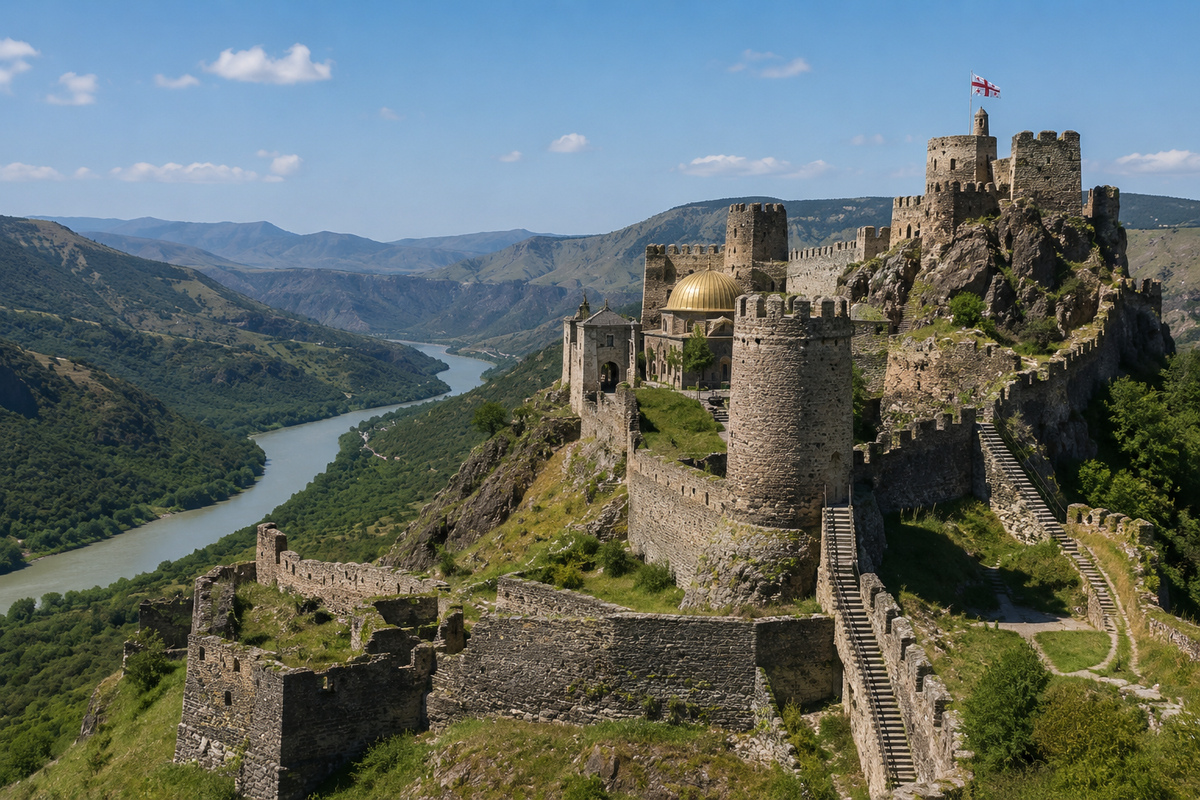
Samtskhe-Javakheti is the region of Georgia with more fortresses than any other. The explanation is written on the map: the Kura gorge runs through it, a natural corridor between the Lesser Caucasus and inner Georgia, and at the same time a frontier with Byzantium, Persia and the Ottomans on the far side of it for centuries. Everything is gathered in the catalog on the Ancient Ruins, Fortresses and Castles of Samtskhe-Javakheti page.
Below we take the fortresses in three groups: first the chain along the Kura gorge, then the strongholds of the Javakheti plateau, then those of the Borjomi gorge and Adigeni. Each gets its own section with a description and a link to the detailed material.
🗺️ Why There Are So Many Fortresses Here
Three factors stacked on top of one another.
Geography. The Kura flows down from the Javakheti plateau and cuts through the region, carving canyons with sheer walls. A gorge like that is easy to close: put a fortress where the valley narrows and you control the road. That's why the region's strongholds line up in a chain rather than scattering at random.
The frontier. Samtskhe-Javakheti was always borderland. The interests of Georgia, Byzantium, Persia and the Ottoman Empire collided here, and every change of power left its mark in stone.
Samtskhe-Saatabago. From the 13th century the region existed as a semi-independent principality under the House of Jaqeli, the atabegs of Samtskhe. A dynasty of its own built fortresses of its own, and part of what stands here is the legacy of exactly that period.
⚔️ The Line Along the Kura Gorge
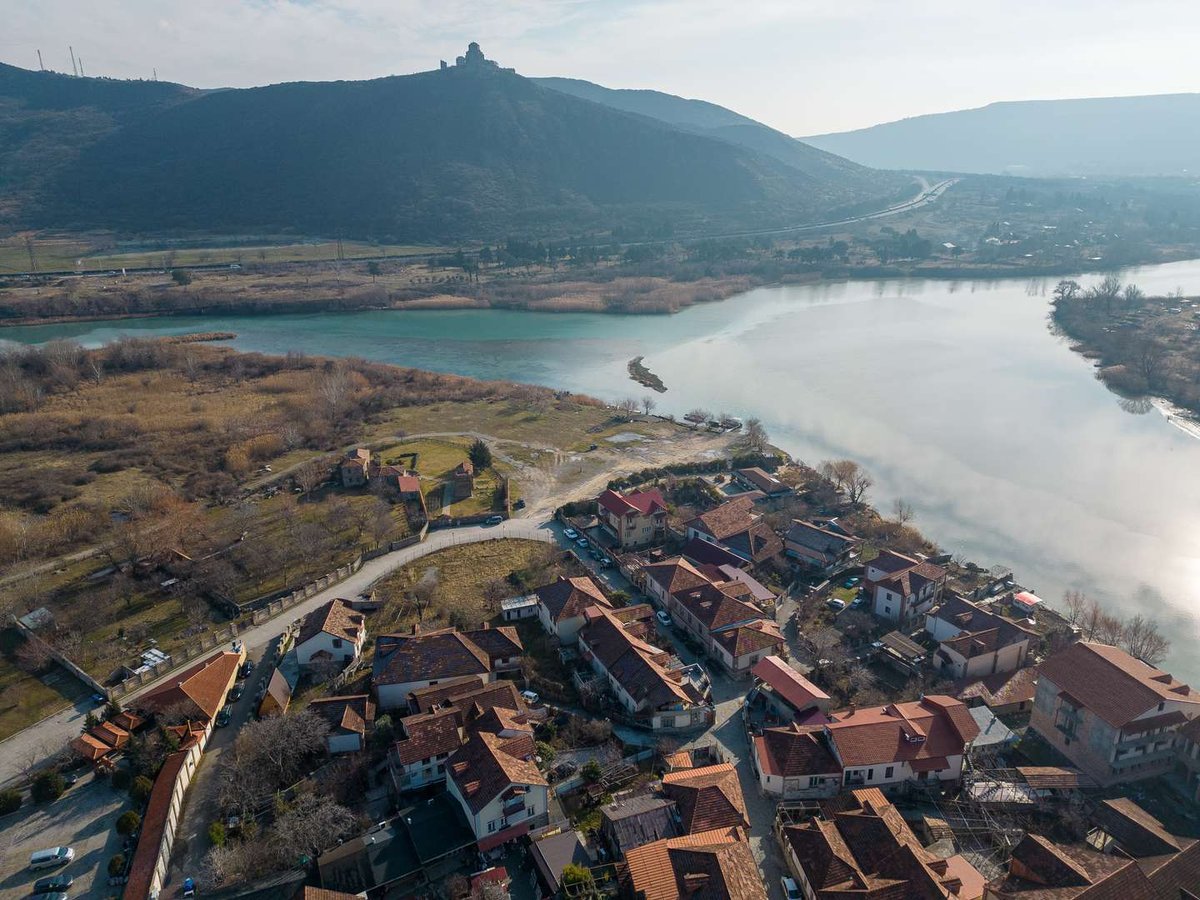
Five fortresses stand along one river and effectively form a single defensive system. The logical way to see them is in order, moving downstream.
🏯 Khertvisi
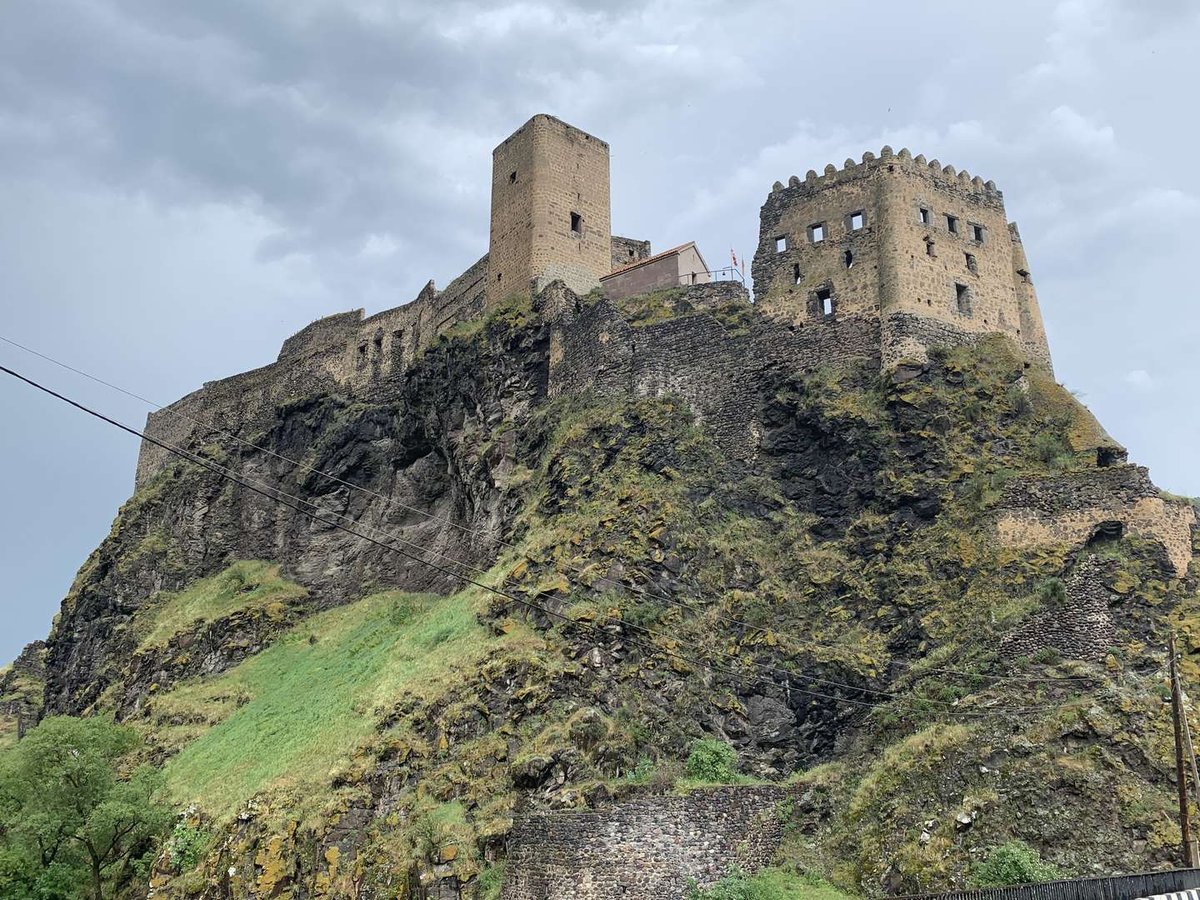
It stands where the Kura meets the Paravani river, on a rocky spur between the two channels. The position is perfect: two valleys are controlled from one point. Khertvisi counts among the oldest fortresses in Georgia, and a legend ties its founding to Alexander the Great, who is said to have destroyed the stronghold that stood here. The surviving walls and towers belong to a later period, the high Middle Ages. It's also the most photogenic fortress in the region: that triangle of walls against the canyon is instantly recognisable.
More: Khertvisi Fortress and the object page.
🗻 Tmogvi
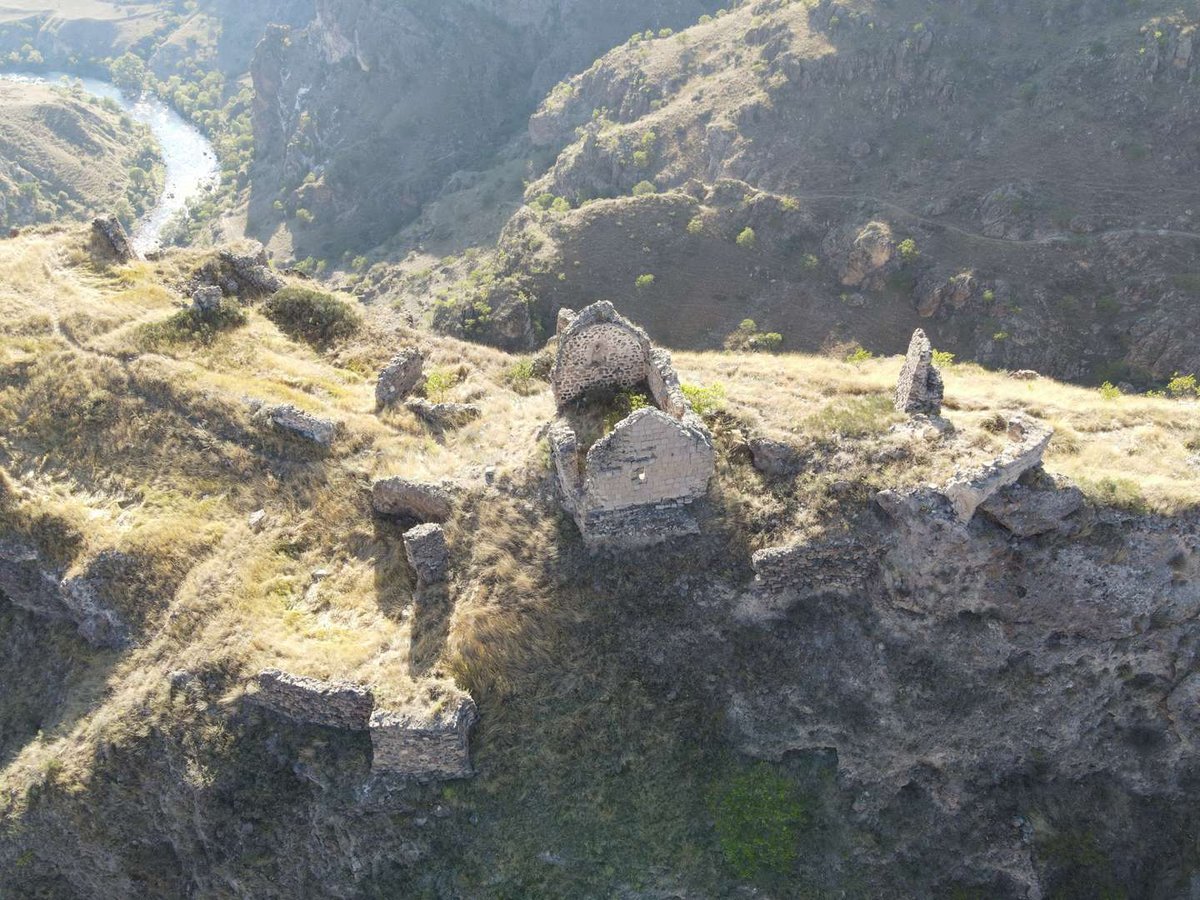
Ruins on a high cliff above the Kura canyon, not far from Vardzia. The fortress held the stretch of gorge below Khertvisi and was one of the key strongholds of the southern frontier. Today Tmogvi is precisely that, ruins: the walls have collapsed and the climb is steep, but the view over the canyon from the top is what people come for. The Tmogvi canyon runs right below, so the two combine easily.
More: Medieval Tmogvi Fortress and the object page.
🧱 Saro
The village of Saro in the Aspindza municipality lies in the Kura valley at around 1,480 metres, some 17 km from Aspindza. There isn't one fortress here but a whole complex of fortifications with an unusual layout: researchers note that each structure in the complex functioned as an independent fortified object in its own right. That points to Saro having been a notable political and economic centre from early times. The place is little known and almost tourist-free.
The object page.
🪨 Atskuri
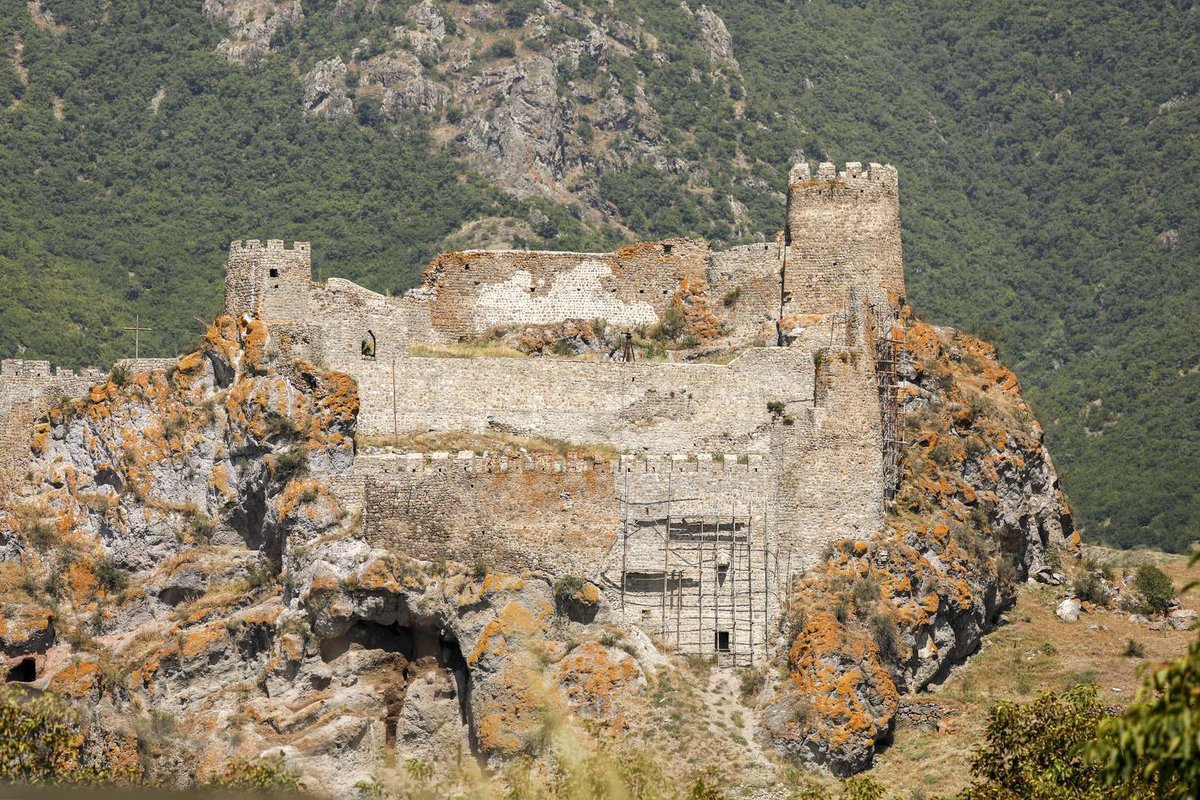
A fortress in the village of Atskuri, Akhaltsikhe municipality, set along the edge of a cliff above the Kura. Atskuri controlled the entrance to the Borjomi gorge, that is, the passage from southern Georgia into the interior, which gave it more than average strategic weight. The fortress stretches along the ridge, with towers and stretches of wall surviving. Beside it stand the ruins of Atskuri cathedral, one of the region's significant churches.
More: Atskuri Fortress-Town and the object page.
👑 Rabati
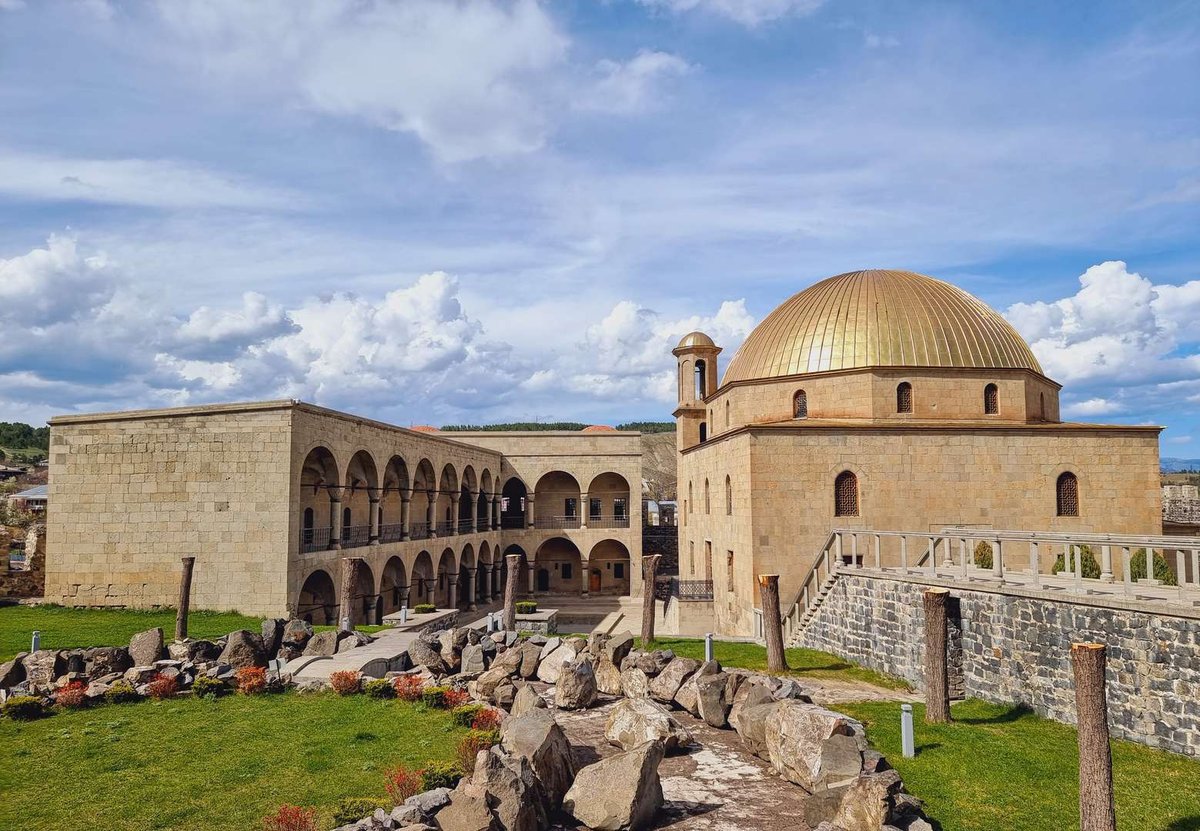
The region's principal fortress and the only fully restored one. Rabati occupies a hill in the centre of Akhaltsikhe and amounts to not just a stronghold but an entire town inside walls. Its distinguishing feature is that a mosque, a church and a synagogue stand on one site, the legacy of multi-ethnic Akhaltsikhe. Since the large-scale restoration of the early 2010s, Rabati has operated as a museum and tourist complex, with a ticket office, museum, cafes and a hotel within the walls. The restoration is criticised for taking liberties with authenticity, but as an entry point into the region's history it works very well.
More: Medieval Rabati Fortress and the object page.
🌊 The Chain Downstream
The river runs from the Javakheti plateau to the Borjomi gorge, and the fortresses stand along it one after another.
🏔️ Fortresses of the Javakheti Plateau
The logic changes here: not a gorge but open highland, where strongholds were placed on summits and commanding heights.
🗿 Abuli
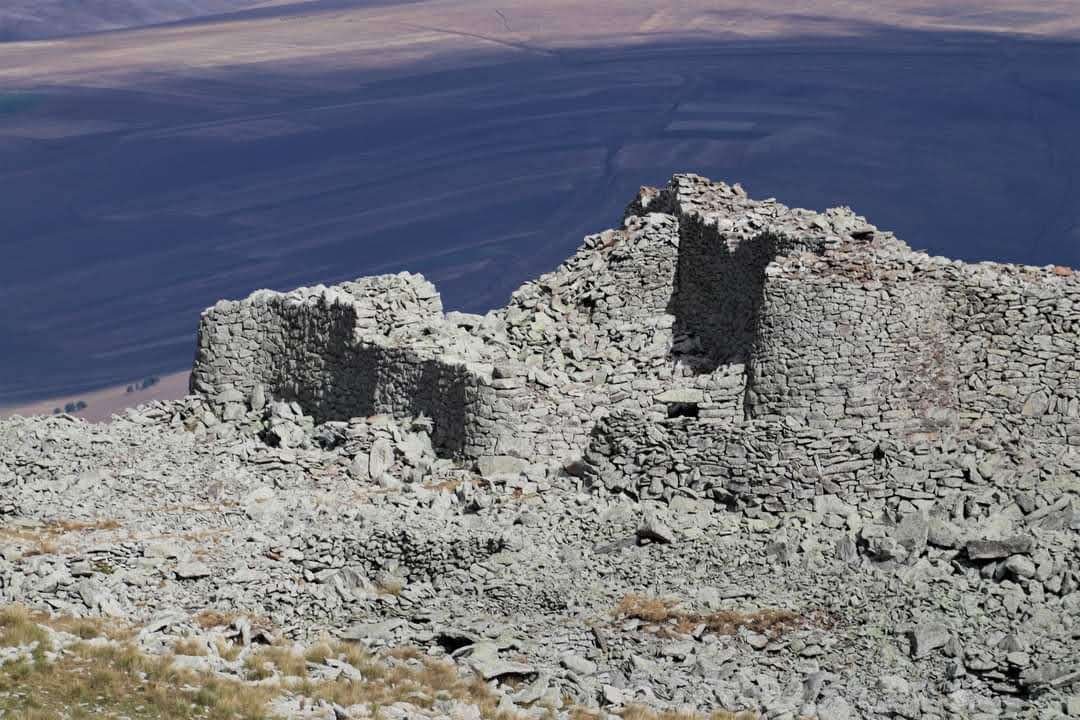
A megalithic fortress of large basalt blocks laid dry, without mortar, on the slopes of the Abul-Samsari massif in the Ninotsminda municipality. The dating is disputed: virtually no excavation has taken place, and the age is estimated by analogy with other cyclopean structures in Javakheti. What impresses about Abuli isn't its state of preservation but the bare fact of it: enormous stones hauled above two thousand metres and stacked so well they've stood for millennia.
More: Abuli Fortress and the object page.
🏘️ Akhalkalaki Fortress
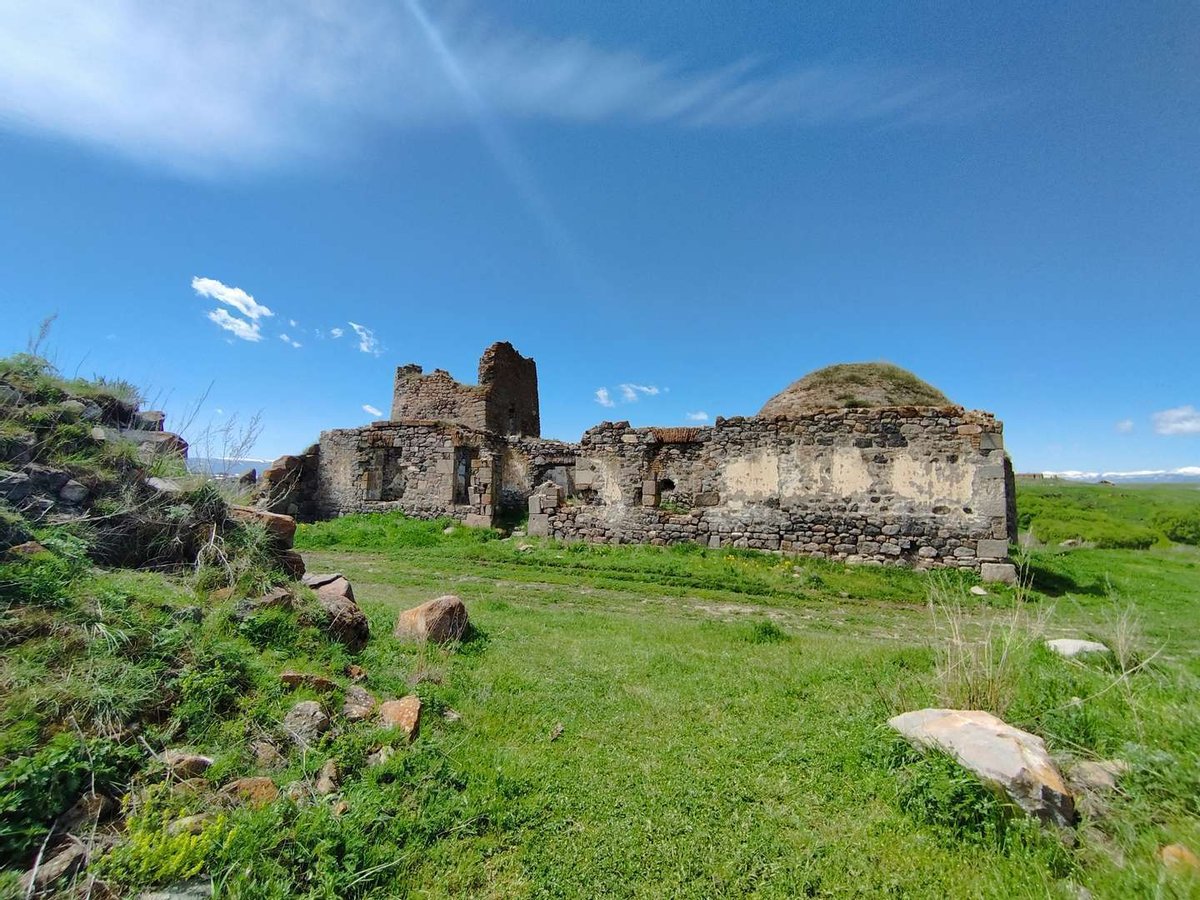
A fortified site in Akhalkalaki itself, the administrative centre of the municipality of the same name. The fortress stood at a crossroads of routes over the plateau and was besieged more than once: the town changed hands during the wars between the Ottoman and Russian empires. What remains today are fragments of walls and earthworks built into the fabric of the town. It's the most visited of the plateau fortresses, simply because it's in a town.
The object page; on the town itself, Georgia: the Town of Akhalkalaki.
🛡️ Shaori
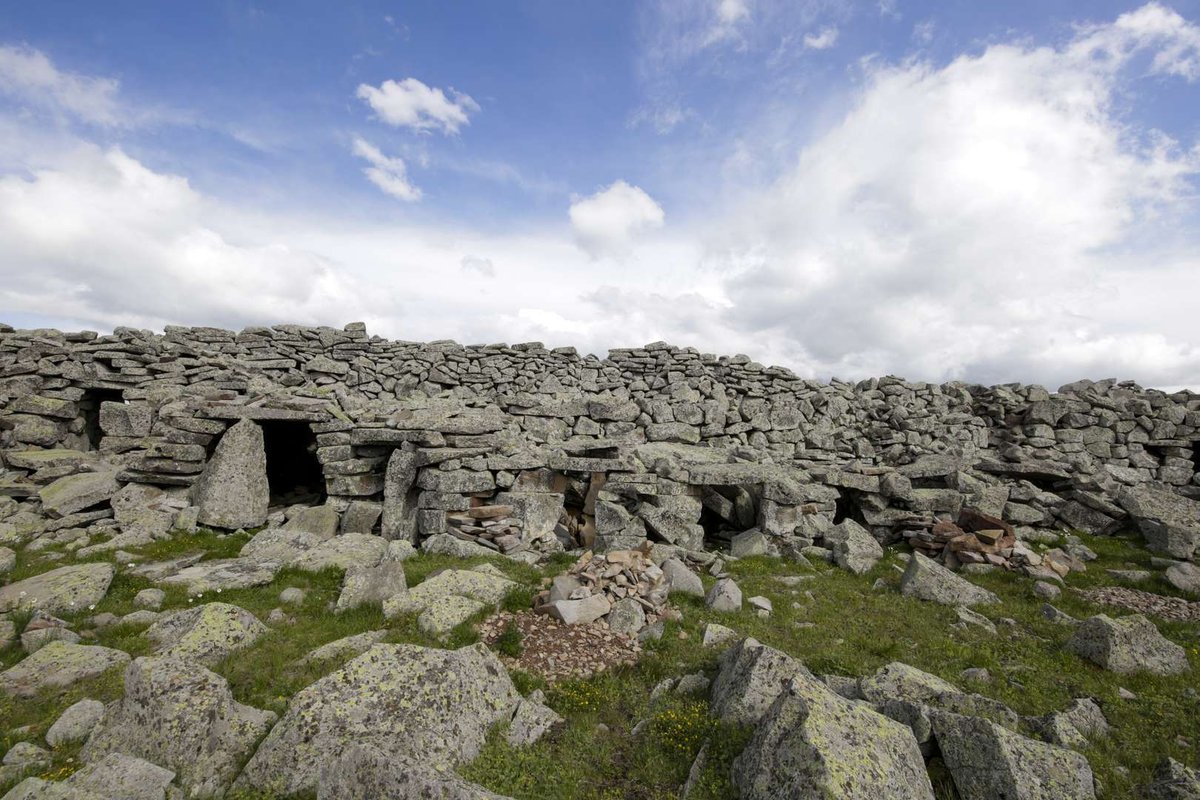
Another cyclopean structure of the plateau, closely related to Abuli: the same masonry of basalt blocks without mortar, the same uncertain dating. Sources describe its location differently, some placing it near Paravani lake in the Ninotsminda municipality, others on Mount Shaori; a second name, "Koroghli fortress", also appears. The climb is long and roadless, but at the top you'll almost certainly have the place to yourself.
More: Shaori Fortress and the object page.
🌲 Fortresses of the Borjomi Gorge and Adigeni
The greatest concentration of strongholds falls in the Borjomi municipality. Here they hide in forested mountains, and reaching them is the hardest work of all.
📐 Okrostsikhe (the Golden Fortress)
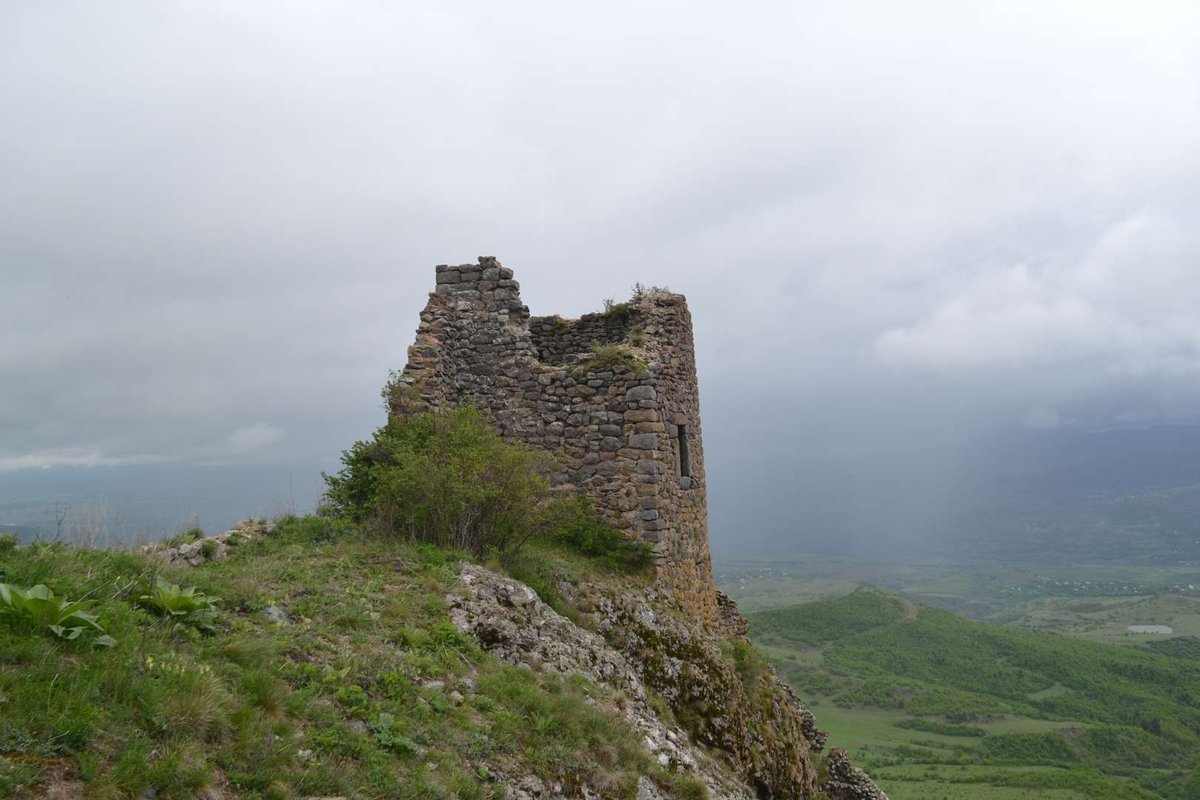
It stands near the village of Bolajuri in the Adigeni municipality, on an enormous rocky massif that is hard to approach and from some sides simply inaccessible. This is one of the largest fortresses in Georgia: the upper part occupies the crest of a rocky ridge, with walls descending both north and south, the bulk of them on the southern slope. By sheer volume of surviving wall Okrostsikhe outdoes far more famous sites, yet hardly anyone knows it.
More: Okrostsikhe Fortress and the object page.
🌿 Zanavi
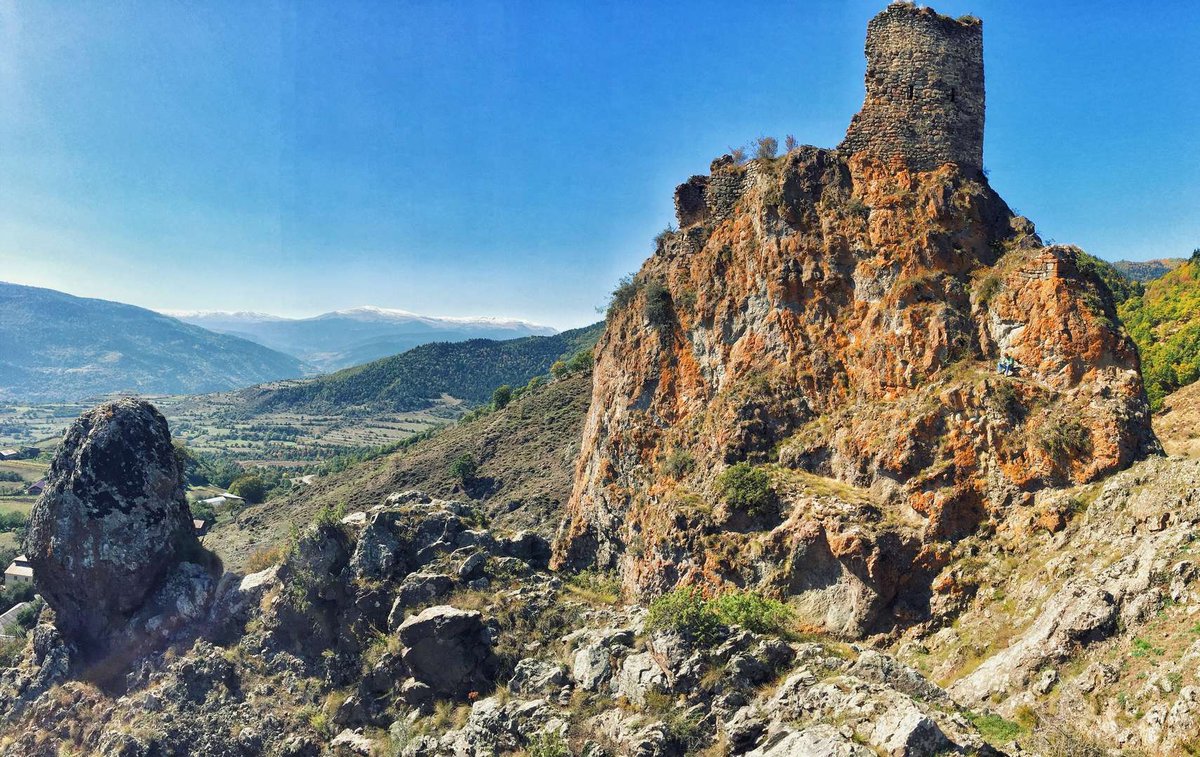
A fortress in the same Adigeni cluster as Okrostsikhe, to the west of it. It's usually walked as one route with the Golden Fortress and Chulevi monastery: all three lie off the main tourist tracks, and they take a full day between them. Zanavi is ruins with no infrastructure, so plan for a walking section.
More: the Abastumani, Okrostsikhe, Zanavi and Chulevi route and the object page.
🌫️ Uznariani
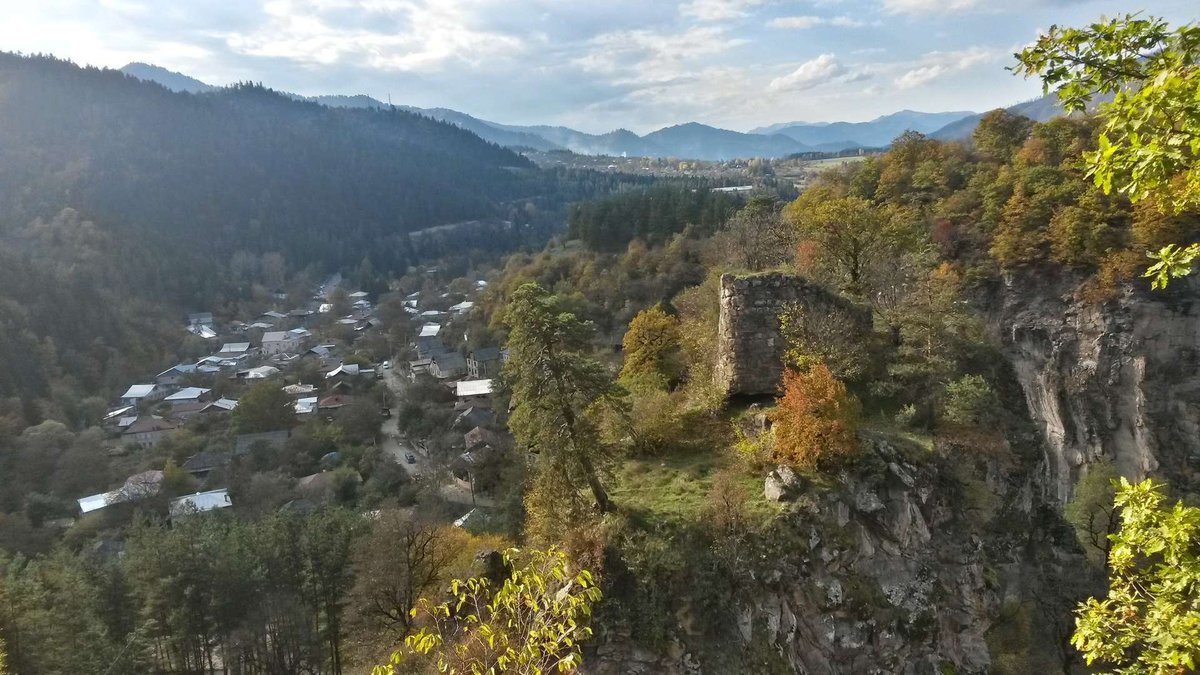
Ruins near Tsagveri in the Borjomi municipality, grown so far into the rock that the walls carry on from the bedrock and are hard to pick out from a distance. The fortress is small and barely known to the wider public, but the atmosphere here is its own thing: forest, mist and stone. A good option for anyone who has already seen Rabati and wants something untrodden.
More: Uznariani Fortress and the object page.
⛰️ Tsikhisjvari
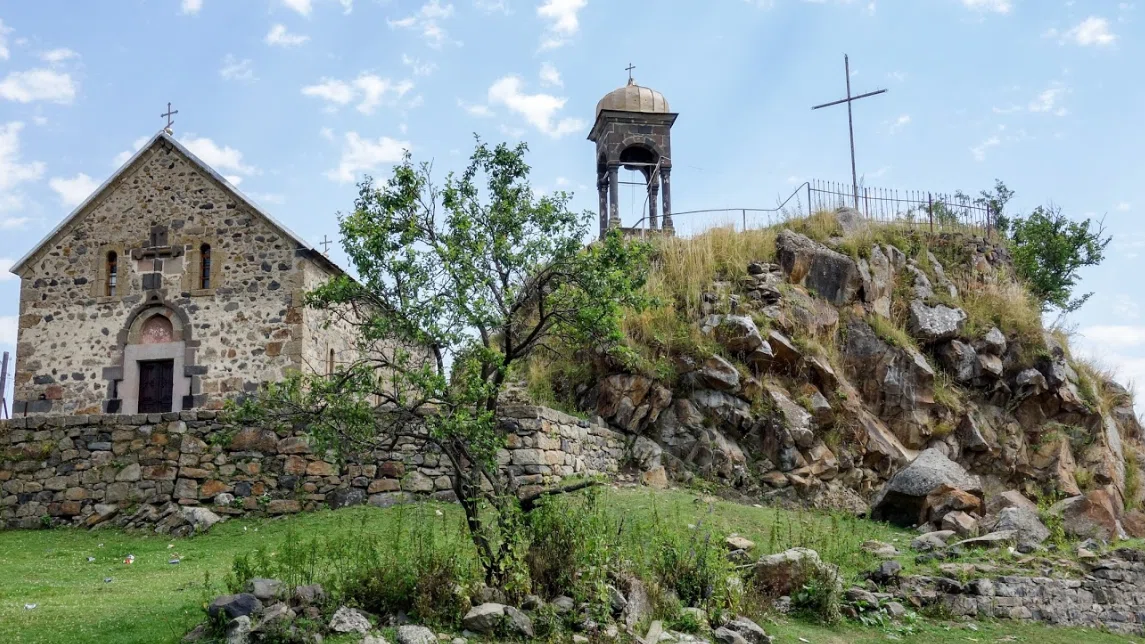
A fortress by the village of the same name in the Borjomi municipality, up in the highlands between Borjomi and Bakuriani. The name translates roughly as "the cross of the fortress", and the site commands its surroundings. Preservation is middling, but the position pays off: it's an easy stop on the road to Bakuriani.
More: Tsikhisjvari and the object page.
📜 Demoti
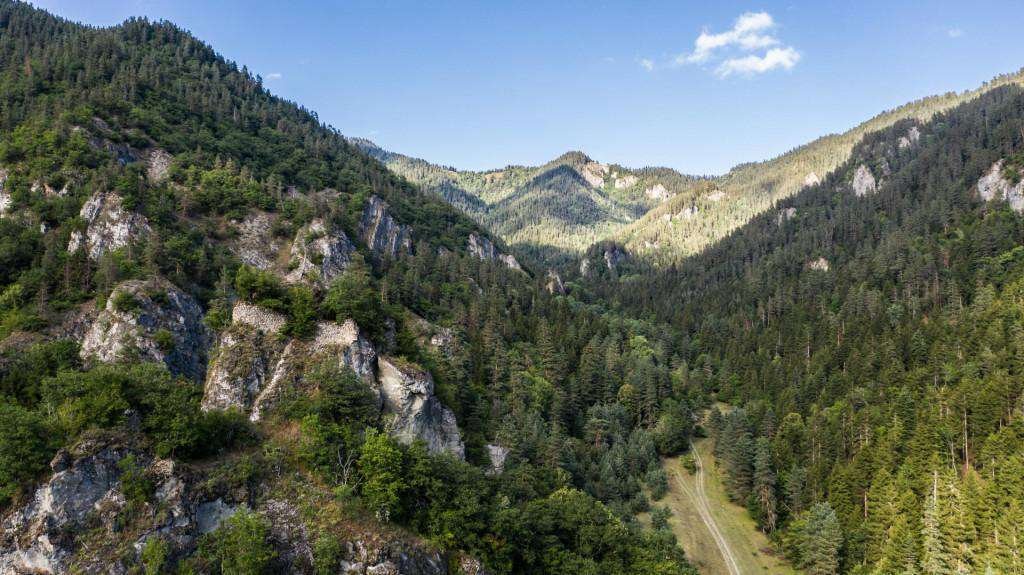
A historic fortress by the village of Kvabiskhevi in the Borjomi municipality, at the foot of Mount Persati on a sheer cliff. What makes Demoti interesting is above all its written history: Leonti Mroveli mentions it when describing the confrontation between the people of Tsunda and Odzrkhe, and the source names Sumbat Bivritiani as its builder. That places it in a layer so early it merges with the semi-legendary part of the Georgian chronicle. On the ground today, ruins.
More: Demoti Fortress and the object page.
🌳 Gogia
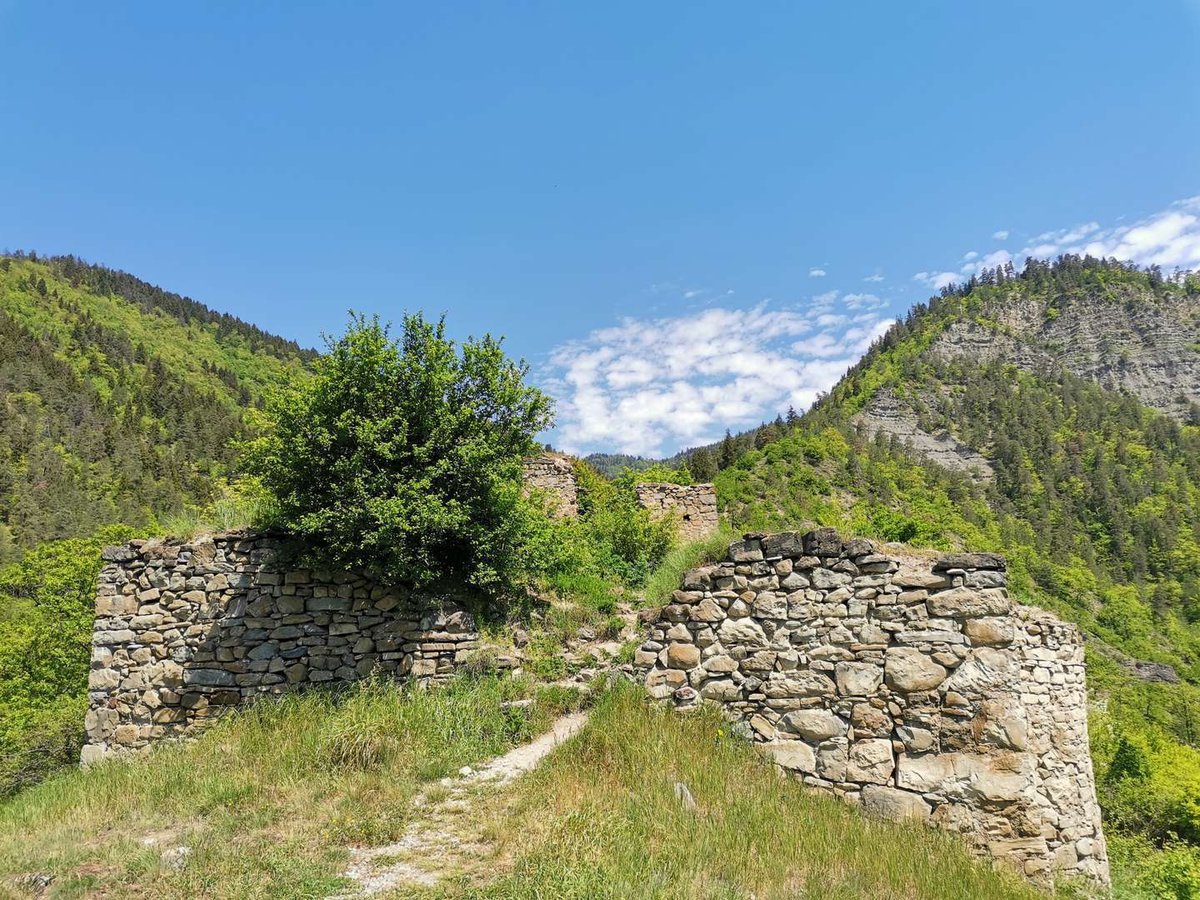
A fortress in the northwestern part of the Borjomi municipality, in wooded country. The site is little studied: there's almost no detailed historical material in open sources, and Gogia barely makes it into guidebooks. The people who come here are the ones deliberately collecting the region's fortresses.
The object page.
🗼 Akhaldaba
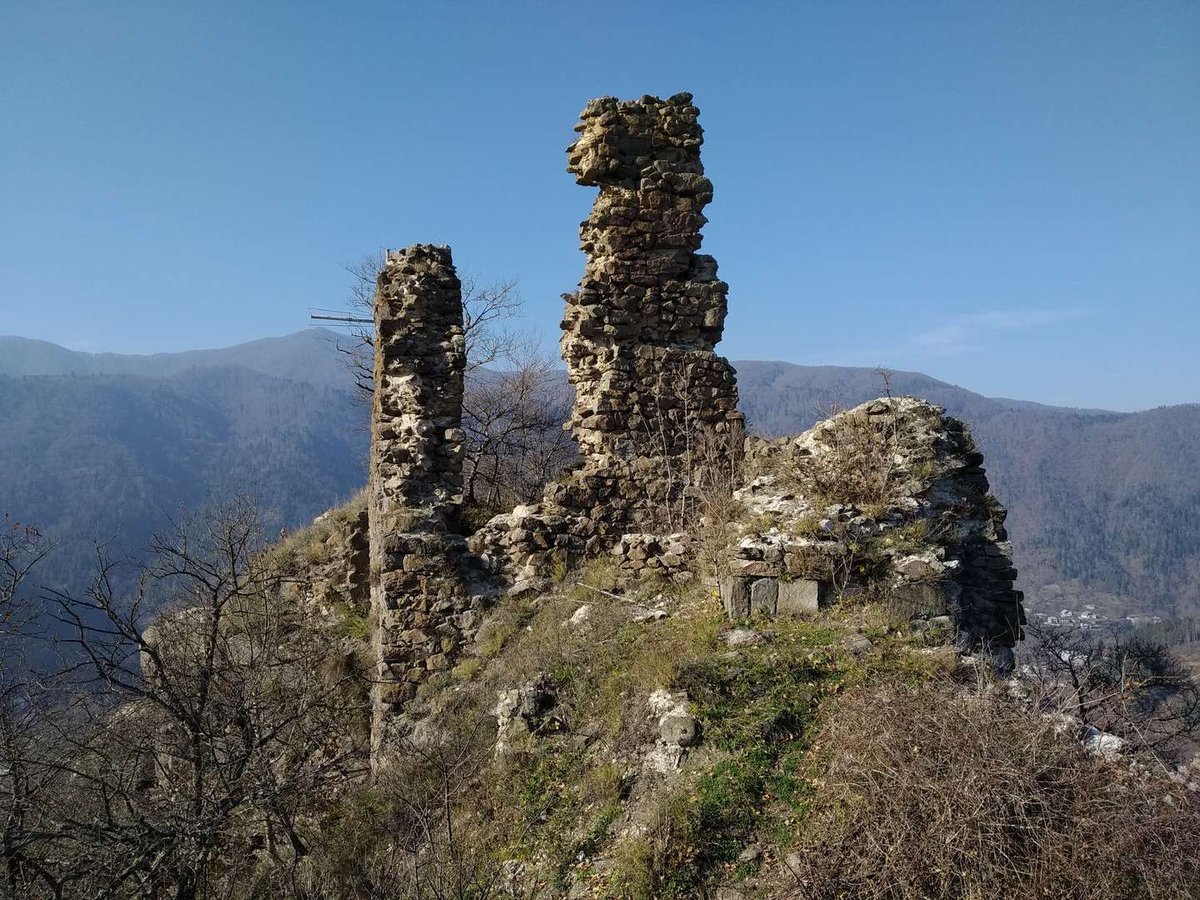
At Akhaldaba, a settlement on the way up the gorge from Borjomi, two fortifications survive side by side: a fortress traditionally called Tamar's fortress, and a free-standing medieval round tower. It's a convenient stop en route to, say, Nedzvi Monastery: both sit by the road, with no long climb involved.
More: Akhaldaba Fortress and the Akhaldaba Tower.
Beyond those listed, the catalog also holds Dviri Fortress, Sami (Samni) Fortress and the Abastumani fortress of Queen Tamar, all in the same Borjomi-Adigeni cluster.
🚗 How to Plan the Route
The most practical base is Akhaltsikhe: the town sits roughly in the middle of the region, equally handy for heading down the Kura or off towards Adigeni. For the plateau, base yourself in Akhalkalaki; for the Borjomi gorge, in Borjomi.
A practical caveat: apart from Rabati, nearly all of these are ruins with no railings, ticket offices or signs. You'll want proper footwear, and some sites mean walking in from the road. Mountain weather turns fast, and in winter part of the approaches become impassable.
Download the fortress coordinates and routes
The PDF holds exact coordinates for thirteen fortresses (WGS84), a breakdown into three clusters and three day-routes. Save it to your phone: many ruins have no signposts and mountain signal drops out.
🧭 Where to Stay and Eat
Akhaltsikhe is the handiest base: a town in the middle of the region with lodging, cafes and transport. Take Akhalkalaki for the plateau and Borjomi for the gorge.
Toured the fortresses of Samtskhe-Javakheti? Leave a review on Madloba: tell us which ones you reached, how the roads were, and what first-timers planning this route should know.
Information is current as of July 2026. Road conditions, access to the ruins and Rabati's opening hours all change; check the current situation before you travel.
❓ FAQ
💬 Our catalog holds around twenty sites, and the true number across the region is higher. They're densest in the Borjomi municipality and sparsest on the Javakheti plateau.
💬 Rabati in Akhaltsikhe. It's the only fully restored fortress in the region, running as a museum complex with a mosque, a church and a synagogue on one site.
💬 The Kura gorge is the natural corridor through the region, used by trade and armies alike. Strongholds went up wherever the valley narrowed, in order to control the passage, and that's how the line of Khertvisi, Tmogvi, Saro, Atskuri and Rabati came about.
💬 There's no certain answer. The megalithic Abuli and Shaori are built of basalt blocks without mortar and belong to deep antiquity, but almost no excavation has been done at either, so the dating stays open.
💬 Okrostsikhe, the Golden Fortress, near the village of Bolajuri in the Adigeni municipality, is described as one of the largest in Georgia. It's also far less known than Rabati.
💬 Only at Rabati, which operates as a museum complex. The region's other fortresses are open ruins with no ticket offices or fences.
💬 Not all of them. In a day you can realistically cover one group: the Kura line, the Adigeni cluster, or the plateau. For the whole region allow at least three days.
💬 It varies. Rabati is in the middle of town and so is Akhalkalaki, but Okrostsikhe, Abuli, Zanavi and Gogia mean unpaved roads and walking. An off-road vehicle and decent boots both earn their place on this route.

2 comments
Log in to leave a comment