



🏰 Rabat Castle in Georgia: A Thousand Years of the Akhaltsikhe Fortress and What to See Today
🏰 Rabati Fortress: The Essentials
The Akhaltsikhe fortress on the bank of the Potskhovi, the principal site of Samtskhe-Javakheti and one of the most visited in Georgia. Its history runs from the ninth century, while its present form dates from the rebuild opened in 2012. Seven hectares, divided into a historical and a modern half.
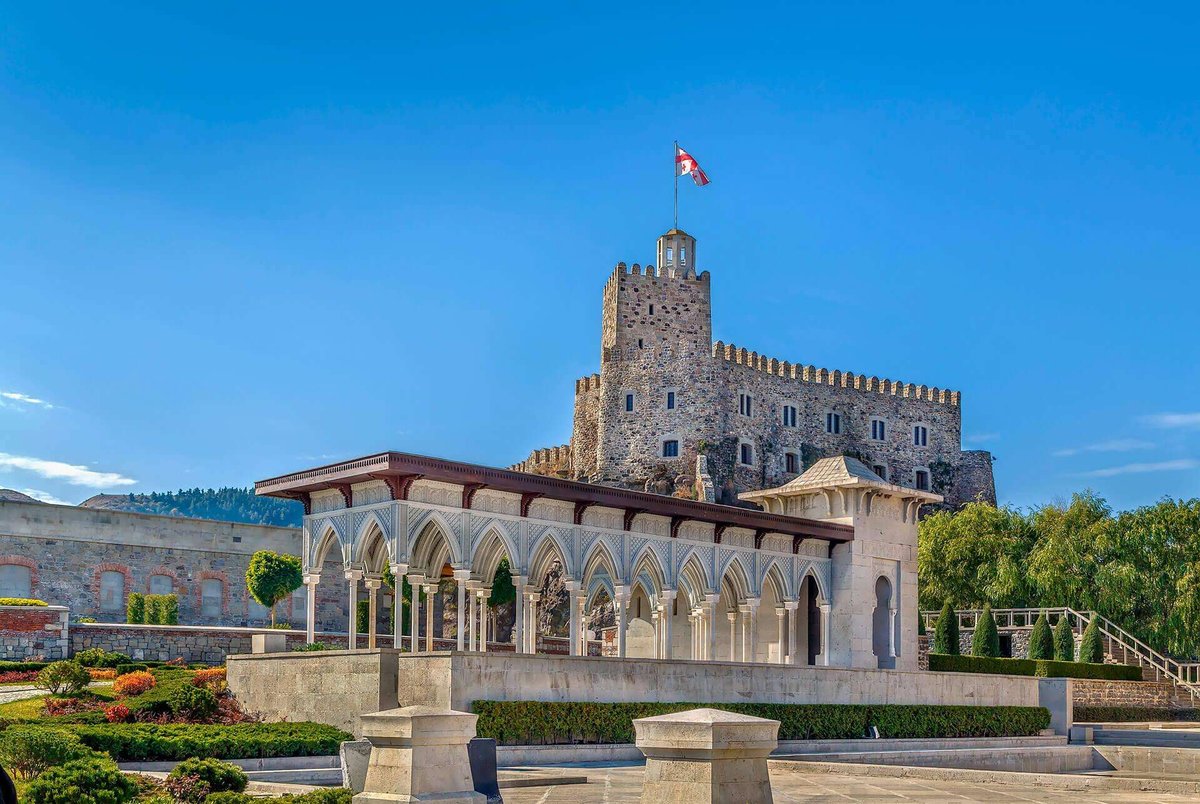
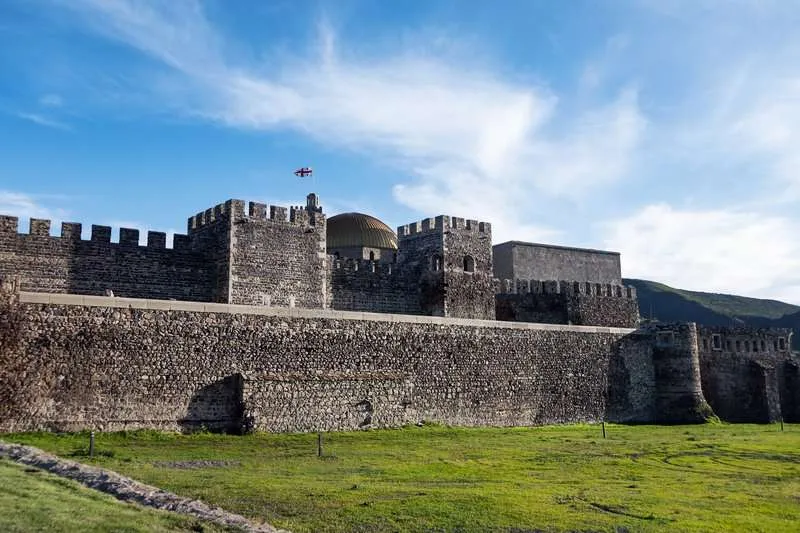
Rabati Fortress stands in the town of Akhaltsikhe in southern Georgia, on the bank of the Potskhovi. It is the principal sight of Samtskhe-Javakheti and among the most visited in the country.
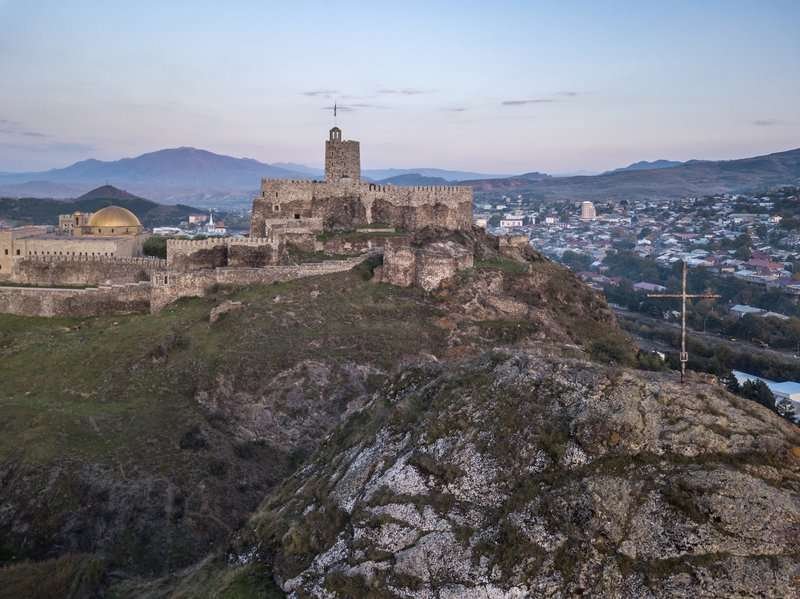
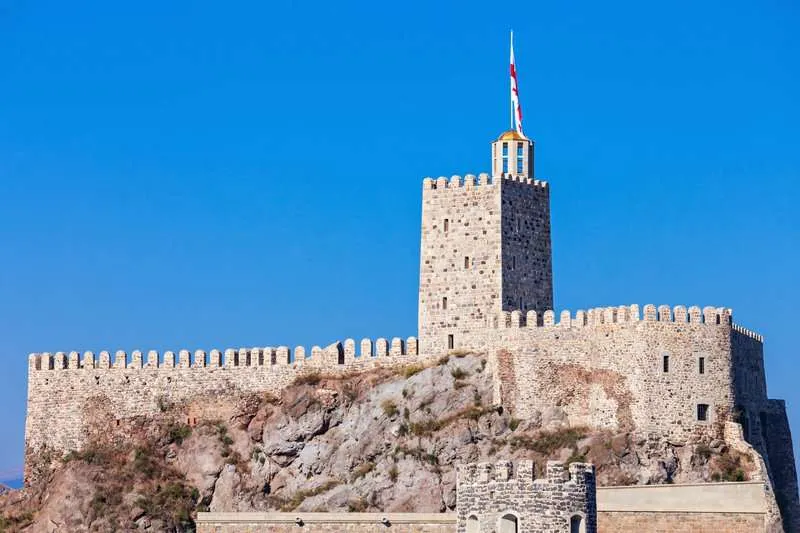
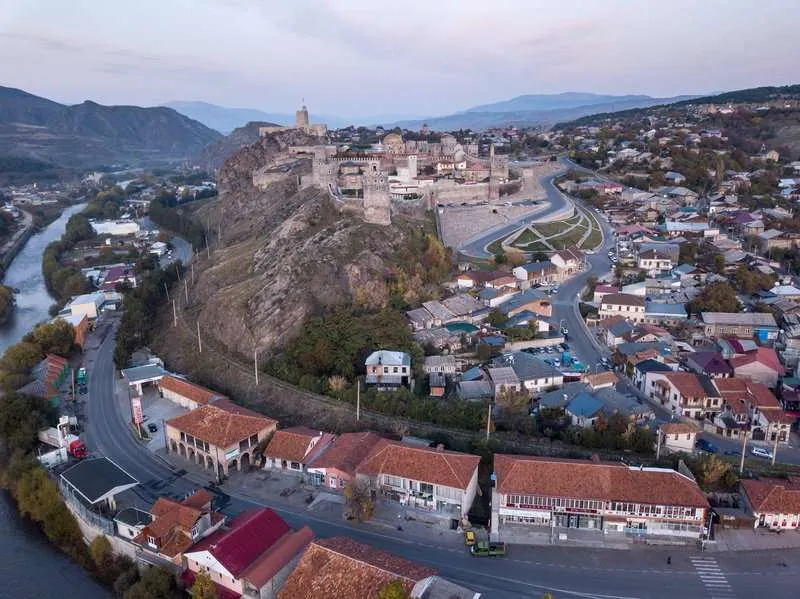
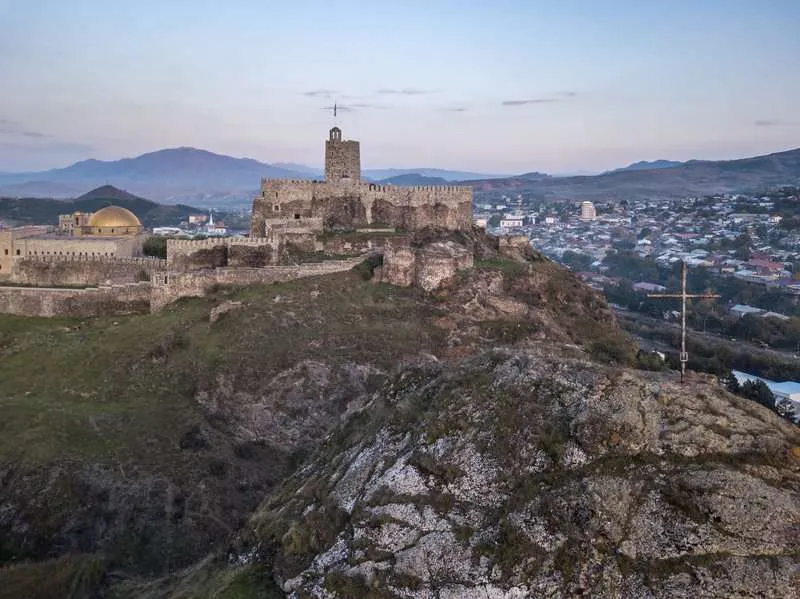
The fortress is visible from anywhere in town: it sits on a high hill, and you spot it from the road long before you arrive.
🏷️ Rabat, Rabati, Akhaltsikhe: three names, one place
The names are worth sorting out at once, since there are several and each belongs to its own period.
Lomsia, the first name. From the Georgian lomi, lion, hence 'the lion fortress'.
Akhaltsikhe, meaning 'new fortress'. This became the name of both town and stronghold after the rebuilding at the end of the twelfth century.
Rabat, an Arabic word from ribat, a fortified frontier post. By the early nineteenth century Akhaltsikhe had grown into eight residential quarters, and the old part, the fortress itself, came to be called Rabati.
In English both Rabat and Rabati are used. The first is closer to the Arabic original, the second to the Georgian pronunciation, where a vowel is added to the stem. They are one and the same place, and the formally correct name is the Akhaltsikhe fortress.
🦁 The 9th century: Guaram Mampali and the Lomsia fortress
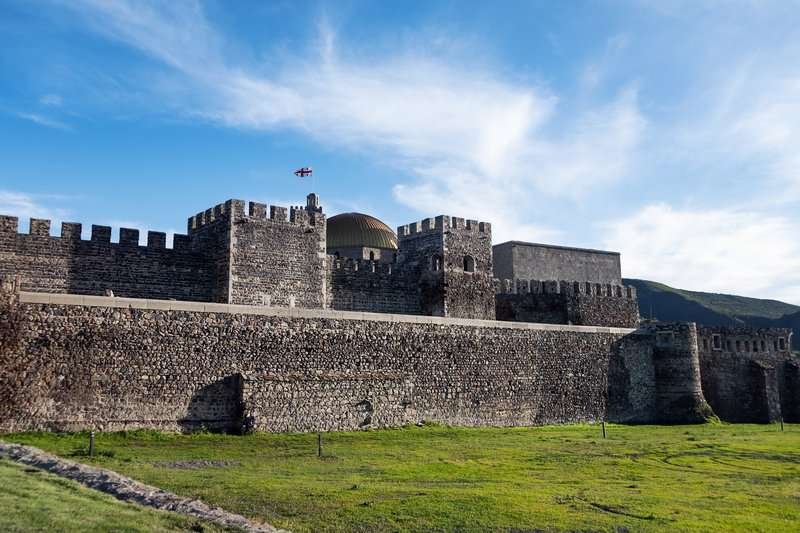
It all began in the ninth century, when the fortress of Lomsia was founded within what is now Akhaltsikhe.
It was built by Guaram Mampali, the younger son of Ashot I, founder of the principality of Tao-Klarjeti. So the fortress has a named patron from the first princely house of the region.
By the end of that same century Lomsia had become the hereditary holding of the Jaqeli princes of the house of Chorchaneli, major feudal lords who were in constant rivalry with the Bagrationi.
⚔️ The 12th century: revolt against Tamar and a new dynasty
What follows explains why the family name stayed the same while the people changed.
At the end of the twelfth century, under Queen Tamar, the Jaqeli came into conflict with the ruling dynasty. The revolt was put down, and by the queen's order all the Jaqeli holdings passed to another branch of the house of Chorchaneli, which founded a new dynasty under the same name.
It was these new Jaqeli who turned Lomsia into a proper town under the new name Akhaltsikhe. The stronghold grew considerably then and became the southern outpost of Georgia.
👑 The 14th century: capital of Samtskhe and Timur's campaign
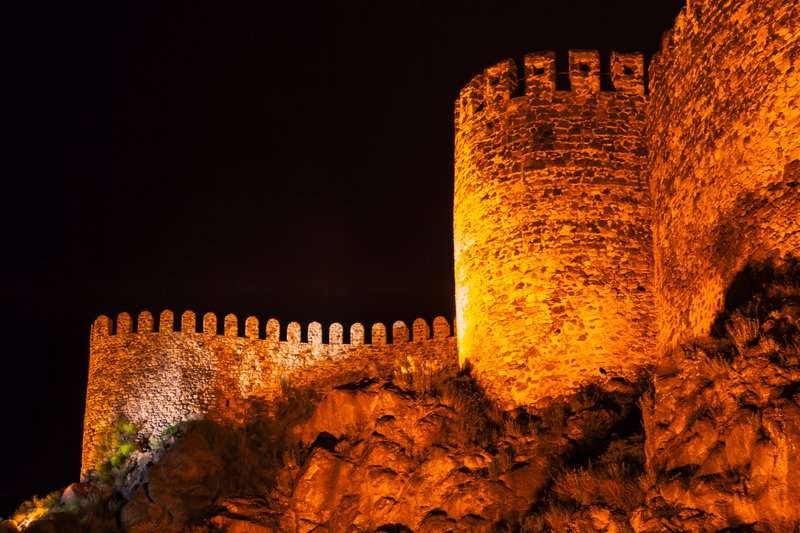
At the start of the fourteenth century, by the order of King George V, the fortress became the capital of the principality of Samtskhe. The residence of the atabegs, the Jaqeli castle, and a Christian church and monastery were built on its grounds.
At the end of that same fourteenth century the fortress was heavily damaged during the campaign of Timur's army in the South Caucasus.
The dating here is worth getting right, and it is often got wrong: Timur was active at the end of the fourteenth and start of the fifteenth century. His campaigns in Georgia fall between 1386 and 1403, and any account placing them earlier is mistaken.
A century later, in the middle of the fifteenth century, the ordeal repeated itself: almost the whole town was burned by the Turkic army of Yaqub Shah.
☪️ Rabat under the Ottomans: 1579-1828
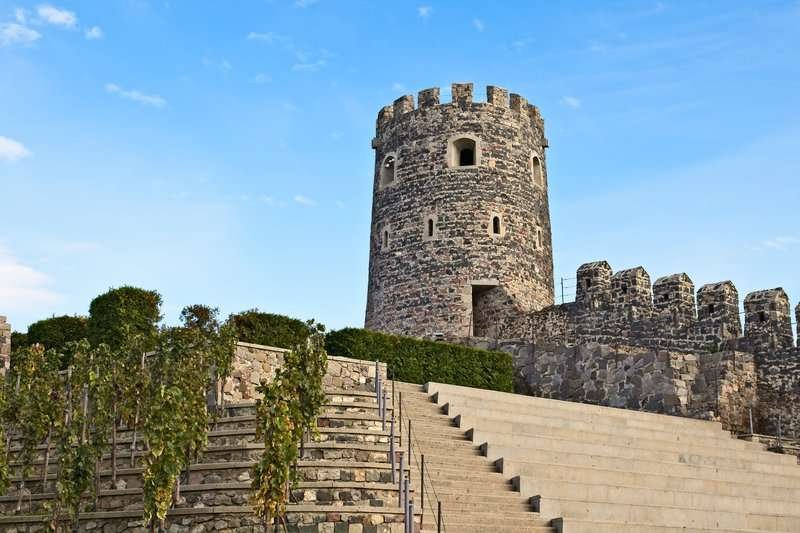
In 1578 the Ottoman Empire began taking the lands of the principality of Samtskhe. The rulers tried to resist but were outmatched, and in 1579 the Jaqeli princes surrendered Akhaltsikhe voluntarily, becoming among the first Georgian nobles to adopt Islam.
Under the Turks the fortress expanded considerably. An impregnable citadel appeared on the rock, and in 1628 Akhaltsikhe became the centre of the Akhaltsikhe pashalik.
Inside stood the pasha's residence and the town's principal mosque, attached to which was one of the richest libraries in the Muslim world. And one detail explains the shape of the town: only Muslims were permitted to live inside the fortress. Everyone else settled beyond the walls, and the town grew around it.
🇷🇺 1828 and 1853: how the fortress passed to Russia
The citadel on its rock remained impregnable until 1828, when Russian forces took it during the Russo-Turkish war. A year later the Turks tried without success to retake it, and from 1829 the region came under the protectorate of the Russian Empire.
The second episode belongs to the Crimean War. In 1853, beneath the walls, the detachment of Prince Ivane Andronikashvili met the Ottoman force of Ali Pasha and won, halting the advance into the South Caucasus.
🔨 Rabat Fortress after the rebuild: what is on the seven hectares
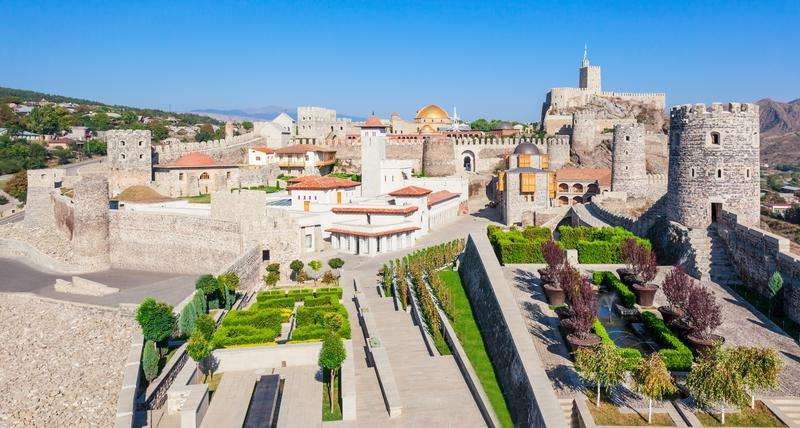
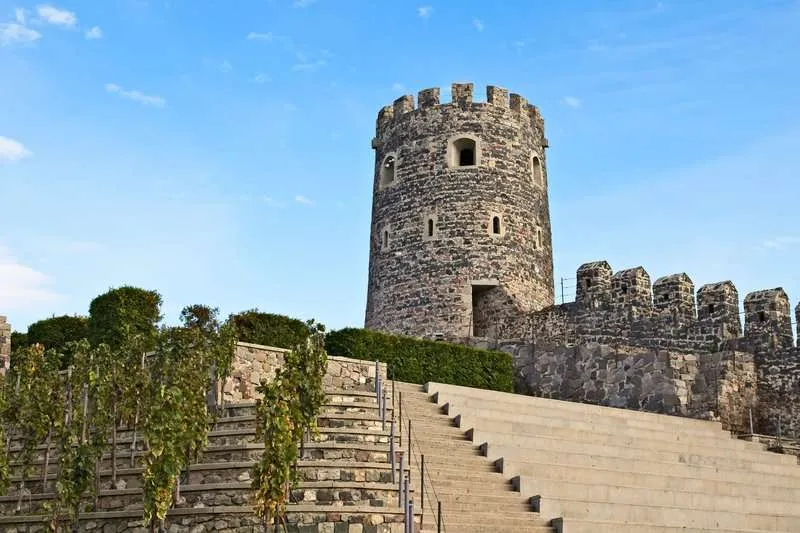
Work began in 2011-2012 and was extensive: not only restoration but the reconstruction of buildings destroyed centuries earlier.
Part of the funding came from Turkey, which has an interest in preserving Ottoman heritage. The rebuilt fortress opened on 16 August 2012.
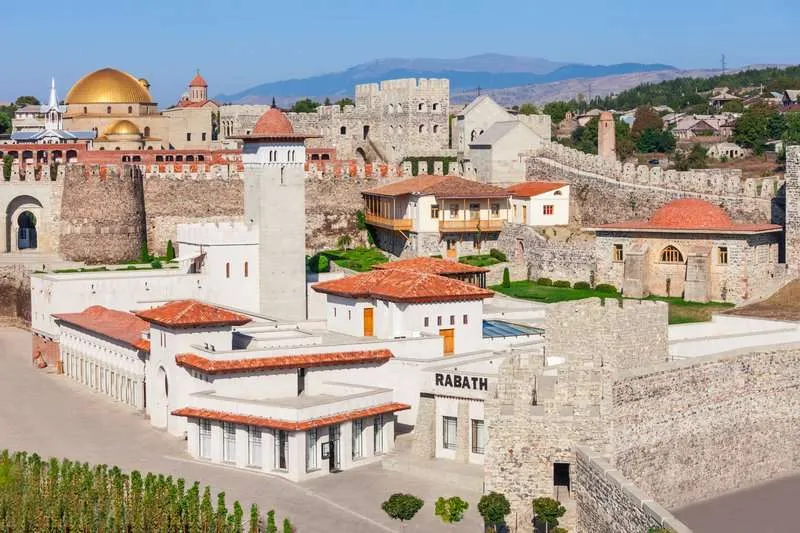
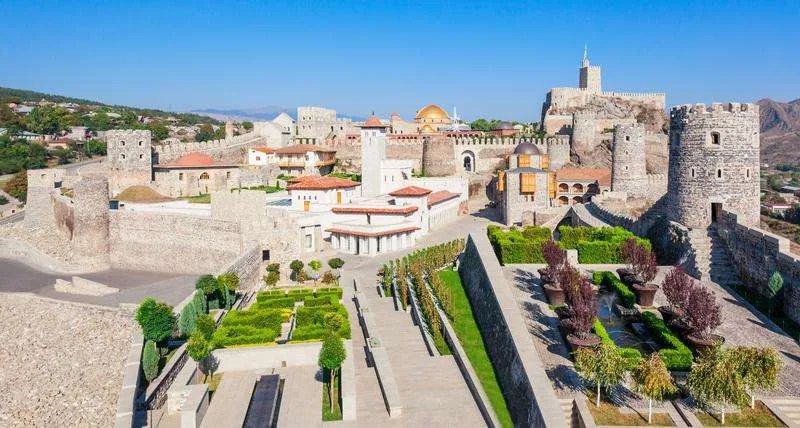
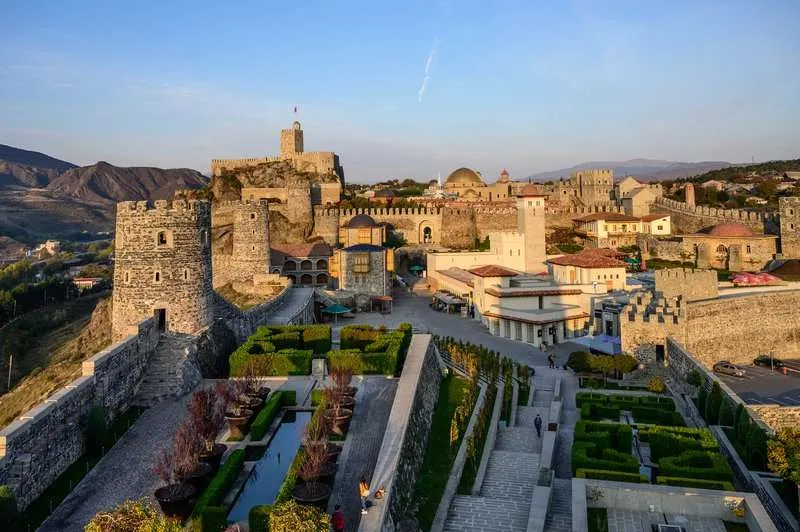
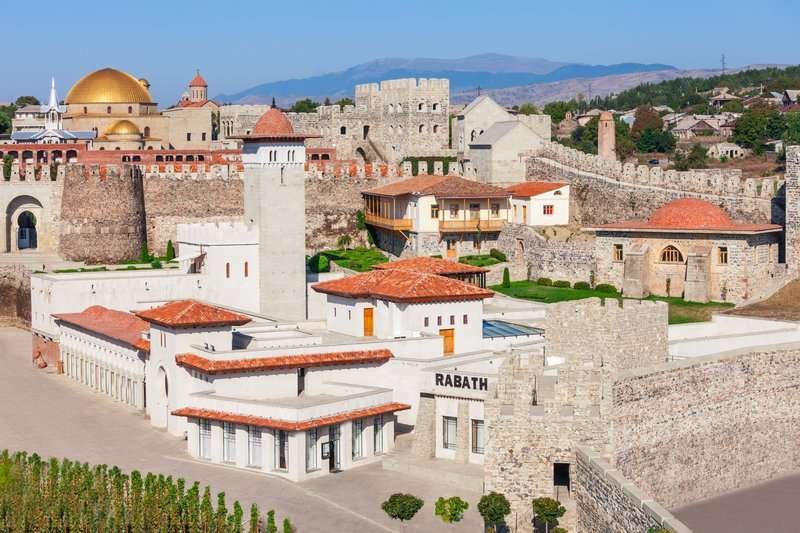
The complex now covers seven hectares and is divided in two.
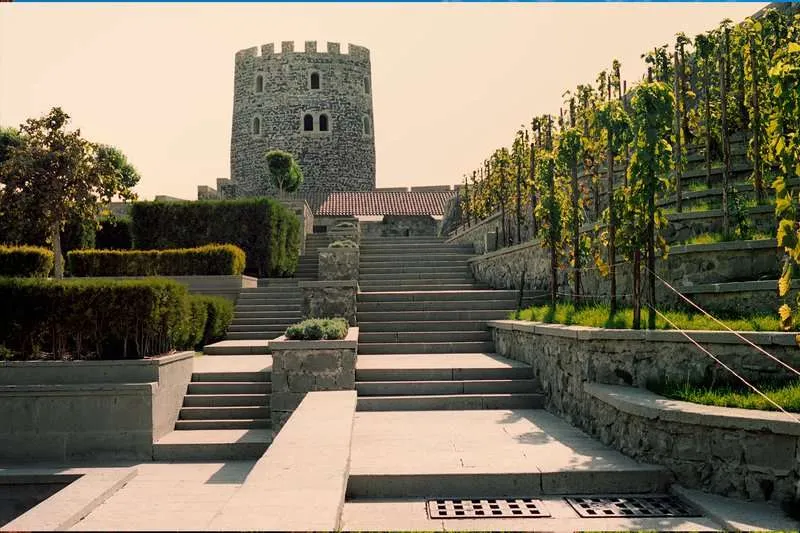
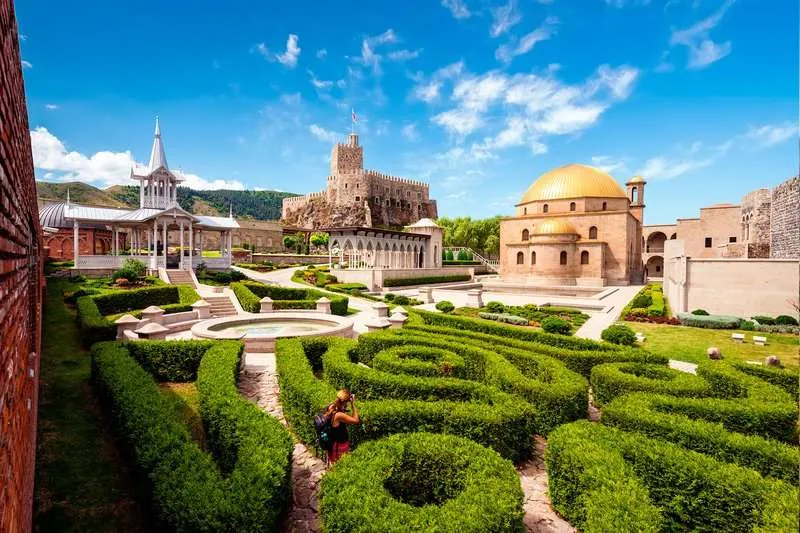
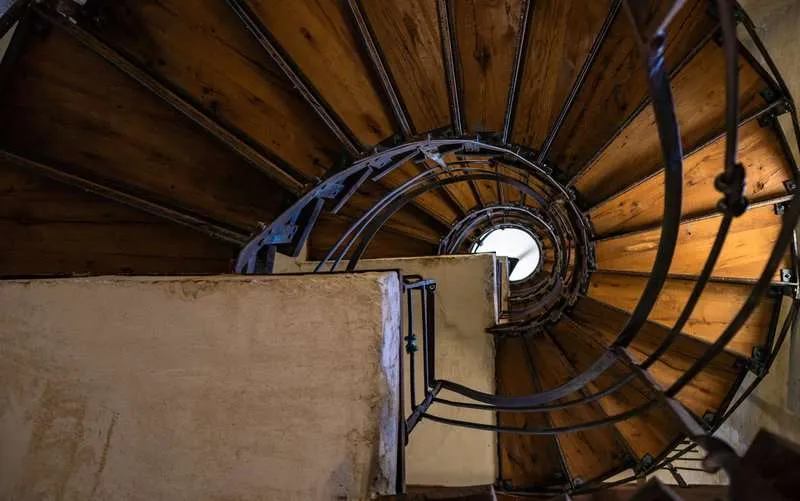
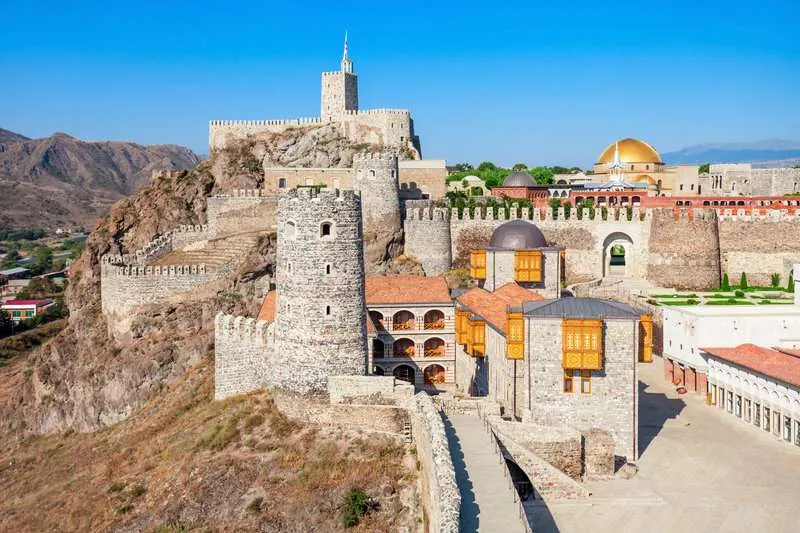
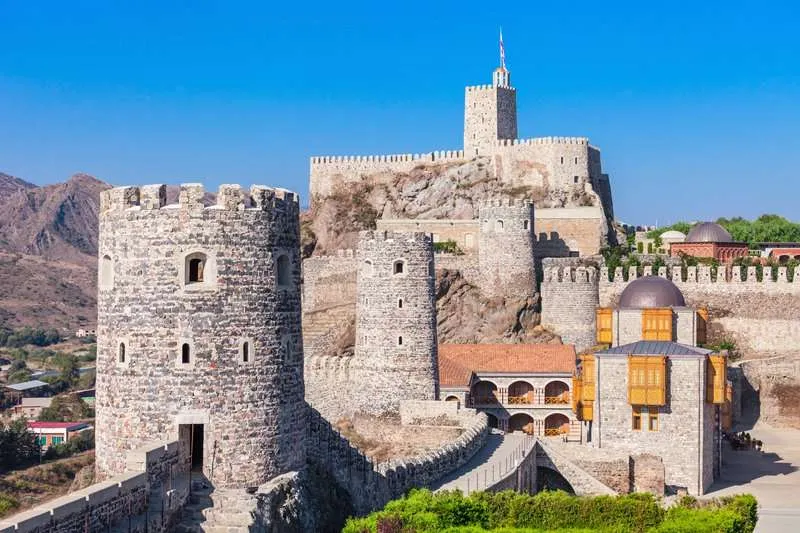
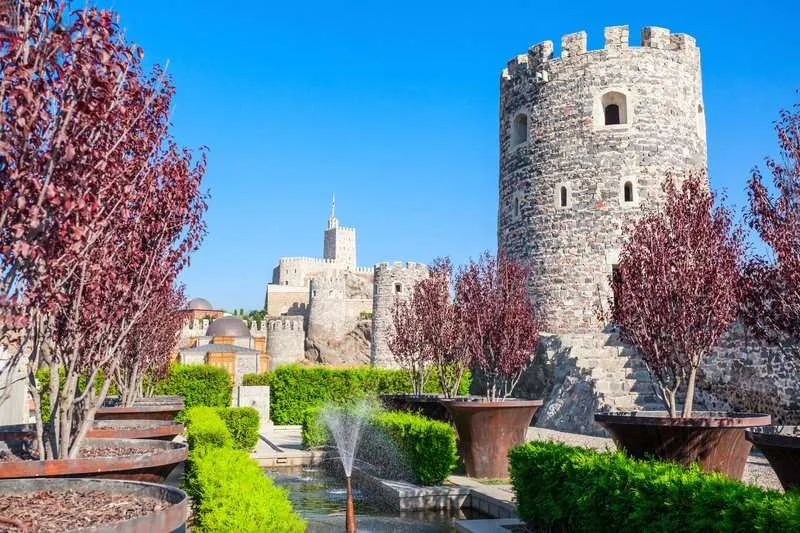
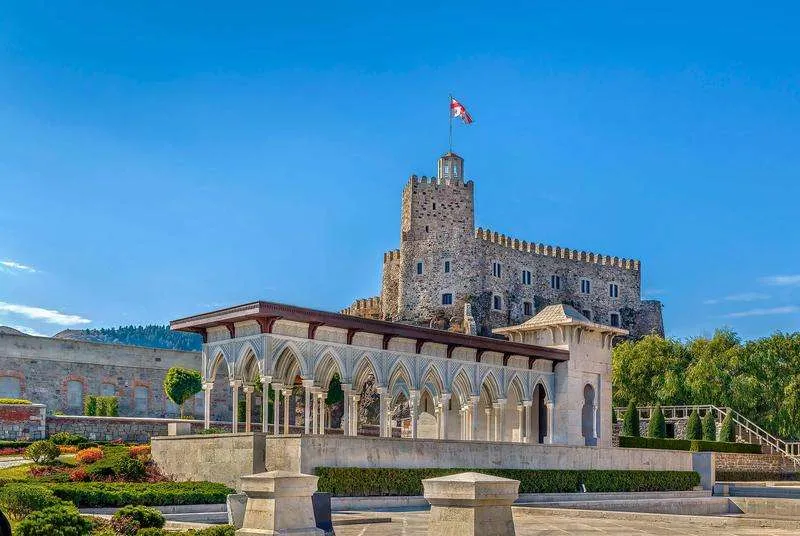
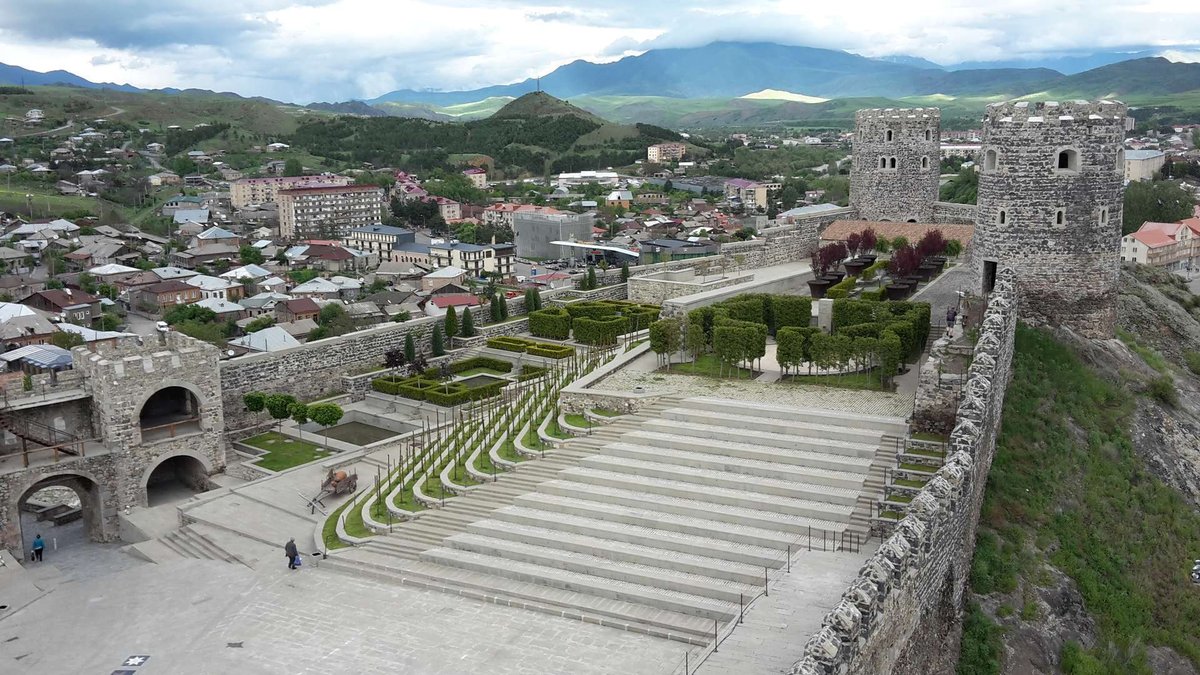
The historical half: the citadel, the walls, four towers with spiral staircases, a viewing platform, a mosque, a church and other buildings.
The modern half: a hotel, a restaurant, cafés and shops on the grounds.
The approach is contested and opinions divide. Some hold that the reconstruction turned a monument into a stage set; others that without it the fortress would have remained ruins nobody visited. The fifteen hundred to two thousand daily visitors the municipality reports were certainly not coming before.
⛪ The church, the mosque and the stone rams
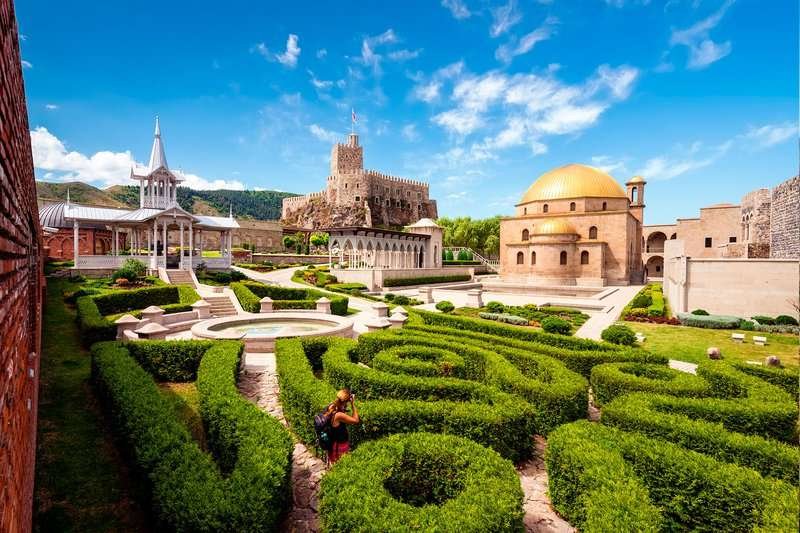
In the upper part of the fortress stands a church, by some accounts built in 1578.
It has a bell tower, and old ornament and inscriptions are visible on the walls, along with bullet marks. There is no conventional altar inside: in its place stand large stone slabs dividing the church in two. The furnishing is plain.
Outside stand stone 'rams', elongated sculptures guarding the church. There are several, and they are among the details people walk past without noticing.
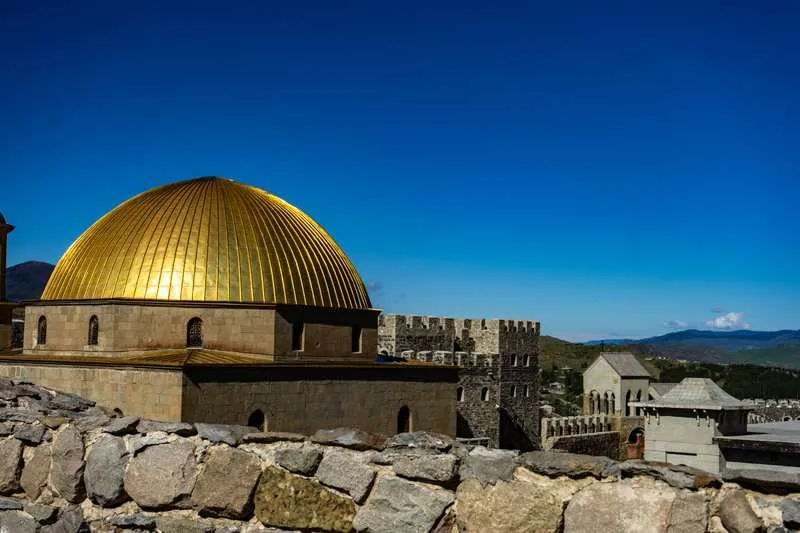
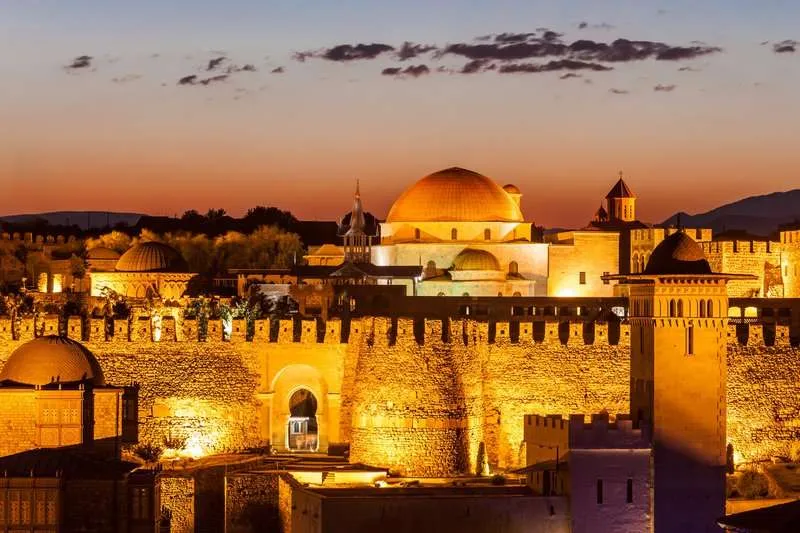
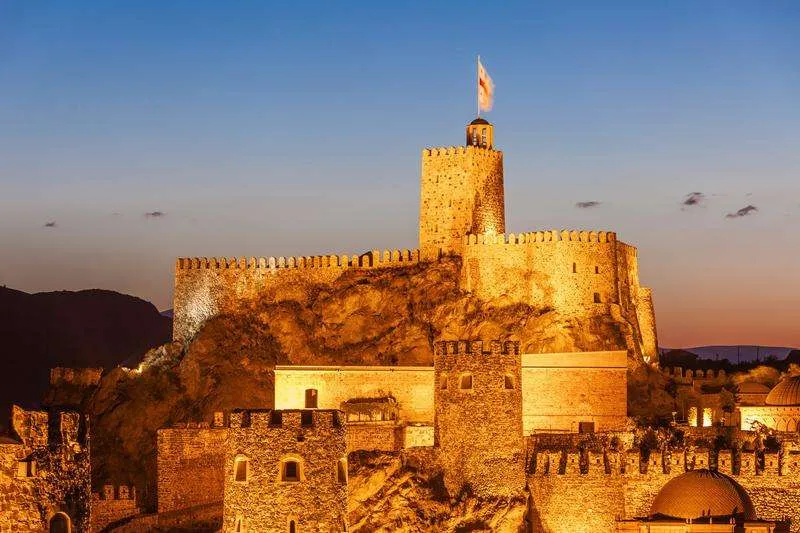
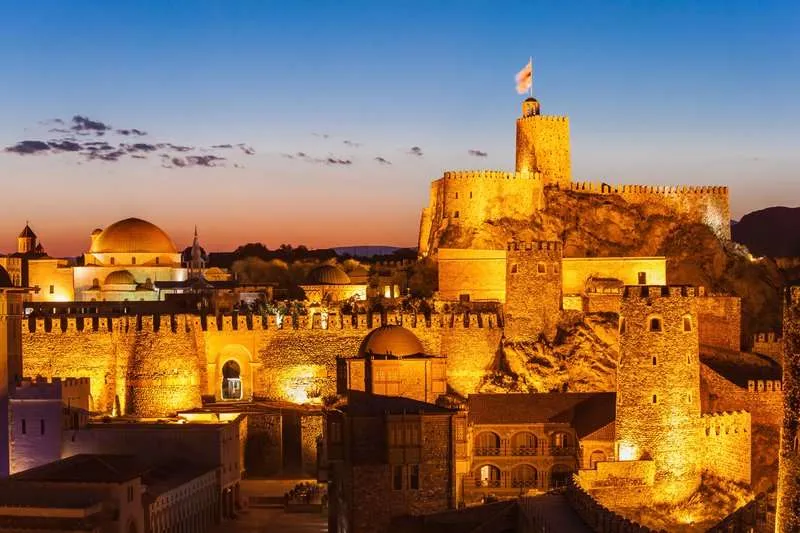
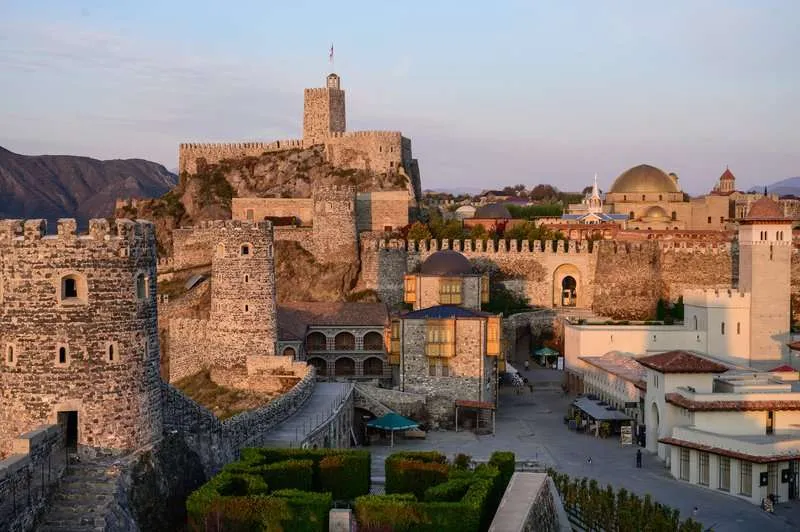
The mosque survives from the Ottoman period and, together with the minaret, forms the silhouette of the fortress, the one that ends up in every photograph.
Rabat Fortress: photos and the best angles
The fortress is photographed from every side, but the shots differ, and it helps to know what to go where for.
From the citadel's viewing platform you get the panorama of Akhaltsikhe and the gorge. This is the main view, the reason people climb up, and the most common cause of staying longer than planned.
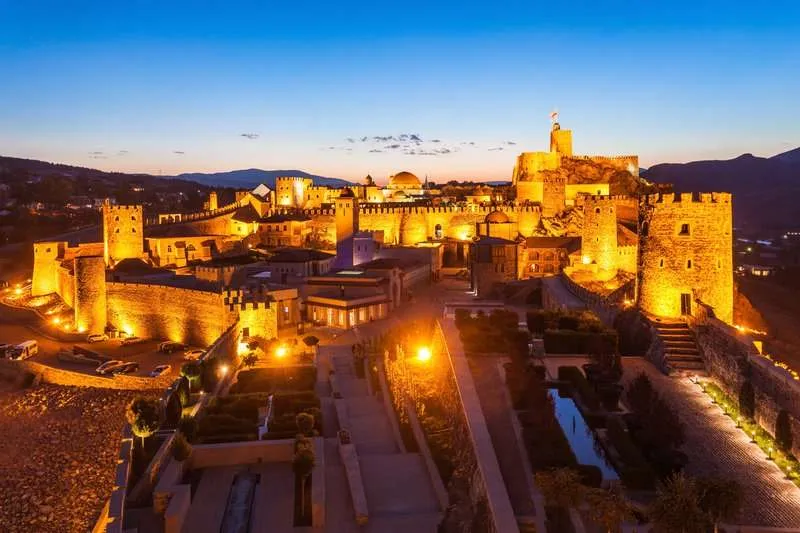
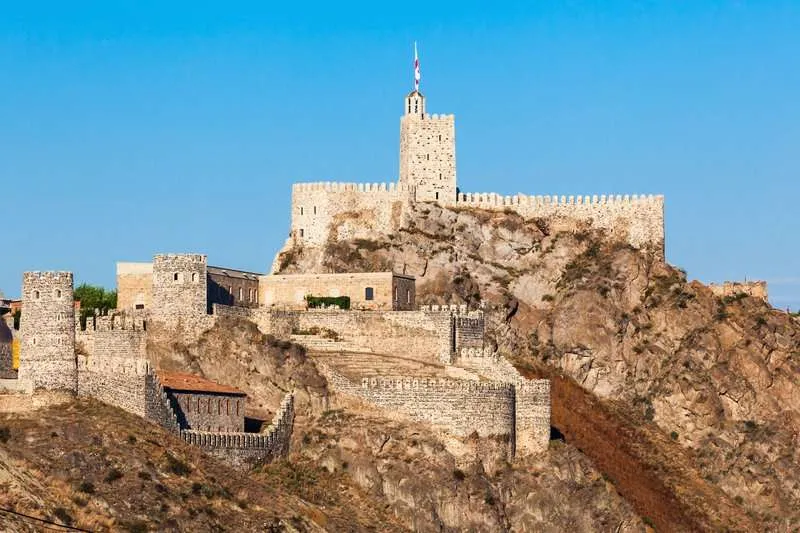
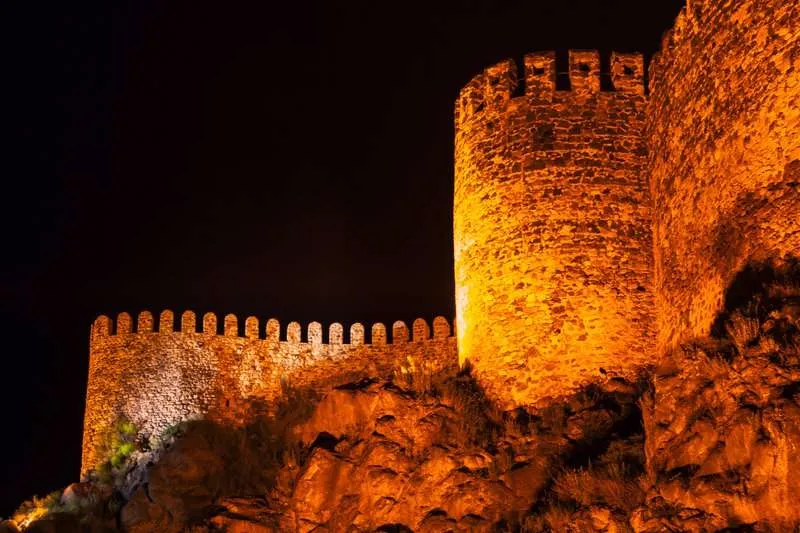
From below, at the foot of the hill, the fortress reads as a whole: walls, towers and minaret against the sky. It works best in evening light, when the stone warms.
Inside the courtyard people shoot the mosque and the church. It is tighter there, and in season somebody is always in the frame.
From the Vardzia road the fortress is visible at a distance and sits well in a shot with the mountains. If you are heading south, slow down on the way out of town.
🚗 Getting to Rabat Fortress and how long to allow
The location works in your favour: main roads pass nearby, and the fortress sits on the route of almost any itinerary through Samtskhe-Javakheti.
From Tbilisi, about three hours by marshrutka from Didube station, through Gori, Khashuri and Borjomi.
From Borjomi, roughly an hour along the Mtkvari gorge.
From Vardzia, about an hour, and Rabati usually goes into the same day.
Allow two to three hours to see it. The grounds are large, the climb to the citadel takes time, and people linger on the viewing platform longer than they intend.
🧭 What to see in Akhaltsikhe and nearby
The Shota Rustaveli monument in the town centre, ten minutes' walk from the fortress. It stands here for a reason: by one account the poet's byname derives from the nearby Meskhetian Rustavi.
The cave monastery of Vardzia, an hour to the south, the region's principal site.
Sapara Monastery, twelve kilometres from Akhaltsikhe, an active house on the slope of a gorge.
On the town as a whole, see the sights of Akhaltsikhe.
Been to Rabati Fortress? Leave a review on Madloba: tell us how long the visit took, whether you climbed to the citadel, and whether you found the stone rams by the church.
Information is current as of August 2026. Opening hours, ticket prices and the schedules of individual attractions on the grounds all change, so check the current conditions before you travel.
❓ Frequently asked questions
💬 In the town of Akhaltsikhe in southern Georgia, Samtskhe-Javakheti region, on the bank of the Potskhovi. The fortress stands on a high hill and is visible from anywhere in town.
💬 Both spellings are used and both refer to the same place. 'Rabat' is closer to the Arabic original, 'Rabati' to the Georgian pronunciation. The formally correct name is the Akhaltsikhe fortress, and the word itself is Arabic, from ribat, a fortified post.
💬 In the ninth century, as the fortress of Lomsia. It was built by Guaram Mampali, younger son of Ashot I, founder of the principality of Tao-Klarjeti. By the end of that century it belonged to the Jaqeli princes of the house of Chorchaneli.
💬 At the end of the fourteenth century Timur's campaign in the South Caucasus caused heavy damage; his campaigns fall between 1386 and 1403. A century later, in the mid-fifteenth, Yaqub Shah burned almost the whole town. Timur's campaign is often misdated to earlier centuries; that is an error.
💬 In 1578 the Ottoman Empire began taking the lands of Samtskhe, and in 1579 the Jaqeli princes surrendered Akhaltsikhe voluntarily, becoming among the first Georgian nobles to adopt Islam. From 1628 the town was the centre of the Akhaltsikhe pashalik, and only Muslims were permitted to live inside the fortress.
💬 In 1828, during the Russo-Turkish war. A year later the Turks tried unsuccessfully to retake it, and from 1829 the region came under the protectorate of the Russian Empire. In 1853, during the Crimean War, Prince Ivane Andronikashvili's detachment halted Ali Pasha's advance here.
💬 The complex covers seven hectares in two halves. The historical one holds the citadel, the walls, four towers with spiral staircases, the viewing platform, the mosque, the church and the Samtskhe-Javakheti History Museum. The modern one holds a hotel, a restaurant, cafés and shops.
💬 The work ran through 2011-2012 and involved not only restoration but the reconstruction of buildings destroyed centuries earlier. Part of the funding came from Turkey. The rebuilt fortress opened on 16 August 2012.
💬 The citadel's viewing platform gives the panorama of the town and the gorge. From below, at the foot of the hill, the fortress reads as a whole with its walls, towers and minaret, especially in evening light. From the Vardzia road it sits well in a shot with the mountains.
💬 Two to three hours. The grounds are large, the climb to the citadel takes time, and people linger on the viewing platform longer than they intend.
💬 About three hours from Tbilisi by marshrutka from Didube station, through Gori, Khashuri and Borjomi. Roughly an hour from Borjomi along the Mtkvari gorge, and about an hour from Vardzia too.

36 comments
Log in to leave a comment
Про магазины в крепости - сначала мысленно поморщилась, потому что ну, как так - древняя крепость, там живая история, там кровь лилась! А потом поняла - это гарантия того, что этот комплекс зданий будет жить. Какие-то действующие предприятия в здании - это своевременный ремонт стен и коммуникаций, поддержание целостности строения. Поэтому пусть магазины - торговля лучше новых войн и новой крови.
Отдельное спасибо за видеоролик - интересно.