




Atskuri Fortress: Ancient Cliffside Citadel
The ruins of the domed Church of the Holy Mother of God (10th-11th centuries, 13th-14th and 15th centuries) remain in Atskuri. It was the largest church in Georgia during the Middle Ages.
The icon of the Atskuri Mother of God, the first depiction of the Blessed Virgin Mary in Georgia, was housed here. According to legend, the icon possessed miraculous powers. It is currently housed in the State Museum of Georgia.
The fortress town of Atskuri is located on a steep cliff at the mouth of the Kura and Abanosgele rivers, on the outskirts of the village of Atskuri, 30 km from Borjomi. The chronicler recounts that the fortress's defenses, along with the cliffs of the steep slope, were ensured by an internal structure that, like a fence, merged with the mountain slopes.
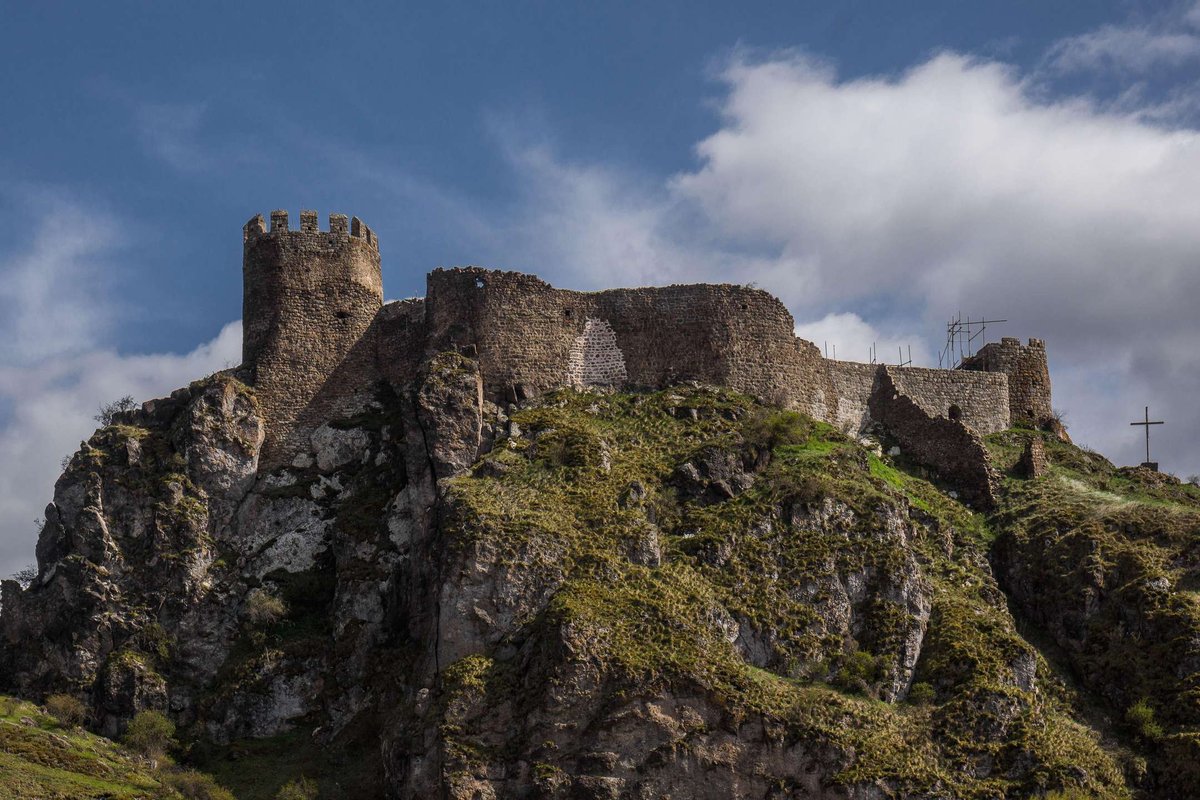
The oldest human habitation layers have been discovered in Atskuri, dating from the 5th century BC to the 1st century AD. Historical sources mention the fortress beginning in the mid-11th century, during the reign of Bagrat IV. The Atskveri Fortress and the "Majestic Temple of the Meskhetians, Atskveri," appear even more frequently in written sources from the 13th to 16th centuries. During the early Middle Ages, Atskuri was the political and religious center of southern Georgia (historians refer to it as Sosangeti or Atskveri). Numerous battles and powerful earthquakes destroyed the city, so only its ruins remain today.
The fortress is divided into five equal parts. All parts have irregular outlines. The fence follows the contours of the cliff. At the end of its eastern section stood the largest round tower. The fortress has a secret cave leading down to the river. The fortress could be entered through a narrow cave, which is now located at road level, on the banks of the Kura River.
In 1590, under the Treaty of Istanbul between Iran and Turkey, the entire Caucasus, including southern Georgia, came under Turkish rule. Atskuri became the capital of the Ottoman administrative unit of Sinjak. Turkish rule lasted for nearly 300 years. Only in 1829, as a result of the Treaty of Adrianople, did the region free itself from Turkish rule.
Today, the fortress is not developed for tourists; access is by climbing the cliff or using a water tunnel. After the road was built, the water supply was cut off, so there is no current now.
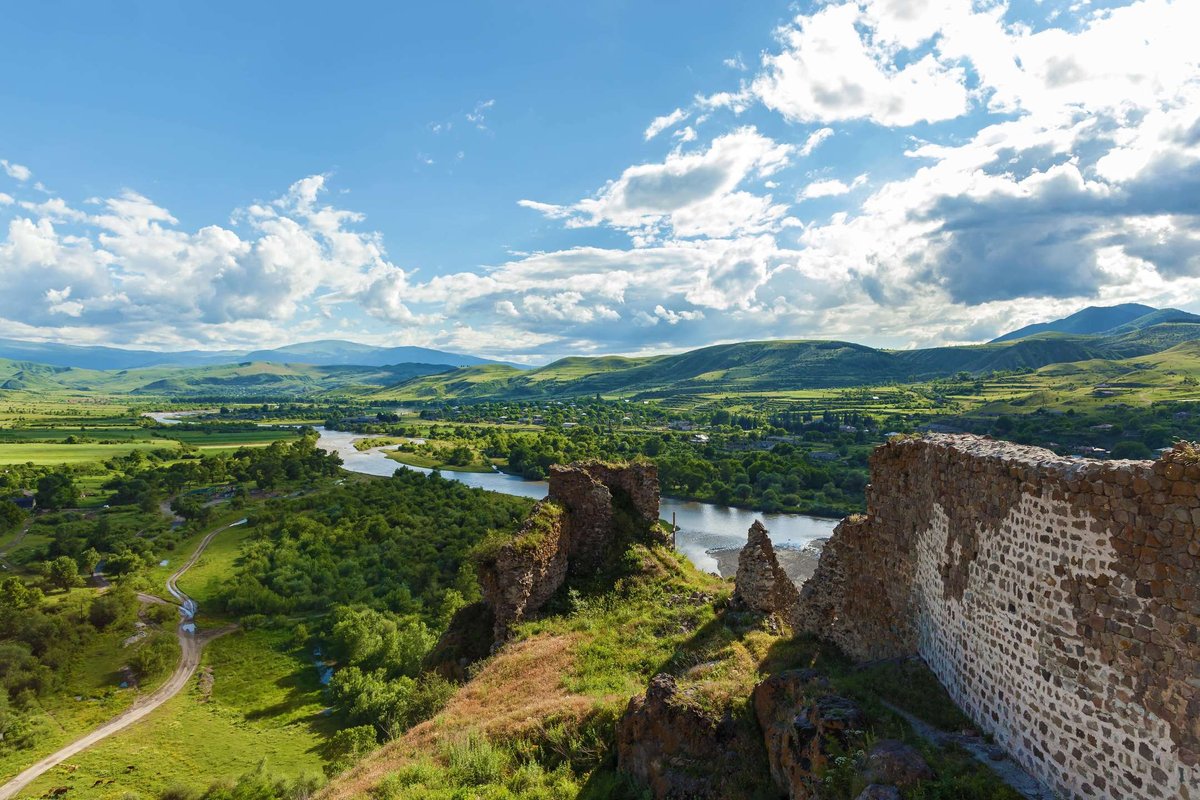
Independent travelers who enjoy exploring ruins will enjoy this fortress. The relatively well-preserved walls, ancient history, and numerous legends told by locals are a wonderful addition. Furthermore, it offers incredible views of the village.

38 comments
Log in to leave a comment