



Add organization

🗿 The Cyclopean Fortress of Abuli: Javakheti Megaliths With No Cultural Layer

🗿 Before You Go

🗿 Abuli Fortress: The Essentials

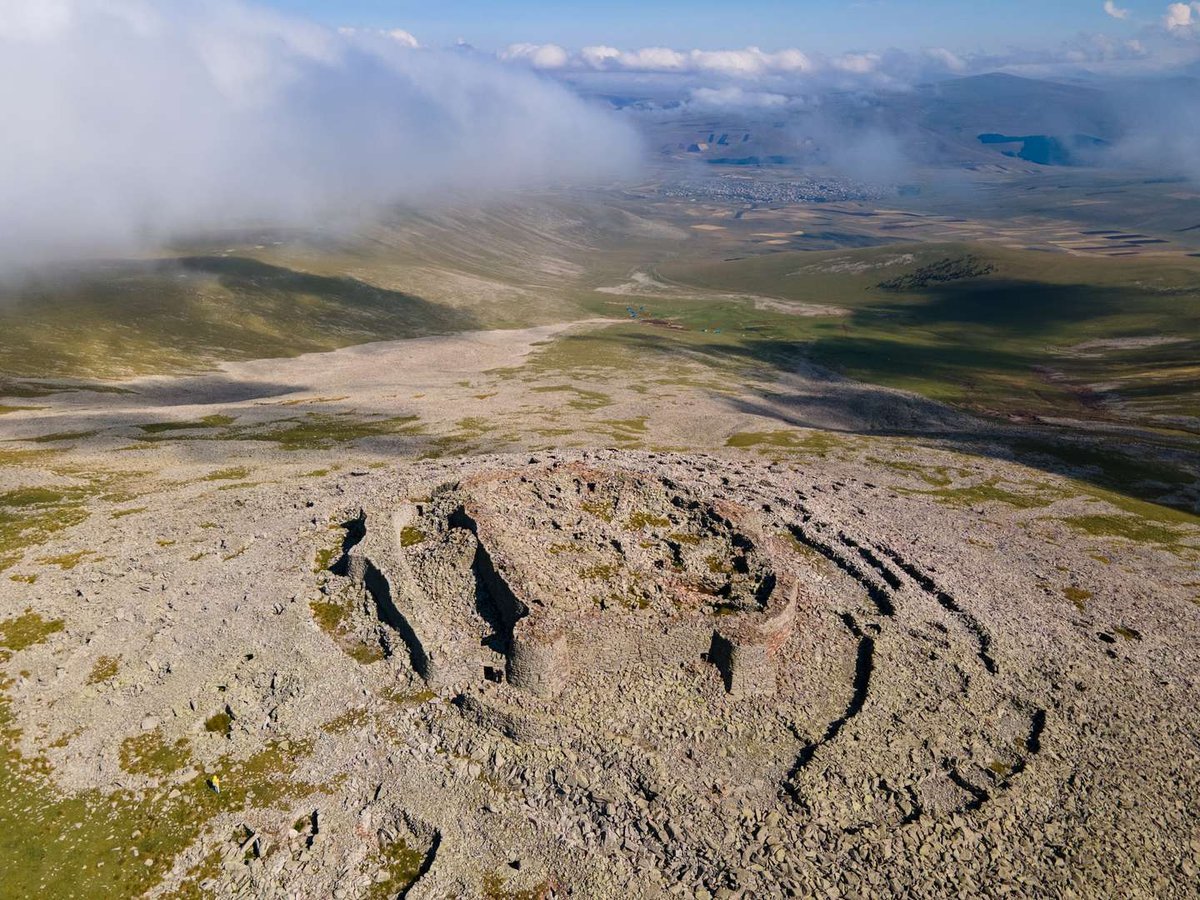
A cyclopean fortress of unworked boulders laid dry, without mortar. It occupies the southern slope of Mount Patara Abuli at 2,670 metres. Inside are some forty chambers, a number of them two and three storeys high.

Where It Is

Samtskhe-Javakheti, the Javakheti highland, near the village of Abuli. The fortress sits on the southern slope of Patara Abuli, that is Little Abuli, not the massif's main summit.
The object page: Abuli Fortress in the catalog.
📏
Altitude2,670 m above sea level
📐
The coreThe "inner fortress", about 60×40 m
🚪
ChambersUp to forty, some 2-3 storeys
❓
The puzzleNo cultural layer, only stone
ℹ️ There's no infrastructure here: no ticket office, no signage, no railings. The climb is to 2,670 metres over rough ground, and the walls are unstable in places. Proper footwear and care are essential.

Крепость Абули

Abuli Fortress is a cyclopean structure of enormous unworked stone blocks stacked dry, with no binding mortar of any kind. It stands on the southern slope of Mount Patara Abuli at 2,670 metres, not far from the village of Abuli. The region's other strongholds are gathered in the catalog on the Ancient Ruins, Fortresses and Castles of Samtskhe-Javakheti page.

In the literature and among locals the fortress also goes by the name Koroghli, so if you come across that, it's the same site. And the most interesting thing about it isn't its size but what it lacks: a cultural layer. Below is how the fortress is built, why its age is disputed and what to know about the climb.

🏗️ How It Was Built
Крепость Абули

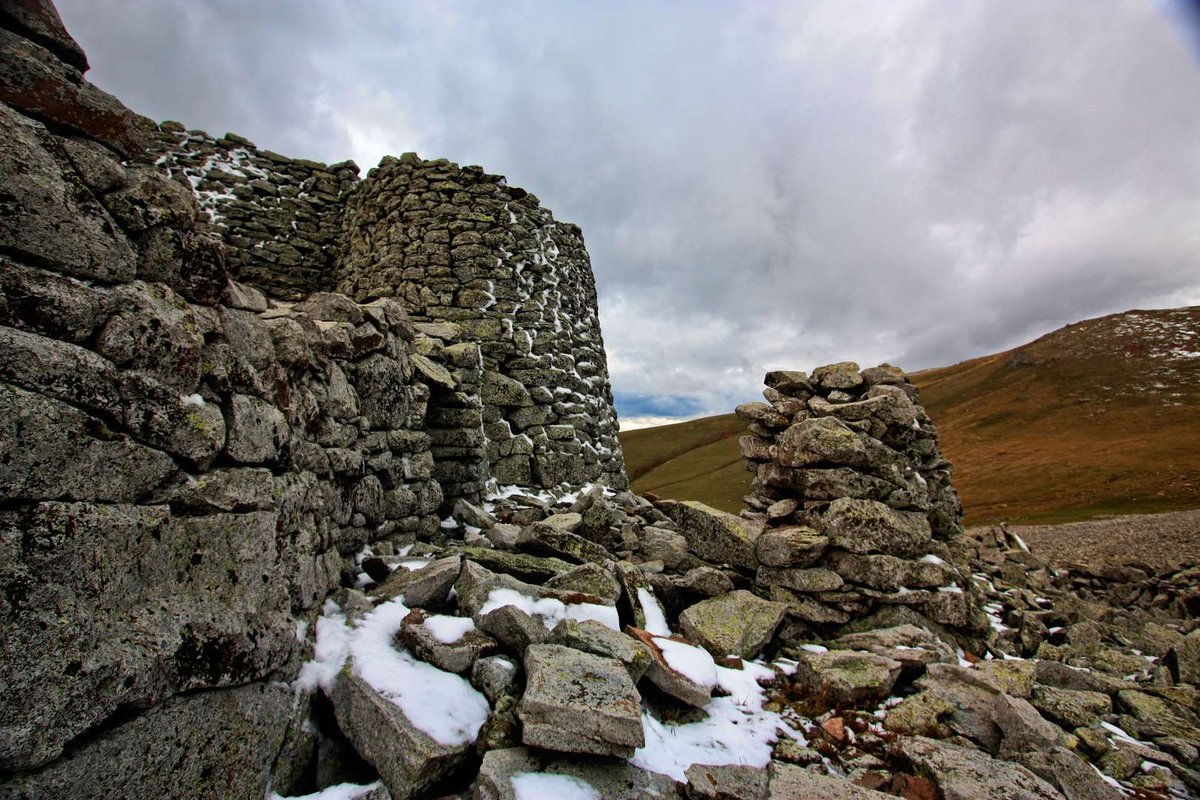
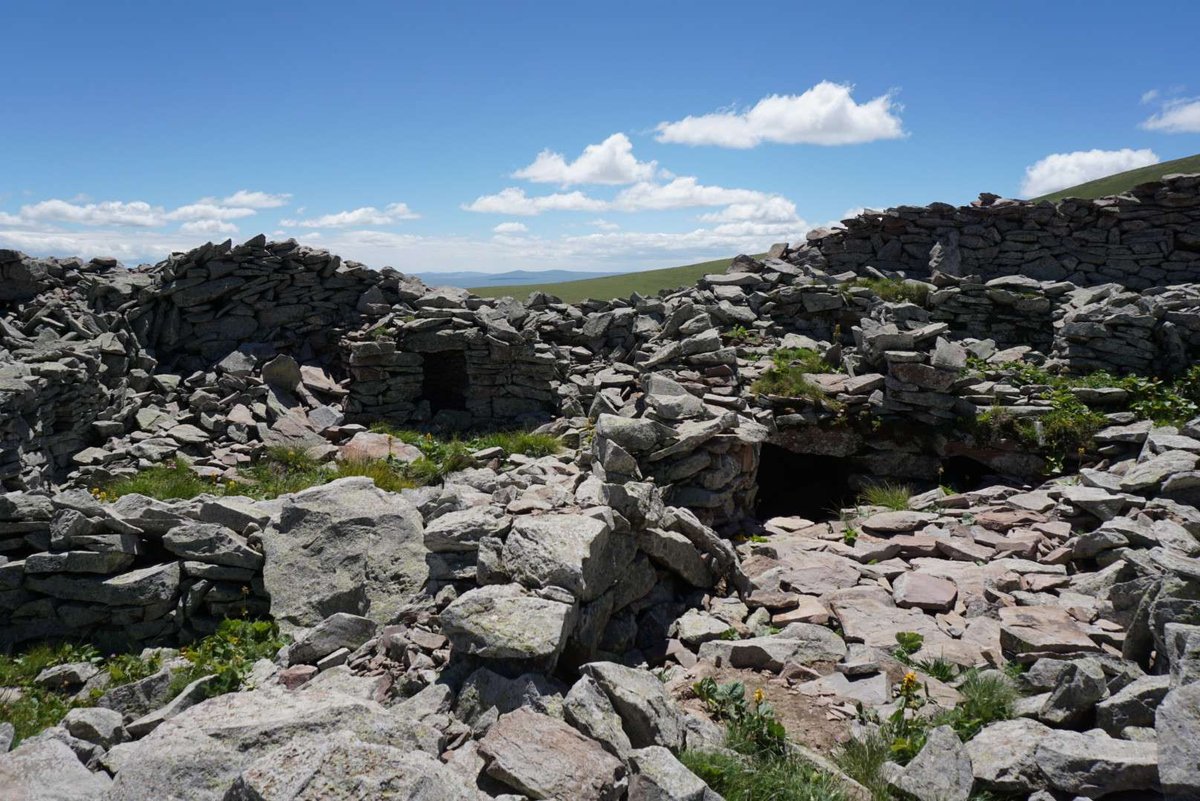
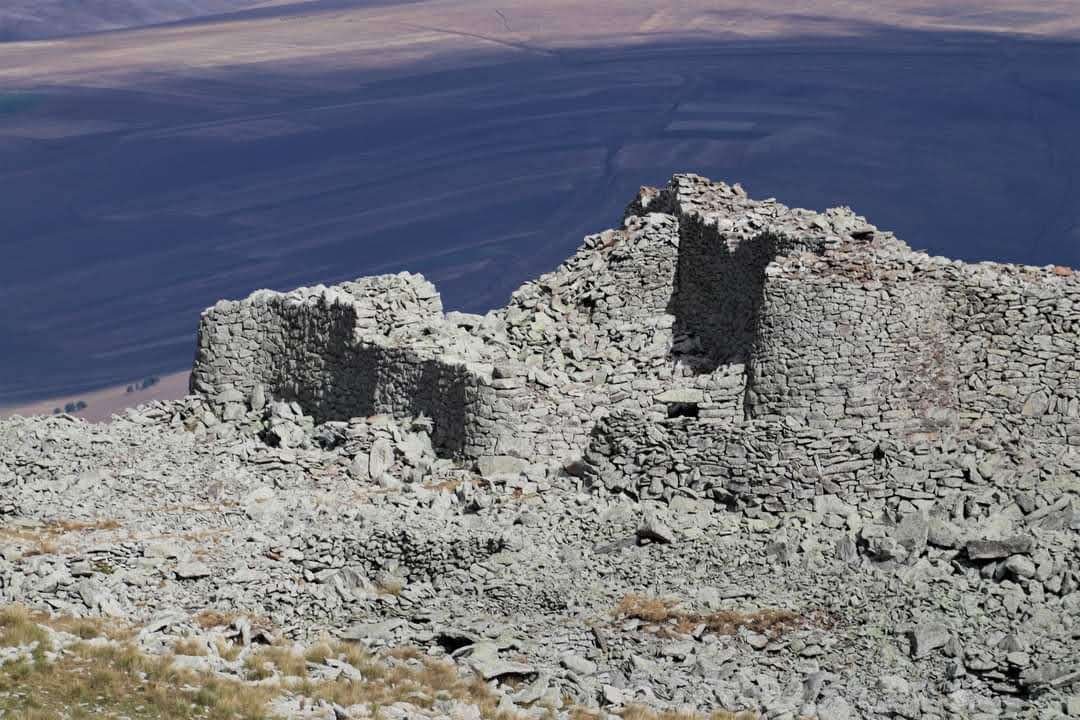
Cyclopean masonry is a technique in which walls are assembled from large rough blocks, unworked and unmortared, fitted to one another by weight and shape. Abuli is one of the most striking examples of it in Georgia.

The core of the complex, the so-called "inner fortress", covers an area of roughly 60 by 40 metres. The plan is a curious one: the two western corners are right-angled while the eastern ones are rounded. Within the walls and along the supporting piers there were up to forty chambers, many of them two and three storeys high.

The roofing deserves attention of its own. It was built by corbelling: flat slabs were laid from the vertical wall in gradual steps towards the centre, forming a vault resembling the crown of a wooden darbazi. The roofs of the large halls have collapsed throughout, and one theory holds they may have been flat, but the corbelling technique is still legible in places.
🧱
No mortar
Dry cyclopean masonry
📐
60×40 m
The core, "inner fortress"
🏠
~40
Chambers, some multi-storey
⛰️
Corbelled vault
Stepped flat slabs

krepost-abuli

🕳️ Shelters in the Moraine: The Builders' Cleverest Trick

Here's the detail that makes Abuli worth looking at closely.

The southern slope of Patara Abuli where the fortress stands is covered in moraine, a jumble of glacial boulders. The ancient builders used it as ready-made material: by shifting blocks a little they produced concealed chambers and shelters with narrow, low crawl-holes.

The effect was exactly what they were after. Cover the entrance with a single boulder and the refuge becomes indistinguishable, standing out in no way from the general mass of stone on the slope. Walking past, you simply wouldn't realise there's a cavity beneath your feet. This isn't a decorative touch but a deliberate camouflage system built into the natural terrain.

One more element of the defence: a spring. It emerges on the ridge to the south of the fortress, and having water of its own significantly improved the ability to hold out under siege.

🛣️ Why the Fortress Was Built Right Here
Крепость Абули

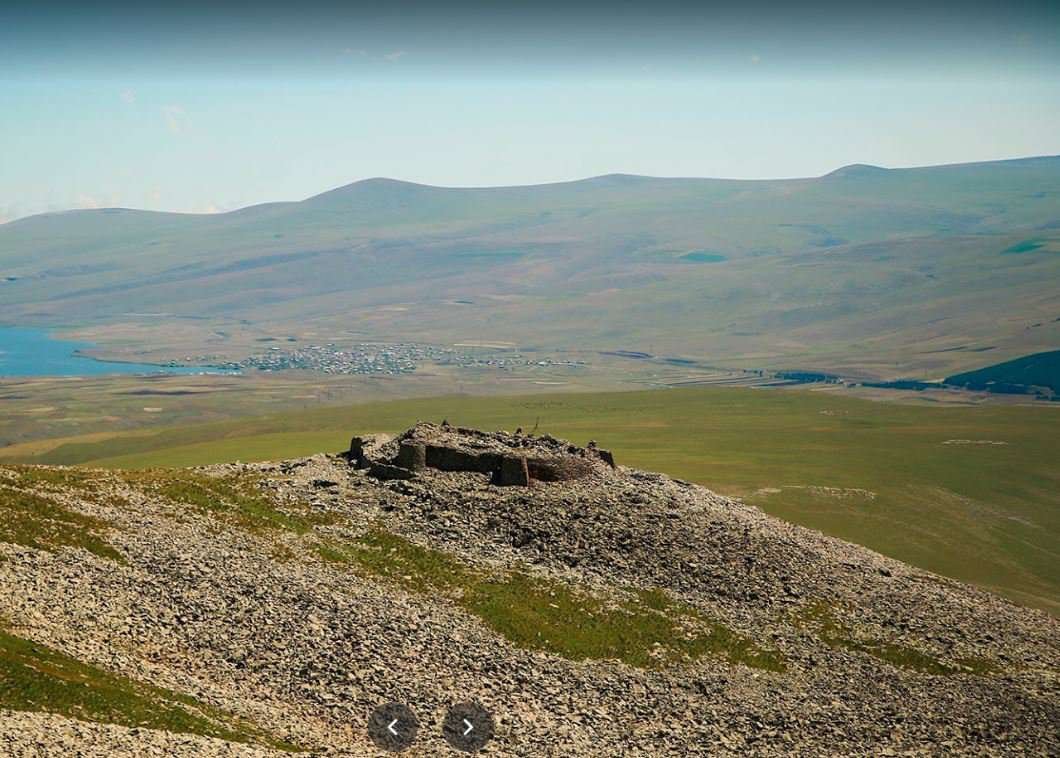
The site was no accident. Abuli commanded two ancient routes at once.

To the south of the fortress ran the road from Gandzani towards Khospia and Khertvisi, that is towards the Kura gorge where Khertvisi fortress stands. The second route came from Poka, passed the fortress on the north, descended to the village of Abuli and carried on to the kurgan field of the pass.

In other words, Abuli sat at a crossroads of the Javakheti highland's communications and, in the assessment of researchers, must have been one of the principal centres of Upper Javakheti from the earliest times.

The fortress strongly resembles Shaori: the same natural setting, the same building technique, the same uncovered passages and approaches. Both belong to a single group of cyclopean structures on the plateau, and they make sense seen together; we covered the second in Shaori Fortress.

❓ The Dating Puzzle: Why the Figures Disagree
Крепость Абули

This calls for plain speaking, because the numbers wander from one guidebook to the next.

The fortress is assigned to the pre-class, pre-feudal era, and the dating most often given is the Bronze Age. You'll see "the 2nd to 1st millennium BC" and you'll see broader brackets too. The discrepancy has a simple explanation.

There is virtually no cultural layer on the site. There are ruins of ancient structures, but not the accumulation archaeologists normally rely on, the pottery, charcoal, bone and household objects by which a monument is dated. Only stone. No full excavation has been carried out here either.

Hence the caution: any specific date for Abuli is an estimate by analogy with other cyclopean structures in the region, not a result of stratigraphy. That's precisely why the fortress is called one of Georgia's mysteries, and why sources that name an exact century without qualification shouldn't be trusted.

🚗 Getting There and What to Bear in Mind
Крепость Абули

The base town is Akhalkalaki. From there you drive across the highland towards the village of Abuli, part of the way unpaved. There's no public transport, so you'll need your own vehicle or an arrangement with locals; in wet weather the dirt roads turn to mud.

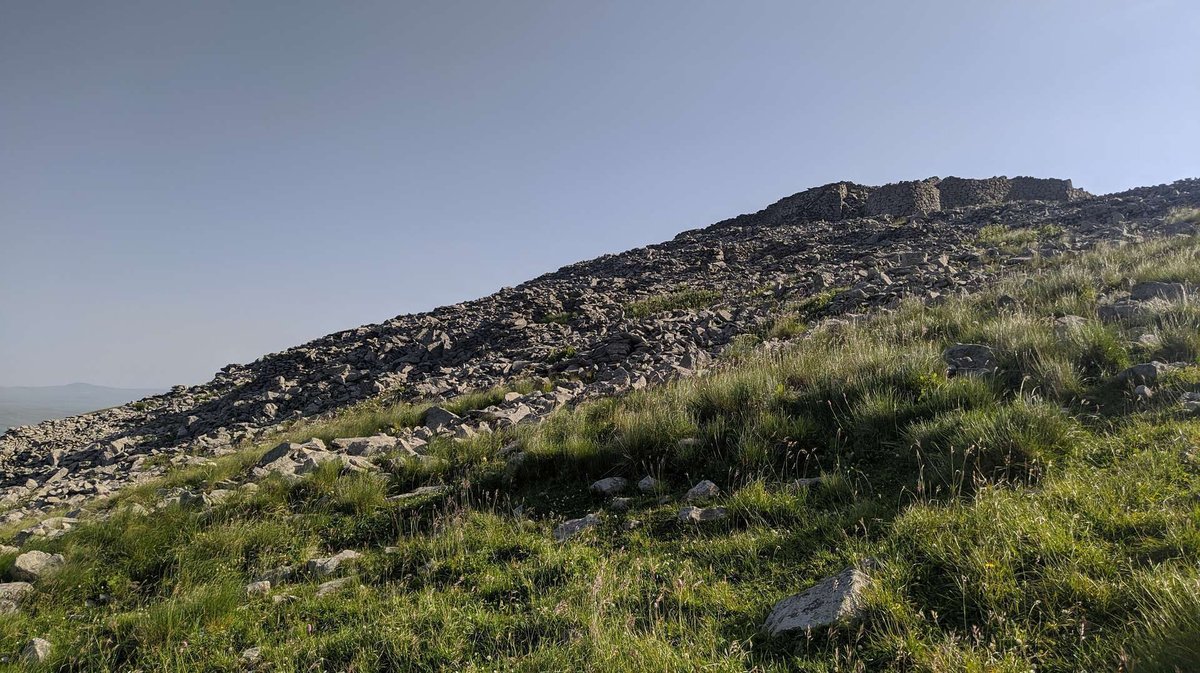
From the road you walk in, gaining height: the fortress itself lies at 2,670 metres. There's no marked trail. The climb isn't technically hard, but the slope is stony and the walls are unstable in places, so there's no reason to clamber on them.

The season is the same as for the rest of the plateau: late June to September. At other times snow lies on the slopes and the access roads become a problem.

🗺️ Abuli Fortress on the Map The southern slope of Patara Abuli and the massif's main summit.
🗺️ Open OpenStreetMap. The fortress sits at 2,670 m, with the Didi Abuli summit to the north. There's no marked trail; you walk in from the dirt road.

🧭 Where to Stay and What's Nearby

Akhalkalaki is the base. The fortress combines naturally with the highland's other sites.
Find the best hotels, guesthouses, restaurants and cafés across Georgia. Discover comfortable places to stay, authentic Georgian cuisine and useful travel recommendations for every region.

Been to Abuli Fortress? Leave a review on Madloba: tell us where you walked in from, whether you found the shelters in the moraine, and how long the drive from Akhalkalaki took. Your experience will help first-timers.

Information is current as of July 2026. The state of the dirt roads and approaches changes; check the situation locally before you travel.
📚 Read Next
Shaori Fortress: Abuli's twin, the same cyclopean building.
Mount Didi Abuli: the massif's main summit, 3,301 m.
Fortresses of Samtskhe-Javakheti: every stronghold in the region.
The Javakheti Lakes: what else to see on the highland.
Akhalkalaki: the base for the trip.

❓ Frequently asked questions

❓ 📍 Where is Abuli Fortress?

💬 In Samtskhe-Javakheti, on the Javakheti highland, on the southern slope of Mount Patara Abuli at 2,670 metres, not far from the village of Abuli. The nearest town is Akhalkalaki.

❓ 🗿 What is a cyclopean fortress?

💬 A structure of large unworked stone blocks laid dry, without mortar, held in place by their own weight and by how they're fitted together. Abuli is one of the most striking examples of the technique in Georgia.

❓ 🗓️ How old is Abuli Fortress?

💬 There's no definite answer. It's assigned to the pre-feudal era and most often to the Bronze Age, with the 2nd to 1st millennium BC frequently cited. But no full excavation has taken place and there's virtually no cultural layer on the site, so any specific date remains an estimate.

❓ ❓ Why is its age called a mystery?

💬 Because there's no cultural layer: only stone, without the pottery, charcoal and household objects archaeologists normally use for dating. There are ruins, but nothing to date them by.

❓ 📐 How big is the fortress?

💬 The core, the so-called inner fortress, covers around 60 by 40 metres. Up to forty chambers were housed within it, many of them two and three storeys high.

❓ 🕳️ What are the hidden shelters?

💬 The slope is covered in moraine boulders, and the builders put them to use: by shifting blocks slightly they created concealed chambers with narrow, low crawl-holes. Cover the entrance with one boulder and the refuge is indistinguishable from the surrounding stone.

❓ 🛡️ How is Abuli like Shaori?

💬 The same kind of terrain, the same dry-stone technique, the same uncovered passages and approaches. Both belong to a single group of cyclopean structures on the Javakheti highland.

❓ 🥾 Is it hard to reach?

💬 There's no public transport, so you need your own vehicle and a readiness for dirt roads. From the road you walk in; the fortress is at 2,670 metres and there's no marked trail. The best season is late June to September.

Alla Smirnova
By:

Alla Smirnova

Post: Georgia sightseeing expert

My name is Alla Smirnova, and I am completely enchanted by Georgia. My passion is to share the amazing stories and rich ancient culture of this country. As an…

Visit author

43 comments


Log in to leave a comment


  • M
    Małgorzata Szymańska
    Przechadzając się po Abuli, czujesz to dziwne napięcie między przeszłością a teraźniejszością. Te masywne głazy, takie surowe, jakby sam czas nie chciał ich uformować. To jakby zderzenie z historią, której nie da się ogarnąć. Wchodzisz do jednej z komnat, a tam - cisza. Tylko echa wyobraźni wypełniają przestrzeń, gdy zastanawiasz się, co działo się w tych murach. Jakie opowieści kryją? Bez śladów kultury, tylko surowa architektura. Ciekawe, dlaczego nikt nie poświęcił temu miejsca? Ten kontrast w Javakheti na prawdę zwala z nóg, wbijając w ziemię jak te ogromne kamienie. Chciałbym móc cofnąć się w czasie, aby chociaż przez chwilę poczuć ich obecność.
  • E
    Elias Schneider
    Als ich die Bilder der Abuli-Festung sah, musste ich sofort an meinen letzten Familienausflug nach Georgien denken. Ich erinnere mich, wie wir durch die alten Straßen von Tiflis schlenderten, meine Kinder vor Aufregung quiekten, als sie all diese Geschichten über die Geschichte der Region hörten. Die Vorstellung von diesen riesigen megalithischen Strukturen in Javakheti, die scheinbar so viel Geheimnisvolles in sich tragen, macht mich fast nostalgisch. Es ist wie ein verborgener Schatz, der nur darauf wartet, entdeckt zu werden. Diese trockene zyklopische Bauweise hat etwas Magisches, aber gleichzeitig auch ein Gefühl von Verlorenheit. Was haben all die Menschen, die diese Mauern gesehen haben, gedacht? Die kalte Steinoberfläche und die verborgenen Kammern scheinen zu flüstern. Es ist faszinierend, aber auch ein bisschen unheimlich. Man fragt sich, welche Geheimnisse sie noch verbergen.
  • C
    Christophe Richard
    La première fois que j'ai entendu parler de la forteresse d'Abuli, je me suis demandé comment un tel endroit pouvait exister sans trop de traces de son histoire. C'est un peu déroutant, non ? Ces murs cyclopéens, ils racontent tellement de choses mais restent silencieux sur leur passé. J'aime l'idée d'explorer des lieux qui ont été oubliés par le temps. C’est un vrai casse-tête, ces chambres et ces refuges cachés dans la moraine. Ça m'intrigue, mais je me demande aussi ce que les archéologues en pensent. Vous croyez vraiment qu'on pourrait retrouver des indices sur qui a construit ça ?
  • О
    Ольга Попова
    Все эти древние мегалиты меня всегда завораживали. Помню, как с отцом в детстве путешествовали по Кавказу, искали старые крепости, по пути обсуждая мистические истории. Вот сейчас читаю про Абули и чувствую, как мурашки по спине бегут - такие строения словно и шепчут о своем прошлом. Без какого-либо раствора, просто камни, у которых, как оказалось, нет культурного слоя. Уму непостижимо! Это вызывает вопрос: как же они были построены? И кто там жил? Мне всегда казалось, что такие места должны хранить какие-то секреты, но, похоже, времени не хватает на разгадки. Вопрос в том, стоит ли в будущем заглянуть туда и своими глазами увидеть эти мегалиты?
  • D
    Daisuke Watanabe
    ある日、家族と一緒に山を登ったとき、ふと「こんな風景に囲まれたら、古代の人々も同じように感じたのかな」と思ったんです。アブリ要塞のような神秘的な場所、そこに立つと、目の前に広がる荒涼とした景色がまるで時間を超えたように感じられます。モレーンの隠された避難所や、40の部屋があるなんて、まるで冒険に出たみたい。圧倒的な石造りは、誰が、なぜこんな場所を作ったのか、興味が尽きません。でも、文化的な層がないのは少し寂しい気もして、あの場所にはもっと物語がある気がしてなりません。うまく行けば、次の休暇にはこの要塞を訪れるつもりです。ところで、実際にアブリ要塞への行き方はどうなっていますか?
  • M
    Maximo
    Я с большим интересом прочитал рейтинг про Крепость Абули в каталоге Madloba и сразу представил себя на склоне горы Патара Абули, где этот древний памятник возвышается над плато Джавакхети. Статья настолько подробно описывает, как крепость была построена около пяти тысяч лет назад без раствора из огромных камней, что я почувствовал себя частью истории, словно гулял по развалинам, рассматривая стены высотой до пяти метров и остатки внутреннего комплекса из сорока построек.

    Особенно ценны были исторические сведения и объяснение сухой кладки, которые дают ощущение уважения к инженерному мастерству древних строителей. Интересно, что вокруг крепости можно заметить каменные ящики‑могилы и другие следы древней культуры, что делает посещение не только захватывающим, но и познавательным.

    Мне также понравились советы и отзывы других путешественников в рейтинге, которые помогают понять, как лучше добраться туда, какие виды открываются сверху и на что обратить внимание при планировании экскурсии. Это место действительно уникальное, и я уже мечтаю включить его в свой маршрут по Самцхе‑Джавахети и сравнить с другими древними крепостями региона.

    Спасибо за такую глубокую и вдохновляющую подборку от Madloba. Какие впечатления у вас остались после посещения Абули или какой участок крепостных стен показался вам самым впечатляющим
  • l
    lanahappy
    Интересно, как такие массивные неотесанные камни поднимали на высоту 2670 метров? Использовались ли для этого какие-то специальные технологии или приспособления?
  • c
    claireg
    Visiting the Abuli Fortress was like stepping back in time. Perched high on the Patara Abuli mountain, its construction using massive, unrefined stones is simply fascinating. The scale is impressive, with walls standing 5 meters tall and remains of numerous multi-story buildings within. Discovering the underground shelters with their clever ventilation and water systems was intriguing. The ancient stone burial boxes around the fortress added an air of mystery. Truly, this is one of Georgia's most enigmatic and captivating sites.
  • თ
    თეკლა ბოლქვაძე
    აბულის ციხე გამორჩეულია თავისი უნიკალური ისტორიით. ვფიქრობ, რომ საოცარი ადგილია, რომელიც 5000 წლების განმავლობაში ინახავს მიწისქვეშა თავშესაფრებსა და ტრაგიკულ ეპიზოდებს. განსაკუთრებით საინტერესოა ის, რომ ეს ყველაფერი აშენებულია არათლილის ქვისაგან, რაც გვიჩვენებს ჩვენი წინაპრების გამძლეობასა და უნარს. ციხის ირგვლივ არსებული ქვის ყუთ-მარვალები კი კიდევ უფრო აძლიერებს იმ საიდუმლოებას, რაც ამ ადგილს უკავშირდება. ჩემთვის ეს არის ადგილი, რომელიც აუცილებლად უნდა მოინახულოს ქარიდან იმ მოგზაურობის დროს,როდესაც კაცობრიობის ისტორიას ეძებს.
  • T
    Tamar_Snow
    მართლაც საოცარია, რამდენი ისტორია იკავებს ეს ციხე თავის სივრცეში. 5000 წლის წინანდელი მშენებლობა ისე ძლიერად დგას, თითქოს დრო მისთვის მხოლოდ ციფრებია. წარმოუდგენელია, როგორ მოახერხეს ასეთი მასიური ქვების გადატანა და დამუშავება. განსაკუთრებით მომხიბლავი უნდა იყოს ციხეში არსებული მიწიერი თავშესაფრები და მათი ვენტილაციის სისტემები. ეს საოცრება კიდევ ერთხელ გვახსენებს, რაოდენ მდიდარი და უნიკალური კულტურული მემკვიდრეობა გვაქვს საქართველოში.
  • L
    LaurenMitchell
    The fortress on Mount Patara Abuli sounds incredible! The impressive dry stone construction from 5000 years ago and the massive stones transported by glaciers are fascinating details. Discovering that there are underground shelters with ventilation and water systems adds layers to its mystery. It's no wonder this is one of Georgia's most intriguing sites. Thank you for shedding light on such a captivating piece of history.
  • Г
    Галина Сергеевна
    Интересно, как эта древняя крепость могла выдержать испытание временем и продолжает удивлять своей архитектурой.
  • M
    Miranda Norris
    The intricate history of the Abuli Fortress is fascinating. I'm curious, were the ventilation and water systems of the underground shelters unique to this fortress, or were they common in other ancient structures in the region?
  • О
    Ольга Титаренко
    Фотографии с такой высоты наверняка захватывают дух, но интересно, как спустя 5000 лет крепость удается сохранять в таком состоянии.
  • ე
    ელენე შუბითიძე
    ქალაქი აბულის ციხე-სიმაგრე ნამდვილად მომაჯადოებელი ადგილია. მაინტერესებს, არის თუ არა ჩატარებული არქეოლოგიური გათხრები იქ, და თუ არის, რა სახის აღმოჩენები გაკეთდა? ასევე, დარჩენილი ნაშთებიდან ჩანს თუ არა, რა როლს ასრულებდა ეს ციხე იმ პერიოდში?
  • მ
    მამუკა ბაირომიძე
    გაწუხებს, როგორ შეიძლებოდა მთის ფერდობზე ასეთი დიდი და რთული კომპლექსის აშენება იმ დროს, როდესაც მსგავსი ტექნოლოგიები არ არსებობდა? ან იქნებ ლეგენდა, რომ ეს ქვები მართლაც გამყინვარებამ მოიტანა, მხოლოდ მითია? ასეთი საკითხები ყოველთვის საინტერესოა და ვფიქრობ, მათზე მეტი უნდა ვეცადოთ გავიგოთ.
  • А
    Алла
    Потрясающе узнать, что в Грузии есть крепость возрастом в 5000 лет, построенная огромными камнями и оснащённая продуманной системой вентиляции и водоснабжения!
  • R
    RickHarr1son
    The fortress sounds absolutely fascinating, boasting 5000 years of history and ingenuity. I'm curious about the ventilation and water supply systems inside the underground shelters. How exactly were they built and sustained at such high altitudes? Also, is there any information about the purpose of the stone box graves found around the fortress?
  • I
    InnTrend
    Удивительно, как крепость Абули могла сохраниться за 5000 лет почти в первозданном виде. Метод сухой кладки из неотесанных камней выглядит ненадёжным — неужели он смог противостоять времени и капризам погоды в горах? Интересно было бы узнать, проводились ли исследования или реконструкции стены за это время.
  • М
    Маргарита
    Интересно, каким образом строители крепости смогли доставить такие массивные камни на такую высоту?
  • I
    Israel
    The fortress of Abuli with its impressive dry stone walls and underground shelters sounds like a fascinating place to explore the ancient mysteries of Georgia.
  • გ
    გოჩა
    დაინტერესებული ვარ, ათასწლეულების მანძილზე როგორ მოახერხეს ასეთი რთული მშენებლობის განხორციელება, განსაკუთრებით ქვის უზარმაზარი ბლოკების გამოყენებით. არსებობს ინფორმაცია, თუ როგორ მუშაობდა ვენტილაციისა და წყალმომარაგების სისტემა მაშინდელ პირობებში? ეს დეტალები კიდევ უფრო საინტერესოს ხდის ამ ძლევამოსილ სტრუქტურას.
  • Н
    Нугзар М.
    Почему система вентиляции и водоснабжения была такой важной в крепости Абули? Это связано с особенностями её местоположения или другими факторами?
  • E
    Elise Maxwell
    Exploring the ancient fortress on the southern slope of Mount Patara Abuli left me in awe. The sheer scale and ingenuity of the dry-stone construction, using massive unhewn rocks carried by glaciers, was impressive. Walking through the remains of the outer wall and inner fortress, I was struck by the historical significance of the 40 multi-story structures. The underground hideouts, with their narrow entrances and ventilation, added to the mystery. The presence of stone coffin-like graves around the fortress made me ponder the lives of those who once inhabited this enigmatic site. A fascinating glimpse into the past of Georgia.
  • С
    Сергей Литвинов
    Интересно, как в таких суровых условиях, на высоте почти 2700 м, удалось создать систему вентиляции и водоснабжения 5000 лет назад. Возможно, методы были куда более простыми, чем мы можем предположить. Удивительная история!
  • v
    viktoriadosmetova
    Уму непостижимо, 5000 лет!
    Также поражает то, как люди в то время ловко использовали любой ресурс, камушек под ногами в бесконечных вариациях: для построек, для защиты, труда и даже для того, чтобы спрятаться, спрятать эту крепость.
    Крепость Абули, которое будто обволокла древность, явно стоит увидеть любому туристу.
  • А
    Аделина
    Крепость Абули - это просто волшебное место, которое словно приглашает женщин заново открыть для себя историю и красоту Грузии. Прогуливаясь по этим древним укреплениям, чувствуешь себя настоящей принцессой, окруженной величественными стенами и захватывающими видами. Каждый камень Крепости Абули словно хранит в себе частичку прошлого, раскрывая перед глазами своих посетительниц удивительные истории и легенды. В таких местах душа просыпается к новым открытиям, а сердце наполняется восторгом и восхищением перед величием древности и природной красотой Грузии.
  • s
    siomukha91
    Красивое конечно место, просто представить сложно на сколько там чистый горный воздух. Ну и конечно посмотреть древние постройки, что от них сохранилось нужно обязательно, пока они есть походить там просто ну очень хочется. Ну и конечно хочется насладиться красивыми бесконечными видами. И вот кажется а как без раствора , столько просто до тысяч лет и до сих пор столько укреплений сохранилось.
  • К
    Кирилл
    Я только что прочитал о крепости Абули на madloba.info и я впечатлен! Планирую посетить это место в ближайшее время. Статья рассказывает о его богатой истории и впечатляющей архитектуре. Я очень люблю исторические достопримечательности, поэтому не могу дождаться возможности исследовать эту крепость самостоятельно. Большое спасибо madloba.info за такую интересную информацию о Грузии!
  • b
    birzhan-07
    Интересное место...крепость, построенная без раствора, которой 5 тысяч лет...И снова автора статьи хочется попросить, чтобы раскрыл тему, дал больше описаний к тому месту в части исторических событий. Вообще, учитывая что Грузия - это страна с богатой историй, то и места там соответственно такие же. А это значит, что нужно уделять внимание истории места. Мне как читателю очень интересно.
  • b
    bikteeva94
    Данная статья, а вернее содержание в ней, меня особо не зацепило, я бы не стала тратить время на посещение данного комплекса! Одно только запомнилось, что крепость Абули построена около пяти тысяч лет назад! Понятное дело, что сохранить ее в первозданном виде было очень трудно! Спасибо автору за статью!
  • i
    ivanovad
    Даже представить сложно, что эти сооружения были построены целых 5000 лет назад! я была очень удивлена этим фактом. Судя по фото, глыбы для строительства крепости были не маленькие, как же их доставляли к месту возведения? Все это настолько интересно, что прямо сейчас хочется собрать чемодан и поехать туда. Хочется проникнуться духом древности, ощутить ту атмосферу и насладиться видами.
  • Д
    Данил
    Жаль, что до наших дней от крепости Абули осталось очень и очень мало, можно сказать, практически ничего. Однако даже сейчас можно оценить всю красоту места на котором она была построена, а воображение запросто дорисовывает недостающие стены и башенки... Впрочем, то что крепость не сохранилась, не удивительно, ведь построена она была 50 веков назад без раствора (то есть камни просто ставили друг на друга), это очень древняя технология.
  • t
    tatyana.popovva
    Удивительно, что хоть что-то осталось от крепости Абули. Стены возводили обычной кладки без раствора, но камни были большие и крепкие, по своему свойству и составу. В наше время, от Абули практически ничего не осталось. Интересно, почему не попытались, хотя бы по примерному проекту, восстановить крепость. История её интересная и было бы намного познавательней отправиться туда на экскурсию.
  • s
    straliya
    Крепость Абули располагается в горах Малого Кавказа, на высоте 2670 метров над уровнем моря. Эта постройка включена в список памятников культурного наследия Грузии. Особенностью этой крепости является то, что она построена способом сухой кладки - неотесанные камни укладывались без использования каких-либо растворов. Существует версия, что это сооружение строилось не как крепость, а как культовое место жрецов.
  • v
    vponomareva383
    По фото видно, что сейчас от крепости Абули ничего практически не осталось, но я представляю, какой она была величественной, когда была только построена. Я не знаю, по какой причине её не реставрировали, и она разрушилась, но архитектура Грузии богата своей огромнейшей историей. А вид за крепостью открывается очень величественный.
  • t
    tatyanadjus1988
    Соглашусь, что это удивительное строение. Мало того, что без грамма раствора построен из огромных камней. Так еще и до наших дней простояло, чтобы передать свою историю нам. Я если честно совершенно не понимаю как это можно было сделать) Но наверно архитекторам и строителям было бы интересно изучить эту постройку.
  • g
    guralyukvladimir
    Меня поражает, что крепость Абули, построенная без раствора, пусть даже из огромных неотёсанных камней, простояла до нашего времени. А сорок построек разного назначения, наличие водопроводной и воздухопроницаемой систем с использованием и инженерных технологий, говорит о том, что здесь была довольно развитая цивилизация.
  • l
    loli.lol.01
    Очень интересно узнать о том, что село Абули является самым высокогорным селом в тех краях, крепость Абули построена около пяти тысяч лет назад. Это очень крутое место. Я думаю, посетив его Вы ещё очень долгое время останетесь под приятным впечатлением. Ведь на склонах горы в большом количестве имеются моренные накопления и маленькие озёра, которые выглядят безумно красиво!
  • f
    fgfdrfg2012
    То, что гора Диди Абули является древнейшим потухшим вулканом говорит нам о том, что еще в далеком прошлом она могла за себя постоять. Не зря на склоне этой возвышенности была возведена крепость, которая использовала любой рельеф для защиты своих границ. С гордостью можно отметить, что эта территория была идеально подобрана для расположения данного бастиона.
  • И
    Ира
    Мне просто не верится, Катерина, что этой крепости действительно 5000 лет. Это 50 веков, получается, я уверена, что какие-то мои предки тоже возводили и строили эту крепость из огромных камней, но это очень мала вероятность, потому что родственников грузинов у меня, к сожалению, нет. Но вообще я очень бы хотела, потому что грузинский народ всегда поможет и придет на помощь. Он сам по себе считается самым добрым
  • К
    Катерина
    Абдули памятник истории, который насчитывает более 5000 лет. Наши предки возводили крепость без растворов, из огромных камней, но они смогли сделать целую систему фортификации, тут есть водпроводная система и система воздухоотводов, сумели защитить свою крепость многочисленными скрытыми входами и выходами. Крепость достаточно большая по площади и в ней за пятиметровым забором не одно сооружение, а целый комплекс различных строений. Именно благодаря своей защите крепость смогла сохранится до нахи дней.
  • И
    Ира
    Название Абули также носят: две самые высокие горы Джавахетеко.го плоскогорья Абулсамарского хребта - Диди (большой) и Патара (маленький) Абули, озеро, река и циклопическая крепость на горе Патара Абули. Гора а Диди Абули (высота 3 303 м) является древнейшим потухшим вулканом. На склонах горы в большом количестве имеются моренные накопления и маленькие озёраю я в восторге!