




🏰 The Cathedral of the Theotokos at Ruisi: Where the Georgian Church Was Reformed
🏰 Ruisi Cathedral: The Essentials
The Cathedral of the Theotokos in the village of Ruisi, Kareli municipality, Shida Kartli. It's known above all because the Ruisi-Urbnisi Church Council, one of the pivotal events in Georgian church history, was held nearby.
Shida Kartli, Kareli municipality, the village of Ruisi, close to the Tbilisi to Gori to Khashuri road. It's easy to reach: this is the flat part of the region, not a mountain gorge.
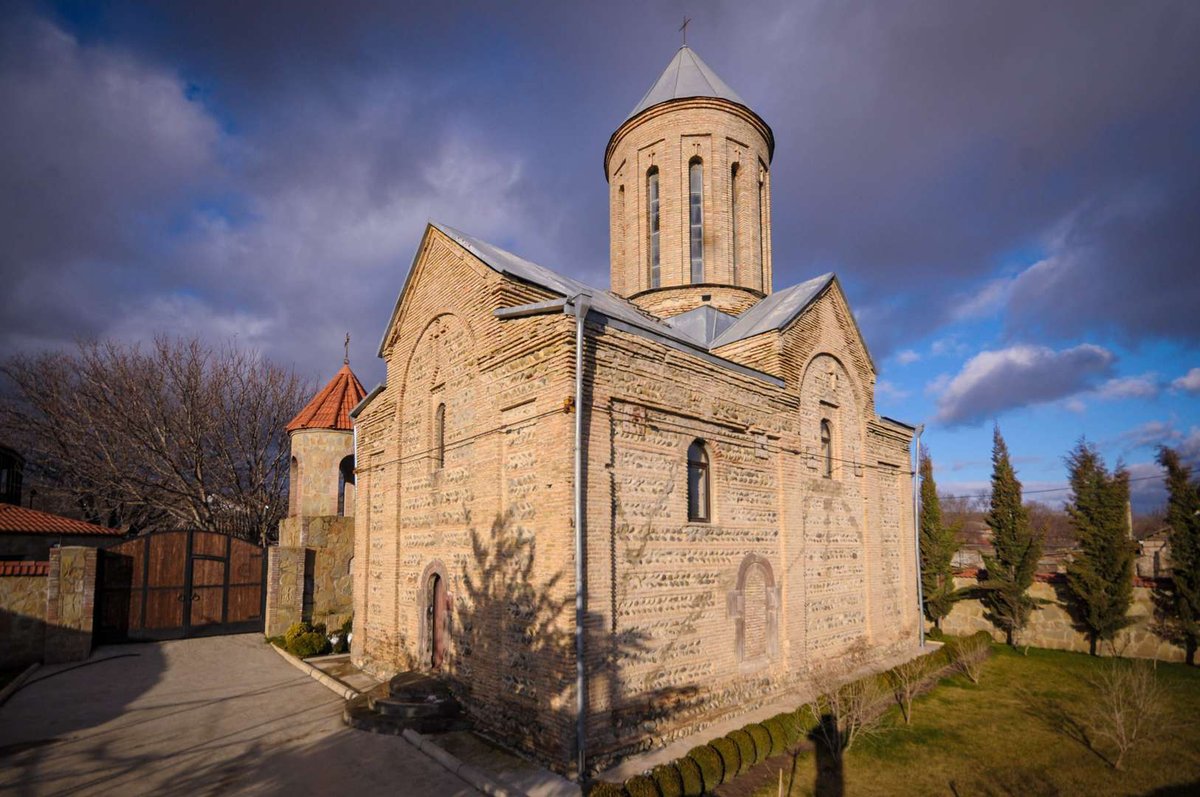
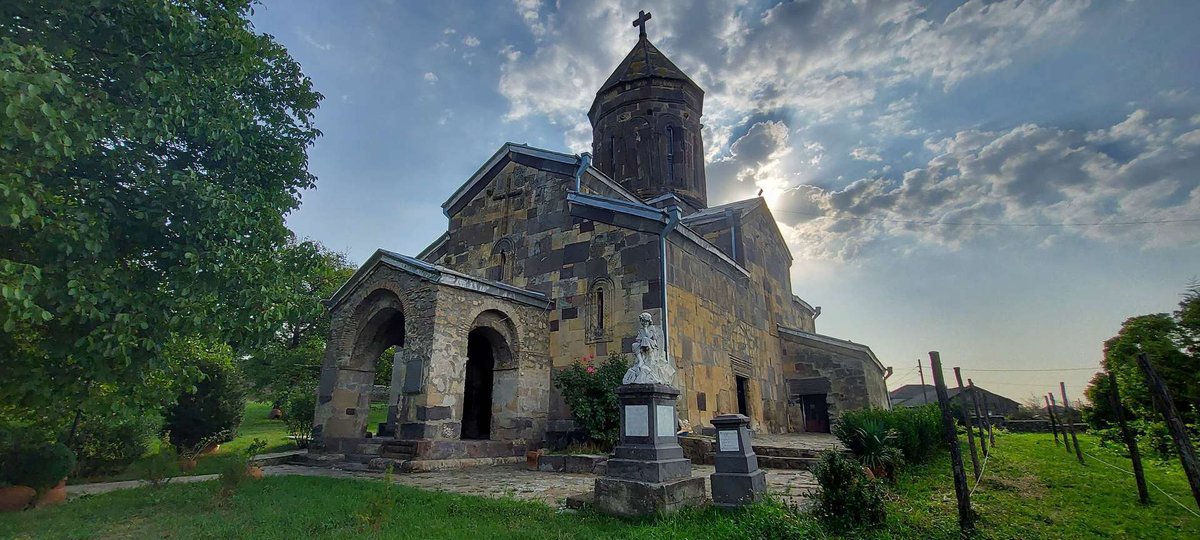
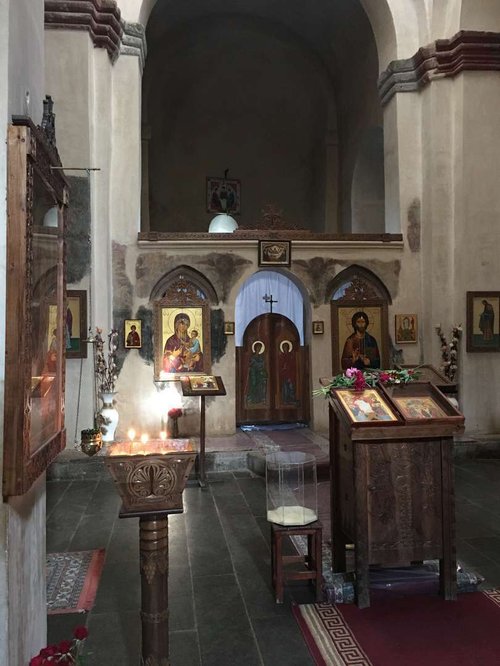
The Ruisi Cathedral of the Theotokos stands in the village of Ruisi in the Kareli municipality of Shida Kartli. It isn't the region's most striking church to look at, but in historical weight it sits in the front rank: it was here, at Ruisi and neighbouring Urbnisi, that the Ruisi-Urbnisi Church Council reshaped the Georgian church. The region's other churches are gathered in the catalog on the Churches, Cathedrals and Monasteries of Shida Kartli page.
Below is what that council was, how it ended, what's known about the church itself, and separately, where to look for the old photographs of Ruisi that people search for most.
📜 The Ruisi-Urbnisi Council: Why It Was Called
The council was convened by David IV the Builder, and it was no routine church gathering. Ivane Javakhishvili put it plainly: this was not an ordinary, regular council but an extraordinary and exceptional assembly.
The reason was political. By the early 12th century a faction opposed to the king had entrenched itself in the church hierarchy. David the Builder was pursuing the centralisation of the state, and the church, remaining outside his control, was holding that line back. The council's task was clear: to remove the king's opponents from office and elevate supporters of centralisation to the highest church posts.
The instrument was well chosen. No abbot, however authoritative, could reform the church alone; only a church council had that right. So David prepared it thoroughly and in advance.
📖 The Dzeglistsera: A Document With the Force of Law
The council produced a document known as the Ruisi-Urbnisi Dzeglistsera. Its rulings carried the force of law, and it was on their basis that bishops deemed unworthy by the council were removed.
The structure of the text is striking. The Dzeglistsera opens not with church business but from a great distance: the introduction recounts the origin of humankind, the creation, life in paradise, the freedom granted by God that man failed to use, Cain's killing of his brother and the cursing of the earth that followed. Only after that theological run-up does the document turn to practical matters. Such an opening gave the council's decisions a universal rather than administrative scale.
📜 What the Council Decided
The rulings of the Ruisi-Urbnisi Council acquired the force of law. On their basis the church leadership was purged and the king's line on centralising the state was reinforced.
On the dating specifically, because the figures vary between sources. Not one surviving historical source names the date of the council. Historians offer three options: 1103, 1104 and 1105. The traditional view is 1103, though E. Gabidzashvili, for instance, argued for 1105. If you meet an exact date given without qualification, treat it with caution.
🏛️ What Is Known About the Church Itself
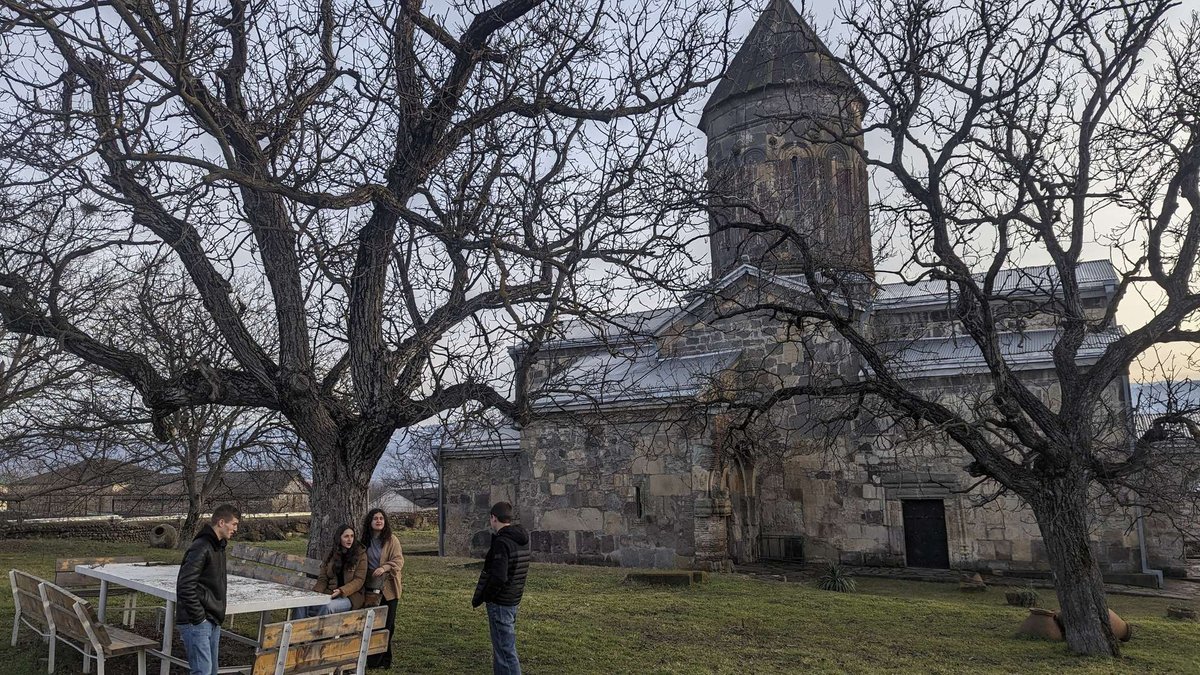
Care is needed here. Ruisi is an old episcopal centre and the village has more than one church, so descriptions in the sources sometimes refer to different buildings.
What's recorded of the church buildings at Ruisi is that they were repaired in the 19th century. The descriptions mention walls plastered on both faces, door and window surrounds of hewn stone, a southern entrance with the western one walled up, a semicircular apse with an arched window, and a cornice of shirimi, the local tuff. On the ridge of the west facade's pediment stands a four-pillared brick bell tower, and the roof is tiled.
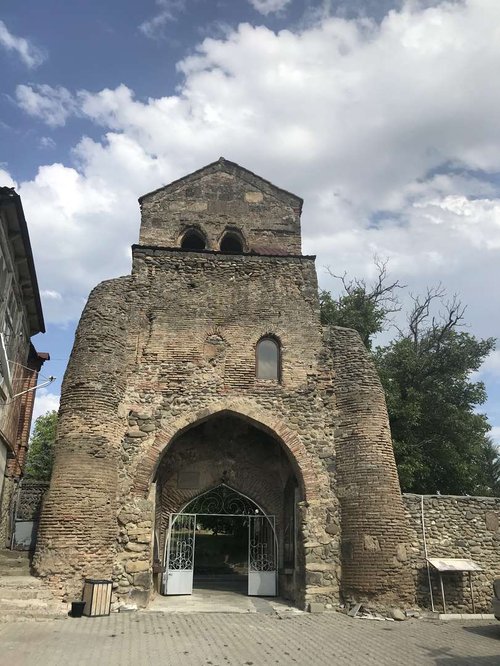
So what you're looking at isn't a conserved 12th-century monument but a building that has passed through later reconstruction. Ruisi's value lies not in surviving stonework but in what happened here.
Old Photographs of Ruisi: Where to Look
This is the most frequent question about Ruisi, and it deserves an honest answer.
Historical images of Georgian churches from the 19th and early 20th centuries do exist, but they sit in archives rather than on the open web. The main places to look:
The legacy of Dmitri Ermakov. A photographer who documented the Caucasus and Georgia's churches in the second half of the 19th century, leaving an enormous body of images. A significant part of his work is accessible through museum and archive collections.
The National Archives of Georgia. The country's principal repository of historical photographic documentation, church architecture included.
Wikimedia Commons. Digitised historical images of Georgian monuments turn up here, including material that has passed into the public domain.
Why this matters for Ruisi in particular: the church was repaired in the 19th century, and old photographs show it in a form that differs from the present one. For architectural history such frames are worth more than any modern shot.
🚗 How to Get There
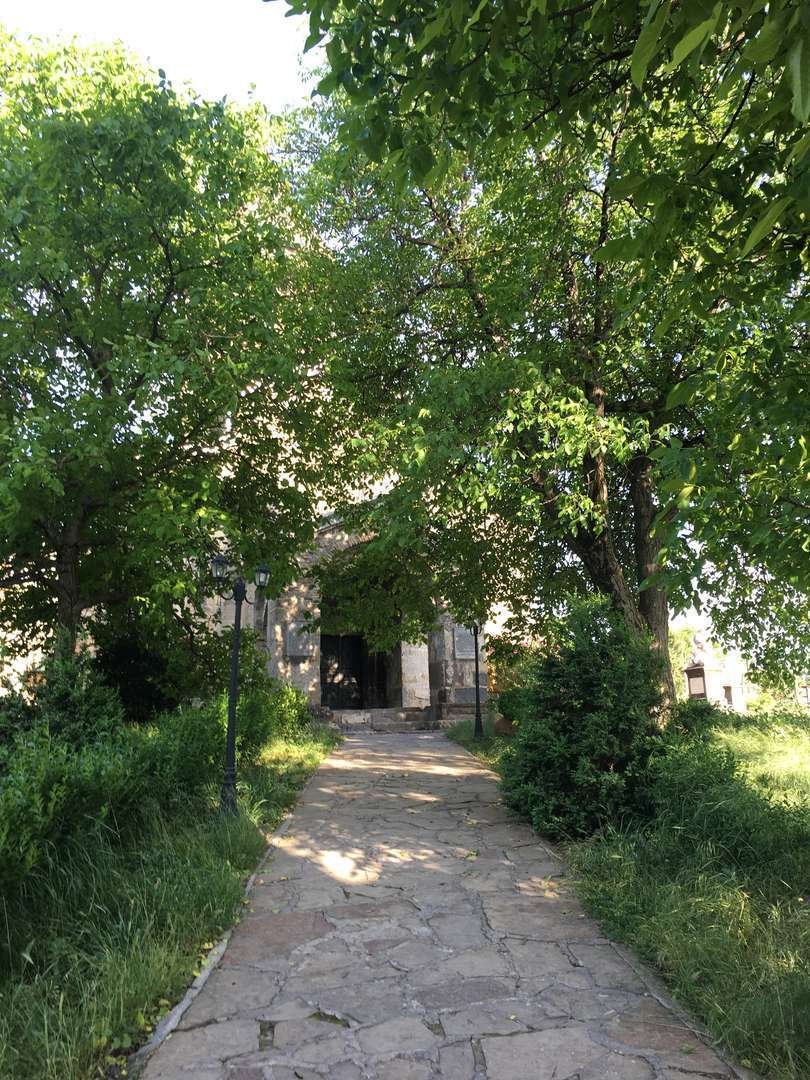
Ruisi lies in the flat part of Shida Kartli, close to the main Tbilisi to Gori to Khashuri road, in the Kareli municipality. That sets it apart from most sites in the region: no off-road vehicle, no climb, and you can arrive by ordinary car or by public transport to Kareli with a short hop from there.
The trip pairs naturally with Urbnisi, the council's other centre, and with the sites of the Dzama valley: Mzovreti and Shatberdi are in the same municipality.
🧭 Where to Stay and Eat
The nearest towns are Kareli and Gori. Below are the catalog sections.

Been to Ruisi? Leave a review on Madloba: tell us whether the church was open, what you saw inside and whether it's worth combining with Urbnisi. And if you have old photographs of the village or the cathedral, share them in the comments; such images are rare.
Information is current as of July 2026. Access to the church and road conditions change; check locally before you travel.
❓ Frequently Asked Questions
💬 In the village of Ruisi, Kareli municipality, Shida Kartli, close to the Tbilisi to Gori to Khashuri road. This is flat country, so an ordinary car will do.
💬 The Ruisi-Urbnisi Church Council, convened by David the Builder, was held here at Ruisi and neighbouring Urbnisi. It's one of the pivotal events in Georgian church history.
💬 The exact date is unknown: not one surviving historical source names it. Historians propose 1103, 1104 and 1105, with 1103 taken as traditional.
💬 To remove opponents of royal authority from church office and raise supporters of state centralisation to the highest posts. Only a church council had the right to carry through such a reform.
💬 The ruling of the Ruisi-Urbnisi Council, which carried the force of law. On its basis unwanted bishops were removed. The text opens with a theological introduction on the history of humankind before turning to church matters.
💬 Historical images of Georgian churches are held in archives rather than on the open web. The main avenues are the legacy of the photographer Dmitri Ermakov, the National Archives of Georgia, and digitised material on Wikimedia Commons.
💬 To the Theotokos. Its full name is the Ruisi Cathedral of the Theotokos.
💬 Urbnisi, the council's other centre. Also the sites of the Kareli municipality: Mzovreti, Shatberdi Monastery and the Dzama valley.

2 comments
Log in to leave a comment