




🏰 Kabeni Monastery: A Domed Church from the Era of Queen Tamar in the Asuretistskali Gorge
Kabeni Monastery at a Glance
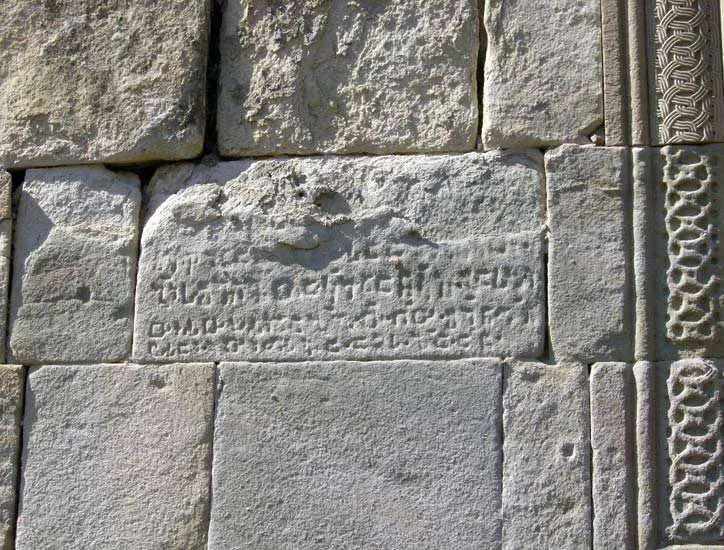
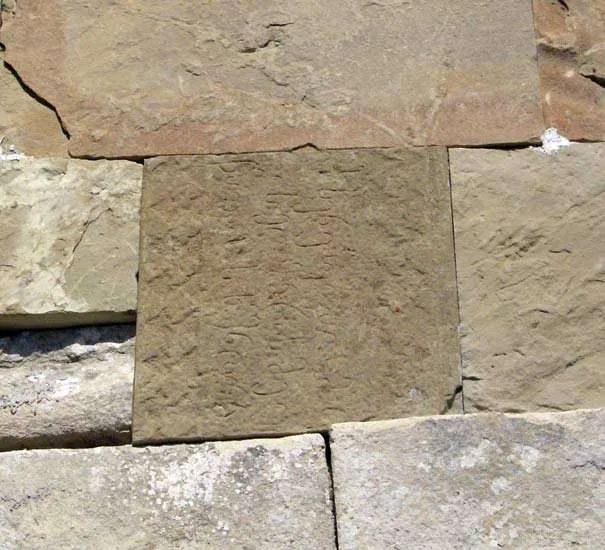
The ruins of a domed church from the late 12th, early 13th century in the Asuretistskali gorge, near Kiketi village. The eastern wall carries a rare detail: an inscription naming the men who finished building it.
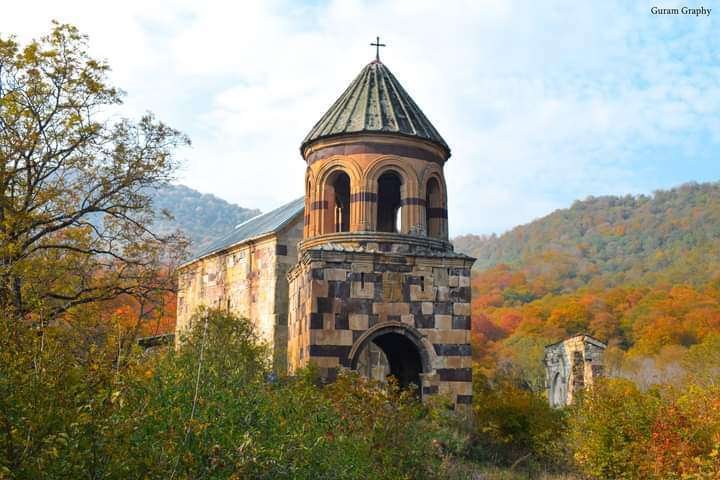
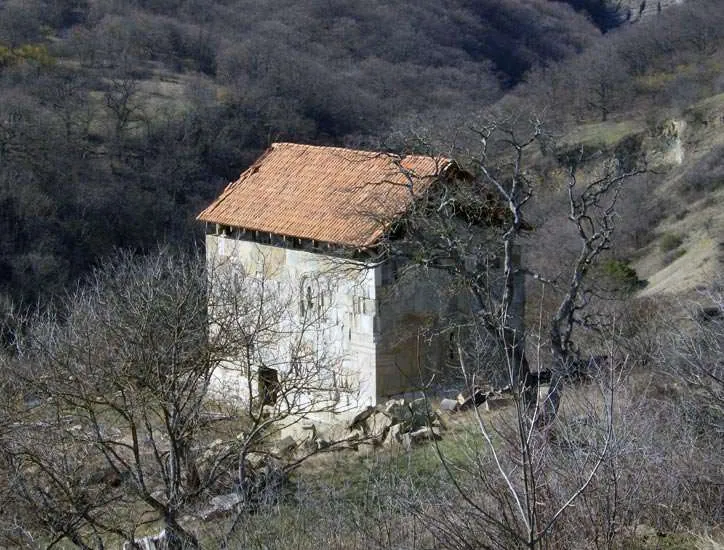
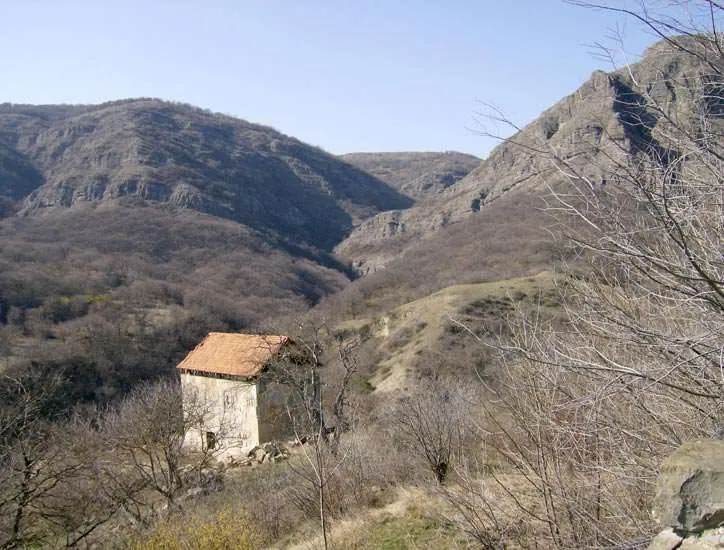
Kabeni Monastery is the ruin of a domed church and several adjoining chapels in the gorge of the Asuretistskali River, near the village of Kiketi in the Tetritsqaro Municipality of Kvemo Kartli. The complex is dated to the late 12th, early 13th century, the era of Queen Tamar, and its design and decoration are grouped alongside the well-known churches of Samtavisi and Ikorta.
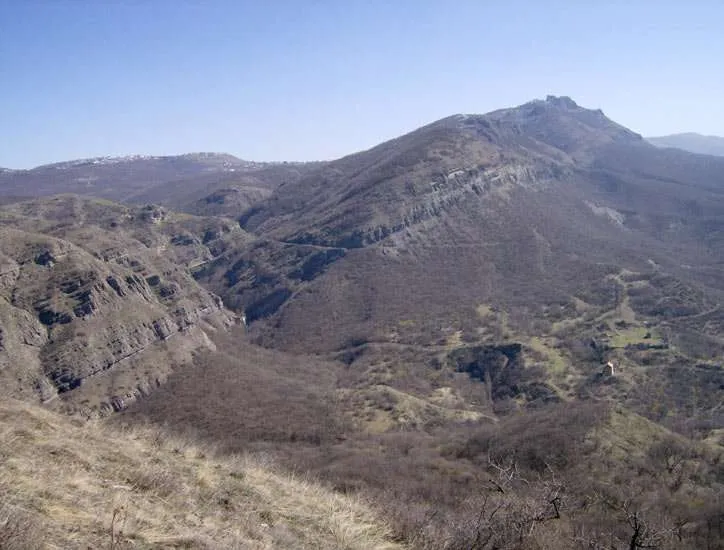
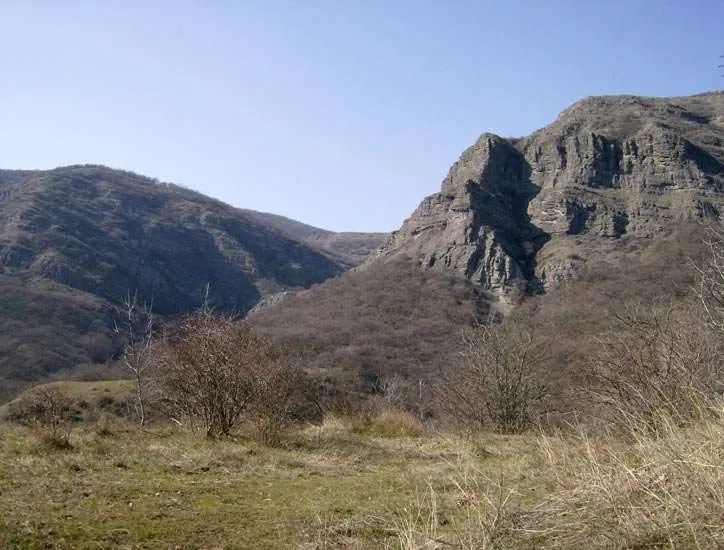
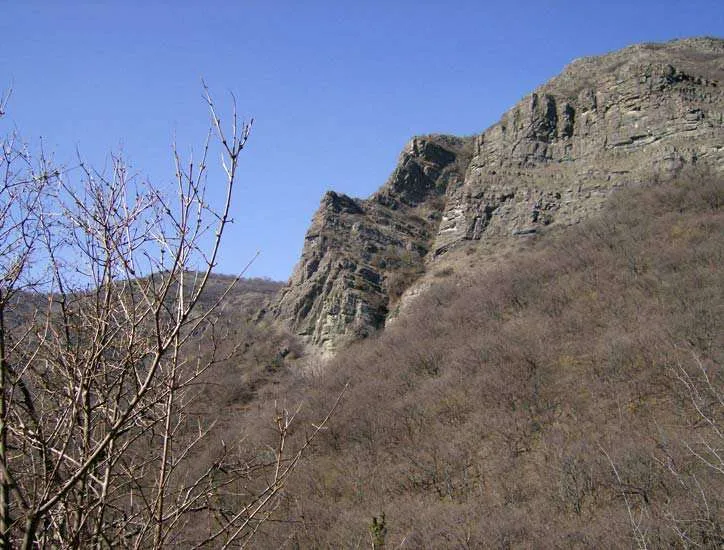
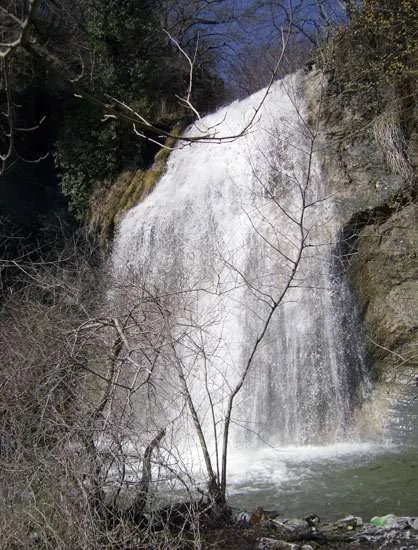
The site is quiet and not touristy in the usual sense: people tend to come here for the walk through the gorge as much as for the ruins themselves, with the waterfalls just a short distance away and no visitor facilities built around any of it.
📜 The Founders' Inscription
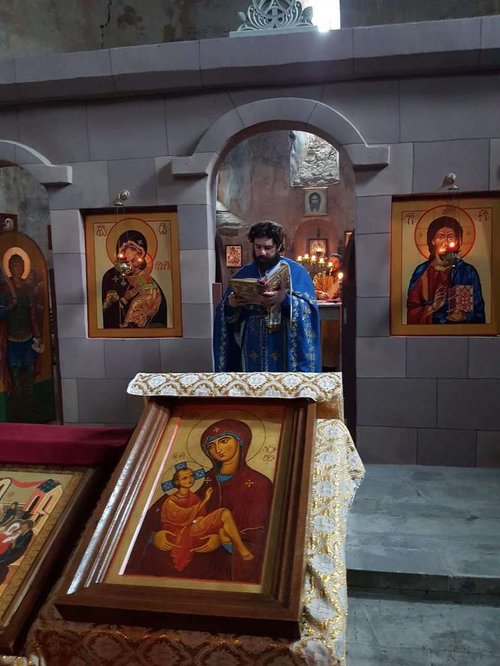
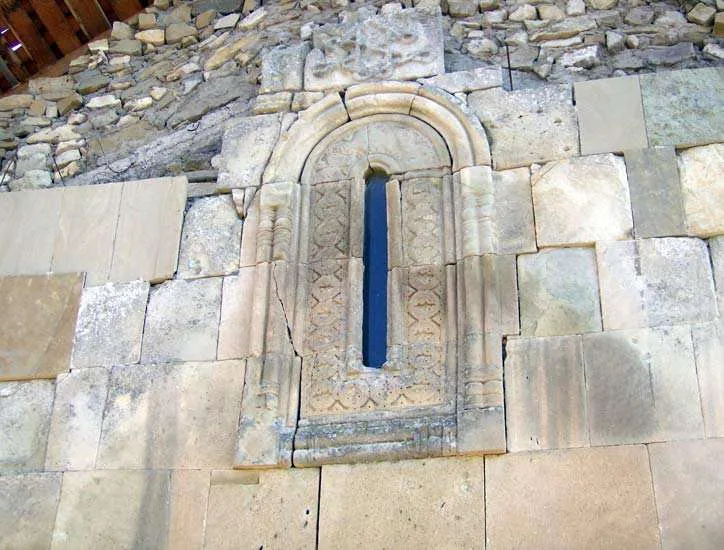
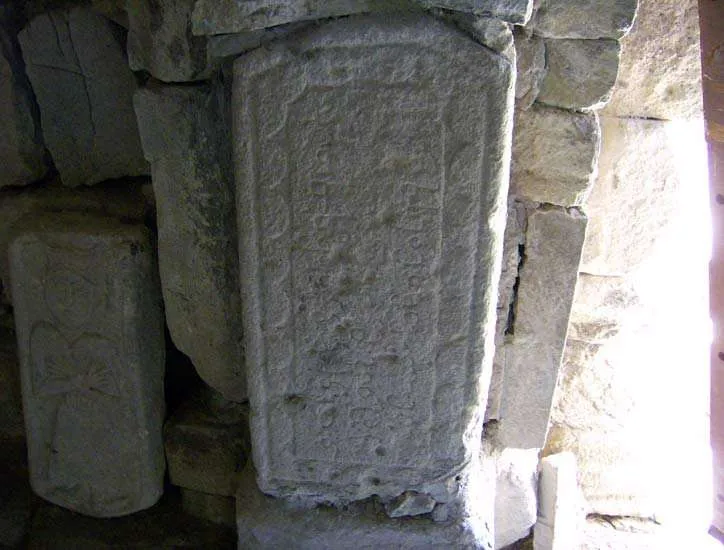
An inscription survives on the eastern wall of the monastery enclosure, and it's what makes Kabeni interesting beyond its architecture alone. It names four brothers, sons of a certain Giorgi Kabeni: Nikoloz, Vasil, Okropiri and Grigol. According to the text, they completed a church that had been started earlier, during the reign of Queen Tamar, placing the work at the turn of the 12th and 13th centuries.
The monastery's name most likely comes from this family rather than the other way around. Inscriptions naming a founding family appear on some Georgian churches of this period, though not on every one, and Kabeni is fortunate in that respect: a written record survives that ties the building to specific people, not just to a general era.
🏛️ The Architecture of the Complex
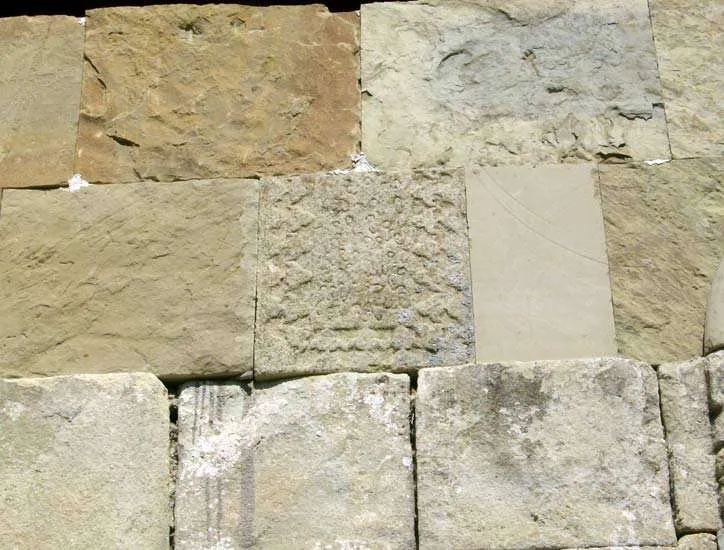
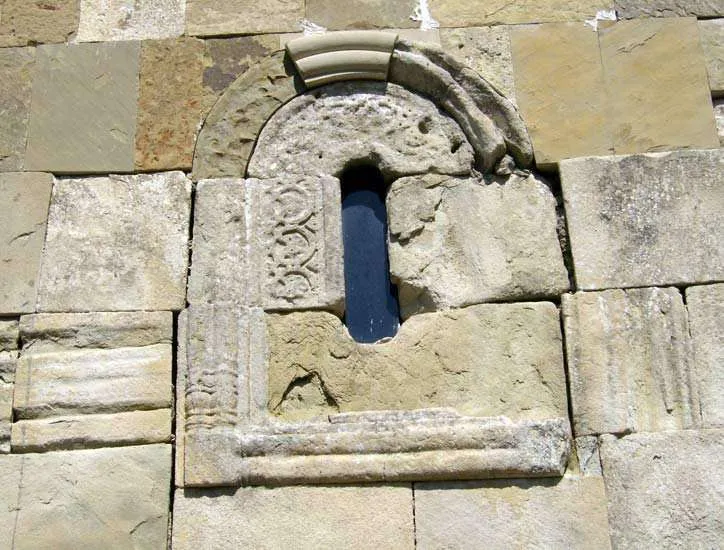
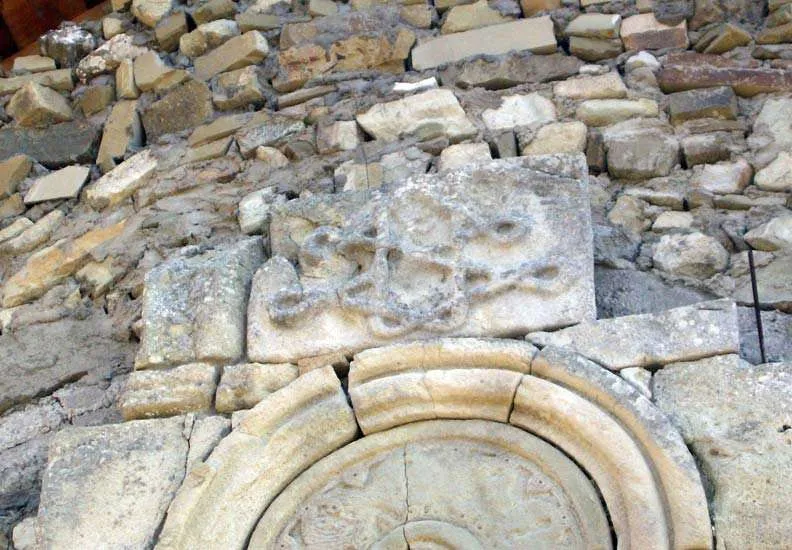
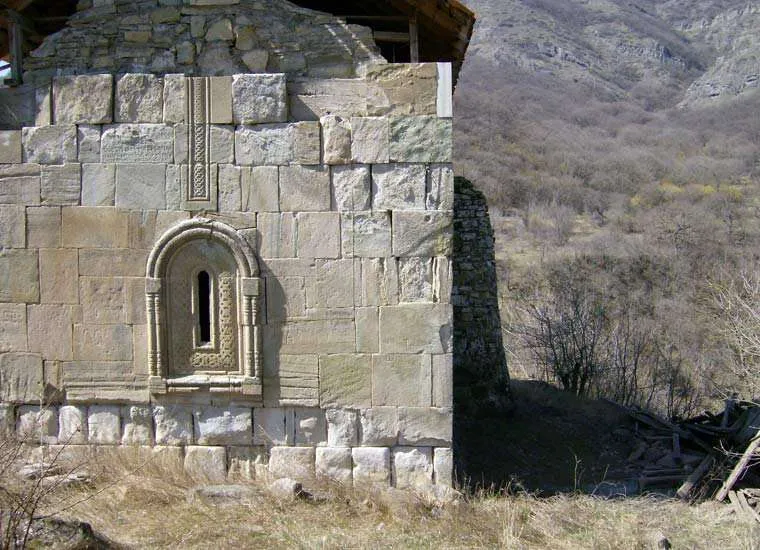
The central building, the domed Church of the Dormition, closely follows the layout of the church at Betania, though its facade decoration is entirely different. Kabeni's decorative system is closer to what was used at Samtavisi and Ikorta, with carved stone blocks and ornament typical of Georgian architecture from that period.
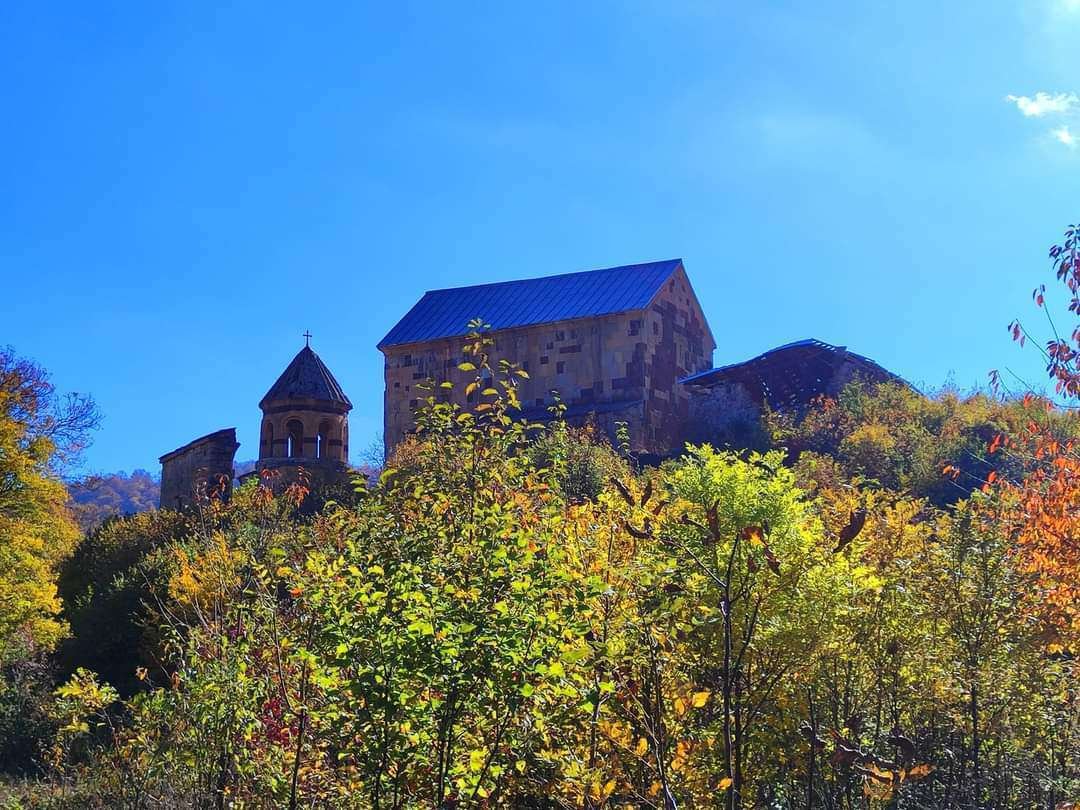
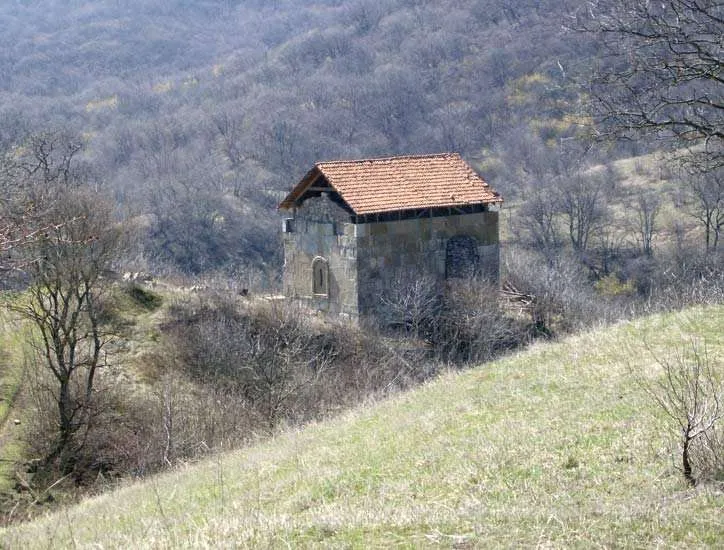
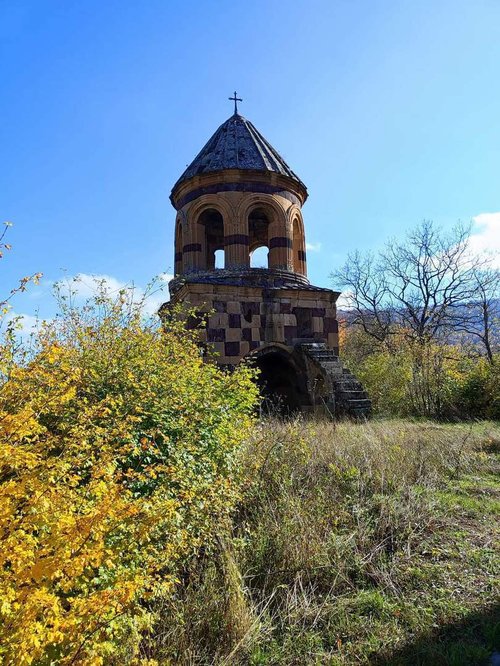
Two smaller hall churches stand beside the main one, dedicated to Simeon the Stylite and to the Archangel Michael. Outside the monastery enclosure, to the north-east, there's another small hall church built of hewn, yellowish stone, standing apart from the main group. Fragments of the interior painting in the main church, based on what survives, date to the mid-19th century, considerably later than the building itself.
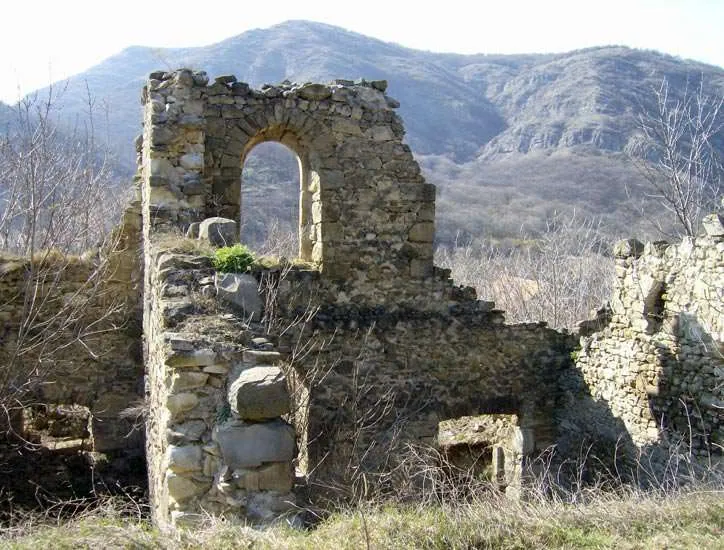
What's left today is genuinely ruined: sections of wall and vaulting have collapsed, and vegetation has crept over parts of the stonework in places. This isn't a curated museum site with staff and a ticket booth, it's an architectural monument left in the open, and it's worth approaching with some care for its condition.
💧 What's Nearby
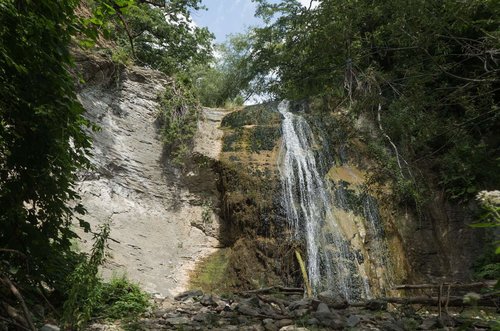
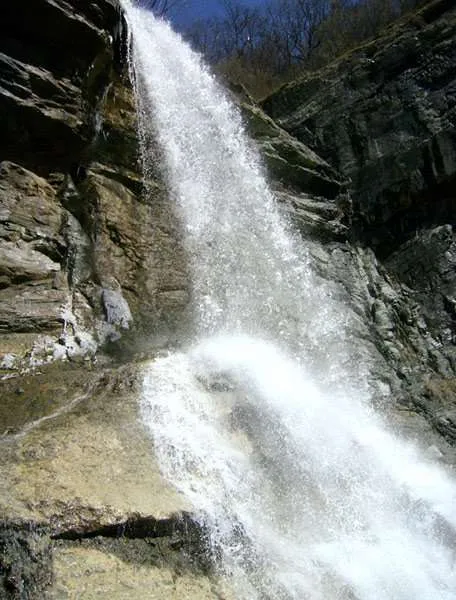
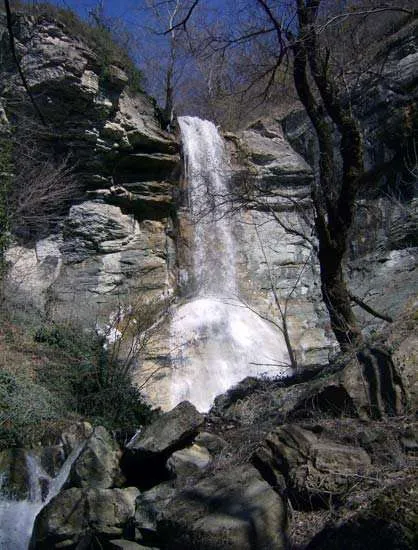
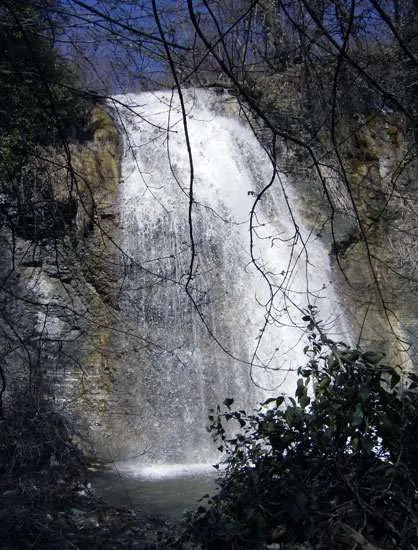
Just a couple hundred metres from the monastery, the gorge opens onto Kabeni Waterfalls, and the full route there, the trail, the elevation changes, the practical tips, is covered in a separate article about the hike itself. If you're already here for the ruins, the detour to the falls is a short one.
A little further on, toward Kojori, lies another historical layer of this area: Korogli Fortress and the forest path some hikers use to reach here on foot from Tbilisi. The nearest reference point for navigation is Kiketi village, a couple of kilometres from the monastery.
📌 Getting There and What to Keep in Mind
The monastery sits in a gorge with no organised infrastructure, and the nearest reference point, Kiketi village, is where a trail along the river leads to the ruins. No public transport reaches the monastery itself, it's easiest to drive to Kiketi and continue on foot.
Keep in mind these are unsupervised ruins with no lighting. Daylight and sturdy shoes are essential, and with small children, it's worth staying well clear of the crumbling sections of wall.
Have you visited Kabeni Monastery? Leave a review on Madloba: tell us what you found on site, whether the founders' inscription was still visible, and whether you combined the visit with the waterfalls.
Information is current as of July 2026. The condition of the ruins can change, check for current conditions before planning a detailed visit.
❓ Questions and answers
💬 In the Tetritsqaro Municipality of Kvemo Kartli, in the gorge of the Asuretistskali River, near Kiketi village.
💬 The main church is dated to the late 12th, early 13th century, the era of Queen Tamar. An inscription on the eastern wall confirms the building was completed during this period.
💬 The inscription names four brothers, sons of Giorgi Kabeni: Nikoloz, Vasil, Okropiri and Grigol. They completed the construction of the church, which had been started earlier.
💬 Four: the domed Church of the Dormition, a hall church of Simeon the Stylite, a church of the Archangel Michael, and a separate small church outside the enclosure.
💬 Very close, about 230 metres. Many visitors combine the ruins and the waterfalls into a single walk.
💬 No public transport reaches the monastery. It's easiest to drive to Kiketi village, then continue on foot along the gorge.
💬 Fragments survive, but they don't date to when the church was built, they're from the mid-19th century, considerably later.
💬 In layout, it's close to the church at Betania, and in facade decoration, to Samtavisi and Ikorta, monuments of the same 12th to 13th century style.

35 comments
Log in to leave a comment
A veces, mi mente vaga entre lo que fue y lo que queda, y me pregunto si las inscripciones descubiertas son solo palabras o si realmente cuentan historias. La combinación de naturaleza y legado cultural siempre me ha fascinado. Hay un peso en cada piedra, un susurro que invita a descubrir más. Me pregunto, ¿hay visitas guiadas en la zona para conocer todos esos secretos del monasterio?
Eppure, guardando le rovine vicino a Kiketi, mi chiedo quanto resta di quel passato glorioso. Perché la memoria di un luogo è così fragile, come foglie portate via dal vento. Camminare lungo quelle antiche pietre ti fa sentire parte di qualcosa di più grande, ma al tempo stesso ti ricorda la transitorietà delle cose. C’è un che di magico, eppure malinconico.
Мне особенно понравилось, что в рейтинге есть советы местных жителей — они помогают понять, когда лучше приезжать, чтобы избежать лишней суеты, и на какие детали стоит обратить внимание внутри самого монастыря. Такие мелочи делают поездку более осмысленной. Плюс отзывы других читателей добавляют живых впечатлений — видно, что место оставляет сильный эмоциональный отклик у разных людей.
После таких материалов хочется не просто «отметить точку», а действительно задержаться, прочувствовать атмосферу и, возможно, даже пересмотреть свой маршрут в пользу более спокойных и душевных локаций. Спасибо мадлобу за такие подборки, которые открывают неочевидные, но очень ценные места.
Как думаете, стоит ли выделять отдельный день на подобные уединённые монастыри, или лучше включать их в маршрут между более популярными достопримечательностями?
Сам монастырь заслуживает внимания определённо, прекрасная архитектура, да ещё так хорошо сохранившаяся до наших дней. Определённо стоит туда съездить!
Комплекс был обнесен впечатляющей стеной, остатки которой видны и сейчас.Читая статью об этом монастыре и любуясь множеством фото, хочется своими глазами ,наяву увидеть это творение.