



Add organization

🏰 The Carved Temple of Pitareti: How an Abandoned Monastery in the Ktsia Gorge Became Active Again

🏰 Before You Go

🏰 Pitareti Monastery in the Ktsia Gorge

A 13th-century temple in a remote gorge 100 km from Tbilisi, famous for its carved stone and its unusually square shape. After an attack in 1752 the monastery stood silent for almost two and a half centuries and only became active again in 2007.
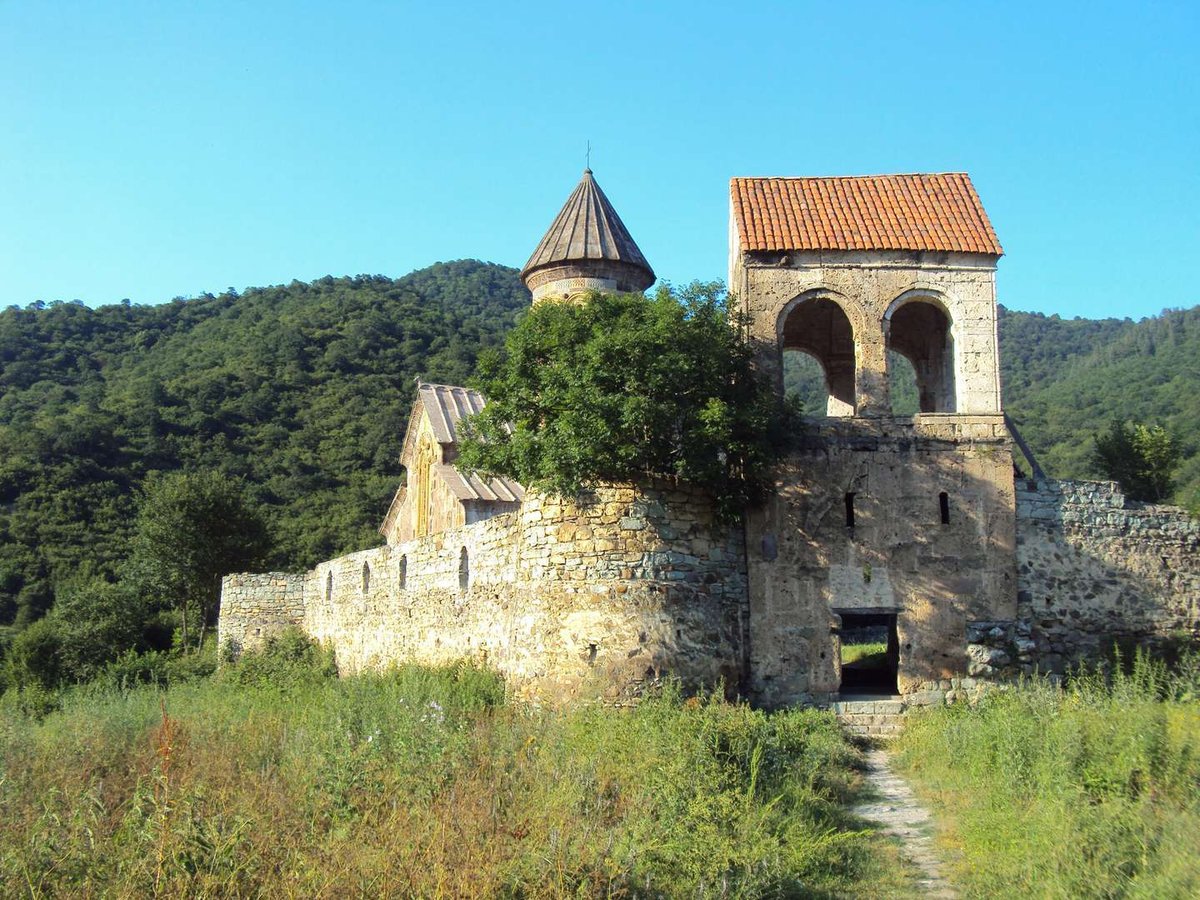
This is not an easy trip There's no direct road to the monastery. One route crosses a 1,450 m pass and eight kilometres of switchbacks; the other ends at a river that has to be forded by 4x4, and only in the dry season.
The carved facades are best seen in bright sunlight: the ornament is designed for raking light and barely reads on an overcast day.
📜
Built1213-1222, under King George IV
⚔️
Destroyed1752, a raid from Dagestan
🙏
Revived2007, active male monastery
🗿
Known forcarved stone ornament on the facades
⚠️ Pitareti is considered one of Georgia's most inaccessible monasteries. Don't attempt it without preparation and a 4x4. Route details below.

Питаретский монастырь

Pitareti Monastery is an active male monastery from the 13th century, standing in the gorge of a river that maps label either Ktsia or Khrami, in the Tetritskaro Municipality of the Kvemo Kartli region. It's about 100 km from Tbilisi. The place is known for two things at once: fine stone carving on its facades, which draws photographers and architectural historians, and the near-total absence of a road, which keeps it one of the least-visited medieval temples in the country.

Its history runs through three building phases, one destructive raid, and nearly two centuries of silence that only ended in 2007.

🏔️ Where the Monastery Is and Why It's Hard to Reach
Питаретский монастырь

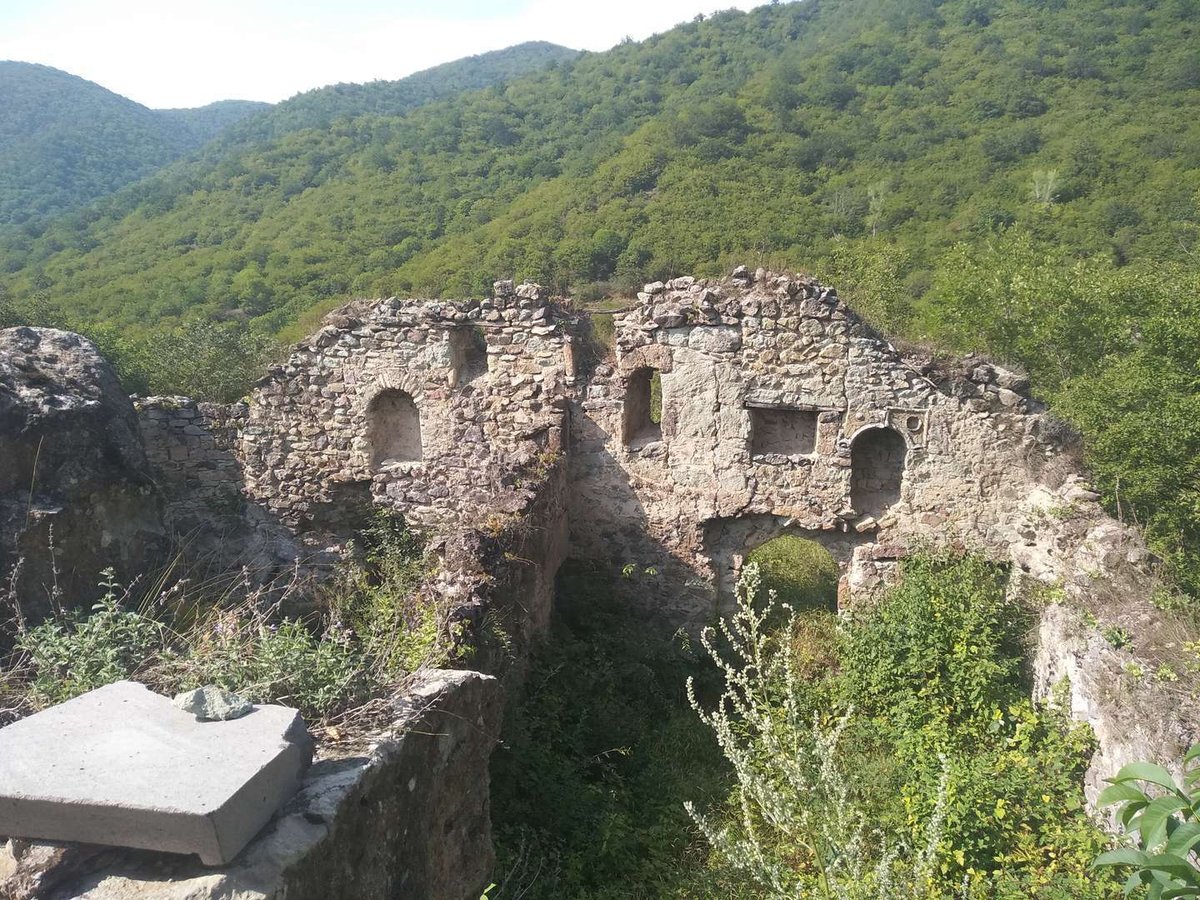
Pitareti sits in a deep gorge flanked by forested mountains, mostly deciduous with occasional conifers. The village that gave the monastery its name has long been empty: according to one account, after the monks left in the 18th century, the area was settled by an Ossetian community who venerated the church as a shrine and held an annual festival there until the 1990s, before relocating to Vladikavkaz, after which the village disappeared entirely.

Administratively this is Tetritskaro Municipality territory, though the most convenient approach isn't always through the town of Tetritskaro itself. A detailed breakdown of both routes, including the river crossing, follows in the getting-there section below: it's not a formality, it's an essential part of planning the trip.

👑 Three Building Phases: From George IV to Kaplan Orbelishvili
Питаретский монастырь

An inscription on the temple wall links its founding to King George IV, in the early 13th century, between 1213 and 1222. The architecture follows the standard canon of a Georgian domed church of that era, with one distinctive feature: from the outside the building reads as almost square, unusual for churches of this type.

The monastery long belonged to the noble Kachibadze-Baratashvili family, and from 1536 to a branch of it, the princes Orbelishvili. A 14th-century inscription names as ctitor the royal chamberlain (amirejibi) Kavtar Kachibadze, who oversaw repairs after early damage. Another inscription, on a gravestone, preserves the name of Kaplan Orbelishvili, who rebuilt the monastery in 1671 and turned the temple into his family's burial site.

The monastery's working life left its mark in stone too: an inscription on one of the buildings on the north terrace records that the wine cellar, or marani, was built by Father Superior Iov in 1696.

⚔️ The 1752 Raid and Almost Three Centuries of Silence
Питаретский монастырь

In 1752 a force from Dagestan attacked Pitareti. The fortress walls, fitted with battlements and machicolations, had sheltered not only monks but peasants from nearby villages, but they couldn't hold against an army of thousands. The monastery was looted, part of the complex destroyed, and many people taken captive.

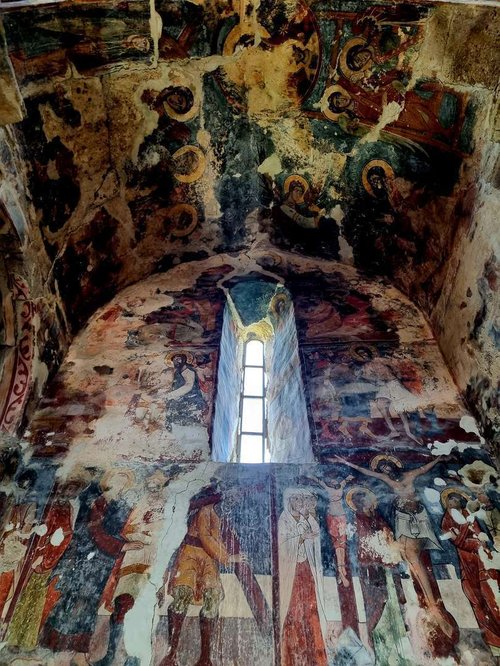
Monastic life at Pitareti stopped for almost two and a half centuries after that. Repeated raids and the removal of church property left almost none of the original relics in place: what little survived, including, by some accounts, a 17th-century manuscript Gospel copied by a scribe named Bedistmtserlishvili, eventually left the monastery.
Питаретский монастырь

🙏 How the Monastery Became Active Again in 2007

Monastic life at Pitareti resumed only in 2007. Services have run here ever since, and the monks live apart from the main temple, in wooden houses. An annual feast day, Pitaretoba, is celebrated as a memorial tied to the monastery's revival.

The architect and art historian Parmen Zakaraia gave the temple a dedicated analysis in his book on Georgian central-dome architecture, calling Pitareti a significant but, in his words, monographically under-studied monument of its type.

🗿 Carved Stone and Architecture: The Main Reason to Come

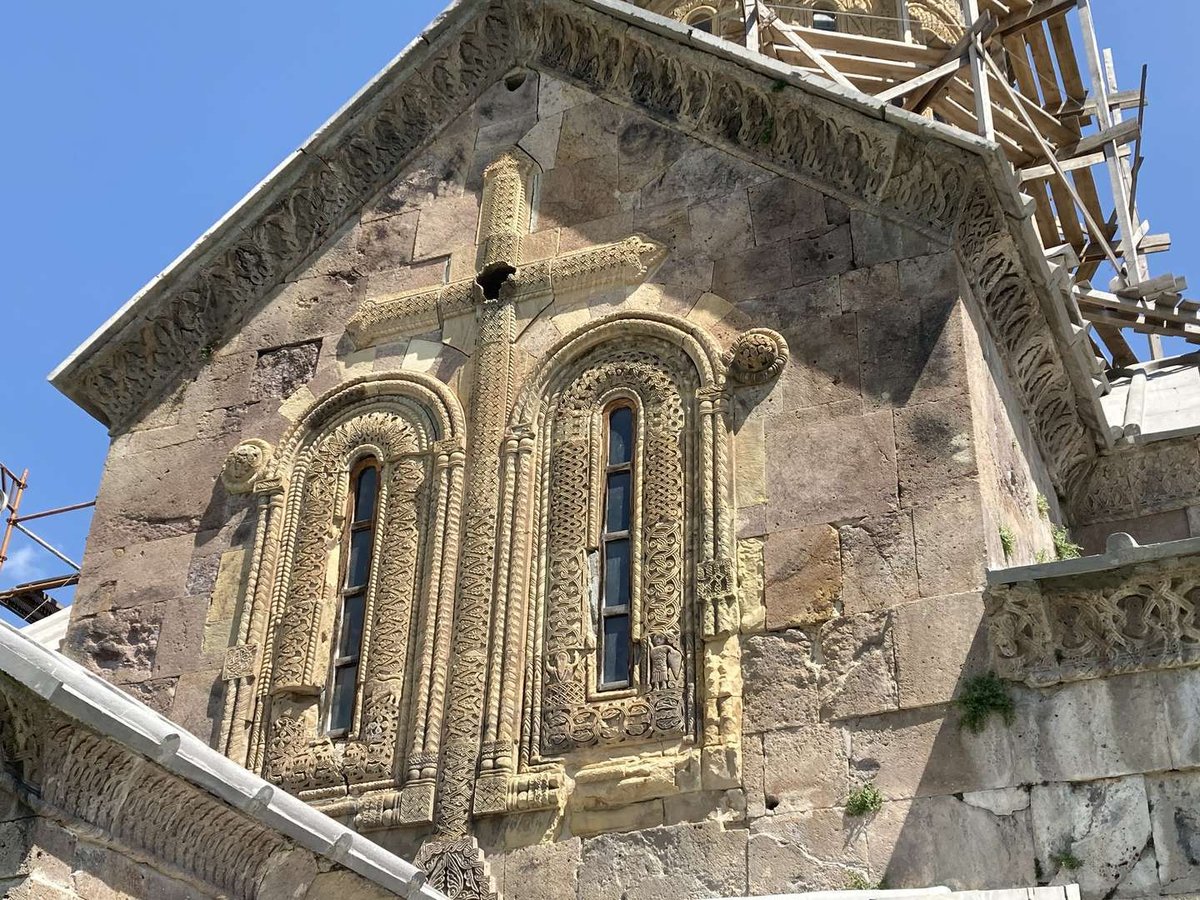
The main temple at Pitareti, consecrated to the Mother of God, is nearly square in plan, which sets it apart from most Georgian domed churches of its period. The single entrance sits in the south portico. The facade carries two rows of windows, round above and rectangular below, while the interior is lit by twelve windows in the dome and three more on the sides.
Питаретский монастырь

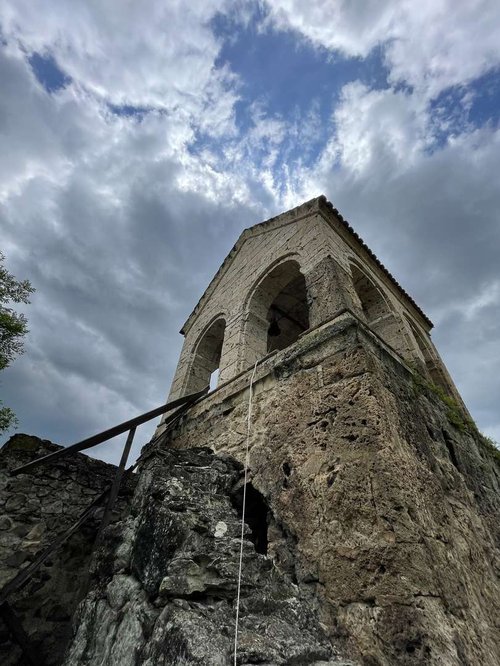
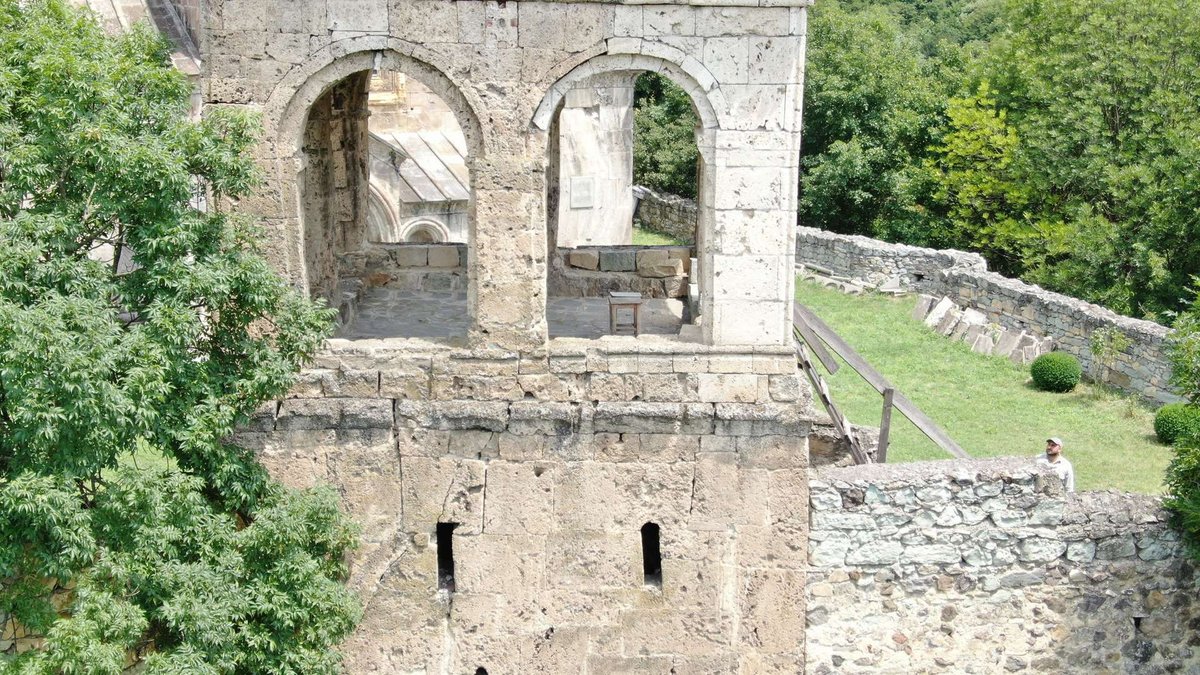
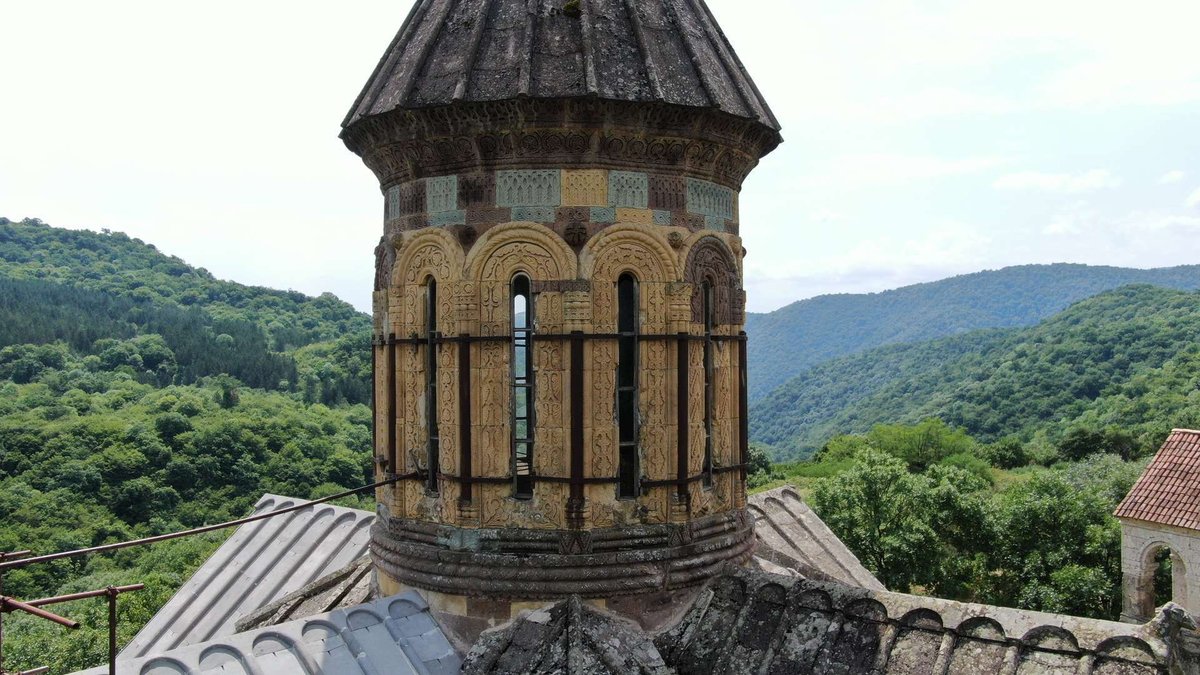
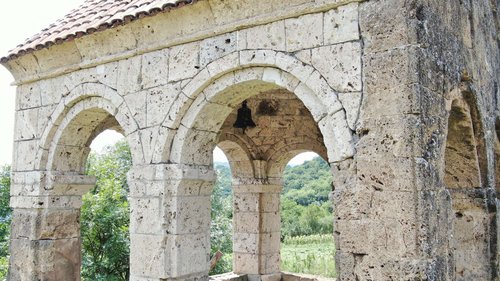
A two-storey belltower is built directly into the monastery wall above the entrance gate. The wall itself has two layers: older, partly ruined masonry, and a later section with round towers typical of the firearms era, a detail that hints at when the monastery was last seriously fortified.

But the main reason to make the difficult trip is the carving. The facades are covered in plant and geometric ornament of a precision fine enough that architects single out Pitareti among comparable buildings. The ornament is designed for daylight: on an overcast day the detail nearly disappears, while in bright sun the stone seems to come alive.

📋 Pitareti Monastery in Facts

Location
Tetritskaro Municipality, Kvemo Kartli, ~100 km from Tbilisi
Coordinates
41.479702, 44.319942
Built
1213-1222, under King George IV
Rebuilt
14th century (Kavtar Kachibadze), 1671 (Kaplan Orbelishvili)
Destroyed
1752, a raid from Dagestan
Revived
2007, active male monastery
Diocese
Bolnisi Diocese of the Georgian Orthodox Church
Complex
temple, belltower, fortress wall, marani, outbuildings

🚗 Getting There: Two Routes and a River Ford
Питаретский монастырь

There's no paved road to Pitareti, and it's best to accept this before planning the trip rather than discover it on arrival.

The first route runs through Tetritskaro toward Tsalka, to the village of Dumanisi, also known as Jvara. From there a dirt road begins: a climb to a pass at around 1,450 metres, then a descent of about eight kilometres of switchbacks down to the river.

The second route goes through Bolnisi and the village of Tandzia, approaching the monastery from the south, and also ends at the river. Crossing it is only possible by 4x4, fording, and only when the water level is low, usually in summer or early autumn. Both routes are marked on maps as "Pitareti rd."

This is not a trip for a regular car or a solo drive. The sensible option is a 4x4 with a driver who knows the current state of the ford, or a local guide who regularly takes groups there.

🗺️ Pitareti Monastery on the Map

Open in Google Maps
ℹ️ Coordinates: 41.479702, 44.319942. Both approach routes are marked on maps as "Pitareti rd."

Питаретский монастырь

Pitareti isn't a place you stumble on along the way. People come here deliberately, knowing about the ford and the switchbacks, for carving that has survived nearly untouched for eight centuries, and for the quiet of a gorge that still has no permanent population. That very inaccessibility is what has kept the monastery clear of the crowds that have long found their way to Georgia's easier-to-reach temples.

Have you been to Pitareti? Tell us in the comments on Madloba: which route you took, whether you managed the river crossing, and which piece of carving on the facades impressed you most.

Information is current as of June 2026. Check the river's water level and the condition of the dirt road before you go: the route isn't passable year-round.

❓ FAQ

❓ Where is Pitareti Monastery?

In the Tetritskaro Municipality of the Kvemo Kartli region, in a gorge about 100 km from Tbilisi. Coordinates: 41.479702, 44.319942.

❓ Can you drive to the monastery in a regular car?

No. There's no direct road. One route crosses a pass at 1,450 metres and eight kilometres of switchbacks; the other ends at a river that has to be forded by 4x4, and only in the dry season.

❓ When was Pitareti Monastery built?

Between 1213 and 1222, under King George IV. It was later rebuilt twice: in the 14th century and again in 1671, under Kaplan Orbelishvili.

❓ Why was the monastery abandoned for almost two centuries?

In 1752 it was attacked by a force from Dagestan, looted and partly destroyed. Monastic life resumed only in 2007.

❓ Is the monastery active today?

Yes, it has been an active male monastery since 2007. The monks live near the main temple, in wooden houses. An annual feast day, Pitaretoba, is celebrated there.

❓ What is Pitareti Monastery famous for?

Mainly for its fine stone carving on the facades, plant and geometric ornament designed to catch the sunlight. It's also unusual for its nearly square shape, uncommon among Georgian domed churches of that era.

❓ When is the best time to see the carving?

On a sunny day. The ornament is cut to read in raking light, and the detail nearly disappears in overcast weather.

❓ Have any of the monastery's relics survived?

Almost none, due to repeated raids and the removal of church property. Written sources mention a 17th-century manuscript Gospel that was once kept there.

❓ Which diocese does the monastery belong to?

The Bolnisi Diocese of the Georgian Orthodox Church.

Anastasia Berezhkova
By:

Anastasia Berezhkova

Post: Head of Development Direction

Hello! I am a traveler with a rich experience of living in various parts of the world. For many years, my passion for travel has led me to different destinatio…

Visit author

27 comments


Log in to leave a comment


  • M
    Matthew Martinez
    The beauty of the Pitareti temple is almost haunting, isn't it? That rich history, carved in stone over centuries, is like a whisper from the past. I stood there, in the Ktsia gorge, and felt a strange mix of awe and melancholy, thinking about its abandonment after the raid in 1752. It's incredible how something so steeped in sorrow has found new life again since 2007. I couldn't help but admire the resilience of this place, a testimony to the passage of time and the cycles of neglect and revival. The atmosphere was charged with stories, and yet I felt a certain solitude lingering in the air, as if the stones themselves held their breath, reflecting on what has been lost and found again. Walking through those ancient walls, I pondered the layers of faith and hope stitched into the very fabric of this monastery. It truly is a gem tucked away in that gorge, waiting for those willing to listen to its tale.
  • T
    Thomas Williams
    Stumbling upon the Pitareti temple feels like diving into a forgotten fairytale. I can almost hear my grandfather's voice narrating stories about ancient places, the kind steeped in history and whispers of monks long gone. It’s utterly wild to think this site was just left to the wind and rain for so long. The fact that, since 2007, it’s found new life is like a candle flickering back to existence after years in the dark. I remember taking my kids on road trips, stopping at crumbling old churches and trying to imagine who once prayed there and what their lives were like. This temple, with its rugged charm, seems like it carries a thousand secrets carved into its stones, urging us to slow down, to listen. There’s something beautiful about a place coming back to life, awakening from its slumber. Life can be a chaotic whirlwind, and finding these pockets of history reminds me of what really matters.
  • M
    Maximo
    Когда я впервые прочитал про Питаретский монастырь, перед глазами сразу возникли обрывы зелёных склонов и тихий звук ветра над древними камнями — настолько живо материал передаёт атмосферу этого места. Отдельно понравилось, как описывается связь монастыря с природой и историей, а также то, что статья помогает не просто увидеть памятник, но почувствовать его дух и значение для региона.

    Мне особенно близок такой формат — не сухие факты, а рассказ, который помогает представить себя там, идя по горной тропе к монастырю, слушая тишину и вглядываясь в старинные фрески и архитектурные детали. Это именно те места, куда хочется приехать снова и задержаться подольше.

    Материал отлично балансирует между описанием, историей и практическими деталями — это позволяет почувствовать, какой вклад монастырь вносит в культурное наследие Грузии.

    А вы бы предпочли исследовать такие места в компании местного гида, чтобы глубже понять контекст, или самостоятельно, ориентируясь только на собственные впечатления?
  • Н
    Николай Тимохин
    Заинтересовал факт о почти квадратной форме архитектуры монастыря. Обычно храмы той эпохи строились в крестово-купольной системе. Подозрительно, как удалось сохранить такую форму, если учесть разрушения 1752 года. Возможно, стоит уточнить, насколько архитектура воссоздана или отреставрирована в наши дни.
  • V
    VinceC00per
    The article mentions that the monastery was built between 1213 and 1222, but also states that restoration work took place after enemy invasions. I'm curious about how much of the original structure remains today and how much has been reconstructed over the years. Does anyone have more information on this?
  • კ
    კონსტანტინე გვენეტაძე
    გაითვალისწინებით, რომ ურდულით მიღებული დაზიანებები მოდერად აღდგენილია, მაინტერესებს, რამდენად შენარჩუნებადია უძველესი არქიტექტურული ელემენტები და რამდენად რჩება კვლავ პიტარეთში შორეული წარსულის სული?
  • O
    Olivia Carter
    The description of the Kcia Gorge and its surroundings is captivating. The history of the monastery, with its turbulent past and remnants of ancient relics, adds a mysterious charm. The nearly square architecture and the intricate facade decorations must be a photographer's dream under the right sunlight. It's fascinating how the structure has survived through time and conflicts. The mention of the gravestone of Caflan, son of Orbel, gives a personal touch to the historical narrative. Such a complex, with its connection to Georgian heritage, seems like a hidden gem worth exploring for anyone interested in history and architecture.
  • О
    Оксана Оксана
    Интересно, сохранились ли где-то изображения или описания древних реликвий Питаретского монастыря, которые были утрачены из-за набегов?
  • K
    Khatuna Kalandadze
    ეს მონასტერი მართლაც უნიკალური ადგილია. როცა პირველად დავდგი ფეხი აქ, სრულიად მოვიხიბლე მისი ულამაზესი ორნამენტებით, რომლებიც მზის შუქზე განსაკუთრებით ნათლად ჩანს. კუძიული არქიტექტურა და მცენარეული მოტივები ნამდვილი საოცრებაა. საჭიროა მხოლოდ წარმოიდგინო, რამდენი ისტორია გადაუტანია ამ კედლებს. მიუხედავად იმისა, რომ ნაწილის დაზიანებულია, მონასტრის სული კვლავ ცოცხალია. ყოველი ვიზიტი აქ თითქოს წარსულში დაბრუნებას ჰგავს.
  • А
    Адам Викторович
    Недавно посетил Питаретский монастырь и был поражён его архитектурой. Несмотря на значительные повреждения, его фасады с тонкими орнаментами выглядят впечатляюще, особенно при солнечном освещении. Интересно, что монастырь построен почти в квадратной форме, и единственный вход располагается с юга. Подкупольное пространство и стрельчатые арки создают необычную атмосферу. Жаль, что многие реликвии не сохранились из-за частых набегов.
  • H
    Hunter Dean
    Could someone clarify how accessible the monastery is for visitors? Are there any specific days or times when tourists can visit, especially considering that it's a functioning monastery?
  • S
    Shalva Japaridze
    იგი განსაკუთრებით საინტერესოა, რომ მონასტრის არქიტექტურას თითქმის კვადრატული ფორმა აქვს და მხოლოდ ერთი შესასვლელია სამხრეთიდან. გარდა ამისა, ფასადების მცენარეული და გეომეტრიული ორნამენტები მზის შუქზე საოცრად ჩანს. საინტერესო იქნება, თუ ამ ორნამენტებს ადგილობრივ ისტორიასთან დაკავშირებული როლი აქვს.
  • ლ
    ლევანი
    ძალიან შთამბეჭდავია პიტარეთის მონასტრის აღწერა. მისი მშვენიერი არქიტექტურა და ისტორია მაოცებს. ნეტავ როგორი ყოფილა სიდიდისას, როდესაც ჯერ კიდევ არ ყოფილა დაზიანებული. დამაინტერესა რელიგიური რელიქვიები და როგორ მოინახულებდნენ ისინი ამ მშვენიერ ადგილს. იმედია მომავალში კიდევ უფრო მეტად განვითარდება და განახლდება.
  • R
    Rodney I.
    The intricate plant and geometric ornaments on the monastery's facades must look incredible when the sunlight hits them just right.
  • L
    LyubovQRM
    Очень интересно узнать об архитектуре монастыря и его украшениях. Хочется больше узнать о восстановительных работах комплекса после вражеских вторжений. Сохранились ли какие-либо из оригинальных орнаментов или всё пришлось создавать заново?
  • M
    Marilyn
    The monastery's stunning architectural details and its rich, though tumultuous, history make it an intriguing site for understanding Georgian heritage and resilience.
  • В
    Вадим
    Очень интересно узнать о Питаретском монастыре и его непростой истории. Живописное наличие растительных и геометрических орнаментов на фасаде просто завораживает. Факт, что монастырь был восстановлен после вражеских вторжений, вызывает уважение. Хорошо бы посетить это место и увидеть сохранившуюся надгробную плиту сына Орбели. Думаю, важно сохранить такие исторические памятники для будущих поколений.
  • О
    Олег Дорошенко
    Интересно узнать о богатой истории монастыря, несмотря на его непростую судьбу. Особенно впечатляют архитектурные элементы, такие как стрельчатые арки и украшенные фасады. Жаль, что не все постройки сохранились в своем первозданном виде. Удивительно, как сооружения пережили столько испытаний с момента основания в XIII веке.
  • ხ
    ხატია სალაძემ
    ჩემთვის საინტერესოა, რატომ არ არის მოხსენიებული კონკრეტულად ის რელიქვიები, რომლებიც დაკარგული იყო თავდასხმათა შემდეგ? იქნებ რაიმე ინფორმაცია არსებობს მათი პირველადი მდგომარეობის შესახებ. იქნებ ვინმე უკეთ მიხვდა, რაც მოხდა ამ პერიოდში?
  • l
    laramerk3lov
    Интересно, почему в статье не упоминается более детально о работах по восстановлению, проведенных после разрушений в 1752 году? Ведь, судя по сохраненной надгробной плите, это был значимый период для монастыря. Возможно, существуют какие-то документы или исследования на эту тему, которые стоило бы добавить.
  • G
    G. Brockwell
    The monastery's architecture and history sound fascinating. I'm curious about the current condition of the damaged parts of the complex. Are there any restoration projects planned or currently underway to preserve these structures, especially considering their historical significance?
  • А
    Аня Глазкова
    Этот монастырь с богатой историей и потрясающей архитектурой — настоящее сокровище Грузии. Интересно, как сохранились орнаменты после всех испытаний, ведь они придают особую атмосферу этому месту. Хотелось бы узнать больше о жизни монастыря сегодня и о деятельности епархии в этом регионе.
  • G
    G_elel
    Питаретский монастырь действительно впечатляет своей архитектурой и уникальными орнаментами на камне! Я всегда восхищаюсь, как такие древние сооружения могут быть такими детализированными и красивыми. Особенно интересно, что каменные узоры становятся видны только при солнечном свете – это добавляет еще больше магии этому месту. Я обязательно включу Питаретский монастырь в свой список для посещения в Грузии. Это место кажется полным истории и красоты!
  • Т
    Таня
    Внешне довольно таки красивое строение. Когда осматриваешь храм, невозможно не поразиться неиссякаемости фантазии резчиков, обрабатывающих камень: фасады покрыты разнообразными растительными, геометрическими орнаментами. Для их правильного восприятия необходим яркий солнечный свет, так как они ориентированы на игру света.
  • k
    klimovadominika47
    Натали, добрый вечер, я обожаю средневековую культуру, особенно культуру тринадцатых, четырнадцатых веков. Кстати, у меня очень болело сердце, когда читала про набеги монголов на Божий храм. Но я уверена этому может место быть, потому что история культуры и традиций может и должна в обязательном порядке изучаться.
  • ნ
    ნატალი ხანოვა
    Нет ничего хуже, когда разрушают храм Божий. Важное место для православных людей, где они могут помолиться и приблизится к Богу. История Питаретского монастыря и грустная и радостная. Храм был разрушен врагами, но построен вновь. Сегодня это святое место радует посетителей, так как монастырь действующий. Рядом природа божественной красоты. Чистейший, горный воздух. Духовная атмосфера. Спасибо автору за ознакомительную статью.
  • В
    Влада
    Очень красивое второе фото. Правда что в солнечный день видна вся тонкость и изящность каменной резьбы. Подобные места как-то способствуют умиротворению в душе и успокоение суетных мирских мыслей. А ещё мне очень-очень нравится разглядывать всё это на таком прекрасном фоне голубого неба и изумрудной зелени. Сама земля этой благодатной страны обнимает эти храмы своей заботой. И они красуются на ней и радуют всех. Приятно узнавать, что многие храмы и монастыри не просто памятники исторического и культурного наследия, а действующие очаги веры, и под этими сводами, которыми так восхищается автор, возносятся слова молитвы.