


Fortresses of Samtskhe-Javakheti: Abuli, Saro and Sapara
Samtskhe-Javakheti is a region of Georgia that includes districts of the Same, Javakheti, and Tori provinces. It also borders Armenia and Turkey. Almost half the population is Armenian. Here, you can find not only Georgian churches, but also Armenian churches and even Turkish mosques.
Furthermore, Bronze Age structures (35th/33rd–13th/11th centuries BC) have survived in this region—the Abuli, Saro, and Shaori fortresses. No one knows when, by whom, or for what purpose they were built, but there is a legend about their mystical, extraterrestrial origin.
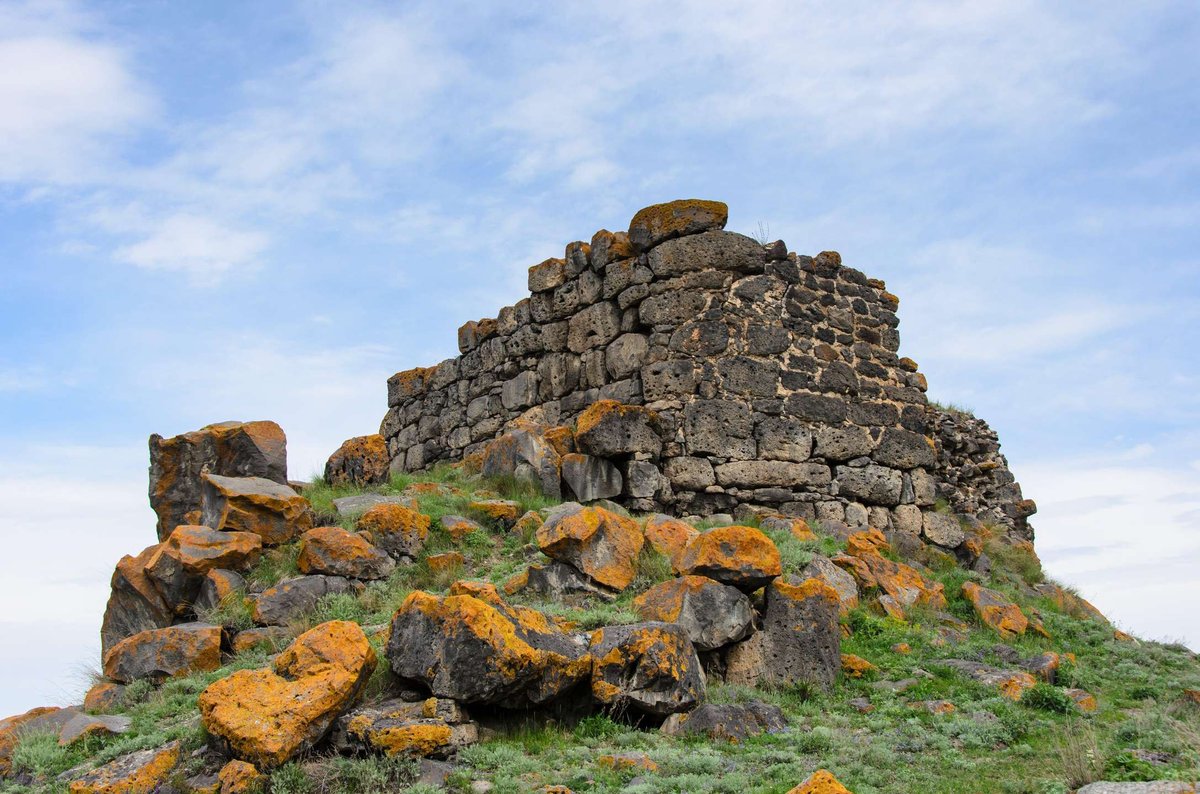
The Abuli Fortress and its origins have remained a mystery to historians and archaeologists for millennia. It is located at the foot of Mount Maly Abuli at an altitude of 2,500 meters above sea level. The fortress's five-meter-high walls, up to three meters thick, are constructed of mountain stone without the use of binding or reinforcing materials.
Ruins of ancient buildings can be seen within the fortress, but there is no cultural layer, only stone, making the Abuli Fortress one of Georgia's mysteries. On the mountain near the village of Saro, the ruins of a Bronze Age fortress of the same name and the 11th-century Church of the Archangel remain. The Shaori Fortress, built entirely of large boulders, bears the name of the river of the same name and is located at an altitude of almost 3,000 meters above sea level. Of course, modern climate conditions do not allow for life at such an altitude.
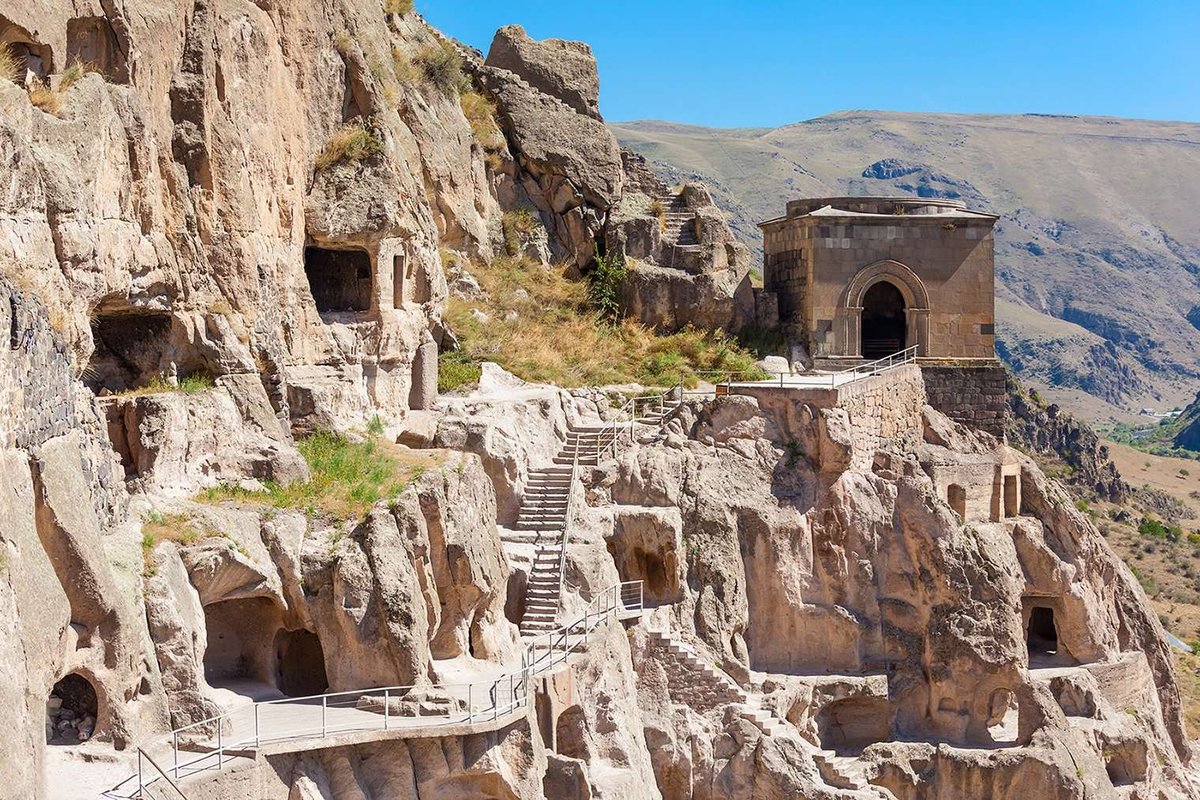
Samtskhe-Javakheti also boasts the well-known cave monasteries of Vardzia and Vanis-Kvabebi. They were built near the village of Khizabavra to protect the population during Turkish attacks. Vardzia contains frescoes of the Georgian Queen Tamar and her father, George III. The queen also gave the place its name: according to legend, little Tamar, lost in the area, cried out, "Var Zia" (I'm here, uncle).
Furthermore, in the southern region of Georgia, one can find somewhat more modern fortresses, such as Akhaltsikhe, Atskuri, Choboskhevi, Khertvisi, Kokhtas, the Melnisi and Mokhsevisi fortresses, Okros, the impregnable Tmogvi fortress, and Zanavi.
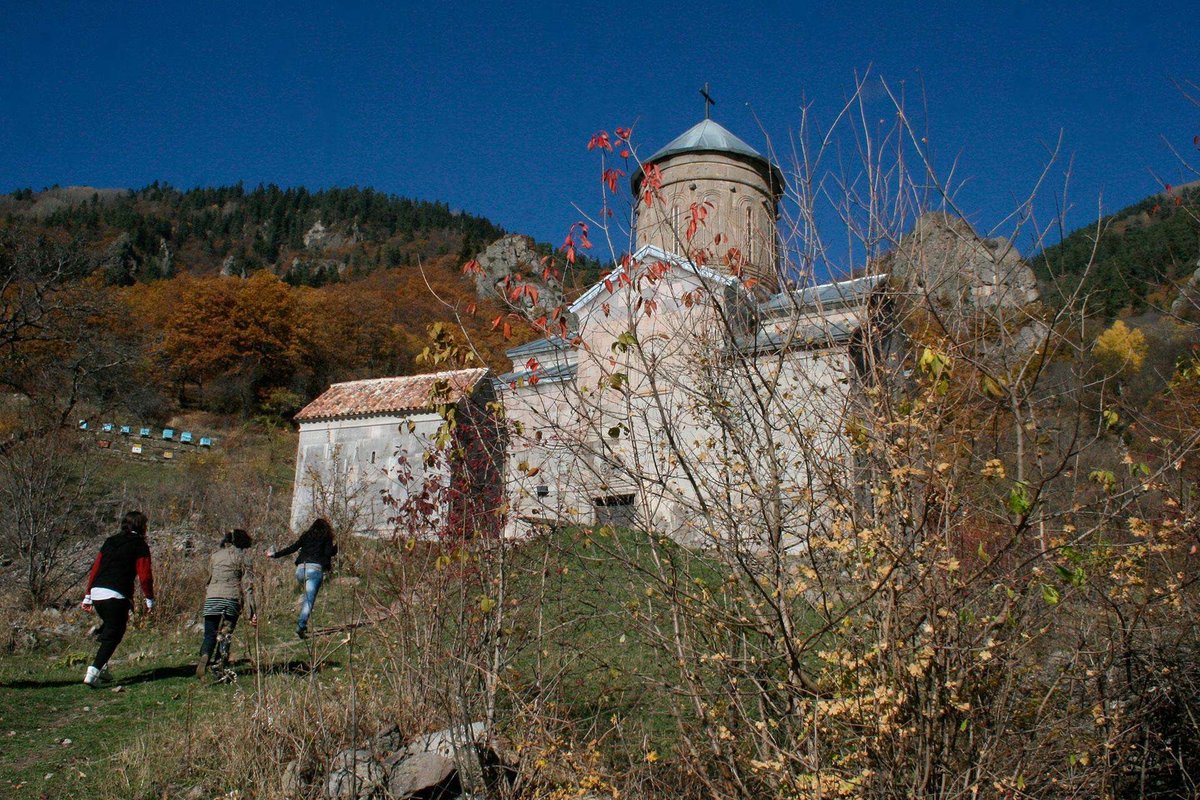
The Sapara Monastery near the town of Akhaltsikhe and the Transfiguration Monastery in the village of Zarzma are the most famous religious sites. The Sapara Monastery preserves unique murals and stone carvings.
The Transfiguration Monastery, founded between the 7th and 10th centuries, was restored in the 19th century after being completely abandoned for 300 years during Turkish rule. Of the original ancient buildings in Zarzma, the only surviving arch is the bell tower with a 10th-century inscription.

35 comments
Log in to leave a comment
Aber ich frage mich, wie weit die Wandermöglichkeiten von den Burgen entfernt sind. Gibt es sicher Wege, um dorthin zu gelangen?
Но самое прекрасное то, что на эту мистику можно взглянуть своими глазами.