


🏛️ The Kingdom of Colchis: Where Ancient Myth Meets History
Colchis was an ancient kingdom in Western Georgia that existed from roughly the 6th century BC. It is known in two dimensions at once: through the Greek myth, in which the Argonauts sailed here for the Golden Fleece and King Aeëtes, the father of Medea, reigned; and through real history, confirmed by archaeology, coins, and ancient authors. It is precisely in Colchis that myth and history converge at a single point.
🏛️ In brief
Colchis (Egrisi), an ancient kingdom in Western Georgia (from roughly the 6th century BC). Famous for the myth of the Golden Fleece, but it also really existed: it minted coins and traded with the Greeks. Today this is the Colchis Lowland, a national park, and the gold of Vani.
🗺️ What Colchis is, in simple terms
Colchis was an ancient kingdom and historical region on the eastern shore of the Black Sea, in Western Georgia. For world culture it is the homeland of the myth of the Golden Fleece, and for Georgian history, one of the first state formations on this land.
What makes Colchis unique is that here myth and real history do not contradict each other but complement one another. The legend of a fabulously rich country at the edge of the world rests on a very real Colchis, with developed metallurgy, cities, and its own coinage.
📜 Colchis in myth: the Golden Fleece, Aeëtes, and Prometheus
In Greek mythology, Colchis is a distant land at the edge of the inhabited world, to which heroes set out. It was here that the ship Argo arrived: the Argonauts, led by Jason, came for the Golden Fleece. Here reigned the mighty King Aeëtes, and from here came his daughter, the sorceress Medea.
Myth links Colchis and the Caucasus to another story as well, that of the titan Prometheus, chained to a rock for giving people fire. In Georgian tradition this image echoes the legend of the chained hero Amirani.
⚡ Two myths about Colchis
- The Golden Fleece. Jason's Argonauts sail here for the fleece of the golden ram, guarded by a dragon.
- Prometheus. To the rocks of the Caucasus, at the borders of Colchis, a titan is chained, the one who gave people fire.
⚒️ The real Colchis: the history of the kingdom
As a state, Colchis took shape by roughly the 6th century BC on the basis of the tribal union of Qulha, mentioned as early as the 8th-century BC Urartian texts. The Greeks called the people of this country the Colchians.
Colchis was advanced for its time. Its economy rested on agriculture, iron metallurgy, jewelry-making, flax cultivation, and pottery. From the 6th century BC, it minted its own silver coin, the so-called Colchian tetri, which speaks directly to a mature economy and trade.
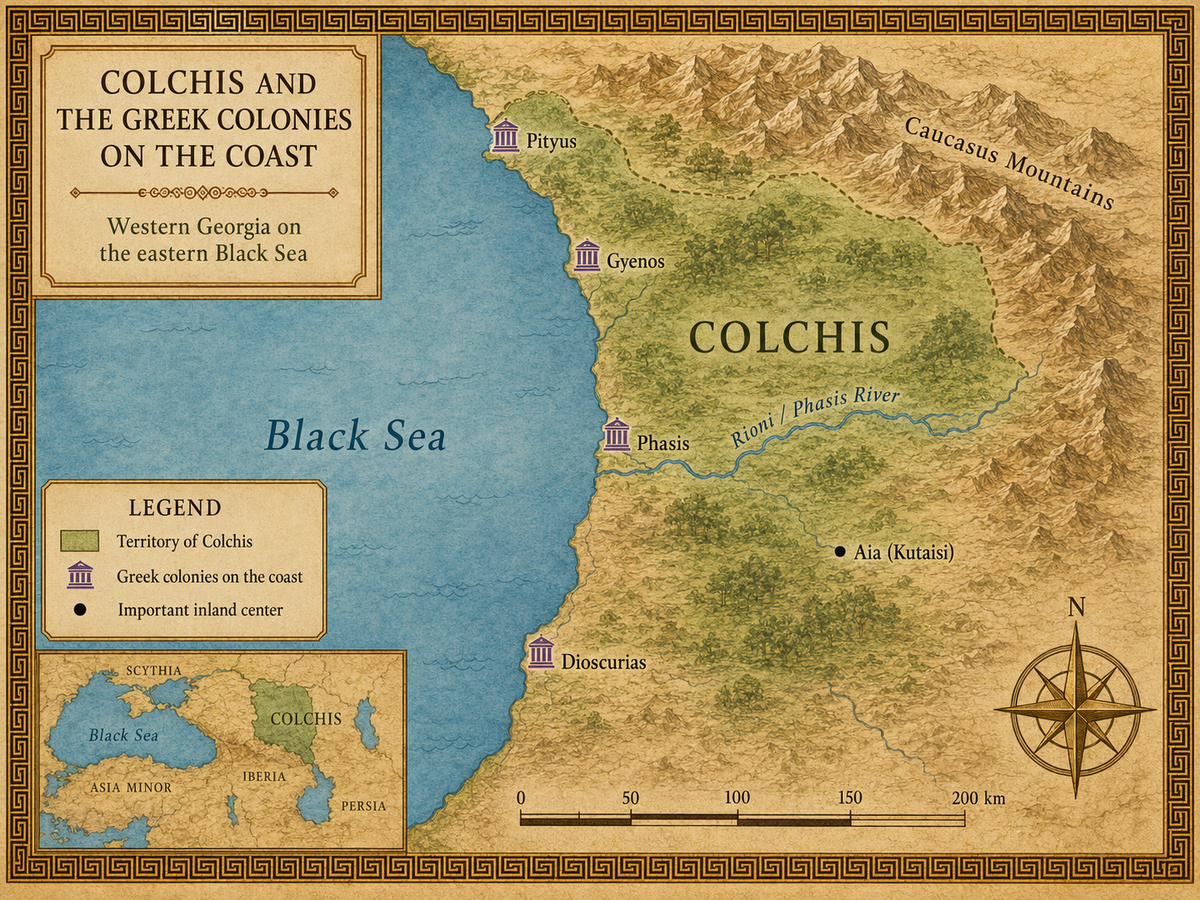
Life was concentrated in the valley of the Rioni River, where cities such as Vani and Dablagomi stood, while on the Black Sea coast Greek colonies arose: Phasis on the site of modern Poti, Dioscurias on the site of Sukhumi, Pityus (Pitsunda), and Gyenos (Ochamchira). Herodotus, Xenophon, and Strabo wrote about Colchis, and for a time the kingdom was dependent on Persia.
At the end of the 4th century BC, the Colchian ruler Kuji, in alliance with the Iberian king Pharnavaz, takes part in the unification of the Georgian lands. By the end of the 2nd century BC, Colchis falls under the power of the Pontic Kingdom of Mithridates VI, and after 63 BC, into the orbit of Rome. In the first centuries AD, the Kingdom of Lazica, also known as Egrisi, takes shape on these lands, and in 562 it becomes part of Byzantium.
🕰️ The history of Colchis: key milestones
| Ancient city or colony | Modern city |
|---|---|
| Phasis | Poti |
| Dioscurias | Sukhumi |
| Pityus | Pitsunda |
| Gyenos | Ochamchira |
| Vani | Vani |
🏺 Vani and the gold of Colchis: archaeology confirms the myth
The best material evidence of the real Colchis is the city of Vani in Imereti. Archaeologists call it a temple-city and an important center of the kingdom. Excavations here have been carried out since the late 1940s, and from 1961 major gold finds began. Today a museum-reserve operates on the site.
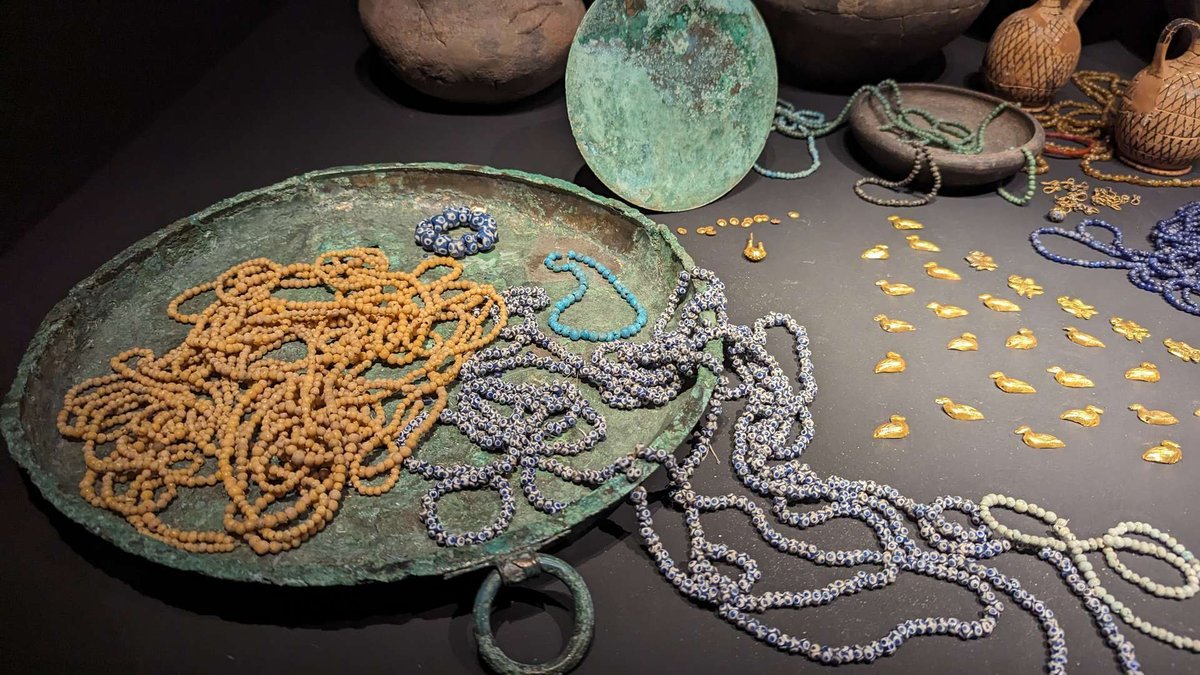
Colchian coins and the gold jewelry from Vani, fine diadems, earrings, figurines, vividly confirm the very image of a "golden" Colchis that has come down to us in myth. The fabulous wealth of Aeëtes' country turned out to be not an invention but a reflection of the real jewelry-making skill of the Colchians.
🏺 Archaeology confirms the myth
The gold of Vani and the silver "Colchian tetri" coins are real confirmation of the "golden" Colchis of legend. The wealth of Aeëtes' country turned out to be not a fairy tale but a reflection of the skill of Colchian jewelers.
🌿 Colchis today: the lowland, the national park, and the Colchic forests
The name of Colchis lives on in Georgia today, above all in geography. The historical heart of the kingdom was the Colchis Lowland, a subtropical lowland in the Rioni River basin with a warm, humid climate and marshy lands.
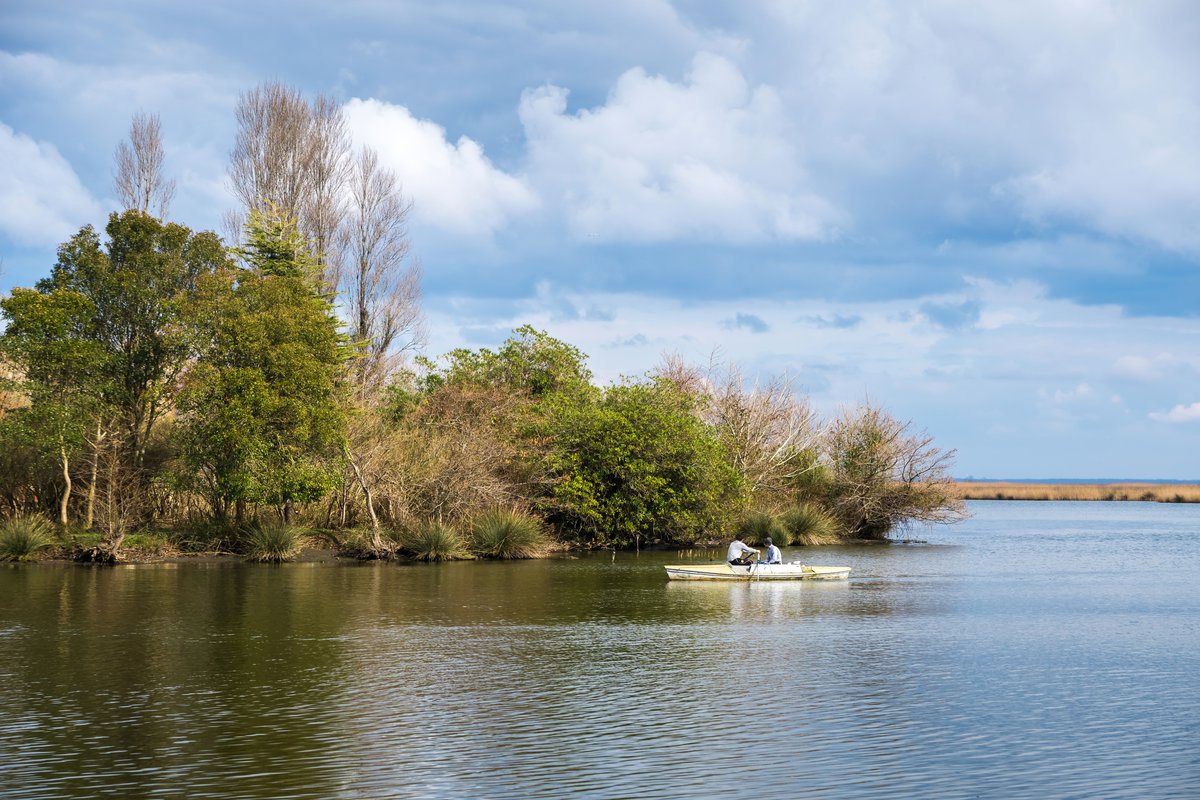
Part of these lands is protected today. Kolkheti National Park is a wetland area near the city of Poti with Lake Paliastomi, an important stop on the route of migratory birds. And the Colchic rainforests and wetlands entered the UNESCO World Heritage List in 2021, becoming the first natural site in Georgia on that list.
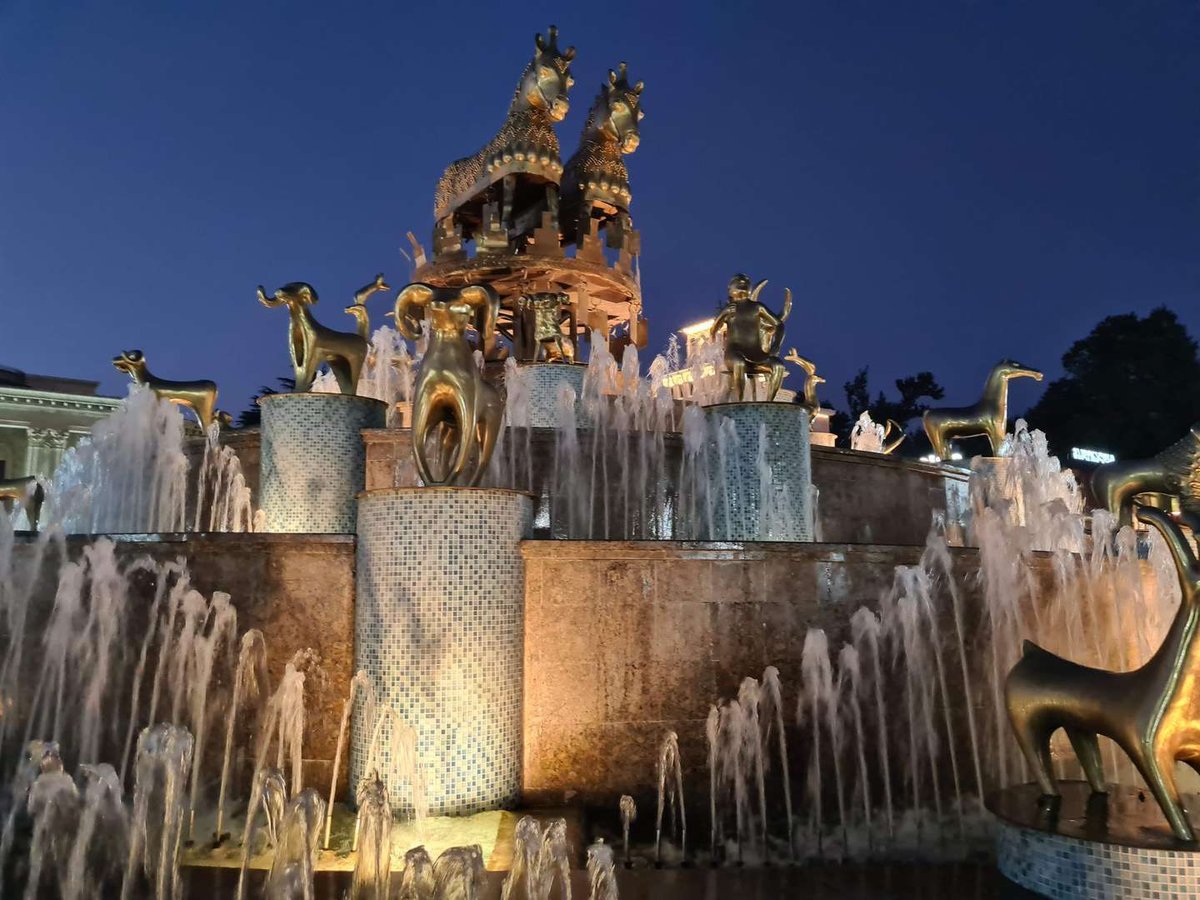
The memory of mythical Colchis is also fixed in the urban landscape. In Kutaisi stands the Colchis Fountain, a modern monument from 2011, crowned with gilded figures of Colchian mythology, replicas of Bronze Age gold work. And the region's sea gate, the city of Poti, stands on the site of ancient Phasis; nearby, in Imereti, the Vani museum-reserve operates.
| Site | Where | What it is |
|---|---|---|
| Colchis Lowland | Rioni basin | Subtropical lowland, the historical heart of Colchis |
| Kolkheti National Park | Near Poti | Wetlands, Lake Paliastomi, birds |
| Colchic forests | Black Sea coast | Rainforests and wetlands, UNESCO heritage (2021) |
| Colchis Fountain | Kutaisi | A 2011 monument with golden figures from the myth |
| Vani | Imereti | Museum-reserve, the gold of Colchis |
| Poti | Mouth of the Rioni | A city on the site of ancient Phasis |
✨ Colchis and the birth of Georgia
Colchis was not alone: to its east lay Iberia, also known as Kartli. These two ancient kingdoms, Colchis in the west and Iberia in the east, became the historical foundation of Georgian statehood. Scholars consider Iberia unquestionably Kartvelian.
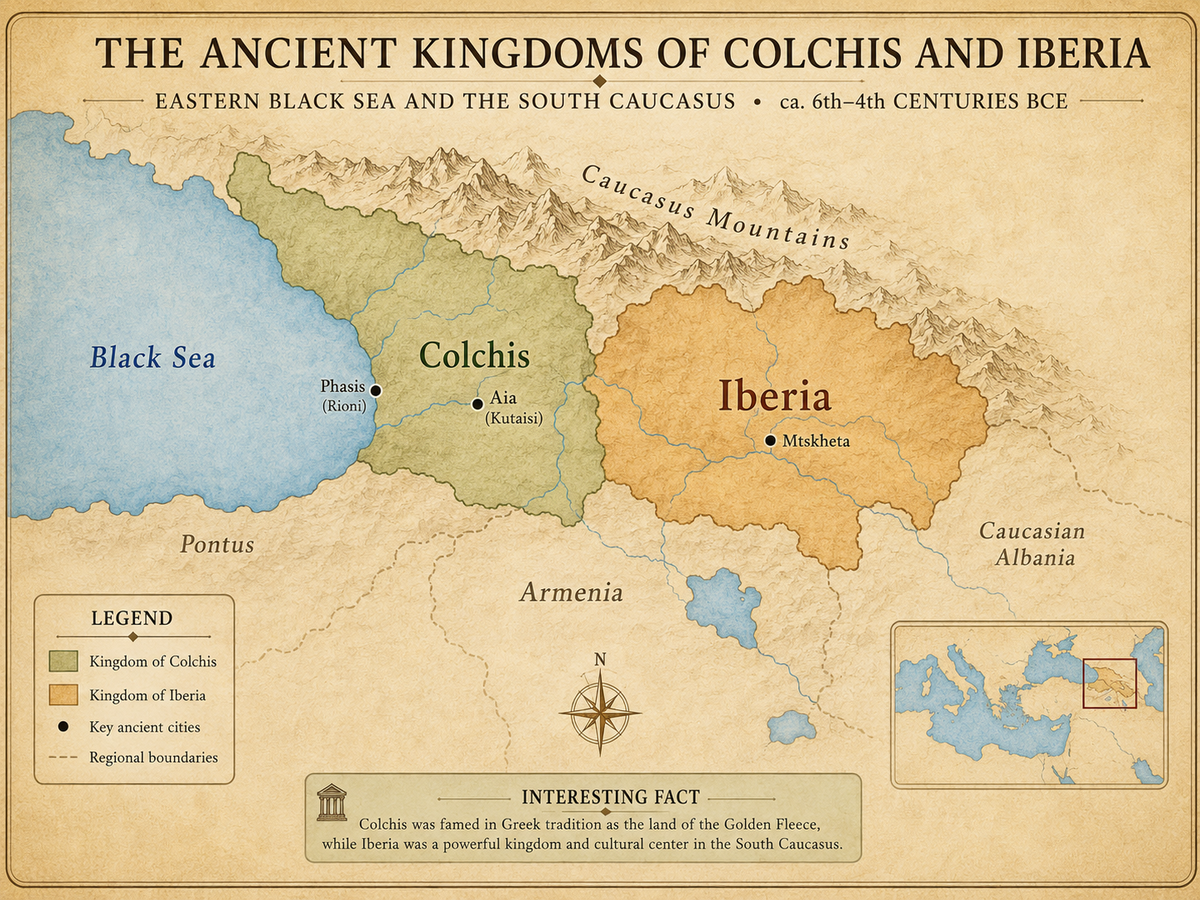
Colchis was one of the first centers of Georgian statehood. Later Egrisi and Lazica arose on its lands, and later still these territories became part of a unified Georgia. In this way the ancient kingdom became part of the larger Georgian story.
The population of Colchis, the Colchians, was originally Kartvelian, akin to today's Mingrelians and Laz. Curiously, Herodotus mistakenly considered the Colchians descendants of the Egyptians, but this version found no confirmation.
❓ Frequently asked questions about Colchis
💬 An ancient kingdom and historical region on the eastern shore of the Black Sea, in Western Georgia. It is the homeland of the myth of the Golden Fleece and one of the first Georgian states.
💬 In Western Georgia: Imereti, Samegrelo, Svaneti, Racha-Lechkhumi, Guria, Adjara, as well as adjacent territories of modern Turkey and the Black Sea coast.
💬 Yes. The Kingdom of Colchis took shape by the 6th century BC, minted coins, and traded with the Greeks. At the same time, Colchis is also known as the setting of Greek myths.
💬 It is Western Georgia. Its heart was the Colchis Lowland in the basin of the Rioni River.
💬 A subtropical lowland in the Rioni basin on the Black Sea coast, the historical center of Colchis.
💬 A wetland area near Poti with Lake Paliastomi. The Colchic forests and wetlands are on the UNESCO World Heritage List.
💬 According to the myth, the Argonauts sailed here for the Golden Fleece. The image has a real basis: gold was mined in Colchis (more in the article on the Golden Fleece).
💬 In myth, King Aeëtes, the father of Medea. In history, Colchian rulers (for example, Kuji, an ally of the Iberian king Pharnavaz), and later the kings of Lazica.
💬 It fell under the power of Pontus, then Rome; the Kingdom of Lazica (Egrisi) took shape in its place and became part of Byzantium in 562. Later these lands became part of a unified Georgia.
💬 Colchis is ancient Western Georgia, one of the two ancient Georgian kingdoms alongside Iberia.
📌 The Main Points in Brief
Colchis was an ancient kingdom in Western Georgia, where legend and history meet at a single point: here the Greeks brought the Argonauts in search of the Golden Fleece, and here a real state of the Colchians existed, with metallurgy, cities, and its own coinage. The archaeology of Vani, with its gold, confirmed the fabulous image of a "golden" country, while the name of Colchis has reached our day in geography, the Colchis Lowland, the national park, and the UNESCO forests. Together with neighboring Iberia, Colchis became one of the wellsprings of Georgian statehood.
🗣️ Now it's your turn
Colchis is fascinating because in it myth and history are so tightly intertwined that they are hard to separate. And what draws you more strongly?
- What is closer to you in Colchis, the ancient myth of the Fleece or the real history of the kingdom?
- Have you been to Vani, to the Colchis Fountain in Kutaisi, or to Kolkheti National Park?
- Which ancient city of Colchis is more interesting to see on its modern site: Poti, Sukhumi, or Pitsunda?
- Which topic of Colchis should we explore in more detail next time?
Share your thoughts in the comments, we're curious how Colchis appears to you.

3 comments
Log in to leave a comment