




🐏 The Golden Fleece: Myth and the Real Story from Svaneti
The Golden Fleece is the golden hide of a ram from an ancient Greek myth, the prize Jason and the Argonauts sailed to distant Colchis to win. And Colchis is the land of modern Western Georgia, so the homeland of the legendary fleece lies right here, on the country's Black Sea coast. The legend itself has a real basis, too: for centuries, people here panned gold from the mountain rivers, catching it straight in the wool of sheepskins.
📌 In brief
- The Golden Fleece is the golden hide of a ram from an ancient Greek myth.
- The homeland of the fleece, Colchis, is the land of modern Western Georgia.
- The legend has a real basis: the Svans panned gold from mountain rivers using sheepskins.
🏺 What the Golden Fleece Is in Simple Terms
The Golden Fleece is the golden hide of a magical ram from an ancient Greek myth. In the legend it was guarded by a dragon, and it was for this very fleece that Jason and the Argonauts set out to Colchis.
The name is worth taking apart. A fleece is a ram's skin together with its wool. And it is called golden because of the ram itself: in the myth it was an extraordinary, winged creature with wool of pure gold. The hide of such a ram came to be known as the Golden Fleece.
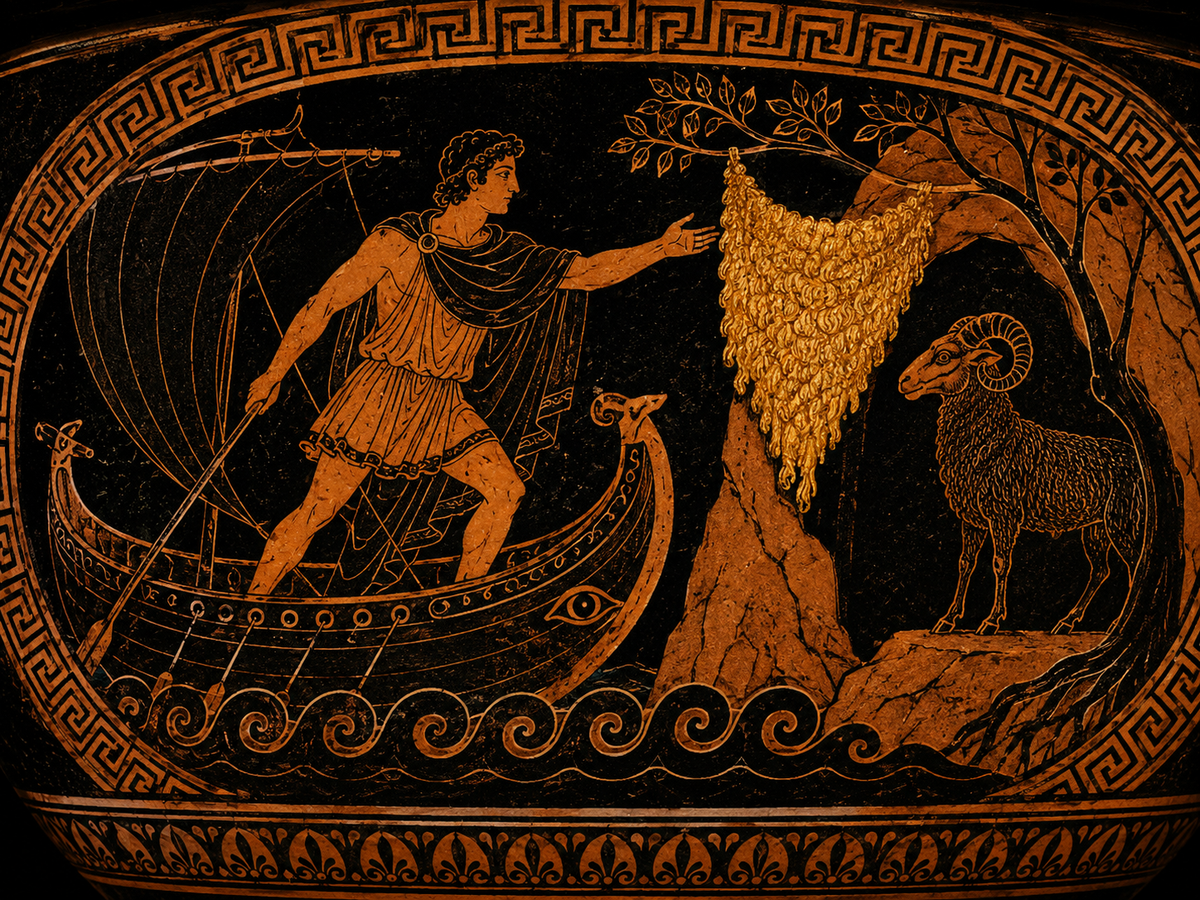
📜 The Myth of the Golden Fleece: The Whole Story in Order
The story of the Golden Fleece reaches us through several ancient texts, told in each with varying detail. The fullest surviving account is the poem Argonautica by Apollonius of Rhodes (3rd century BC), which describes the entire voyage of the Argonauts to Colchis. But the myth itself is far older: a full account of the voyage was left as early as the poet Pindar (5th century BC), and the tragedian Aeschylus also turned to the story, though his plays survive only in fragments. Below we walk through the whole tale in order, from the golden ram to the flight of Jason and Medea.
🐏 The Golden Ram, Phrixus and Helle
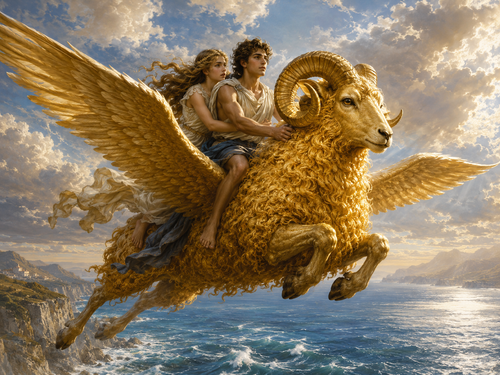
It all began in Greece. To save her children, Phrixus and Helle, from their wicked stepmother Ino, the cloud goddess Nephele sent them a wondrous golden ram. Brother and sister climbed onto it and flew away to the east. On the way, Helle could not hold on and fell into the sea: in her memory the strait was named the Hellespont, known today as the Dardanelles. Phrixus, however, reached Colchis, on the far shore of the Black Sea.
There he was received by Aeëtes, the king of Colchis. In gratitude for his rescue, Phrixus sacrificed the golden ram to Zeus and gave its golden hide to the king. Aeëtes hung the fleece on an oak in a grove sacred to Ares, the god of war, and set a dragon that never slept to guard it. And so the Golden Fleece came to rest in Colchis, the future Western Georgia.
⛵ Jason and the Argonauts Set Out for the Fleece
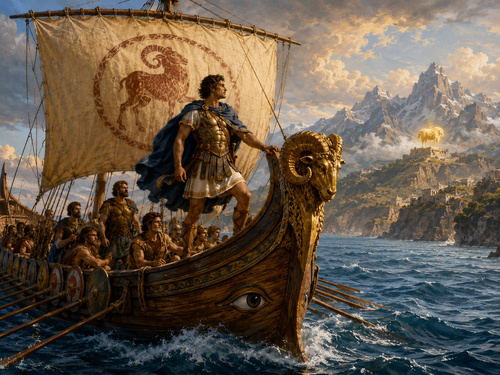
Years passed, and a whole expedition was fitted out to Colchis for the Golden Fleece. Pelias, the king of Iolcus, who had seized the throne unlawfully, charged the young hero Jason with winning the fleece, expecting that he would never return from such a voyage. For the long journey a great ship was built and named the Argo, and the heroes who gathered into the crew from all over Greece came to be called the Argonauts, after the ship.
Their route ran across the whole Black Sea, between the clashing rocks, to the eastern shore, to Colchis. The voyage of the Argonauts is itself a great story of its own, with its own feats and heroes.
🔮 Medea: The Colchian Princess Without Whom Nothing Would Have Happened

In Colchis the main obstacle awaited Jason, and its name was Aeëtes. The king had no intention of giving up the fleece freely and set the hero impossible conditions. This is where Medea steps onto the stage: the daughter of King Aeëtes, a sorceress and a priestess of the goddess Hecate. She fell in love with Jason and resolved to help him, even though it meant betraying her own father.
It was Medea who made the whole quest succeed: she gave Jason a magic potion, brought him through her father's trials, and lulled to sleep the very dragon that guarded the fleece. Jason took the Golden Fleece down from the oak, and the two fled Colchis together. Medea's own story, vivid and tragic, deserves a telling of its own.
| Character | Role in the Myth | Link to Georgia |
|---|---|---|
| The golden ram | A wondrous winged ram with golden wool, who carried Phrixus to Colchis. | Its golden hide remained in Colchis, in the land of Western Georgia. |
| Phrixus | Escaped his stepmother on the golden ram, sacrificed it and gave the fleece away. | Reached Colchis, where King Aeëtes received him. |
| Jason | A Greek hero sent to win the fleece, who led the Argonauts. | Sailed for the fleece to Colchis, the land of modern Western Georgia. |
| Medea | Daughter of King Aeëtes and a sorceress, she helped Jason win the fleece and fled with him. | A Colchian princess; her statue holding the Golden Fleece stands in Batumi. |
| King Aeëtes | King of Colchis and owner of the fleece, he guarded it with a dragon. | He ruled Colchis, that is, the land of present-day Western Georgia. |
🗺️ Where Colchis Was and Why It Is Georgia
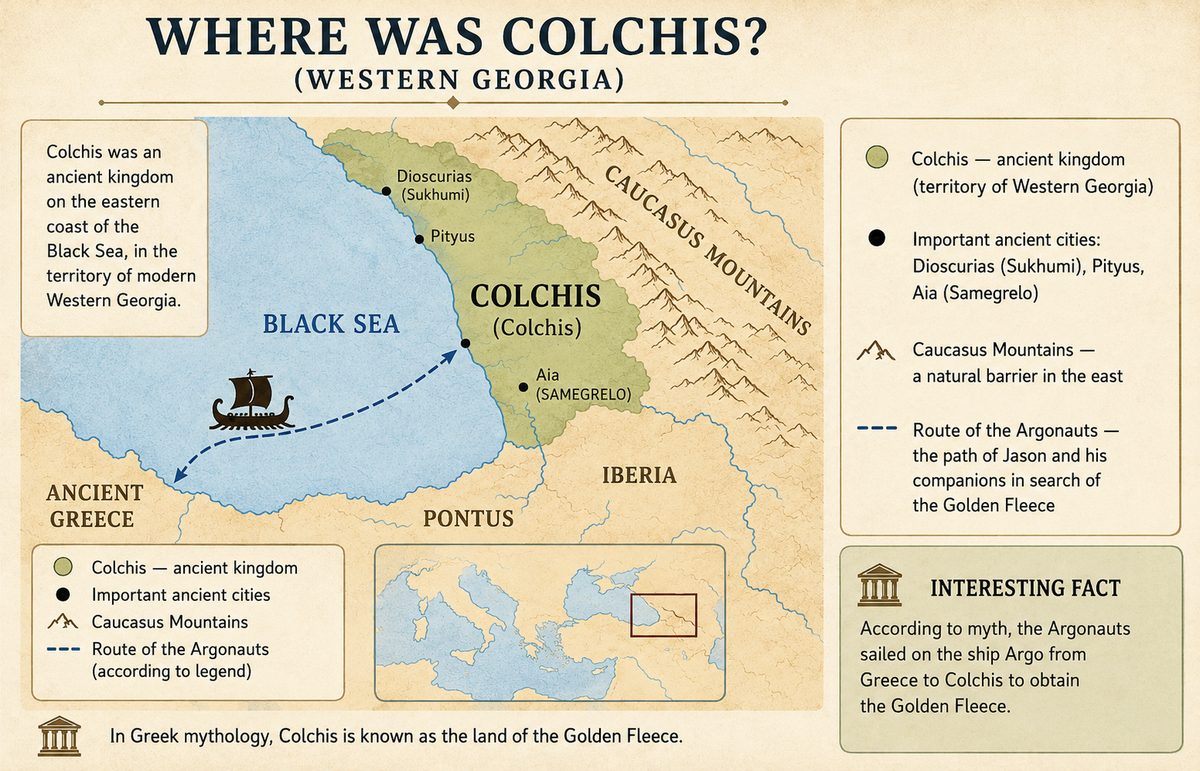
Colchis is the historical name for the lands of what is now Western Georgia. An ancient country on the eastern shore of the Black Sea and a contemporary of Ancient Greece, this is exactly where the Greeks placed the Golden Fleece. Historians still debate how unified and centralized this ancient state really was, but its geography is well established.
Laid over a modern map, Colchis covers the entire west of Georgia: Imereti, Samegrelo and Zemo Svaneti, Racha-Lechkhumi, Guria and Adjara, plus parts of neighbouring territories. These lands stretched from the Black Sea coast inland, all the way to the Caucasus mountains.
Along the coast the Greeks founded colonies, and their ancient names can still be recognized in today's cities. Phasis stood where Poti is now, Dioscurias where Sukhumi stands today, and Pityus on the site of Pitsunda. Through these ports Colchis traded with the Greek world.
| Ancient name or site | Modern region or city |
|---|---|
| Colchis (country) | Western Georgia |
| Phasis (Greek colony) | Poti |
| Dioscurias (Greek colony) | Sukhumi |
| Pityus (Greek colony) | Pitsunda |
| Phasis River | Rioni River |
💡 Interesting fact
For the ancient Greeks, Colchis was the edge of the inhabited world, the farthest point in the east that one could sail to at all. It is no accident that the myths placed here the palace of Helios, the sun god and grandfather of Medea: beyond it, people believed, lay only the sunrise and the unknown.
✨ The Real Explanation: Why the Fleece Was "Golden" (the Svan Version)
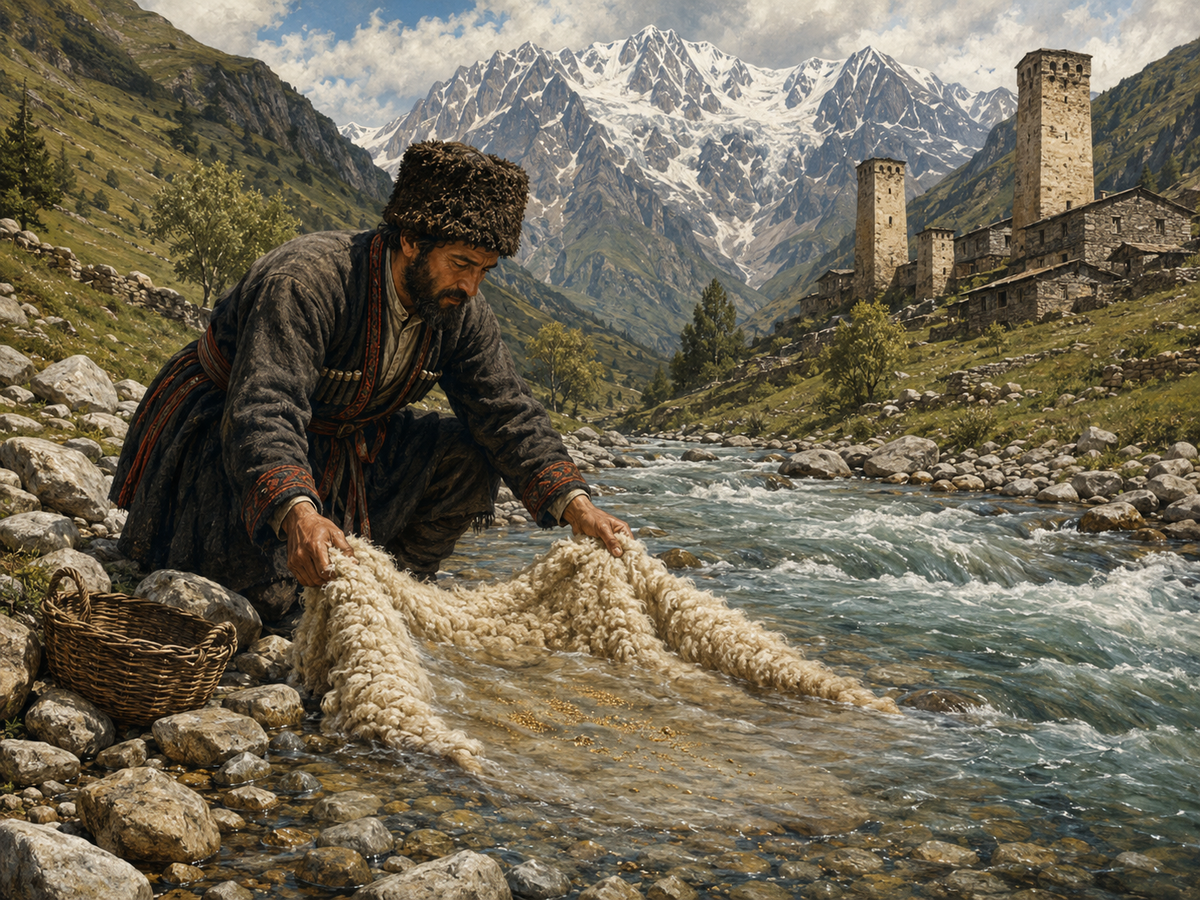
The beautiful legend has a thoroughly earthly basis, and it is tied directly to Georgia. For centuries the mountain rivers of the Caucasus carried with them grains of gold, washed out of the rock. And the local people worked out how to catch this gold, with an ordinary sheepskin to help them.
In the mountain rivers of Colchis, gold was caught with perforated troughs and shaggy sheepskins. This, as the ancients believed, is where the myth of the Golden Fleece came from.
A skin with thick wool was stretched out and lowered into the bed of a gold-bearing river. The water passed through the wool, while the heavy gold particles caught in it and settled. After a while the skin was taken out, dried, and shaken to release the gold it had gathered. In this way a sheepskin would literally become covered with gold, and it is not hard to imagine how the image of the Golden Fleece grew out of this very real picture.
⚙️ How the Svans Mined Gold with a Fleece
-
1 Stretched the skin in the river
A sheepskin with thick wool was stretched out and lowered into the bed of a gold-bearing river, such as the Enguri or the Rioni.
-
2 The wool caught the gold dust
The water passed through the wool, while the heavy gold particles caught in it and settled at the base of the pile.
-
3 Dried the skin
It was taken out of the water and dried in the sun together with the gold that had settled in it.
-
4 Shook out the gold
The gathered grains were shaken out of the dried wool and collected.
This practice is tied especially closely to Svaneti, a mountain region in the north-west of Georgia. It is no accident that Svaneti is called the main source of Colchian gold, and the ram itself had long been an important, almost sacred figure for the Svans. And mining gold with skins here is not just an antiquity out of legend: the method survived almost to our own day, recorded on the Enguri River near Mestia.
✅ The real basis of the myth
So the "Golden Fleece" is, quite literally, a sheepskin with gold settled in its wool, and the myth simply cast the real mountain craft of Colchis in the form of a legend.
🏛️ The Gold of Colchis You Can See Today
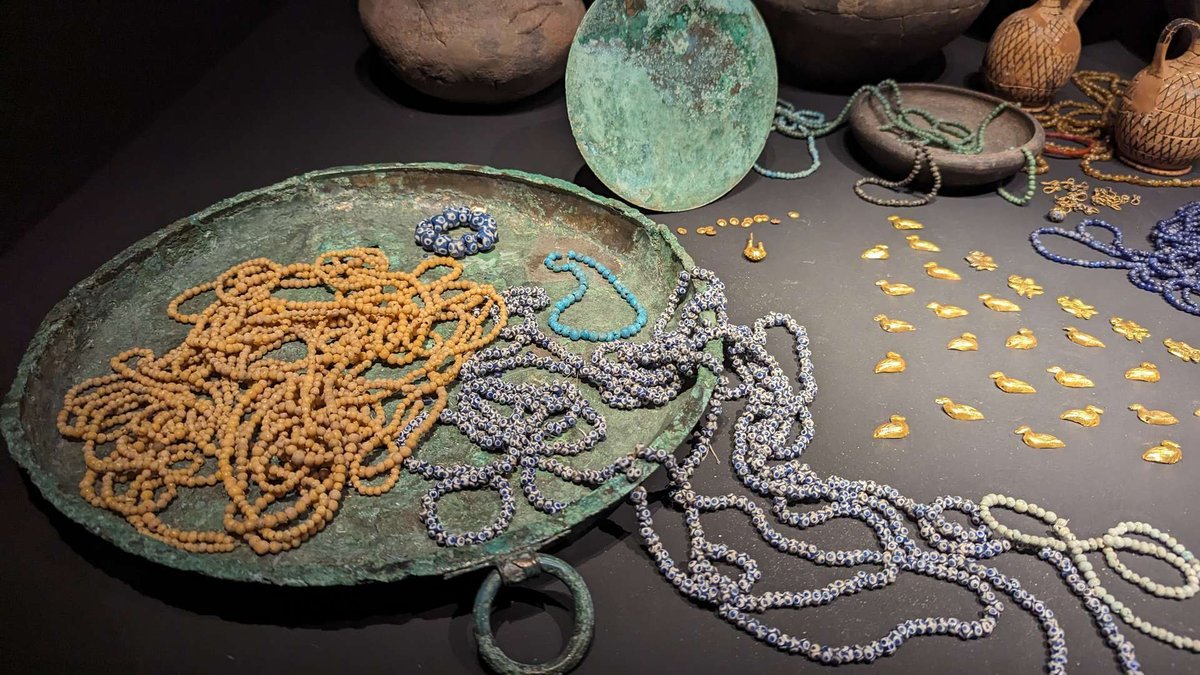
The gold of Colchis is not only a beautiful image from legend: you really can see it with your own eyes in the museums of Georgia. The main place is in Imereti, the ancient town of Vani. Researchers consider it a temple city, the religious centre of ancient Colchis. The richest Colchian treasures were found here: gold jewellery, bronze figures, ceramic ware. Excavations at Vani have been under way since the late 1940s, and the richest gold finds date to the 1960s–1970s. Today all of this is kept in the local museum-reserve, and real archaeological digs continue right beside it: a suspension bridge leads to them straight from the exhibition hall.
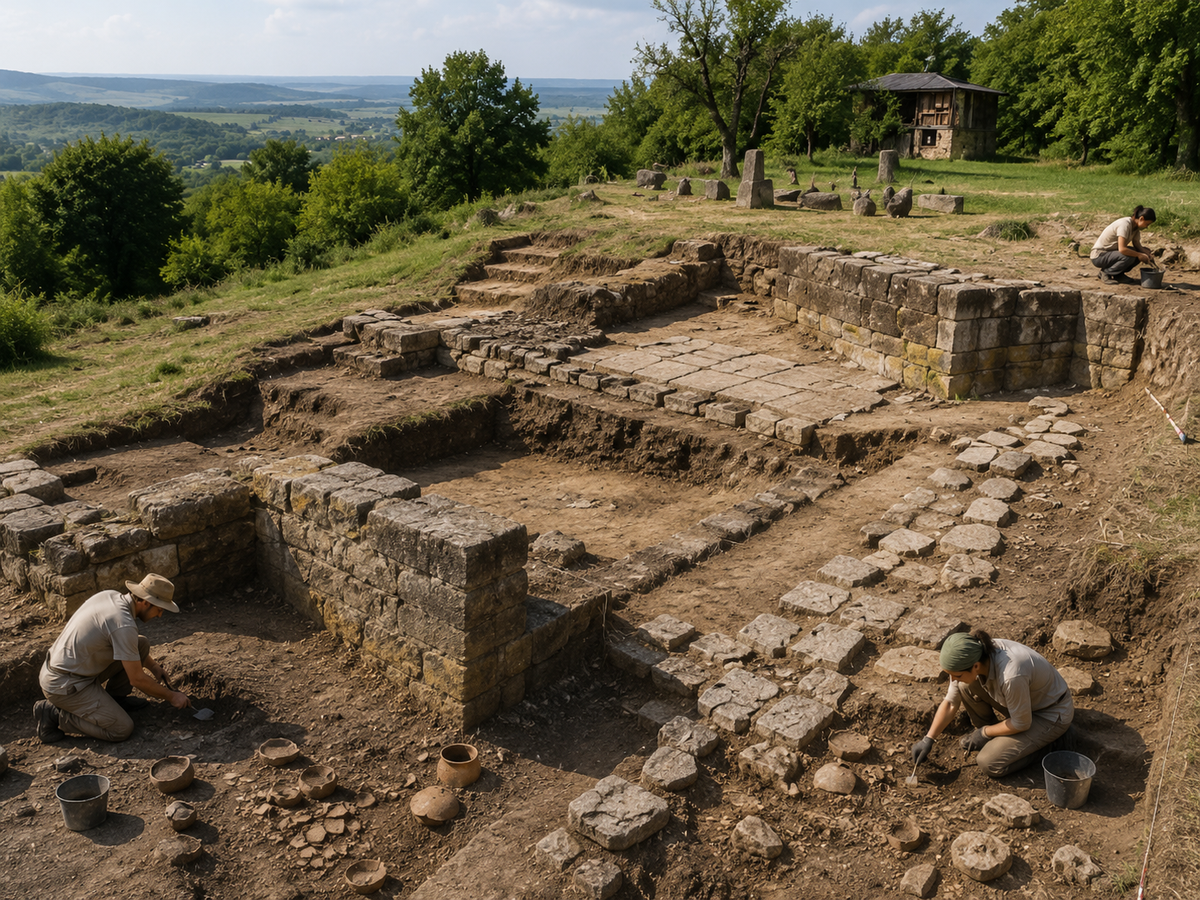
The fullest collection of ancient gold has been assembled by the Georgian National Museum in Tbilisi. Its treasury, the Golden Fund, displays both Colchian gold, including pieces from Vani, and the even older gold of the Trialeti culture. This is the country's main gold treasury, and some specialists rank its finds alongside the gold of legendary Troy.
There is gold closer to the homeland of the fleece as well. In Mestia, in the heart of Svaneti, there is a museum of history and ethnography that also holds gold and silver objects. And so history comes full circle: the gold that gave life to the legend of the fleece can be seen in that very place, in mountainous Svaneti, where it was once panned with sheepskins.
| Place | Region | What to see |
|---|---|---|
| Vani Archaeological Museum-Reserve | Imereti | Colchian gold and jewellery found on the spot, plus active excavations nearby. |
| Georgian National Museum, Golden Fund | Tbilisi | The fullest collection: Colchian gold from Vani and the ancient gold of the Trialeti culture. |
| Svaneti Museum of History and Ethnography | Mestia, Svaneti | Gold and silver objects in the region where gold was panned with skins. |
To see this not in words but for real, watch our video about the Archaeological Museum in Vani. The museum bears the name of Otar Lordkipanidze, the Georgian scholar who turned it into an important academic and cultural centre. In the video we show the display of Colchian gold and that very suspension bridge by which you can step straight from the exhibition hall to the active excavations and watch history come to life before your eyes.
🧭 The Golden Fleece as a Route Across Western Georgia
The myth of the Golden Fleece can be not only read but walked: almost all of its places lie in Western Georgia, and they are easy to link into a single journey.
It is worth starting in Kutaisi, the ancient capital of Imereti. In the centre of the city stands the Colchis Fountain, decorated with golden figures, enlarged copies of ancient Colchian jewellery.
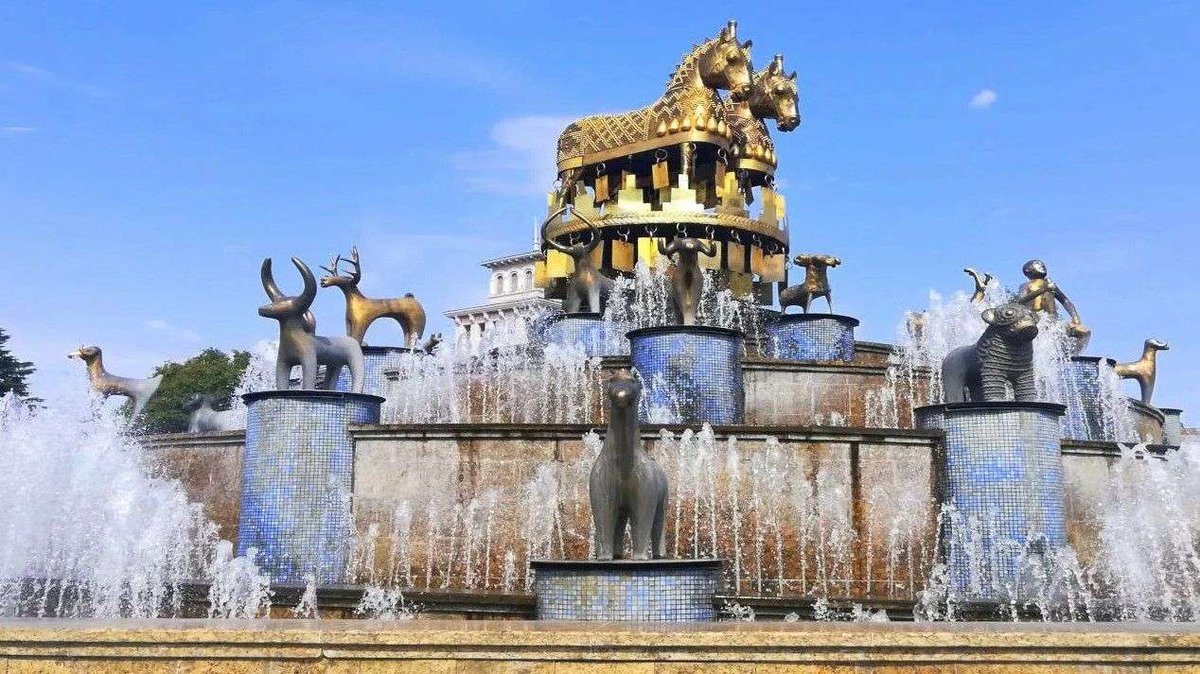
From this gold of legend, the real thing is within arm's reach: close by is Vani with its museum of Colchian gold.
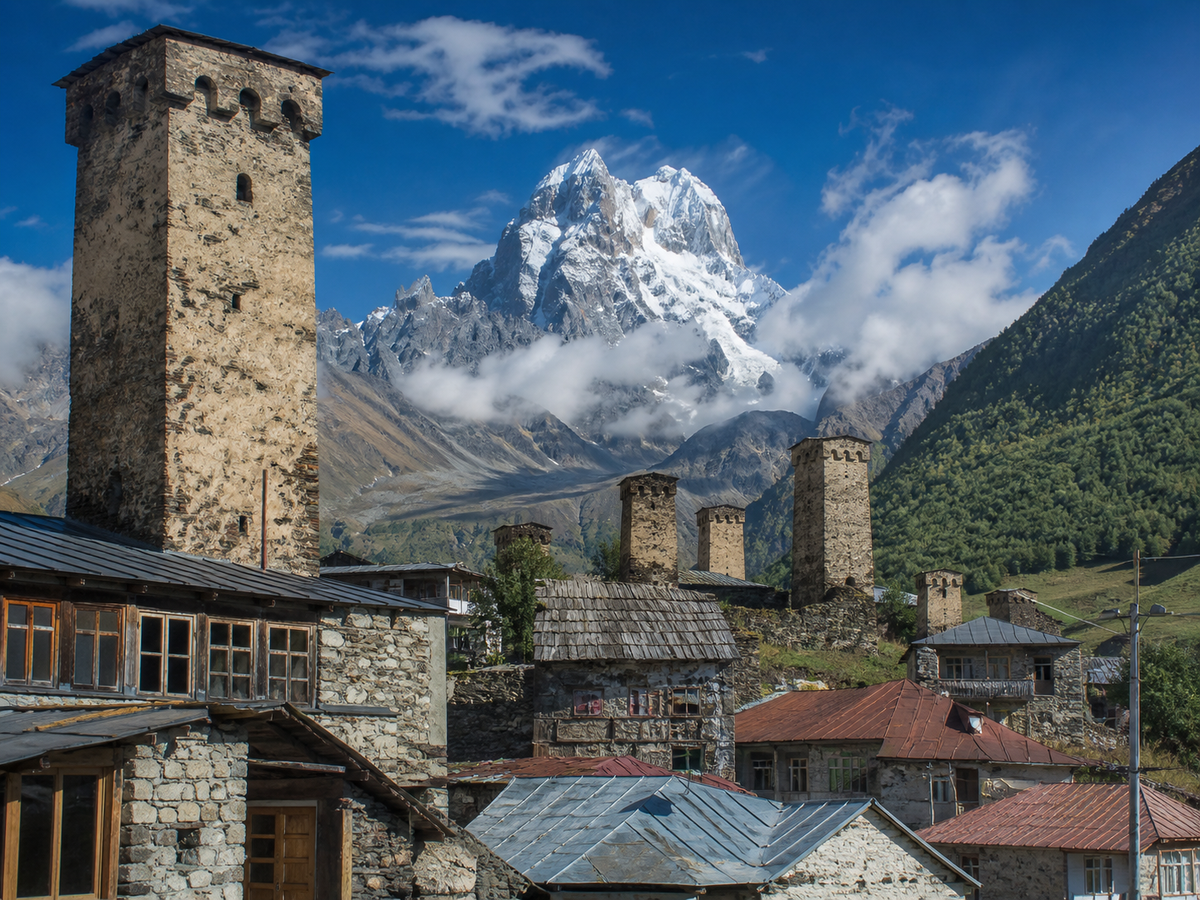
From there the road climbs into the mountains, into Svaneti. It was here, in the land of the stone towers of Mestia, that gold was once panned with sheepskins, so these places can be considered the true homeland of the Golden Fleece.
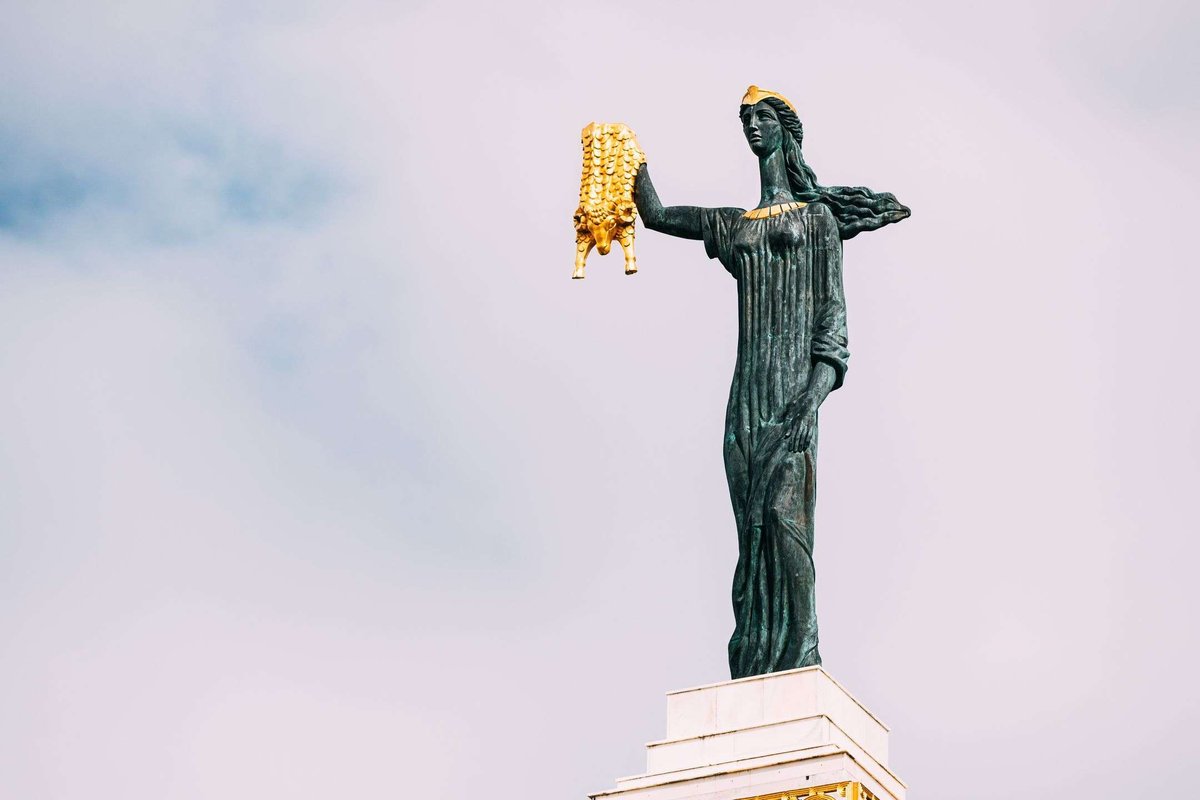
Then it is worth descending to the sea, to Batumi. There, on Europe Square, stands the statue of Medea, the Colchian princess who holds that very Golden Fleece in her raised hand.
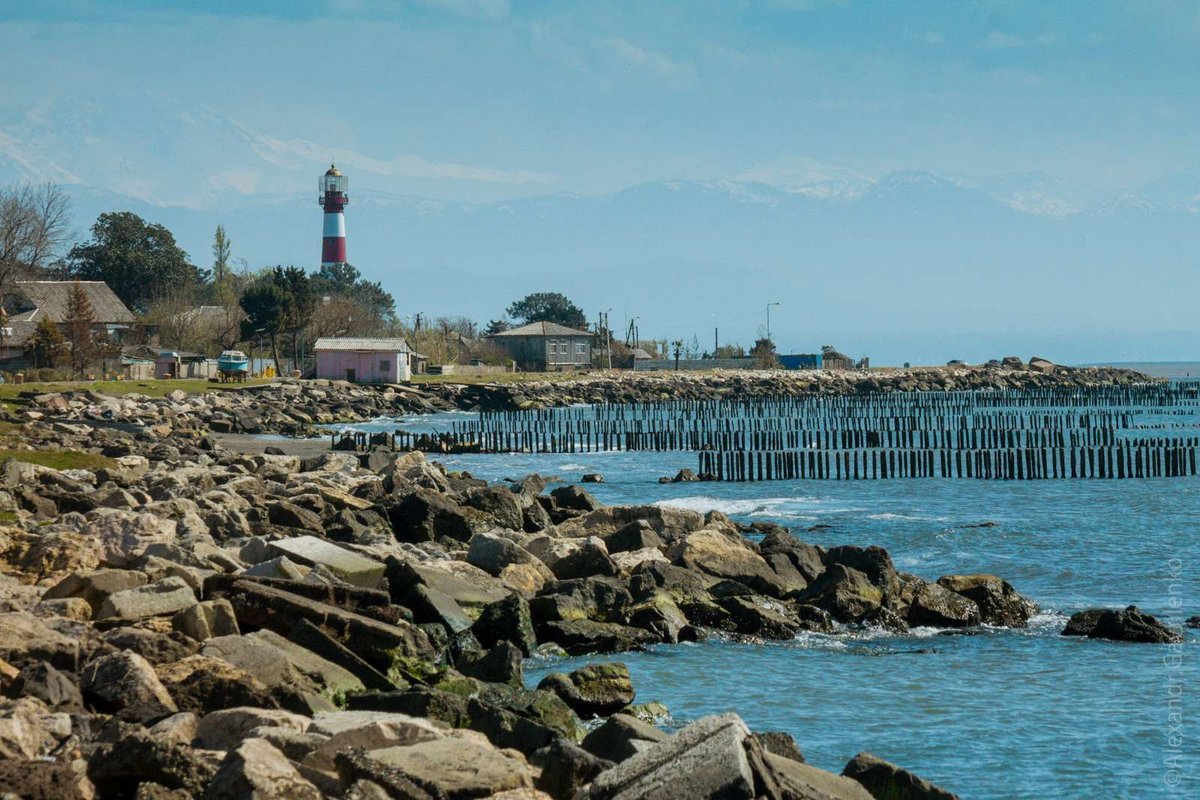
And it makes sense to end the route in Poti and on the Colchis Lowland, in the very lands the Greeks called Colchis, at the mouth of the Rioni River, the ancient Phasis, to which the Argonauts once sailed.
🧭 On the Trail of the Golden Fleece
Kutaisi
The ancient capital of Imereti. In the city centre stands the Colchis Fountain with its golden figures.
MythThe fountain's figures are copies of ancient Colchian jewellery, gold from the legend.
Vani
An ancient town and museum-reserve in Imereti.
MythReal Colchian gold was found here, the centre of ancient Colchis.
Svaneti, Mestia
A mountainous land of stone towers in the north-west of Georgia.
MythThe homeland of the Golden Fleece: here gold was panned with sheepskins.
Batumi
A seaside resort. On Europe Square stands the statue of Medea.
MythMedea holds the Golden Fleece, the Colchian princess from the myth.
Poti and the Colchis Lowland
The coast at the mouth of the Rioni, the ancient Phasis.
MythHere, in Colchis, the Argonauts sailed in for the fleece.
❓ Frequently Asked Questions
💬 It is the golden hide of a ram from an ancient Greek myth. Jason and the Argonauts sailed for it to Colchis, in the land of modern Western Georgia.
💬 In the land of modern Western Georgia: this is Imereti, Samegrelo, Svaneti, Guria, Adjara and the neighbouring lands. Its main centres stood on the Black Sea coast.
💬 The artefact itself does not exist, but the myth has a real basis. In Colchis, gold was extracted from mountain rivers with sheepskins, and a skin covered in gold dust is exactly what became the "Golden Fleece."
💬 The Svans stretched a sheepskin in a gold-bearing river, the wool trapped the gold particles, and after drying the gold was collected from it. The ancient geographer Strabo wrote about this as early as antiquity.
💬 Jason is a Greek hero who was charged with winning the fleece. The Argonauts are his companions, who set out for the fleece to Colchis aboard the ship Argo.
💬 The daughter of the Colchian king Aeëtes and a sorceress. She helped Jason win the fleece and sailed away with him from Colchis.
💬 At the Vani Archaeological Museum-Reserve (Imereti) and in the Golden Fund of the Georgian National Museum in Tbilisi. Gold objects are also kept in the museum in Mestia, in Svaneti.
💬 In Batumi, on Europe Square. Medea holds the Golden Fleece in her raised hand.
💬 The wealth of ancient Colchis and, in a broader sense, the cherished goal for which people are willing to take risks and make long journeys.
🧡 The Key Points in Brief
The Golden Fleece is the golden hide of a ram from an ancient Greek myth, for which Jason and the Argonauts sailed to distant Colchis. And Colchis is the land of modern Western Georgia, so the homeland of the legendary fleece is right here.
But the most interesting part is that the myth has a real basis. For centuries, gold was panned in the mountain rivers of Colchis with the help of sheepskins: the wool trapped the gold particles, and the skin would literally become covered with gold. This craft is tied especially closely to Svaneti, which is called the homeland of the Golden Fleece.
Today the gold of Colchis can be seen with your own eyes in the museum-reserve in Vani and in the Golden Fund of the Georgian National Museum in Tbilisi. And the whole myth is easy to follow as a route across Western Georgia: from the Colchis Fountain in Kutaisi and the gold of Vani to the towers of Svaneti, the statue of Medea in Batumi and the Colchis Lowland by the sea, to which the Argonauts once sailed.
❤️ Read more about the myths of Colchis
- Jason and the Argonauts: the Quest for the Golden Fleece in Colchis
- Medea of Colchis: Princess, Sorceress and the Tragedy of the Myth
- The Kingdom of Colchis: Where Ancient Myth Meets History
🔖 Save this article to read the whole cycle of myths about the Golden Fleece and Colchis.
🗣️ And Now Over to You
Have you already followed the trail of the Golden Fleece, or are you only planning the route? Share your impressions and help other travellers.
- Do you believe the myth of the Golden Fleece has a real basis?
- Have you seen Colchian gold in the museum in Vani or in the Golden Fund in Tbilisi?
- Did you make it to Svaneti, the homeland of the Golden Fleece, to the towers of Mestia?
- Which places from the route across Western Georgia would you add?
Share in the comments; we read every story and add your findings to the article. ❤️

1 comment
Log in to leave a comment