


Who Lives in Georgia: A Guide to All Regions and Their People
Do you know exactly who the Imeretians, Mingrelians, and Svans are? And if you're confused, what then? 😉
🌄 First, a little about the country and its people
Georgia is a fascinating country, known locally as Sakartvelo. It's not just a geographical point on a map, but a true mosaic of regions, cultures, and characters. Every corner has its own character, its own traditions, and, of course, a name for the locals.
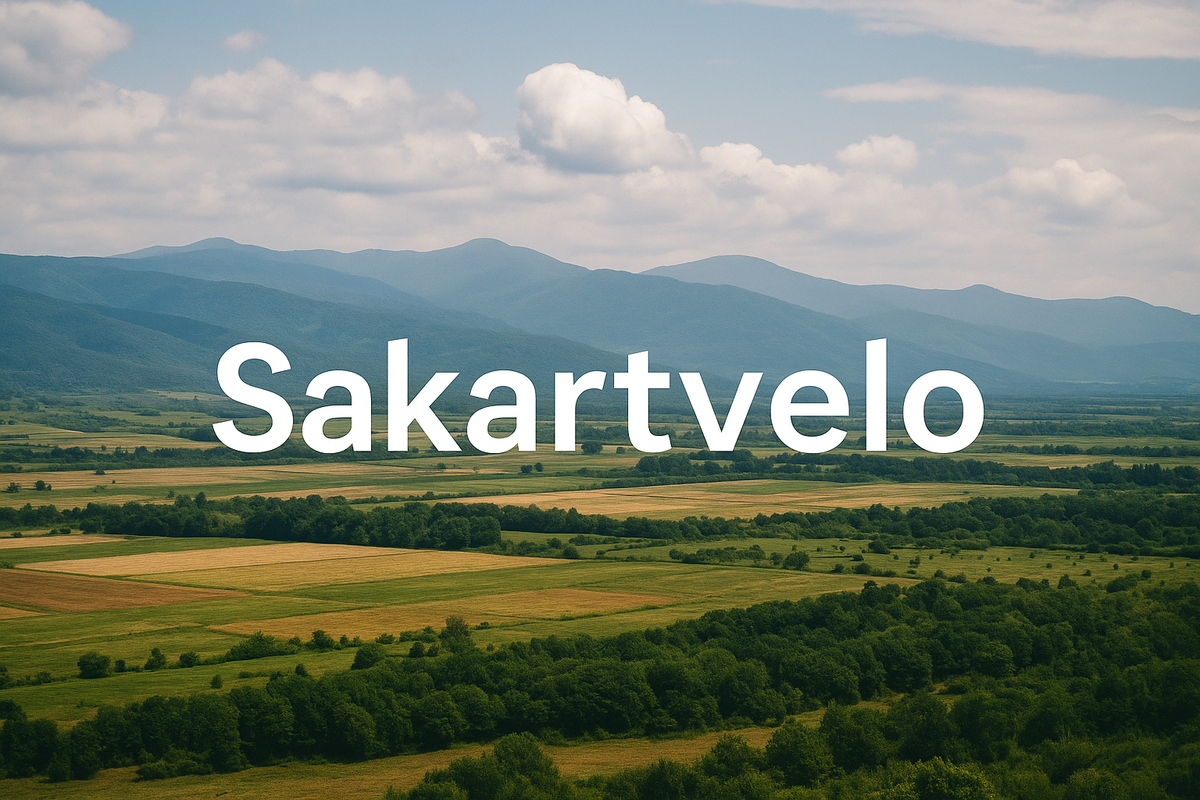
Who are the Gurians, Mingrelians, Svans, and Kakhetians? What are the names of the residents of Zugdidi, Telavi, or Akhaltsikhe? In this article, we'll break it all down, add Georgian names with transcriptions, and give you tips on how to navigate this cultural kaleidoscope.
Ready? Then buckle up—let's embark on a journey through Sakartvelo to discover who lives in every corner of this soulful country! 🚀
📍 Georgia is a country where each region has its own character
Although Georgia appears compact on the map, its regions are surprisingly diverse: in dialect, traditions, food, and even the temperaments of the people. The people of Kakheti are renowned winemakers, the Mingrelians are masters of spicy cuisine and a keen sense of homemaking, and the people of Guria love to speak quickly and with humor. And each region has its own name for its residents!
👇 In the table below, you'll find the names of people living in different parts of Sakartvelo.
| Region | What the residents are called | In Georgian | Transcription |
|---|---|---|---|
| Adjara | Adjarians | აჭარლები | acharlebi |
| Guria | Gurians | გურიელები | gurielebi |
| Imereti | Imeretians | იმერულები | imerulebi |
| Kakheti | Kakhetians | კახელები | kakhelebi |
| Mtskheta-Mtianeti | Mtiuli people | მთიულები | mtiulebi |
| Racha-Lechkhumi and Lower Svaneti | Rachians, Lechkhumi people | რაჭველი | rachveli |
| Samegrelo-Upper Svaneti | Megrelians, Svans | მეგრელები | megrelebi |
| Samtskhe-Javakheti | Meskhetians, Javakhetians | მესხები | meskhebi |
| Kvemo Kartli | Kartli people | ქართლელები | kartlelebi |
| Shida Kartli | Shida Kartli people | შიდა ქართლელები | shida kartlelebi |
🏙️ Tbilisi — the capital of Georgia
Tbilisi is the largest city in Georgia and its political, cultural, and economic center. Located on the banks of the Kura River (Mtkvari), Tbilisi combines ancient history with modern urban life.
Tbilisian / tbiliseli
Tbilisian woman / tbilisela
Tbilisi residents / tbiliselebi
🏞️ Adjara is a land of mountains, sea, and ancient history
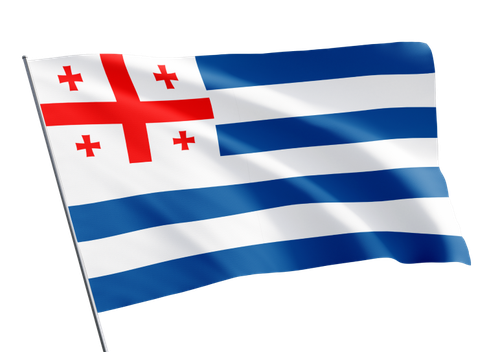
The Autonomous Republic of Adjara (Adjara) is located in southwestern Georgia and borders the Black Sea. It is one of the most picturesque and recognizable regions of the country, with its capital in Batumi.
📊 Population:
As of 2025, Adjara has a population of approximately 350,000, more than half of whom live in Batumi.
👥 Who lives here:
The main population is made up of Adjarians (Georgians of Muslim origin, the majority Christians). The region also includes Mingrelians, Armenians, Russians, and Ukrainians. The coast has a distinct resort atmosphere, while the mountainous regions maintain a traditional way of life and pastoral culture.
📜 Historical Background:
Adjara has been known since ancient times, as it was the site of Greek colonies. In the Middle Ages, the region was part of various Georgian kingdoms. During the Ottoman Empire, many local residents converted to Islam. After the Russo-Turkish War of 1878, Adjara passed to the Russian Empire, and in the 20th century, it became a permanent part of Georgia, becoming an autonomous region.
🏙️ Batumi — the capital of the Autonomous Republic of Adjara
The city of Batumi is the main administrative center of Adjara, located on the coast of the Black Sea. It is not only a major port but also a popular resort with a rich cultural history.
Batumi resident / batumeli
Batumi resident (female) / batumeli kali
| Settlement | Resident (m/f/pl) |
|---|---|
| Keda (administrative center) | man — Kedian / k’edieli, woman — Kedian (female) / k’edielka, plural — Kedians / k’edielebi |
| Abuketa | man — Abuketan / abuketeli, woman — Abuketan (female) / abuketka, plural — Abuketans / abuketebi |
| Kveda Makhuntseti | man — Kveda Makhuntsetian / kveda-makhunts'ets, woman — Kveda Makhuntsetian (female) / kveda-makhunts'etka, plural — Kveda Makhuntsetians / kveda-makhunts'etebi |
| Kvashta | man — Kvashtan / kvashtets, woman — Kvashtan (female) / kvashtka, plural — Kvashtans / kvashtetebi |
🔎 Demonyms for other settlements in Keda Municipality are currently being уточнения. The Madloba directory editorial team is working on this data with the involvement of specialists in Georgian toponymy and linguistics.
| Settlement | Resident (m/f/pl) |
|---|---|
| Kobuleti (administrative center) | man — Kobuletian / kobuleteli, woman — Kobuletian (female) / kobuletka, plural — Kobuleti residents / kobuletebi |
| Chakvi | man — Chakvian / chakvieli, woman — Chakvian (female) / chakvielka, plural — Chakvi residents / chakvielebi |
🔎 Demonyms for other settlements in Kobuleti Municipality are currently being уточнены. The Madloba directory editorial team is working on this data with the involvement of specialists in Georgian toponymy and linguistics.
| Settlement | Resident (m/f/pl) |
|---|---|
| Khelvachauri (administrative center) | man — Khelvachaurian / khelvachaurieli, woman — Khelvachaurian (female) / khelvachaurka, plural — Khelvachauri residents / khelvachaurlebi |
| Gonio | man — Gonian / gonieli, woman — Gonian (female) / gonielka, plural — Gonio residents / gonielebi |
| Sarpi | man — Sarpian / sarpieli, woman — Sarpian (female) / sarpielka, plural — Sarpi residents / sarpielebi |
| Makhinjauri | man — Makhinjaurian / makhindjaurieli, woman — Makhinjaurian (female) / makhindjaurka, plural — Makhinjauri residents / makhindjaurlebi |
🔎 Demonyms for other settlements in Khelvachauri Municipality are currently being clarified. The Madloba directory editorial team is working on this data with the involvement of specialists in Georgian toponymy and linguistics.
| Settlement | Resident (m/f/pl) |
|---|---|
| Khulo (administrative center) | man — Khulian / khuleli, woman — Khulian (female) / khulka, plural — Khulo residents / khulelebi |
| Godgadzeebi | man — Godgadzeebi resident / godgadzeeli, woman — Godgadzeebi resident (female) / godgadzielka, plural — Godgadzeebi residents / godgadzeelebi |
| Akhalsheni | man — Akhalshenian / akhalsheneli, woman — Akhalshenian (female) / akhalshenka, plural — Akhalsheni residents / akhalshenlebi |
🔎 Demonyms for other settlements in Khulo Municipality are currently being clarified. The Madloba directory editorial team is working on this data with the involvement of specialists in Georgian toponymy and linguistics.
| Settlement | Resident (m/f/pl) |
|---|---|
| Shuakhevi (administrative center) | man — Shuakhevian / shuakheveli, woman — Shuakhevian (female) / shuakhevelka, plural — Shuakhevi residents / shuakhevelebi |
🔎 Demonyms for other settlements in Shuakhevi Municipality are currently being clarified. The Madloba directory editorial team is working on this data with the involvement of specialists in Georgian toponymy and linguistics.
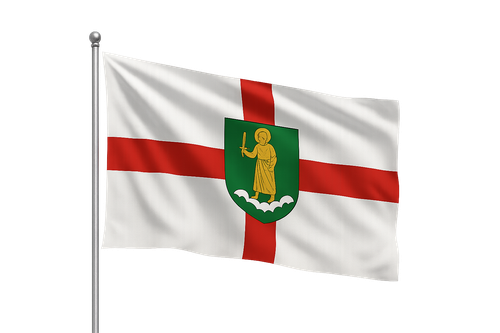
🏞️ Guria – the green heart of Western Georgia
Guria is a small but distinctive region in western Georgia, located between the Black Sea and the mountainous slopes of Samtskhe-Javakheti. The region is renowned for its residents' musicality, tea production, rich cultural traditions, and unique Georgian accent. Its administrative center is the city of Ozurgeti.
📊 Population:
As of 2025, Guria has a population of approximately 110,000, with the majority concentrated in Ozurgeti, Lanchkhuti, and Chokhatauri.
👥 Who lives here:
Predominantly Georgians, known locally as Guris (Gurielis). Other ethnic groups also live here, including Mingrelians, Armenians, and Russians. Regional speech and folk song characteristics make the inhabitants of Guria particularly recognizable.
📜 Historical Background:
Guria was first mentioned in the 10th century. From the 11th century, it was part of the unified Georgian Kingdom, and in the late Middle Ages, it became an independent principality. In the 19th century, it was annexed by the Russian Empire. During the Soviet era, tea production flourished, and it remains an important part of the region's culture today.
🏙️ Ozurgeti — the administrative center of the Guria region
Ozurgeti is the largest city in the Guria region with a population of about 14,785 people. The city is located on the banks of the Natanebi River and is known for its historical atmosphere. Museums and a theater operate here, and architectural landmarks have been preserved, including a bust of Stalin and rare old printed books.
Ozurgetian / ozurgeteli
Ozurgetian woman / ozurgeteli kali
| Settlement | Resident (m/f/pl) |
|---|---|
| Lanchkhuti (administrative center) | man — Lanchkhutian / lanchkhuteli, woman — Lanchkhutian (female) / lanchkhuteli kali, plural — Lanchkhuti residents / lanchkhutlebi |
🔎 Demonyms for other settlements in Lanchkhuti Municipality are currently being clarified. The Madloba directory editorial team is working on this data with the involvement of specialists in Georgian toponymy and linguistics.
| Settlement | Resident (m/f/pl) |
|---|---|
| Ozurgeti (administrative center) | man — Ozurgetian / ozurgeteli, woman — Ozurgetian (female) / ozurgeteli kali, plural — Ozurgeti residents / ozurgetelebi |
| Ureki | man — Urekian / urekelts’i, woman — Urekian (female) / urekyanka, plural — Ureki residents / urekyantsi |
🔎 Demonyms for other settlements in Ozurgeti Municipality are currently being clarified. The Madloba directory editorial team is working on this data with the involvement of specialists in Georgian toponymy and linguistics.
| Settlement | Resident (m/f/pl) |
|---|---|
| Chokhatauri (administrative center) | man — Chokhataurian / chokhataurets’i, woman — Chokhataurian (female) / chokhataurlka, plural — Chokhatauri residents / chokhataurelebi |
| Bakhmaro (resort settlement) | man — Bakhmarian / bakhmarietsi, woman — Bakhmarian (female) / bakhmarianka, plural — Bakhmaro residents / bakhmariantebi |
🔎 Demonyms for other settlements in Chokhatauri Municipality are currently being clarified. The Madloba directory editorial team is working on this data with the involvement of specialists in Georgian toponymy and linguistics.
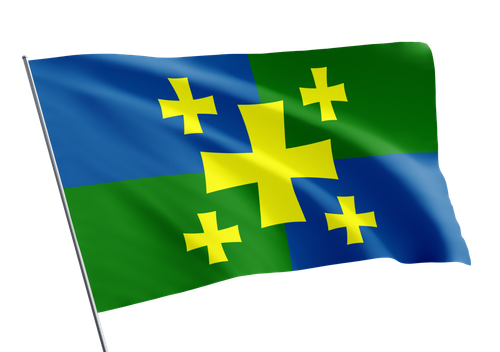
🌄 Imereti is a region of green hills, monasteries, and royal history.
Imereti (Georgian: იმერეთი) is a historical and geographical region of Western Georgia, stretching along the Rioni River. It is one of the most densely populated and culturally rich regions of the country, with its administrative center in the city of Kutaisi. It was formerly home to the Kingdom of Imereti, whose legacy is still evident in the architecture, way of life, and mentality of the local residents.
📊 Population:
As of 2025, Imereti is home to approximately 490,000 people, the majority of whom are ethnic Georgians.
👥 Who lives here:
The majority of the population are Imeretians (one of the sub-ethnic groups of Georgians), renowned for their distinctive dialect, hospitality, and love of the land. There are also Mingrelians, Armenians, Russians, and Ossetians.
📜 Historical Background:
Imereti has been an important cultural and political center since ancient times. In the Middle Ages, an independent Imeretian Kingdom existed here, and in the 19th century, the region became part of the Russian Empire. Today, Imereti is famous for its monasteries (Gelati, Motsameta), mineral spas, agricultural lands, and warm atmosphere.
🏙️ Kutaisi — the capital of the Imereti region
Kutaisi is one of the oldest cities in Georgia and the administrative center of Imereti. The city, with a population of about 135,000 people, is located on the Rioni River and is known for its history, culture, and architectural heritage. The famous Gelati Monastery, a UNESCO World Heritage Site, is located here.
Kutaisian / kutaiseli
Kutaisian woman / kutaiseli kali
Kutaisi residents / kutaiselebi
| Settlement | Resident (m/f/pl) |
|---|---|
| Bagdati (administrative center) | man — Bagdatian / bagdateli, woman — Bagdatian (female) / bagdateli kali, plural — Bagdati residents / bagdatelebi |
| Dimi | man — Dimian / dimeli, woman — Dimian (female) / dimeli kali, plural — Dimi residents / dimelebi |
🔎 Demonyms for other settlements in Bagdati Municipality are currently being clarified. The Madloba directory editorial team is working on this data with the involvement of specialists in Georgian toponymy and linguistics.
| Settlement | Resident (m/f/pl) |
|---|---|
| Vani (administrative center) | man — Vanian / vaneli, woman — Vanian (female) / vaneli kali, plural — Vani residents / vanelebi |
🔎 Demonyms for other settlements in Vani Municipality are currently being clarified. The Madloba directory editorial team is working on this data with the involvement of specialists in Georgian toponymy and linguistics.
| Settlement | Resident (m/f/pl) |
|---|---|
| Zestafoni (administrative center) | man — Zestafonian / zestaponeli, woman — Zestafonian (female) / zestaponeli kali, plural — Zestafoni residents / zestaponelebi |
🔎 Demonyms for other settlements in Zestafoni Municipality are currently being clarified. The Madloba directory editorial team is working on this data with the involvement of specialists in Georgian toponymy and linguistics.
| Settlement | Resident (m/f/pl) |
|---|---|
| Samtredia (administrative center) | man — Samtredian / samtrelieli, woman — Samtredian (female) / samtrelieli kali, plural — Samtredia residents / samtrelilebi |
🔎 Demonyms for other settlements in Samtredia Municipality are currently being clarified. The Madloba directory editorial team is working on this data with the involvement of specialists in Georgian toponymy and linguistics.
| Settlement | Resident (m/f/pl) |
|---|---|
| Sachkhere (administrative center) | man — Sachkherian / sachkhereli, woman — Sachkherian (female) / sachkhereli kali, plural — Sachkhere residents / sachkherelebi |
🔎 Demonyms for other settlements in Sachkhere Municipality are currently being clarified. The Madloba directory editorial team is working on this data with the involvement of specialists in Georgian toponymy and linguistics.
| Settlement | Resident (m/f/pl) |
|---|---|
| Terjola (administrative center) | man — Terjolan / terjoleli, woman — Terjolan (female) / terjoleli kali, plural — Terjola residents / terjolelebi |
🔎 Demonyms for other settlements in Terjola Municipality are currently being clarified. The Madloba directory editorial team is working on this data with the involvement of specialists in Georgian toponymy and linguistics.
| Населённый пункт | Житель (м/ж/мн) |
|---|---|
| Харагаули (адм. центр) | мужчина — харагаулец / kharagauli, женщина — харагаулка / kharagauli kali, множественное — харагаульцы / kharagaulebi |
🔎 Названия жителей других населённых пунктов Харагаульского муниципалитета находятся в процессе уточнения. Над этими данными работает редакция каталога Madloba с привлечением специалистов по грузинской топонимике и лингвистике.
| Settlement | Resident (m/f/pl) |
|---|---|
| Khoni (administrative center) | man — Khonian / khoneli, woman — Khonian (female) / khoneli kali, plural — Khoni residents / khonelebi |
🔎 Demonyms for other settlements in Khoni Municipality are currently being clarified. The Madloba directory editorial team is working on this data with the involvement of specialists in Georgian toponymy and linguistics.
| Settlement | Resident (m/f/pl) |
|---|---|
| Tskaltubo (administrative center) | man — Tskaltubian / tskhaltubeli, woman — Tskaltubian (female) / tskhaltubeli kali, plural — Tskaltubo residents / tskhaltubelebi |
🔎 Demonyms for other settlements in Tskaltubo Municipality are currently being clarified. The Madloba directory editorial team is working on this data with the involvement of specialists in Georgian toponymy and linguistics.
| Settlement | Resident (m/f/pl) |
|---|---|
| Chiatura (administrative center) | man — Chiaturan / chiatureli, woman — Chiaturan (female) / chiatureli kali, plural — Chiatura residents / chiaturelebi |
🔎 Demonyms for other settlements in Chiatura Municipality are currently being clarified. The Madloba directory editorial team is working on this data with the involvement of specialists in Georgian toponymy and linguistics.
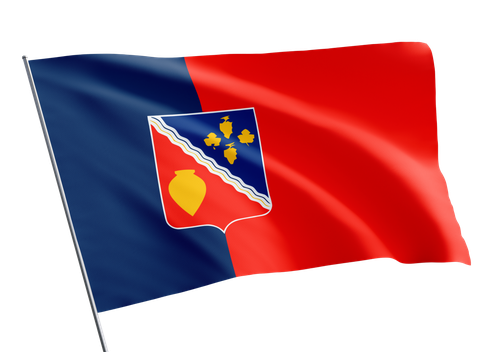
🌿 The Kakheti region – the authenticity of the Georgian soul in the east of the country
Kakheti is one of Georgia's most famous and picturesque regions, located in the country's east. This region is renowned for its vineyards, ancient temples, and welcoming atmosphere.
📊 Population:
As of 2025, Kakheti has a population of approximately 300,000, with a significant portion living in villages and rural areas.
👥 Who lives here:
The majority of the population is Georgian, primarily Kakhetian, who have their own distinct dialect, culinary traditions, and way of life. Armenians, Azerbaijanis, Ossetians, and Russians also live in the region.
📜 Historical Background:
Kakheti has a rich history: fortified settlements existed here as early as ancient times, and in the Middle Ages, the Kingdom of Kakheti played an important role in the life of all of Georgia. The region is considered the cradle of traditional Georgian winemaking, where wine is produced in qvevri—clay vessels buried in the ground. Today, Kakheti is a leading destination for gastronomic and historical tourism.
🏙️ Telavi — the administrative center of Kakheti
The city of Telavi is located in the picturesque Alazani Valley and has a population of about 19,629 residents. In different historical periods, it served as the capital of the Kingdom of Kakheti and still preserves a significant cultural heritage. Today, Telavi is actively developing as a tourist destination.
Telavian / telaveli
Telavian woman / telavelkalaki
| Settlement | Resident (m/f/pl) |
|---|---|
| Akhmeta (administrative center) | man — Akhmetian / akhmeteli, woman — Akhmetian (female) / akhmeteli kali, plural — Akhmeta residents / akhmetelebi |
| Omalo | man — Omalian / omaleli, woman — Omalian (female) / omaleli kali, plural — Omalo residents / omalebebi |
| Zemo Alvani | man — Alvanian / alvaneli, woman — Alvanian (female) / alvaneli kali, plural — Alvani residents / alvanelebi |
| Kakhi | man — Kakhian / kakheli, woman — Kakhian (female) / kakheli kali, plural — Kakhi residents / kakhelebi |
🔎 Demonyms for other settlements in Akhmeta Municipality are currently being clarified. The Madloba directory editorial team is working on this data with the involvement of specialists in Georgian toponymy and linguistics.
| Settlement | Resident (m/f/pl) |
|---|---|
| Gurjaani (administrative center) | man — Gurjaani resident / gurdzhaneli, woman — Gurjaani resident (female) / gurdzhaneli kali, plural — Gurjaani residents / gurdzhanelebi |
| Vachnadziani | man — Vachnadziani resident / vachnadzianeli, woman — Vachnadziani resident (female) / vachnadzianeli kali, plural — Vachnadziani residents / vachnadzianelebi |
| Chumlata | man — Chumlata resident / chumlateli, woman — Chumlata resident (female) / chumlateli kali, plural — Chumlata residents / chumlatelebi |
| Velistsikhe | man — Velistsikhe resident / velistsikheli, woman — Velistsikhe resident (female) / velistsikheli kali, plural — Velistsikhe residents / velistsikhelebi |
| Kachreti | man — Kachreti resident / kachreteli, woman — Kachreti resident (female) / kachreteli kali, plural — Kachreti residents / kachretelebi |
🔎 Demonyms for other settlements in Gurjaani Municipality are currently being уточнены. The Madloba directory editorial team is working on this data with the involvement of specialists in Georgian toponymy and linguistics.
| Settlement | Resident (m/f/pl) |
|---|---|
| Dedoplistskaro (administrative center) | man — Dedoplistskaro resident / dedoplistskareli, woman — Dedoplistskaro resident (female) / dedoplistskareli kali, plural — Dedoplistskaro residents / dedoplistskarelebi |
🔎 Demonyms for other settlements in Dedoplistskaro Municipality are currently being уточнены. The Madloba directory editorial team is working on this data with the involvement of specialists in Georgian toponymy and linguistics.
| Settlement | Resident (m/f/pl) |
|---|---|
| Kvareli (administrative center) | man — Kvareli resident / k'varelieli, woman — Kvareli resident (female) / k'varelielka, plural — Kvareli residents / k'varelielebi |
🔎 Demonyms for other settlements in Kvareli Municipality are currently being clarified. The Madloba directory editorial team is working on this data with the involvement of specialists in Georgian toponymy and linguistics.
| Settlement | Resident (m/f/pl) |
|---|---|
| Lagodekhi (administrative center) | man — Lagodekhi resident / lagodekheli, woman — Lagodekhi resident (female) / lagodekhkali, plural — Lagodekhi residents / lagodekhelebi |
🔎 Demonyms for other settlements in Lagodekhi Municipality are currently being clarified. The Madloba directory editorial team is working on this data with the involvement of specialists in Georgian toponymy and linguistics.
| Settlement | Resident (m/f/pl) |
|---|---|
| Sagarejo (administrative center) | man — Sagarejo resident / sagarejoleli, woman — Sagarejo resident (female) / sagarejolkali, plural — Sagarejo residents / sagarejolebi |
| Muganlo (Iormuganlo) | man — Muganlo resident / muganlieli, woman — Muganlo resident (female) / muganlikali, plural — Muganlo residents / muganlilebi |
| Badiauri | man — Badiauri resident / badiaureli, woman — Badiauri resident (female) / badiaurkali, plural — Badiauri residents / badiaurelebi |
| Udabno | man — Udabno resident / udabneli, woman — Udabno resident (female) / udabnkali, plural — Udabno residents / udabnelebi |
🔎 Demonyms for other settlements in Sagarejo Municipality are currently being clarified. The Madloba directory editorial team is working on this data with the involvement of specialists in Georgian toponymy and linguistics.
| Settlement | Resident (m/f/pl) |
|---|---|
| Signagi (administrative center) | man — Signagi resident / signakeli, woman — Signagi resident (female) / signakkali, plural — Signagi residents / signakelebi |
| Tsnori | man — Tsnori resident / tsnoreli, woman — Tsnori resident (female) / tsnorkali, plural — Tsnori residents / tsnorelebi |
🔎 Demonyms for other settlements in Signagi Municipality are currently being clarified. The Madloba directory editorial team is working on this data with the involvement of specialists in Georgian toponymy and linguistics.
| Settlement | Resident (m/f/pl) |
|---|---|
| Telavi (administrative center) | man — Telavi resident / telaveli, woman — Telavi resident (female) / telavkali, plural — Telavi residents / telavelebi |
| Tsinandali | man — Tsinandali resident / tsinandaleli, woman — Tsinandali resident (female) / tsinandalkali, plural — Tsinandali residents / tsinandalelebi |
| Napareuli | man — Napareuli resident / napareuleli, woman — Napareuli resident (female) / napareulkali, plural — Napareuli residents / napareulelebi |
| Ikalto | man — Ikalto resident / ikalteli, woman — Ikalto resident (female) / ikaltkali, plural — Ikalto residents / ikaltebi |
🔎 Demonyms for other settlements in Telavi Municipality are currently being clarified. The Madloba directory editorial team is working on this data with the involvement of specialists in Georgian toponymy and linguistics.
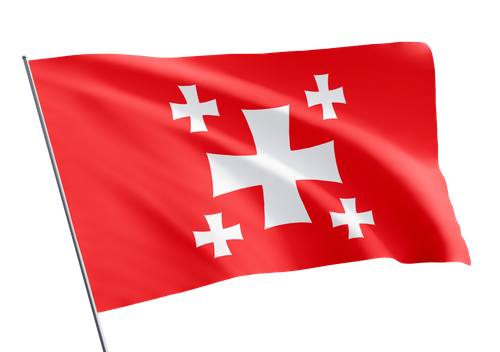
🏞️ Mtskheta-Mtianeti – at the foot of the Caucasus Mountains, at the origins of Georgian history
📍 The Mtskheta-Mtianeti region is located in eastern Georgia and encompasses both ancient cultural centers and highland areas. Its administrative center is the city of Mtskheta, Georgia's first capital, and a UNESCO World Heritage Site.
📊 Population:
As of 2025, the region's population is approximately 95,000.
👥 Who lives here:
The region is populated primarily by Kartvelian peoples—Georgians, among whom the Mtiuls, Khevsurs, and Pshavs—mountain ethnic groups with unique culture, architecture, and traditions stand out. In the lowlands, the Mtskheta people predominate.
📜 Historical Background:
Mtskheta is the spiritual and historical center of Georgia. It was here that Queen Nana converted to Christianity, and the city itself was the country's religious capital for centuries. The region is home to such unique monuments as Svetitskhoveli, Jvari, Shiomghvime, as well as numerous mountain towers and churches.
🏛️ Mtskheta — the capital of the Mtskheta-Mtianeti region
The ancient city of Mtskheta is located at the confluence of the Aragvi and Kura rivers, just a few kilometers north of Tbilisi. It is considered the spiritual heart of Georgia and is included in the UNESCO World Heritage List. Founded in the 5th century BC.
Population — about 7,940 people.
Mtskheta resident / mtskheteli
Mtskheta resident (female) / mtskheteli kali
| Settlement | Resident (m/f/pl) |
|---|---|
| Dusheti (administrative center) | man — Dusheti resident / dusheteli, woman — Dusheti resident (female) / dusheteli kali, plural — Dusheti residents / dushetelebi |
| Ananuri | man — Ananuri resident / ananurieli, woman — Ananuri resident (female) / ananurielka, plural — Ananuri residents / ananurielebi |
| Pasanauri | man — Pasanauri resident / pasanaurieli, woman — Pasanauri resident (female) / pasanaurielka, plural — Pasanauri residents / pasanaurielebi |
🔎 Demonyms for other settlements in Dusheti Municipality are currently being clarified. The Madloba directory editorial team is working on this data with the involvement of specialists in Georgian toponymy and linguistics.
| Settlement | Resident (m/f/pl) |
|---|---|
| Stepantsminda | man — Stepantsminda resident / stepantsmindeli, woman — Stepantsminda resident (female) / stepantsmindeli kali, plural — Stepantsminda residents / stepantsmindelebi |
| Gudauri | 🔎 Demonyms are currently being уточнены by the editorial team |
| Ganisi | 🔎 Demonyms are currently being уточнены by the editorial team |
🔎 Demonyms for other settlements in Kazbegi Municipality are currently being clarified. The Madloba directory editorial team is working on this data with the involvement of specialists in Georgian toponymy and linguistics.
| Settlement | Resident (m/f/pl) |
|---|---|
| Mtskheta |
man — Mtskheta resident / mtskheteli, woman — Mtskheta resident (female) / mtskheteli kali, plural — Mtskheta residents / mtskhetelebi |
| Misaktsieli | 🔎 Demonyms are currently being clarified by the editorial team |
| Mukhrani | 🔎 Demonyms are currently being clarified by the editorial team |
| Natakhtari | 🔎 Demonyms are currently being clarified by the editorial team |
| Saguramo | 🔎 Demonyms are currently being clarified by the editorial team |
🔎 Demonyms for other settlements in Mtskheta Municipality are currently being clarified. The Madloba directory editorial team is working on this data with the involvement of specialists in Georgian toponymy and linguistics.
| Settlement | Resident (m/f/pl) |
|---|---|
| Tianeti |
man — Tianeti resident / tianeteli, woman — Tianeti resident (female) / tianeteli kali, plural — Tianeti residents / tianetelebi |
🏞️ Racha-Lechkhumi and Lower Svaneti are a mountainous region with majestic landscapes and ancient traditions
This region in northwestern Georgia is renowned for its pristine nature, salubrious climate, and rich cultural heritage. It comprises three historical regions: Racha, Lechkhumi, and Lower Svaneti. Its main administrative center is the town of Ambrolauri.
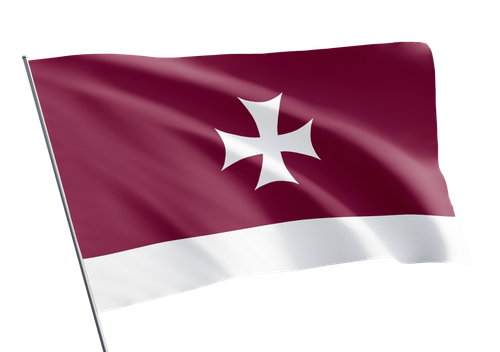
📊 Population:
As of 2025, the region has a population of approximately 30,000, mostly in the towns and villages of Racha and Lechkhumi.
👥 Who lives here:
The majority of the population is Georgian, primarily representatives of the Racha and Lechkhumi sub-ethnic groups. Their culture is closely linked to mountain traditions, winemaking, and distinctive Georgian hospitality.
📜 Historical Background:
Racha and Lechkhumi have played an important role in Georgian history since ancient times. Monasteries from the 10th–11th centuries, fortresses, and ancient wineries have been preserved here. Lower Svaneti is geographically adjacent to the highland part of Svaneti, but has a milder climate and a distinct dialect.
🏙️ Ambrolauri — the capital of Racha-Lechkhumi and Lower Svaneti
Ambrolauri is the administrative center of the Racha-Lechkhumi and Lower Svaneti region. The city is located in northwestern Georgia, on both banks of the Rioni River, at an altitude of 550 meters above sea level. It is surrounded by picturesque mountains and is known for its wine, particularly the Khvanchkara variety, as well as its cozy atmosphere and access to the natural attractions of the region.
Ambrolauri resident / ambrolaureli
Ambrolauri resident (female) / ambrolaureli kali
| Settlement | Resident (m/f/pl) |
|---|---|
| Ambrolauri (administrative center) |
Ambrolauri resident / Ambrolauri resident (female) / Ambrolauri residents ambrolaureli / ambrolaureli kali / ambrolaurelebi |
| Khvanchkara |
Khvanchkara resident / Khvanchkara resident (female) / Khvanchkara residents khvanchkareli / khvanchkareli kali / khvanchkarelebi |
| Dotena |
Dotena resident / Dotena resident (female) / Dotena residents doteneli / doteneli kali / dotenelebi |
🔎 Demonyms for other settlements in Ambrolauri Municipality are currently being clarified. The Madloba directory editorial team is working on this data with the involvement of specialists in Georgian toponymy and linguistics.
| Settlement | Resident (m/f/pl) |
|---|---|
| Lentekhi (administrative center) | man — Lentekhi resident / lentekheli, woman — Lentekhi resident / lentekheli kali, plural — Lentekhi residents / lentekhelebi |
🔎 The names of residents of other settlements in Lentekhi Municipality are currently being уточнены. The Madloba directory editorial team is working on this data with the involvement of specialists in Georgian toponymy and linguistics.
| Settlement | Resident (m/f/pl) |
|---|---|
| Oni (administrative center) |
man — Oni resident / oneli, woman — Oni resident / oneli kali, plural — Oni residents / onelebi |
🔎 The names of residents of other settlements in Oni Municipality are currently being clarified. The Madloba directory editorial team is working on this data with the involvement of specialists in Georgian toponymy and linguistics.
| Settlement | Resident (m/f/pl) |
|---|---|
| Tsageri (administrative center) |
man — Tsageri resident / tsagereli, woman — Tsageri resident / tsagereli kali, plural — Tsageri residents / tsagerelebi |
🔎 The names of residents of other settlements in Tsageri Municipality are currently being clarified. The Madloba directory editorial team is working on this data with the involvement of specialists in Georgian toponymy and linguistics.
🌄 Samegrelo-Upper Svaneti – contrasts of nature and cultures
The Samegrelo-Upper Svaneti region is located in western Georgia and encompasses both the subtropical lowlands of Colchis and the snow-capped peaks of the Svaneti mountain range. Its administrative center is the city of Zugdidi.
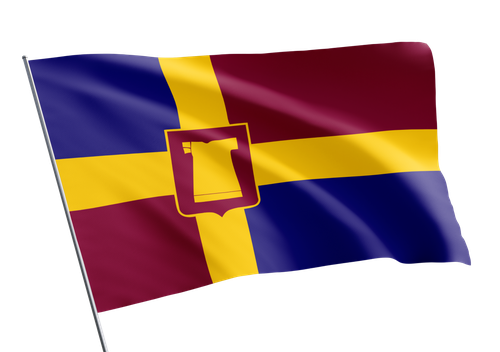
📊 Population:
As of 2025, the region's population was approximately 315,000.
👥 Who lives here:
The main population is made up of Megrelians and Svanetians, two unique ethnic groups with their own languages, traditions, and cultural codes. Georgians, Russians, and other ethnic groups also live in the region.
📜 Historical Background:
Megrelia (Samegrelo) was known as Colchis in ancient times—according to myth, it was from here that the Argonauts stole the Golden Fleece. Svaneti is a highland region with fortress towers and unique architecture, which was inaccessible to conquerors for centuries. During Soviet times, the region received a unified status, which it retains today. Samegrelo is famous for its nuts, corn cuisine, and mild climate, while Upper Svaneti is famous for its harsh nature and ancient traditions.
🏙️ Poti — a city in the Samegrelo–Upper Svaneti region
One of the largest ports in Georgia on the Black Sea coast. Poti is an important logistics and industrial center and has the status of a city of municipal subordination.
Poti resident / potieli
Poti resident (female) / potielka
Poti residents / potielebi
🏙️ Zugdidi — the capital of the Samegrelo–Upper Svaneti region
Zugdidi is the administrative center of the region, located in western Georgia near the Black Sea coast and the border with Abkhazia. The city lies at the foothills of the Colchis Lowland and is famous for the Dadiani Princes’ Palace, its botanical garden, and its rich cultural heritage.
Zugdidi resident / zugdideli
Zugdidi resident (female) / zugdidelka
Zugdidi residents / zugdidelebi
| Settlement | Resident (m/f/pl) |
|---|---|
| Zugdidi | man — Zugdidi resident / zugdideli, woman — Zugdidi resident (female) / zugdidelka, plural — Zugdidi residents / zugdidelebi |
| Anaklia | man — Anaklia resident / anaklieli, woman — Anaklia resident (female) / anaklielka, plural — Anaklia residents / anaklielebi |
🔎 The names of residents of other settlements in Zugdidi Municipality are currently being clarified. The Madloba directory editorial team is working on this data with the involvement of specialists in Georgian toponymy and linguistics.
| Settlement | Resident (m/f/pl) |
|---|---|
| Martvili |
man — Martvili resident / martvilieli, woman — Martvili resident (female) / martvilielka, plural — Martvili residents / martvilielebi |
🔎 The names of residents of other settlements in Martvili Municipality are currently being clarified. The Madloba directory editorial team is working on this data with the involvement of specialists in Georgian toponymy and linguistics.
| Settlement | Resident (m/f/pl) |
|---|---|
| Mestia |
man — Mestia resident / mestieli, woman — Mestia resident / mestieli kali, plural — Mestia residents / mestielebi |
| Ushguli |
man — Ushguli resident / ushguleli, woman — Ushguli resident / ushguleli kali, plural — Ushguli residents / ushgulelebi |
🔎 The names of residents of other settlements in Mestia Municipality are currently being clarified. The Madloba directory editorial team is working on this data with the involvement of specialists in Georgian toponymy and linguistics.
| Settlement | Resident (m/f/pl) |
|---|---|
| Senaki (administrative center) |
man — Senaki resident / senakeli, woman — Senaki resident / senakeli kali, plural — Senaki residents / senakelebi |
🔎 The names of residents of other settlements in Senaki Municipality are currently being clarified. The Madloba directory editorial team is working on this data with the involvement of specialists in Georgian toponymy and linguistics.
| Settlement | Resident (m/f/pl) |
|---|---|
| Khobi (administrative center) |
man — Khobi resident / khobeli, woman — Khobi resident (female) / khobelka, plural — Khobi residents / khobelebi |
| Kvala |
man — Kvala resident / kvalchani, woman — Kvala resident (female) / kvalchanka, plural — Kvala residents / kvalchnebi |
| Notsubidzeebi |
man — Notsubidzeebi resident / notsubidzeebeli, woman — Notsubidzeebi resident (female) / notsubidzeebelka, plural — Notsubidzeebi residents / notsubidzeebelebi |
🔎 The names of residents of other settlements in Khobi Municipality are currently being clarified. The Madloba directory editorial team is working on this data with the involvement of specialists in Georgian toponymy and linguistics.
| Settlement | Resident (m/f/pl) |
|---|---|
| Tsalenjikha |
man — Tsalenjikha resident / tsalendzhikheli, woman — Tsalenjikha resident / tsalendzhikheli kali, plural — Tsalenjikha residents / tsalendzhikhelebi |
| Jvari |
man — Jvari resident / jvarieli, woman — Jvari resident (female) / jvarielka, plural — Jvari residents / jvarielebi |
🔎 The names of residents of other settlements in Tsalenjikha Municipality are currently being clarified. The Madloba directory editorial team is working on this data with the involvement of specialists in Georgian toponymy and linguistics.
| Settlement | Resident (m/f/pl) |
|---|---|
| Chkhorotsku |
man — Chkhorotsku resident / chkhorotskueli, woman — Chkhorotsku resident / chkhorotskueli kali, plural — Chkhorotsku residents / chkhorotskuebi |
🔎 The names of residents of other settlements in Chkhorotsku Municipality are currently being clarified. The Madloba directory editorial team is working on this data with the involvement of specialists in Georgian toponymy and linguistics.
🏔️ Georgia's southern outpost: Samtskhe-Javakheti, a crossroads of cultures and traditions
Samtskhe-Javakheti is a region in southern Georgia bordering Turkey and Armenia. It is a high-mountain region that combines a harsh natural environment, a rich cultural heritage, and a unique history. The region is divided into two historical and geographical parts: Samtskhe (Meskheti) and Javakheti.
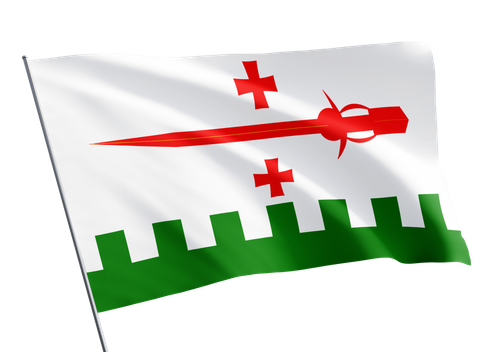
📊 Population:
Approximately 150,000 as of 2025. The population lives in both small towns and villages on the highlands and plateaus.
👥 Who lives here:
The indigenous population is Meskhetians (Meskhetian Georgians), as well as a significant Armenian diaspora, especially in Javakheti. In some municipalities, Armenians constitute a majority. Azerbaijanis, Russians, and Pontic Greeks also reside here.
📜 Historical Background:
The region has a long history, extending from Urartu and Iberia to the Ottoman and Russian empires. In the 20th century, major migration processes occurred here, especially after the deportation of the Meskhetians and the resettlement of Armenians.
🏙️ Akhaltsikhe — the administrative center of Samtskhe–Javakheti
A small city in southwestern Georgia, formerly known as Lomsia. Akhaltsikhe is located on both banks of the Potskhovi River, a left tributary of the Kura. The city is known for its centuries-old history, a mix of cultures, and diverse architectural styles. Its main attraction is the renovated Rabati Fortress, which reflects the history of the entire region.
Akhaltsikhe resident / akhaltsikheli
Akhaltsikhe resident (female) / akhaltsikheli kali
| Settlement | Resident (m/f/pl) |
|---|---|
| Adigeni (administrative center) |
man — Adigeni resident / adigeneli, woman — Adigeni resident / adigeneli kali, plural — Adigeni residents / adigenlebi |
🔎 The names of residents of other settlements in Adigeni Municipality are currently being clarified. The Madloba directory editorial team is working on this data with the involvement of specialists in Georgian toponymy and linguistics.
| Settlement | Resident (m/f/pl) |
|---|---|
| Aspindza (administrative center) |
man — Aspindza resident / aspindzelieli, woman — Aspindza resident (female) / aspindzelielka, plural — Aspindza residents / aspindzelielebi |
🔎 The names of residents of other settlements in Aspindza Municipality are currently being clarified. The Madloba directory editorial team is working on this data with the involvement of specialists in Georgian toponymy and linguistics.
| Settlement | Resident (m/f/pl) |
|---|---|
| Akhalkalaki (administrative center) |
man — Akhalkalaki resident / akhalkalakeli, woman — Akhalkalaki resident (female) / akhalkalakka, plural — Akhalkalaki residents / akhalkalakebi |
🔎 The names of residents of other settlements in Akhalkalaki Municipality are currently being clarified. The Madloba directory editorial team is working on this data with the involvement of specialists in Georgian toponymy and linguistics.
| Settlement | Resident (m/f/pl) |
|---|---|
| Akhaltsikhe (administrative center) |
man — Akhaltsikhe resident / akhaltsikheli, woman — Akhaltsikhe resident / akhaltsikheli kali, plural — Akhaltsikhe residents / akhaltsikhelebi |
| Vale |
man — Vale resident / valeli, woman — Vale resident / valeli kali, plural — Vale residents / valelebi |
| Settlement | Resident (m/f/pl) |
|---|---|
| Borjomi |
man — Borjomi resident / borjomeleli, woman — Borjomi resident / borjomeleli kali, plural — Borjomi residents / borjomeleblebi |
| Bakuriani |
man — Bakuriani resident / bakurianeli, woman — Bakuriani resident / bakurianeli kali, plural — Bakuriani residents / bakurianelebi |
| Akhaldaba |
man — Akhaldaba resident / akhaldabeli, woman — Akhaldaba resident / akhaldabeli kali, plural — Akhaldaba residents / akhaldabelebi |
🔎 The names of residents of other settlements in Borjomi Municipality are currently being clarified. The Madloba directory editorial team is working on this data with the involvement of specialists in Georgian toponymy and linguistics.
| Settlement | Resident (m/f/pl) |
|---|---|
| Ninotsminda |
man — Ninotsminda resident / ninots’mindeli, woman — Ninotsminda resident / ninots’mindeli kali, plural — Ninotsminda residents / ninots’mindelebi |
🔎 The names of residents of other settlements in Ninotsminda Municipality are currently being clarified. The Madloba directory editorial team is working on this data with the involvement of specialists in Georgian toponymy and linguistics.
📍 Kvemo Kartli is a southern industrial and agricultural region of Georgia
Kvemo Kartli is located in the south of the country, bordering Armenia and Azerbaijan. The region includes both flat agricultural areas and mountainous regions with picturesque landscapes. The administrative center is the city of Rustavi.
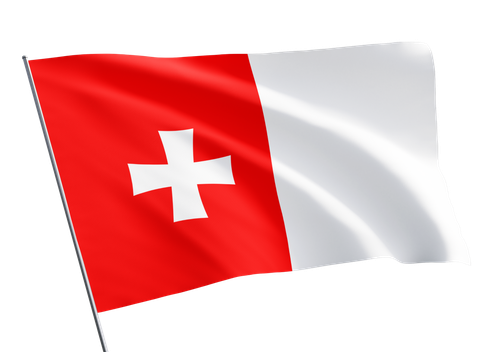
📊 Population:
As of 2025, Kvemo Kartli has a population of over 430,000.
👥 Who lives here:
The region is ethnically diverse, with Georgians, Azerbaijanis, Armenians, Greeks, Russians, and other ethnic groups residing here. In some areas, Azerbaijanis constitute the majority of the population.
📜 Historical Background:
Since ancient times, the territory of Kvemo Kartli was part of various Georgian kingdoms. Important trade routes connecting East and West passed through here. The region was often the scene of interethnic and geopolitical conflicts, particularly during periods of Arab, Persian, and Ottoman influence. During the Soviet era, industry flourished here, particularly in the city of Rustavi, which became one of Georgia's largest industrial centers.
🏙️ Rustavi — the administrative center of the Kvemo Kartli region
The city of Rustavi is located near Tbilisi, on the left bank of the Kura River. The population is about 125,000 people. During the Soviet period it became an important industrial center of the country, and today it continues to develop as a modern industrial city with a rich history.
Rustavi resident / rustaveli
Rustavi resident (female) / rustavelka
Rustavi residents / rustavelebi
| Settlement | Resident (m/f/pl) |
|---|---|
| Bolnisi (administrative center) |
man — Bolnisi resident / bolniseli woman — Bolnisi resident (female) / bolniselka plural — Bolnisi residents / bolnisebi |
| Kazreti |
man — Kazreti resident / kazreteli woman — Kazreti resident (female) / kazretelka plural — Kazreti residents / kazretebi |
| Settlement | Resident (m/f/pl) |
|---|---|
| Gardabani (administrative center) |
man — Gardabani resident / gardabneli woman — Gardabani resident (female) / gardabelka plural — Gardabani residents / gardabnebi |
| Vaziani |
man — Vaziani resident / vazianeli woman — Vaziani resident (female) / vazianelka plural — Vaziani residents / vazianebi |
| Martkopi |
man — Martkopi resident / martkopeli woman — Martkopi resident (female) / martkopelka plural — Martkopi residents / martkopebi |
| Krtsanisi |
man — Krtsanisi resident / krtsanisi woman — Krtsanisi resident (female) / krtsaniselka plural — Krtsanisi residents / krtsanisebi |
🔎 The names of residents of other settlements in Gardabani Municipality are currently being clarified. The Madloba directory editorial team is working on this data with the involvement of specialists in Georgian toponymy and linguistics.
| Settlement | Resident (m/f/pl) |
|---|---|
| Dmanisi (administrative center) |
man — Dmanisi resident / dmaniseli woman — Dmanisi resident (female) / dmaniselka plural — Dmanisi residents / dmanisebi |
🔎 The names of residents of other settlements in Dmanisi Municipality are currently being clarified. The Madloba directory editorial team is working on this data with the involvement of specialists in Georgian toponymy and linguistics.
| Settlement | Resident (m/f/pl) |
|---|---|
| Marneuli |
man — Marneuli resident / marneuleli, woman — Marneuli resident (female) / marneulk’a, plural — Marneuli residents / marneulelebi |
| Kachagani |
man — Kachagani resident / kachaganeli, woman — Kachagani resident (female) / kachaganka, plural — Kachagani residents / kachaganlebi |
| Keshalo |
man — Keshalo resident / keshaleli, woman — Keshalo resident (female) / keshalka, plural — Keshalo residents / keshalebi |
🔎 The names of residents of other settlements in Marneuli Municipality are currently being уточнены. The Madloba directory editorial team is working on this data with the involvement of specialists in Georgian toponymy and linguistics.
| Settlement | Resident (m/f/pl) |
|---|---|
| Tetritskaro |
man — Tetritskaro resident / tetritskareli, woman — Tetritskaro resident (female) / tetritskarka, plural — Tetritskaro residents / tetritskarlebi |
🔎 The names of residents of other settlements in Tetritskaro Municipality are currently being clarified. The Madloba directory editorial team is working on this data with the involvement of specialists in Georgian toponymy and linguistics.
| Settlement | Resident (m/f/pl) |
|---|---|
| Tsalka |
man — Tsalka resident / tsalkeli, woman — Tsalka resident (female) / tsalkeli kali, plural — Tsalka residents / tsalkelebi |
🔎 The names of residents of other settlements in Tsalka Municipality are currently being clarified. The Madloba directory editorial team is working on this data with the involvement of specialists in Georgian toponymy and linguistics.
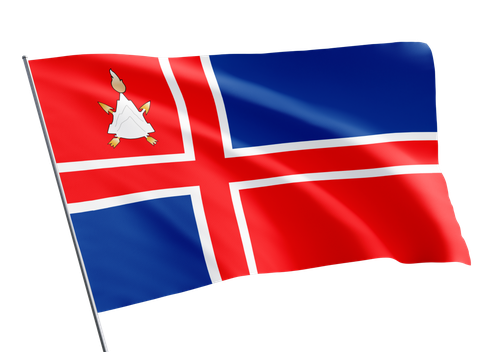
🏞️ Shida Kartli is the historical heart of Eastern Georgia
Shida Kartli (meaning "Inner Kartli" in Georgian) is located in the central part of the country and occupies a significant place in Georgia's history. The region boasts a diverse landscape—from fertile plains to picturesque hills—and a rich cultural and spiritual heritage.
📊 Population:
As of 2025, the region has a population of approximately 263,000.
👥 Who lives here:
The main population is Kartli Georgians, as well as Armenians, Azerbaijanis, and Ossetians. A rural lifestyle predominates, especially in smaller settlements, but in cities such as Gori, cultural and educational development is also evident.
📜 Historical Background:
Shida Kartli is considered the cradle of Georgian statehood. In ancient times, it was the location of the capital of Iberia, Mtskheta, and later, key strongholds of the Georgian kingdoms. Gori, the administrative center of the region, was an important defensive and cultural hub. Numerous fortresses, monasteries, and archaeological sites remain in the region. Shida Kartli also played a significant role in the struggle for independence and self-determination at various periods in history.
🏙️ Gori — administrative center of the Shida Kartli region
The city of Gori is located in central Georgia on the banks of the Kura River. It is known as the birthplace of Joseph Stalin and preserves many historical landmarks, including the famous Gori Fortress. The population is about 44,000 people.
Gori resident / gorieli
Gori resident (female) / gorieli kali
| Settlement | Resident (m/f/pl) |
|---|---|
| Gori (administrative center) |
man — Gori resident / gorieli, woman — Gori resident (female) / gorieli kali, plural — Gori residents / gorielebi |
| Karaleti |
man — Karaleti resident / karaleteli, woman — Karaleti resident (female) / karaletka, plural — Karaleti residents / karatelebi |
| Berdzevi |
man — Berdzevi resident / berdzeveli, woman — Berdzevi resident (female) / berdzevelka, plural — Berdzevi residents / berdzevelebi |
| Tirzna |
man — Tirzna resident / tirzneli, woman — Tirzna resident (female) / tirzneli kali, plural — Tirzna residents / tirznelebi |
🔎 The names of residents of other settlements in Gori Municipality are currently being clarified. The Madloba directory editorial team is working on this data with the involvement of specialists in Georgian toponymy and linguistics.
| Settlement | Resident (m/f/pl) |
|---|---|
| Kareli (administrative center) |
man — Kareli resident / karelieli woman — Kareli resident (female) / karelieli kali plural — Kareli residents / karelielebi |
| Agariani |
man — Agariani resident / agarieli woman — Agariani resident (female) / agarieli kali plural — Agariani residents / agarielebi |
| Avlevi |
man — Avlevi resident / avleveli woman — Avlevi resident (female) / avleveli kali plural — Avlevi residents / avlevelebi |
| Ruisi |
man — Ruisi resident / ruiseli woman — Ruisi resident (female) / ruiseli kali plural — Ruisi residents / ruiselebi |
🔎 The names of residents of other settlements in Kareli Municipality are currently being clarified. The Madloba directory editorial team is working on this data with the involvement of specialists in Georgian toponymy and linguistics.
| Settlement | Resident (m/f/pl) |
|---|---|
| Kaspi (administrative center) |
man — Kaspi resident / kaspeli woman — Kaspi resident (female) / kaspeli kali plural — Kaspi residents / kaspelebi |
| Agara |
man — Agara resident / agareli woman — Agara resident (female) / agareli kali plural — Agara residents / agarelebi |
| Lamiskana |
man — Lamiskana resident / lamiskaneli woman — Lamiskana resident (female) / lamiskaneli kali plural — Lamiskana residents / lamiskanelebi |
| Khviti |
man — Khviti resident / khviteli woman — Khviti resident (female) / khviteli kali plural — Khviti residents / khvitelebi |
🔎 The names of residents of other settlements in Kaspi Municipality are currently being clarified. The Madloba directory editorial team is working on this data with the involvement of specialists in Georgian toponymy and linguistics.
| Settlement | Resident (m/f/pl) |
|---|---|
| Khashuri (administrative center) |
man — Khashuri resident / khashureli woman — Khashuri resident (female) / khashureli kali plural — Khashuri residents / khashurelebi |
| Surami |
man — Surami resident / surameli woman — Surami resident (female) / surameli kali plural — Surami residents / suramelebi |
| Gomi |
man — Gomi resident / gomeli woman — Gomi resident (female) / gomeli kali plural — Gomi residents / gomelebi |
🔎 The names of residents of other settlements in Khashuri Municipality are currently being clarified. The Madloba directory editorial team is working on this data with the involvement of specialists in Georgian toponymy and linguistics.
| Settlement | Resident (m/f/pl) |
|---|---|
| Java (administrative center) |
man — Java resident / javeli woman — Java resident (female) / javeli kali plural — Java residents / javelebi |
🔎 The names of residents of other settlements in Java Municipality are currently being clarified. The Madloba directory editorial team is working on this data with the involvement of specialists in Georgian toponymy and linguistics.
🌍 Why is it important to know the names of people living in different parts of Georgia?
Every name is a reflection of history, language, and local identity. Understanding the names of residents of different cities and villages helps us gain a deeper understanding of Georgia's cultural fabric. These aren't just words—they're part of the identity that makes each region unique and recognizable.
📚 During our work, we collected, verified, and systematized information on all regions, municipalities, and major population centers in the country. For some, the names of residents are known and recorded in sources, while for others, they are clarified with the help of specialists in Georgian toponymy and linguistics.
🛠️ This material will be updated regularly: we closely monitor new data and are open to feedback. If you live in one of the settlements described and know the correct names of its residents, please write to us. Your contribution will help make this article even more accurate and useful for everyone interested in Georgian culture and life.

21 comments
Log in to leave a comment