




🔮 Medea of Colchis: Princess, Sorceress and the Tragedy of the Myth
Medea, the princess of Colchis and a sorceress, was the daughter of King Aeëtes and granddaughter of the sun god Helios. In the myth of the Argonauts it was she who helped Jason obtain the Golden Fleece, and later became the heroine of one of antiquity's darkest tragedies, the Corinthian one. Medea is considered a symbol of Colchis, that is, ancient Western Georgia.
🔮 In brief
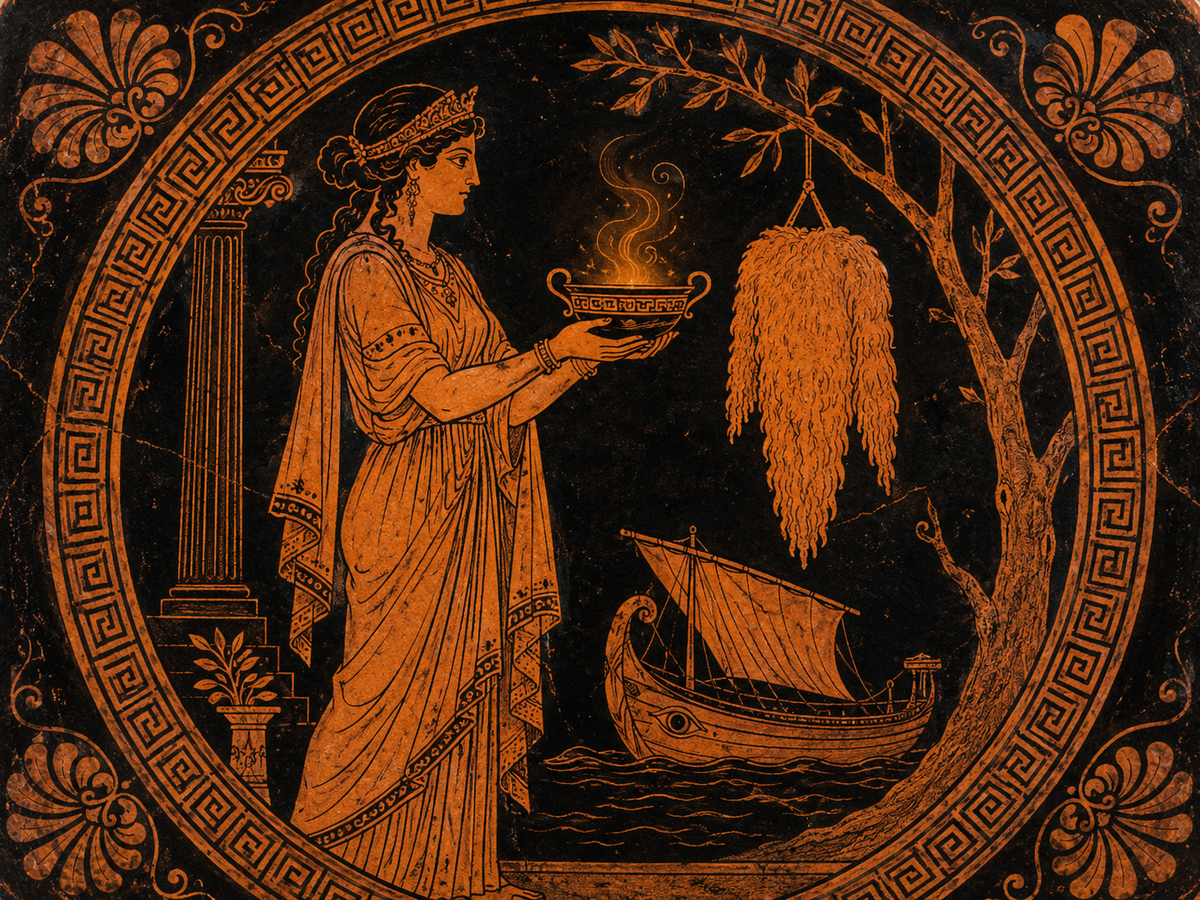
Medea, the princess of Colchis and a sorceress, was the daughter of King Aeëtes and granddaughter of the sun god Helios. She helped Jason obtain the Golden Fleece, became famous for the tragedy in Corinth, and turned into one of the symbols of Colchis and Georgia.
👑 Who Medea is, in simple terms
Medea is the princess of Colchis, a sorceress and a priestess of Hecate, the goddess of magic, and the central figure of the myth of the Argonauts. To put it briefly: without her help, Jason would never have obtained the Golden Fleece or returned from Colchis alive.
Her image is twofold. On one hand, she is a wise and loving woman who sacrifices everything for the sake of love. On the other, she is an avenger whose name became a byword for terrible retribution for betrayal. This debate, "villain or victim," has followed Medea since antiquity.
☀️ Origin and family: granddaughter of the sun god
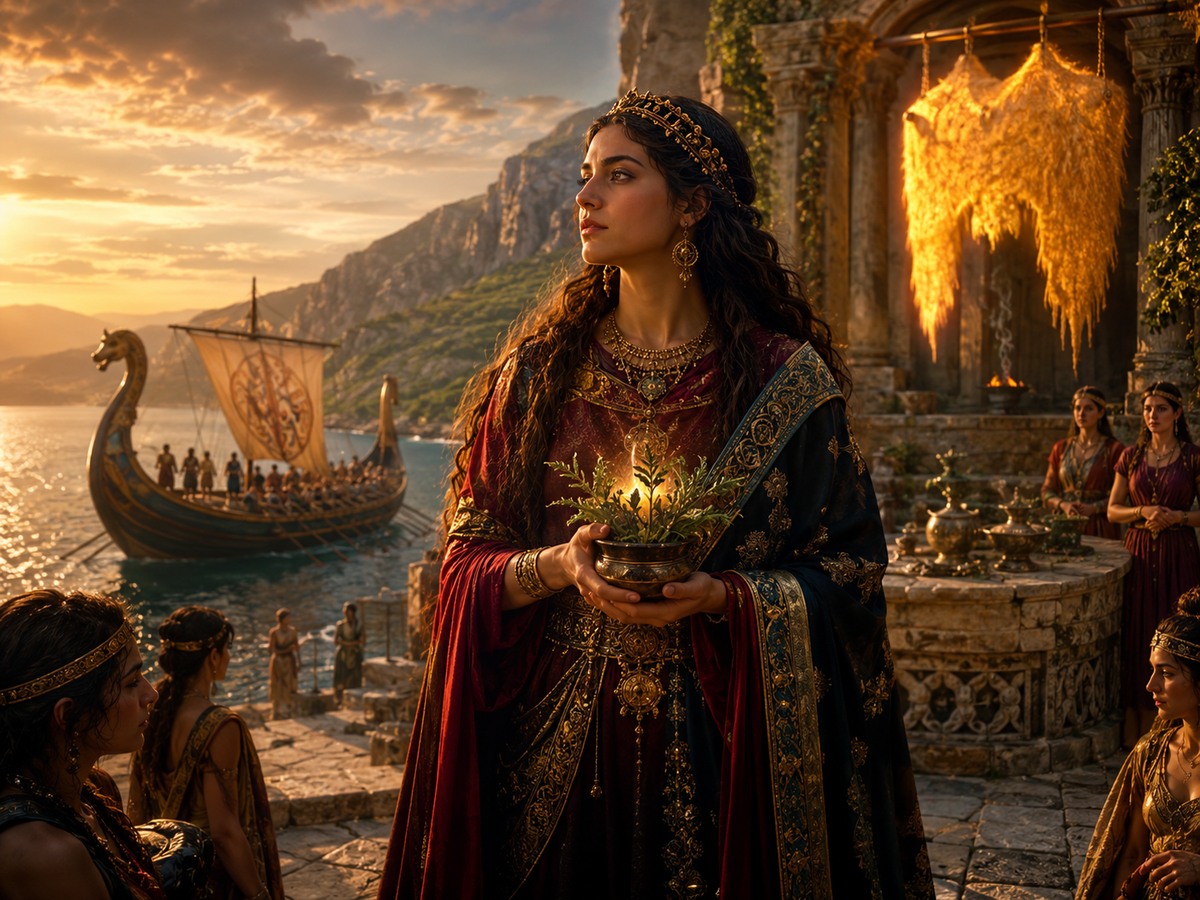
Medea comes from a divine lineage. Her father was Aeëtes, king of Colchis and son of the sun god Helios; her mother was the Oceanid Idyia. Thus Medea is the granddaughter of Helios himself and the niece of the famous sorceress Circe.
Medea's magical gift is explained by her connection to Hecate, the goddess of magic, night, and crossroads. According to some versions of the myth, Medea was a priestess of Hecate; according to others, even her daughter. Hence her power over potions, spells, and hidden forces.
| Relative | Who they are | Relation to Medea |
|---|---|---|
| Helios | Sun god | Grandfather |
| Aeëtes | King of Colchis, son of Helios | Father |
| Idyia | Oceanid | Mother |
| Circe | Sorceress, sister of Aeëtes | Aunt |
| Hecate | Goddess of magic | Patroness |
| Apsyrtus | Prince of Colchis | Brother |
💡 About the name
The name "Medea" is traditionally linked to an ancient Greek root meaning "to plan," "to devise," which fits the image of a cunning sorceress well. The exact etymology is debated, but the name itself, μήδεια, has taken root in many languages. In Georgia it lives on as the female name "Medea" (მედეა).
⛵ Medea and Jason: how she helped obtain the Golden Fleece
When the ship Argo, carrying Jason and the Argonauts, reached Colchis, King Aeëtes agreed to give up the Golden Fleece only if a set of impossible tasks were completed. Here the gods intervene in Jason's fate: by the will of Aphrodite and her son Eros, Medea falls in love with the stranger, and this love becomes the starting point of her entire tragedy.
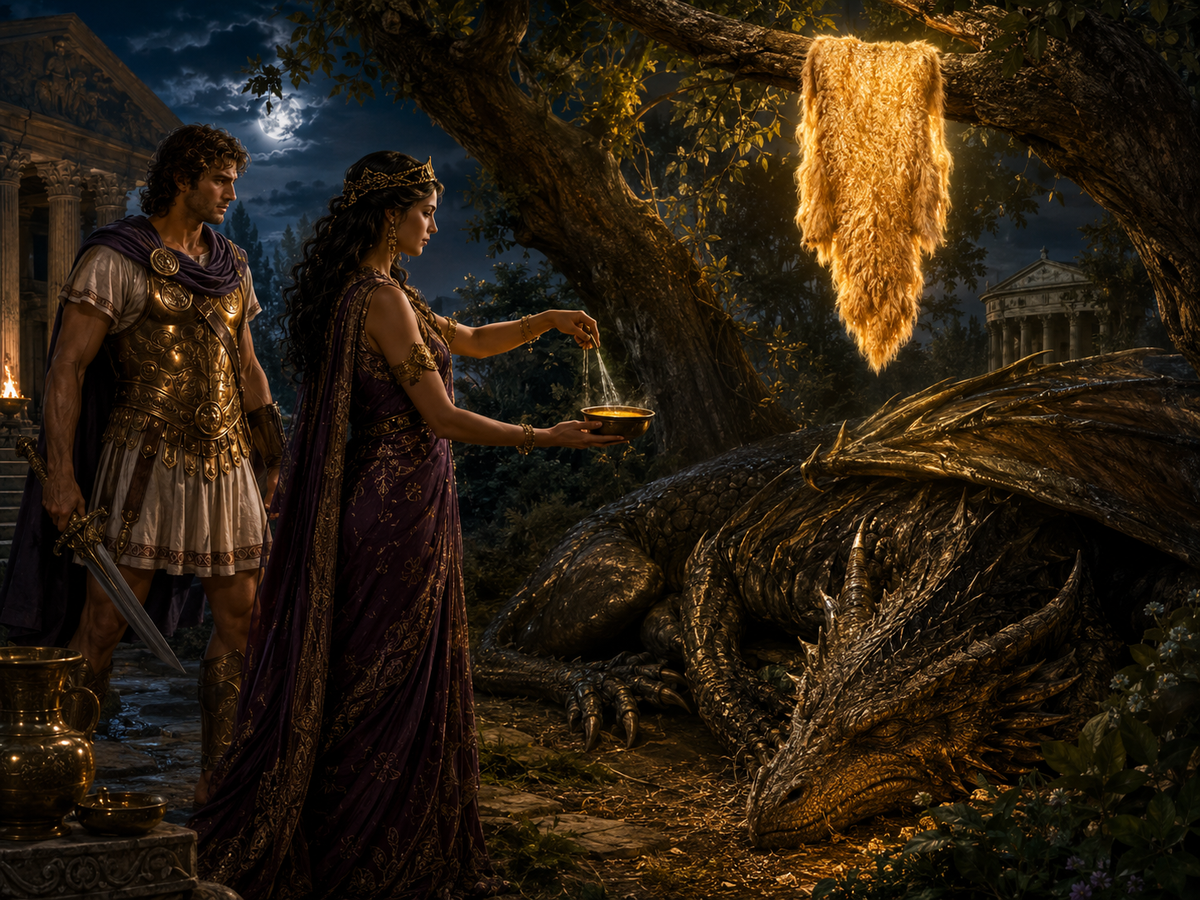
For Jason's sake, Medea uses her gift. She gives him a magic ointment that makes his body invulnerable, tells him how to defeat the warriors sprung from the earth, and puts to sleep the dragon guarding the Fleece. Then she flees with the Argonauts, betraying her father and her homeland. From Medea's point of view this is an act of love, and it is precisely this act that sets off the chain of events that will lead her to catastrophe.
🔥 Medea's tragedy: revenge in Corinth
The Argo's return journey was marked by dark episodes. According to various versions of the myth, to delay her father's pursuit Medea sacrifices her own brother, Apsyrtus. In Iolcus, Jason's homeland, she cunningly destroys his enemy, King Pelias. The versions differ in their details, and they are best presented with restraint, without graphic realism.
The climax unfolds in Corinth. Jason leaves Medea for a local princess, the daughter of King Creon. Betrayed and driven into exile, Medea responds with terrible revenge: a poisoned robe and a golden diadem destroy both the bride and the king himself.
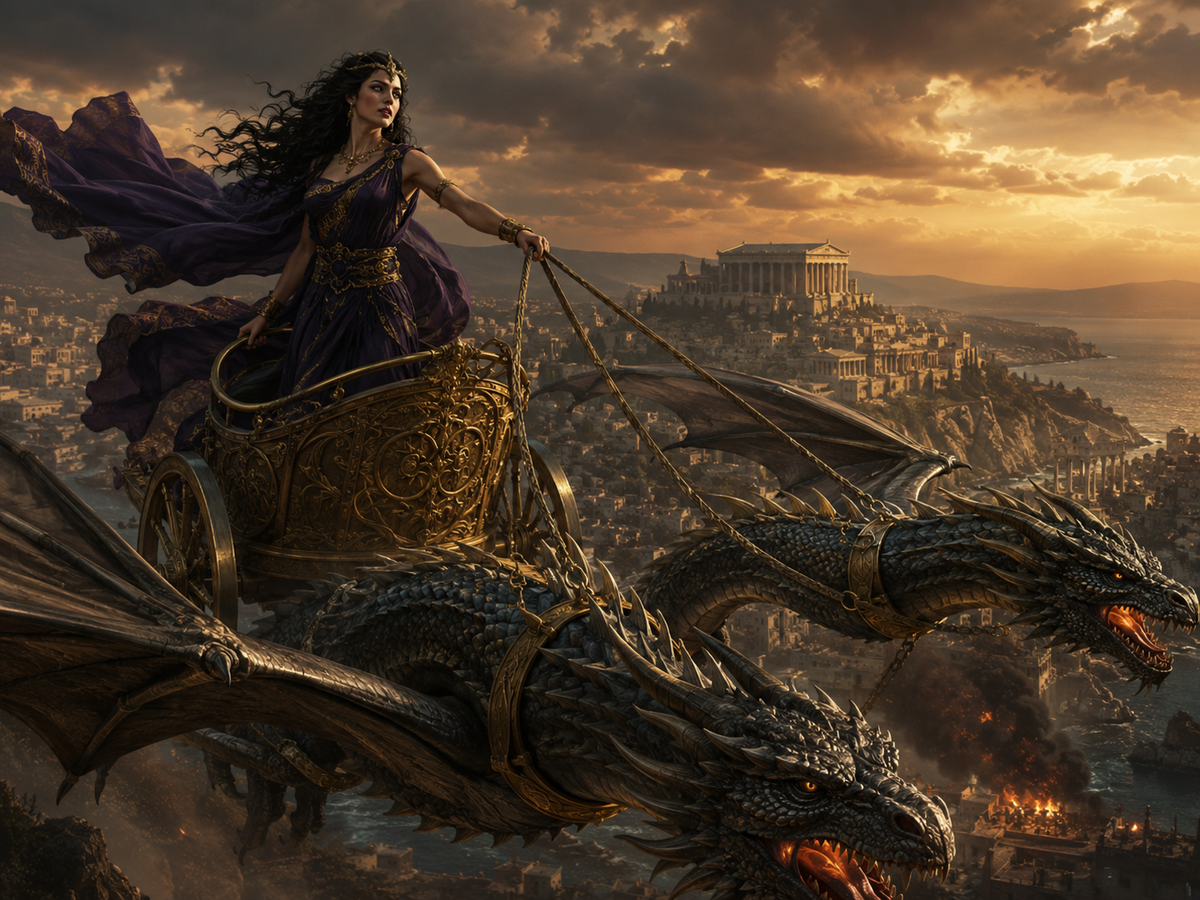
Then comes the darkest part: Medea kills her own two sons, Mermerus and Pheres, and escapes on a chariot drawn by dragons, sent to her by her grandfather Helios. This is the peak of the tragedy, and it should be told without detail.
It is significant that it was Euripides, in his tragedy Medea (431 BC), who made the heroine responsible for the death of the children and gave this a psychological motive. In his version, Medea is neither a barbarian nor a madwoman: she deliberately chooses the most terrible way to wound Jason, who has betrayed her, striking at him through what he holds most dear.
🗺️ Medea's journey
🎭 Medea in literature and art
Medea is one of the most sought-after figures in world culture. The literary canon was set by Euripides with his tragedy Medea (431 BC); he also wrote the now-lost Peliades. Later the Roman Seneca wrote his own Medea, while the Colchian part of the myth was related in greatest detail by Apollonius of Rhodes in the Argonautica.
Literary scholars call Medea one of the most complex female figures of antiquity: a betrayed foreigner, powerful and alone, she does not fit into simple roles. This is precisely why the debate over whether she is a villain or a victim of circumstance has not died down to this day.
In the visual arts, Medea was painted for centuries: from ancient vase painting to nineteenth-century canvases. In music, Luigi Cherubini's opera Medea is dedicated to her. The story has inspired painters, playwrights, and composers across many eras.
❓ Medea as a symbol of Georgia (and where to see her)
Since Medea is a Colchian princess, she is a familiar figure for Georgia. Colchis lay in the west of the modern country, and Medea became a national symbol here, especially in Batumi and Adjara. Her image links the ancient myth to Georgian soil.
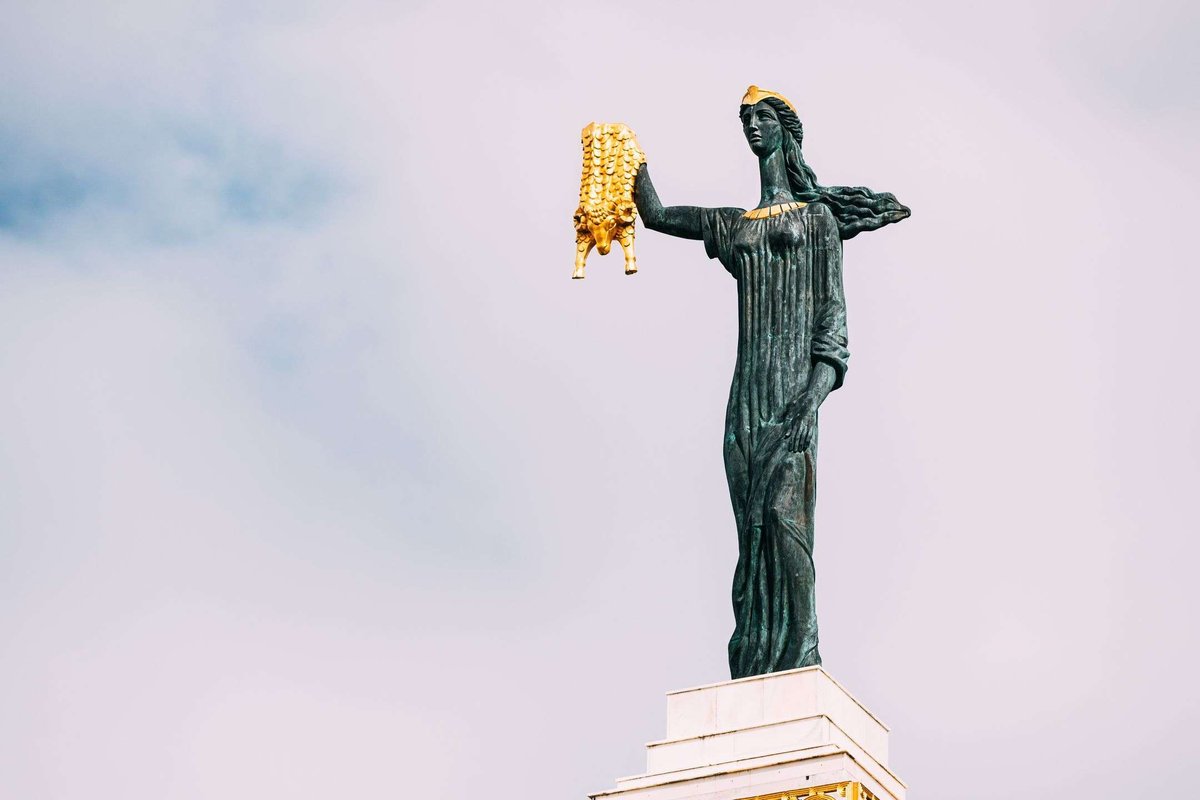
The most famous monument is the bronze statue of Medea on Europe Square in Batumi: the princess holds the Golden Fleece in her hands as a symbol of Georgia. The name lives on in the language too: "Medea," a common Georgian female name. And according to a legend passed down as far back as Herodotus, the Medes took their name from Medea, a hint at just how far the legend spread.
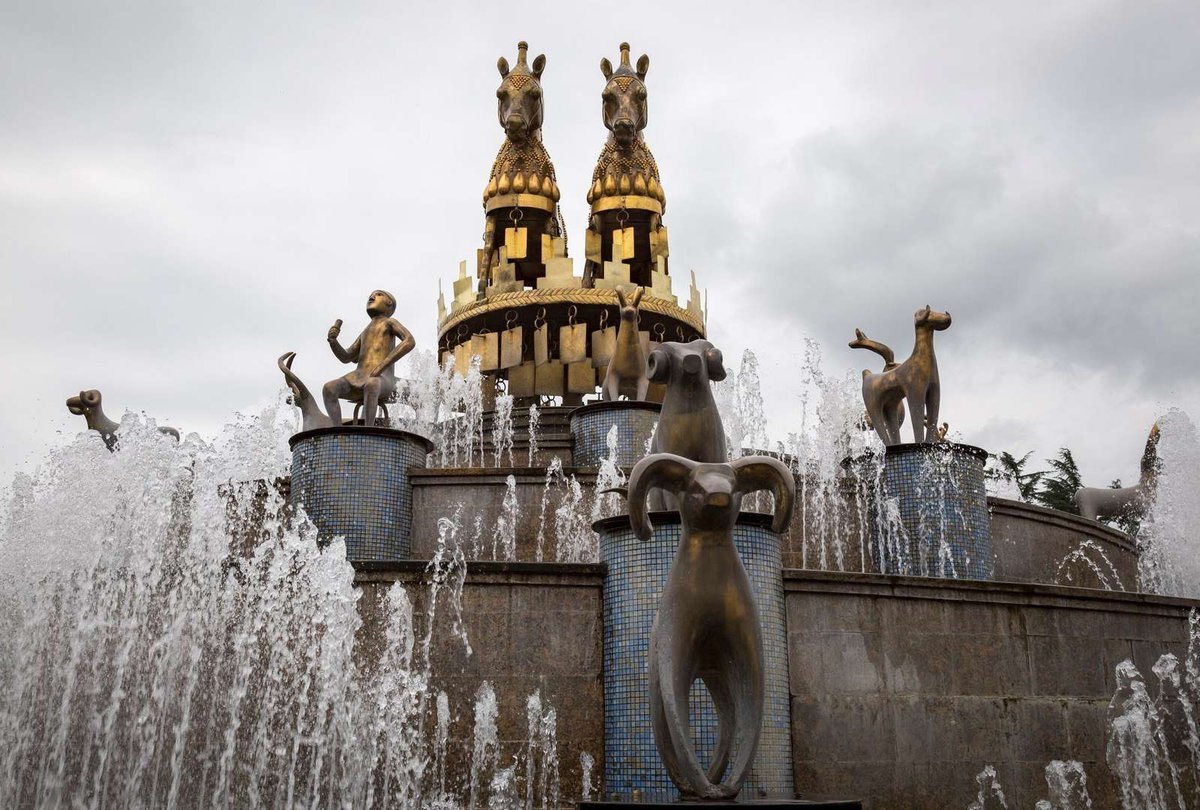
In Georgia, a whole route naturally connects to Medea's image: Batumi with her statue, Kutaisi with the Colchis Fountain, crowned with figures of Colchian mythology, and Vani, where archaeologists found the renowned gold of Colchis. Medea as a symbol of Georgia (and where to see her)
👣 The Georgian trace
Medea, the princess of Colchis, that is, Western Georgia. Her bronze statue holding the Golden Fleece stands in Batumi on Europe Square and is considered one of the country's symbols.
❓ Frequently asked questions about Medea of Colchis
💬 The princess of Colchis and a sorceress, a priestess of Hecate, and the central heroine of the myth of the Argonauts. It was she who helped Jason obtain the Golden Fleece.
💬 The daughter of Aeëtes, king of Colchis, and the Oceanid Idyia. On her father's side she is the granddaughter of the sun god Helios and the niece of the sorceress Circe.
💬 She was a priestess of Hecate, the goddess of magic, and commanded potions and spells. In the myth she puts the dragon to sleep and gives Jason a protective ointment.
💬 She gave him a magic ointment for invulnerability, told him how to defeat the warriors, and put to sleep the dragon guarding the Golden Fleece.
💬 When Jason left her for another woman, Medea took revenge: she destroyed her rival and the king, then her own sons, and fled on a chariot drawn by dragons.
💬 According to Euripides, this was the most terrible way for her to take revenge on Jason, who had betrayed her. The playwright portrayed her not as mad, but as deliberately choosing to do it.
💬 She is a mythological character. But Colchis, where she comes from, is a real historical region, Western Georgia.
💬 In Batumi, on Europe Square. For more about the monument, see the separate article
💬 Yes. She is a Colchian princess, and Colchis is Western Georgia. Medea is considered one of the country's symbols.
📌 The key takeaways
Medea, a Colchian princess and sorceress from the lineage of the sun god, without whom Jason's feat would never have happened: she put the dragon to sleep and helped obtain the Golden Fleece. Her path from loving helper to Corinthian avenger became the plot of Euripides' great tragedy and one of the most complex female figures of antiquity. For Georgia, Medea is a symbol of Colchis: her statue with the Fleece stands in Batumi, and her name lives on in the country's language and culture.
🗣️ Now it's your turn
For centuries Medea has sparked debate: some see in her a victim of betrayal, others, a cold avenger. What do you think?
- Who is Medea to you, a victim of circumstance or a villain?
- Have you seen the statue of Medea on Europe Square in Batumi?
- Which Georgian "trace" of Colchis interests you more: Batumi, Kutaisi, or Vani?
- Which myth of Colchis should we explore next?
Share your thoughts in the comments, we're curious how Medea appears to you.

4 comments
Log in to leave a comment