




🏺 24 iconic landmarks of Imereti - architecture that speaks 📜
Imereti is not just a region in western Georgia. It is a stage where Byzantine domes, Ottoman towers, Soviet bridges and Georgian wooden balconies play simultaneously. Here, every village has its own heart of stone, every city has its own story told in stone, brick and metal.
📌 We've rounded up 24 iconic landmarks to inspire you to travel deep into the architectural past. Some are well-known and beloved, while others are tucked away on the side of the tourist trail, waiting to be discovered.
🕍 Architectural pearls of Kutaisi


🌄 Places of power: temples and monasteries of Imereti


🏞 Stone guards of Imereti: fortresses in the middle of nature


Parks with architecture in Imereti


Monuments, fountains and bridges – city details with character


Museums of Imereti - history, art and secrets


🏛️ Architectural Landmarks of Imereti on the Map
📍 Kutaisi architecture — it all starts with it
Why did we start with Kutaisi? Because it is the heart of Imereti, a city with character, where architecture is not just buildings, but a part of everyday life. Here, antique lines coexist with Stalinist Empire style, domes — with theater pediments, and street details tell no less than museums.
🧭 We have selected 4 key attractions of Kutaisi — bright, recognizable and rich in history. They show where the architecture of Imereti begins — and why it will only get more interesting.
💬 Advice: start your route from here. Kutaisi is not only geography, but also the right mood.
👉 And now we move on — deeper into the region, to holy places and ancient shrines 🕍
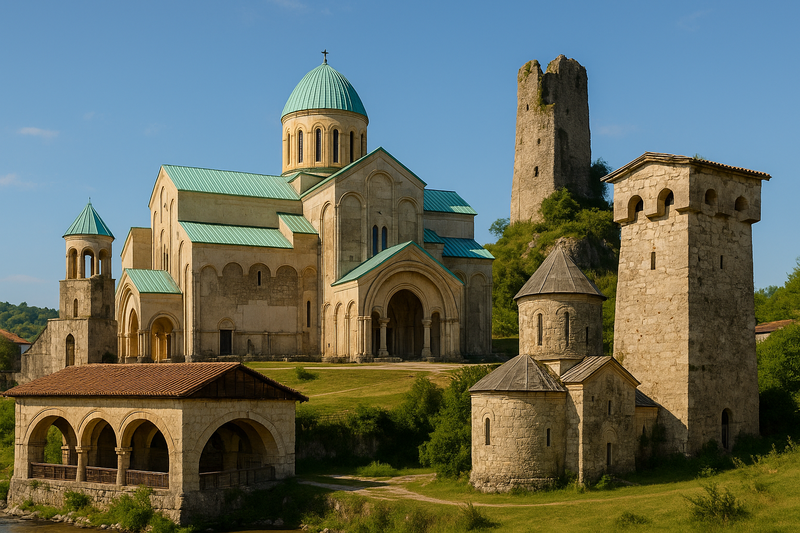
🕍 Holy Places of Imereti - from Temples to Synagogues
Imereti is one of the regions where spirituality is woven into the landscape. Here, every mountain and valley preserves the silence of prayers, and temples and monasteries stand for centuries, surviving eras, wars and oblivion. Many of them are active, others are ruins, but they all tell about the identity of this region.
🌄 We have selected locations that are important not only from a religious point of view, but also as architectural monuments. These include the majestic Bagrat Cathedral, secluded monasteries in green gorges, and a synagogue, rare for the region, reminding us of diversity.
📌 These places are suitable for those who are interested in architecture and those who are looking for a point for internal dialogue.
💬 Tip: Wear comfortable shoes - some temples have steep paths. And keep your camera handy - sunrises here are especially photogenic.
Review by a Catalogue Reader
James, Prague
"We were in the Motsameta monastery - the descent to the river and the road itself are like a pilgrimage. The atmosphere is complete immersion. In Imereti there really are temples where you don't even want to say a word - just look and listen to the silence."
👉 Next we will go to the world of walls and towers - the fortresses and castles of the region are waiting for their explorers 🏰
🏰 Fortresses and ancient ruins of Imereti - where history whispers through stones
The old fortresses of Imereti are not just ruins, but witnesses of the times when every stone knew the value of defense. From high hills, they watched over travelers, protected villages and inspired legends. Today, they are ideal points for a slow journey, where the main value is not the route, but the atmosphere.
🧭 In this block, there are fortifications where you can not only walk, but also see the panorama, imagine how people lived centuries ago, and literally touch history.
💬 Tip: many fortresses are located on hills. Take comfortable shoes and water - you will have to climb on foot, but the view from the top and the feeling of the open sky are worth it.
📸 These locations are especially beautiful during the golden hour - at sunrise or sunset. The light falls beautifully on the stone, and the shots turn out almost cinematic.
👉 And if you are tired of stone and wind, the next point will be parks and ensembles, where architecture coexists with greenery and relaxation 🌿
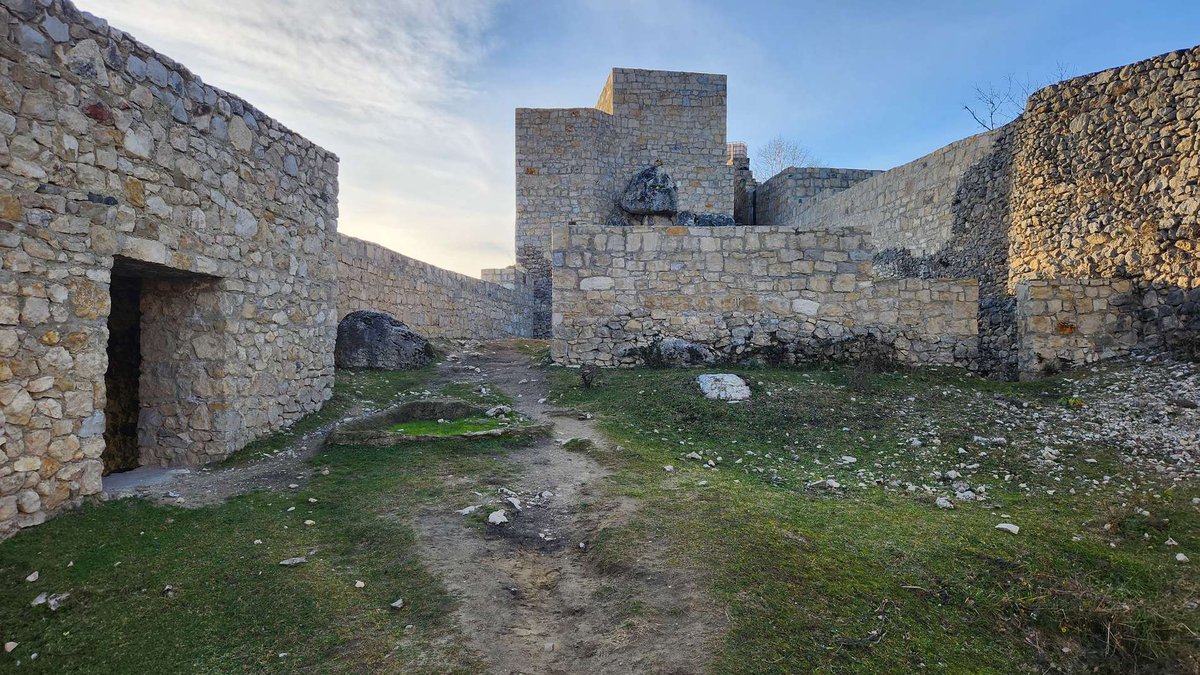
🌿 Architecture under the treetops: parks and ensembles of Imereti
If temples are spiritual, and fortresses are the military past of the region, then architectural parks and ensembles are about life, culture and people’s meetings. In Imereti, such spaces were created to breathe, walk, listen to music, exchange news. And to this day, the spirit of open communication and beauty lives here.
🏞️ Here you will find:
- cozy alleys with lanterns and sculptures,
- compositions with architectural miniatures,
- and parks where greenery embraces historical buildings.
🛝 A great option for a family walk or a slow day in the city, especially if you are traveling with children or want to take a break between busy locations.
💬 Tip: look for parks with benches in the shade of trees - this is where you can feel the rhythm of local life best. Summer festivals and concerts are also often held here, so check the schedule in advance.
📸 Be sure to visit the Park of Miniatures - here you can "walk around the whole of Georgia" in an hour without leaving Shekvetili.
👉 Next, we will go to the bridges, fountains and monuments that make the appearance of Imereti unique.
🌉 Stone, bronze and water - monuments of Imereti
Architecture is not only buildings. It is also bridges that connect banks and eras, monuments that tell of people and feats, and fountains that turn city squares into stages for a water show.
🗿 In Imereti you will find:
- graceful arches of ancient bridges, which caravans once crossed;
- bronze figures depicting heroes and cultural figures;
- sculptural ensembles, which contain local color and folk memory.
📌 These objects fit perfectly into a walking route: you can take a photo break, learn an interesting fact, or just stop to listen to the water flowing in the fountain in the middle of the ancient square.
Feedback from a catalog reader
Olga, a tourist from Tver:
"I especially liked the bridge over the Rioni River - so simple, but with character. And also the monument to David Agmashenebeli. I took a photo next to it and sent it to my grandmother - she cried with joy. Everything in these places is real."
👉 And ahead are the museums of Imereti and modern buildings, where architecture becomes a guide to history and inspires reflection.
🏛 Museums and modern buildings – architecture with history and future
Imereti is not only ancient temples and ruins. Here museums live in old mansions, where each room is like a chapter from a chronicle, and modern buildings become symbols of a new cultural movement.
📚 In these spaces you can:
- see original artifacts and manuscripts,
- hear local legends in stucco halls,
- feel how architecture connects the past with the future.
🧱New buildings in Imereti, although there are few of them, speak the language of glass and concrete, but at the same time respect the context. They become art spaces, cultural centers and urban accents - showing that architecture in the region continues to evolve.
💬 Tip: Imereti museums are not only for connoisseurs. Even small exhibitions in village centers can impress and give a new understanding of the country.
📌 We have included in the selection places that were memorable for their presentation, atmosphere and, of course, architecture - from elegant facades to cozy courtyards.
👉 And now - it's time to sum it up. Let's take a deep breath and look at Imereti differently ...
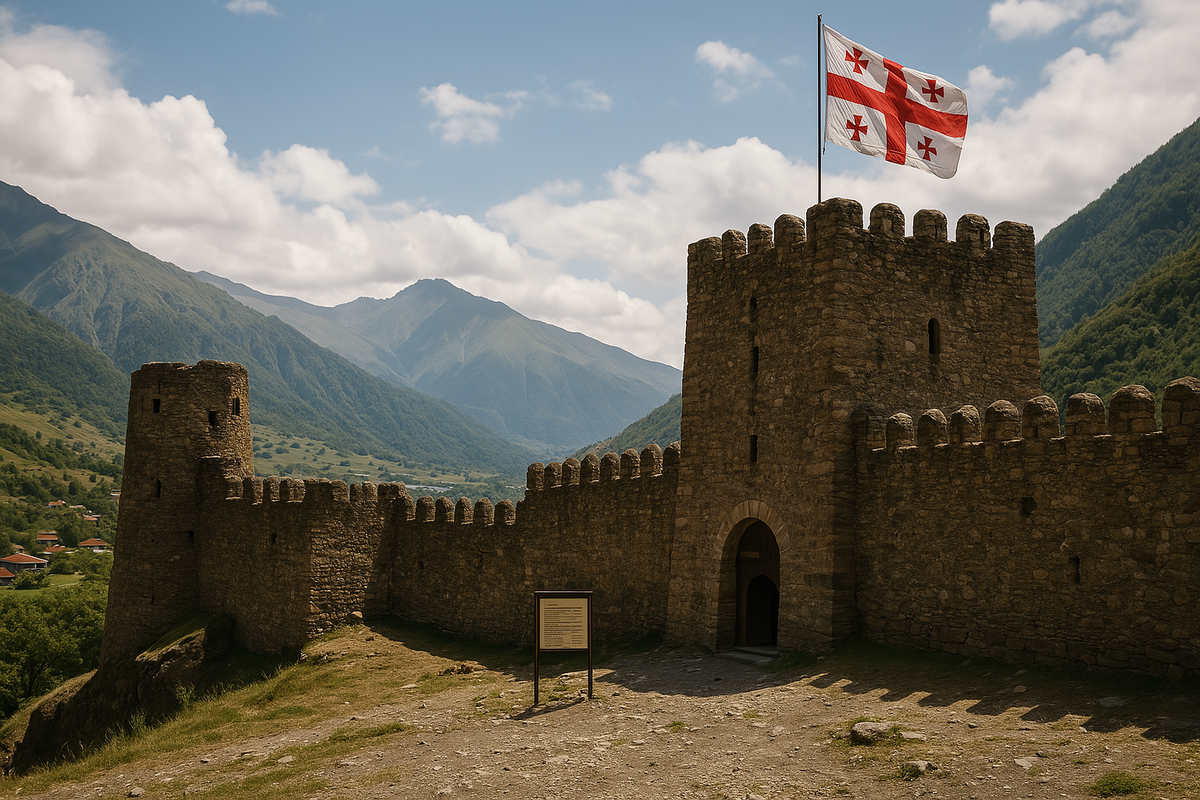
🏁 Imereti: architecture that you want to explore again and again
Imereti is not just a region in western Georgia, but a cultural code of the country, carved from stone, wood and inspiration. Here history does not gather dust in books, it lives in the domes of churches, the walls of castles and the curves of modern museums.
📍 We followed in its footsteps, collected 24 architectural gems so that you could see Imereti more broadly - not only as a transit point, but as a destination filled with meaning and beauty.
💬 Do you have a favorite building or secret place that we didn’t include?
🌟 Write in the comments - perhaps your recommendation will become the 25th point on our list!
🔁 Save the article, share with friends, add to bookmarks -
the architecture of Imereti awaits new views and discoveries.
FAQ
Bagrati Cathedral, Gelati Monastery, Shoromantsi Fortress and the Colchis Fountain are often the starting point for exploring the region.
Minimum 4-5 days. If desired, you can do it in 2-3 days, visiting only the main points in Kutaisi and the surrounding areas.
The main attractions are concentrated in Kutaisi, as well as in the municipalities of Tskaltubo, Baghdati and Terjola.
Yes, many routes easily combine shrines, ruins, museums and modern monuments. For example, the Kutaisi-Tskaltubo route allows you to cover most of the key sites.
The Colchis Fountain, the White Bridge, some museums and parks are safe, convenient and interesting for children thanks to their visual design.
Most churches and monuments can be viewed for free. Museums and cultural centers may have an entrance fee (from 5 to 10 lari).
Yes, especially if you use the Madloba map with geotags and cards. But for monasteries and ancient sites, it is sometimes more interesting to listen to a guide to understand the context better.
Unfortunately, not everywhere. Modern museums and parks are often equipped with ramps, but ancient temples and ruins are not always so.
Sunrise and sunset provide soft light, ideal for photographing stonework and facades. The best shots are at Bagrati Cathedral, hill forts and bridges over the Rioni River.
Comfortable shoes, water, a hat, a camera (a must!), a charger and a map - many objects are within walking distance, but require time to explore.

15 comments
Log in to leave a comment
Мы брали за ориентир не только карту, но и каталог Madloba.info, где много отзывов, фото и маршрутов от других путешественников — это помогло нам найти маленькие архитектурные жемчужины вне самых популярных троп. Помню, как дети удивлялись старинным фонтанам, а я снова влюблялась в местные легенды, которые рассказывала нам наша гид.
А какие места в Имеретии больше всего удивили вас? Может, есть любимые архитектурные уголки, о которых стоит рассказать другим путешественникам? 😊