




⛪ Armazi Virgin Mary Monastery: A Pilgrimage Site on the Armazistskali River
Armazi Monastery at a Glance
A medieval monastery complex on the right bank of the Armazistskali river, a few kilometres from Mtskheta. Quiet even by the standards of Georgian monasteries.
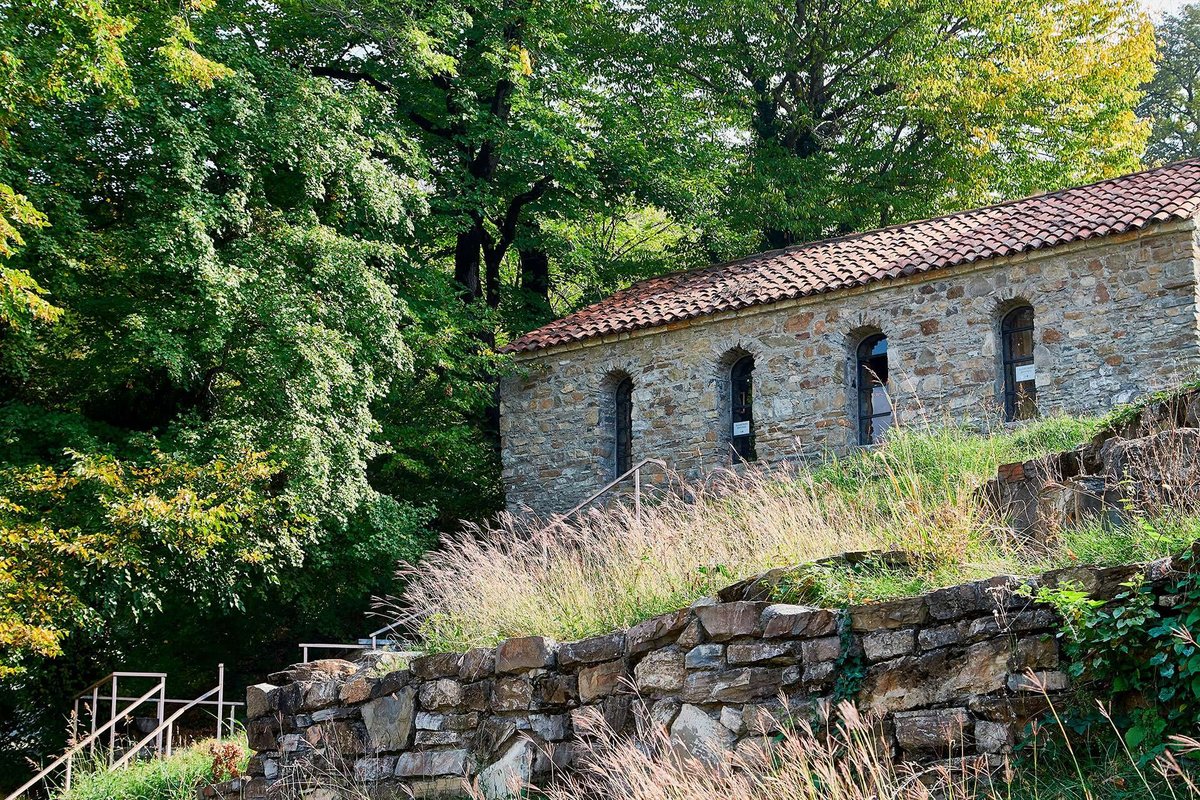
Armazi Virgin Mary Monastery is a medieval monastery complex on the right bank of the Armazistskali river, a few kilometres from Mtskheta, Georgia's ancient capital. For the full listing with coordinates and photos, see the Armazi Virgin Mary Monastery entry.
Let's untangle the confusion that follows this place in search right away. "Armazi" near Mtskheta isn't one site, it's three: the Virgin Mary monastery this piece is about, the ancient city and fortress of Armaztsikhe-Bagineti on Mount Bagineti, and an entire chain of restaurants sharing the name around Mtskheta. The monastery sits on the Armazistskali river, while the fortress sits on the opposite side, at the confluence of the Kura and Aragvi. Easy to mix up, but the two have nothing in common beyond a shared name.
🏛️ A Medieval Monastery on a Quiet River
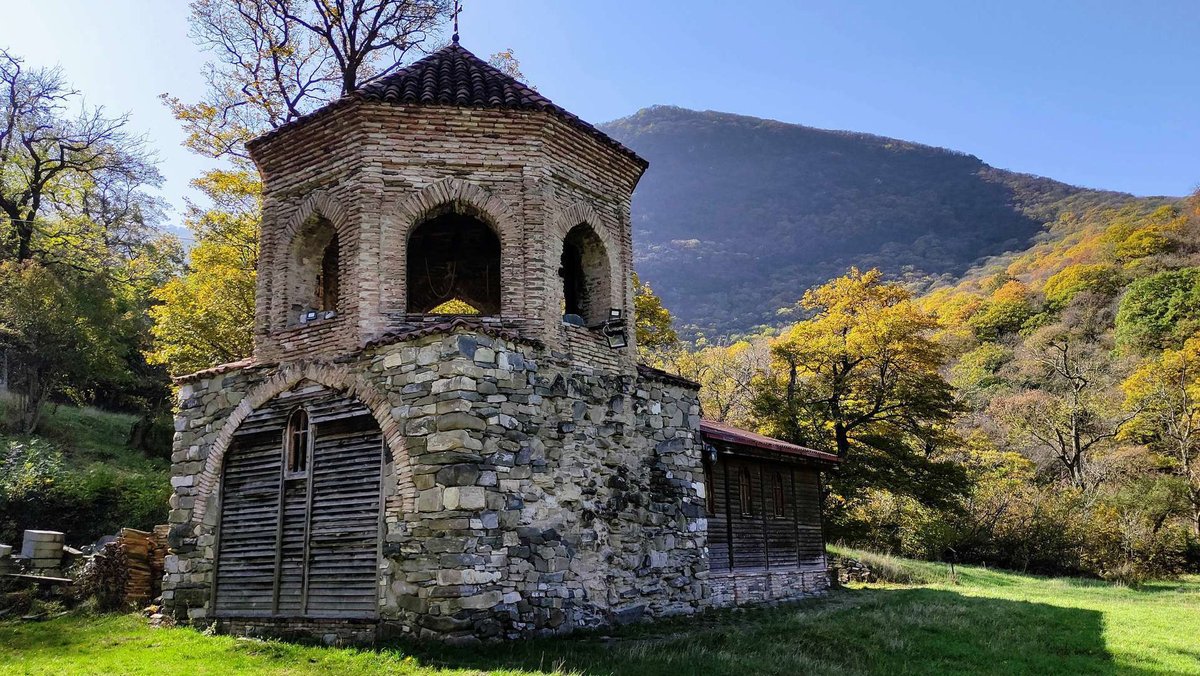
The monastery complex has been known since the 12th century and is dedicated to the Virgin Mary. Historic frescoes from that same period survive inside, a rarity even among monasteries this old in Georgia, where many wall paintings didn't survive the centuries of rebuilding that followed.
What sets this place apart from Mtskheta's usual tourist route is precisely its quiet: organised groups rarely make it out here, and the monastery keeps the feel of a genuine, active place of worship rather than a museum piece.
🗿 Where the Name "Armazi" Comes From
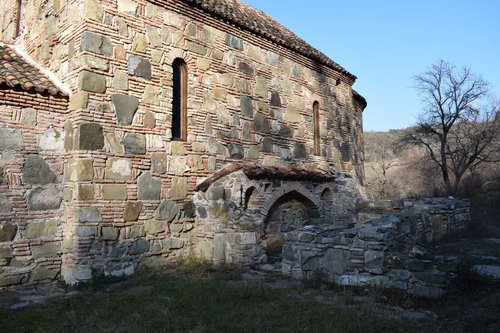
In Georgian history, the name Armazi is tied to a pagan deity once worshipped in the ancient city on Mount Bagineti, long before Christianity arrived. That city itself, capital of the early kingdom of Kartli, was founded, according to Georgian chronicles, in the 3rd century BC by King Pharnavaz I. The monastery on the Armazistskali river inherited its name from the surrounding area, but it was built in the Christian era, well over a thousand years after the pagan city was founded.
⛪ Armazi Virgin Mary Monastery
A 12th-century Christian monastery on the Armazistskali river. Frescoes, quiet, an active community. This is what this piece is about.
🏰 Armaztsikhe-Bagineti Fortress
An ancient pagan city from the 3rd century BC on Mount Bagineti, at the confluence of the Kura and Aragvi. Archaeological ruins, a separate piece entirely.
🕊️ Why It's Worth the Detour
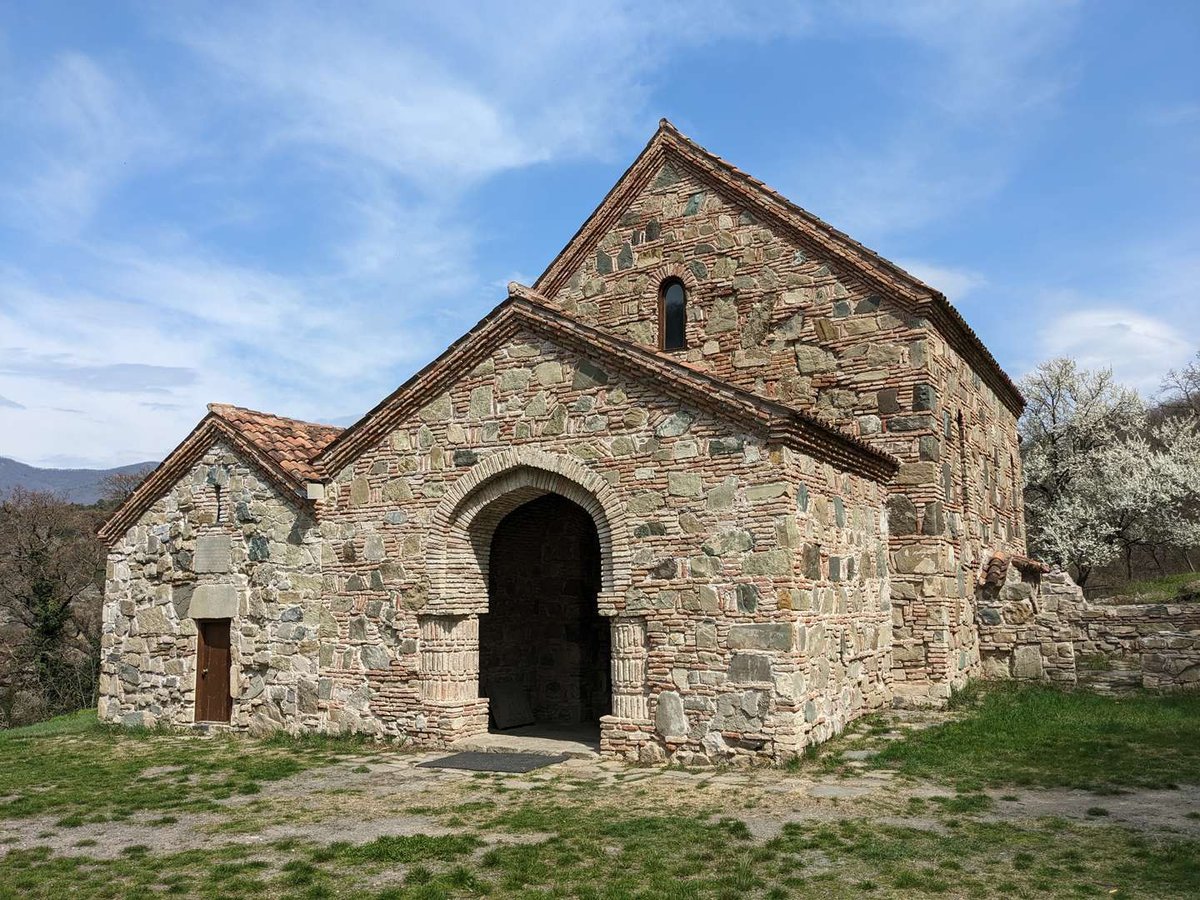
Mtskheta is famous above all for Svetitskhoveli and Jvari, and most visitors stop at those two sites and no further. Armazi Monastery, for all its historical weight, stays off the main tourist track, which means it's easier here to catch a glimpse of the place much as it looked centuries ago: no queues, no souvenir stalls at the gate, just a monastery on a riverbank.
📌 What to Know Before You Visit
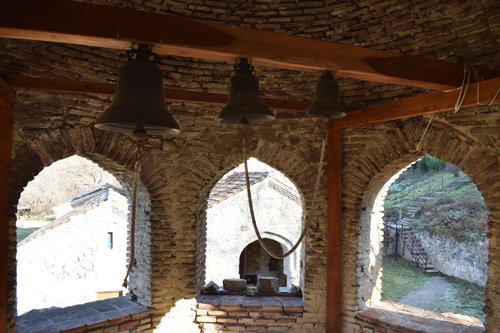
Check the service schedule and visiting rules in advance, this is an active monastery, not a museum, and the expected conduct reflects that: modest dress and quiet inside the church.
Have you visited Armazi Virgin Mary Monastery? Leave a review on Madloba: tell us whether the road was easy to find, whether you caught a service, and what first-time visitors should know.
Information is current as of July 2026. Service schedules and visiting rules can change, check details before you go.
❓ Frequently Asked Questions
💬 On the right bank of the Armazistskali river, in the Mtskheta Municipality, a few kilometres from Mtskheta.
💬 No, they're two different sites. Armazi Fortress (Armaztsikhe-Bagineti) is an ancient pagan city from the 3rd century BC on Mount Bagineti, while the monastery is a medieval Christian complex on a different river.
💬 The complex has been known since the 12th century, and frescoes from that same period survive inside.
💬 From a pagan deity once worshipped in the ancient city on Mount Bagineti. The monastery inherited the area's name, though it was built in the Christian era.
💬 Yes, it's a working religious community rather than a museum, so visitors are expected to dress modestly and stay quiet inside the church.
💬 How quiet it is. Unlike Svetitskhoveli and Jvari, tour groups rarely make it out here, and the monastery keeps a calm, authentic atmosphere.

27 comments
Log in to leave a comment