




💧 Kapnistavi Waterfalls in Adjara: the Village of Seven Waterfalls, Trail and How to Get There from Batumi
Kapnistavi: What to Know Before You Go
Kapnistavi is the kind of place Adjara residents mean when they say "wild waterfalls." Not Makhuntseti with its car park and crowd at the bridge, but a village you have to specifically drive to, then walk 2.5 km through forest, and then work out for yourself which of the seven waterfalls is where. The Kapnistavi cascade waterfalls are in Khelvachauri Municipality, 26 km from Batumi.
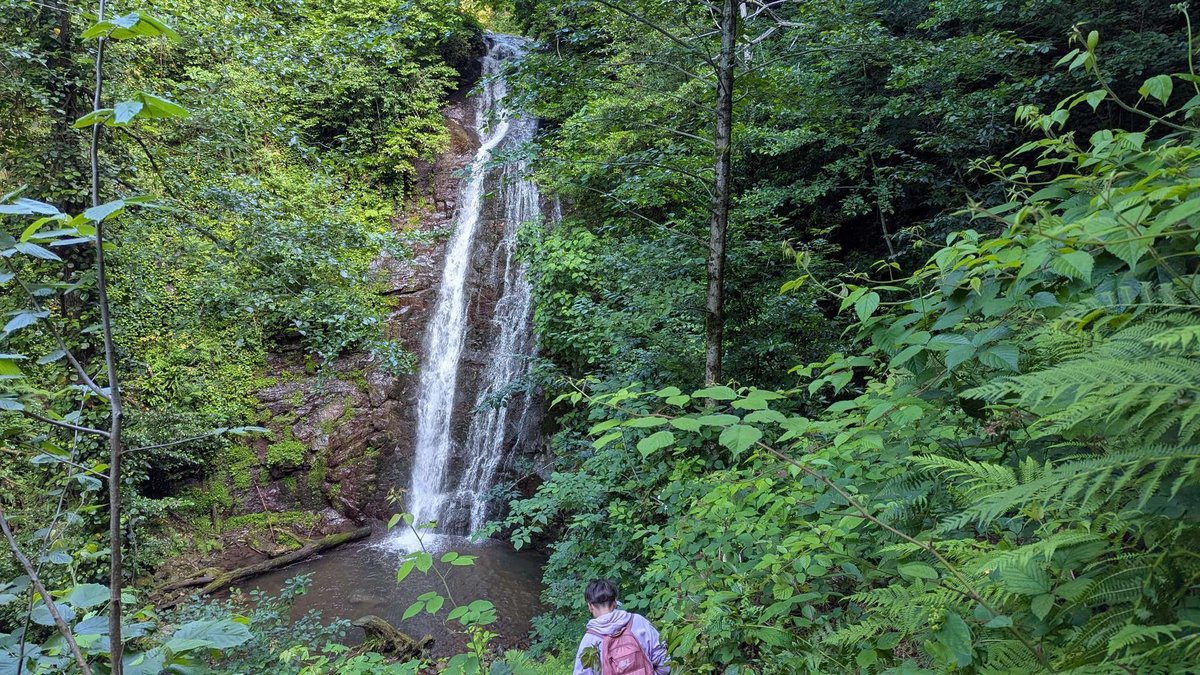
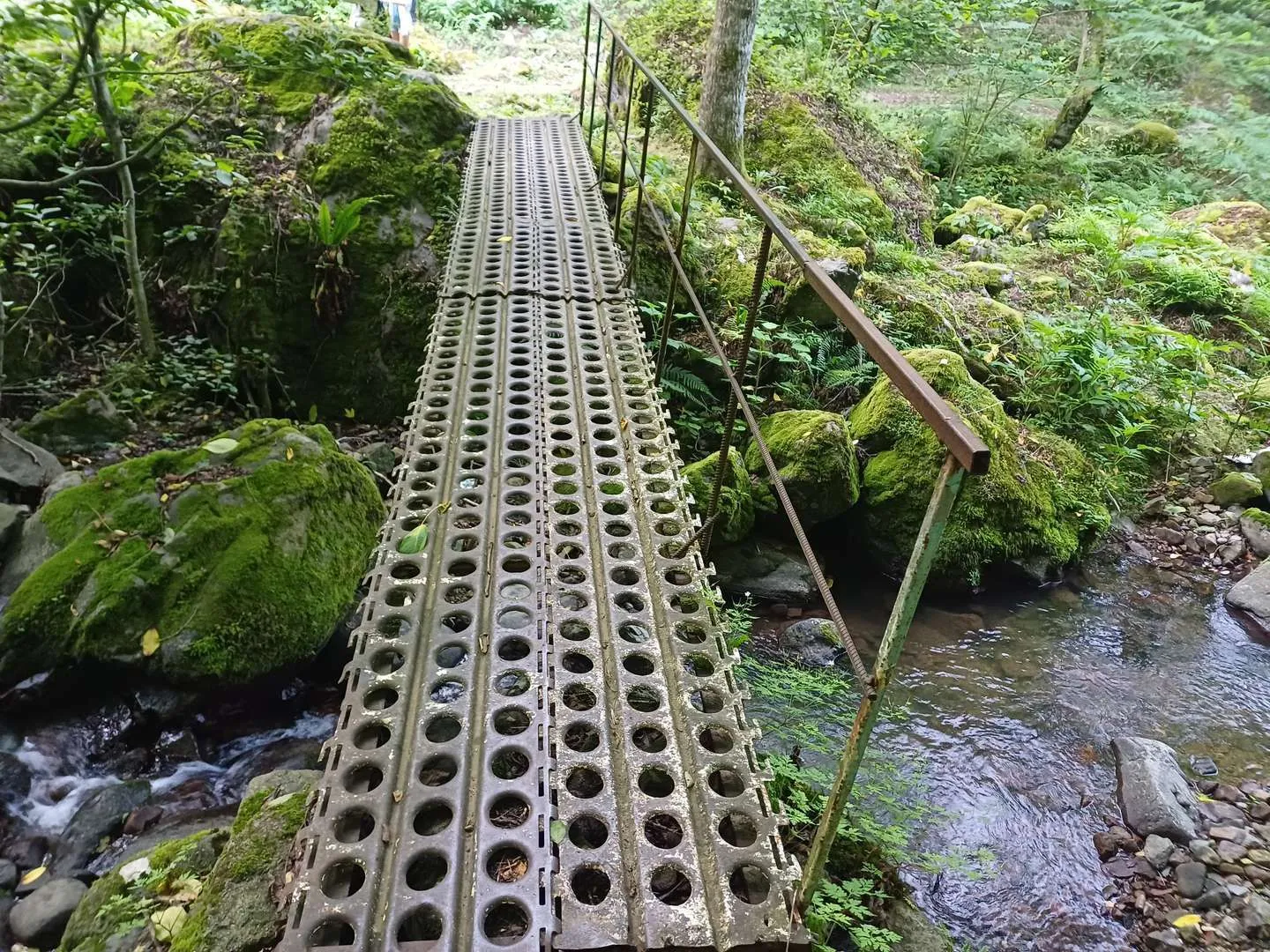
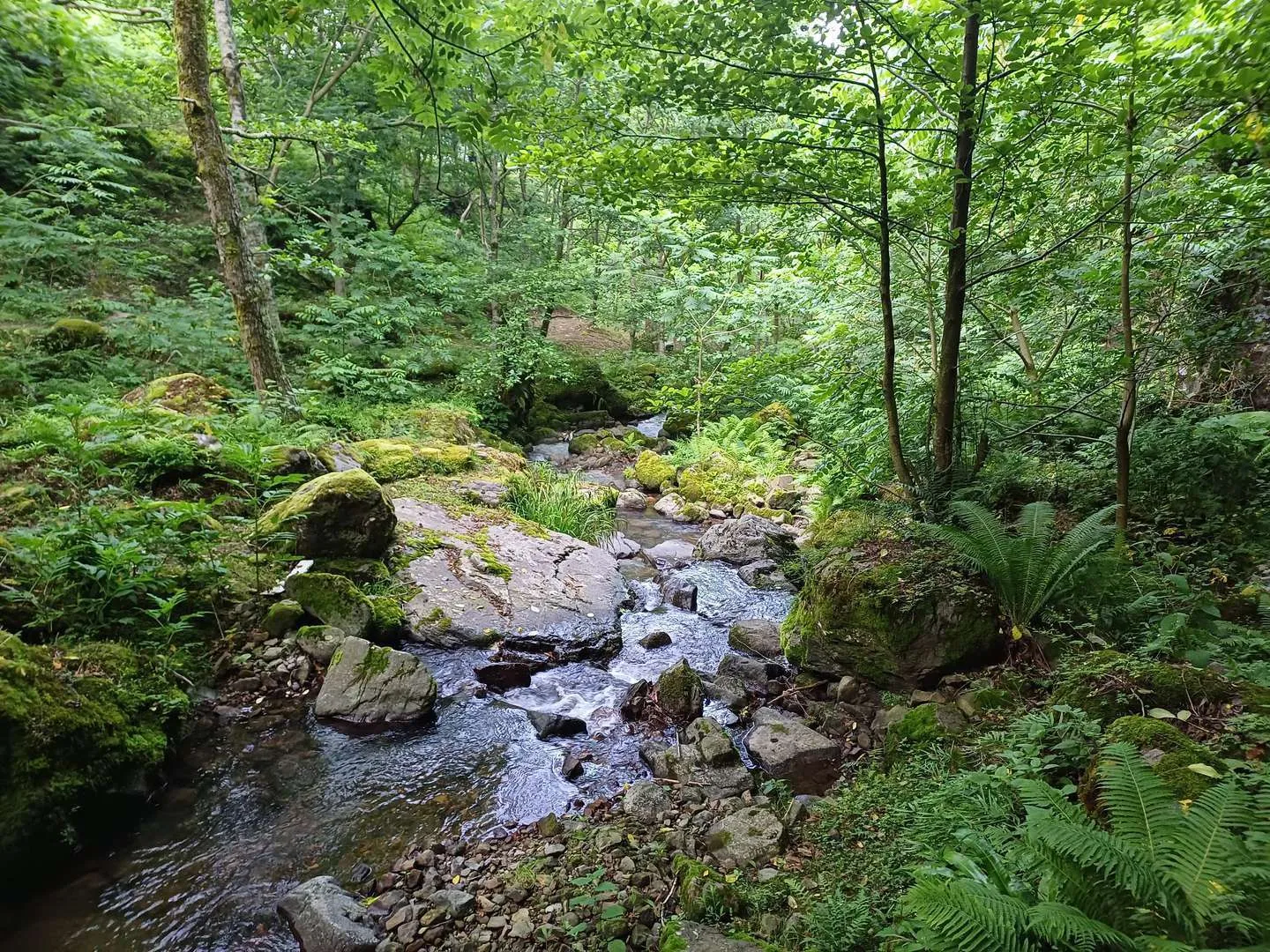
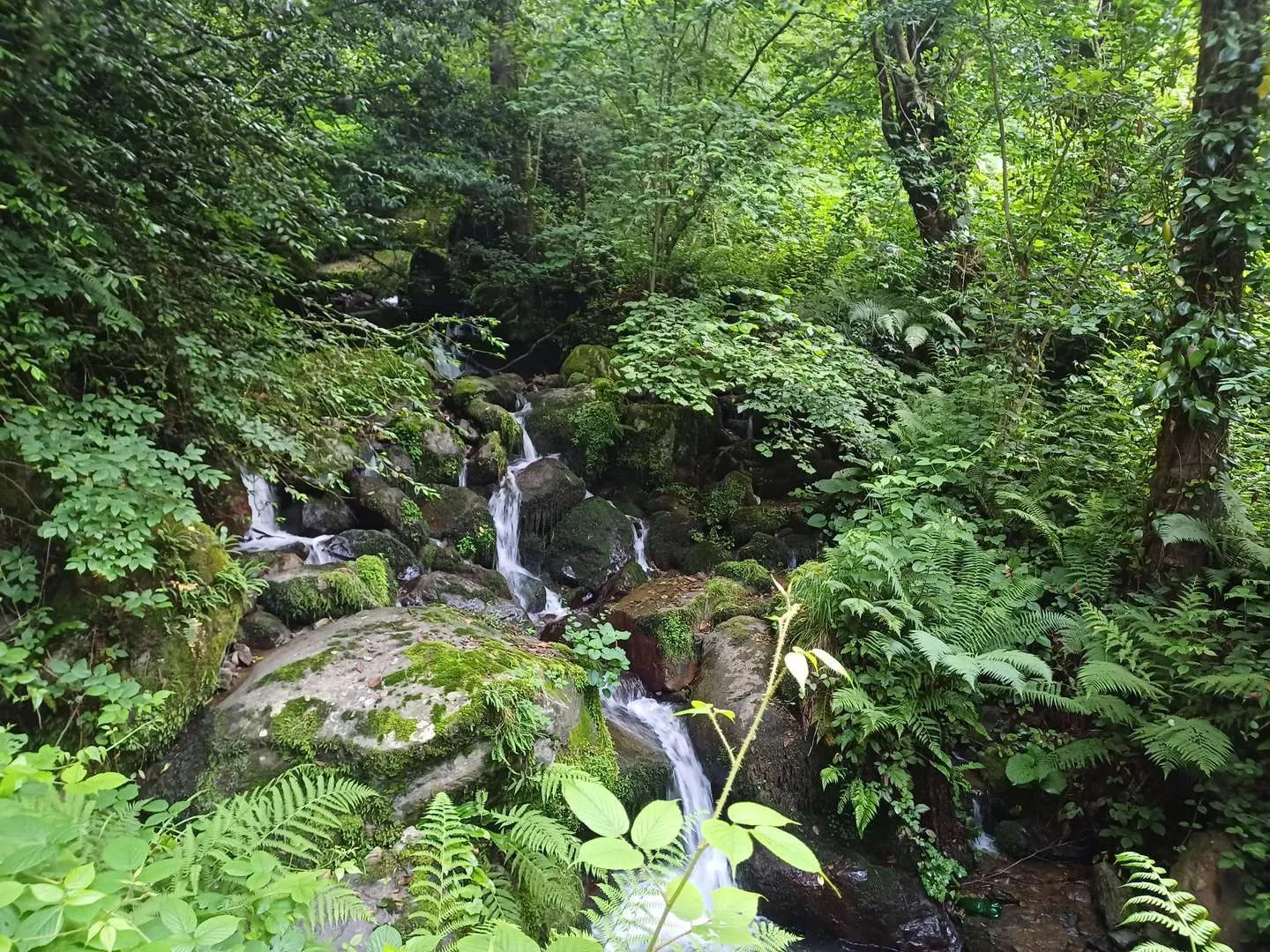
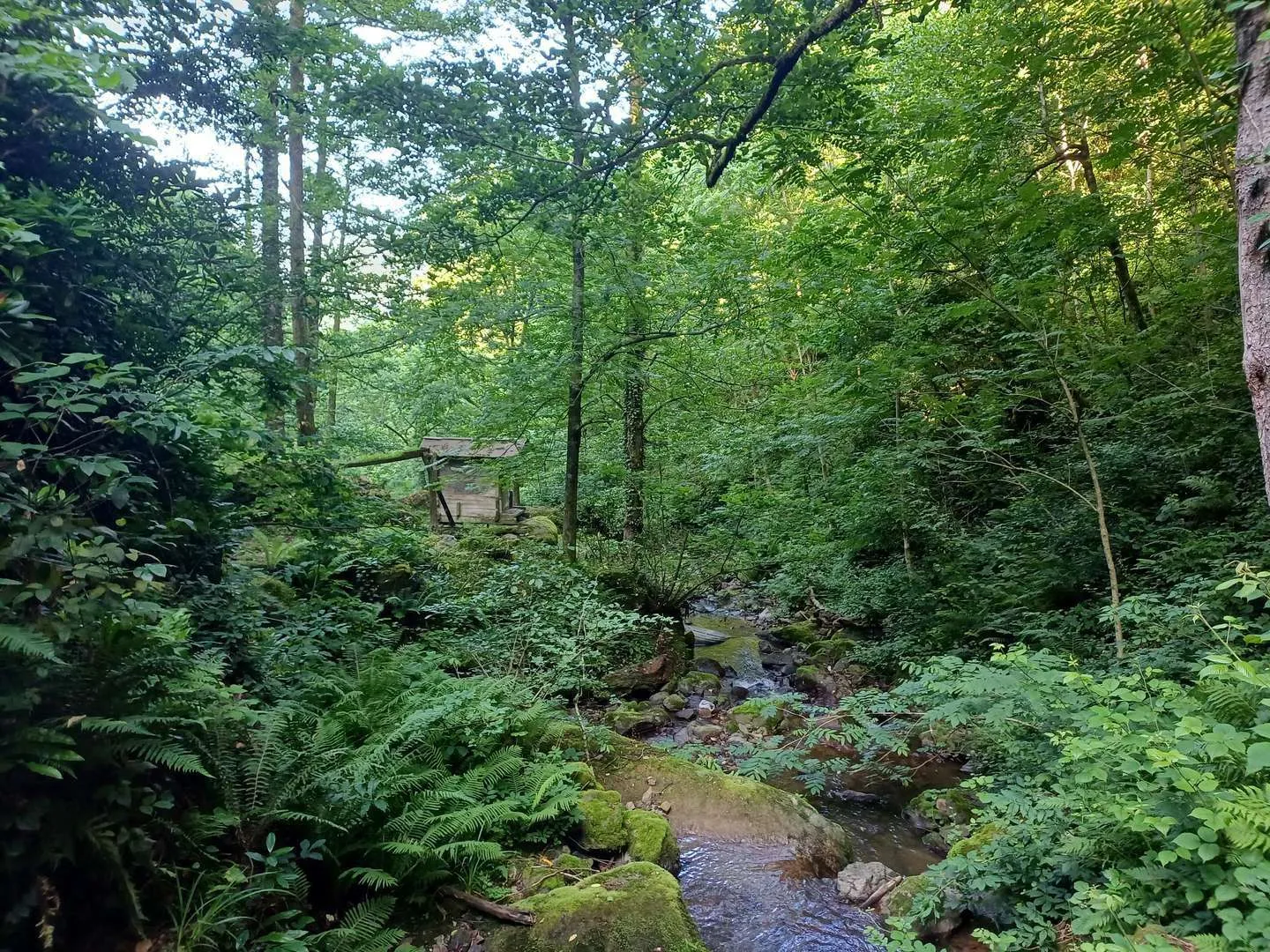
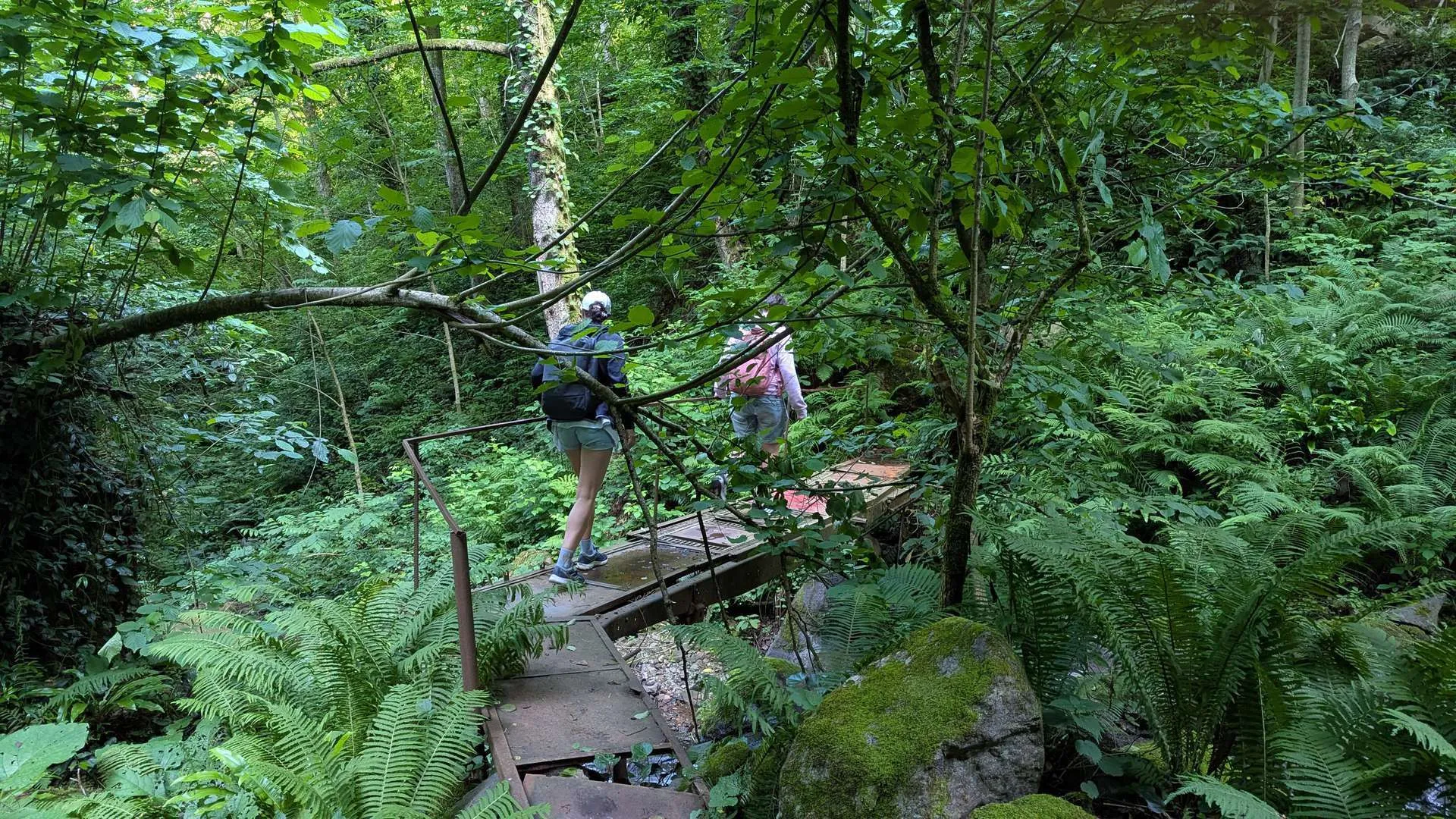
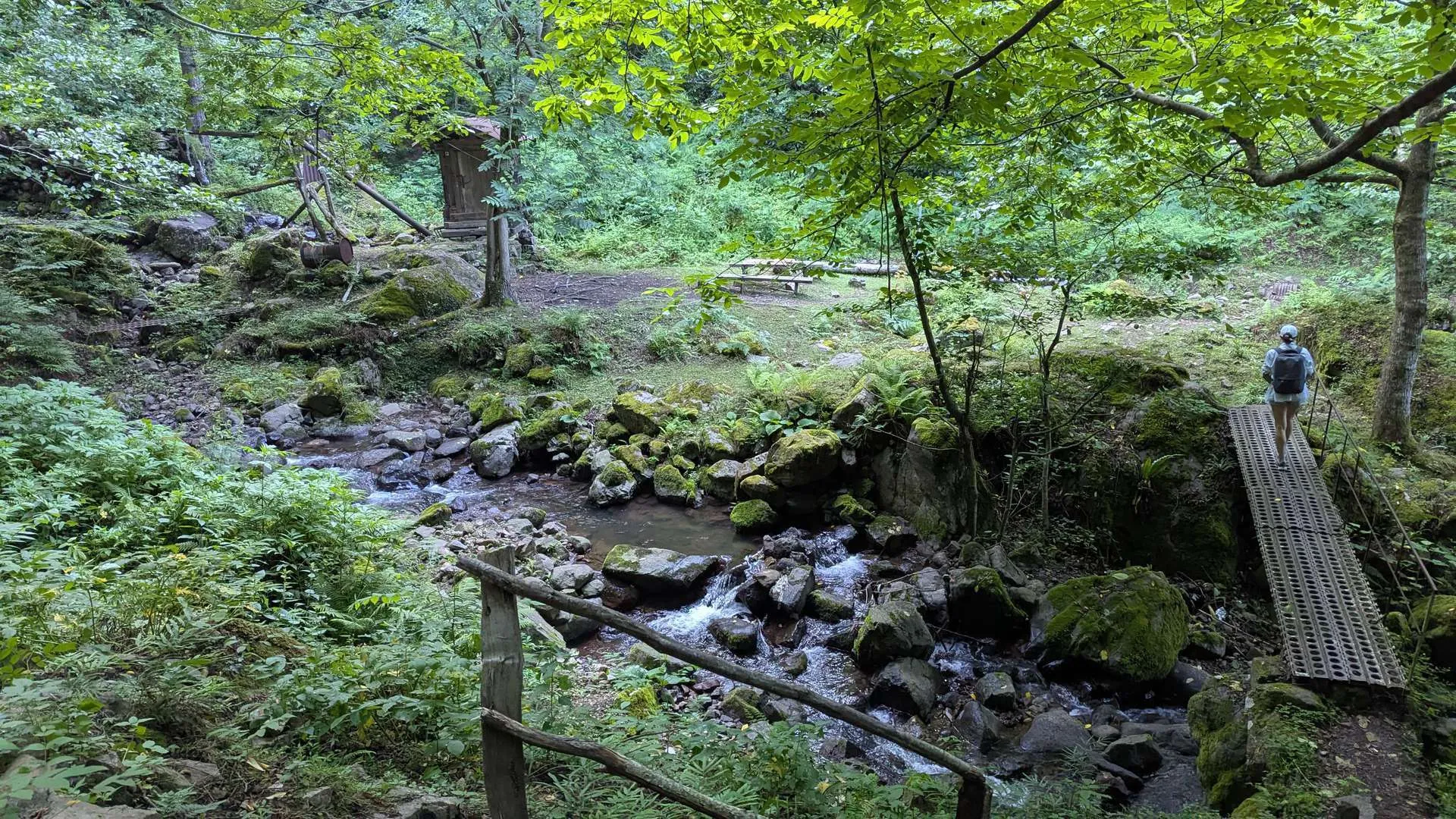
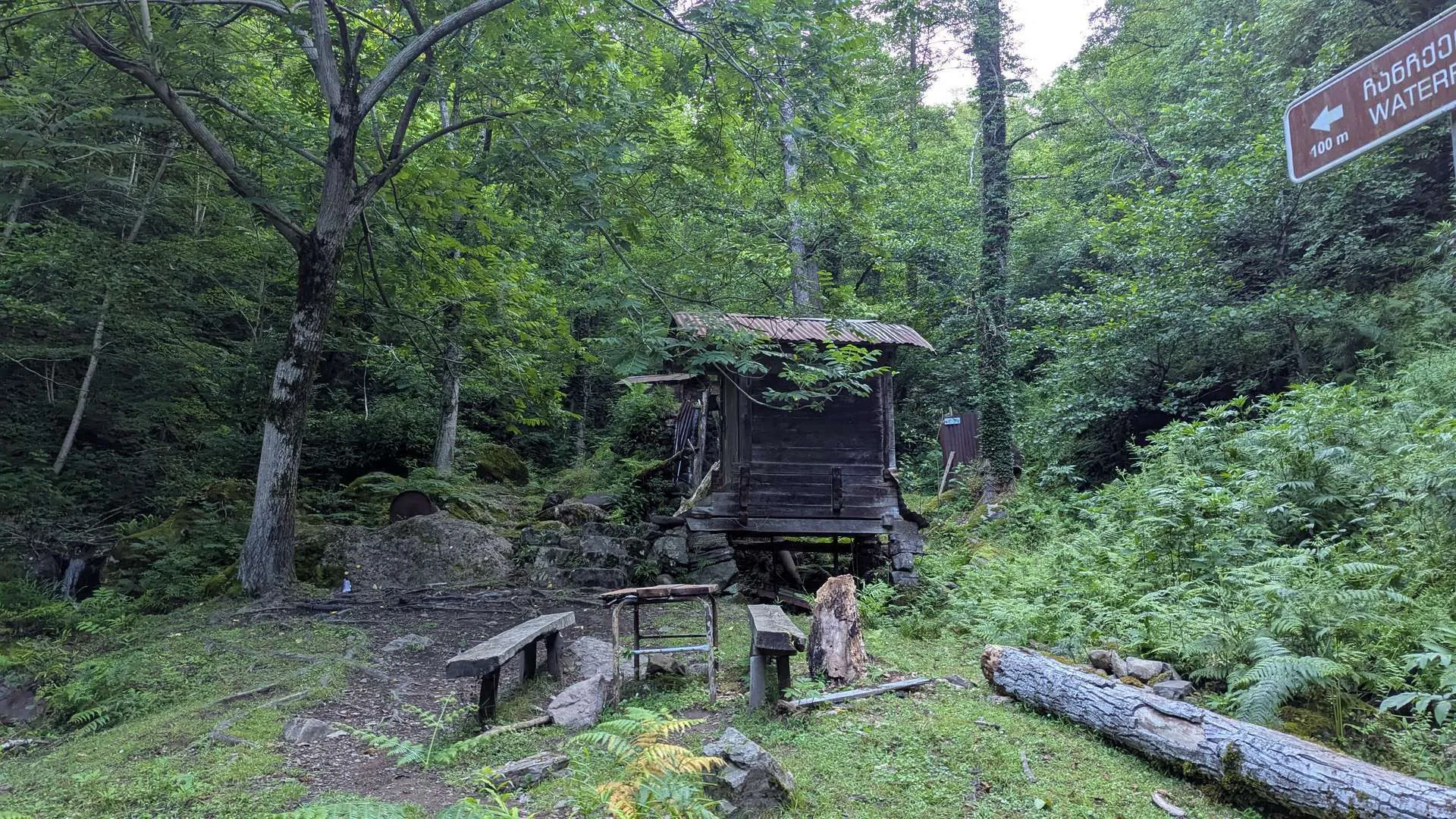
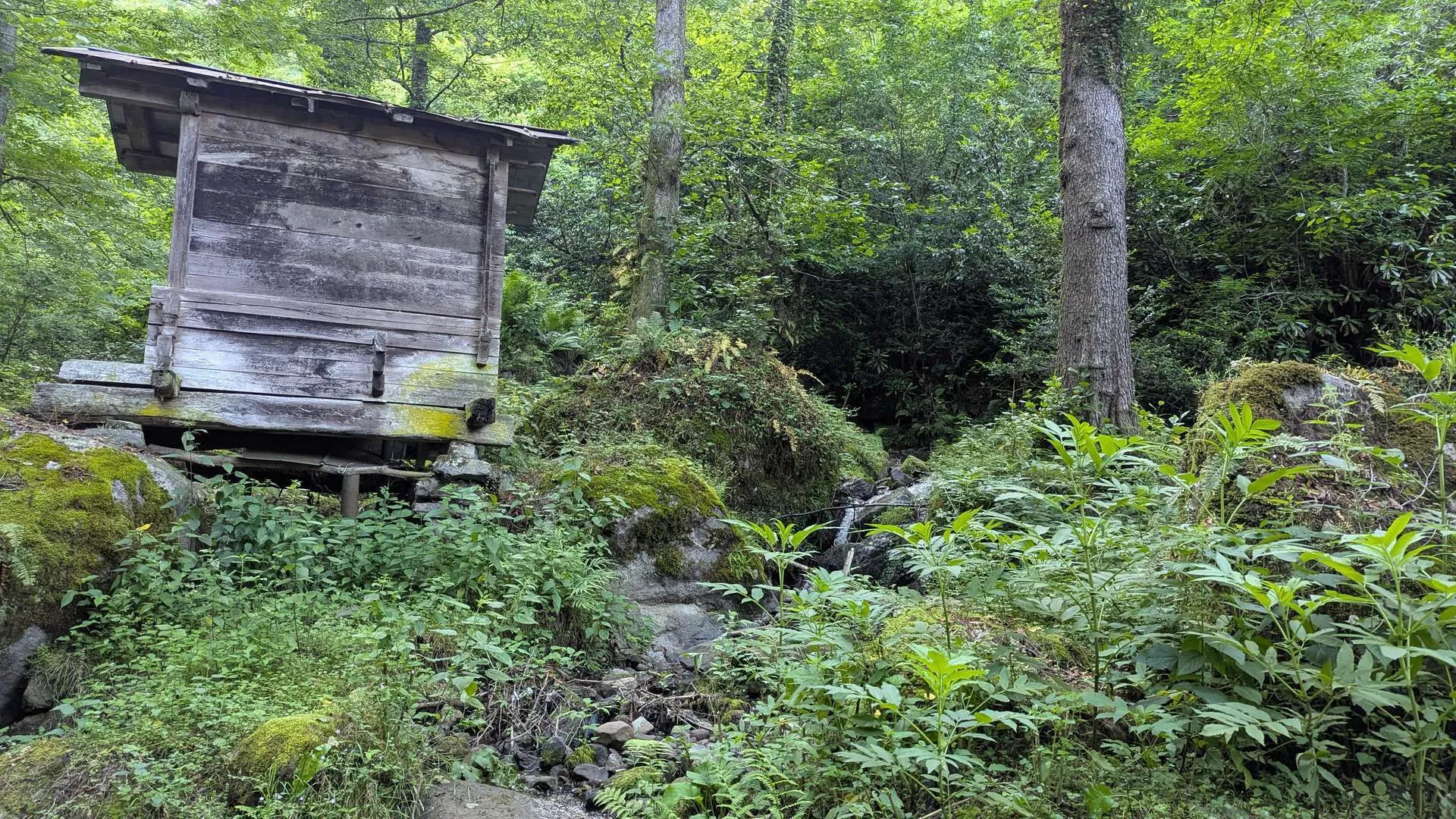
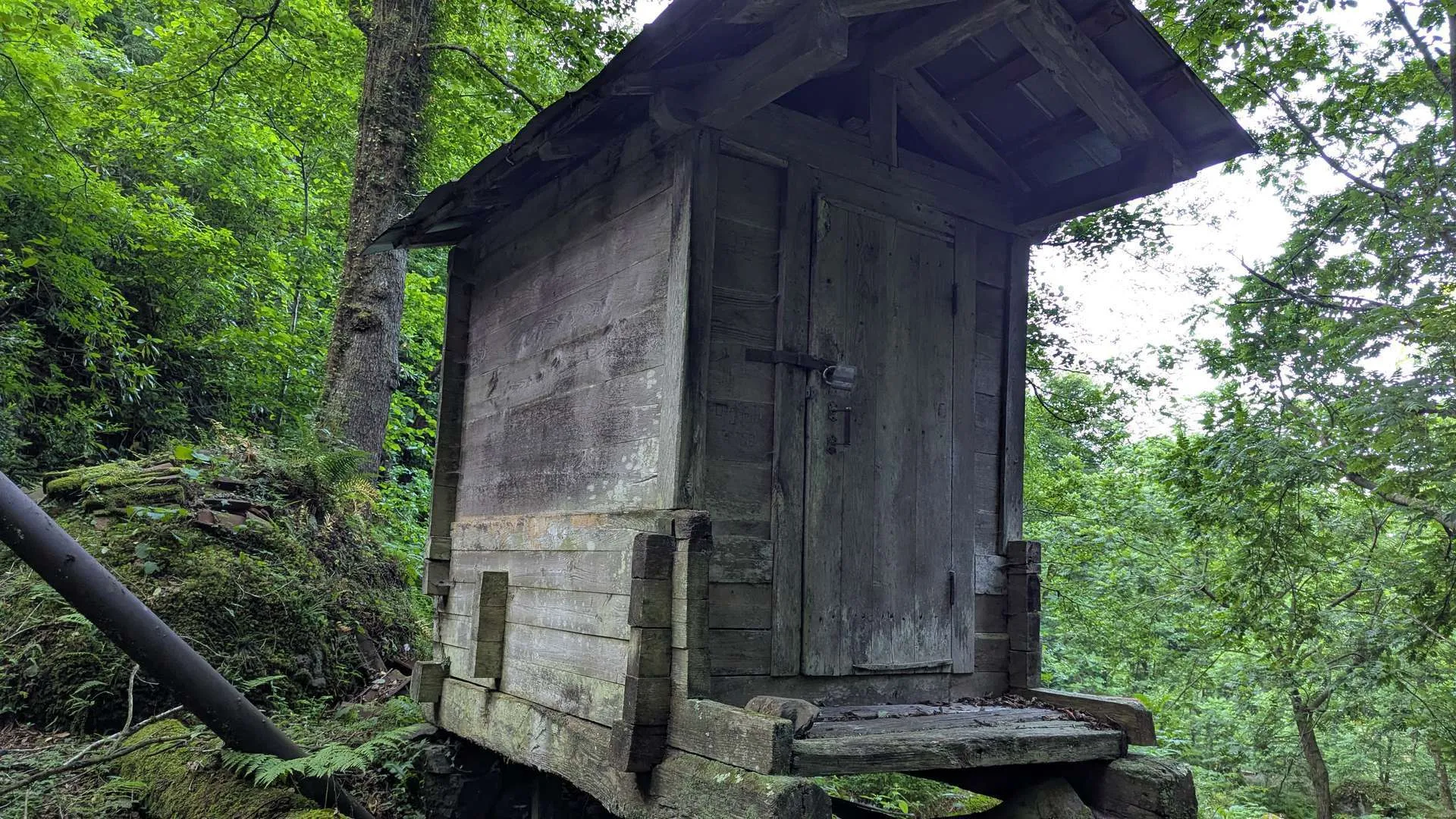
There are no ticket booths or paid viewpoints. What there is: wooden bridges over streams, moss-covered rocks, old water mills and several spots to swim in mountain water. The village is small; the tourist infrastructure consists of an open-air ethnography museum and Uncle Zurab's wine cellar.
💧 Kapnistavi Waterfalls: names, routes and what to see first
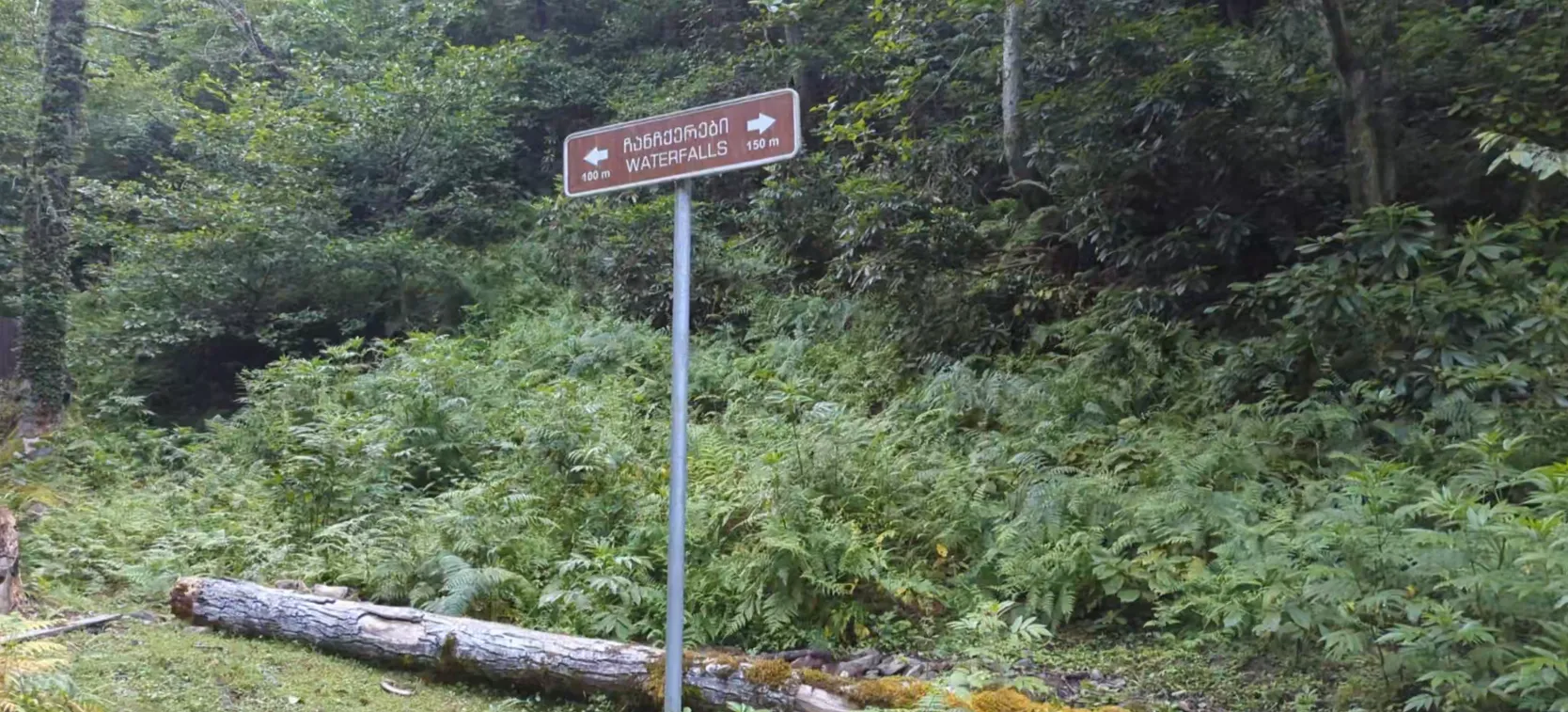
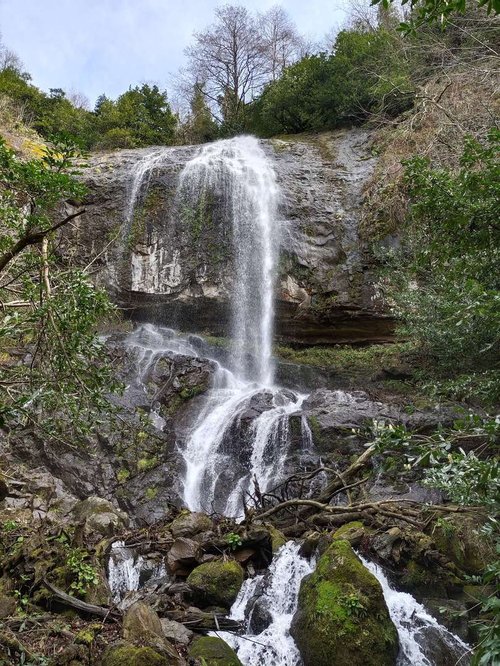
Kapnistavi is often called the village of seven waterfalls, but on site it does not feel like a single park with signs and numbered cascades. Some waterfalls have separate names and pages, while others are described by locals according to their location: lower, upper, near the mill, hidden or hard to reach. That is why it is better not to chase “all seven” at any cost, but to understand which points really fit into the route and how they differ.
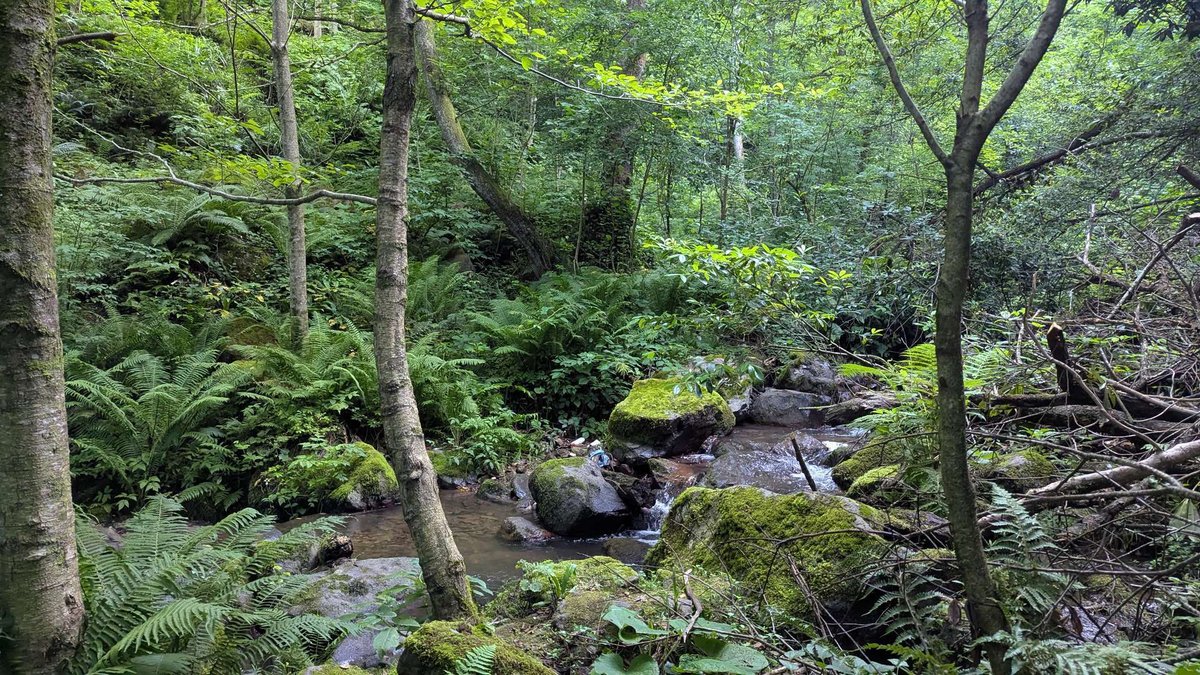
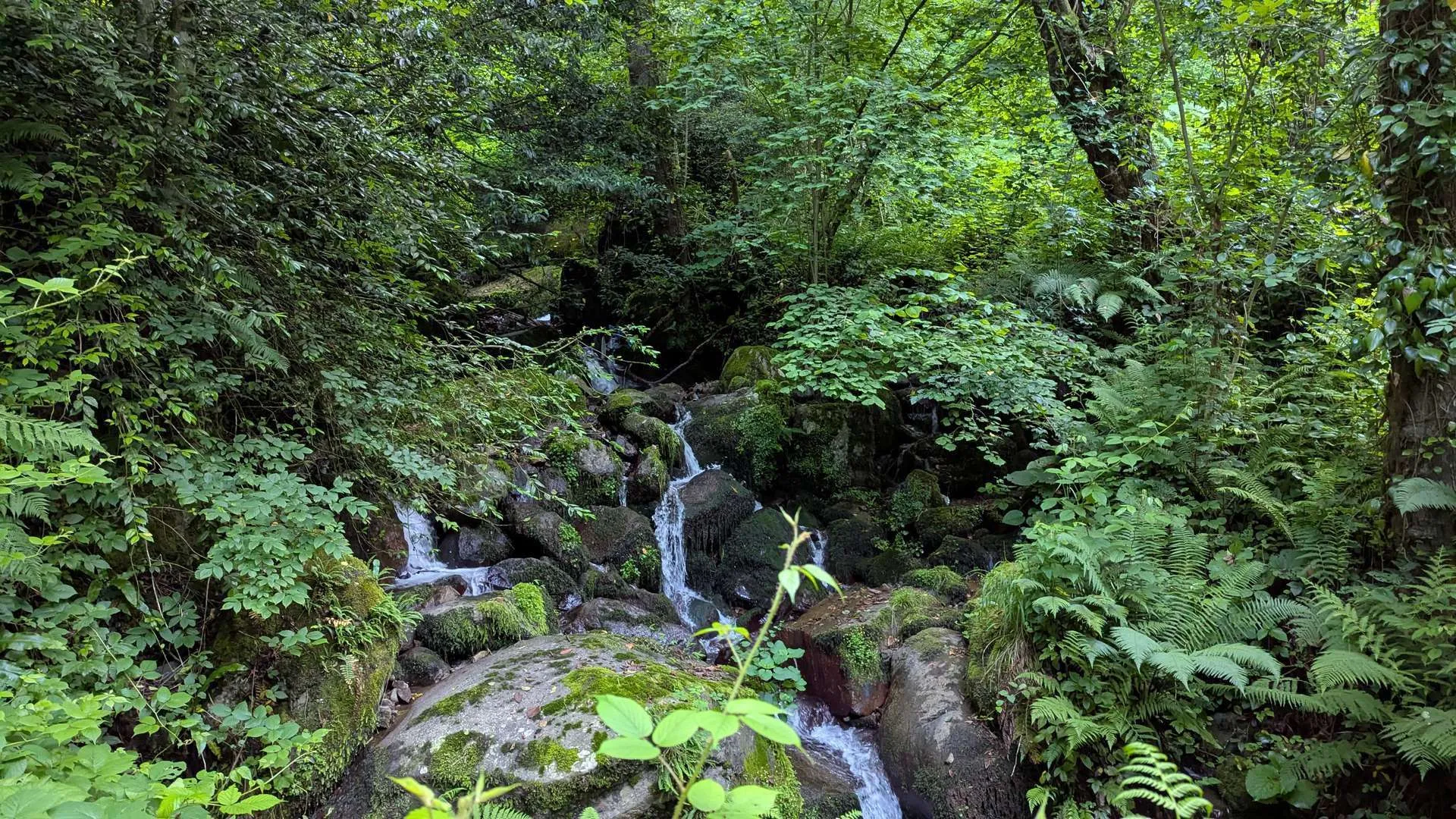
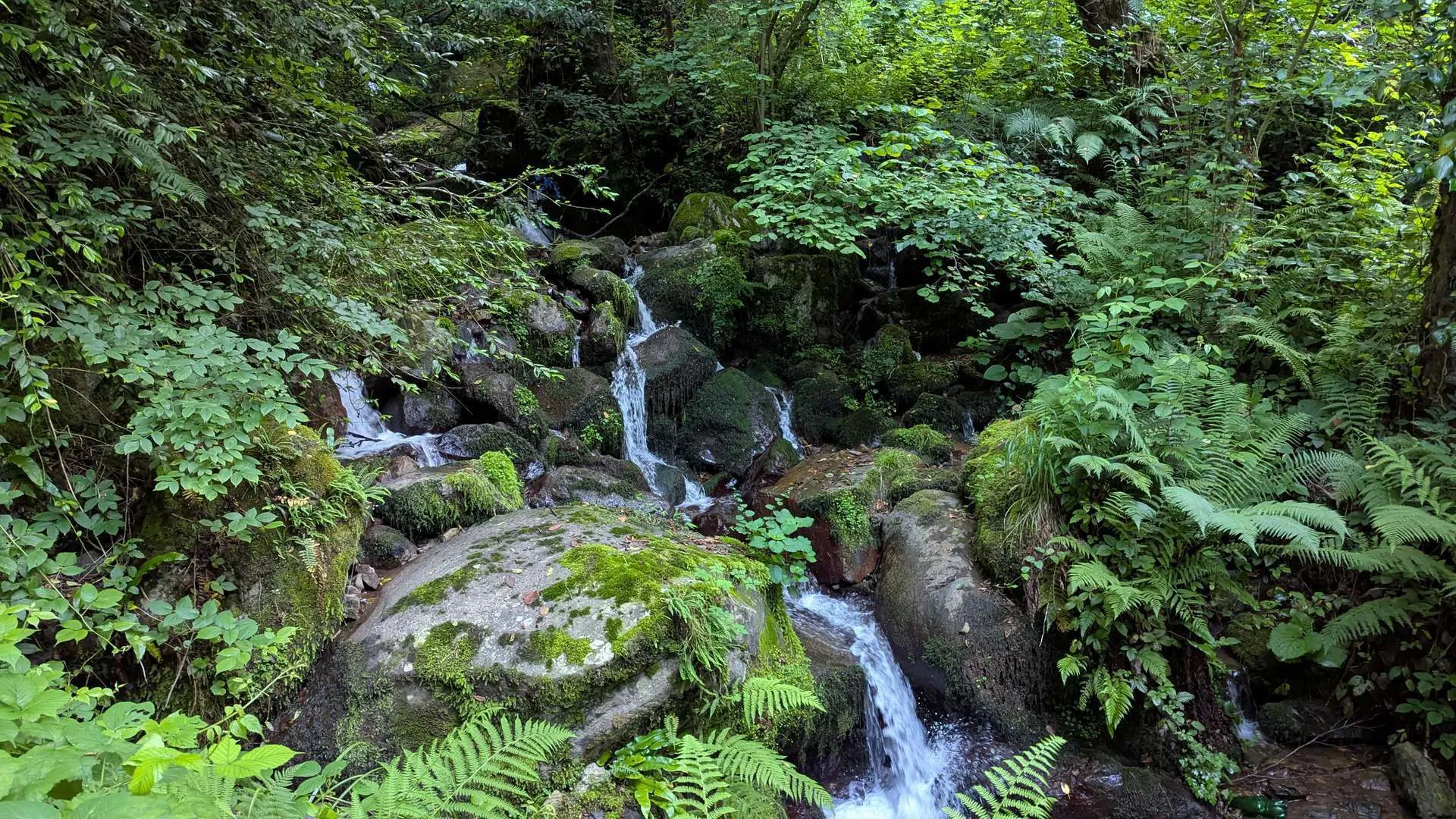
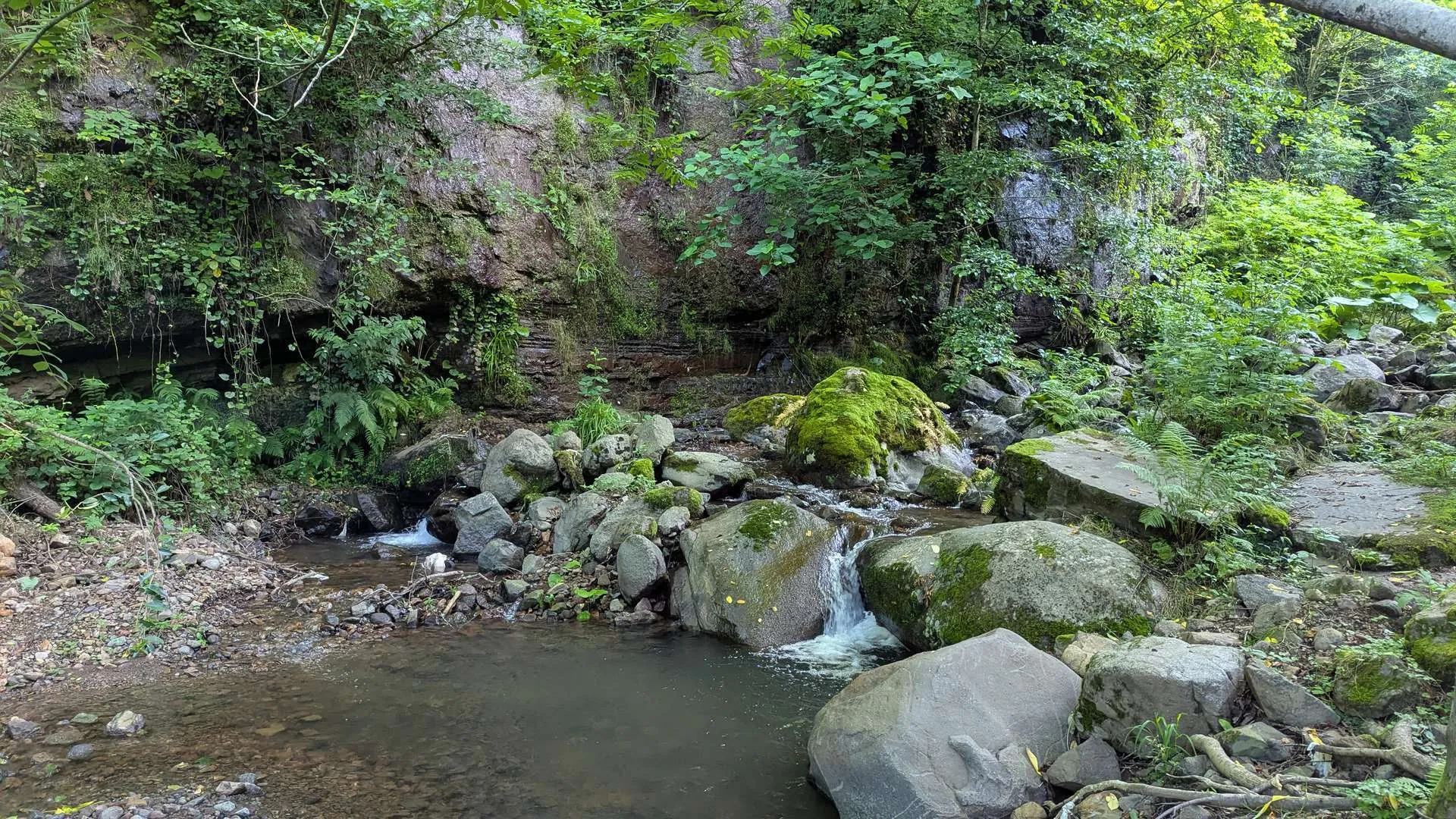
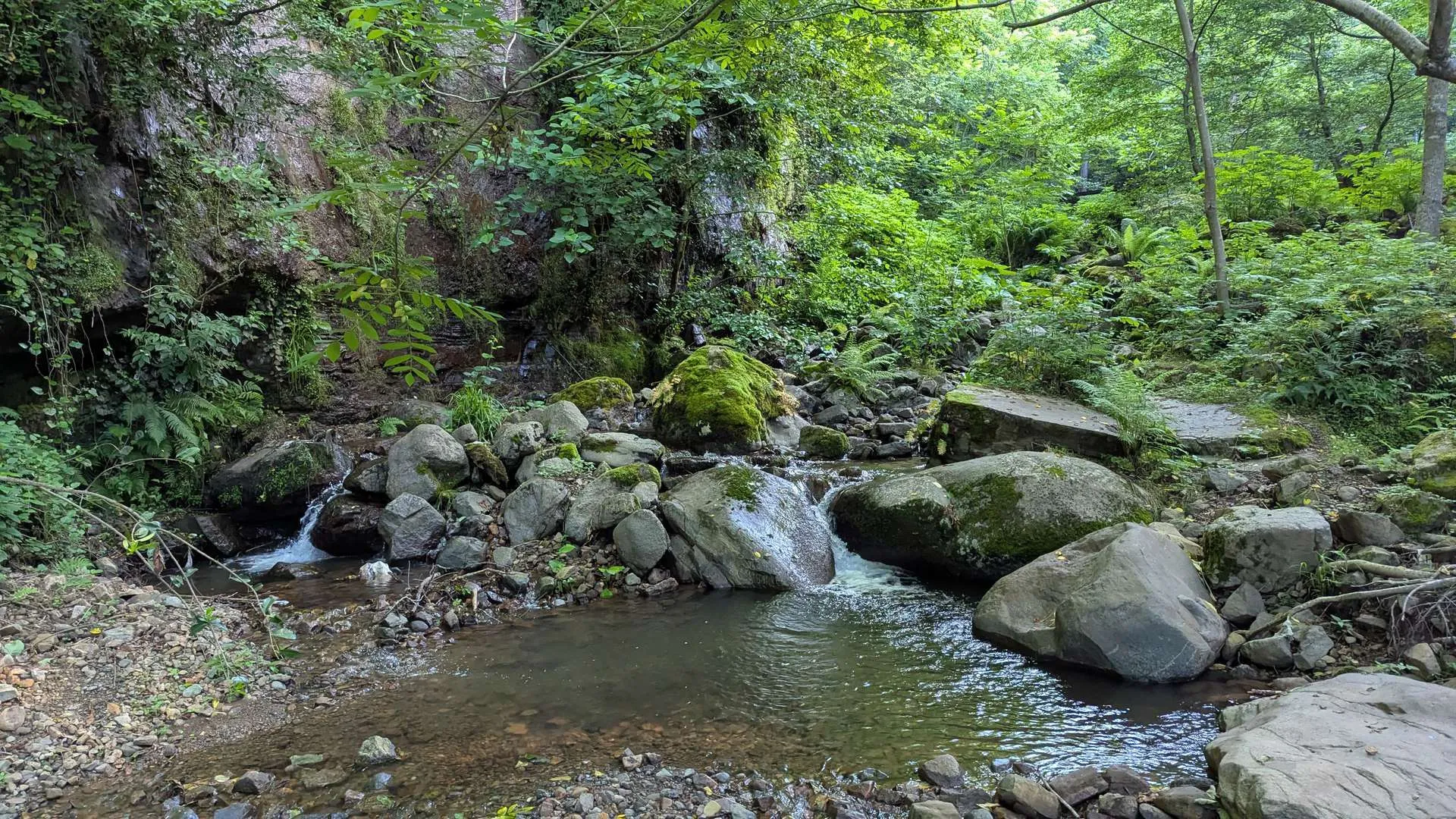
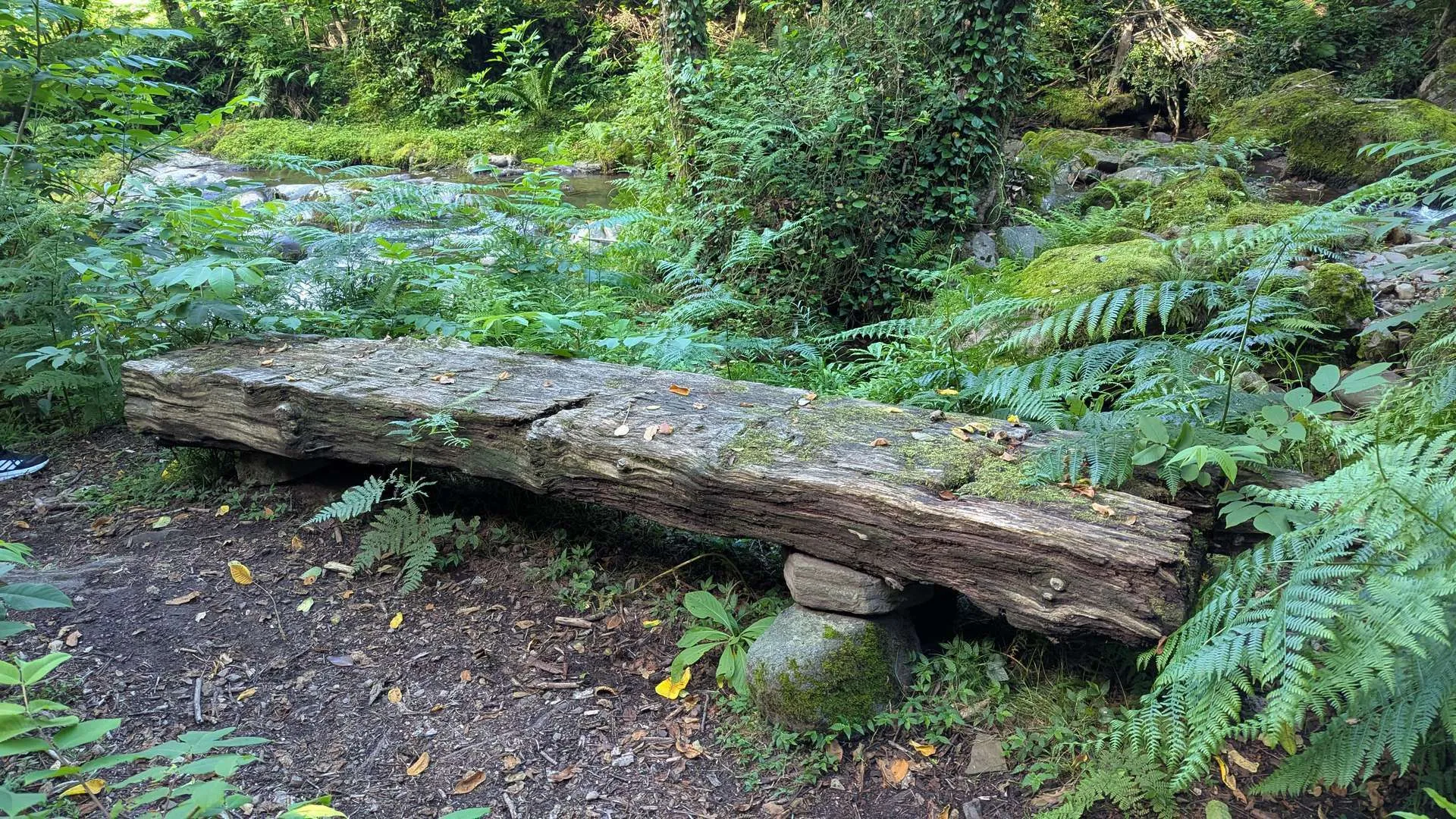
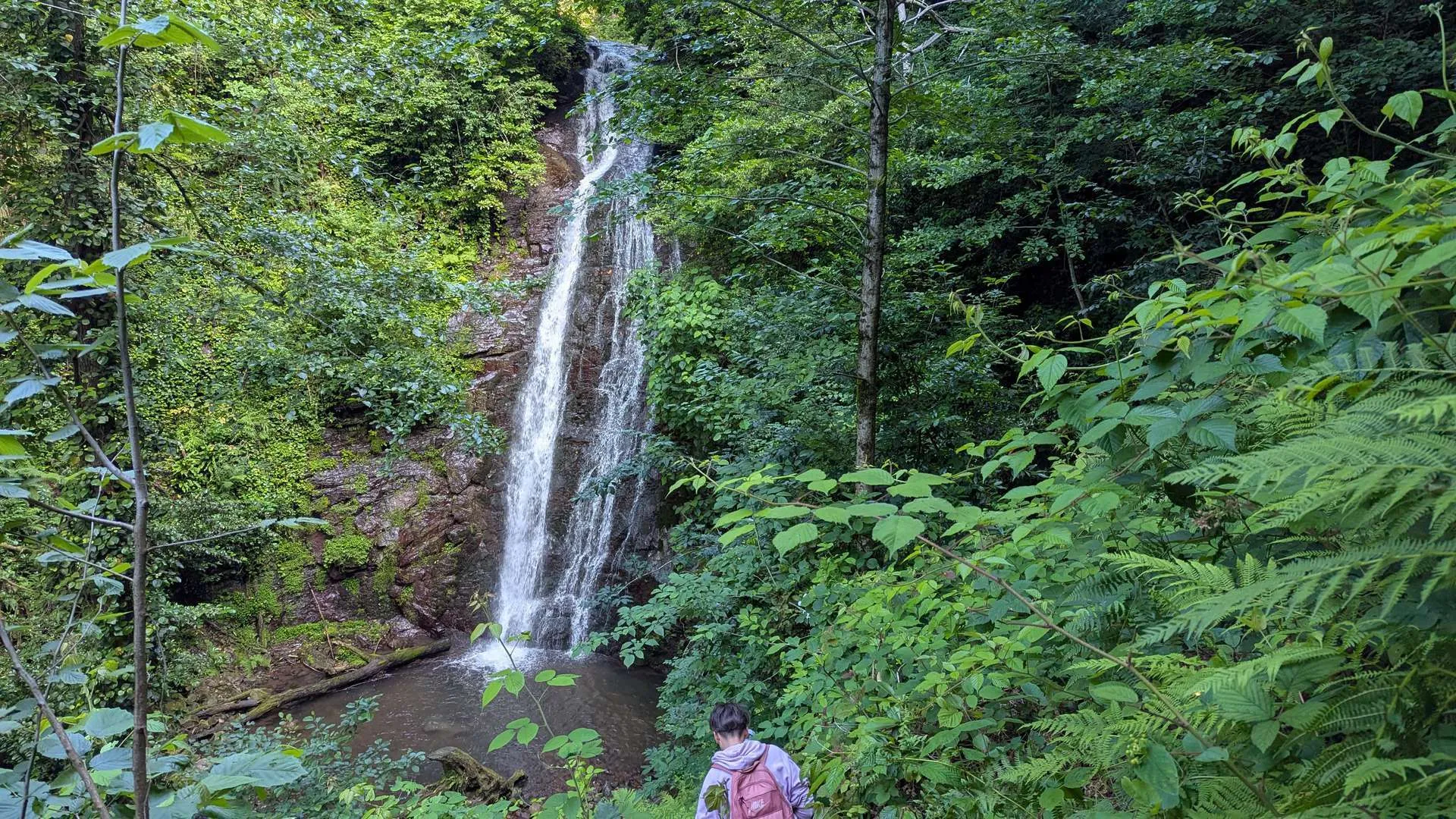
The main landmark for a first walk is Kapnistavi Waterfalls. This is the lower part of the valley, where visitors usually go from the village, the museum and the picnic areas. Here it is easiest to understand why Kapnistavi is called the village of waterfalls: greenery, streams, bridges, benches, old mill wheels and several cascades stand close to the trail. Choose this section if you are visiting for the first time, traveling with children or do not want to climb over wet stones.
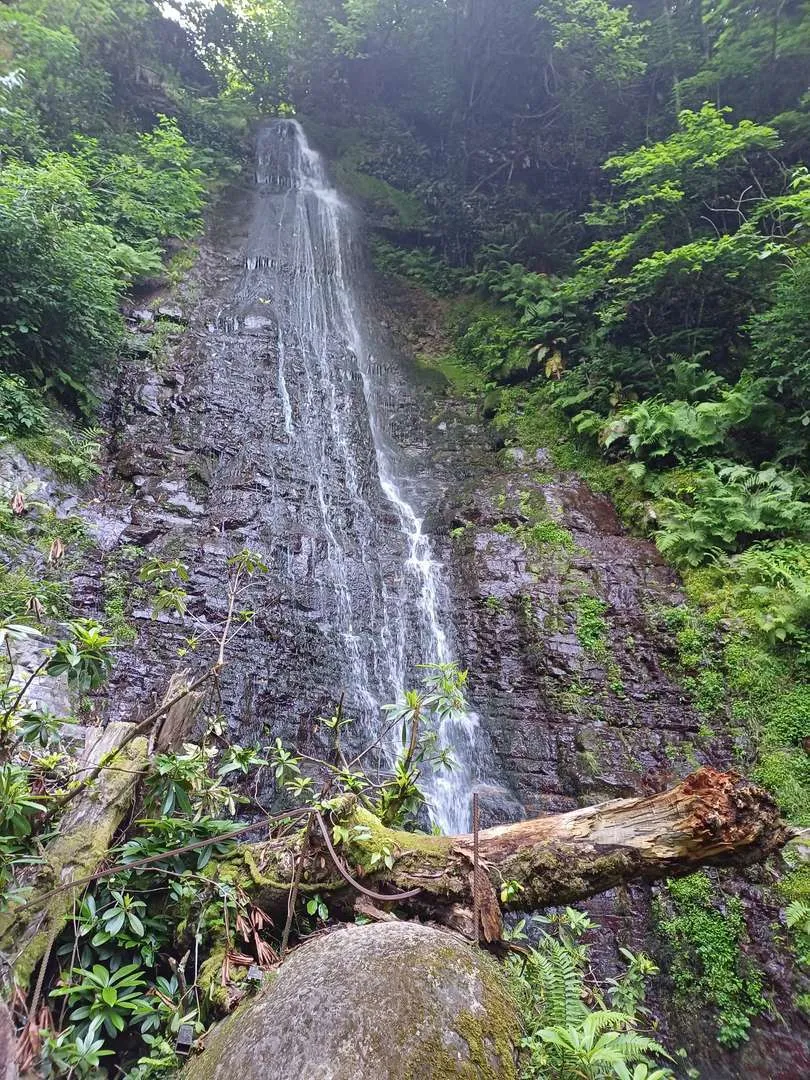
From the lower route, you can turn toward Cat Waterfall. This is not just a “small cascade”, but a separate location with its own name. The trail passes through stones and greenery, and in places feels wilder than the main route. Cat Waterfall is worth adding if you want to move a little away from the developed area and see a more secluded corner. Be careful if you look from above: wet stones quickly become slippery. If the path is safe, it is better to go lower and view the waterfall from below.
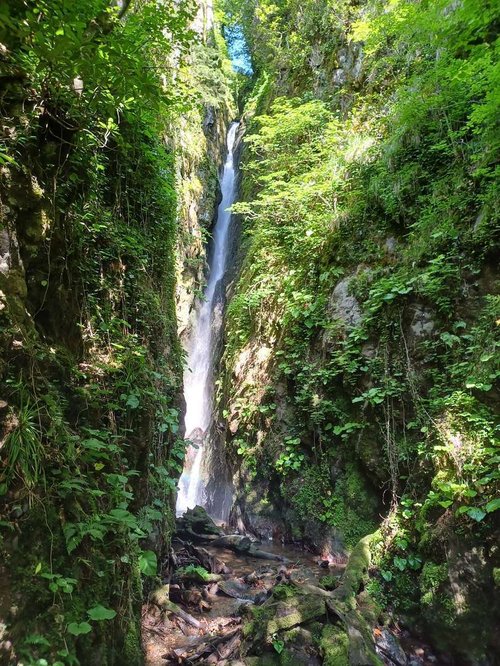
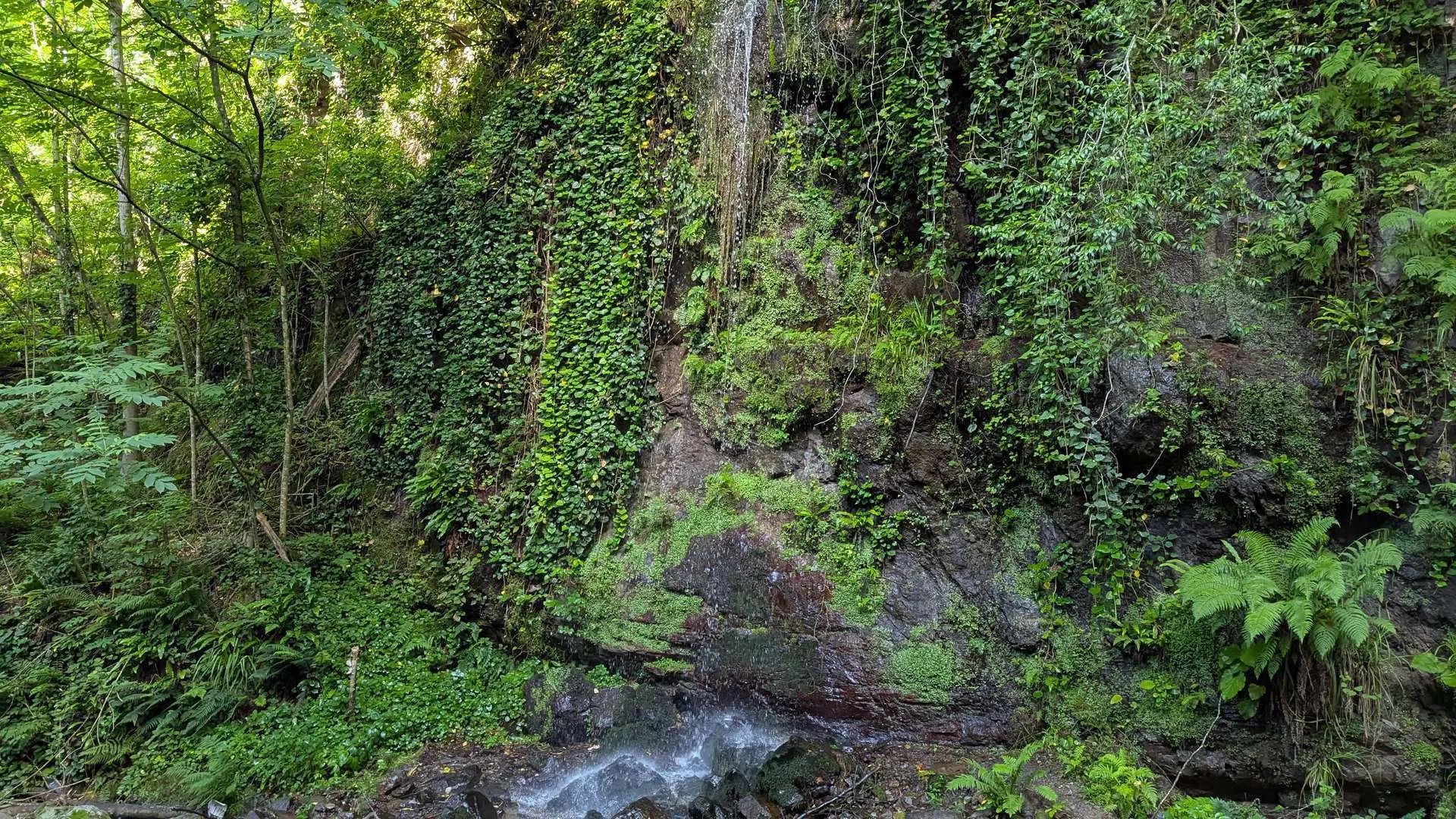
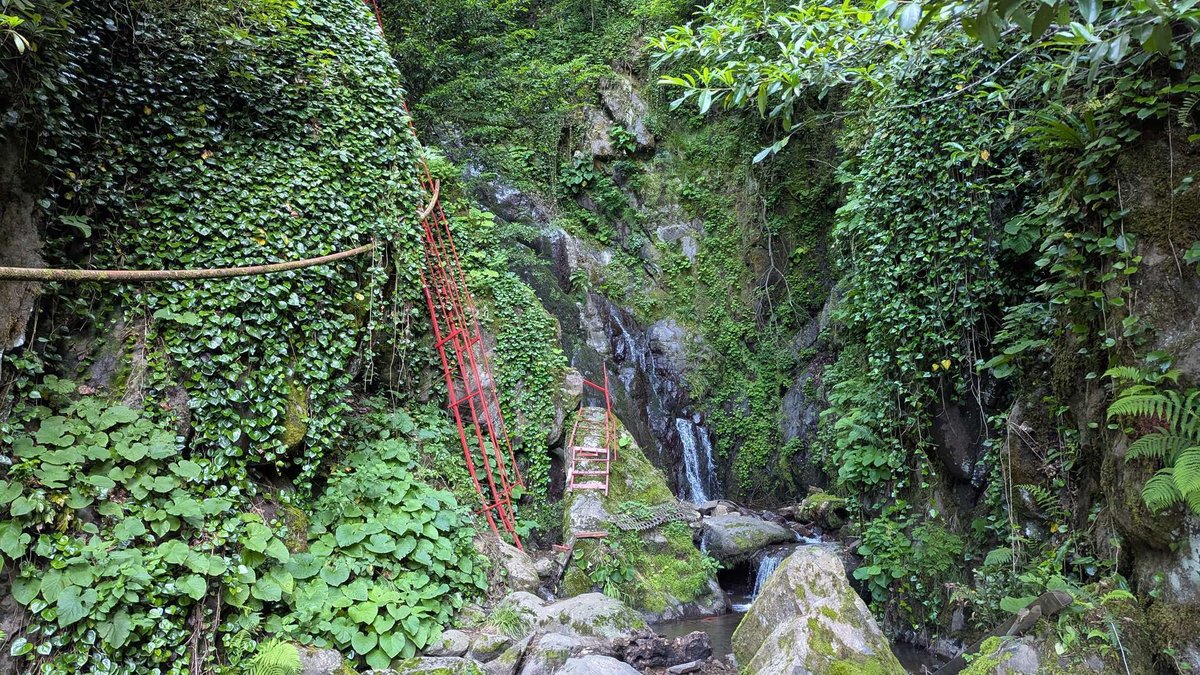
Another separate point is Skala Waterfall. It is located in Kapnistavi village, but the route feels more demanding: not an easy walk along bridges, but a wet trail, mossy rocks, vines and a wilder approach. Skala Waterfall is for those who are ready for a short but intense section. Do not go there in flip-flops, after rain or without enough time.
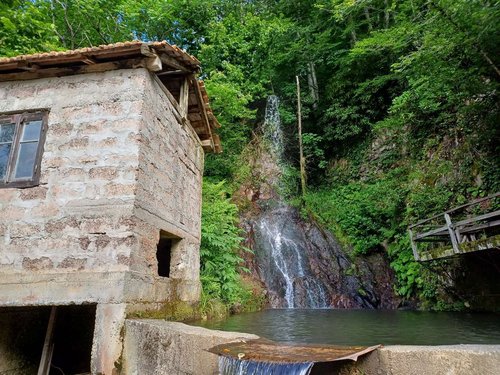
The artificial waterfall in Kapnistavi stands separately. It should not be mixed with the natural cascades: it was created by people, but fits well into the village route. Water falls from a narrow rocky opening into a small pool and then flows down the steps. Nearby there are wooden railings, bridges and paths to other points. This is a convenient stop for photos, a picnic and a short break, especially if you are walking uphill from the museum.
It is convenient to start the walk from the open-air museum in Kapnistavi village. Near it, it is easier to get oriented, leave the car, fill up with water and decide which direction to take. To the right, visitors usually go toward the waterfalls of the lower part and Cat Waterfall. To the left and higher up the road, they go toward the artificial waterfall, the old mill, village views and more difficult points such as Skala.
The upper waterfall is often described separately from the lower valley. To reach it, you need to go higher through the village and then walk along a wetter and narrower section. This point may not have the same simple navigation as the lower cascades, so it is better to ask for directions on site or go with someone who has already been to Kapnistavi.
Hidden waterfalls, including the hard-to-reach cascade called მიუდგომელი in Georgian descriptions, should not be searched for at random. This is not a casual “on the way” walk, but an additional route for those who understand the trail, the weather and the way back. If you are visiting for the first time, it is safer to stay with the lower waterfalls, Cat Waterfall, the artificial waterfall and, with good shoes, Skala Waterfall.
This way, Kapnistavi opens up not as one point on the map, but as a small system of routes. For a calm first visit, the lower Kapnistavi Waterfalls and the museum area are enough. For a more active walk, add Cat Waterfall. For photos and an easy stop, choose the artificial waterfall. For those who want a wilder route, leave Skala Waterfall for last.
🚗 Getting there from Batumi
By car or taxi: 26 km on the Batumi-Keda road: 25-30 minutes on mountain tarmac throughout. GPS coordinates for the car park: 41.558, 41.743. Navigation apps sometimes do not recognise the village by name , save the coordinates offline before leaving.
By minibus: Minibus 77 from Batumi bus station (Mayakovsky Street 1) to the "Adjaristskali" stop, then 2.5 km on foot following the signs. About 40 minutes riding. Check the return schedule before you go: afternoon departures can be infrequent.
As part of a longer day: Kapnistavi fits naturally into a one-day route from Batumi alongside Kibura Waterfall, fortresses and suspension bridges.
🥾 The village trail: what to see and in what order
One-day route through Kapnistavi
🎒 What to bring
🏛️ The museum and wine: everything else in the village
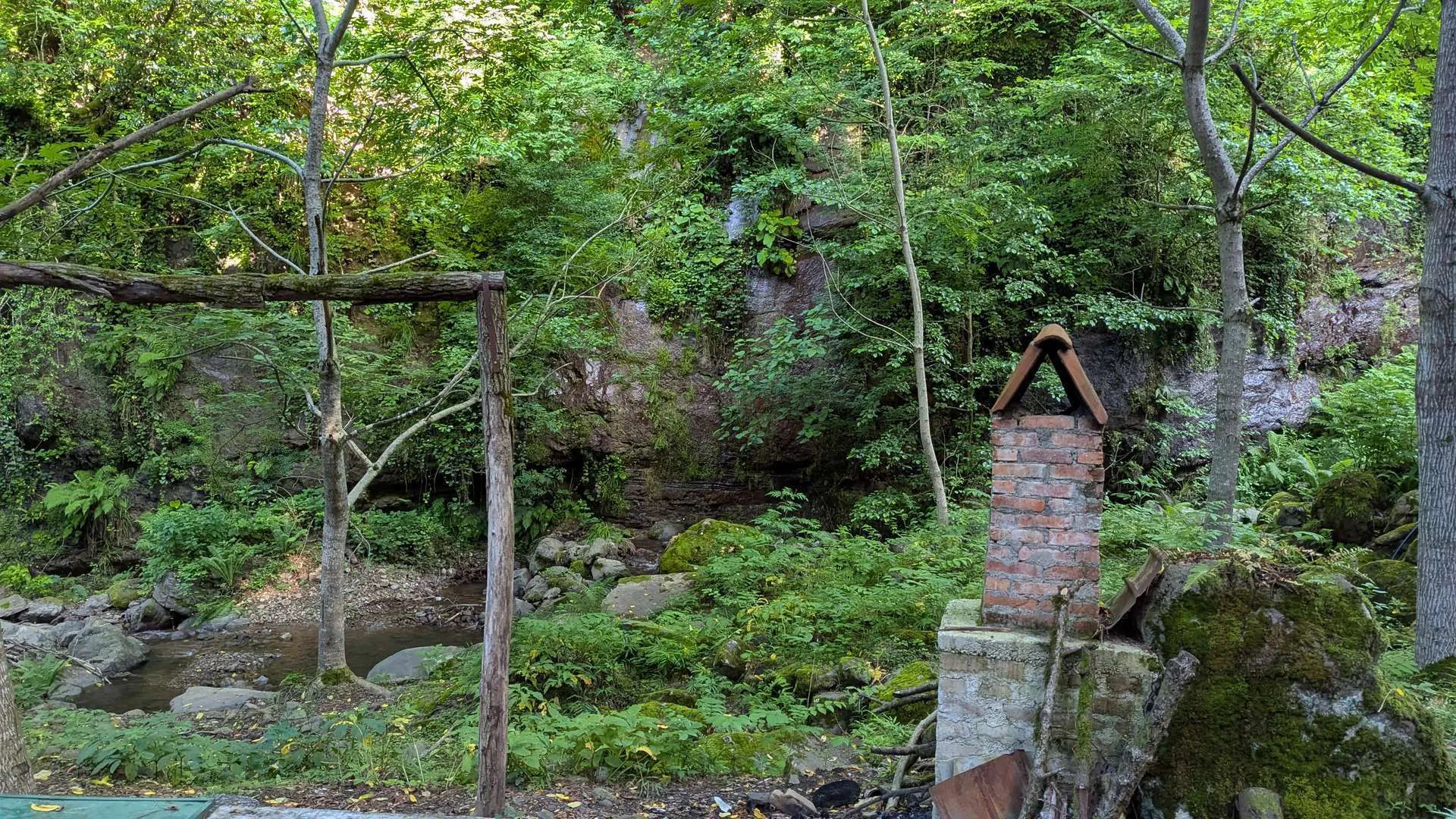
Kapnistavi is not only waterfalls. In the centre of the village there is a small open-air museum with items from traditional peasant life: old water mills, tools, household objects. Nothing has been restored or staged; it is simply collected and laid out under open sky. Free to enter, takes about half an hour.
Uncle Zurab is the cellar keeper and, effectively, the village's main host for visitors. He makes wine from local grapes and offers tastings without pressure to buy. A few families in the village also offer food: trout from the mountain river, bread, cheese. It is a home table, not a restaurant, and it runs mainly in summer.
🌿 The forest and surroundings
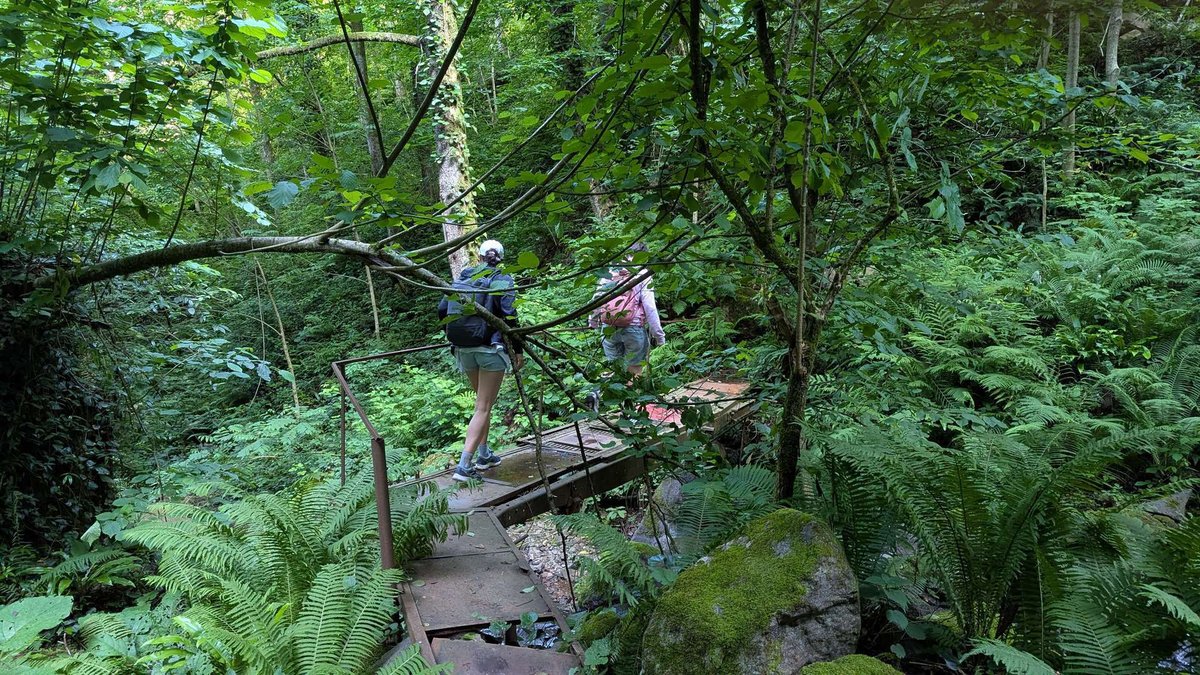
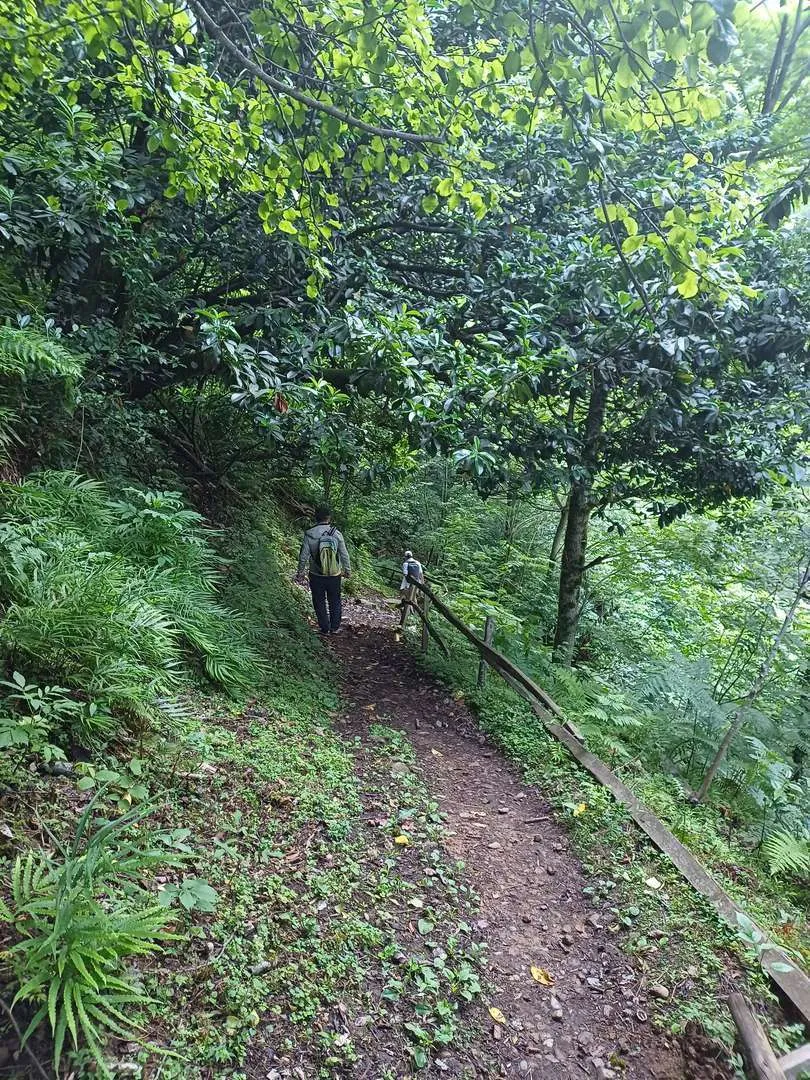
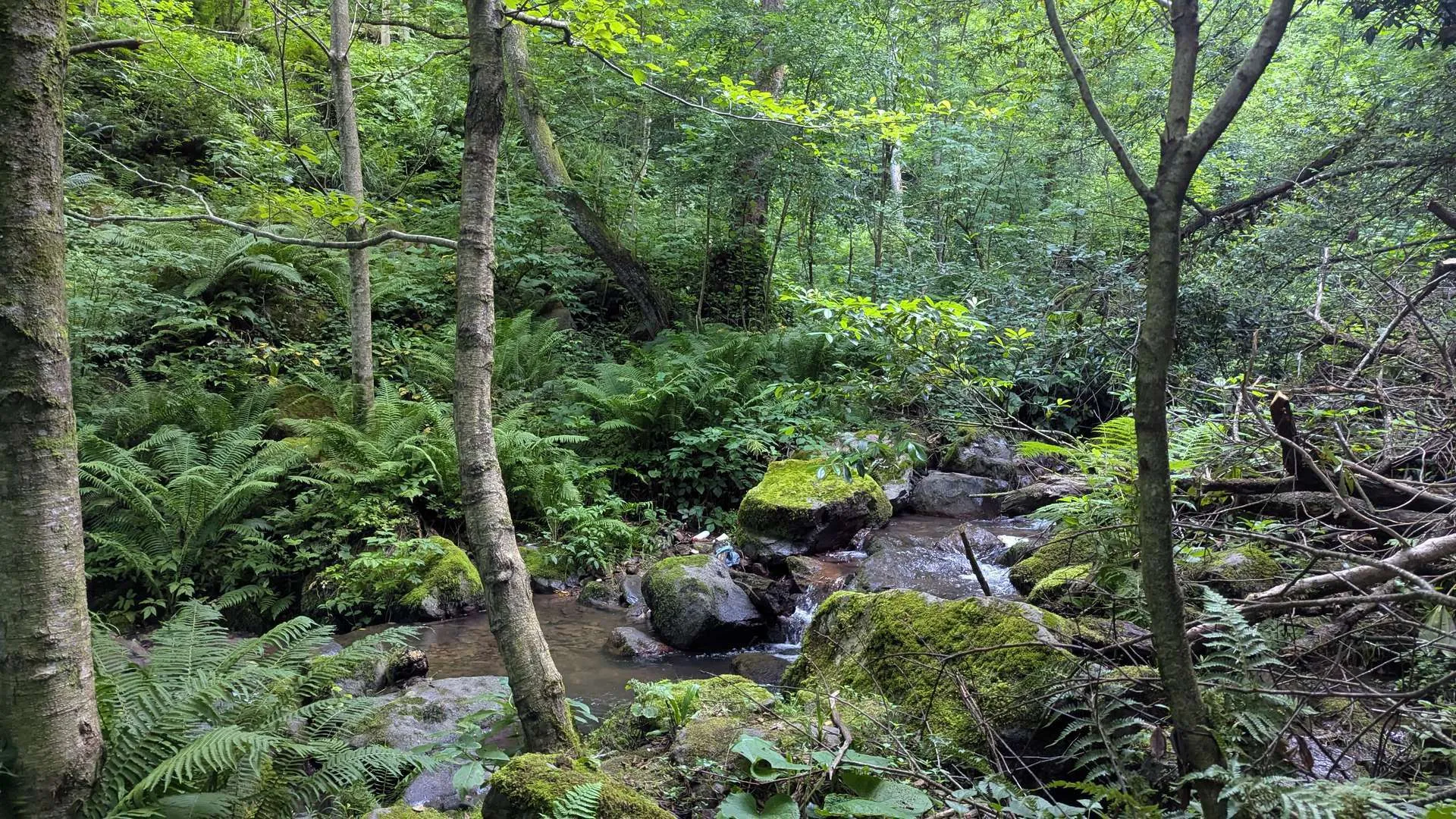
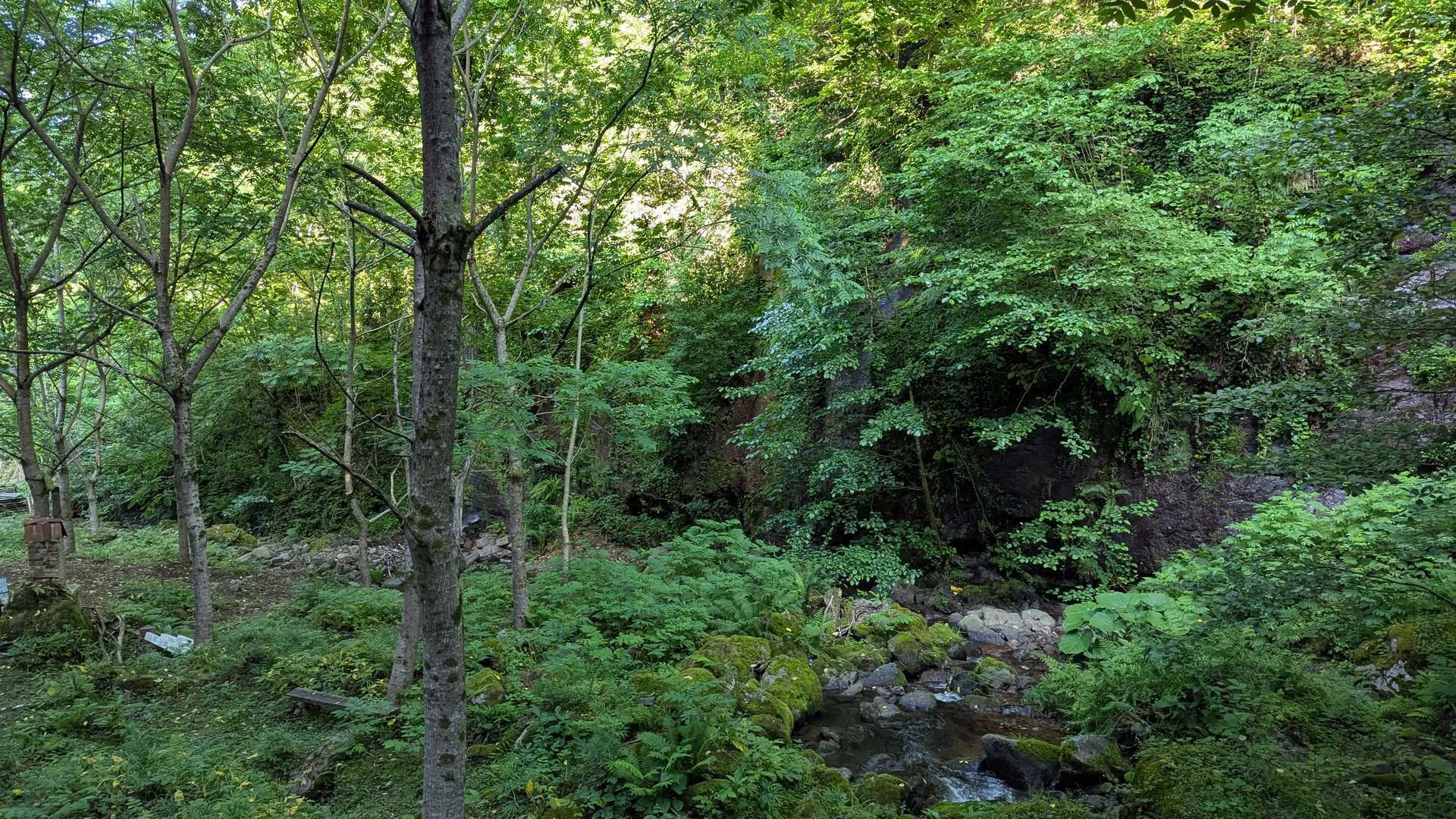
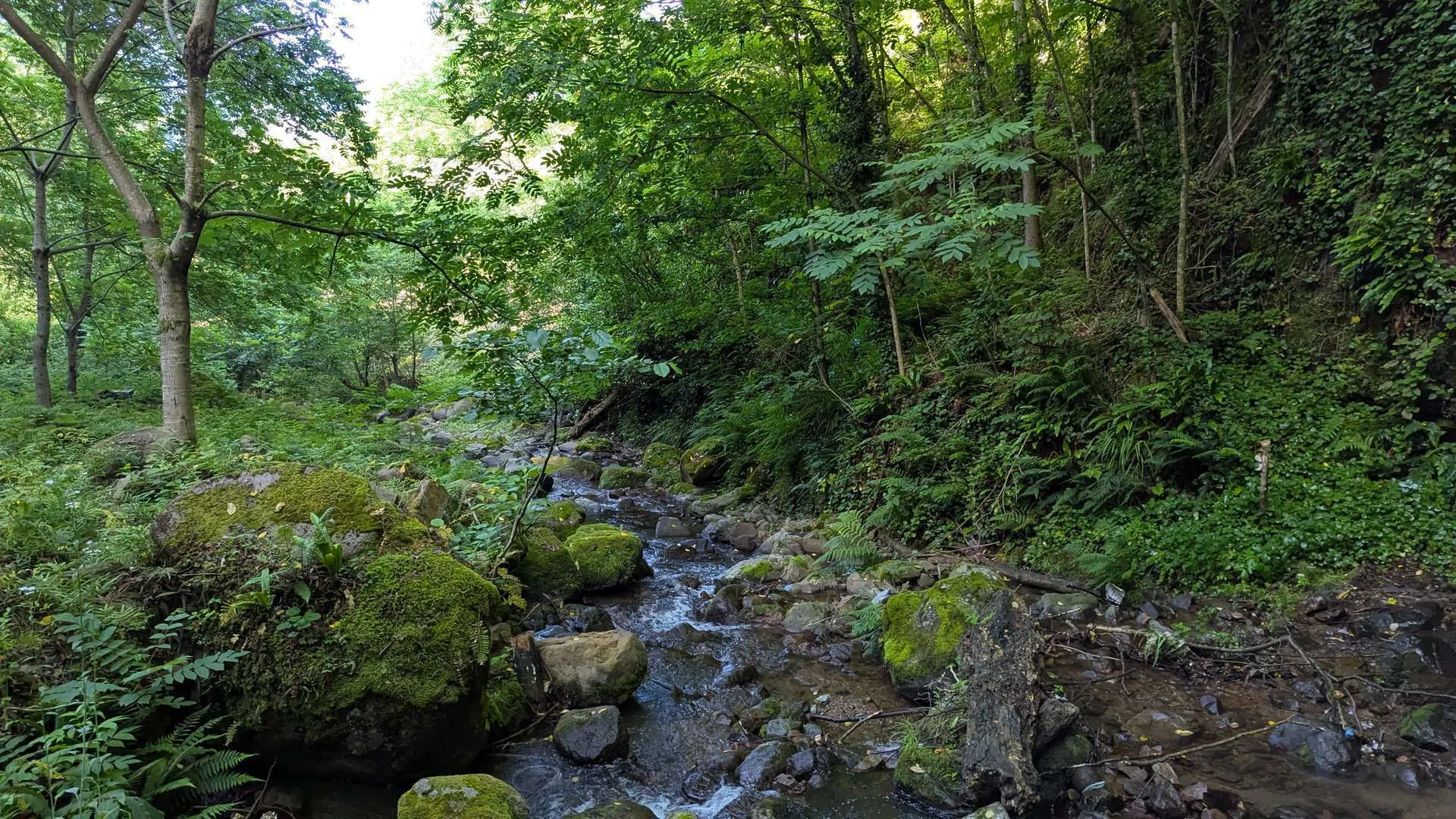
The trail runs through Colchic relict forest: a forest type existing in nearly unchanged form for millions of years. Box trees, chestnuts, human-height ferns, moss everywhere. After rain the smell is specific: wet earth, resin, water. Wooden bridges over the streams, some noticeably flexible. After heavy rain, care is needed on wet rocks.
What visitors say
From the madloba catalogue card · rated 5.0/5
Three beautiful waterfalls in the valley, signs showing the way, peaceful when we visited. Nobody else around. Really enjoyed the quiet.
Great spot! A couple more lovely waterfalls nearby. The host of the museum and wine house Zurab is genuinely warm and hospitable. Will definitely return.
Want wild Adjarian waterfalls? Come here. Several impressive ones together. The most powerful is up the road above the village: narrow and beautiful gorge.
🗺️ What to combine Kapnistavi with
The waterfalls work well as part of a full mountain day. The most logical option: start at Kibura Waterfall, which sits right on the Keda road about 20 km from Batumi, then continue to Kapnistavi. On the way back you can stop at Mirveti Waterfall or Gvara Fortress. If you are looking for another "wild" Adjara waterfall, the Jocho Waterfall (ჯოჭო) has a grotto behind the curtain of water and an 11 km loop trail to a hilltop viewpoint.
For a ready-made itinerary with a map and transport options, the madloba blog has a detailed one-day route from Batumi covering waterfalls, fortresses and suspension bridges in one circuit.
💡 Practical tips
Over to you
Have you been to Kapnistavi? Tell us in the comments: how many waterfalls you found, whether you swam, and whether you located any of the hidden ones. That last detail is exactly what first-time visitors need. 💧
Information is accurate as of 16 June 2026. Minibus 77 schedules and Zurab's cellar hours: confirm locally before travelling.

2 comments
Log in to leave a comment