



💧 Jocho Waterfall (ჯოჭო) in Adjara: Trail to Zemo Jocho, Getting There from Batumi and Honest Advice
Is Jocho Waterfall worth the trip?
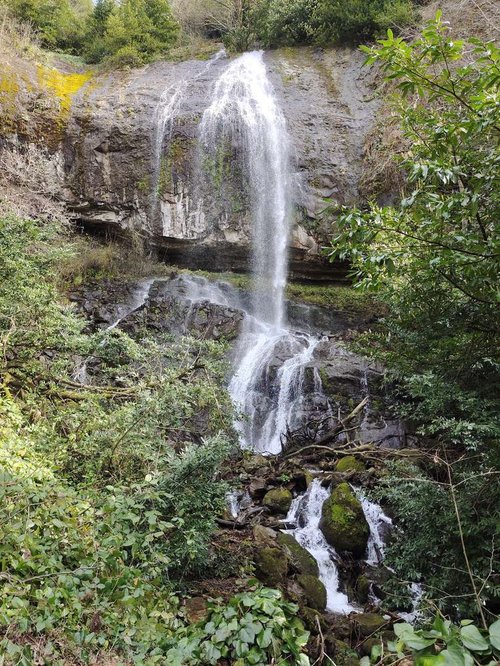
The same waterfall appears under several names in English searches: Jocho Waterfall, Jojo Waterfall, ჯოჭო, ზემო ჯოჭო. All of these point to the same place in Adjara, a wild waterfall near the villages of Jocho and Zemo Jocho in Khelvachauri Municipality. The madloba catalogue card for this spot is listed exactly here.
This is not a waterfall you reach from a parking lot in two minutes. There is no smooth paved path, no café at the top, and signs pointing the way are sparse at best. What it does have: dense Colchic forest, humid air, a stream, slippery stones, a short climb, and the feeling that the place has not yet been absorbed into mass tourism. The main draw is a grotto cut into the rock beneath the overhang, where the water falls as a curtain directly in front of you and you can stand inside it almost dry.
Come here if you like raw nature and do not mind a bit of navigation. If you want a clear path without mud, wet rocks and the occasional "did we take a wrong turn?", a better-organised waterfall or the Botanical Garden will serve you more comfortably.
🧭 Getting the name right
The Georgian name is written ჯოჭო, which transliterates roughly as "Jocho." The variant "Jojo" is common in English searches and both names refer to the same place.
Zemo Jocho (ზემო ჯოჭო) means Upper Jocho. It is the name of the village where the trail begins and also the name of a hilltop viewpoint on the longer loop hike. Kvemo Jocho (ქვემო ჯოჭო) is Lower Jocho, a separate village slightly further down the valley. Both names matter because GPS devices and map apps can pull up different pins in this area, so it is worth saving both spellings before you leave.
For navigation, searching ზემო ჯოჭო in Google Maps or Yandex Maps is more reliable than searching for "Jocho Waterfall" in English, since the village pin is more consistently placed.
📍 Where Jocho Falls is located
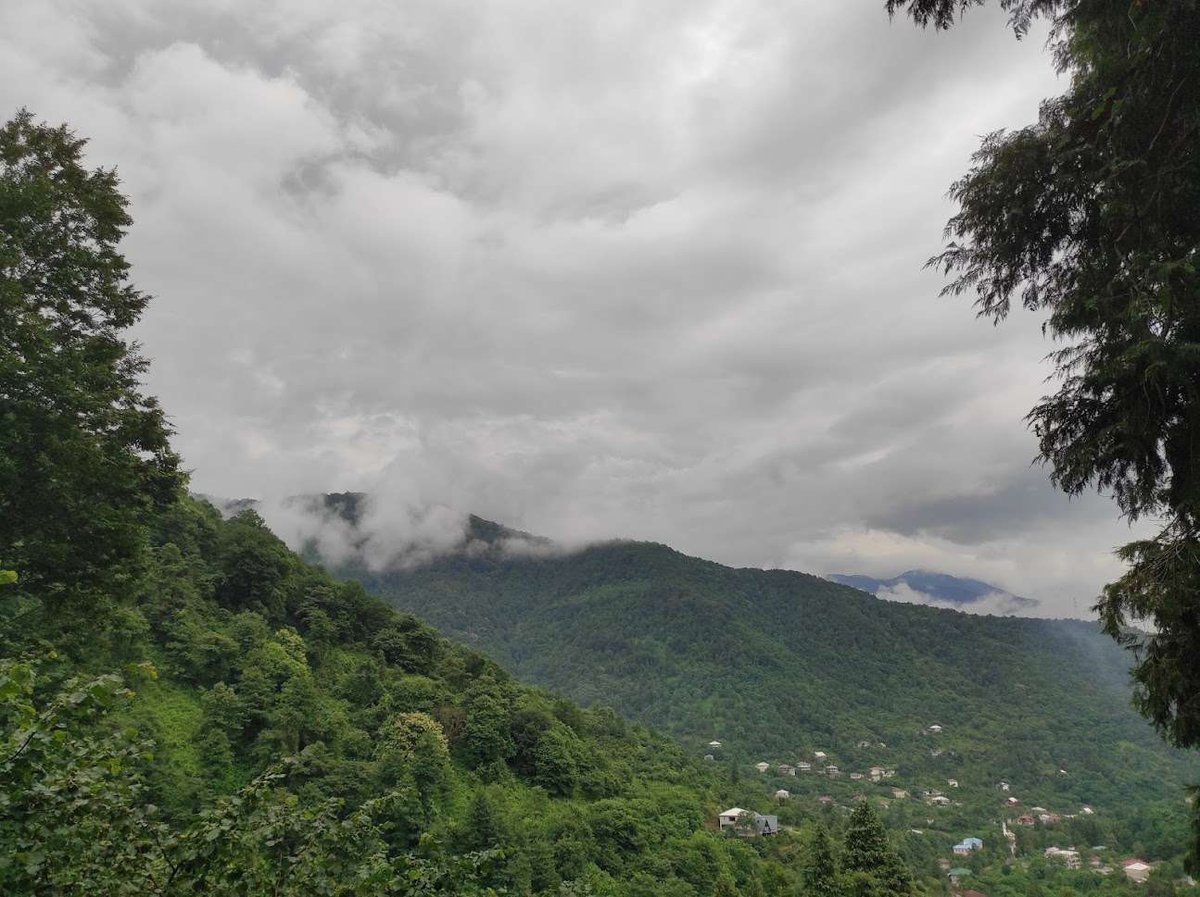
Jocho belongs to Khelvachauri Municipality in Georgia's Adjara region. The villages of Upper and Lower Jocho sit along the Jochostsqali River, a right tributary of the Chorokhi. Adjara, in the southwest corner of Georgia on the Black Sea coast, is known for its lush subtropical forests and numerous waterfalls. Among the other natural attractions of Adjara, Jocho stands out precisely because it has not been developed for mass tourism.
The target GPS point: 41.5802°N, 41.7178°E. Do not expect a navigation app to guide you all the way to the water's edge. The final stretch changes after heavy rain, after repair work in the village, and depending on which path locals currently consider open.
🚗 Getting there from Batumi
By car or taxi is the most practical approach. The drive from central Batumi to the Zemo Jocho area is about 25-35 km by mountain road, taking roughly 40-50 minutes. Show the driver the destination on a map and make clear you want the approach to the waterfall, not just the village itself. If you take a taxi, arrange for the driver to wait or work out a return plan before arriving: catching a cab at the waterfall itself is difficult.
Public transport is possible in theory but awkward in practice. Marshrutkas run toward Khelvachauri and the nearby settlements, but the last leg still requires walking and asking for directions. For a first visit, a car, taxi, or a guided day-trip with someone who knows the trail is considerably simpler.
The walking section from the village is short but not easy. Accounts from 2026 describe it as a climb along narrow, wet paths taking roughly 10-20 minutes. It is slippery underfoot, muddy after rain, and not clearly marked.
Getting to the waterfall in 4 steps
🌿 What you will find there
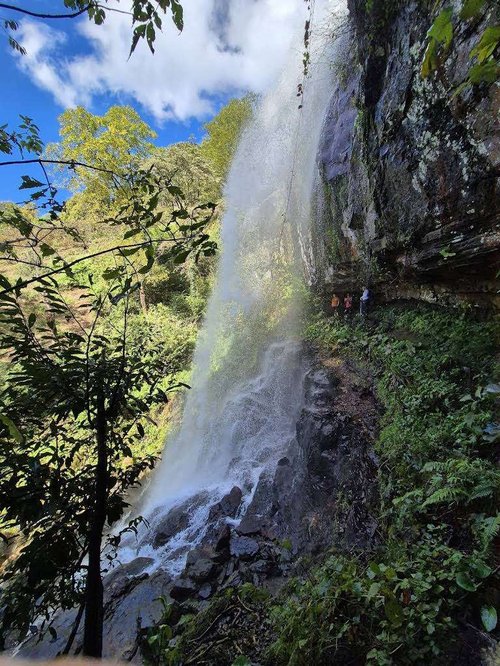
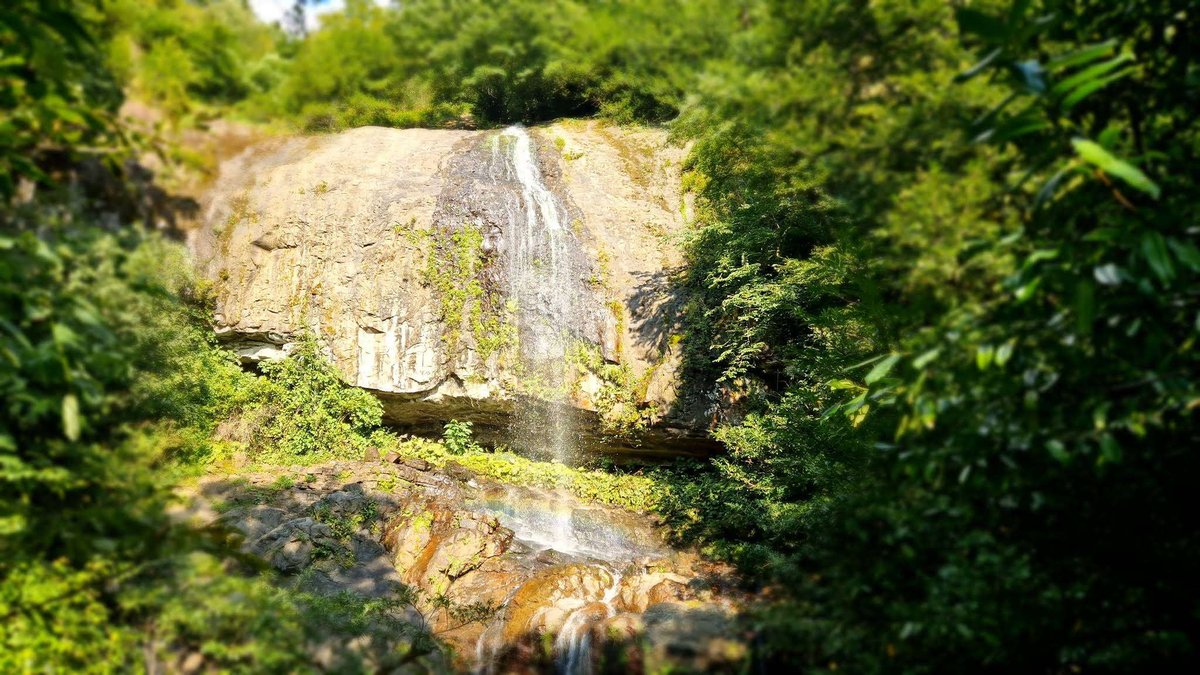
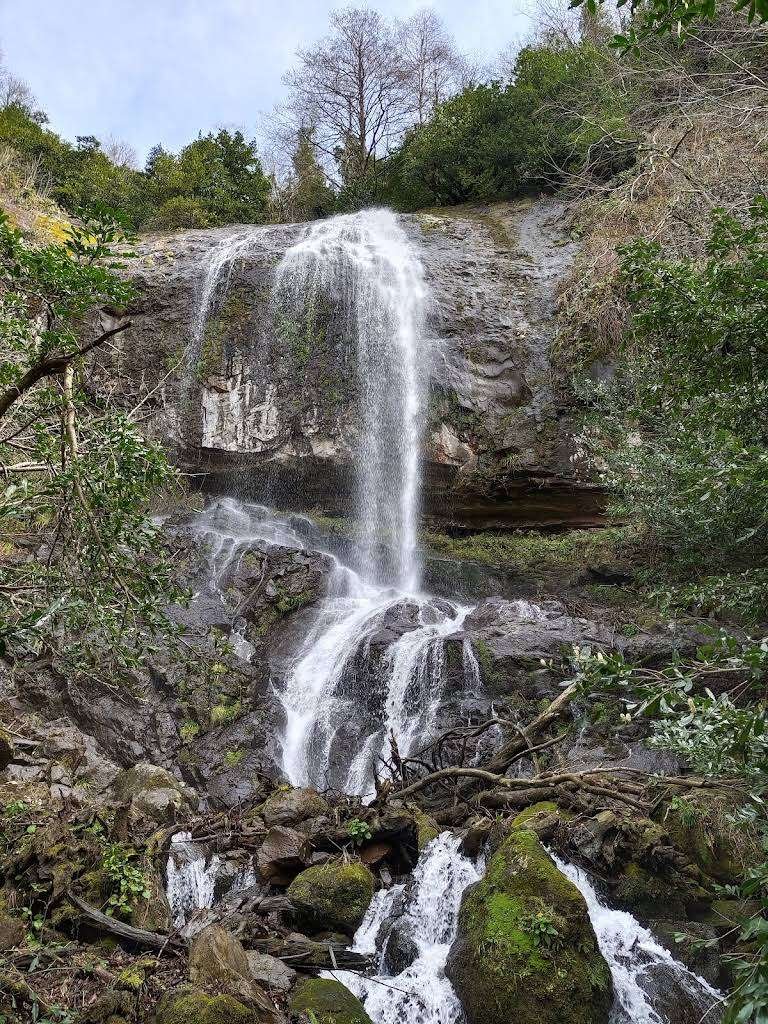
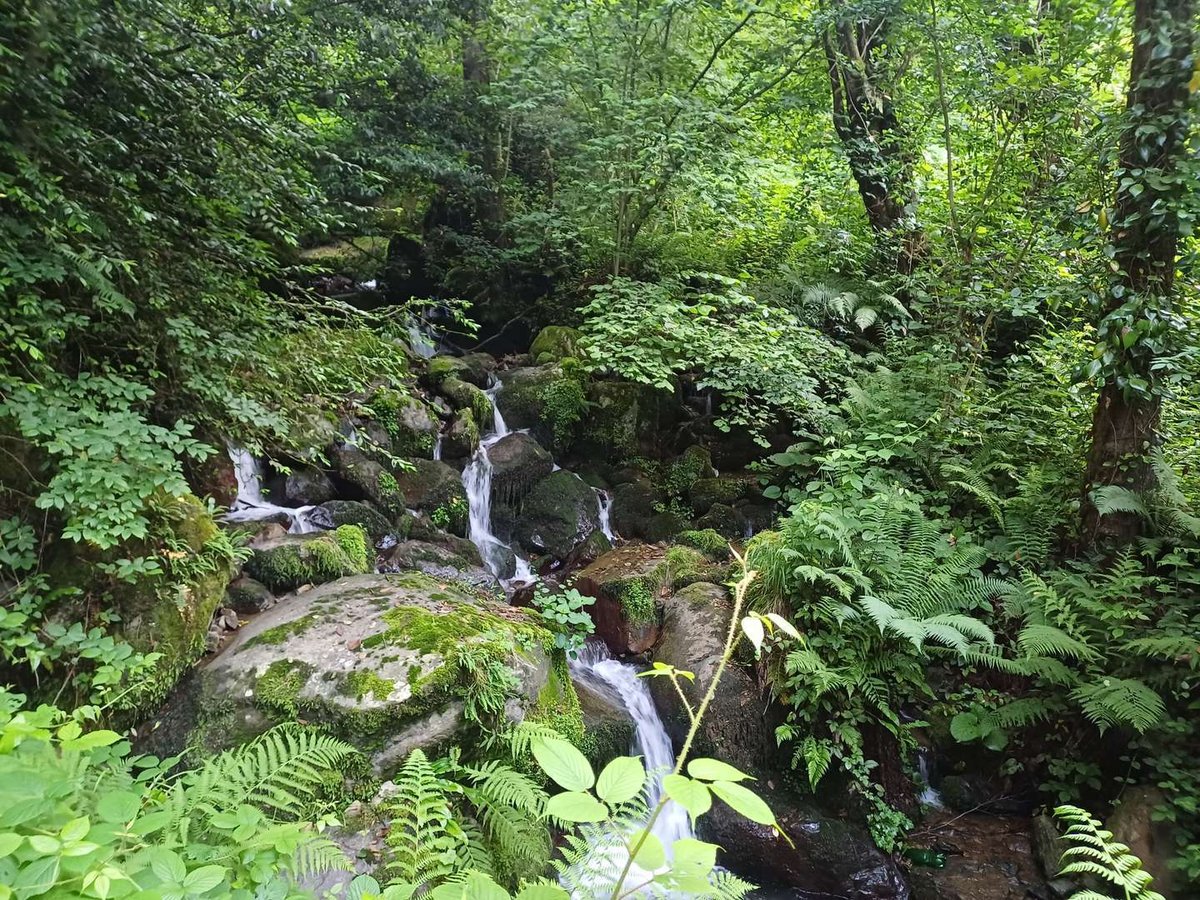
Jocho looks like a small wild waterfall set in dense green forest. What people tend to value is not its height but its atmosphere: moss, dripping rocks, the sound of moving water, a confined space and the sense of a hidden place.
The waterfall has one specific feature that makes it memorable. The stream drops from a ledge with a rock hollow carved behind it: a natural grotto. Trail descriptions note that you can step behind the water curtain and look out through the falling water while staying nearly dry. This is not a figure of speech. You walk into the recess behind the curtain, sit down, hear the water from all sides and see nothing but the moving stream in front of you. Not many waterfalls in Adjara offer this, and it is the main reason Jocho stays in memory.
How strong the grotto experience is depends on the season. After rain the flow is heavier and more dramatic. In dry periods the water is thinner and the approach to the grotto is easier. Both have their appeal.
🥾 The trail to Zemo Jocho: two paths and the full loop
The main difficulty at Jocho is not the distance but the navigation and the condition of the ground. Two routes lead to the waterfall, and both come with caveats.
The short route through private land. Reviews describe a path that runs past houses and through what appears to be a private yard. The gate is sometimes open, sometimes not. Do not climb over locked fences or enter where passage is clearly blocked. Asking a local resident is the most reliable approach: people in the village are generally willing to show the way. One visitor's account mentions that a local black dog effectively acted as a trail guide, leading the group straight to the waterfall.
The riverbed route. More scenic and avoids private property. The catch is that the final 500 metres follow slippery rocks along the water. In wet conditions this is a genuine hazard, not a minor inconvenience.
Those wanting more than just the waterfall can follow the full loop: 11.4 km, approximately 3.5-4 hours, around 490 metres of elevation gain. The loop includes the Jocho Hill Viewpoint, a hilltop overlooking the valleys and, on a clear day, the sea. The route is tracked on Komoot and Wikiloc; downloading the GPX file before you go makes navigation substantially easier.
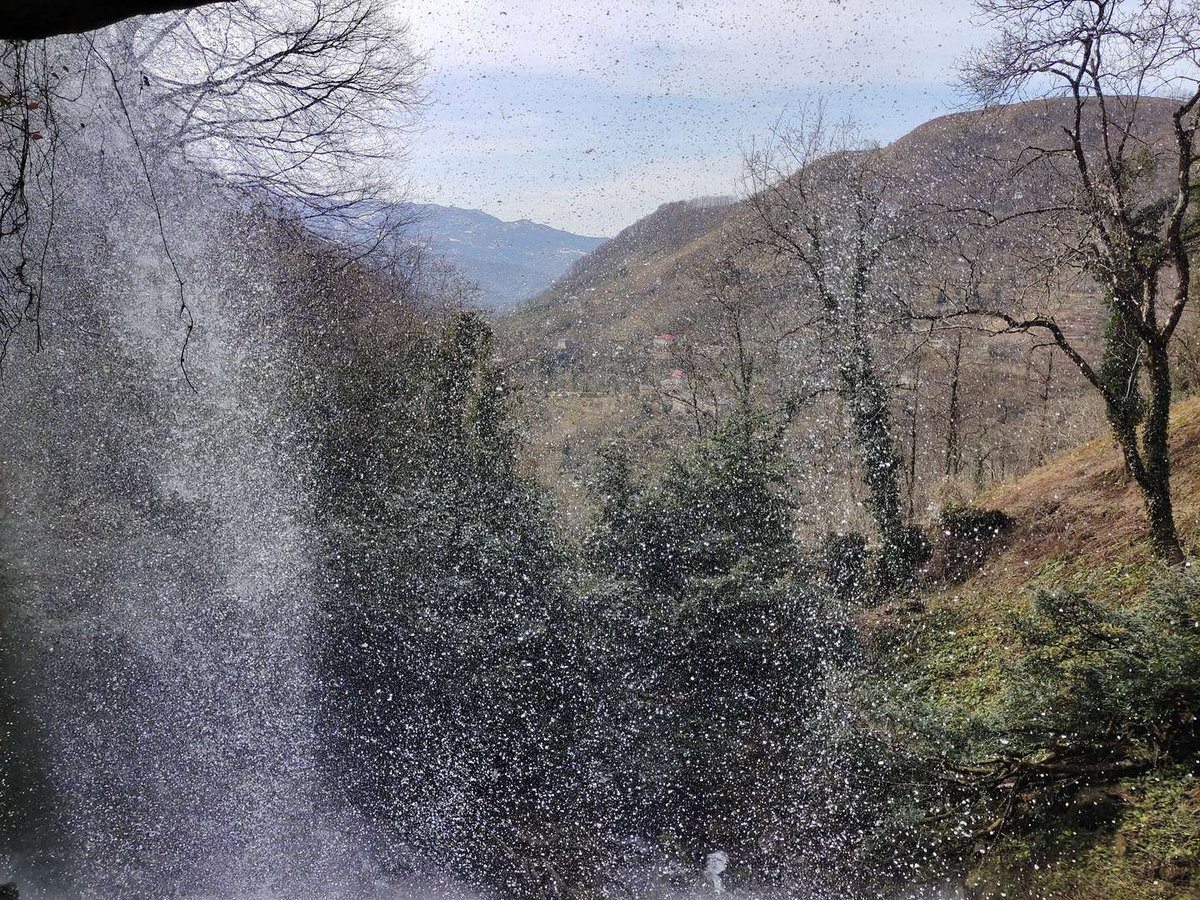
Do not attempt this trail in flip-flops or clean trainers. Proper hiking shoes or trainers with a firm grip are a minimum requirement. After heavy rain, postpone: the waterfall will be impressive but the path genuinely dangerous.
🎒 What to bring
Pre-hike checklist
A small towel is a useful addition if you plan to step into the grotto. Swimming in the stream alongside the waterfall comes up in some accounts, but treat it as a bonus rather than a plan: it depends on water level, season and the state of the rocks.
💬 What recent visitors say
Footage and trail descriptions from 2026 give a consistent picture. The waterfall is shown as a place without infrastructure or clear waymarking. Those who visited after rain describe the path as slippery, wet and not always obvious. The general impression is that this is not a "quick look" destination: the effort of getting there becomes part of the experience.
The waterfall is listed as a hiking trail on Wikiloc near Kvemo Jocho, which signals that it has passed from local knowledge into the hiking community, but has not yet been packaged for group tours. Tour operators who do include it tend to combine Jocho with the waterfalls of Kapnistavi village in a single full-day nature trip.
Visitor impressions
Honest first-hand accounts from 2026, not promotional copy.
The negative reviews on the madloba card all share the same complaint: the path through the yard was locked, there were no signs, and people turned back empty-handed. To avoid this, use the riverbed route or ask a local before committing to either path.
🌦️ When to go
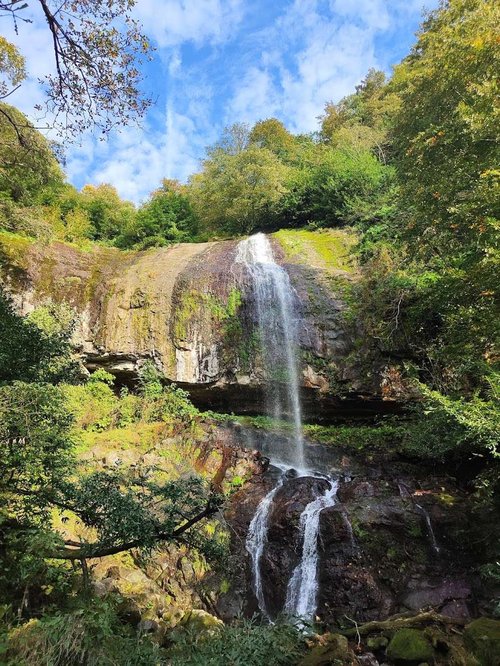
Morning or early afternoon is the right time. That leaves a margin for the drive, finding the trailhead, photographs and a comfortable return before dark.
After rain the waterfall looks more powerful, but the path becomes genuinely unpleasant. If you are not comfortable with wet rocks and mud, choose a dry day. Going at sunset is a bad idea: the forest gets dark fast, and navigating back becomes significantly harder.
By season: spring (April to June) brings maximum flow after snowmelt, and the grotto is at its most dramatic. Autumn offers dry paths and good visibility. Summer is refreshing near the water, though Adjara's humidity is noticeable in the forest. Winter and early spring are unpredictable; the trail can be in poor condition.
The contrast with Makhuntseti Waterfall is worth keeping in mind. Makhuntseti is accessible to families and casual visitors without any special preparation. Jocho requires more physical effort and a tolerance for uncertainty. In return, you will see considerably fewer people.
👣 Who should come
Jocho is a good choice for people who have already seen the straightforward sites near Batumi and want something less managed. It suits solo travellers, photographers, short-hike enthusiasts and anyone comfortable asking locals for directions.
It is not the right choice with small children, a pushchair, sandals, or a tight schedule. If anyone in your group has difficulty on wet uneven ground, this trail can turn a day trip into a frustrating experience.
🗺️ What to combine it with
Jocho pairs well with the Kapnistavi waterfalls: a village with seven waterfalls, two of which are hidden. Tour operators in Batumi sometimes offer both in a single nature day.
For something more accessible and comfortable, the Batumi Botanical Garden has paved paths, clear signage and multiple routes through its different botanical zones.
After a day in the forest, an evening walk along the Batumi Boulevard provides a satisfying contrast: forest to sea in under an hour's drive. The full directory of parks and gardens in Batumi covers further options. To plan a fuller Batumi itinerary around Jocho, the guide what to see in Batumi in one day is a useful starting point.
Over to you
Have you visited Jocho Waterfall or the Zemo Jocho area? Write in the comments where the trail started, how long the walking section took, whether any gates were locked, how slippery the rocks were and whether you needed to ask for directions. Fresh, specific details like these are exactly what first-time visitors need.
Information is accurate as of 14 June 2026. Trail conditions and access through private land can change; check recent reviews on the madloba card before travelling.
❓ Frequently asked questions
Jocho Waterfall (ჯოჭო) is in Adjara, Georgia, near the villages of Jocho and Zemo Jocho, in Khelvachauri Municipality. GPS coordinates: 41.5802°N, 41.7178°E. The waterfall is approximately 25-35 km from central Batumi; the final approach is along an unmarked forest trail.
The Georgian spelling is ჯოჭო, which transliterates as "Jocho." The variant "Jojo Waterfall" is common in English searches and refers to the same place. For navigation, save ზემო ჯოჭო (Zemo Jocho village) as the destination in your map app.
By car or taxi is the most reliable option: roughly 40-50 minutes. Save the coordinates (41.5802, 41.7178) in an offline navigator before you go. From the village, the waterfall is a 10-20-minute walk along the trail. There is no direct public transport.
Short but unmanaged. Expect slippery rocks, muddy sections, narrow passages and unclear turns. After rain the difficulty increases noticeably. For the full loop to the Jocho Hill Viewpoint (11.4 km, approximately 3.5 hours, 490 m elevation gain), good physical condition is needed.
Suitable for older children on a dry day if they can walk confidently on uneven ground. Not suitable with toddlers, a pushchair, or in sandals.
Spring (April to June) gives the fullest flow and makes the grotto most impressive. Autumn offers dry paths and clear visibility. Morning or early afternoon is the safest time of day. Avoid the day immediately after heavy rain.
Take the riverbed route: it avoids private property entirely and leads to the same waterfall, though the final stretch is slippery. Alternatively, ask a local resident directly; people in the village are generally willing to point the way.
Some visitors do wade into the stream near the waterfall, but it depends on the season, water level and the state of the rocks. Climbing onto wet ledges without being confident about the footing is not a good idea.

3 comments
Log in to leave a comment