


💧 Five Mountain Lakes of Kvemo Kartli: Bareti, Pantiani, Karagoli, Santa and Gokhnari
🏔️ Five Mountain Lakes of Kvemo Kartli
Small lakes on the Trialeti plateau, in the Tsalka and Dmanisi municipalities, well off the main tourist routes. People come here for quiet, picnics and views, not beaches or facilities: these places are wild and largely empty.
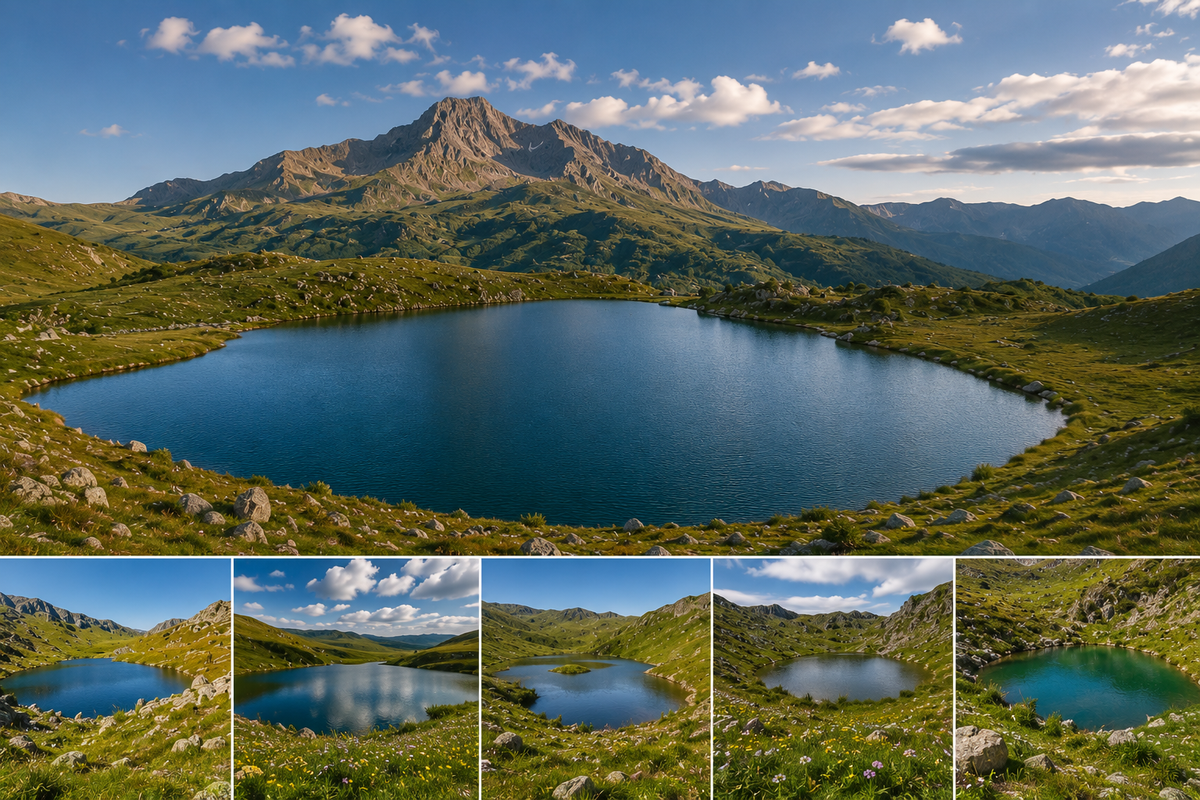
Kvemo Kartli is rarely associated with lakes, and that's a mistake. On the Trialeti plateau, in the Tsalka and Dmanisi municipalities, several small mountain lakes are scattered in places tourists rarely reach. Five of them, Bareti, Pantiani, Karagoli, Santa and Gokhnari, share one thing: they're quiet bodies of water at altitude, with no crowds and no kiosks, just water, grass and mountains.
Let's be upfront: these aren't resort lakes. Few people swim here, the water is cool, and the shores are often marshy. The reason to come is different: quiet, a picnic in nature, views of Trialeti, and the feeling of being off the usual routes. Below, each of the five in turn, and a good place to start is the navigator: open any lake to see a short summary and a link to its catalogue page.
🗺️ Five Lakes of Kvemo Kartli on the Map
Open in Google Maps💧 Lake Bareti: The Best Known of the Five
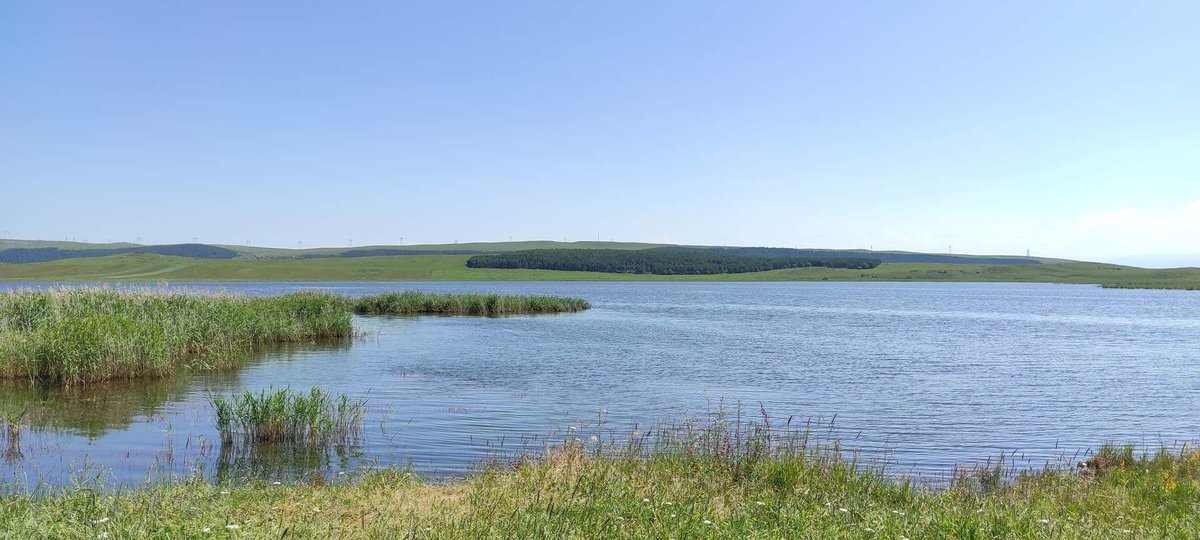
Bareti is arguably the most recognisable lake in this group. It lies by the village of Bareti, in the Tsalka Municipality, at 1,612 metres, covering about 1.24 km². The lake has a quirk: it has no permanent inflow, it's fed only by precipitation, rain and melting snow. So the water level here depends noticeably on the season and the weather.
Bareti works well as the destination for a one-day hike: the shores suit rest and a picnic, and the views around are open and calm. Its inclusion in Algeti National Park is under discussion, a sign of how much the local nature is valued. There's plenty to see nearby: Tsalka Reservoir and Dashbashi Canyon with its glass viewing bridge and waterfalls. Bareti pairs naturally with other spots in the Tsalka district for a single trip.
🏞️ Lake Pantiani: A Quiet Spot in the Dmanisi District
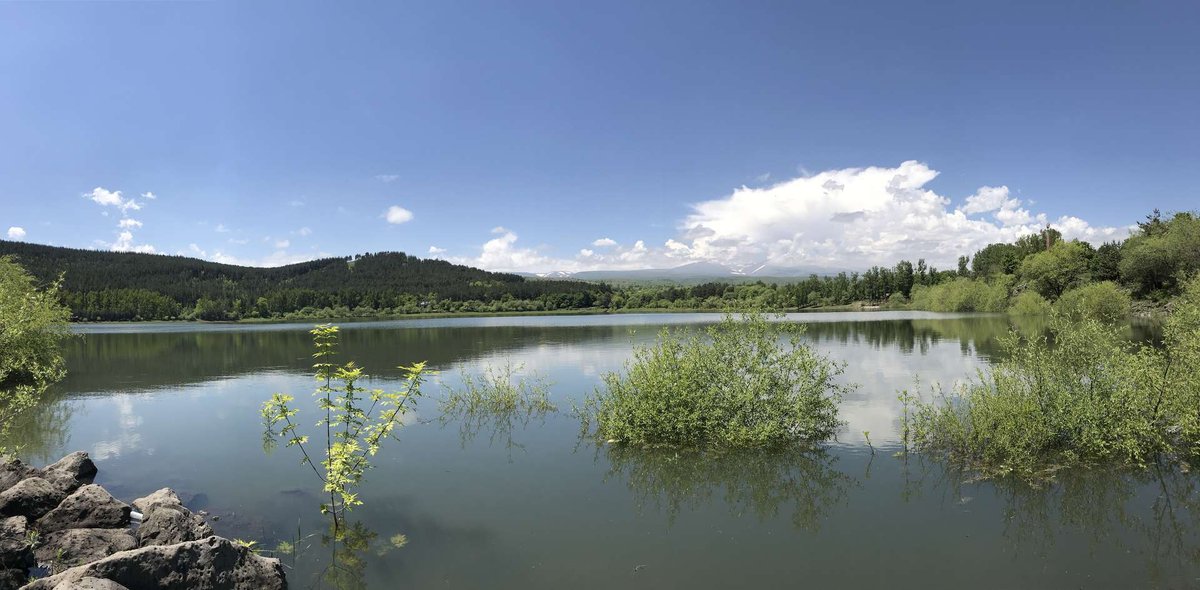
Pantiani, a mountain lake in the Dmanisi Municipality, is, judging by search demand, one of the most sought-after lakes in the region among Georgian-speaking travellers. It's a quiet place off the roads, valued for being untouched: people come here for solitude, not entertainment.
The lake is surrounded by the meadows and hills of Trialeti, the water is clean, and there's almost no infrastructure. Pantiani is good for a picnic, a short walk and photography, especially in clear weather, when the sky and mountains are reflected in the water. Like the other lakes of the Dmanisi district, Pantiani pairs naturally with a visit to the Dmanisi archaeological site, one of the most important palaeontological monuments in the world, where the remains of the oldest hominins in Eurasia were found.
🌿 Lake Karagoli: Clean Water Among the Hills
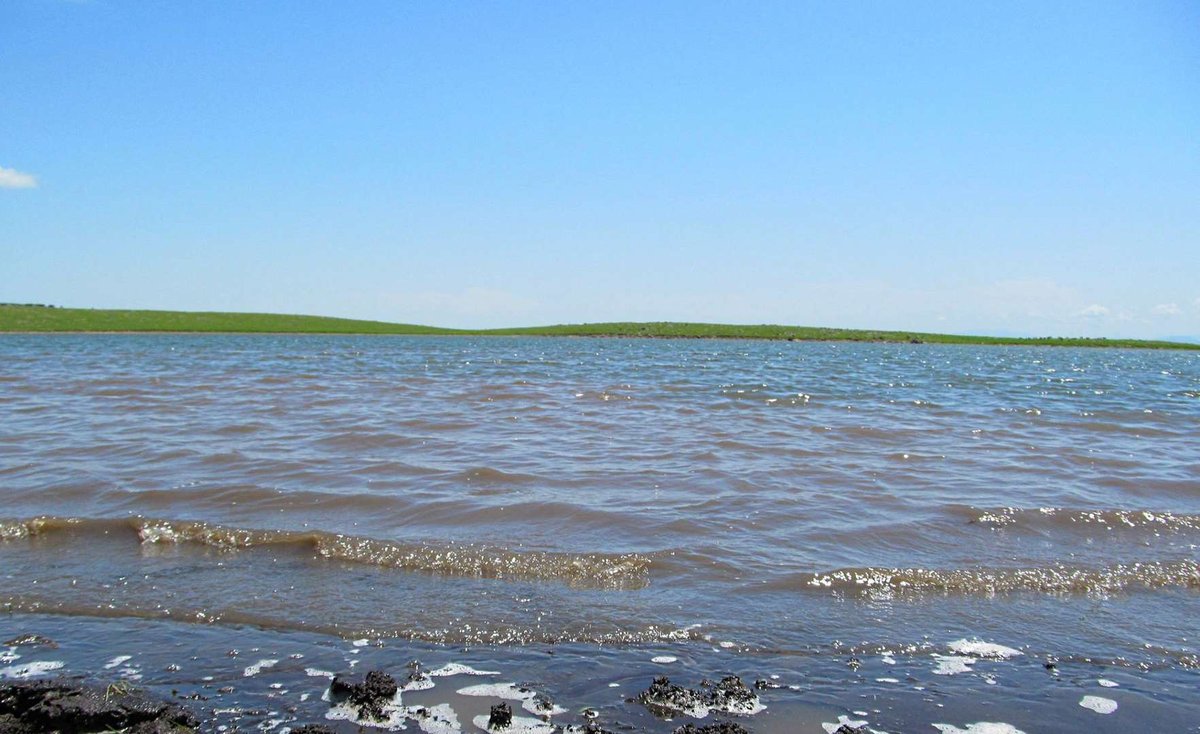
Karagoli, another mountain lake in the Dmanisi Municipality, is often described as a hidden gem of the region. It's valued for clean water, a calm atmosphere and the nature around it: meadows, hills, no crowds. This is a classic spot for anyone who loves wild, undeveloped lakes without tourist bustle.
Karagoli sits relatively close to Pantiani, both in the Dmanisi district, so seeing both in one trip is easy. Keep in mind that roads to the Dmanisi mountain lakes are often unpaved and drive better in dry weather. It's worth building in extra time before the trip rather than counting on a quick paved approach to the water itself.
🏛️ Lake Santa: A Lake by a Greek Village
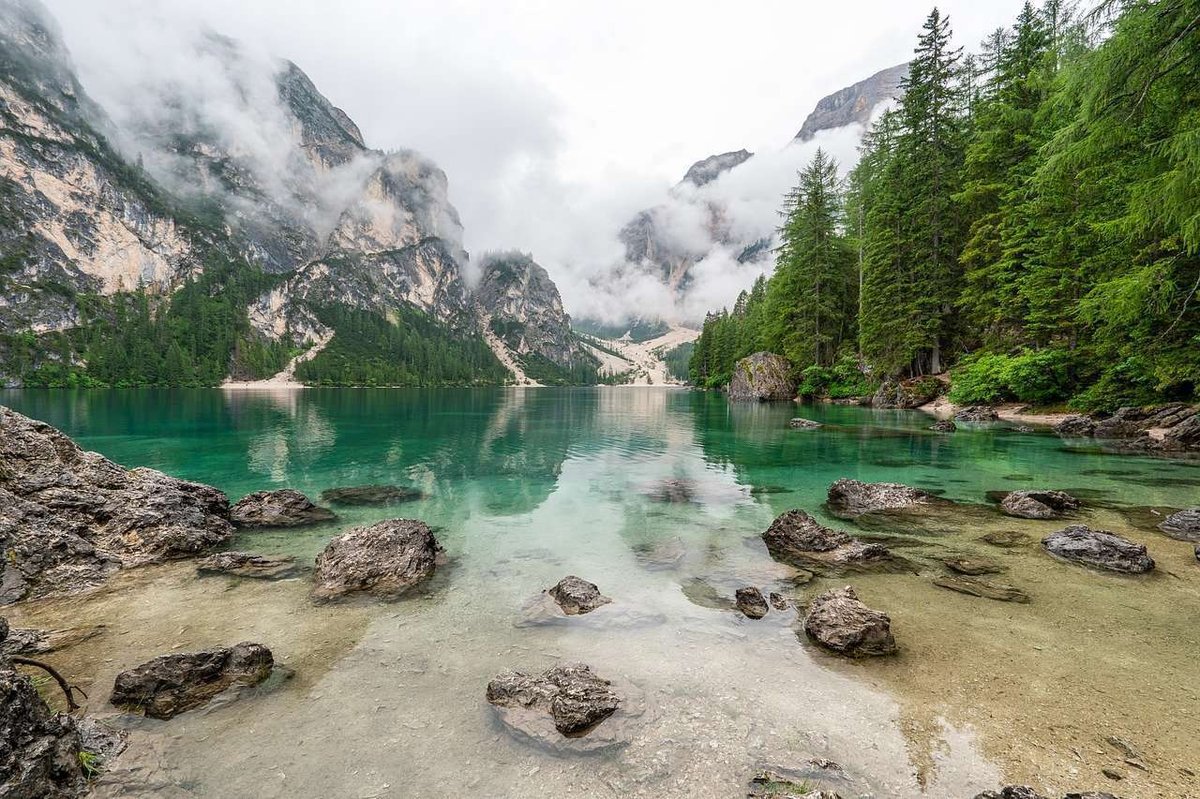
Santa stands out from the five for its history. It sits in the Tsalka Municipality, next to the village of the same name, founded in the 19th century by Pontic Greeks, resettlers who put down roots throughout the Tsalka district. The lake itself is shallow, no more than three metres deep, and it's more a calm natural body of water than a place for active recreation.
Santa's value lies not only in the water but in the context: the Greek villages of Tsalka, their history and empty houses, are a distinct cultural layer of the region. Coming to the lake, you step into places with a complicated history of resettlement. Like Bareti, Santa is in the Tsalka district, so both lakes plus Tsalka Reservoir and Dashbashi Canyon make a logical one-day route around Tsalka.
🚗 Lake Gokhnari: A Small Lake by the Road
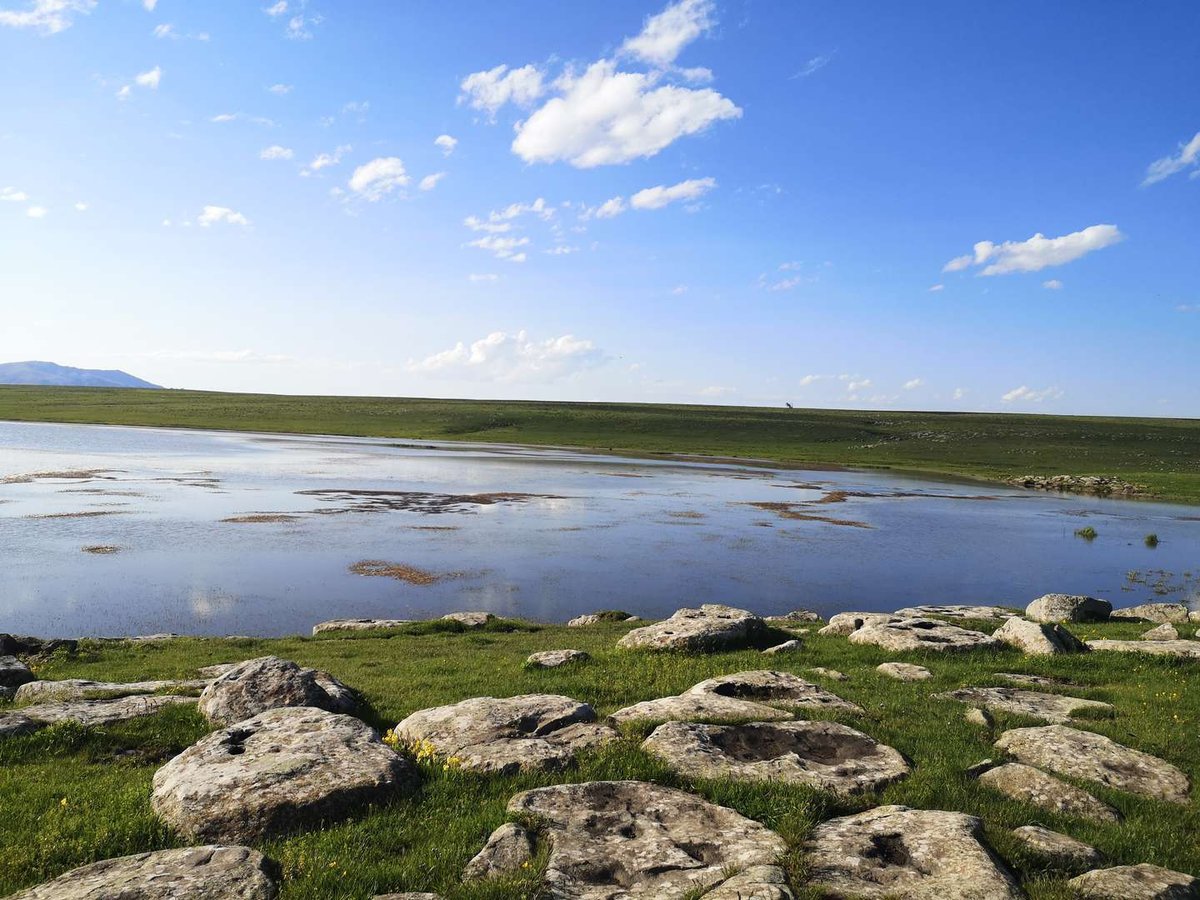
Gokhnari is the most modest of the five. It's a small lake in the Tsalka district, near the highway past Tsalka, where the climb into the mountains begins. On maps it sits literally a couple hundred metres from the road, though in practice getting down to it isn't always simple because of the terrain.
Gokhnari doesn't justify a dedicated trip: it's more a point where you can stop briefly on the way to the larger lakes or to Lake Paravani in neighbouring Samtskhe-Javakheti. There's no separate article about it, and don't expect developed shores, but for a short stop and a view of the water among the mountains it works well. If you're driving the Kojori, Tsalka, Ninotsminda highway, Gokhnari comes up along the way with almost no detour.
📋 Five Lakes at a Glance
To help you choose where to go, here's a short side-by-side summary of all five.
📋 Five Lakes: Comparison
🚗 Getting There
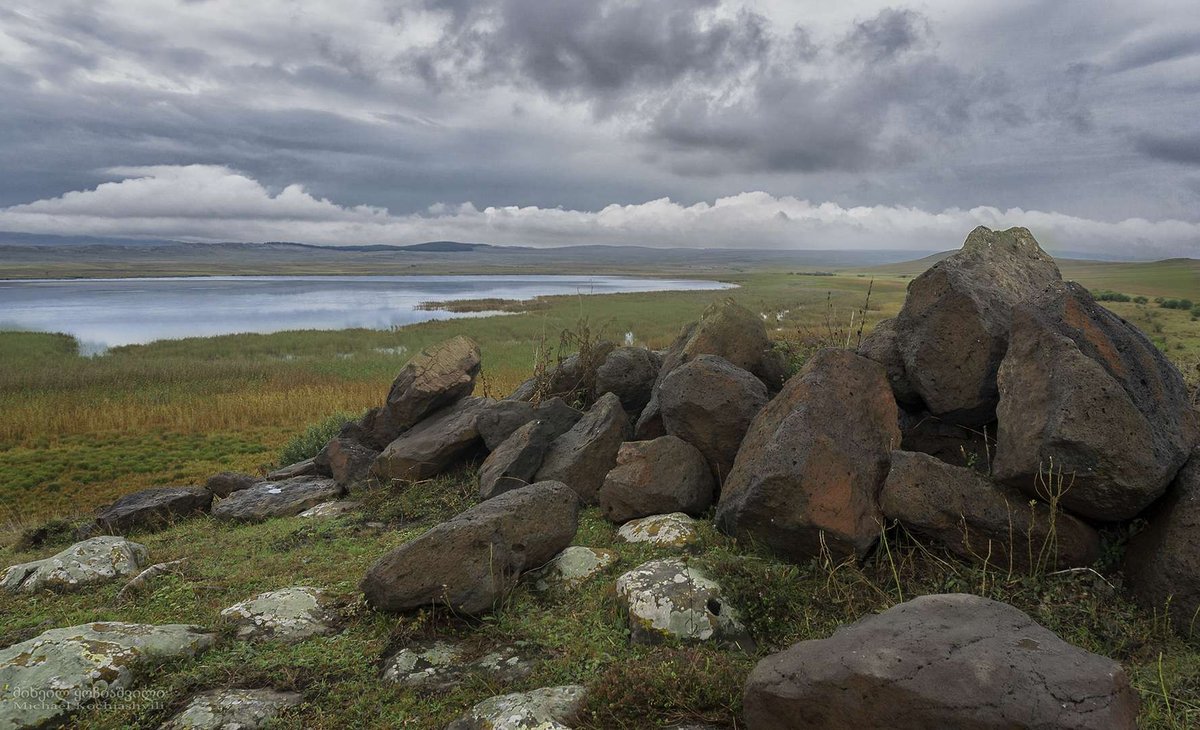
All five lakes lie southwest of Tbilisi, on the Trialeti plateau. A car is by far the easiest way: public transport is rare here, and the lakes themselves are often reached by dirt roads. From Tbilisi to Tsalka is about two hours along the Kojori, Tsalka, Ninotsminda highway, which is scenic in its own right.
The trip logic is simple. Bareti, Santa and Gokhnari are in the Tsalka district and pair naturally with Tsalka Reservoir and Dashbashi Canyon with its glass bridge. Pantiani and Karagoli are in the Dmanisi district and pair naturally with the Dmanisi archaeological site, one of the oldest known places of human settlement in Eurasia. The best time to visit is late spring and summer, when the dirt roads have dried out and the meadows around the lakes are green. Autumn can be beautiful, but the roads turn to mud after rain. In winter the mountains of Kvemo Kartli are cold and snowy, and reaching the lakes is difficult.
🏔️ What to See Nearby
The five lakes combine well with the bigger sights of Trialeti in one route. Here's what's worth adding to the trip.
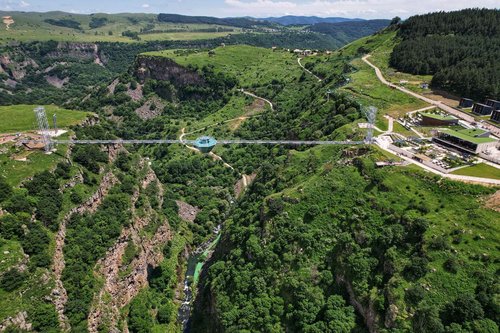
Dashbashi Canyon in the Tsalka district, with waterfalls and a glass viewing bridge known locally as the Diamond Bridge. The most popular spot in the district, and it pairs naturally with Bareti, Santa and Gokhnari.
Tsalka Reservoir, a large body of water near the town of Tsalka. Swimming there isn't advisable, the shores are marshy, but the views and the stalls selling freshly caught local fish make it a pleasant stop.
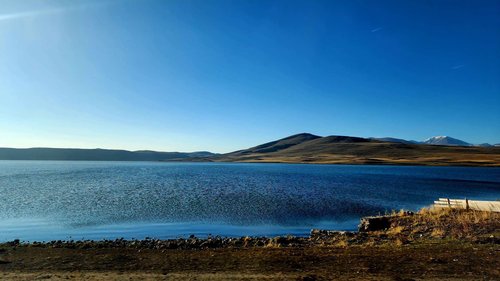
The Dmanisi archaeological site, one of the most important palaeontological locations in the world: the remains of the oldest hominins in Eurasia, Homo georgicus, dating back around 1.8 million years, were found here. It's the most significant attraction near Pantiani and Karagoli, and the reason many people head to the Dmanisi district in the first place. For more on the town and its surroundings, read the guide to resort Dmanisi.
Lake Paravani in neighbouring Samtskhe-Javakheti, Georgia's largest lake, lies about half an hour further along the highway from Tsalka. If you want a large body of water after the mountain lakes of Kvemo Kartli, it's an easy addition to the same route.
The five lakes of Kvemo Kartli aren't about headline sights, they're about the quiet side of Georgia, worth visiting for the nature itself. If you prefer calm routes without crowds, sparsely visited shores and views of Trialeti, these lakes deliver exactly that. And if you combine them with Dashbashi Canyon, Tsalka Reservoir and the Dmanisi archaeological site, you get a full weekend route through one of the country's most underrated regions.
Have you been to any of these lakes? Tell us in the comments on Madloba: what the road was like, what you liked most, and whether it's worth combining several lakes in one trip.
Information is current as of June 2026. Roads to the mountain lakes are often unpaved and weather-dependent, so check the approach conditions before your trip and allow extra time.
📚 Read Next lakes and nature nearby
❓ Frequently asked questions
All on the Trialeti plateau in the Kvemo Kartli region. Bareti, Santa and Gokhnari are in the Tsalka Municipality, Pantiani and Karagoli in Dmanisi. About two hours from Tbilisi by car.
Swimming isn't really the point. The water is cool and the shores are often marshy and reed-covered. These lakes are valued for quiet, picnics, views and walks, not for a beach day.
Bareti, in the Tsalka district, at 1,612 metres, rain-fed, good for a one-day hike. Lake Pantiani in the Dmanisi district is also popular among Georgian-speaking travellers.
It's difficult. Public transport to these districts is rare, and the lakes are often reached by dirt roads. It's more practical to drive yourself or go with a local guide, especially for the Dmanisi district lakes.
Late spring and summer, when the dirt roads have dried out and the meadows are green. Autumn is beautiful, but the roads turn muddy after rain. In winter it's cold and snowy in the mountains, and reaching the lakes is hard.
In the Tsalka district, Tsalka Reservoir and Dashbashi Canyon with its glass bridge. In the Dmanisi district, the Dmanisi archaeological site, one of the oldest known places of human settlement in Eurasia.
It has a historical layer: the village of Santa next to it was founded by Pontic Greeks in the 19th century. The lake itself is shallow, up to three metres deep.
No. Gokhnari is small and sits by the highway past Tsalka. But as a short stop on the way to the other lakes or to Lake Paravani, it works well.

4 comments
Log in to leave a comment
Ich frage mich, wie der Weg zu Gokhnari aussieht? Ist er schwer zu finden oder kann man da einfach hin? Vielleicht kann ich ja einen Roadtrip mit Freunden planen. Die Mischung aus Erkundung und Natur ist einfach unwiderstehlich! Wie sind die Wasserfälle im Frühling? Ist da viel los, oder hat man die Orte für sich allein? Freue mich auf mehr Infos! 🌊🏞️