



🗺️ Guria Travel Guide: Black Sea Beaches, Bakhmaro Peaks and Hidden Monasteries
Guria in one view: three zones, one region
Georgia's smallest region, wedged between the Black Sea and the mountains. In a few days you can swim on magnetic sand, drive up to Bakhmaro at 2,050 m and step inside a medieval monastery. No Batumi crowds.
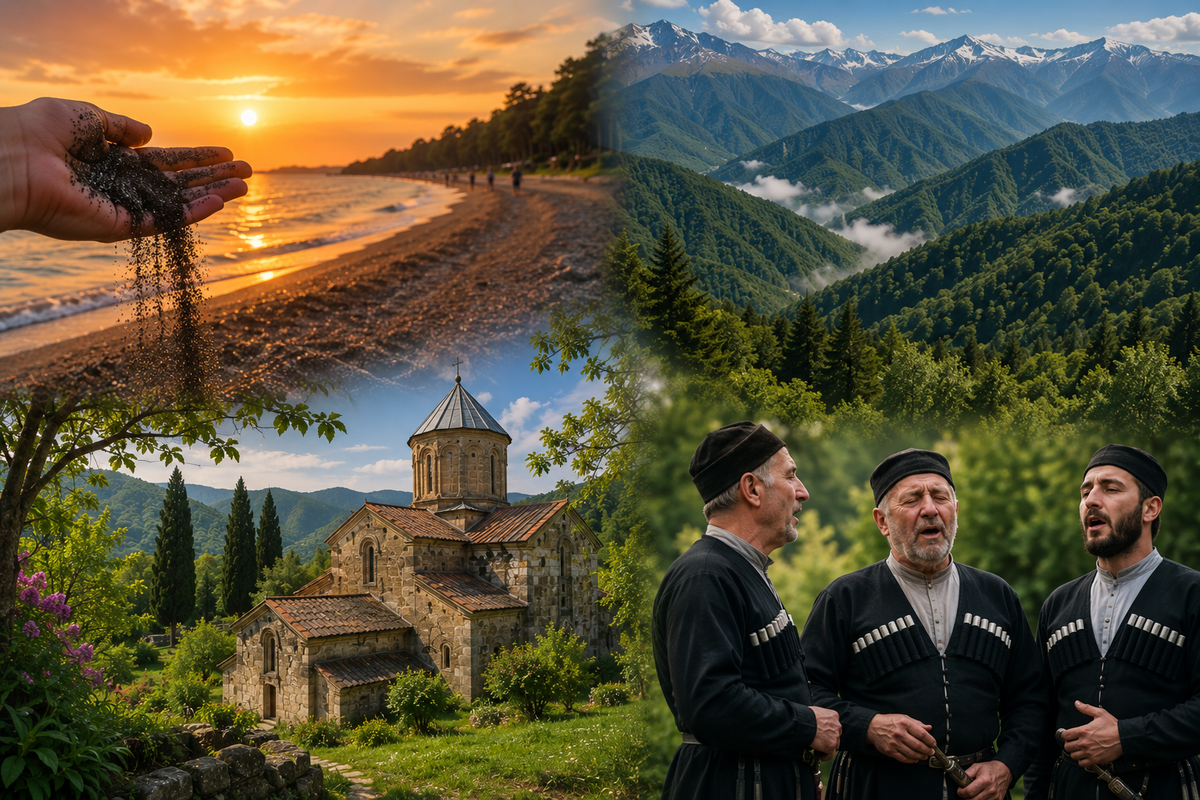
Guria is Georgia's smallest region and one of its most underestimated. Most travellers driving the Tbilisi–Batumi highway pass straight through without stopping. That is a mistake. Within a compact territory, three completely different Georgias exist side by side: a 22-kilometre Black Sea coast with magnetic sand, mountain resorts above 2,000 metres where wooden cottages sit above the cloud line, and a subtropical interior full of tea plantations, medieval monasteries and one of the country's most distinctive singing traditions.
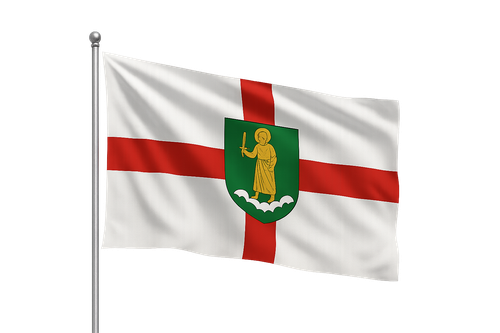
The region covers three municipalities: Ozurgeti (the administrative centre), Lanchkhuti and Chokhatauri. The Black Sea borders it to the west, Adjara to the south, Imereti to the east, and Samegrelo to the north. That compactness is a practical advantage: on a single day you can come down from the mountains to the beach.
What sets Guria apart from its coastal neighbours is the sand. It is dark, fine-grained and high in iron — volcanic material carried from Mount Bakhmaro to the shore by the Supsa River. The beaches of Ureki, Shekvetili and Grigoleti are noticeably quieter and cleaner than busy Batumi or the pebble beaches of Adjara. And then there is the character: quick speech, sharp humour, a deep love of horses and polyphonic singing. Gurian Krimanchuli is on the UNESCO Intangible Cultural Heritage list.
Below we cover the region zone by zone: the coast, Shekvetili's parks, the mountains, the monasteries, the culture, and how to get here. All natural sites are listed under Guria natural attractions on Madloba.
🏖️ The Coast: Ureki, Shekvetili and Grigoleti
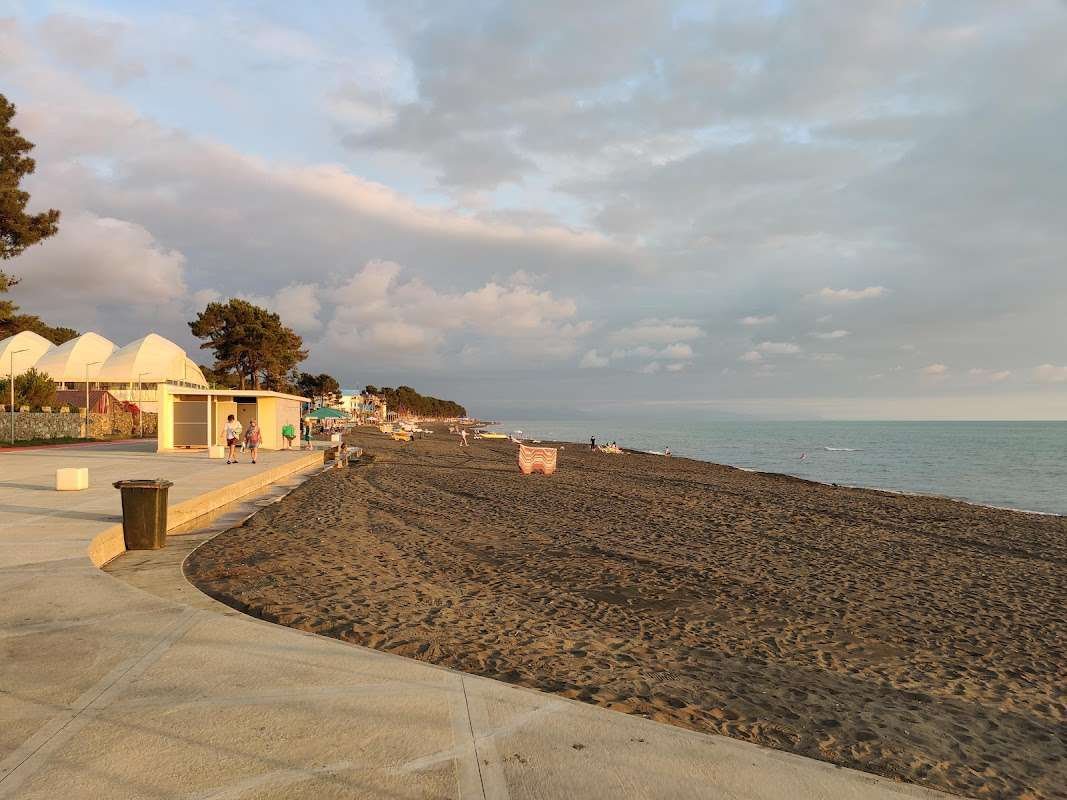
The coast is the main reason people come to Guria in summer. Three resorts share 22 kilometres of Black Sea shoreline — Ureki, Shekvetili and Grigoleti — and all three have magnetic sand: dark, mineral-rich volcanic material credited with therapeutic properties. This stretch of coastline is significantly quieter and cleaner than Batumi and most of Adjara's beaches.
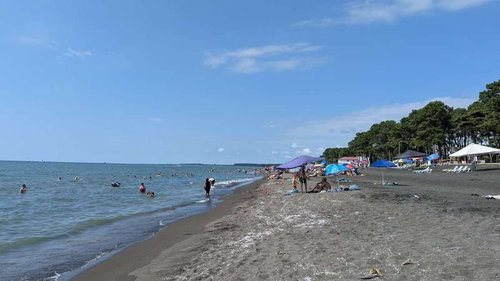
Ureki is the most well-known. Sandy beaches, tidy hotels and pine trees make it a popular family destination. People with cardiovascular and respiratory conditions have been coming here for decades: the combination of magnetic sand and resinous air is considered beneficial. In summer Ureki is lively and busy — cafés, rides, a busy promenade. More on the resort infrastructure in Ureki entertainment guide, and on the sand itself in Ureki magnetic sand.
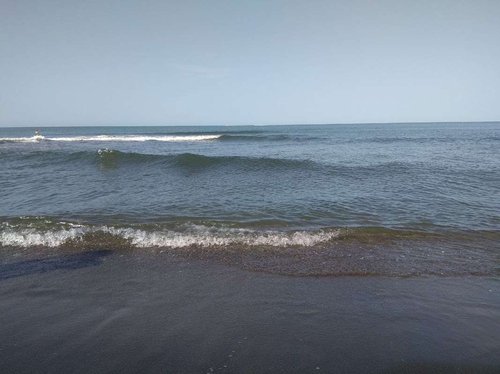
Shekvetili is quieter than Ureki but has more to do beyond sunbathing. A relatively new resort that draws more visitors every year, it offers a good range of accommodation, food, and the parks described in the next section. Many travellers prefer it precisely because it combines calm with convenience.
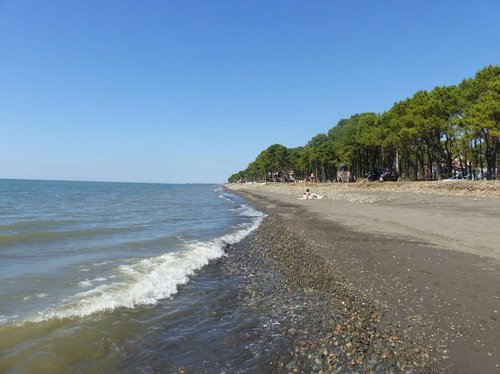
Grigoleti is the most peaceful of the three. A long pine forest runs along the beach, the sand is the same dark magnetic variety, and the crowd is noticeably thinner. The right choice for anyone who wants to be left alone.
One thing to know about all three: restaurants and many guesthouses only operate in the summer season and shut completely the rest of the year. Coming to Guria's coast outside of June–September makes little sense.
🎡 Shekvetili: Parks, the Arena and the Dendrological Park
Shekvetili has grown well beyond a beach resort. A whole entertainment cluster has developed here, much of which works regardless of weather.
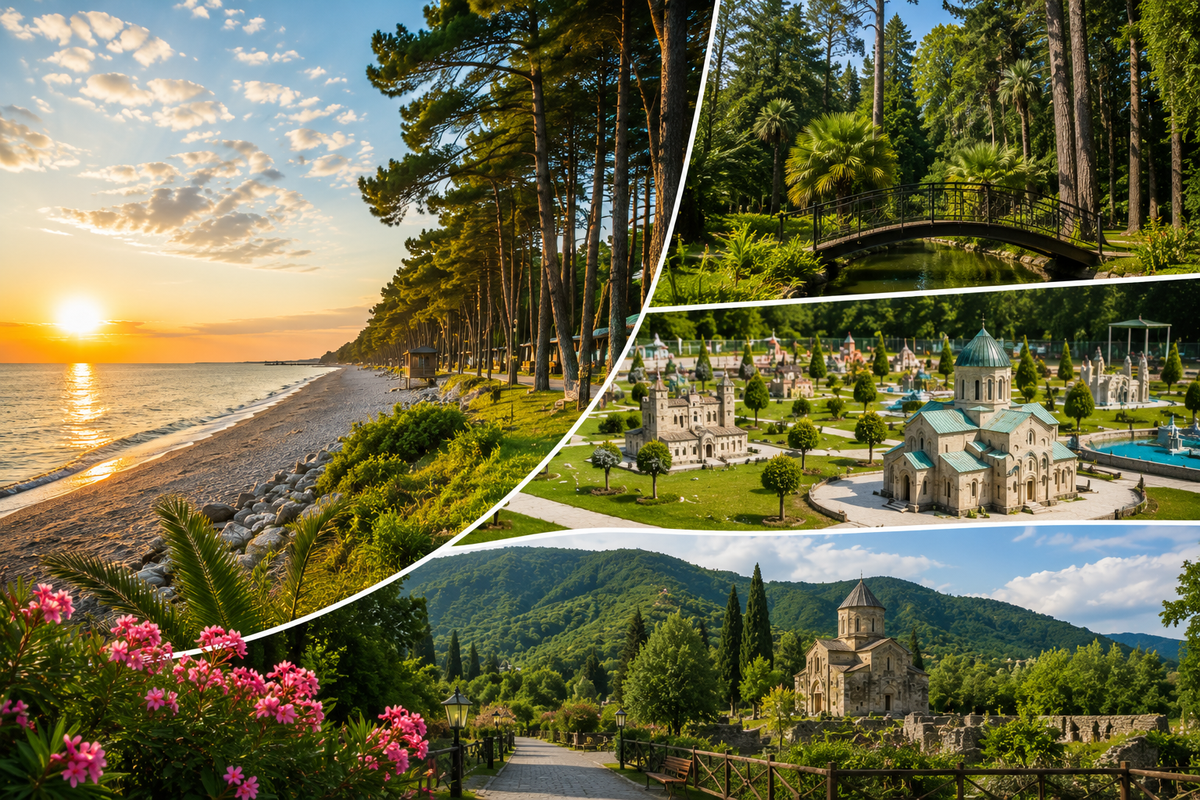
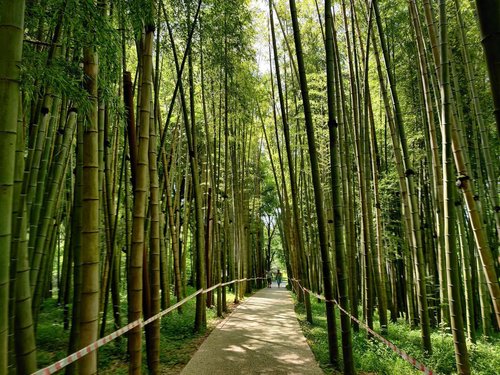
Shekvetili Dendrological Park is the main natural attraction on this stretch of coast. Opened in 2020, it covers 60 hectares with over 200 giant trees of rare species, a bamboo grove, and 58 bird species from across the world. This is not a manicured garden with paths — it is a forested landscape of exotic species that have thrived in the subtropical climate here.
Black Sea Arena. The largest indoor concert hall in the Caucasus and the country's largest multi-purpose venue, right on the Gurian coast. Capacity up to 10,000 guests and the annual home of the Giuseppe Verdi International Opera Festival.
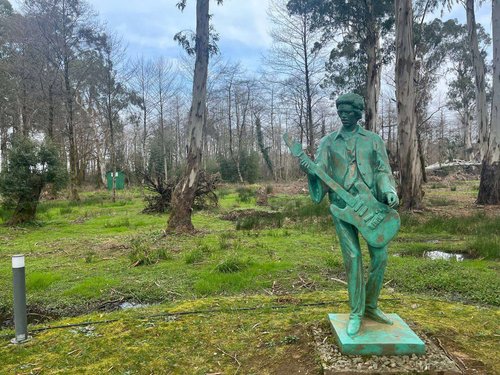
Musicians' Park. Open since 2016 on the territory adjoining the arena. Seven hectares of perennial plantings, paths, rest areas and three open-air stages. The central square has monuments to both Georgian and international musicians.
Georgia in Miniature. 49 scale models of iconic Georgian buildings and architectural monuments at 1:25 — the European standard for miniature parks. Next door is the Tsitsinatela amusement park, open daily from 9:00 to 19:00.
The Dendrological Park and Musicians' Park are a short walk from each other and can easily be combined with a beach afternoon in Shekvetili. Entry to Musicians' Park is free. If you want to catch a concert at the Black Sea Arena, buy tickets in advance — major festival events sell out quickly.
⛰️ Mountain Resorts: Bakhmaro and Gomismta
When the coastal heat gets too much, the two mountain resorts are less than two hours away by car. This is one of Guria's defining features: mountains and sea in the same day.
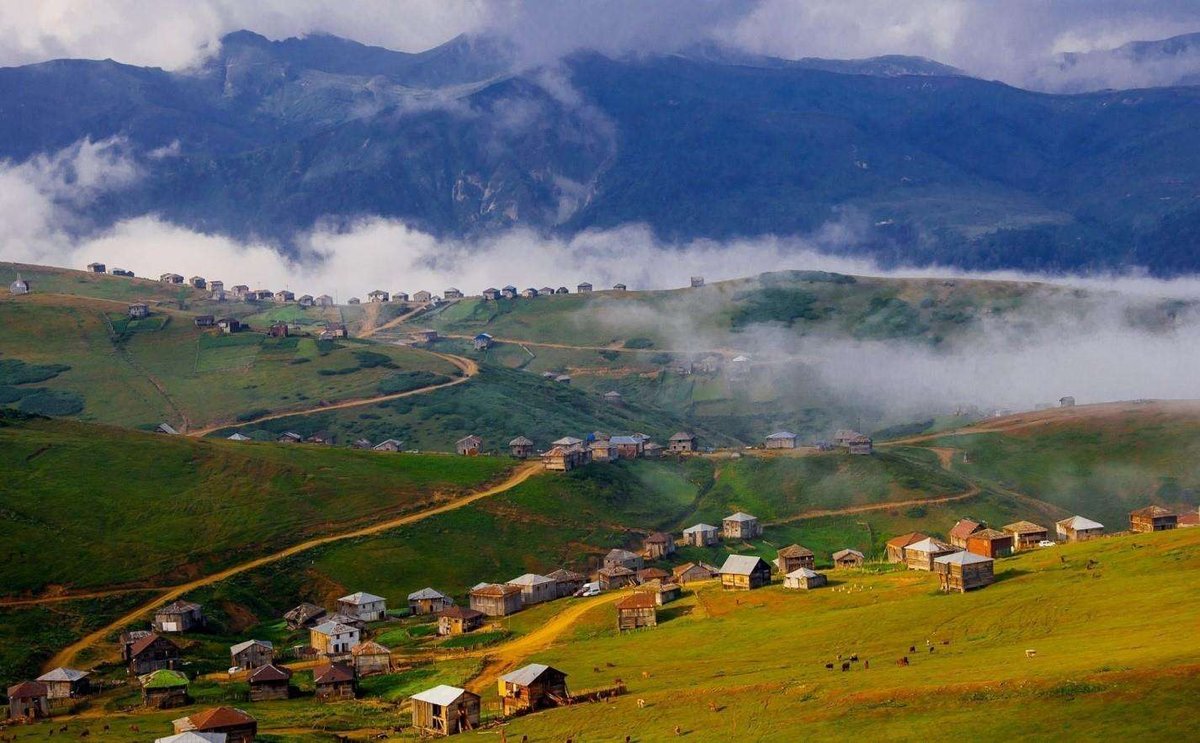
Bakhmaro sits in Chokhatauri Municipality at 1,926–2,050 metres. It is a summer resort with a short season of roughly two months, offering a unique blend of mountain and coastal climate. The infrastructure is still developing: a few hotels and traditional wooden A-frame cottages with limited water and electricity. The surrounding spruce and pine forest is dense and quiet. Two nearby peaks are called Amosavali (sunrise place) and Chasavali (sunset place): from the first you watch the sun come up in the morning; from the second you watch it go down. Every year on 19 August, traditional horse races are held here.
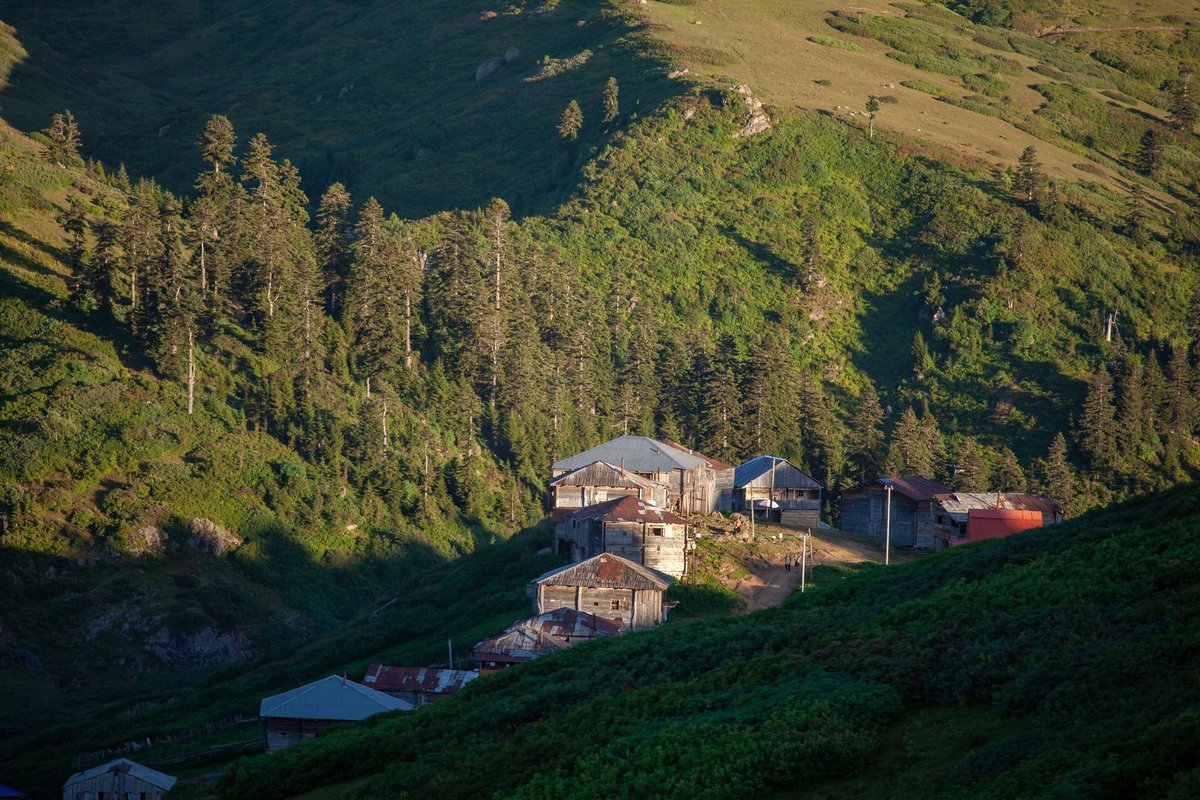
Gomismta (Ozurgeti Municipality, 2,100–2,755 m) is the wilder option. No hotels, no shops, no cafés — just wooden cottages and tent pitches. Sunrises and sunsets above the clouds, panoramic views over the lowland mist. The right choice when you need genuine quiet with no tourist activity around.
Planning note: the mountain roads to both Bakhmaro and Gomismta are only accessible by snowmobile in winter and usually open for cars in late May or early June. The summer season in the mountains is short, but it is worth the trip.
🏛️ Monasteries and History
Guria's medieval sites sit well away from the main tourist circuit — which makes them all the more worth seeking out.
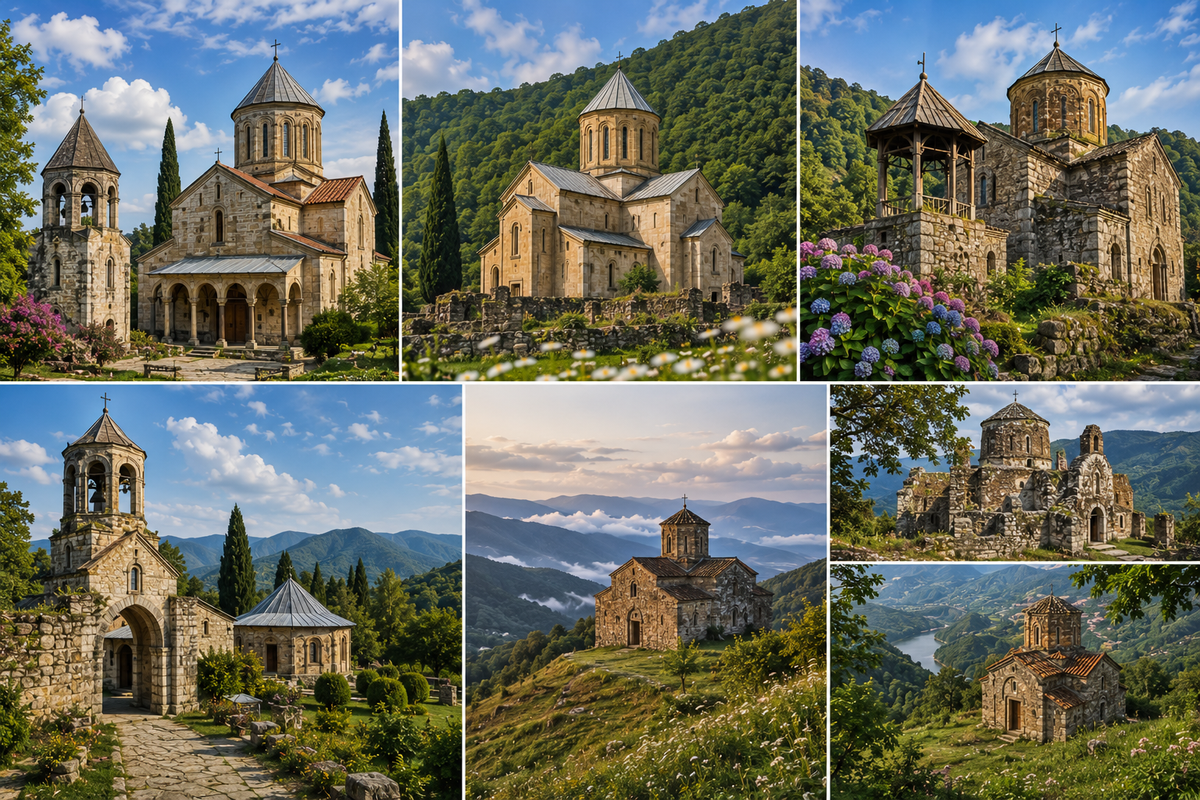
Shemokmedi Monastery is the region's main medieval complex, about 7 km south-east of Ozurgeti. An active nunnery since 1990, it is listed as a national cultural monument. The complex includes two churches from the 12th and 16th centuries, a bell tower and a cave. The main church — a three-aisled basilica without a cupola — was built in the 12th century from dressed stone with a marble floor. The smaller church, known as Zarzma, was added in the 16th century by the Prince of Guria, Vakhtang I. In the Middle Ages, Shemokmedi was one of the wealthiest monasteries in Georgia. Views over the Gurian villages open up from the hill.
Eristavi Fortress and Garden in Goraberezhouli. Built by nobility in the 17th century on top of a hill, enclosed by five-metre walls. Inside: a castle, a small chapel, a cellar, farm buildings and a forested park.
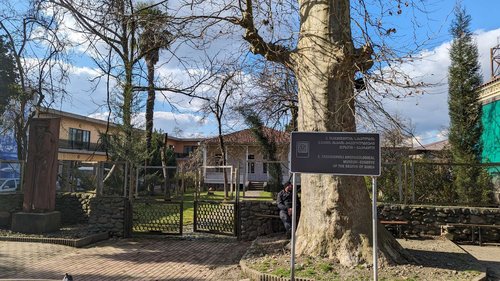
Ekvtime Takaishvili House-Museum in Likhauri. The village in Ozurgeti Municipality holds a four-hall museum dedicated to the famous Georgian historian and archaeologist — books, photographs and personal belongings.
Ozurgeti History Museum. Founded in 1936, it now holds over 6,000 exhibits spanning from the 9th millennium BC to the present day. The largest museum in Guria, with a collection covering the Colchian Kingdom, ancient coins and works by Georgian painters. All museums in the region are listed under Guria museums on Madloba.
🍵 Gurian Culture: Tea, Polyphony and Lelo Burti
Guria has several cultural markers that exist nowhere else in Georgia.
Polyphony. Gurian folk singing is the region's defining cultural identity. The Krimanchuli — Guria's signature vocal style — is often compared to scat singing or yodelling. For Gurians, polyphony is not just a song: each voice says its own thing, but together they make something extraordinary. Georgian polyphonic singing is on the UNESCO Intangible Cultural Heritage list.
Lelo Burti. A 300-year-old game in which two villages compete for possession of an enormous ball stuffed with 18 kilograms of sawdust and sand. The winner carries the ball to the grave of a player who died that year. Played at Easter between the town of Lanchkhuti and the village of Shukhuti.
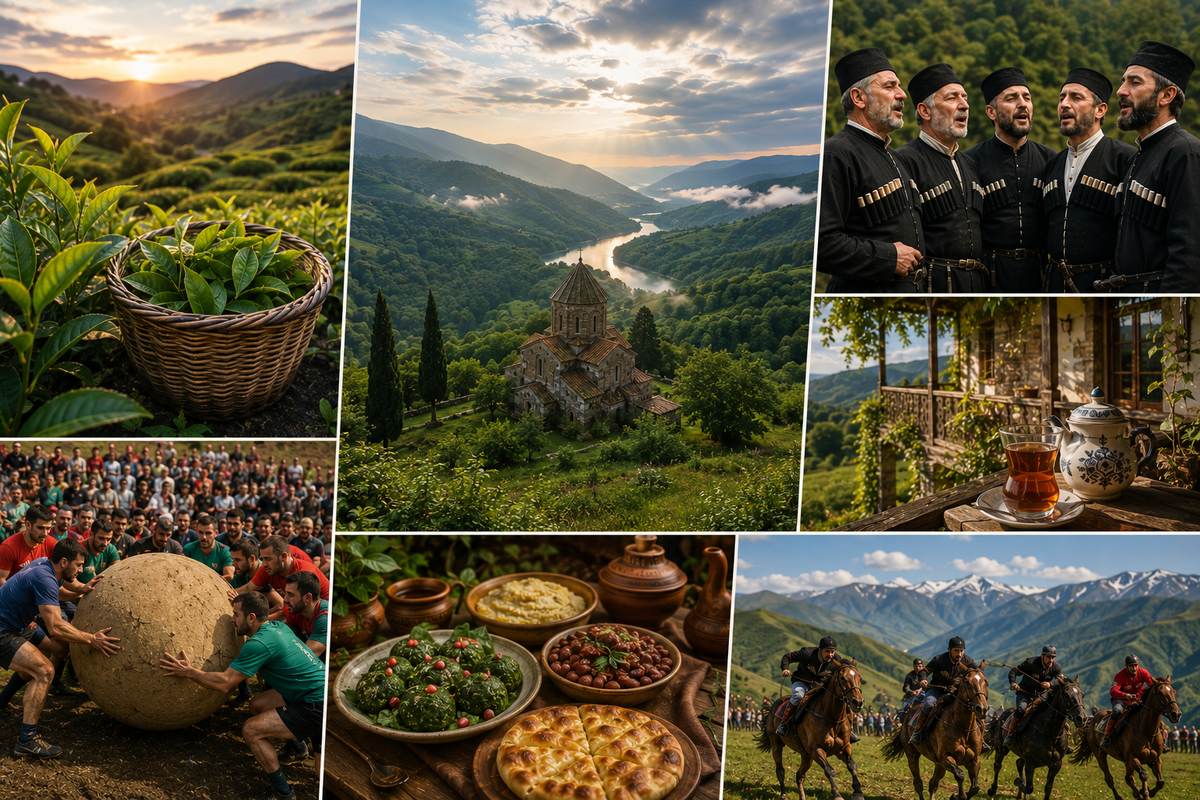
Bakhmaro Horse Races. Held every year on 19 August at the mountain resort, the races revive an old Gurian equestrian tradition that nearly disappeared in the Soviet era.
Gurian tea and food. Guria is one of Georgia's tea-growing regions. Nabeghlavi mineral water comes from here. The local cuisine is known for its plant-based dishes: mkhali, bean stew with mchadi cornbread cooked on a ketsi (iron pan), and Guruli Gvezeli — the regional take on khachapuri. Wines: Chkhaveri, Jani, Tsоlikouri.
Oda houses. The traditional Gurian wooden houses with deep balconies. Spending an evening on one of these balconies with a cup of aromatic Gurian tea and local conversation is an experience no resort can replicate.
🚗 How to Get to Guria and Around
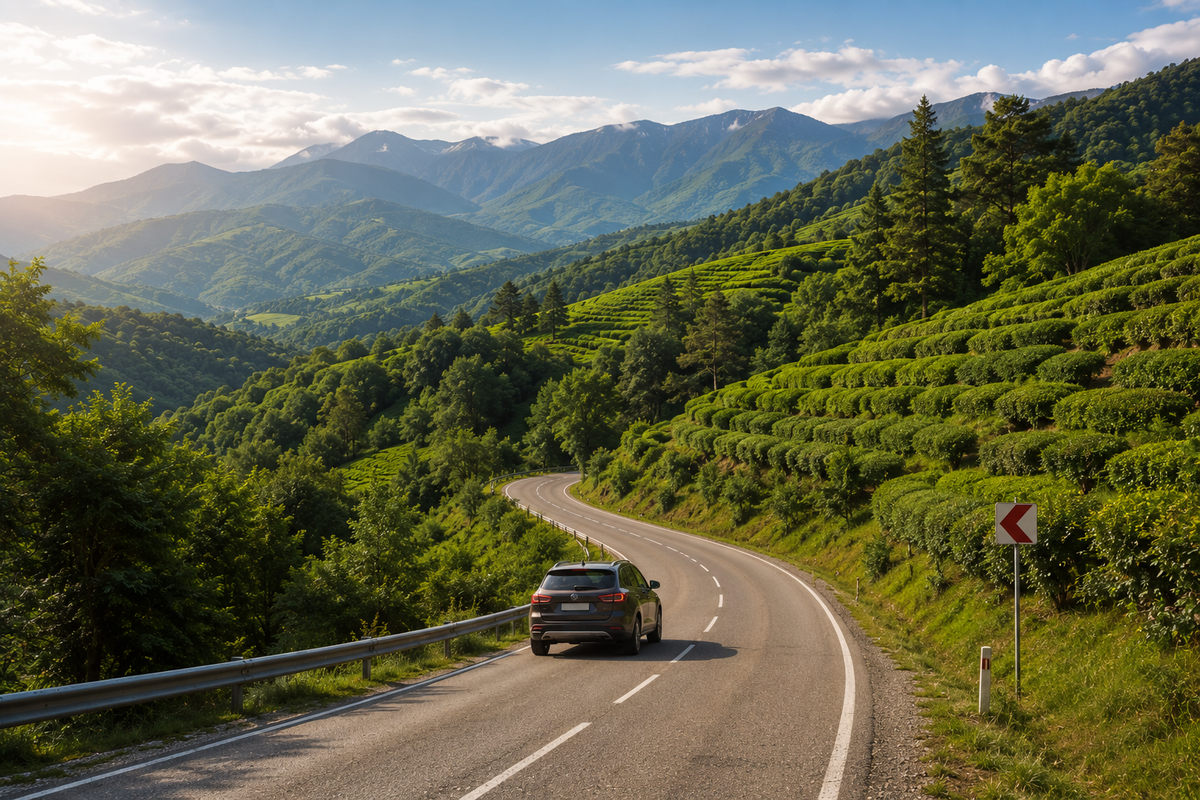
From Tbilisi: the Stadler fast train runs daily to Ureki. An older train connects Tbilisi to Ozurgeti (journey time over 7 hours). By car, around 3–3.5 hours via the E60 highway. The scenic alternative is the Nasakirali Road through Imereti — longer but worth it. Stop at the Nasakirali Battle Monument along the way, a memorial to the 1905 Gurian uprising.
From Batumi: about one hour by car along the E70 highway. Ureki is the first Gurian resort if you are coming from Adjara.
Within Guria: public transport connections inside the region are very limited — a car gives you significantly more flexibility. Ozurgeti makes a convenient base: about an hour's drive to Bakhmaro, 20 minutes to Shemokmedi Monastery, 30 minutes to the coast.
Have you been to Guria? Leave a review on Madloba — share what season you went, how far you got and what stood out. The region deserves far more attention, and every review helps travellers discover it.
Information current as of June 2026. Park opening hours, train schedules and mountain road accessibility change seasonally — check before you travel.
❓ Questions and answers
Late spring and autumn offer the best combination of mild temperatures and clear skies. Spring arrives early here, and the period around Orthodox Easter is particularly good. For the coast, June–September. For the mountains, late May through August.
The Stadler fast train runs daily to Ureki. An older train connects Tbilisi to Ozurgeti, though the journey takes over 7 hours. By car, around 3–3.5 hours via the E60. The Nasakirali Road through Imereti is a more scenic alternative.
Dark, fine-grained volcanic sand with a high iron and mineral content, found at the beaches of Ureki, Shekvetili and Grigoleti. The sand was carried from Mount Bakhmaro to the Black Sea coast by the Supsa River.
Ureki is busier in summer; Shekvetili is quieter but has more to do: parks, the dendrological garden, the arena. Families with children and those wanting activities beyond the beach tend to prefer Shekvetili. For a pure beach experience, Ureki or the even quieter Grigoleti.
The mountain roads to Bakhmaro and Gomismta usually open for cars in late May or early June. In winter, access is only by snowmobile.
Two to three days covers the coast and the Ozurgeti area. Four to six days if you want to include Bakhmaro or Gomismta.
Shekvetili Dendrological Park, Georgia in Miniature and the Tsitsinatela amusement park are all family-friendly. Ureki beach has an unusually gentle slope into the sea, suitable for small children and non-swimmers. More details in the Ureki and Guria natural attractions sections on Madloba.
Guruli Gvezeli (the local version of khachapuri), bean stew with mchadi cornbread cooked on a ketsi, and mkhali made with local greens. Wines: Chkhaveri, Jani, Tsоlikouri. Nabeghlavi mineral water. And Gurian tea — the region is one of Georgia's tea-growing areas.

1 comment
Log in to leave a comment