



⛪ The Seraphim Monastery above Borjomi: Why a Russian Saint's Cell Stands in Georgia
⛪ St Seraphim's Church: The Essentials
A church in the forest above Borjomi, built with the blessing of Bishop Serapime (Jojua) of Borjomi and Bakuriani. Beside it stands a cell, an exact copy of the one in which St Seraphim of Sarov spent the last years of his life.
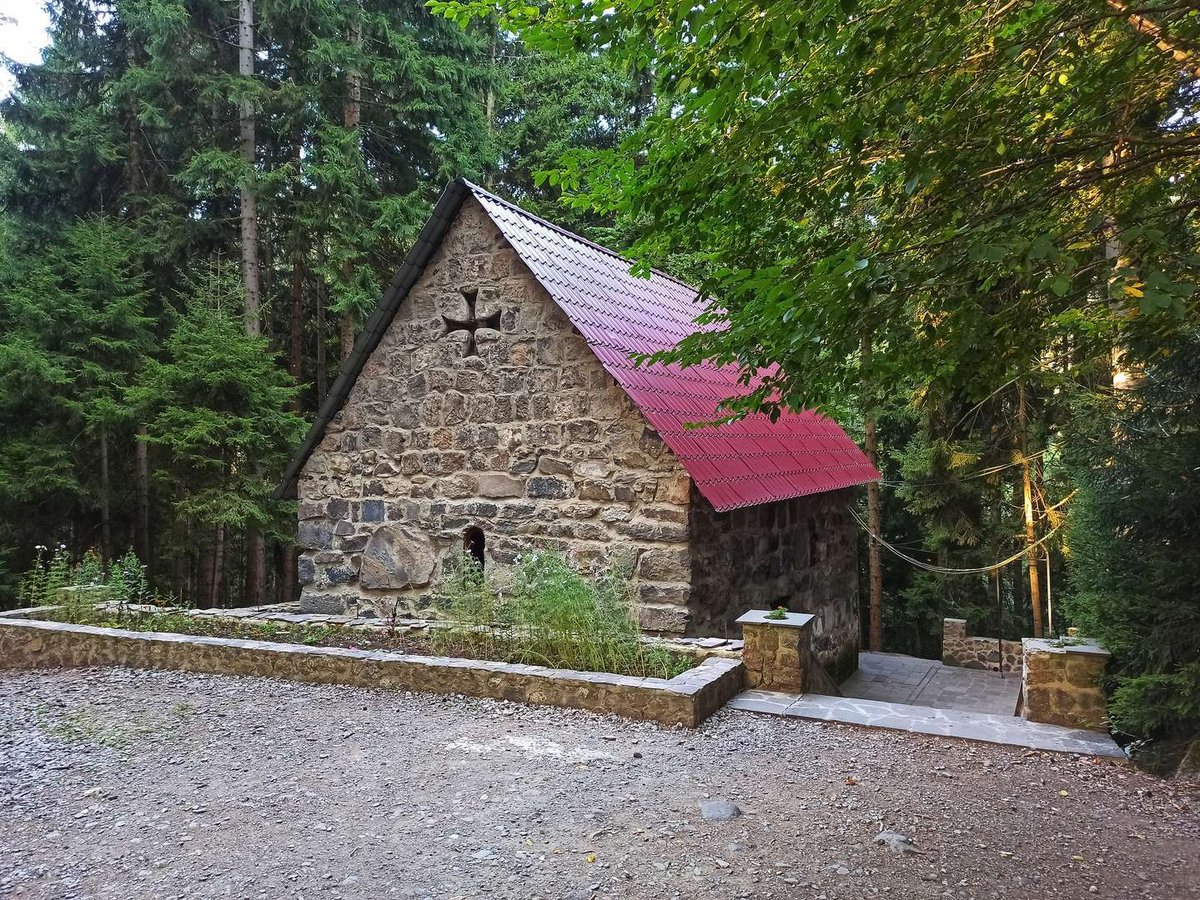
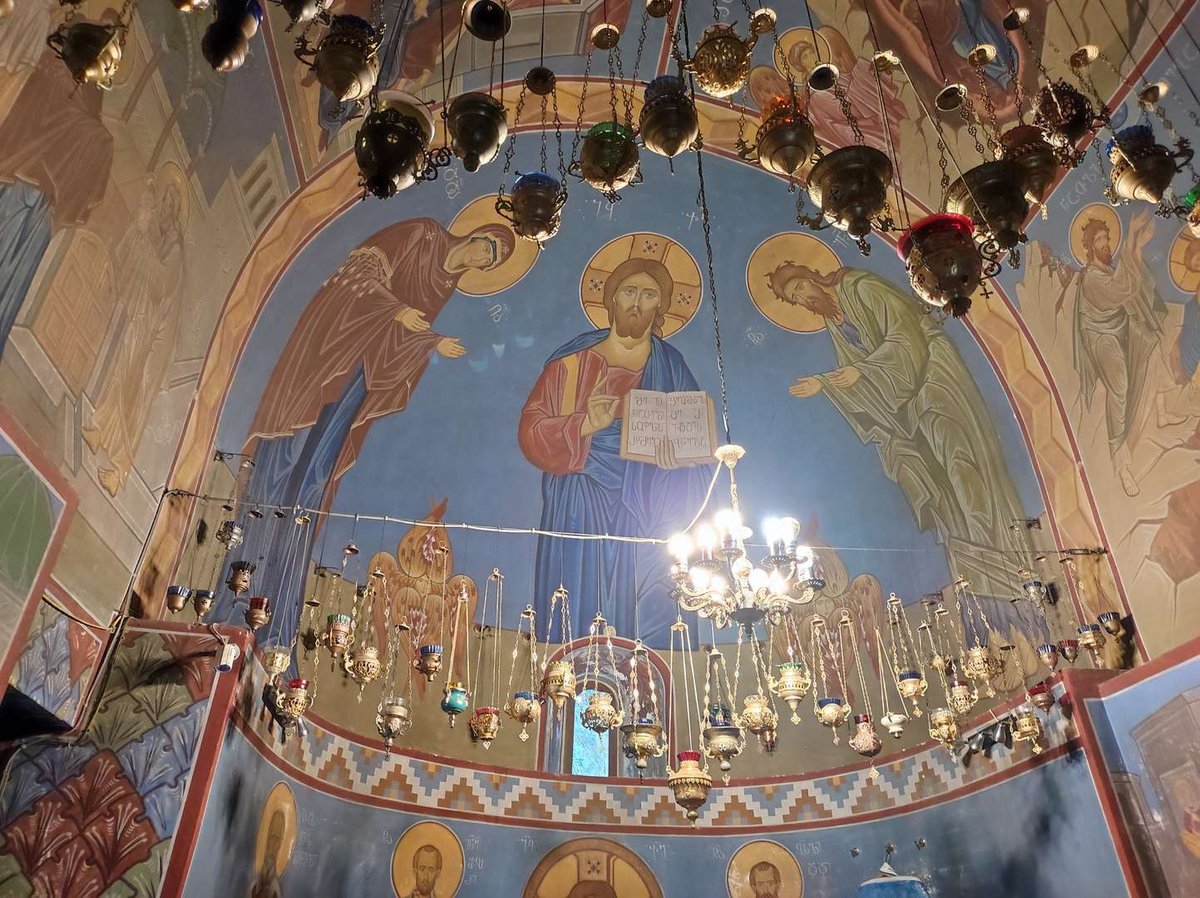
Above Borjomi, in the forest higher than the town, stands a church dedicated to St Seraphim of Sarov. The building is modern, put up with the blessing of Bishop Serapime (Jojua) of Borjomi and Bakuriani.
The question everyone asks is why a Georgian forest holds a church to a Russian saint, and a recent one at that.
The answer stands next to it.
🏠 The cell: a copy from Sarov
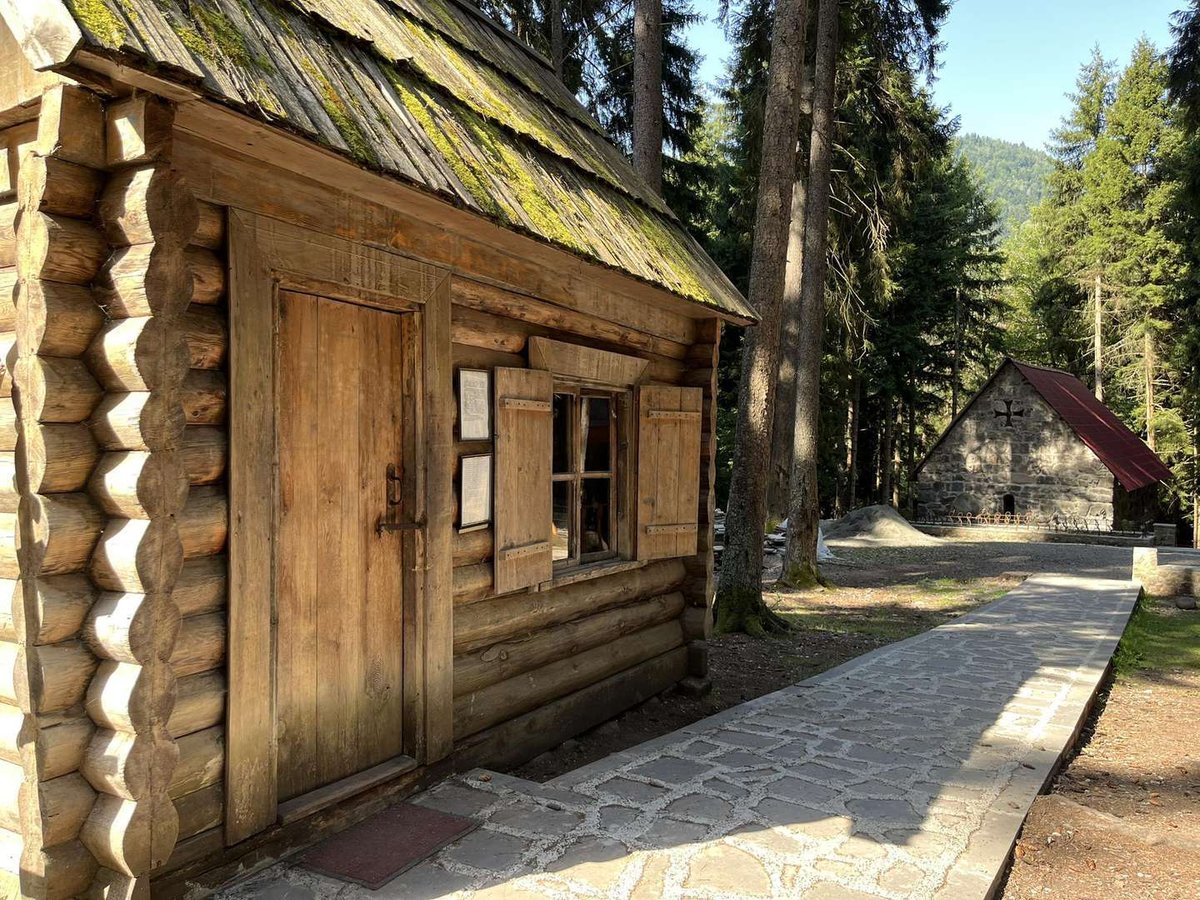
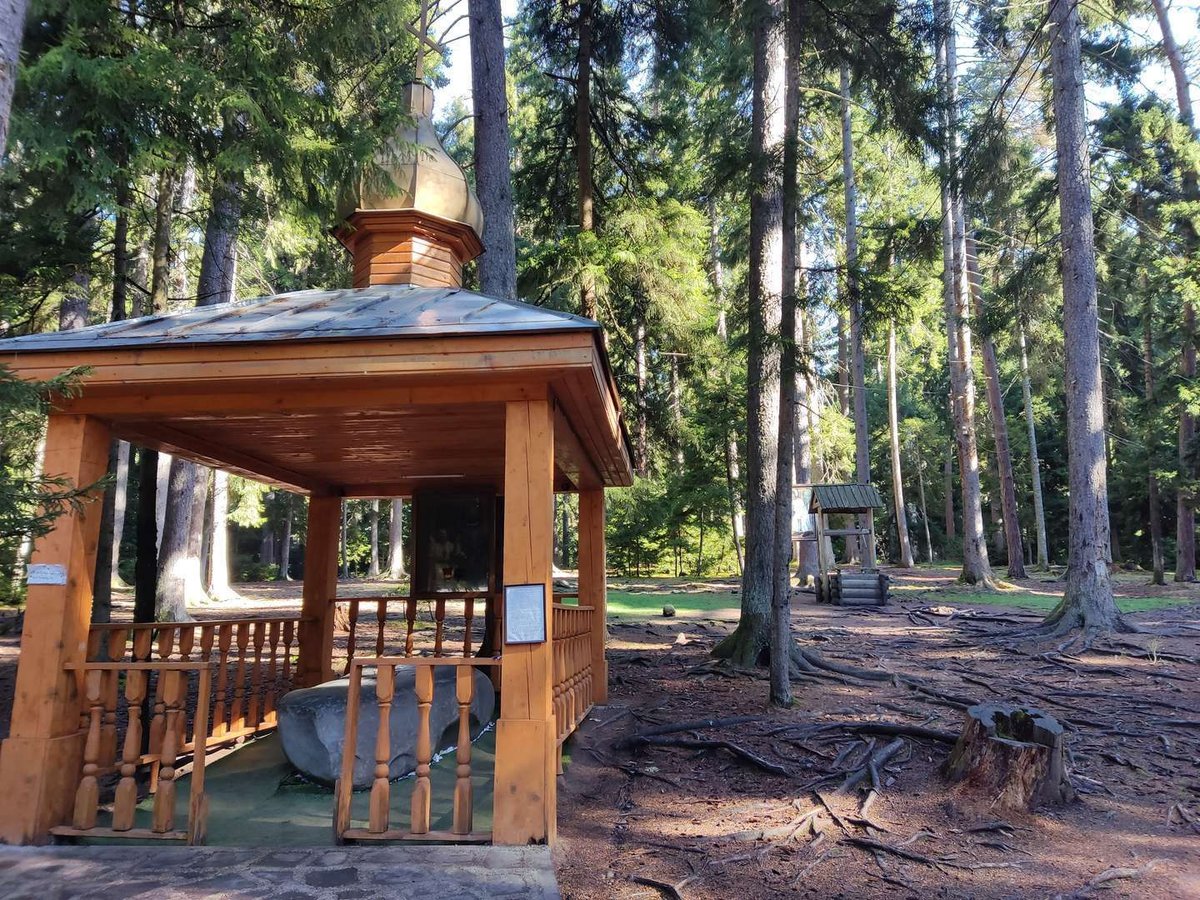
Beside the church a cell has been built, and the inscription at its entrance says so plainly: this is a copy of the cell in which the venerable Father Seraphim of Sarov spent the last years of his life.
The original stood in the 'near hermitage', three versts from the Sarov monastery, and was built in 1825. That is where the elder withdrew into seclusion.
In that cell hung the icon of the Mother of God known as 'Tenderness'. It was before this icon that Seraphim died, on his knees in prayer.
So what has been recreated in the Borjomi forest is a specific place, not an abstract image. It is an unusual kind of remembrance: neither a plaque nor a museum, but a saint's dwelling rebuilt two thousand kilometres from the original.
📿 Who St Seraphim of Sarov was
For anyone who knows the name but not the detail, a short account. It explains why churches are raised to him in Georgia too.
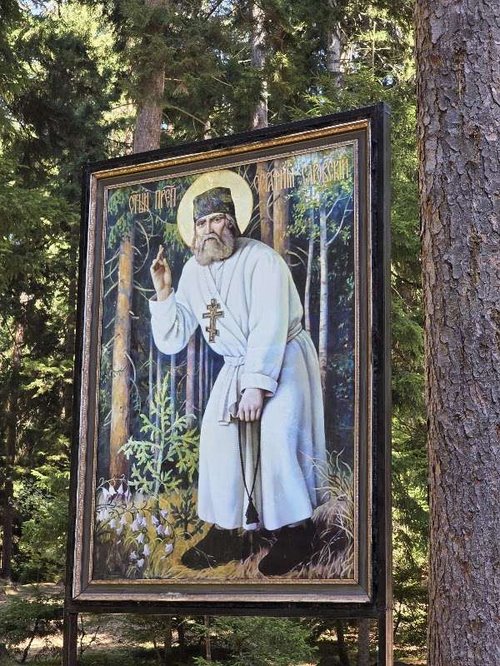
Seraphim is among the most venerated saints of the Orthodox church, known as an elder and a spiritual guide. He sometimes received up to three thousand people a day, discerned their past and their future, and knew the names of visitors he was seeing for the first time.
His appearance is recorded in detail and instantly recognisable: a white robe, a copper cross round his neck given to him by his mother Agafya, a bag slung over the shoulder filled with stones and sand, with the Gospel laid on top. A prayer rope in his hands.
And the greeting he gave everyone who came: 'My joy, Christ is risen!'
🌲 Why the church stands in the forest
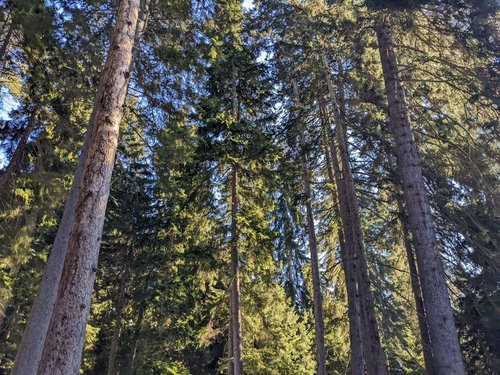
The setting was not chosen at random, and the intention behind it is legible.
Seraphim of Sarov was a saint of seclusion. He spent a substantial part of his life withdrawn in the forest near Sarov, and the 'near hermitage', where his cell stood, was itself a forest retreat.
The Borjomi church repeats that principle: it stands not in town but above it, among trees. The road up is already part of the visit, and the quiet around it is part of the design.
For a visitor this means something simple: nobody drops in here on the way past. The place requires a trip of its own and works differently from a town cathedral.
🚶 Getting there and what to expect
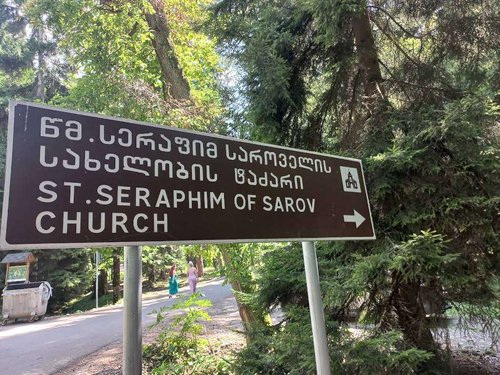
Your reference point is Borjomi. The church stands in the forest above the town, and the climb takes time.
The final stretch of road is unpaved, so in rain or out of season it is worth checking whether it is passable. Walking up is possible too, but allow spare time.
The usual conventions apply at a working church: covered clothing, a headscarf for women, photography by agreement.
A word on quiet. This is a secluded place where people come to pray rather than to look. If you arrive during a service, it is better not to intrude.
🧭 What else to see in Borjomi
St Nicholas Church, the cathedral of the diocese in Kostava Square. Also a modern building and also connected with Bishop Serapime, which makes the pairing a natural one.
The Church of St George at Sadgeri, seven kilometres away, of the fourteenth or fifteenth century with its carved reliefs. Monastic life there began with the same bishop's blessing.
Borjomi Park with its mineral springs, the reason most people come to the town.
Uznariani Fortress above Tsagveri, if you want some medieval history alongside.
Been to St Seraphim's church? Leave a review on Madloba: tell us how you got there, what state the road was in, and whether you managed to see inside the cell.
Information is current as of August 2026. Visiting arrangements at a working church and the condition of the access road both change, so check locally before you travel.
❓ Frequently asked questions
💬 In Borjomi Municipality, Samtskhe-Javakheti region, in the forest above the town of Borjomi. The final stretch of road is unpaved.
💬 That of Bishop Serapime (Jojua) of Borjomi and Bakuriani. The church is modern, built in the 2000s.
💬 An exact copy of the cell in which St Seraphim of Sarov spent the last years of his life. The original was built in 1825 and stood in the 'near hermitage', three versts from the Sarov monastery. An inscription at the entrance to the copy says as much.
💬 The icon of the Mother of God known as 'Tenderness'. It was before this icon that the elder died, on his knees in prayer.
💬 He is among the most venerated saints of the Orthodox church, an elder and spiritual guide. He sometimes received up to three thousand people a day, discerned their past and future, and knew the names of those he was meeting for the first time. He greeted everyone with the words 'My joy, Christ is risen!'
💬 Seraphim of Sarov was a saint of seclusion who spent much of his life withdrawn in the forest. The 'near hermitage' where his cell stood was itself a forest retreat. The Borjomi church repeats the principle.
💬 The usual rules for a working church: covered clothing, a headscarf for women, photography by agreement. It is a secluded place where people come to pray rather than to sightsee, so during a service it is better not to intrude.
💬 Up from Borjomi into the forest. The last stretch is unpaved, so check whether it is passable in rain or out of season. Walking up is possible but needs spare time.

5 comments
Log in to leave a comment