


⛪ The Tomb of Maximus the Confessor Near Tsageri: Where a Byzantine Saint Rests in Georgia
The Tomb at a Glance
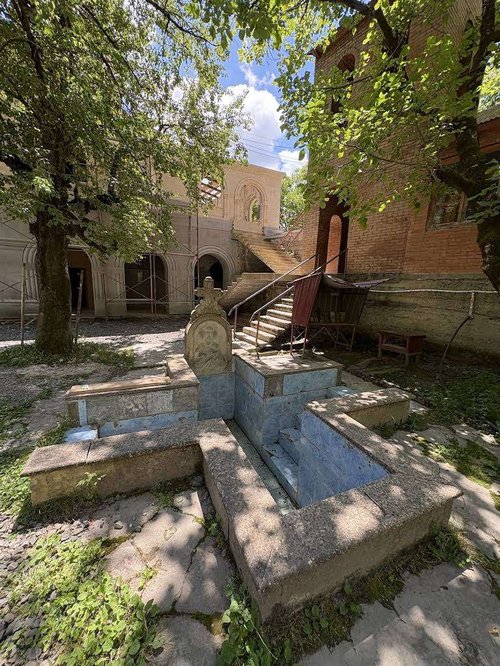
By Muri Fortress, near Tsageri, stands a church where, according to tradition, the Byzantine theologian Maximus the Confessor rests. Excavations in 2010 confirmed a tradition kept alive for centuries.
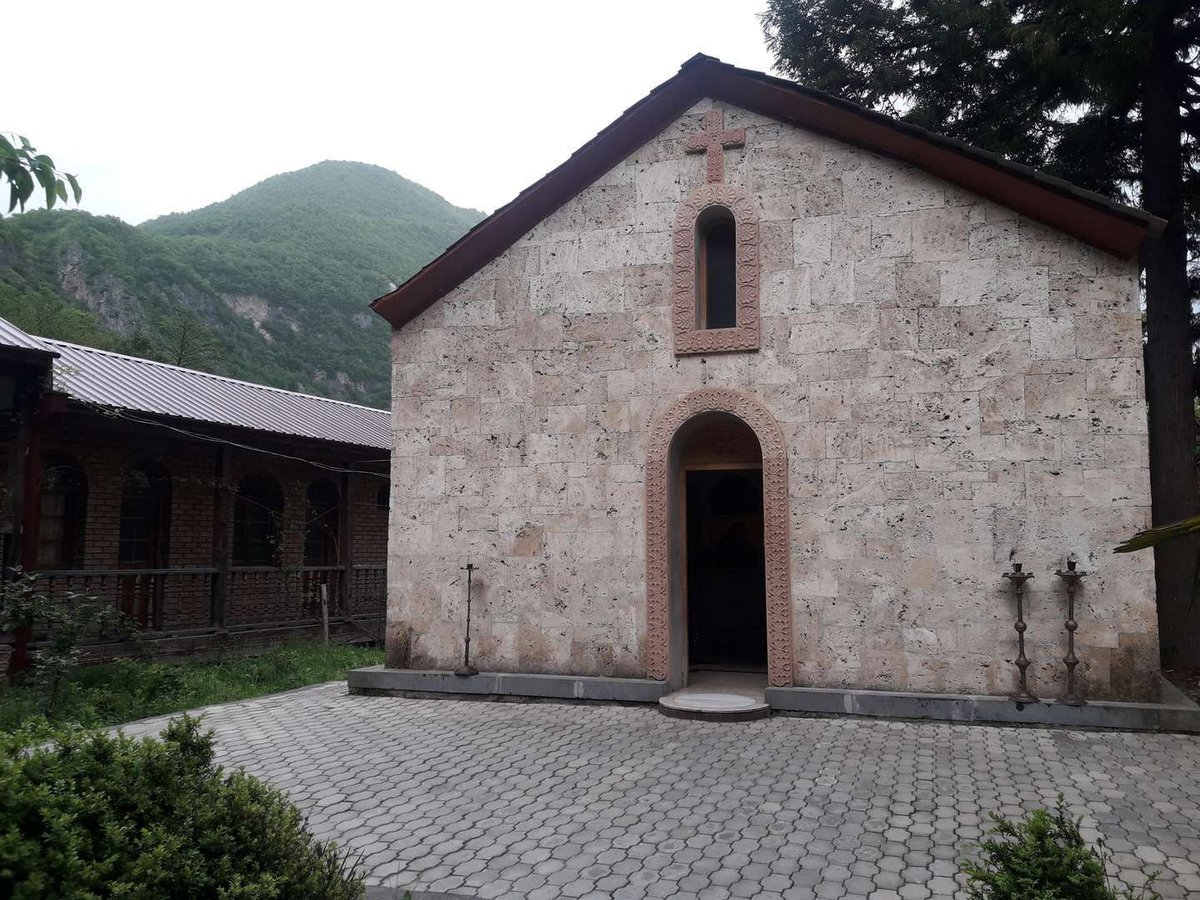
In the narrow gorge of the Tskhenistskali river, atop a rocky ridge on the border between Svaneti and Lechkhumi, stands a church with an unusual history: according to tradition, it's here, by Muri Fortress, that the Byzantine monk and theologian Maximus the Confessor rests, one of the most influential Christian thinkers of the 7th century. For the full listing with coordinates and photos, see the church's entry in the Madloba catalogue.
👤 Who Was Maximus the Confessor
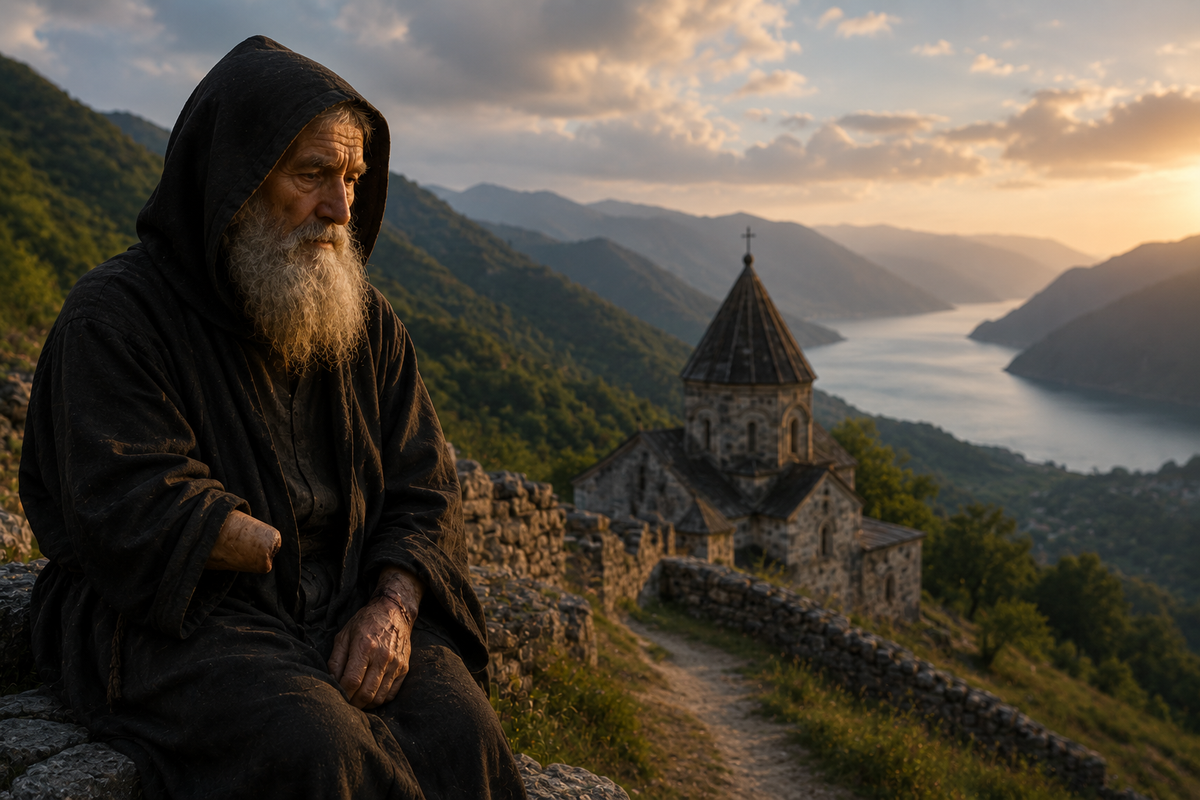
Maximus was born in Constantinople, most likely around 580, into a noble family. As a young man he served as first secretary to Emperor Heraclius, but court life soon wore on him, and he took monastic vows. His theological legacy is immense: he was the chief defender of dyothelitism, the doctrine of two wills in Christ, divine and human, against the Monothelite heresy backed by part of the imperial establishment of his day.
It was precisely this theological standoff that made Maximus the empire's primary target.
⛓️ How He Ended Up in Georgia
In 662, after a final trial in which he refused to recant his position, Maximus was subjected to brutal punishment: his tongue was cut out and his right hand severed, the two instruments of theological writing and preaching, and he was then paraded through the public square like a criminal, jeered at by the crowd. The elderly, mutilated monk was afterward exiled to the Caucasus, to Lazica, in what is now western Georgia, where he died soon after.
📜 The Grave by Muri Fortress
Record of Maximus's burial place survives in a 12th-century manuscript, in a marginal note added that same century: he was buried in a monastery near Muri Fortress. The tradition passed down through generations and was never forgotten in local memory, though scholars long debated exactly which site the tradition pointed to.
The tradition traces back to 9th-century sources, which state that Maximus was buried in the monastery of St. Arsenius, a name later replaced with that of Maximus himself. Various hypotheses were floated as to where this site might be, until most researchers concluded that the name "Schemaris" referred specifically to "Tsikhe Muris," meaning Muri Fortress.
The History in Dates
🔎 How the Relics Were Found
In 2010, on the initiative and with the personal involvement of Metropolitan Stephane (Kalaijishvili) of Tsageri and Lentekhi, excavations were carried out inside the church. Earlier, in 1914, one expedition had excavated around the church and confirmed a temple and monastery had once stood on the site, but found nothing directly linked to Maximus himself. Then came the First World War, then revolution, and the excavations were shelved.
The 2010 excavations uncovered three burials together inside the church, which an anthropologist concluded most likely belonged to Maximus himself and two of his disciples, Anastasius Apocrisiarius and Anastasius the Monk. One level below, a separate burial was found, likely that of St. Arsenius, after whom the monastery had originally been named.
🪦 Upper Level, Three Together
Most likely, per the anthropologist's findings, Maximus the Confessor and his two disciples, Anastasius Apocrisiarius and Anastasius the Monk
🪦 Lower Level, Separate
Most likely St. Arsenius, after whom the monastery had originally been named
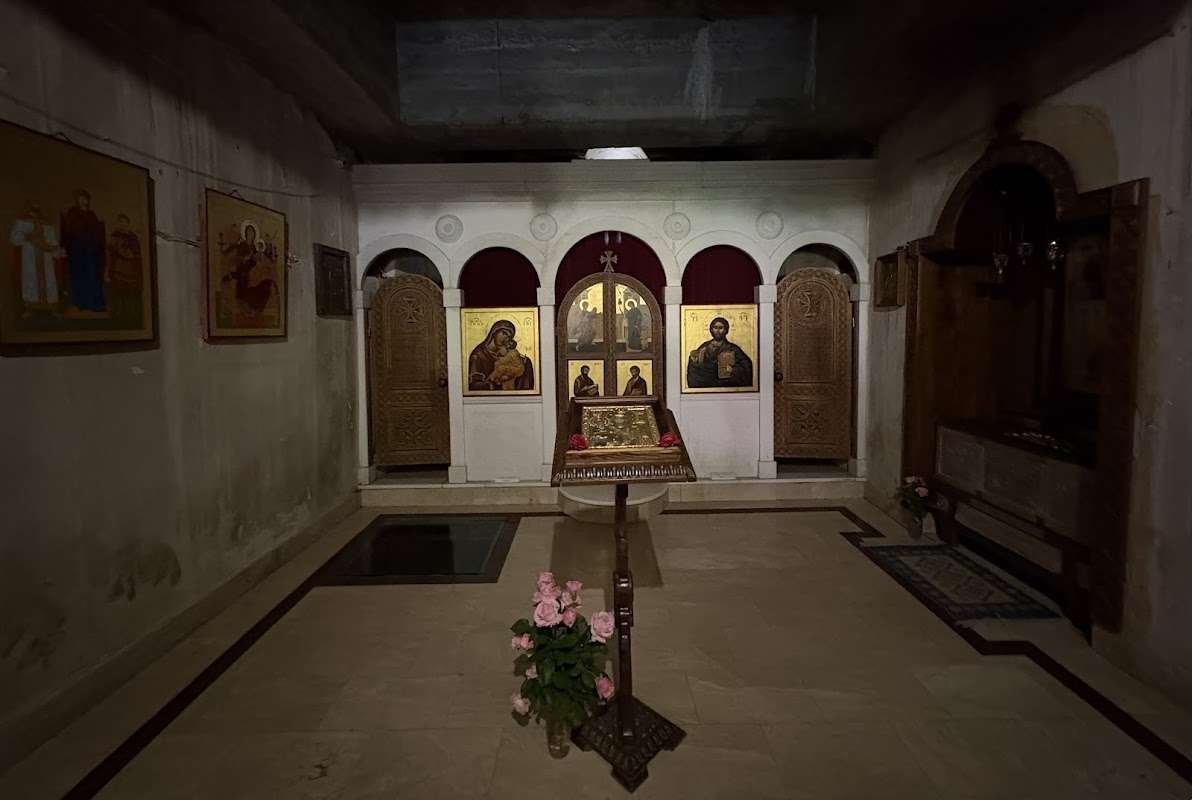
Following the discovery, a years-long scientific investigation into the relics' authenticity began, drawing on historical, anthropological and other methods. At a conference in 2015, the results were announced: it was reliably established that the relics found in Tsageri in 2010 do indeed belong to the venerable Maximus the Confessor.
⛪ The Church Today
Today this church is the only one in the world dedicated to Maximus the Confessor, no comparable church existed anywhere else right up until the late 20th century. Worth noting separately: the cathedral in Tsageri town holds an icon of Maximus, in the left part of the altar screen, entirely covered in myrrh. That's a separate, additional site of veneration, distinct from the tomb itself, though both are tied to the memory of the same saint.
🚗 Getting There
The church stands in the Tsageri Municipality, in the narrow gorge of the Tskhenistskali river, atop a rocky ridge, by Muri Fortress. The site sits right on the border between Svaneti and Lechkhumi, making it accessible from either direction.
Have you visited the tomb of Maximus the Confessor? Leave a review on Madloba: tell us what impression the place left on you, what condition the road was in, and what first-time visitors should know.
Information is current as of July 2026. Road conditions can change, check details locally before you go.
❓ Frequently asked questions
💬 In the gorge of the Tskhenistskali river, by Muri Fortress, in the Tsageri Municipality, on the border between Svaneti and Lechkhumi.
💬 A Byzantine monk and theologian, born around 580 in Constantinople, the chief defender of the doctrine of two wills in Christ against the Monothelite heresy.
💬 In 662, for refusing to recant his position, he was punished by having his tongue and right hand cut off, then exiled to Lazica, in what is now western Georgia, where he died soon after.
💬 In 2010, during excavations initiated by Archbishop Stephane (Kalaijishvili). Their authenticity was confirmed by a years-long scientific study concluded in 2015.
💬 Through historical sources, anthropological analysis and other methods, as part of a years-long scientific investigation announced in 2015.
💬 Yes, right up until the late 20th century, no monastery or church anywhere in the world was dedicated to Maximus the Confessor. This one, in Georgia, is the only one.
💬 Yes, the cathedral in Tsageri holds an icon of Maximus entirely covered in myrrh. It's a separate site of veneration, distinct from the tomb itself.

5 comments
Log in to leave a comment