



Pitsunda-Myussera Reserve in Abkhazia: Relic Plants and Monuments
The Pitsunda-Musser Nature Reserve is located in the northwestern part of Georgia, in Abkhazia, in the Black Sea coastal strip, within the boundaries of the Pitsunda Cape and the Musser (Kovalyuk) upland.
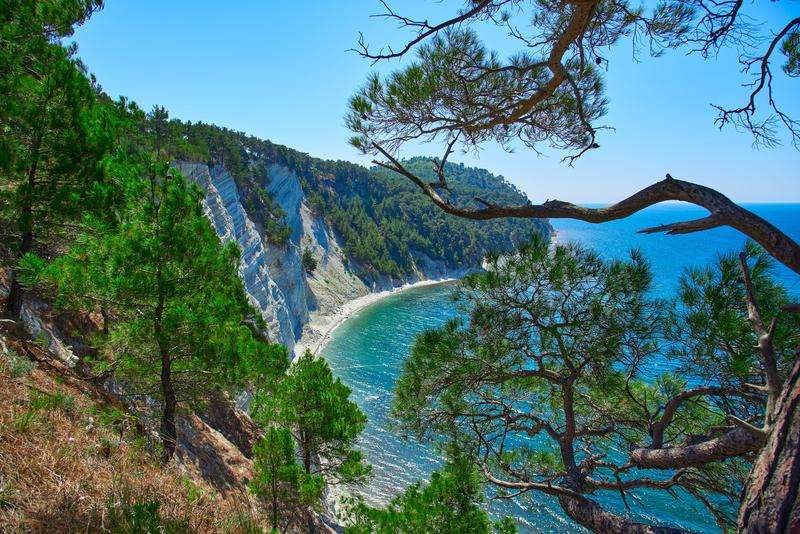
It was founded in 1966 in order to preserve the last remnants of the Crimean-Caucasian flora of the tertiary period - the Pitsunda relict pine and the Colchis polydominant forest.
The grove of the Pitsunda relict pine is located on the Pitsunda Cape, on this strip of the Black Sea coast. The height of the cape is 1.5 - 3 meters. The name of the cape is connected with the Greek name of the pine tree. There are several thousand trees growing here, the height of some of them reaches 40 meters, and the average age is 130 years. The protection of the pine grove began in 1885.
The reserve is located at the border of the subtropical and temperate climatic zones. The average temperature in January is +6.2 , and in August -+22 -+23 . The climate is humid subtropical, although the amount (1400 mm) and distribution of precipitation (winter maximum and summer minimum) is similar to the Mediterranean climate. The temperature of sea water in winter has a fairly high indicator for this latitude +8.5 .
Many plants of the Pitsundsko-Mussersky Reserve are listed in the Red Book. Of particular interest is the Pitsunda relic pine, the grove of which is a unique phenomenon, both from a recreational and health-improving point of view.
In the reserve there are such endemic species as: Colchian boxwood, blood-bearing lapina (Pterocarya pterocarpa), Colchian ivy (Hedera colchica), Caucasian linden (Tilia caucasica), Georgian oak and Hartvis oak (Quercus hartwissiana), chestnut, etc.
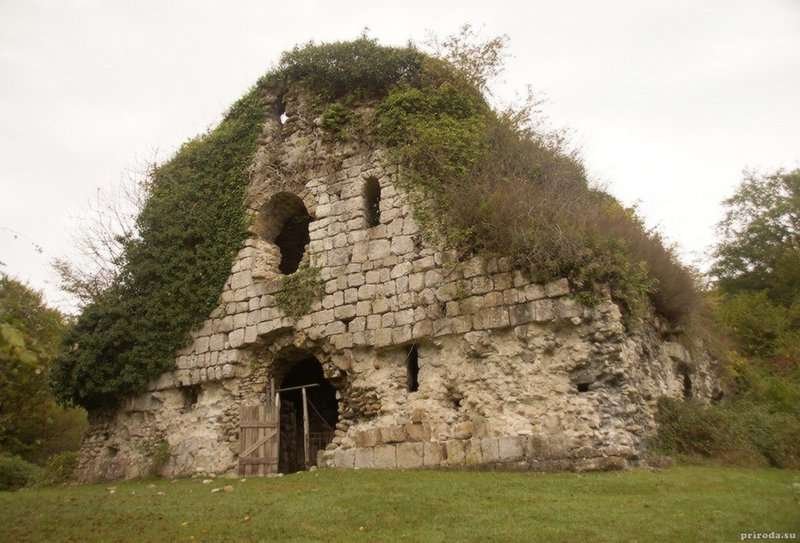
There are many historical and archaeological monuments in the vicinity of the reserve. This territory was developed and described by the Greeks in the ancient era. Many objects from the Bronze Age, the antique period and the early Middle Ages have been found here. In Pitsunda there is a three-nave basilica of the 5th century and a cross-domed temple of the 10th century.

51 comments
Log in to leave a comment
لكن الصراحة، كل شيء له جماله ولذته. مناظر طبيعية تكاد تنطق، بس شغلة العناية بالبيئة مهمة جدًا. وبدون ما أصدّق، وقفت أمام شجرة صنوبر ضخمة، وكأنها تحكي قصص لأجيال. والآثار المحيطة تضيف لمسة غامضة، كأنك تعيش فيلم مغامرات. التجربة كانت ساحرة والفكرة أن المناطق دي لازم تُحافظ عليها. يا لها من رحلة!
רק שאלה אחת - האם יש מסלולי טיול מומלצים באותם אזורים בתוך השמורה?
Мне особенно понравилось, как автор рассказывает не только про природу, но и про богатую флору и фауну заповедника. Здесь растут редкие растения, встречаются птицы, а густые леса создают ощущение настоящей первозданности, даже несмотря на близость к побережью.
Отдельно вдохновляют практичные советы: где можно прогуляться, какие участки особенно живописны и когда лучше приезжать, чтобы поймать мягкий свет для фото 📸 и насладиться тишиной. Такие детали делают планирование поездки намного легче и интереснее!
Заповедник выглядит как идеальное место для спокойных прогулок, пикника среди вековых деревьев или просто отдыха там, где природа дарит свежесть и гармонию. Интересно, что сочетание лесной тени с видом на Чёрное море создаёт уникальный ландшафт, который не так просто забыть.
Спасибо автору за вдохновляющий обзор! 🌳💛
А вы уже бывали в Пицундско‑Мюссерском заповеднике? Что вам там понравилось больше всего — тени леса, тихие тропы или виды на море? 🏞️🌊✨
ей красотой.В окрестностях заповедника есть памятники.Создан заповедник был в 1966 году с целью сохранения крымско-кавказской фло-
ры третичного периода, реликтовые сосны.Красота которой наслаждаешься.В окрестностях заповедника находится памятники архитектуры
5 и 10 века.Интересная статья, место стоящие к посещению.
Дополняю)) я поискала информацию и оказалось, что можно и на маршрутке, и на автобусе в сторону Мюссеры. А также можно доехать на такси или личном автомобиле. Но учтите, что посещение Абхазии со стороны России воспринимается как нарушение закона