



Nunisi: the oldest healing source
Another legend about the discovery of Nunisi's waters is associated with the name of the great Georgian king David Agmashenebeli: the king with his army returned from the battlefield. The horses were tired from the long journey, their skin peeled off, and blisters appeared on it. In Nunisi, the horses lay in a puddle and immediately healed. The king, pleased, made a donation to the local church. The male monastery named after the Holy Mother of God in Nunisi (in the 9th-10th centuries) is still functioning.
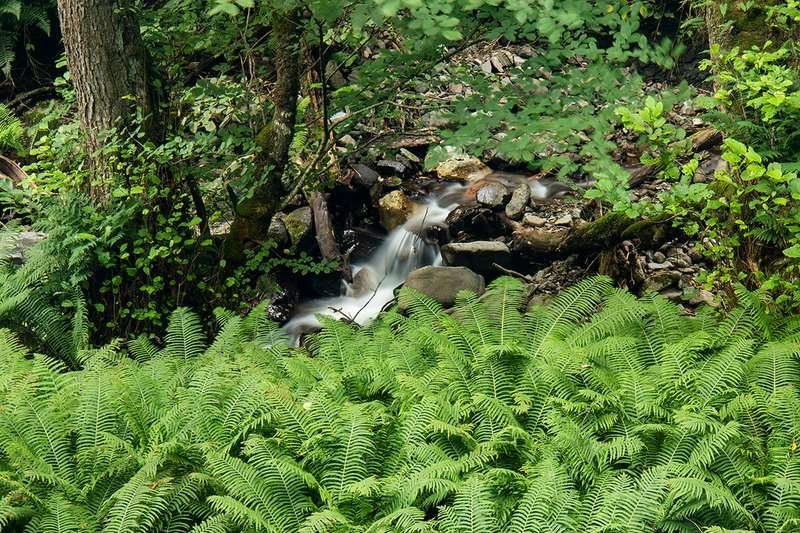
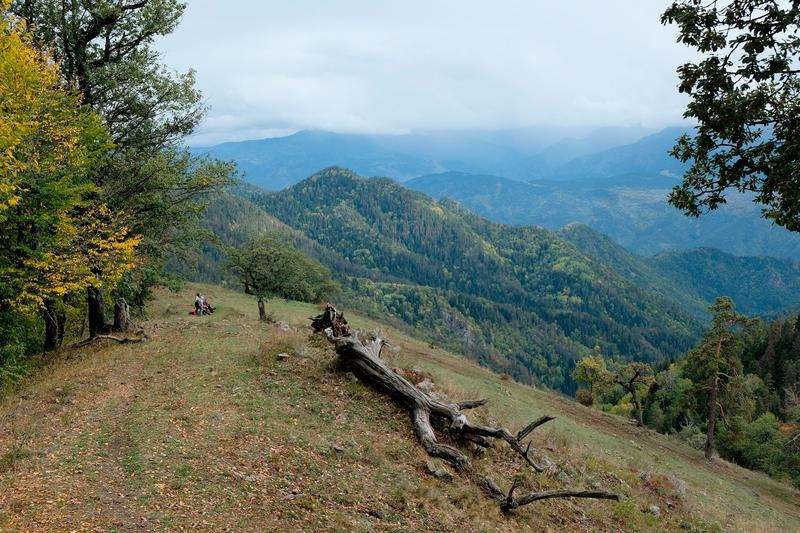
The Borjomi-Kharagauli National Park is one of the largest reserves (76,000 hectares) in Europe and the first nature reserve created in independent Georgia. It features both forest plants and a rich and diverse fauna characteristic of Western Georgia and the Caucasus. The park is the only refuge for many bioworlds on the verge of extinction. It is located on the territory of six municipalities: Borjomi, Kharagauli, Akhaltsikhe, Adigeni, Khashuri, and Bagdadi. There are 11 tourist trails of varying difficulty, which were developed with the participation of the German government (VMZ) and the World Wildlife Fund (WWF).
In the territory of the Borjomi-Kharagauli National Park, in the valley of the Nunisistskali River, there is a climatobalneological resort Nunisi. The name of the village is associated with the healing properties of the water that cures skin disease - scabies (mun - Georgian). Nunisi has a unique climate due to mixed coniferous and deciduous forests. The healing factors here are the climate and high alkaline water, which is beneficial for those who suffer from skin diseases or illnesses caused by nervous disorders.
According to folklore, the use of Nunisi's waters for therapeutic purposes began a long time ago. In the first half of the 9th century, people noticed that domestic animals were cured of scabies thanks to mineral water, so they started using this water themselves, and the result did not take long to wait.
The village of Nunisi and its waters are mentioned in the works of the historian and geographer of the 17th century, Vakhushti Bagrationi.

39 comments
Log in to leave a comment
Здається, в наш час ми забуваємо про прості речі - про природу, про ліки у воді. Дуже круто, що цей монастир досі живе, як свідок тих далеких часів! До речі, кажуть, що там справді можна знайти спокій і гармонію. Хочеться побачити, побоятися, відчути все на власні очі! Справжнє місце сили, як не крути. Попробую знайти можливість відвідати це місце.
Bu tür yerler, benim için sadece güzellik değil, aynı zamanda huzur kaynağı. Annem her zaman doğal suların sağlık için yararlı olduğunu söylerdi. Kalabalık şehirlerden uzaklaşıp böyle bir yere gitmek, insanın ruhunu dinlendiriyor. Monastırın varlığı da ayrı bir güzellik; geçmişle bugün arasındaki hikayeyi somutlaştırıyor. Benim için, yaşamın karmaşasında bu gibi yerler adeta bir soluklanma noktası.
Yet, I can't help but wonder, with all this beauty, how do the locals feel about the balance between preserving such a treasure and welcoming tourists? 🤔
Мне особенно нравится, что в рейтинге не только рассказывают о целебных источниках, но и упоминают действующий монастырь Святой Богородицы IX–X веков ⛪, где можно окунуться в атмосферу истории и гармонии с природой 🙏. После прогулки по окрестным лесам мечтаю заглянуть в местное кафе и попробовать ароматный кофе ☕ с видом на зелёную долину — идеальная пауза после исследования источников 🍰🌄.
Такие подборки с советами от местных жителей и отзывами действительно помогают прочувствовать место ещё до поездки 💬❤️
А вы уже слышали о лечебных водах Нуниси? Какие ещё природные источники в Грузии посоветуете посетить для оздоровления и отдыха? 💦🇬🇪
На территории парка находится курорт Нуниси. Название связано с лечебными свойствами воды, которая лечит чесотку. В Лечебные факторы здесь - климат и высок щелочная вода, целительная для кожи и нервов.
Использование вод началось очень давно. В IX веке, когда люди заметили, что домашний скот излечивался от чесотки благодаря минеральной воде, сами стали использовать эту воду и результат удивил.
Легенда связана с именем царя Давида Агмашенебели. Кони устали от долгой дороги, кожа у них облезла и на ней появились волдыри, когда царь со своим войском возвращался с поля битвы. В Нуниси кони легли в лужу и сразу же исцелились. Царь, обрадовавшись, внёс пожертвования местному храму. Мужской монастырь им. Святой Богородице и ныне действующий.
Село Нуниси и его воды упоминаются в трудах историка и географа XVII века Вахушти Багратиони.
Здесь 11 туристических троп различных по степени сложности, которые были обустроены при участии немецкого правительства и ВФО.