




🌿 Ilto National Park: a River Valley in the Beech Forests of Kakheti
🌿 What to Know Before Your Visit
A protected managed nature reserve in the Akhmeta district of Kakheti. 6,963 hectares of pristine beech forest at 900–2,000 metres. Griffon vultures over the alpine zone, trout in the Ilto River, roe deer in the forest. From Akhmeta, 40 km of mountain track — 4WD only.
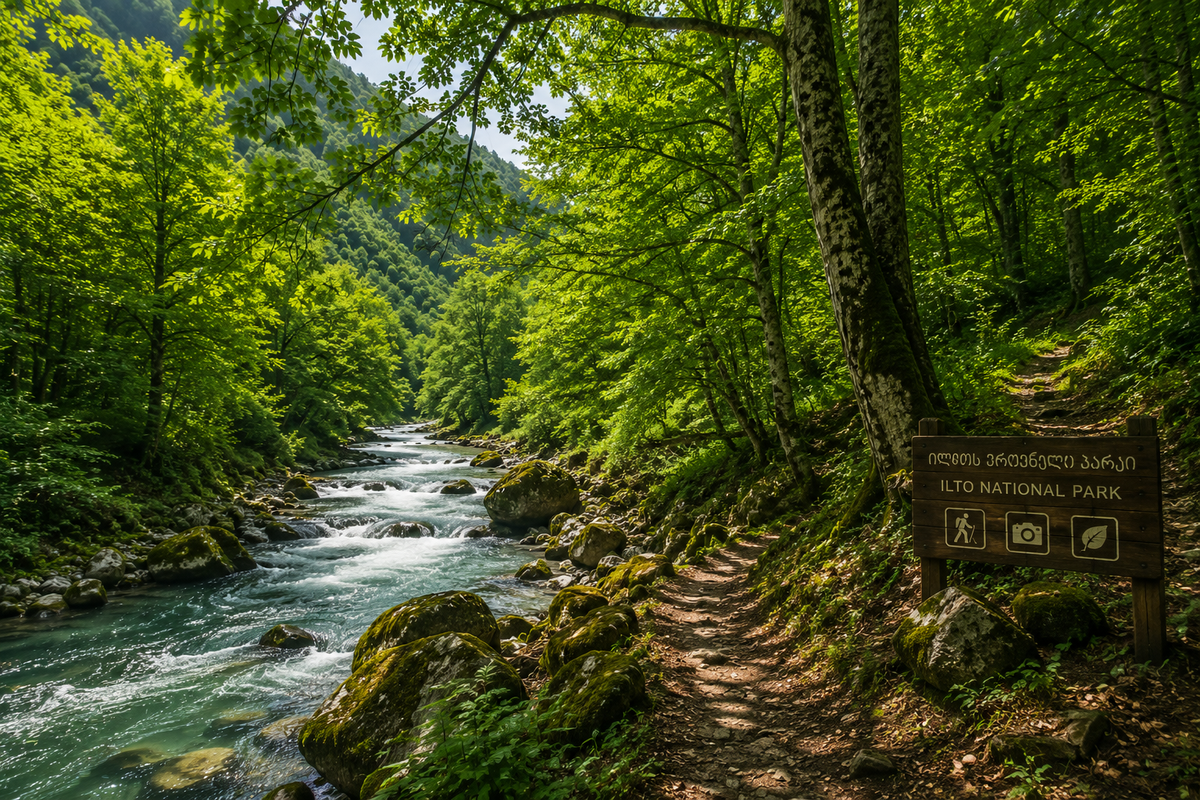
The Ilto River valley is the western unit of the Batsara-Babaneuri Protected Areas, one of the oldest nature complexes in Kakheti. While the Batsara Reserve is famous for ancient yew trees up to 700 years old, and the Babaneuri Reserve for its groves of Caucasian zelkova, Ilto preserves something different: continuous beech forest that has never been logged. Eastern beech in this kind of pristine condition survives in only a handful of places across Georgia.
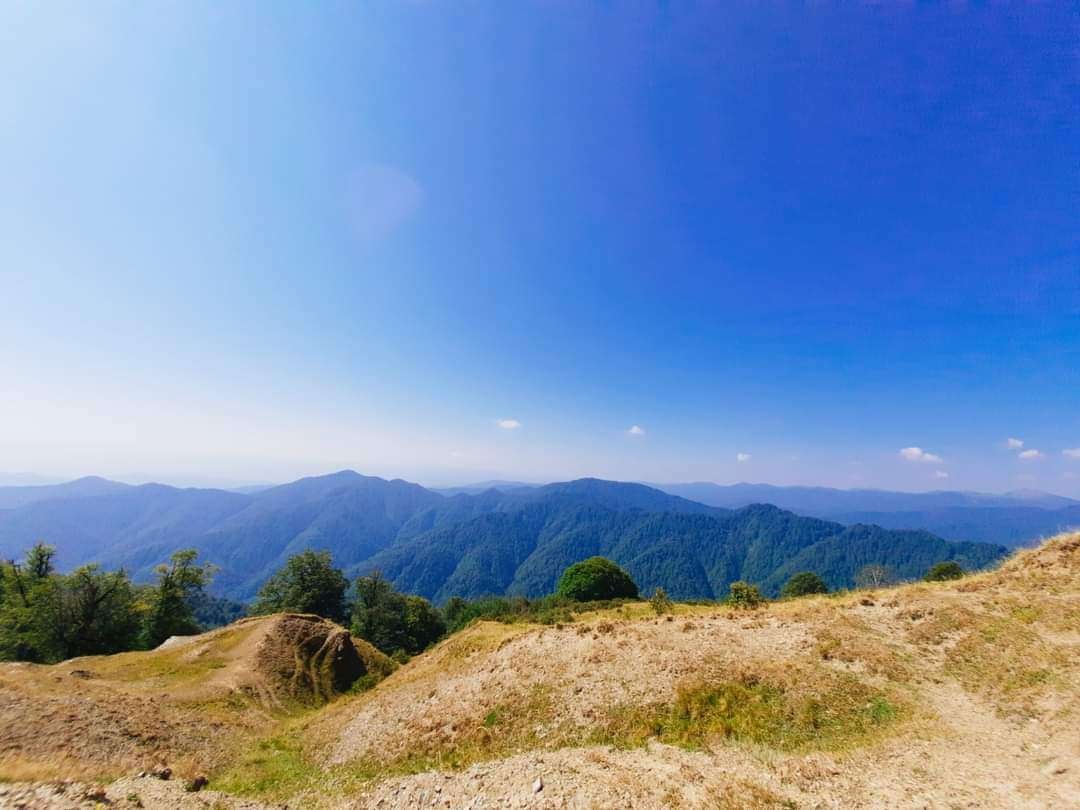
The park occupies the upper valley of the Ilto River in Akhmeta district, from 900 to 2,000 metres above sea level. Below, dense beech stands with a cherry laurel understorey. Above, a subalpine belt with birds you will not find anywhere else in the lowlands of Kakheti. To the east lies the Batsari Nature Reserve; to the west, the Tianeti forests; to the south, the Akhmeta forestry; to the north, the alpine zone.
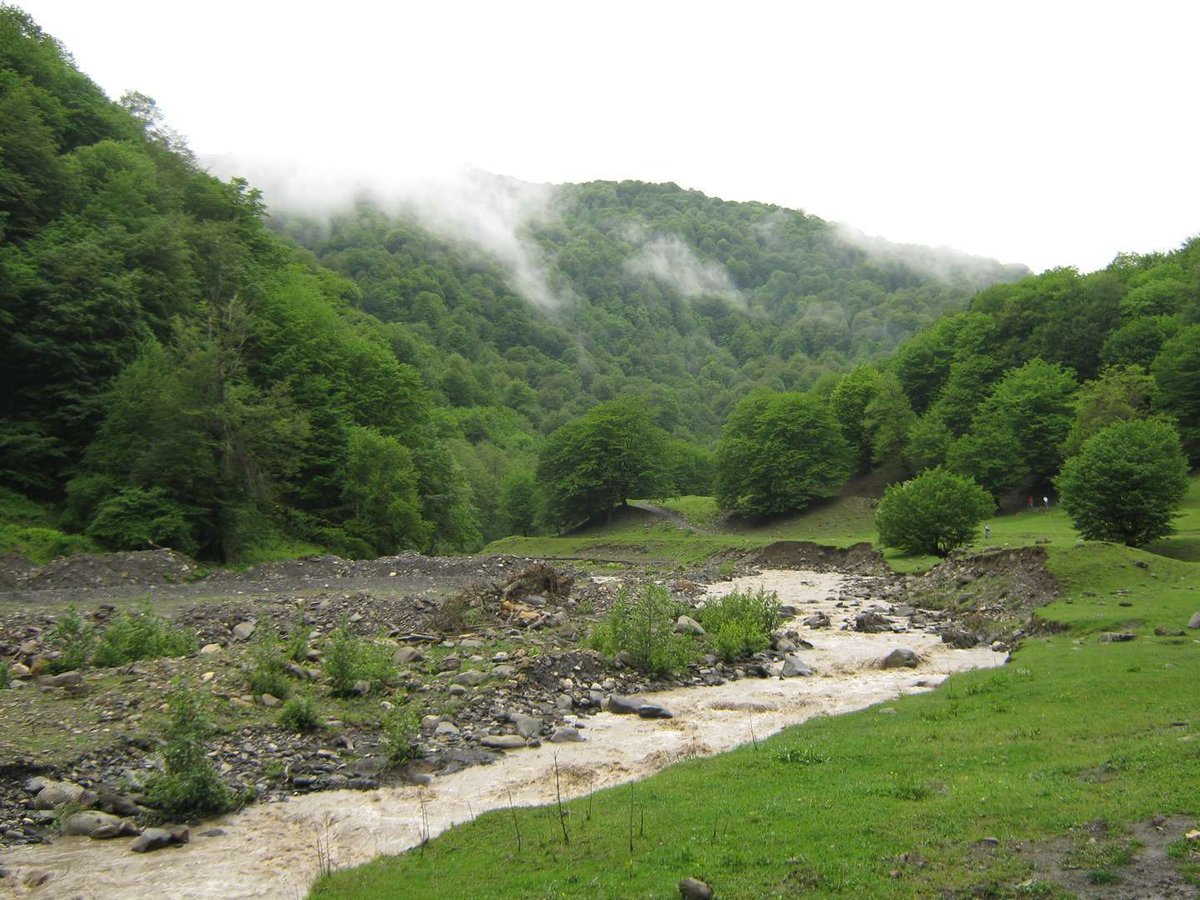
Getting here goes through Akhmeta: from there it is 40 km of mountain track that requires a 4WD. That is not a barrier — it is a filter. The people who make it here come specifically for undisturbed nature, not a parking lot with a café.
🗺️ Ilto National Park on the Map
Get directions in Google Maps📍 Where the Park Is and How to Find It
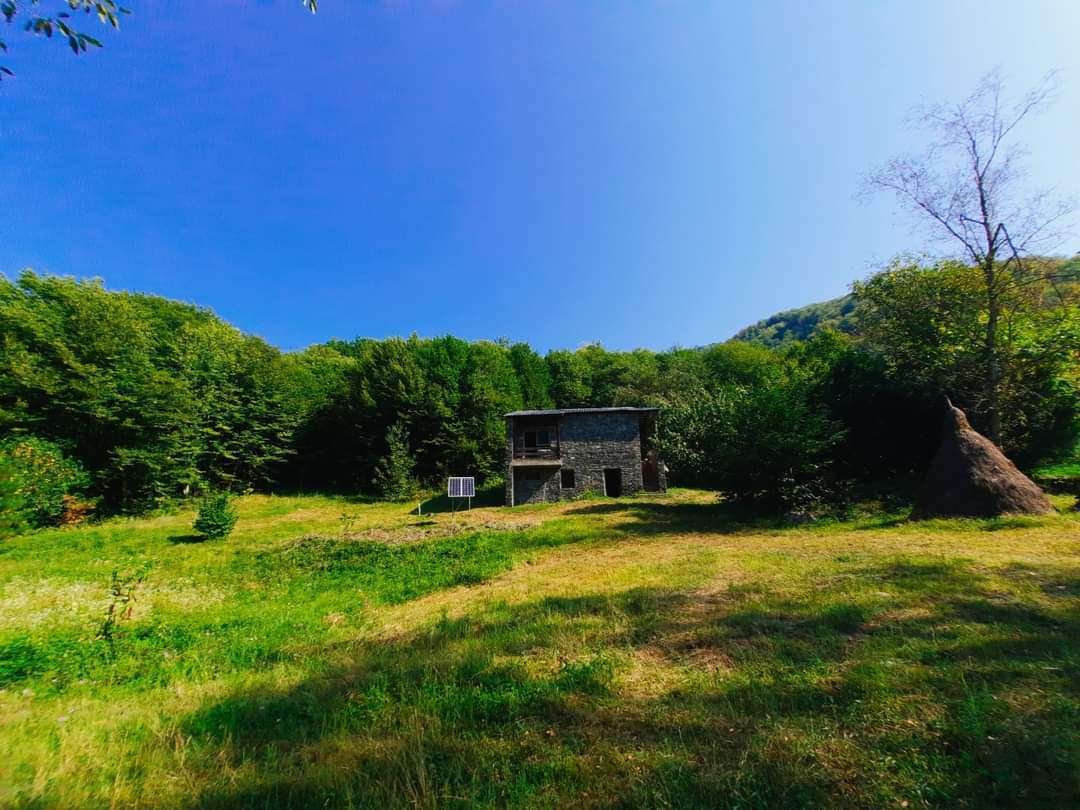
Ilto National Park sits in the Akhmeta district of Kakheti — the same district you pass through on the way to Tusheti. Akhmeta is about 130 km from Tbilisi via the Gombori Pass, which is faster than the Gurjaani route (180 km). The park covers the upper reaches of the Ilto River, a tributary of the Alazani.
From Akhmeta to the Ilto reserve is 40 km of mountain track, passable only in a 4WD or high-clearance vehicle. To arrange local transport hire, contact the Batsara-Babaneuri Protected Areas administration: Akhmeta, 105 Chavchavadze St., tel. 577 961 191.
Official website of the Agency of Protected Areas of Georgia: apa.gov.ge.
🌳 The Beech Forest: What Ilto Protects
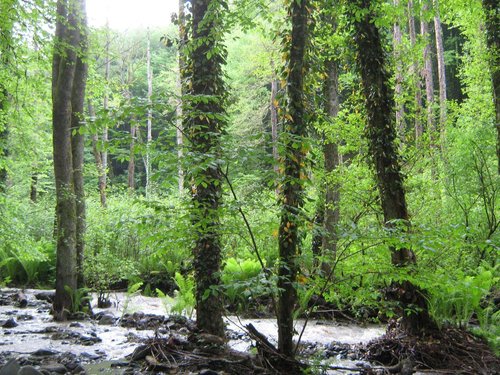
The Ilto section of the protected area encompasses the Ilto River valley, where the forests of eastern beech (Fagus orientalis) have been preserved in their original state. The understorey is dominated by cherry laurel. These uncut beech stands make a strong impression — and for good reason: this kind of uninterrupted old-growth beech is rare in Georgia.
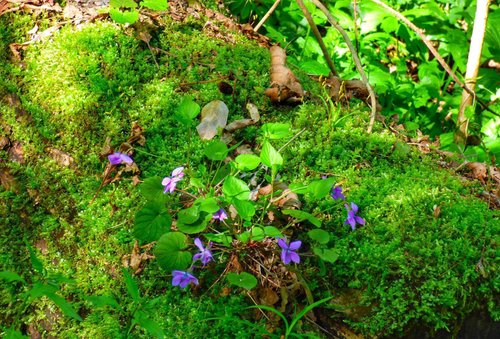
Eastern beech is the structural tree of Caucasian broad-leaved forest. Where it has never been logged, the canopy closes completely: trunks 20-30 metres tall, the crowns meeting overhead, soft light filtering through, cherry laurel below. Ilto has exactly this — beech forest that no timber operation has touched.
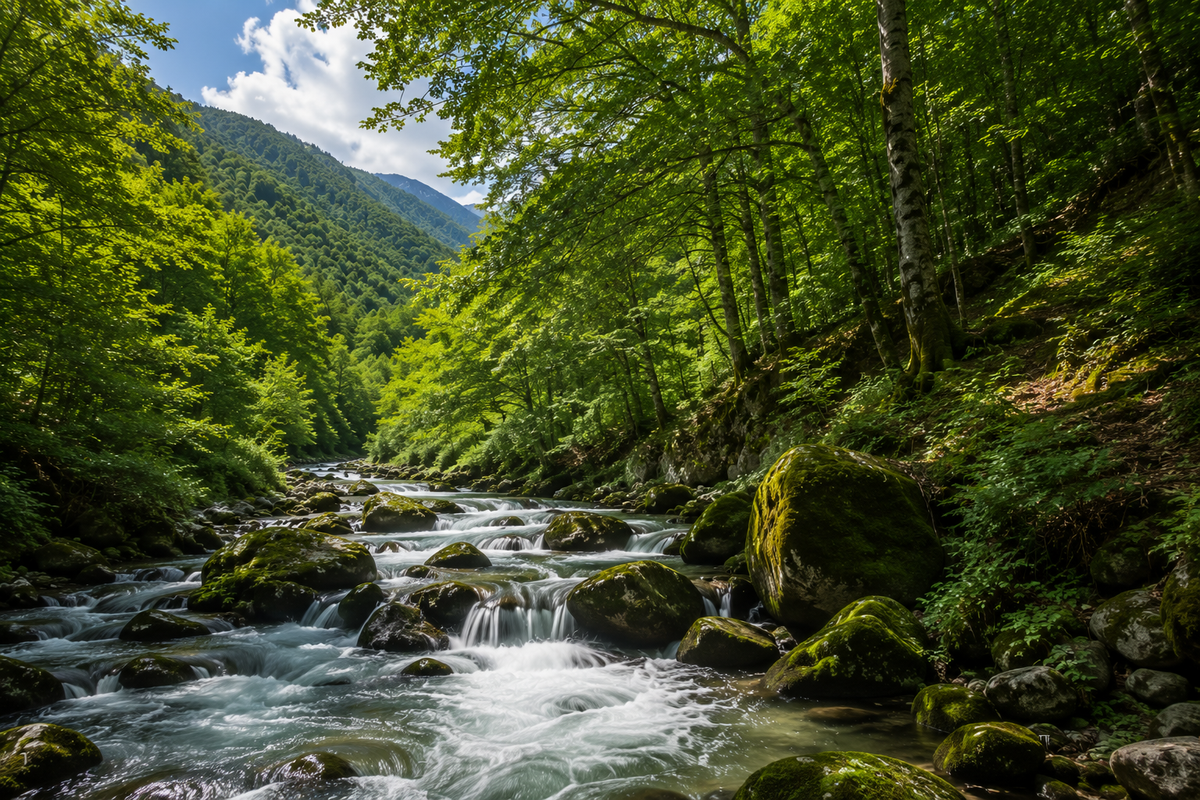
The broader Batsara-Babaneuri complex records 733 species of higher plants. Nine of them appear in Georgia's Red List, including Colchic boxwood, chestnut, walnut, Caucasian zelkova and yew. In the upper section of the valley, as the forest gives way to the subalpine belt, the character of the landscape changes: open high-altitude meadows, exposed ridges, a wider sky.
🦌 Wildlife
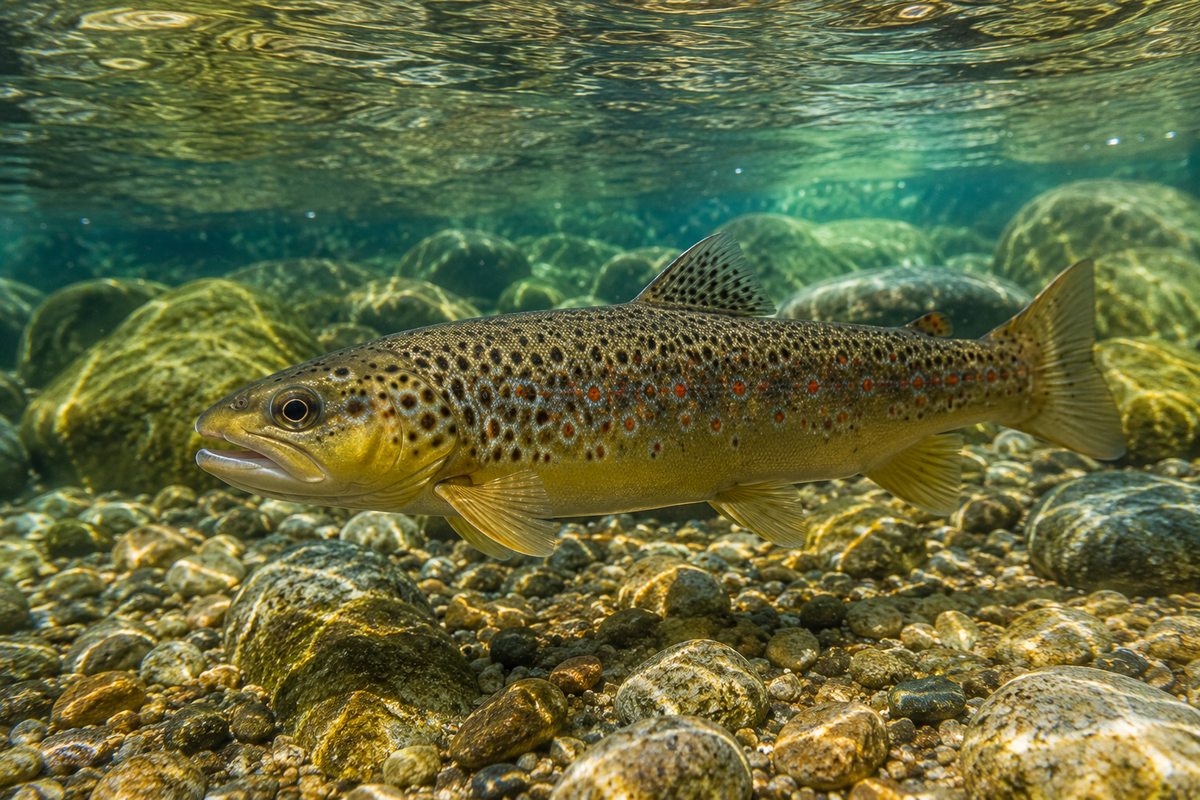
The park's mammal list includes roe deer, chamois, brown bears and wild boar. Predators — wolves, lynx, wildcats and stone martens — add to the sense that this is genuinely wild country. Trout live in the Ilto River itself, which says something about the water quality: trout need cold, clear, oxygen-rich streams.
In the alpine zone above the treeline, the bird life shifts entirely. Griffon vultures, black vultures, bearded vultures (lammergeiers) and golden eagles use the thermals here. The bearded vulture is a globally threatened species listed by the IUCN; the Kakheti highlands are one of its last strongholds in the Caucasus. The overall bird count for the Batsara-Babaneuri territory runs to over 50 species, with the alpine section holding birds that are absent from the valleys entirely.
🥾 Visiting and Routes
Ilto can be visited for botanical, educational and adventure ecotours. There is no conventional tourist infrastructure: no marked trail network with signage, no visitor centre, no café. That suits the place. Anyone arriving here has made a deliberate choice to come somewhere genuinely remote.
The most practical approach is to plan the visit through the administration — they can advise on the route, current conditions and, if needed, arrange a guide.
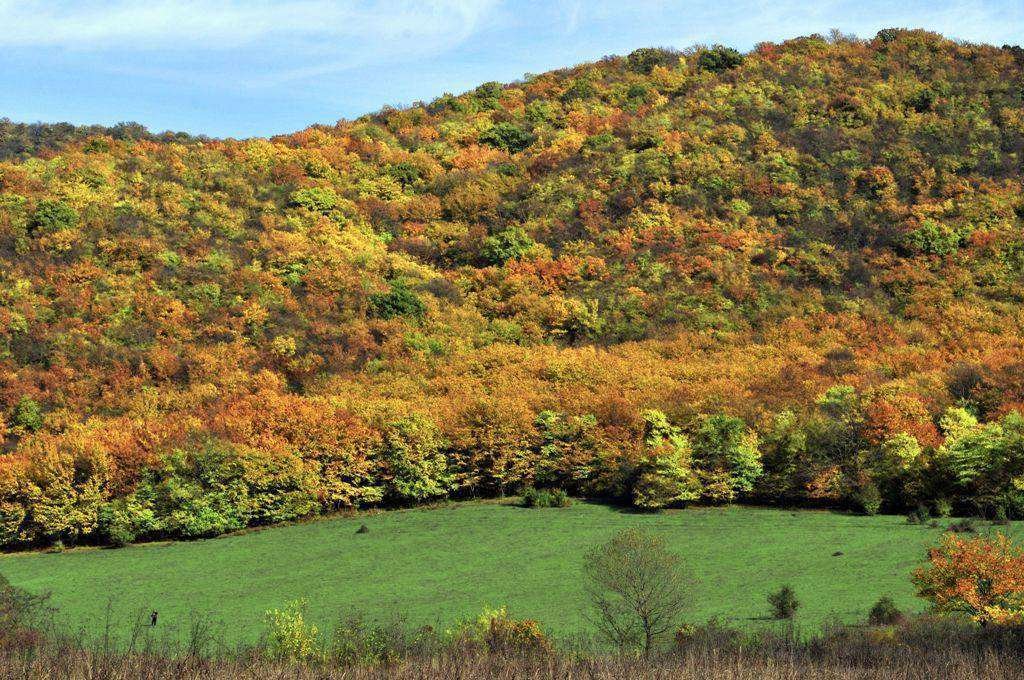
The best season runs from May through October. In May the beeches are just coming into leaf and the forest is still translucent. Summer brings a complete canopy and cool shade even in the heat. September and early October bring the autumn colour: the beech turns copper and amber, and the forest looks its most dramatic. In winter the approach road is closed. In spring, snow on the passes may persist into May — check with the administration before travel.
🚗 Getting There
🚗 Transport to the Park
🗺️ What's Nearby
Ilto is part of a protected area complex with two reserves that are worth combining in the same trip or on consecutive days.
Batsari Nature Reserve — the eastern neighbour of Ilto. The 240-hectare yew forest here consists of trees between 400 and 700 years old. This concentration of common yew (Taxus baccata) has no parallel anywhere in the world. Access is strictly controlled; go through the protected areas administration.
Babaneuri Nature Reserve — closer to the Alazani valley, near the villages of Babaneuri and Argokhi. Its centrepiece is Caucasian zelkova (Zelkova carpinifolia), a tertiary-period relict tree covering 750 hectares. From Telavi via Alaverdi, about 45 minutes.
Akhmeta is also the base for travel to Tusheti: the Abano Pass and Upper Omalo lie in the same direction, only higher. With enough time and the right vehicle, Ilto and Tusheti can be combined in a single trip with an overnight stop.
📌 What to Check Before You Go
Have you visited Ilto National Park? Leave a review — tell us how you got there, which route you took, and what stayed with you most.
Information is current as of June 2026. Road conditions, entry permits and access arrangements may change — confirm with the administration before travelling.
❓ Frequently asked questions
Ilto is a managed nature reserve in the Akhmeta district of Kakheti. It forms part of the Batsara-Babaneuri Protected Areas complex alongside the Batsari and Babaneuri strict nature reserves. The area covers 6,963 hectares at elevations of 900 to 2,000 metres. It was established on 22 April 2003 to protect the ancient beech forest and mountain wildlife of the Ilto River valley.
The key value is the uncut eastern beech forest with its cherry laurel understorey — the kind of old-growth woodland that has almost entirely disappeared elsewhere in Georgia. In the alpine zone above the treeline, rare raptors breed: griffon vultures, black vultures, bearded vultures and golden eagles. The Ilto River itself holds trout, a reliable indicator of clean, cold water.
First, reach Akhmeta: about 130 km from Tbilisi via the Gombori Pass. Minibuses run daily from Tbilisi's Ortachala and Navtlughi stations. From Akhmeta, the remaining 40 km to the park is mountain track, accessible only by 4WD. The protected areas administration can help arrange local transport hire: tel. 577 961 191.
Contact the Batsara-Babaneuri Protected Areas administration before travelling: Akhmeta, 105 Chavchavadze St., tel. 577 961 191. They will confirm current entry requirements, road conditions and any access restrictions.
May through October. May brings new beech foliage and a translucent forest. Summer offers shade and cool air even on hot days. September and early October are peak season for autumn colour. In winter the approach road is closed; in spring, snow on mountain passes may delay access until mid-May.
Batsari protects a grove of 240 hectares of yew trees between 400 and 700 years old — the largest such concentration in the world. Access is strictly limited. Ilto's primary value is its beech forest, and as a managed nature reserve it allows ecotourism. Both belong to the same Batsara-Babaneuri complex and can be visited together.
Yes. Akhmeta is the starting point for both Tusheti and Ilto. The Abano Pass leading up to Tusheti lies in the same direction, further along the same road. With the right vehicle and enough time, both destinations can be combined in one trip with an overnight in Akhmeta or Tusheti.
Sturdy closed footwear with grip, a warm layer for the upper elevations, food and water for the full day, and an offline map downloaded before you leave (Organic Maps covers this area well). There are no cafés, shops or medical facilities in the park.

3 comments
Log in to leave a comment