



💧 Ispani Peatland (Kobuleti Protected Areas): Trails, Wildlife and How to Get There
Ispani Peatland, Kobuleti
When people list natural wonders of Adjara, mountains and waterfalls come up first. The Ispani Peatland near Kobuleti rarely makes that list, which is a pity. Three hundred metres from the Black Sea, across a 770-hectare protected area, lies a sphagnum peat bog listed under the Ramsar Convention on wetlands of international importance since 1997. It is not just a swamp: it is a living filter that protects Kobuleti from flooding, a carbon store built up over thousands of years, and a place where you can walk across the surface of the water on marsh skis.
🌿 Why Ispani Peatland Is Unique: Sphagnum and Peat
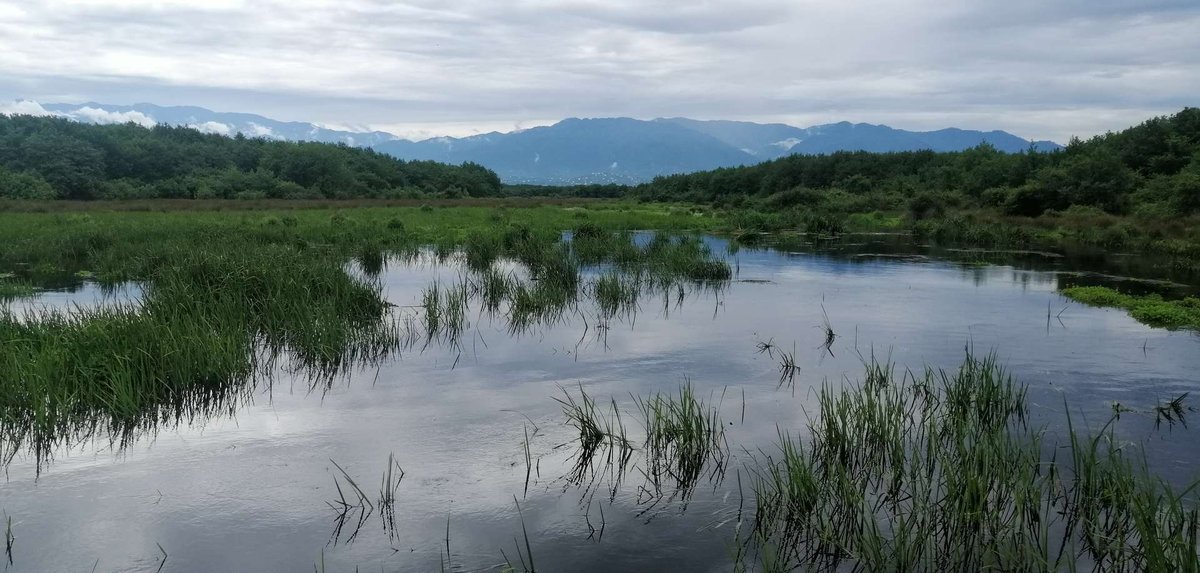
The lead character at Ispani is sphagnum moss. Greenish, reddish or yellowish depending on the season, it blankets the bog in a layer 25-45 cm thick, raised 4-5 metres above the surrounding terrain, with a peat layer several metres deep underneath.
Sphagnum absorbs water up to 25 times its own weight and never goes fully under. During heavy rain, when everything around floods, the peat surface stays dry. This is why Ispani acts as a giant buffer: it soaks up excess water during downpours and slowly releases it in dry periods, shielding Kobuleti from flood damage.
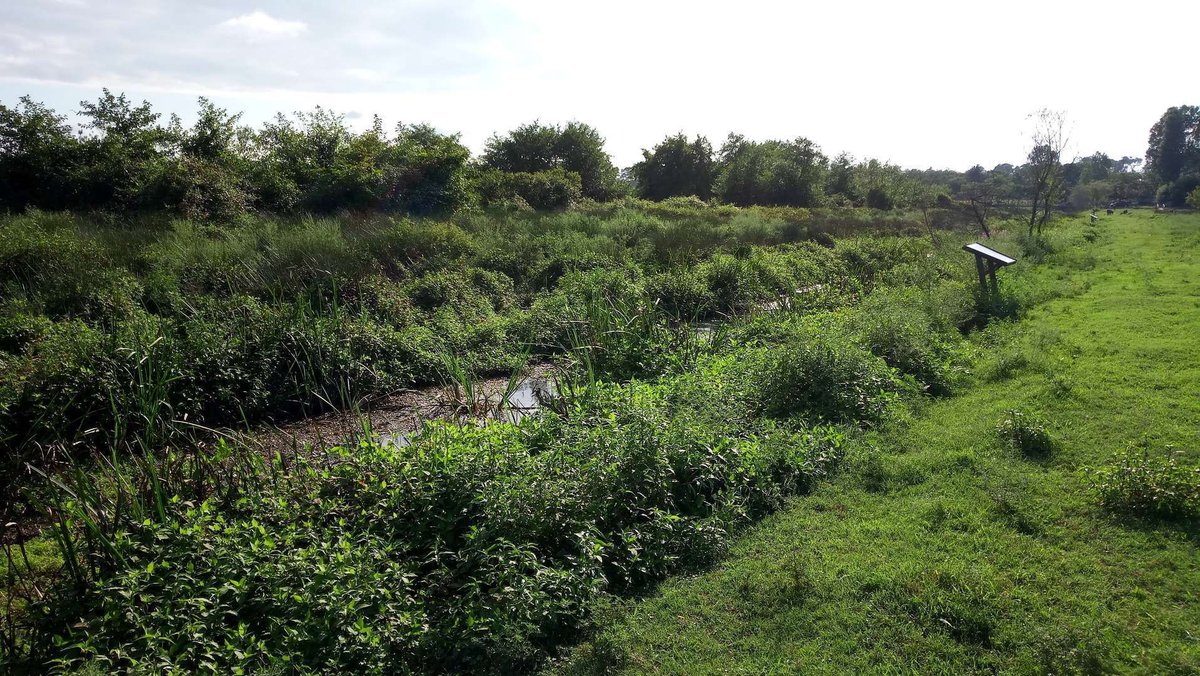
Simultaneously, sphagnum captures carbon dioxide and converts it into peat. Without oxygen, the peat does not decay, locking carbon away for millennia. This makes Ispani relevant to climate science, even though it just looks like a quiet green field.
Sphagnum is also the most pollution-sensitive moss on earth. It only survives where air and water are clean.
🦆 Birds, Turtles and Rare Plants at Ispani
Ispani is one of the best birdwatching spots in Adjara. It sits on migration routes for waterfowl, and during peak periods in April and October thousands of birds pass through. Year-round residents include kingfishers, lapwings, grey and white herons and marsh harriers, several of them listed in the Georgian Red Book. Binoculars are available to hire at the entrance.
Among the plants, sundew is worth looking for: a small carnivorous plant covered in sticky hairs that feeds on flies and small insects. White and yellow water lilies float in the channels, and marsh turtles occasionally appear sunning themselves on a log in warm weather.
🥾 Ispani Trails: Three Routes Through the Bog
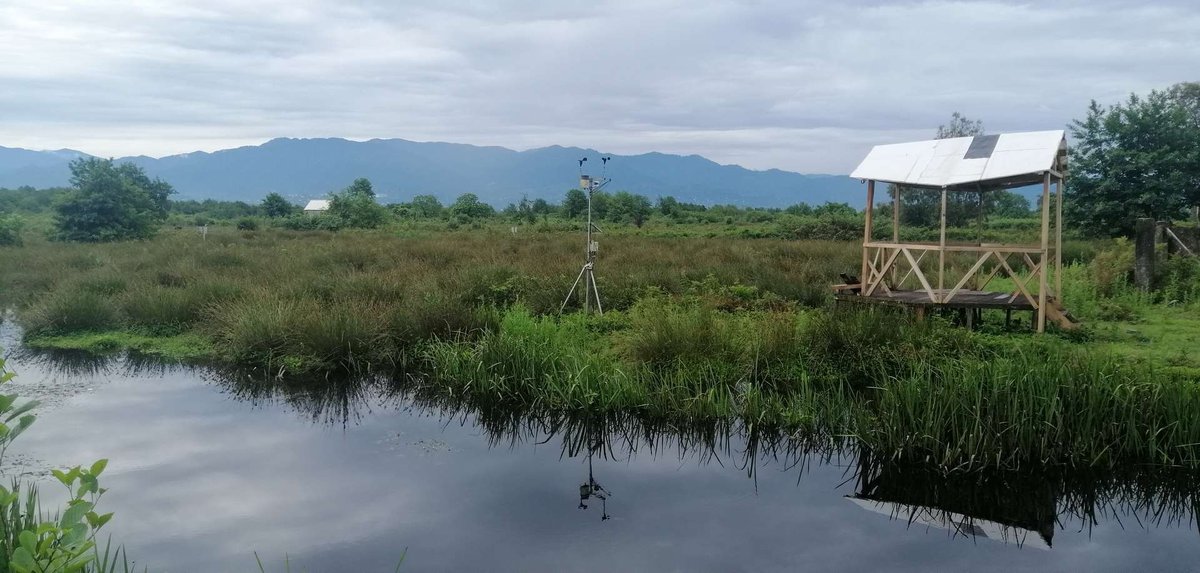
Marsh skis are available to hire at the entrance. These are wide wooden platforms strapped to your feet that distribute your weight across the sphagnum surface so you do not sink. Without them, each step plunges into a soft, springy mass. The observation tower at the end of the Ispani 2 trail is described as worn in recent reviews, but climbable.
🚌 How to Get to Ispani Peatland From Kobuleti and Batumi
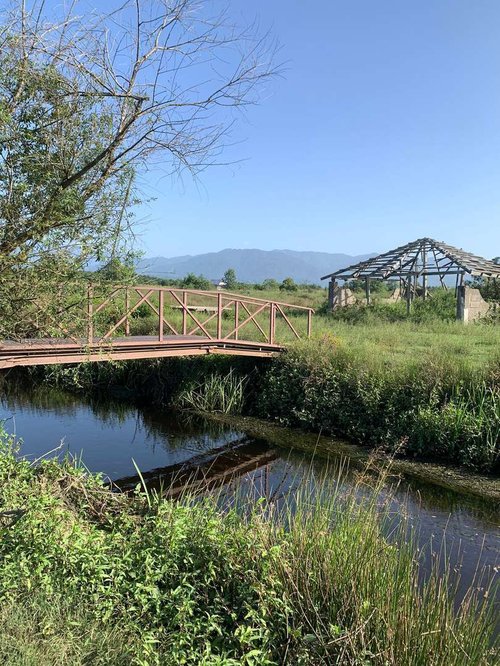
The peatland is in the northern part of Kobuleti. The visitor centre and reserve entrance are about 2-3 km north of the town centre. Visitor centre address: 4 Leselidze Street, Kobuleti.
From Kobuleti. Taxi from the town centre: 10-12 minutes, around 5-8 GEL. On foot along the seafront heading north: 30-35 minutes. A local Kobuleti minibus in the north direction takes a few minutes.
From Batumi. Take a minibus or bus from Batumi Bus Station to Kobuleti, around 1.5-2 GEL, journey 30-40 minutes. In Kobuleti, take a local taxi or minibus north to the reserve entrance.
By car. Drive north along the Batumi-Poti highway and turn into the northern part of Kobuleti. GPS: approx. 41.8476°N, 41.7918°E.
🗓️ When to Visit and What to Bring
The reserve is open May to October. April and October are peak birdwatching months. May-June and September offer comfortable temperatures and good trail conditions. July-August is hotter but quieter.
What to bring: waterproof footwear (essential), insect repellent, binoculars (rentable on site), a camera with a zoom lens, water and a snack as there are no cafes at the reserve.
The Kintrishi Valley with its old-growth forest is 30-40 minutes from Kobuleti and pairs well with a visit to Ispani for a full nature day.
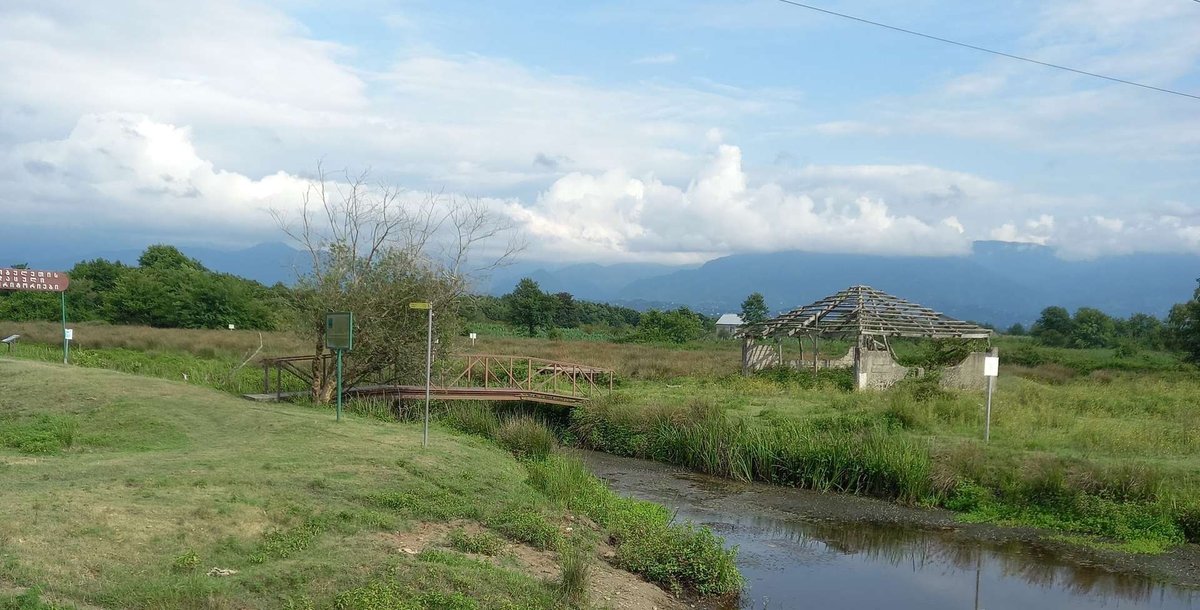
A bog beside the sea
Ispani requires no effort: no mountain to climb, no complicated access. Thirty minutes from Kobuleti and you are standing on a peat surface thousands of years in the making, watching a kingfisher at a channel and listening to a quiet that the resort beach cannot offer. For travellers who want Adjara's nature without the altitude, this is a strong pick.
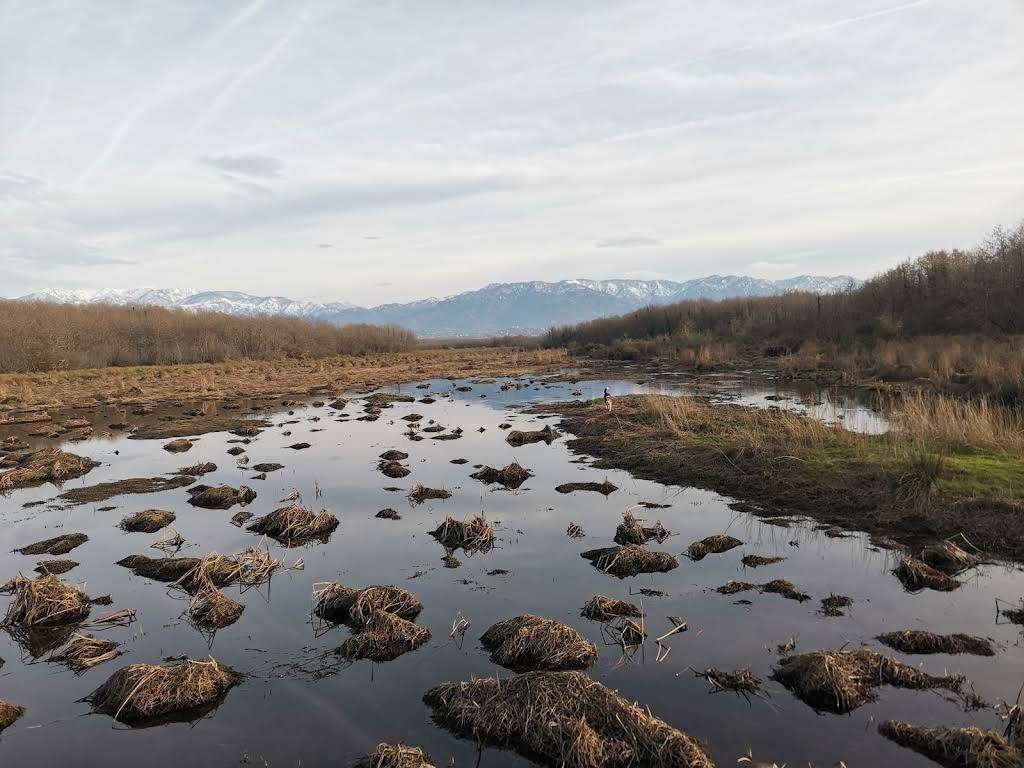
🗨️ Over to you! Have you visited Ispani? Tell us whether you got on the marsh skis, which birds you spotted and how wet your feet got. Share in the comments.
Information is current as of 16 June 2026. Entry fees, trail conditions and opening hours can change; check before you visit.
❓ Frequently asked questions
In the northern part of Kobuleti, Adjara, around 28 km from Batumi and 300 m from the Black Sea. It is part of the Kobuleti Protected Areas.
Around 10 GEL for adults. Hours approximately 09:00-18:00. Check current details at apa.gov.ge or [email protected].
Wide wooden platforms strapped to your feet for walking across the sphagnum dome without sinking. Available to hire at the entrance. One of the signature experiences of the reserve.
Kingfishers, lapwings, herons, marsh harriers. April and October are the best months for migratory waterfowl.
No. The name Ispani comes from the Georgian place name ისპანი, which has nothing to do with Spain (ესპანეთი in Georgian). The correct English name is Ispani Marsh or Ispani Peatland.
Yes, the trails are easy and flat. Bring children in waterproof boots. The birdwatching tower, sundew plants and marsh skiing are all child-friendly highlights.

38 comments
Log in to leave a comment
Это болото расположено в западной части Грузии, вблизи района Колхети, и представляет собой одно из крупнейших торфяных болот страны. Тут нет привычных горных панорам или бирюзовых озёр, но именно такое место поражает своей атмосферой: обширная поверхность, туман над водой по утрам, редкие кустарники и травы, редкие птицы и необычные природные звуки 🌫️🐦
💡 Почему место действительно необычное:
• Болото Испани — это не просто «грунтовая низина», а целая экосистема, где сохраняются торфяники, редкие растения и виды птиц, которые можно увидеть только здесь.
• Такие торфяные болота играют важную роль в природе: они аккумулируют влагу, служат естественным фильтром для воды и создают уникальные условия для множества видов флоры и фауны.
👣 В рейтинге есть советы от местных — они помогают понять, где пройти безопасно, какие тропы выбрать, какие зоны особенно живописны для наблюдений и фото 📸. Особенно интересно бывает наблюдать вокруг за птицами и необычными растениями, когда солнце мягко играет на поверхности воды 🌞✨
Такое место отлично подходит для неспешных прогулок, наблюдения за природой и созерцания — иногда даже больше, чем масштабные горные маршруты, именно атмосфера и уединённость делают такие локации особенными 🌾
После прогулки по болотистой местности так приятно представить, как ты зайдёшь в уютное кафе ☕🍰, обсудишь увиденное с друзьями за чашкой ароматного кофе и бокалом грузинского вина 🍷 — ведь такие природные приключения оставляют сильные впечатления!
А вы уже гуляли по торфяникам или болотам? Какие необычные природные места вам запомнились больше всего — густые леса, горные озёра или вот такие загадочные болота? 🌿📸💫
Ещё больше впечатляет историческая значимость этого места. Представить только, здесь жили люди шесть тысяч лет назад! Хотелось бы побывать и увидеть всё своими глазами, особенно зимородка или черепаху.
Болота Испани в Грузии уникальны своим редчайшим мохом - сфагнумом. Однако, не менее удивителен и животный мир этой местности, поэтому данная зона является природоохранной.
Впрочем это не лишает туристов возможности прогуляться по торфянику в специальных лыжах. Правда попрыгать в них не получится.
К автору статьи или к знатокам есть вопрос. Нет ли на этих болотах такой проблемы как горение торфа? Я на своей памяти помню несколько раз, когда у нас горел торф на болотах и это кошмар, смог стоит стеной и потушить это горение очень сложно. А если ещё и сильный ветер, то это превращается в катастрофу. Если такая проблема есть на этом болоте, то как с ней борются?
Прочитала статью «Торфяные болота в Грузии. Болота Испани» на сайте madloba.info. Что можно сказать о статье.
✅ Положительный момент статьи: Все гости и туристы, приезжающие в Аджарию, должны посетить уникальный торфяник Испани и узнать больше о его удивительных особенностях и ценности. Это интересное и важное приключение, которое откроет для вас новые грани природы и поможет понять важность сохранения уникальных природных объектов в мире.
✅Отрицательный момент статьи: Хотелось бы уточнить момент с посещением данного туристического природного уголка, а именно, вход на данный объект возможен только в составе туристической группы или также доступен для свободного посещения.
Несмотря на положительные и отрицательные моменты статьи, я благодарю автора на каталоге Мадлоба за ценные сведения о природном объекте!
рискнула бы пойти, так краешком посмотрела бы и все.Места однозначно красивые.Чего только не т в Грузии!
покрыто сфогановым торфом, Это- белый торф очень чувствителен к загрязнению
окружающей среды, оно может больше своего веса впитывать воду, по этому
оно никогда не покрывается водой. Во время ливней именно сфагнум болот Испани
защищает от наводнении Кобулетти.
Здесь природоохранная территория и туристы могут прокатится на болотных лыжах
Что бы обозревать редкий сфагнум, редкий вид птицы зимородка, редкий вид черепахи.