


Add organization

Museums in Georgia: Tbilisi, Exhibitions and Routes

Before traveling to Sakartvelo, it makes sense to plan ahead for a visit to a number of Georgian attractions. Once you arrive, information about the various ancient and cultural monuments will flood your mind like a mountain river, of which there are many in this region.

Choosing which Georgian attractions to visit on the fly won't be easy.

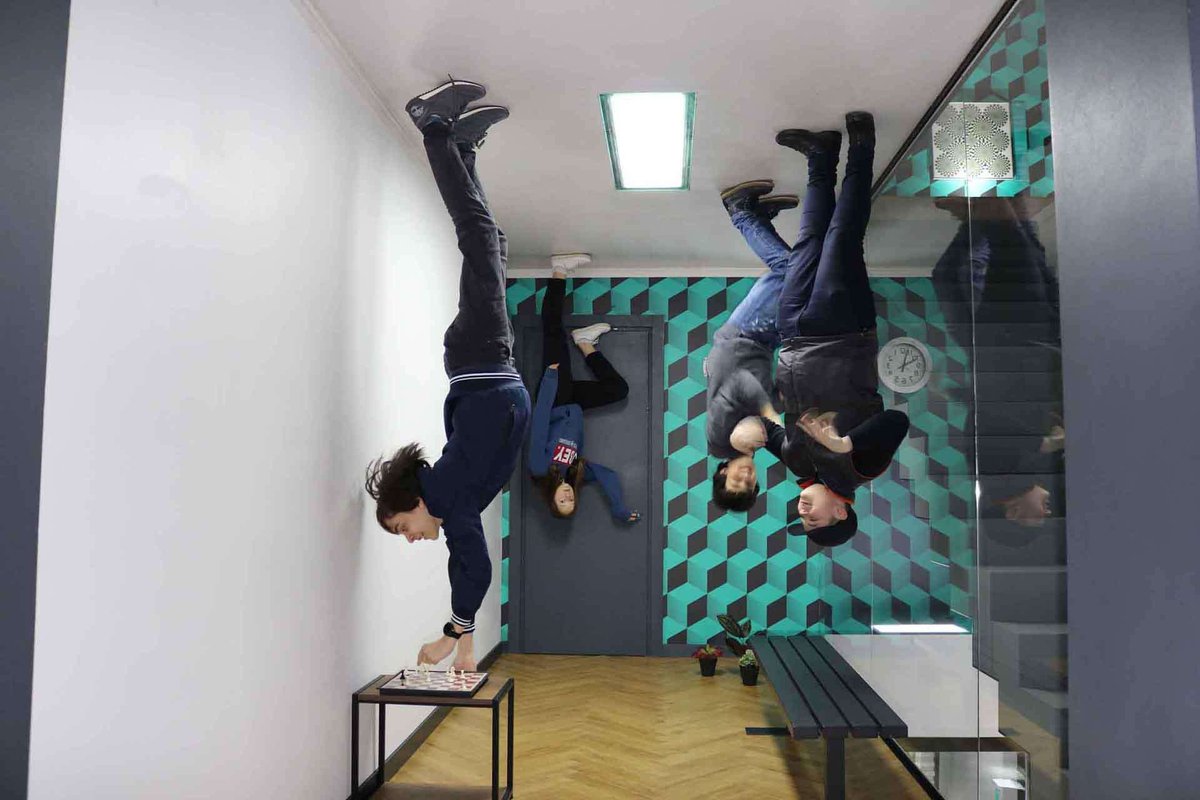
The Museum of Illusions in Tbilisi - "Don't Believe Your Eyes"

One of Georgia's landmarks is the Museum of Illusions, whose history began outside the country, namely in Zagreb, the capital of Croatia. Georgia has many "serious" museums offering insights into history, architecture, culture, and folk traditions. Local cultural professionals decided to expand the format and create a museum where tourists could have a fun time.

The experience of other countries was utilized in its construction and equipment. Besides Croatia, similar museums exist in Austria, Germany, Greece, the United States, and several other countries. The Museum of Illusions in Tbilisi features more than 70 exhibits, including an upside-down room and various educational projects based on scientific data from psychology, physics, and mathematics.

In the traditional sense, the Museum of Illusions can be considered more of an amusement park. The installation is complemented by an entertainment room and a toy shop where you can purchase various souvenirs. The museum was built in 2019 and opened its doors to visitors the same year. The Museum of Illusions is located on Betlemi Street, near the Metekhi Bridge.
muzey-illyuziy-v-tbilisi

National Museum of Georgia

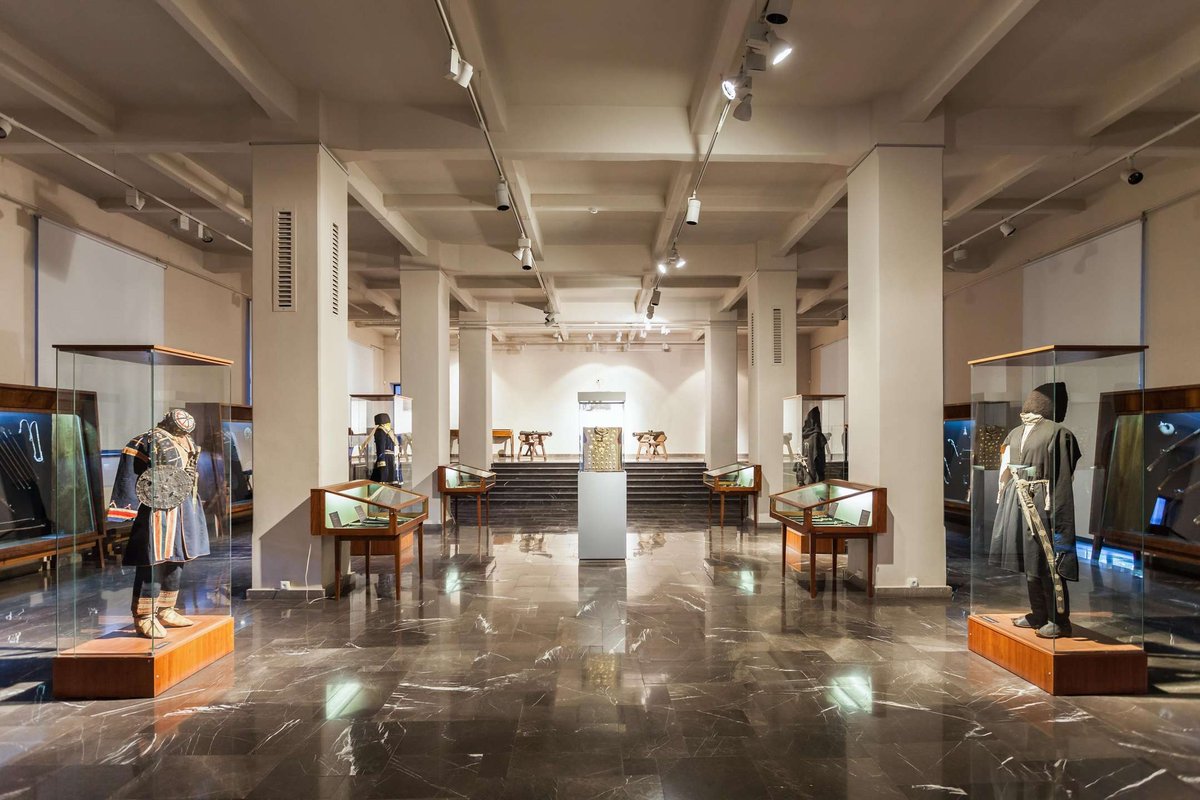
The National Museum of Georgia is located a five-minute walk from the metro, on Freedom Square. By exploring the museum's installation, you'll immerse yourself in the history of Georgian culture and traditions. Among the exhibits on display at the National Museum of Georgia are ancient artifacts found in the country, dating back to the 3rd and 2nd centuries BC. Numismatists will likely be particularly interested in this museum, as ancient coins from various countries are on display.

The installation at the National Museum of Georgia includes objects that trace the emergence and development of the Georgian language. As history shows, this development occurred in three stages, each of which transformed and enriched the language to varying degrees.

The National Museum of Georgia was founded in 2004 and serves as a unique governing body that unites several similar cultural sites located not only in Tbilisi into a museum network. It oversees 14 other similar cultural sites.
The-Georgian-National-Museum.original

Mose Toidze House Museum

Moisei Ivanovich Toidze was a Soviet artist. Although some documents mention his affiliation exclusively with the USSR, he was born long before the Revolution, in 1871. He also graduated from the Imperial Academy of Arts around that time.

Toidze was a student in the workshop of Academician Ilya Efimovich Repin. Before the Revolution, Moisei Ivanovich Toidze participated in an underground organization. He then worked on the development of painting in the USSR. As early as 1917, he became the founder of the People's School-Studio of Painting. Paying tribute to him, his descendants established a museum of the same name in Georgia.

The Mose Toidze Museum, in addition to the artist's own works, houses various archival documents, letters, and publications by theater and filmmakers, which can be viewed here. One of Mose Toidze's students was his son, Irakli, who created the famous poster "The Motherland Calls!"

The Mose Toidze House Museum is located a 15-minute walk from the Freedom Square metro station. The installation features over 130 unique exhibits, all related in some way to the work of the talented artist, who left a significant mark on the history of Georgian painting.
House-Museum-of-Mose-Toidze

Elena Akhvlediani Memorial House-Museum
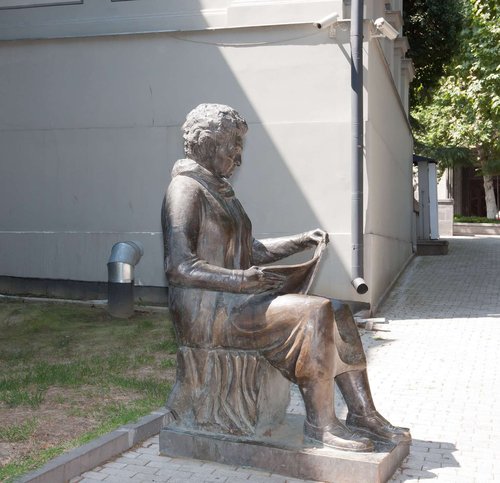
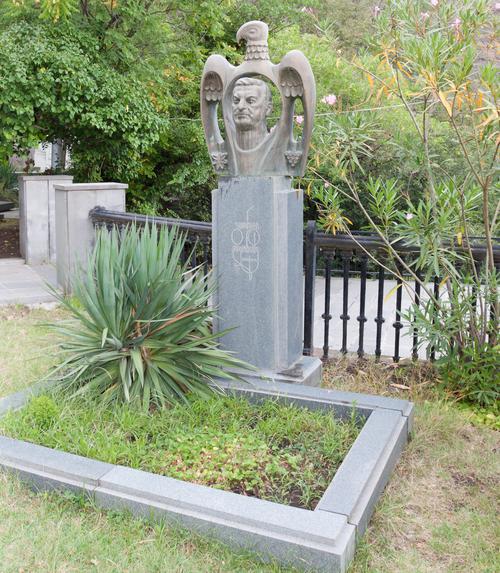
Elene-Akhvlediani-Statue

The works of Georgian artist Elena Akhvlediani were renowned not only in the USSR but also beyond its borders. She was born in 1901, the daughter of a doctor. Her parents intended for Elena to pursue a career in music, but they were forced to accept her desire to become an artist. Elena Akhvlediani's life story, in some ways, is unique in the post-revolutionary USSR.

After completing her first year at the Tbilisi Academy of Arts, Elena Akhvlediani, who demonstrated talent in the visual arts, was sent to study in France and Italy, sponsored by the "party and government." After studying in Paris for three years, she returned to the USSR, where she organized solo exhibitions.

However, Elena Akhvlediani also enjoyed some fame abroad, participating in exhibitions of young artists in Italy and France. According to one version, her work was criticized. However, there is no definitive confirmation of this. After returning to her homeland, Elena worked as a designer in a number of theaters. She is considered a talented landscape artist. According to some critics, Elena Akhvlediani's work possessed a distinct style, color, and compositional clarity. Her works include "In the Mountains of Mingrelia," "Imeretia," and "The Environs of Passanauri." She was particularly successful in paintings depicting winter. Several of her works reflect the time when Elena Akhvlediani studied and lived in Paris.

The historical and heroic system of the Great Patriotic War is also present in her paintings. One such painting is "L.P. Beria Organizes the Defense of the Caucasus at the Klukhor Pass," dedicated to the defenders of the North Caucasus from the Nazi invaders.

The Elena Akhvlediani House-Museum is currently a cultural and historical site, with an installation displaying over three thousand different exhibits. These exhibits trace Elena Akhvlediani's development as an artist and offer insight into everyday life in the USSR. Cervantes, Hugo, and Longfellow—some of these authors' works, published in the USSR, are complemented by illustrations created by Elena Akhvlediani. The artist's house-museum was established in 1976, almost immediately after her death on December 30, 1975. It is located on Lev Kiacheli Street, a 15-minute walk from Rustaveli Metro Station.

Tbilisi History Museum

In the early 19th century, travelers and traders stayed in the building that now houses the Tbilisi History Museum. And in 1850, Alexander II visited here, although he was not yet emperor. The Artsruni Caravanserai was built in 1818. It was subsequently rebuilt, remodeled, and restored several times.

The Tbilisi History Museum opened here in 1910. It currently occupies three floors of the building. Visiting the Tbilisi History Museum will give you the chance to learn something new about Georgia's landmarks. Additionally, almost the entire first floor of the museum is occupied by souvenir shops, offering something of interest to almost every tourist.

The second floor of the museum is filled with exhibits related to the 19th century. Here you can see models of houses once built in Tbilisi and look at household items, such as dishes and furniture from that era. The history of Georgian national costume can be learned in the section dedicated to clothing. The museum houses approximately 50,000 different exhibits. The second floor is occupied by the permanent exhibition. The third floor is dedicated to various exhibitions and presentations.

The Tbilisi History Museum building last underwent a thorough restoration in the mid-1980s. Since then, the museum has been renamed in honor of Iosif Grishashvili, a Georgian poet. In 2004, it became part of the Georgian National Museum. Its building is located near Sioni Cathedral, on Sioni Street.
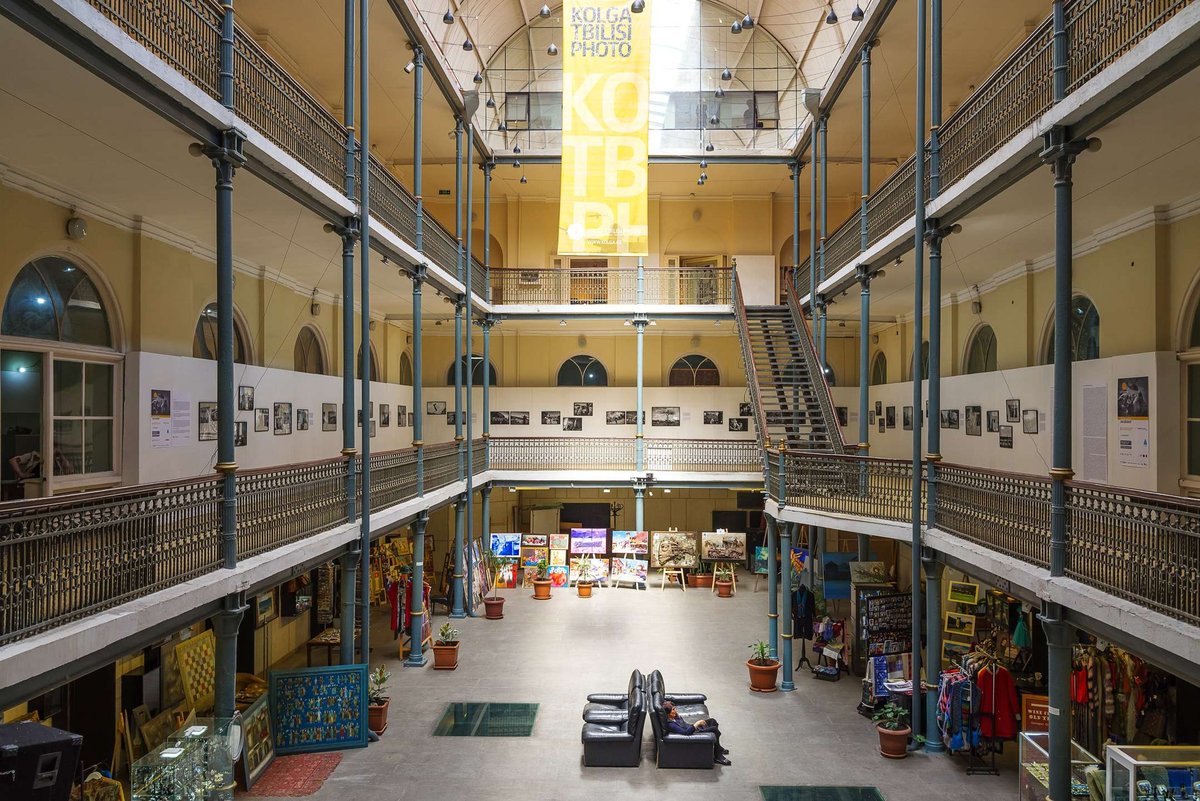
Tbilisi-History-Museum

State Museum of Georgian Literature

The-tomb-of-the-Georgian-poet-Giorgi-Leonidze

Despite the name, which includes the word "literature," it's worth acknowledging that it doesn't fully capture the museum's content. At the State Museum of Georgian Literature, tourists and travelers interested in Georgia's landmarks will be able to see more than just ancient manuscripts and historical texts.

In addition to sculptures and various audio and video recordings, the exhibition at the State Museum of Georgian Literature features a number of paintings, drawings, and over 30,000 photographs from various periods.

The museum has its own publishing department. In addition to booklets and posters, the department's specialists also provide translations. The museum also publishes its own printed periodical, the almanac "Chronicle of Literature."

The museum's history began in 1929 and it opened in 1930. It has been renamed several times since then. It is currently named after Giorgi Leonidze, who actively participated in the creation of the exhibition.

The closest metro station to the museum is "Freedom Square."

State Museum of Georgian Folk Songs and Instruments

Song plays a huge role in Georgian culture. Folk songs are passed down from generation to generation, and some are still performed, one might say, in their original form. The Museum of Georgian Folk Songs and Instruments was founded in 1975. However, at that time, it had a different name and was later renamed twice. It was then called the "Museum of Folk Instruments" and the "Museum of Folk Music and Musical Instruments."

Of particular interest in this museum are a number of exhibits—musical instruments such as bagpipes, panpipes, salamuri, and chiboni, whose cases are decorated with gold and precious stone inlays. Each instrument has its own unique history and is associated with a specific region of Georgia—Gori, Adjara, and Svaneti.

Equally interesting is the section displaying polyphonic singing. It contains numerous recordings of various works performed by choirs and soloists.
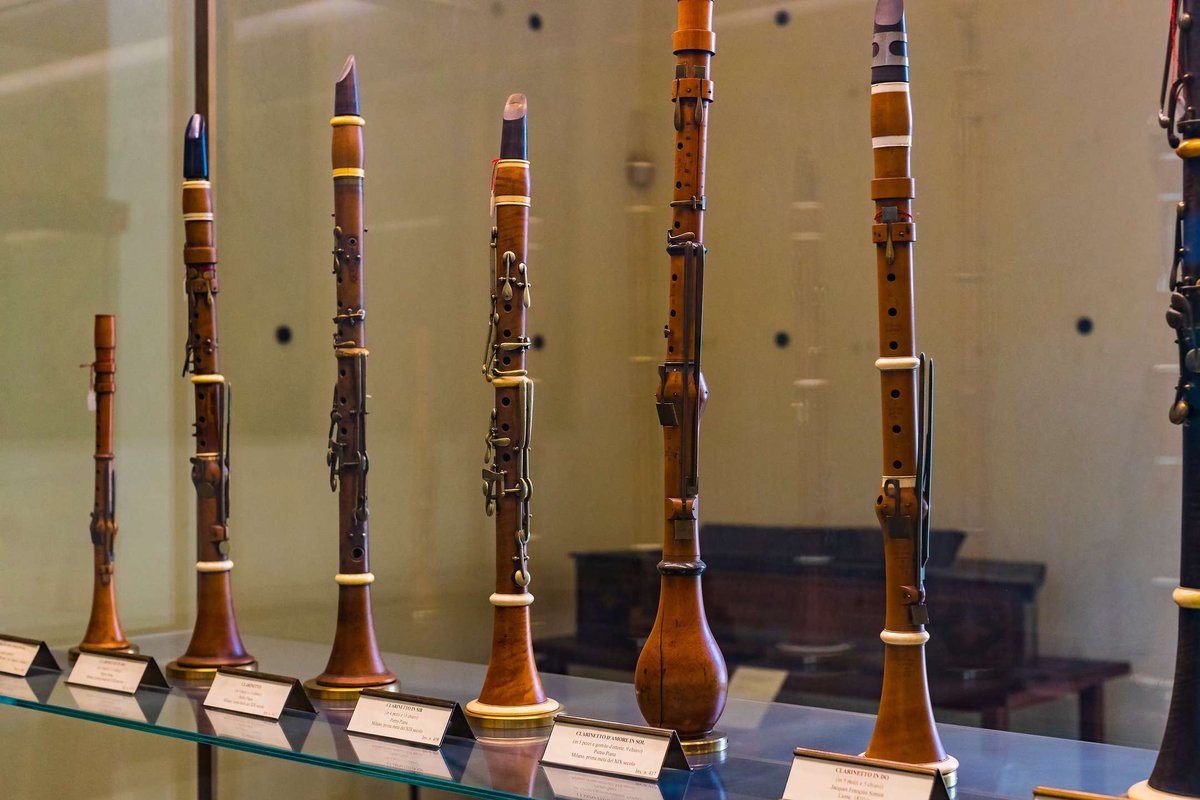
Exhibition of musical instruments

Tbilisi Open-Air Ethnographic Museum

Locals claim this museum is the first and only one in the world located and successfully operating outdoors. It houses various Georgian landmarks, with approximately 8,000 exhibits. The 52 hectares on which the Tbilisi Ethnographic Museum is located are divided into 11 zones.

Unique exhibits include various buildings, including wineries and forges, residential buildings built by local populations at various times, and watchtowers from various regions of the country. Of particular interest to lovers of antiquity is the Christian basilica, built in the 6th century, and the sarcophagus-tomb from the same era.
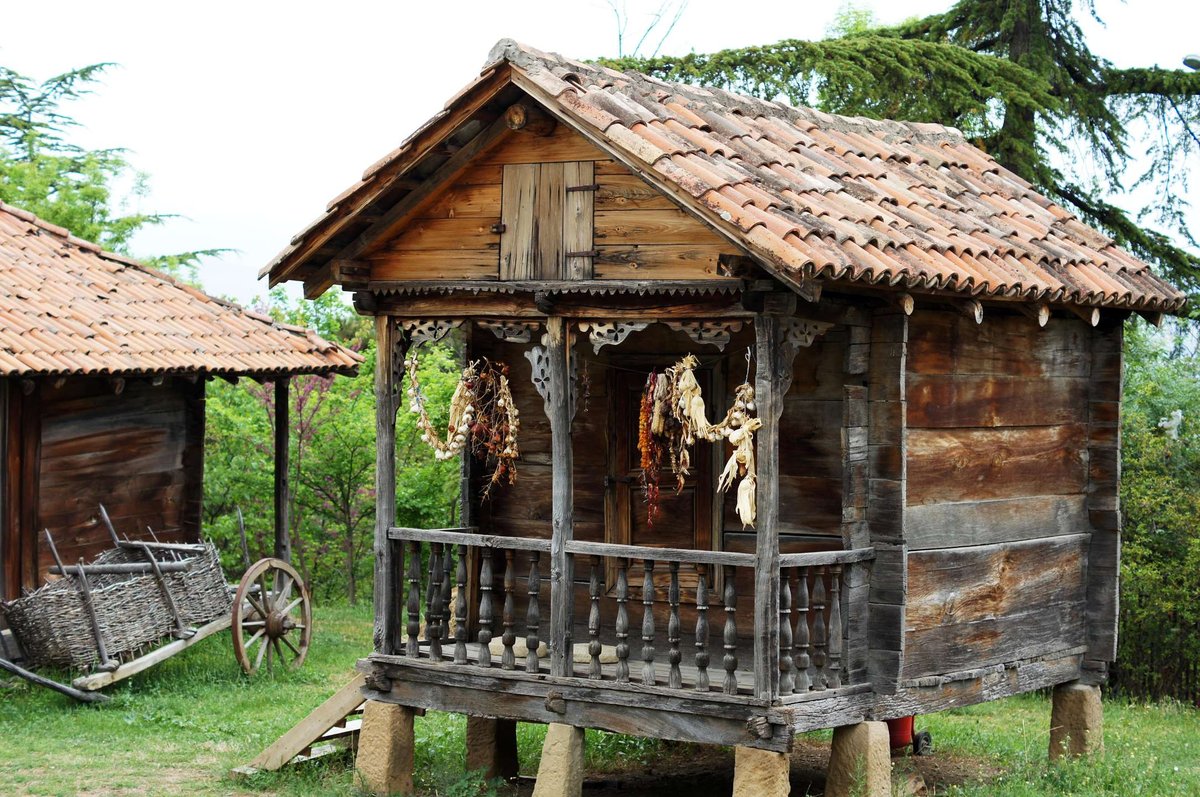
Tbilisi Open-Air Ethnographic Museum

House-Museum of Iakob Nikoladze

Georgia is famous not only for its artists, poets, and writers. You can learn about the development of the Georgian school of sculpture by visiting the Iakob Nikoladze House-Museum. This master of Georgian sculpture worked beginning in the 1920s.

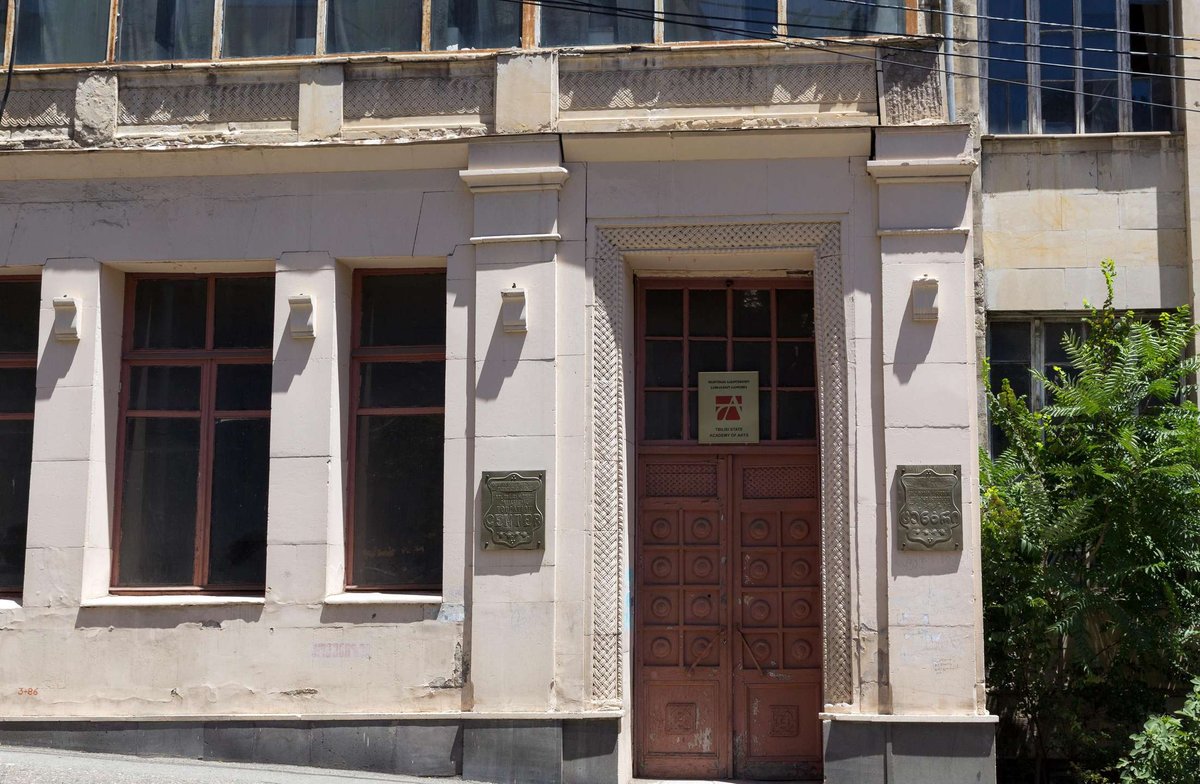
Currently, over a hundred exhibits are on display at the house-museum. Iakob Nikoladze studied in France. Returning to Georgia during the Soviet era, he made a significant contribution to Georgian culture. Iakob Nikoladze is one of the founders and organizers of the Tbilisi Academy of Fine Arts.
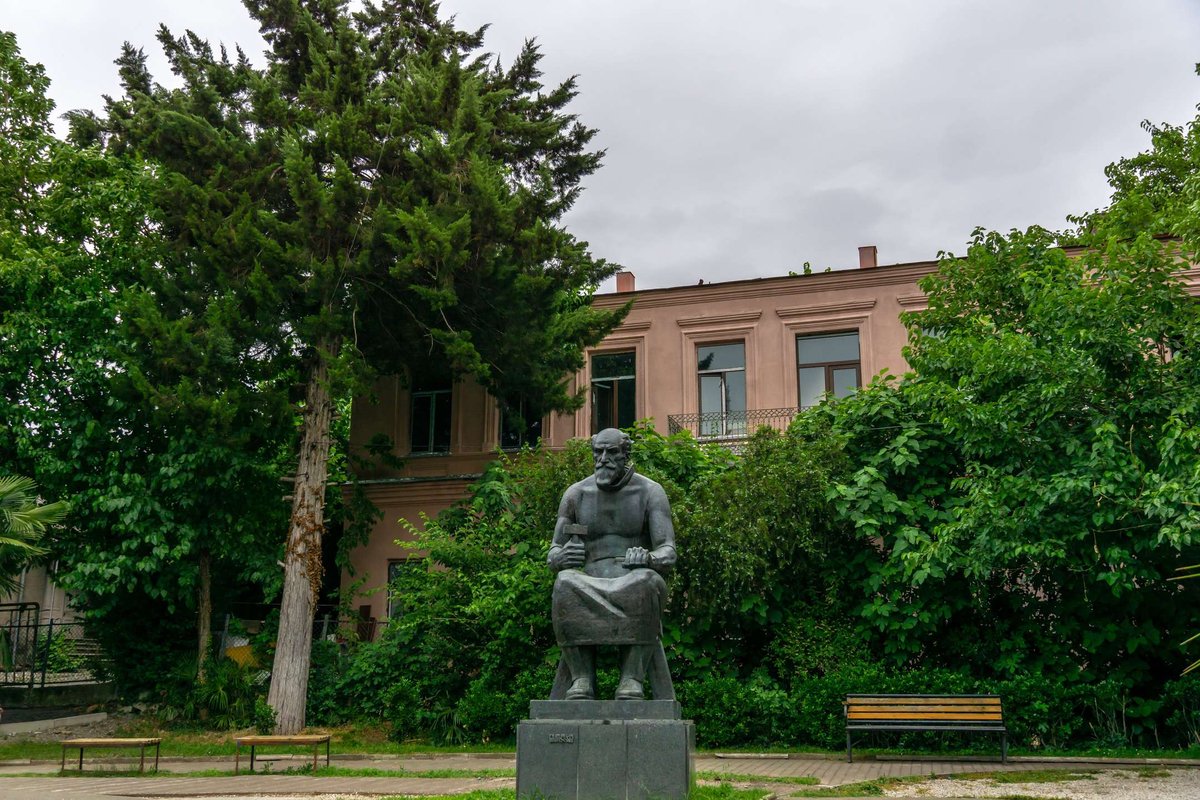
Monument-to-Iakob-Nikoladze-in-Kutaisi

Palace of Arts of Georgia

The Georgian Palace of Arts rounds out our unique museum ranking. Although it ranks 10th, it rightfully ranks among the top three – the museum's collection is quite broad and diverse. It houses sculptures, manuscripts and archival documents, fine arts, photographs and negatives – and the list is far from exhaustive.

The history of the building itself, which houses the museum, is of interest. In the 19th century, the German Prince Constantine of Oldenburg visited Georgia. At a social gathering, he met and was captivated by the beauty of Agrafina Japaridze, the wife of the Georgian Prince Didiani.

Unfazed by her marital status, the prince declared his love for her. The princess reciprocated, and they subsequently traveled to Tbilisi together. The building of the future museum is the former home of Prince Oldenburg, which he built for Agrafina Japaridze.
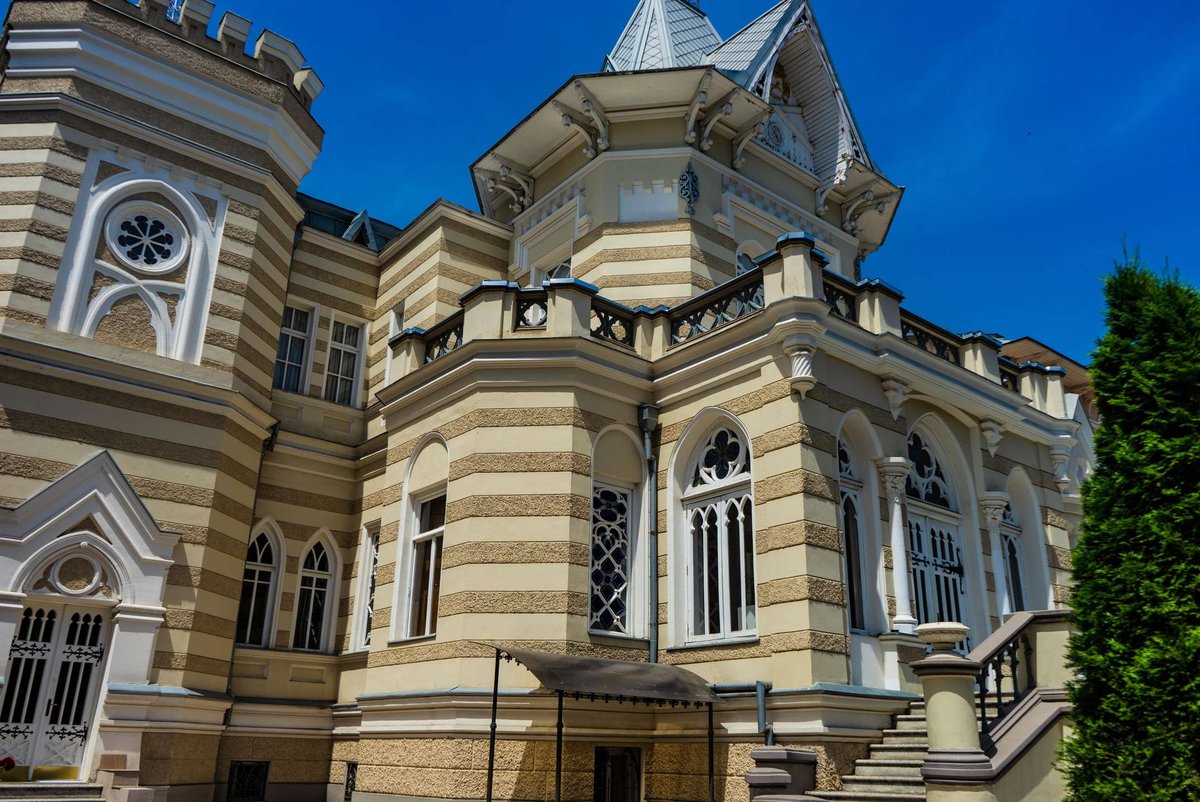

Dvorets-iskusstv-v-Tbilisi

Daria Kharchenko
By:

Daria Kharchenko

Post: Georgia Guide

Greetings! I'm Asya, a licensed guide, and your guide to the wonderful world of Georgia. I am delighted to show you the most vivid and memorable places of this…

Visit author

38 comments


Log in to leave a comment


  • М
    Мария Козлова
    Не забуду, як перед поїздкою до Грузії мій син в онлайн-журналі натрапив на музей ілюзій у Тбілісі. Уявляю собі його захоплені очі, коли він намагався вирішити, де закінчується реальність і починається магія. Я сама вперше побувала на цій країні минулого літа, і всі ці музеї справді вражають. Національний музей - це не просто місце, а цілий світ, де історія Грузії оживає. А от етнографічний музей просто вражає своїми масштабами! Кажуть, що там є навіть голодна мишка - не знаю, насправді так це чи ні. Поки міркую, чи варто запланувати ще одне відвідування, виникає питання: чи є якісь особливі експозиції, які варто обов'язково побачити?
  • D
    Danton Bainbridge
    Is the Georgian National Museum suitable for young children? I'm planning to visit with my family and wonder if they have any interactive exhibits that could engage my two kids.
  • შ
    შოთა
    არის თუ არა რომელიმე მუზეუმი აღნიშნულ სიაში, სადაც ბავშვებთან ერთად სტუმრობა განსაკუთრებულად რეკომენდებულია? მაგალითად, მუზეუმი, რომელიც განსაკუთრებით საინტერესო იქნება პატარა სტუმრებისთვის თავისი ინტერაქტიული გამოფენებით ან აქტივობებით?
  • Л
    Лёша Родионов
    Не совсем ясно, почему музей Иллюзий в Тбилиси попал в этот список. Обычно такие аттракционы не относятся к классическим музеям, которые знакомят с историей и культурой. Может, стоило включить что-то более традиционное?
  • n
    nikITABykov1984
    Меня удивило упоминание князя Ольденбургского в контексте Дворца искусств Грузии. Дворец ведь больше известен своей архитектурой и коллекциями искусства. Какая конкретно связь между зданием и этой исторической фигурой? Интересно было бы прояснить этот момент.
  • ზ
    ზურაბი
    თბილისში უამრავ უნიკალურ მუზეუმს შეხვდებით, მაგრამ განსაკუთრებით მხიბლავს მუზეუმი ილიუზიებისა და ეროვნული მუზეუმის ვიზიტი. განსაკუთრებულ შთაბეჭდილებას ახდენს მაცოცხლებელი ექსპონატები და კულტურას დასახული მემკვიდრეობა. ქარანახულე ცოდნის გასაღრმავებლად საქართველოს თეატრის მსახიობთა არქივებსაც ვესტუმრები. თქვენ აუცილებლად უნდა ინახულოთ ეთანოგრაფიული მუზეუმი ღია ცის ქვეშ, რომელიც ჩვენი ქვეყნის მომაჯადოებელ არქიტექტურას ასახავს. ყოველი ვიზიტი ახალი ინსპირაციის წყაროა ჩემი ნამუშევრებისთვის.
  • N
    Nash Ullman
    The Museum of Illusions in Tbilisi sounds captivating with its optical and sensory tricks. The rich history at the Georgian National Museum and the theatrical archives at the Mose Toidze House-Museum are a treasure. I'm particularly drawn to the Memorial House-Museum of Elena Akhvlediani, housing over 3000 exhibits. The Tbilisi Historical Museum's glimpse into 19th-century life and the insights into Georgian literature and music are fascinating. An open-air experience at the Tbilisi Ethnographic Museum and discovering the life of sculptor Jakob Nikoladze would be enriching. The Palace of Arts in Georgia has an intriguing history linked to Prince Oldenburg. Such diverse cultural explorations would inspire any artist.
  • Я
    Ярослав_Гусев
    Интересно узнать, включают ли экспозиции Национального музея Грузии временные выставки, или там представлены только постоянные коллекции? Это может быть полезно для тех, кто планирует поездку и хочет увидеть что-то новое в следующий визит.
  • F
    Fredrick Dean
    I'm curious about the Museum of Illusions in Tbilisi. It sounds fascinating with its optical and sensory experiences. Has anyone visited recently, and if so, what was the most impressive exhibit there?
  • ა
    ამია
    მომეწონა სტატიაში აღწერილი მუზეუმების მრავალფეროვნება და უნიკალური კოლექციები. გამიჩნდა ერთი კითხვა - როგორ მიხვედით ამ ათეულის შერჩევამდე? რაიმე კრიტერიუმები იყო გამოყენებული, თუ უბრალოდ პირადი გამოცდილებისა და შთაბეჭდილების საფუძველზე შეირჩა ეს მუზეუმები?
  • Э
    Эфа
    Интересно, а действительно ли все перечисленные музеи в списке соответствуют званию "удивительных"? Особенно вызывает сомнение Мемориальный дом-музей Елены Ахвледиани. Хотя хранение более 3000 экспонатов звучит внушительно, важно ли это для широкого круга посетителей, если Ахвледиани не так хорошо известна за пределами Грузии? Может быть, стоило включить музей, с более значимым международным именем?
  • T
    Tiffany Armstrong
    I'm really interested in visiting the National Museum of Georgia to learn about the rich cultural history of the country. The Museum of Illusions in Tbilisi also sounds fascinating with its unique optical experiences. Could you provide more information on the opening hours for these museums?
  • ე
    ელიზა თედორაძე
    მეურნეობად წელსესათავი მუზეუმები საშვენელად სიმდიდრეა ჩვენი კულტურისა. განსაკუთრებით მიმზიდველია მუზეუმი ილუზიების თბილისის შუაგულში. გასაოცარია, თუ როგორ შეუძლია მას გადაარჩინოს ყველა ასაკის ვიზიტორი. ეროვნულ მუზეუმში კი ჩვენს ისტორიას გაცილებით ღრმად გაიცნობთ. ბავშვობაში მახსოვს, როგორ მოვიხიბლე ქართული ლიტერატურის მუზეუმში, სადაც მაღალ დონეზეა წარმოდგენილი ჩვენი ფასკუნჯები. ძნელია არ აღფრთოვანდე ჩვენი მუსიკალური ინსტრუმენტების უნიკალურ კოლექციითაც, რაც სიხარულით ავსებს გულს. ყველა ეს ადგილი ფასდაუდებელი საგანძურია, აუცილებლად უნდა მოინახულოთ!
  • Y
    Yul
    Are all the featured museums in Georgia easily accessible for visitors of all ages? At my age, I often find that some cultural sites are challenging to navigate. It would be helpful to know if these museums are senior-friendly, especially since they cover such a wide range of interests, from art and history to music.
  • Ш
    Шалва Г.
    Возник вопрос по поводу Дворца искусств Грузии. Вы упомянули, что здание связано с семьей князя Ольденбургского. Возможно ли получить подробную информацию об этой исторической связи? Ведь такое архитектурное наследие само по себе интересно, а скрытые истории делают его еще более привлекательным.
  • A
    Aaron
    Visiting the Museum of Illusions in Tbilisi was a mind-bending experience. The visual tricks and sensory illusions truly captivated me. The National Museum of Georgia provided a deep dive into the rich history and culture of the country. Among my favorites was the Tbilisi Open Air Museum of Ethnography, where the traditional architecture gave great insight into Georgian design. Although I can't read Georgian or Russian, the exhibits were fascinating enough to appreciate the artistry and history.
  • ა
    ალექსი კვარაცხელია
    თქვენი სტატია საკმაოდ საინტერესოა, მაგრამ მაინტერესებს, როდესაც ვსაუბრობთ ტბილისის ეთნოგრაფიულ მუზეუმზე, რამდენად დიდი კოლექცია აქვთ ნამდვილი არქიტექტურული მოდელების? ასევე, არის თუ არა რაიმე სპეციალრი ღონისძიებები, რომლებსაც ხშირად აწყობენ აქ? მადლობა წინასწარ.
  • ა
    ალექსი კვარაცხელია
    თქვენი სტატია საკმაოდ საინტერესოა, მაგრამ მაინტერესებს, როდესაც ვსაუბრობთ ტბილისის ეთნოგრაფიულ მუზეუმზე, რამდენად დიდი კოლექცია აქვთ ნამდვილი არქიტექტურული მოდელების? ასევე, არის თუ არა რაიმე სპეციალრი ღონისძიებები, რომლებსაც ხშირად აწყობენ აქ? მადლობა წინასწარ.
  • Н
    Н. Назаров
    Статья упоминает Мемориальный дом-музей Елены Ахвледиани с более чем 3000 экспонатов. Разве такое количество экспонатов возможно для одного дома-музея? Интересно, все ли из них действительно относятся к художнице?
  • Н
    Н. Назаров
    Статья упоминает Мемориальный дом-музей Елены Ахвледиани с более чем 3000 экспонатов. Разве такое количество экспонатов возможно для одного дома-музея? Интересно, все ли из них действительно относятся к художнице?
  • Н
    Н. Назаров
    Статья упоминает Мемориальный дом-музей Елены Ахвледиани с более чем 3000 экспонатов. Разве такое количество экспонатов возможно для одного дома-музея? Интересно, все ли из них действительно относятся к художнице?
  • Z
    Zeb Ray
    Is there any museum in Georgia that specifically focuses on the technological advancements or scientific achievements of the country? While the museums mentioned offer a rich dive into Georgia's cultural and artistic heritage, a tech enthusiast like myself would be curious to explore exhibits related to science and technology as well.
  • a
    albert_genius
    Из руководства я не увидел информации об адресах и режиме работы музеев. Это было бы очень полезно для удобного планирования визита. Также интересно, есть ли у этих музеев какие-либо специальные мероприятия или выставки, которые стоит посетить в определённое время.
  • E
    Elvina
    Я бы точно порекомендовала посетить Национальный музей Грузии — так интересно было узнать о развитии грузинского языка и увидеть древние артефакты. Это место помогает почувствовать связь с историей! Особенно впечатлили экспонаты, которые рассказывают о древней культуре и традициях Грузии. Это не только образовательный, но и по-настоящему вдохновляющий опыт. А еще, мне очень понравился сам интерьер музея — все продумано до мелочей, и экскурсии проходят с настоящим вниманием к каждой детали.
  • G
    G_elel
    Обожаю посещать музеи, и список действительно впечатляет. Особенно заинтересовали Музей Иллюзий и этнографический музей под открытым небом — звучит как что-то необычное и запоминающееся. Думаю, Национальный музей тоже обязателен к посещению, чтобы узнать больше об истории и культуре Грузии. Спасибо за такие подробные рекомендации, уже планирую маршрут!
  • a
    amanzholova.a.s18
    В Тбилиси действительно есть много интересных музеев, которые стоит посетить, если хотите поближе узнать культуру и историю Грузии. Я, например, давно слышала о Музее истории Грузии, который отражает всю многовековую историю страны. Очень привлекает музей советской эпохи, ведь мне всегда интересно увидеть, как жизнь была устроена в Грузии в тот период. Также стоит заглянуть в Музей искусств, ведь там собраны уникальные произведения, отражающие как грузинские традиции, так и европейское влияние. Хочется увидеть все эти места своими глазами и узнать больше об истории и культуре Грузии.
  • А
    Аделина
    Как замечательно, что вы поделились этой статьей! Я прочитала её с увлечением и узнала о таких интересных музеях Грузии, которые раньше не знала. Кажется, что каждый из них обладает своей уникальной атмосферой и богатством истории. После прочтения возникло желание отправиться в путешествие и посетить каждый из этих музеев, чтобы углубиться в историю и культуру Грузии. Благодарю за такой интересный обзор, надеюсь скоро воплотить в жизнь этот невероятный маршрут по музеям вашей прекрасной страны!
  • j
    joydog2018
    Я хоть и не была ни в одном из этих музеев, но меня удивили практически все. В особенности Тбилисский исторический музей и Государственный музей грузинской народной песни и инструментов. Первый имеет достаточно большую историю, в нëм гулял сам император. А второй просто мне по душе) Ещë достаточно интересно было бы посетить Тбилисский этнографический музей, посмотреть на экспонаты под открытым небом, что является одной из его изюминок.
  • Д
    Дарья
    Интересная подборочка)) Я бы сходила в Тбилисский исторический музей. Во-первых, само здание музея является историческим. Во-вторых, в нем целых три этажа с экспонатами и каждый турист сможет выбрать для себя именно ту экспозицию, которая ему по душе. Еще меня заинтересовал национальный музей Грузии. Тут можно больше узнать о грузинской истории, посмотреть интересные древние экспонаты и ощутить атмосферу древности.
  • b
    bikteeva94
    Я бы конечно не стала тратить время на посещение десяти музеев, но очень рада была прочитать про каждый! И взять на заметку парочку, ведь чтобы посетить их всех, это сколько же нужно времени? Благодарю автора за его работу и старание! Мне очень понравилась данная информация!
  • d
    dacascas
    Музей иллюзий самый интересный, на мой взгляд. Я в подобном музее уже бывал. Очень прикольные фотографии получаются. А кверху ногами даже целый дом видел. Рядом с ним машина припаркована, тоже кверх ногами. И внутри дома всё вверх дном. Это просто жесть, там даже плохо некоторым становится, голова может начать кружиться.
  • A
    Anno
    Данная статья прекрасно подойдет для путешественников, которые хотят потратить свое время на изучение национальной истории Грузии. Автор предлагает 10 самых интересных музеев, которые эффективно помогут понять и узнать больше о разных сферах жизни грузинского народа, от культуры и искусства до науки и техники. Такой подход позволяет видеть музеи не только как места для отдыха, но и как возможность для глубокого изучения истории и культуры страны. Интересные факты, описания экспонатов, фотографии, обзорные экскурсии - все это поможет посетителям сделать пребывание в музеях более интересным и насыщенным. В целом, статья представляет большой интерес для тех, кто желает более полного и глубокого погружения в грузинскую культуру и историю.
  • f
    filimonovanatalia73
    Музей иллюзий"Не верь своим глазам". Очень увлекательное и интересное место.Думаю, понравится и взрослым и детям.Этот музей больше
    развлекательно-познавательного характера.Любопытно будет посмотреть и испытать на себе загадочные иллюзионные трюки.Вообщем встрях-
    нуть свой мозг можно здесь.Впечатлений и разговоров будет предостаточно после посещения этого необычного музея.
  • o
    olya.loginova.05
    И правда - очень удивительные музеи, очень понравился музей иллюзий в Тбилиси - не верь своим глазам. А также хочется поскорее посетить национальный музей Грузии, чтобы узнать как появился и развивался грузинский язык. Хочу посетить государственный музеё грузинской песни и инструментов, чтобы изучить уникальную историю каждого инструмента.
  • b
    bikteeva94
    Мега полезная и интересная статья получилась о достопримечательностях в Тбилиси! Каждый турист хочет в любом городе увидеть все самое лучшее и красивое, чтобы потом надолго запомнить это и рассказывать своим друзьям. Здесь речь идет о культурном отдыхе, а точнее о десяти лучших и знаменитых музеев Тбилиси.
  • v
    vponomareva383
    Огромное спасибо за каталог музеев, моя мама археолог, и я бы хотела сделать ей подарок небольшой и походить с ней по музеям литературы, в национальный музей. Может быть, съездим даже и в область, там тоже есть музеи разной географии. Круто, что Грузия хорошо следит за своим культурным достоянием!!!!
  • И
    Ира
    Влада, тоже слышала это высказывание, соглашусь с его значением. Сама обожаю музеи, хочу быть культуроведом в Грузии) Люблю музеи за то, что именно в них ты можешь почувствовать, то, чем жили люди несколько столетий назад. Для меня это очень ценно. Хочу узнать, в какой части Грузии больше всего находится музеев)
  • В
    Влада
    Как говорят археологи: "Музей – это место, где хранится наша история, значит музей – это хранилище нашей памяти. А память сосредоточена в вещах, которыми люди пользовались в разные эпохи. Музеи являются одним из наиболее ценных культурных достояний человечества". Я абсолютно согласна с мнениями археологов, так как, нет истории, нет сегодняшнего дня, нет будущего. Очень хорошо, что, каждая страна, в том числе Грузия, сохранила свою историю и оберегают ее для будущего поколения... А это сейчас немаловажно, когда, люди забывают кто они на самом деле!