




Sioni Cathedral in Tbilisi: History, Shrines, Location
To see Georgia's most beautiful sights, a visit to Tbilisi is a must. The second most important church in Georgia is located there – the Sioni Cathedral. Its name is directly related to Mount Sioni, a mountain in Jerusalem. Translated from Hebrew, it means "sunny." It is named in honor of the Dormition of the Blessed Virgin Mary.
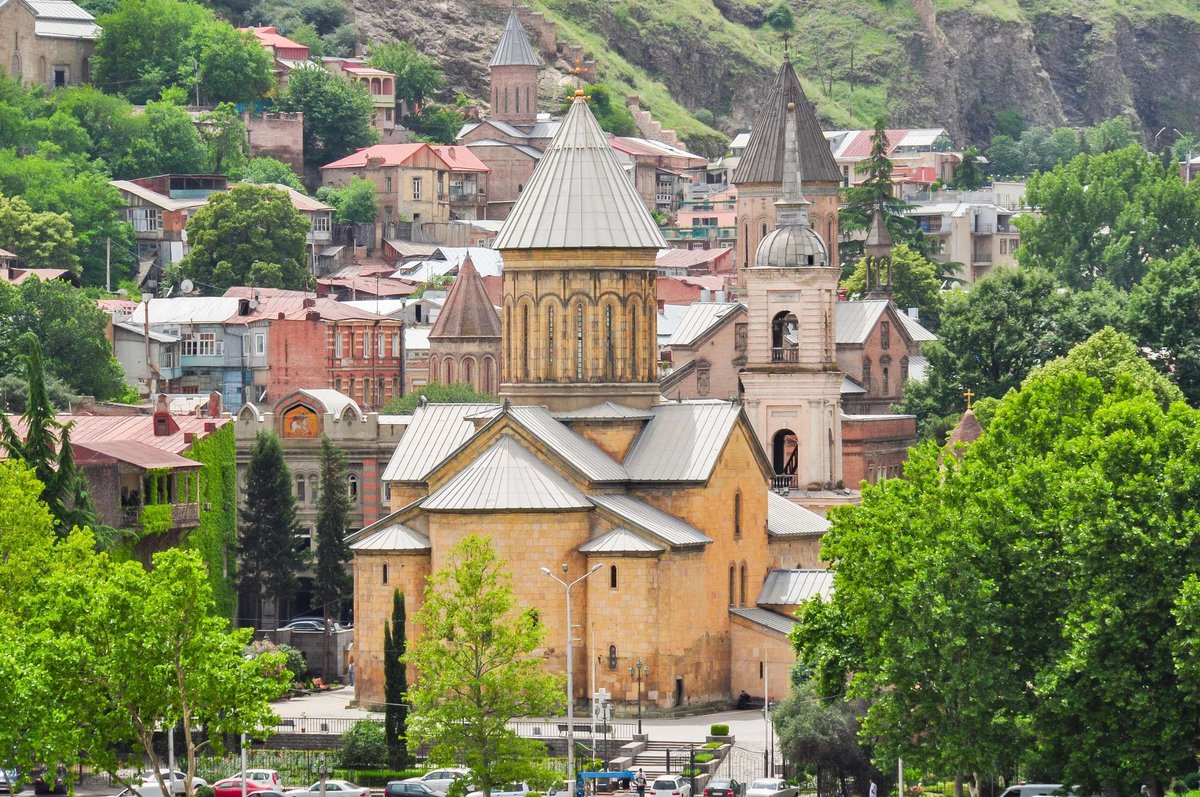
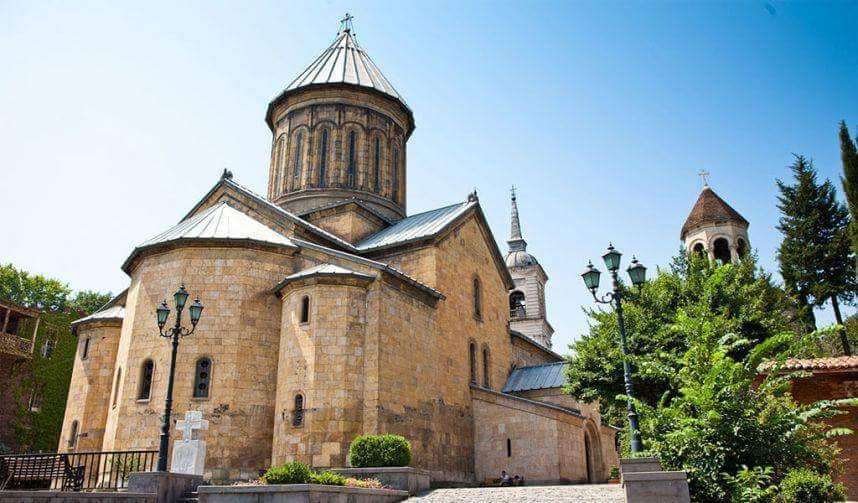
According to legend, Mary died at home on Mount Zion, where the world's first Dormition Cathedral was built. The Sioni Cathedral is located on the banks of the Kura River in the center of the Old City. The Sioni Cathedral is a complex consisting of a church, two bell towers, and a fence surrounding the cathedral. The cross-domed building is decorated with relief images of the cross.
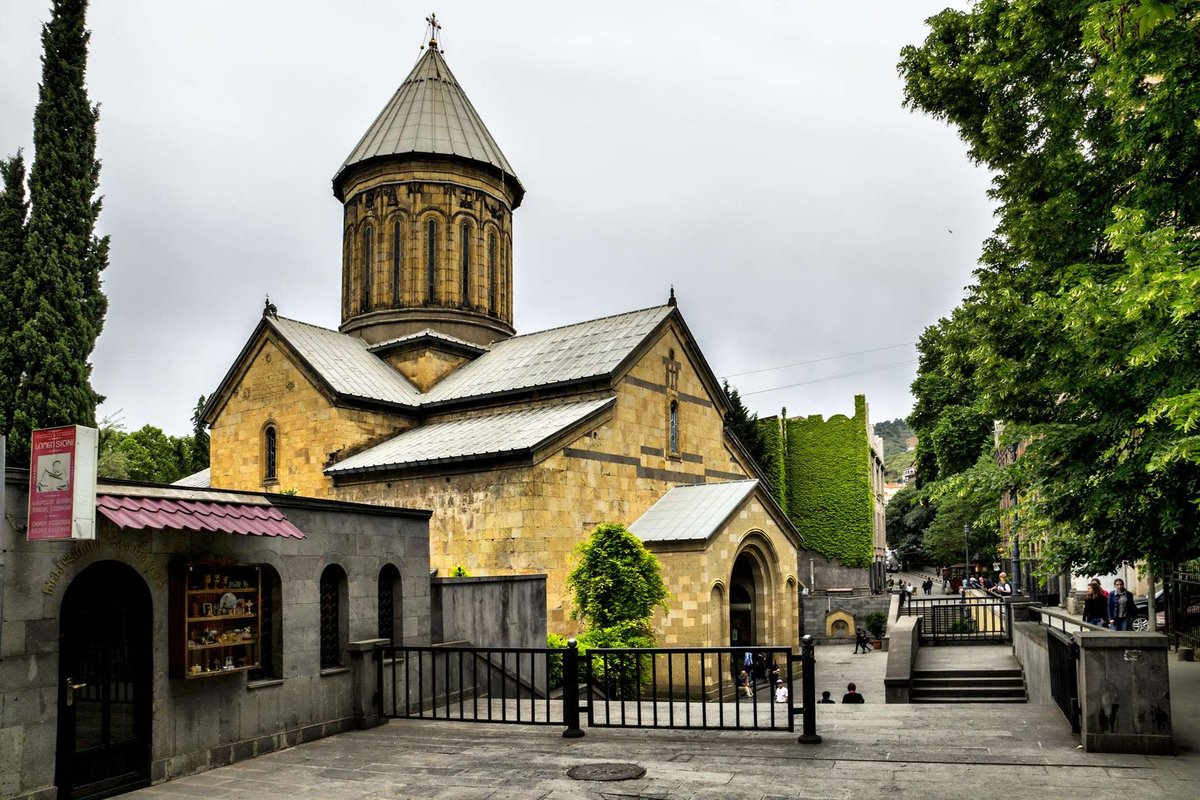
The cathedral's walls are covered with tufa, but the foundation remains pristine. The church is decorated with frescoes created by the Russian artist G. G. Gagarin. The bell towers date back to different periods: one dates back to the 15th century, while the other, an example of Russian classicism, was built next to the church in 1812. Tbilisi's Sioni Cathedral houses Georgia's most important relic—the cross of Saint Nino.
It is made from a grape stem, bound with Nino's hair, and framed in stone. This relic was returned to the cathedral by Russian Emperor Alexander I in 1801. A stone brought from Jerusalem by Saint David Garejeli is also housed here. It is believed to be miraculous and blessed. Sioni Cathedral is filled with famous icons from Georgian churches: the Iveron Icon of the Mother of God, the Icon of the Savior Not Made by Hands, Saint Nino, Saint George the Victorious, the "Glory of the Church of Georgia," and others. A. Griboyedov and N. Chavchavadze performed the wedding ceremony in this cathedral.
True, this one had a tragic fate. After the wedding, Griboyedov was called to serve in Persia, where he soon died. Upon learning of this, Nino lost her child. She wore mourning her entire life and remained faithful to her deceased husband. In Sioni Cathedral, there is a tomb where the kings who built the cathedral—Guram and Adarnase—are buried.
Bishops were buried near the cathedral. Inside the church, near the apse with the altar, are black slabs—these are the graves of the patriarchs. Members of the Orbeliani princely family are buried along the southern wall. Also, strangely, the cathedral contains the graves of generals Lazarev and Tsitsianov.
History
Georgia's landmarks are steeped in history. The history of the Tbilisi Patriarchal Cathedral of the Dormition of the Blessed Virgin Mary spans 15 centuries. It is said that the cathedral was built by order of Vakhtang I Gorgasali, the founder of Tbilisi. Most likely, the temple was founded by Guram I in the sixth century, and construction was completed during the reign of King Adarnase in the following century. During the Emirate of Tbilisi, the church was demolished by the Arabs.
After the city's liberation from the Arab Caliphate in 1112, a cathedral was erected on the same site by David IV the Builder. The temple suffered much destruction and was subsequently rebuilt. It suffered the most severe damage from an attack by the troops of Jelal ad-Din Mankburn and the earthquake that occurred in 1668. In 1726, the cathedral was considered for conversion into an Islamic mosque due to the Ottoman Turks' occupation of the city, but Prince Givi Amilakhvari was able to influence the decision, and this was not accomplished.
In the autumn of 1795, the cathedral was destroyed during the invasion of the Iranian army led by Agha Muhammad Khan. The enemy burned the cathedral's upper gallery and iconostasis, and the paintings were ruined by soot. The church was restored in 1817. Describing the cathedral, Mina Medici described it as majestic, its interior filled with frescoes from the Bible. Sioni Cathedral was restored to its original state between 1980 and 1983.
A new iconostasis was crafted based on ancient national icons. During the Soviet era, all churches in the Georgian capital were stripped of their heritage, including the bells of the Patriarchal Cathedral. The last time these bells were heard ringing was on Ninooba Day in 1801.
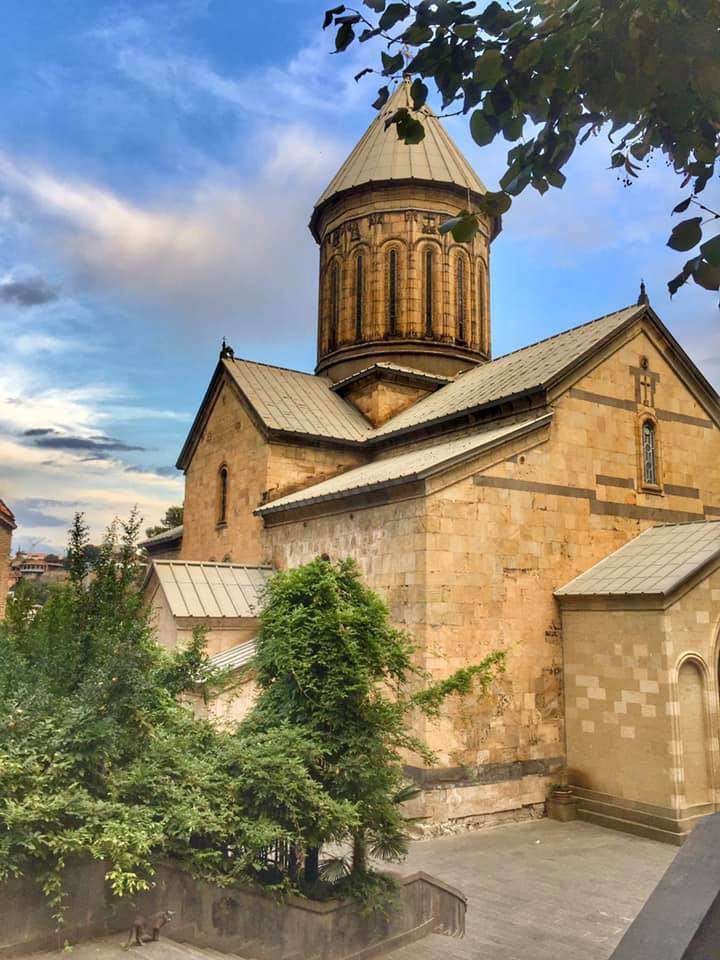
In 2003, an extension was added to the church building, which serves as a vestibule to the entrance. If you're unsure what to see in Tbilisi, visit the Old Town. Besides Sioni Cathedral, it's home to the Georgian History Museum, mineral baths, and many of the city's most beautiful monuments.

23 comments
Log in to leave a comment