




Ethnographic Open Air Museum in Tbilisi
Academician Giorgi Chitaia was the initiator of the idea for the open-air museum, and he brought it to life. The museum presents a miniature model of Georgia and reflects its diverse ethnoculture: settlement patterns, folk architectural monuments, the material and spiritual culture, work histories, creative thinking, and aesthetic taste of the Georgian people.
The museum is a scientific and educational institution and a repository of natural, material, and spiritual cultural heritage. Its territory (52 hectares) is divided into 11 historical and ethnographic zones, representing three main productive and cultural areas: the plain of eastern Georgia, the lowlands of western Georgia, and mountainous Georgia.
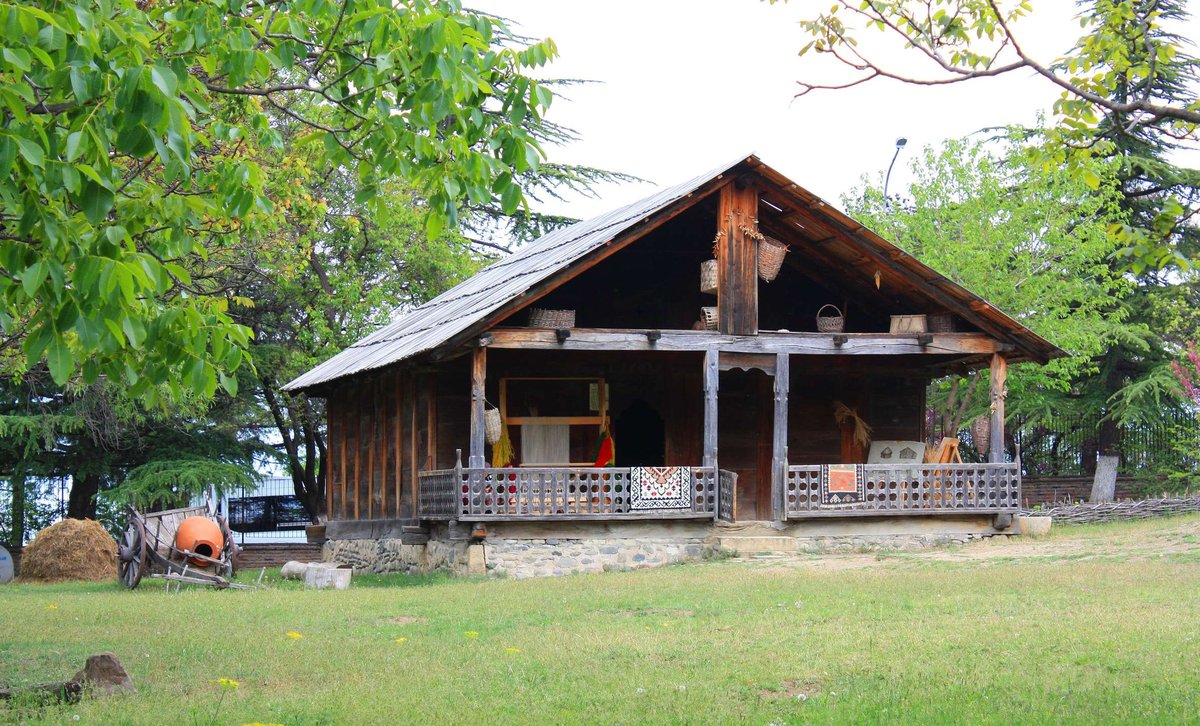
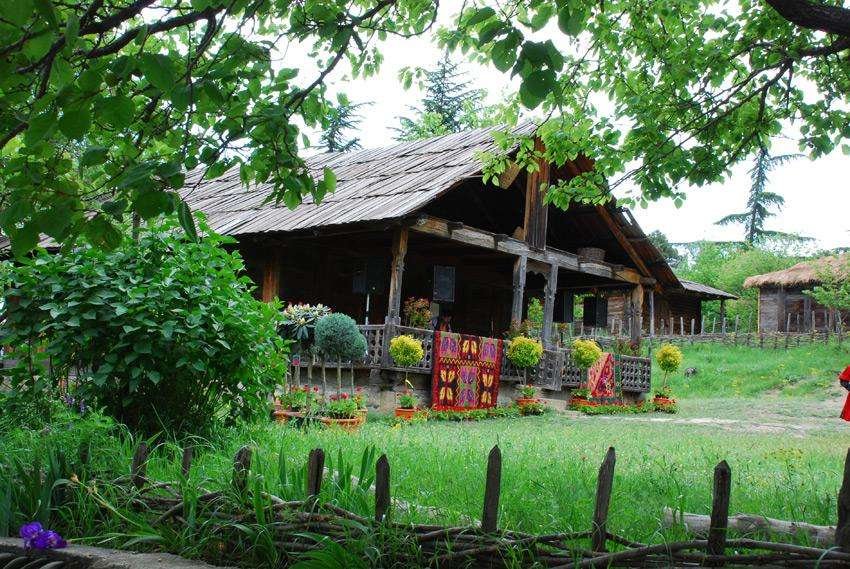
The museum contains 70 residential buildings and outbuildings, presented according to the country's historical and geographical regions: Kartli-Kakheti, Samtskhe-Javakheti, Guria Samegrelo-Imereti, Racha-Lechkhumi, Abkhazia, Adjara, and Shida Kartli.
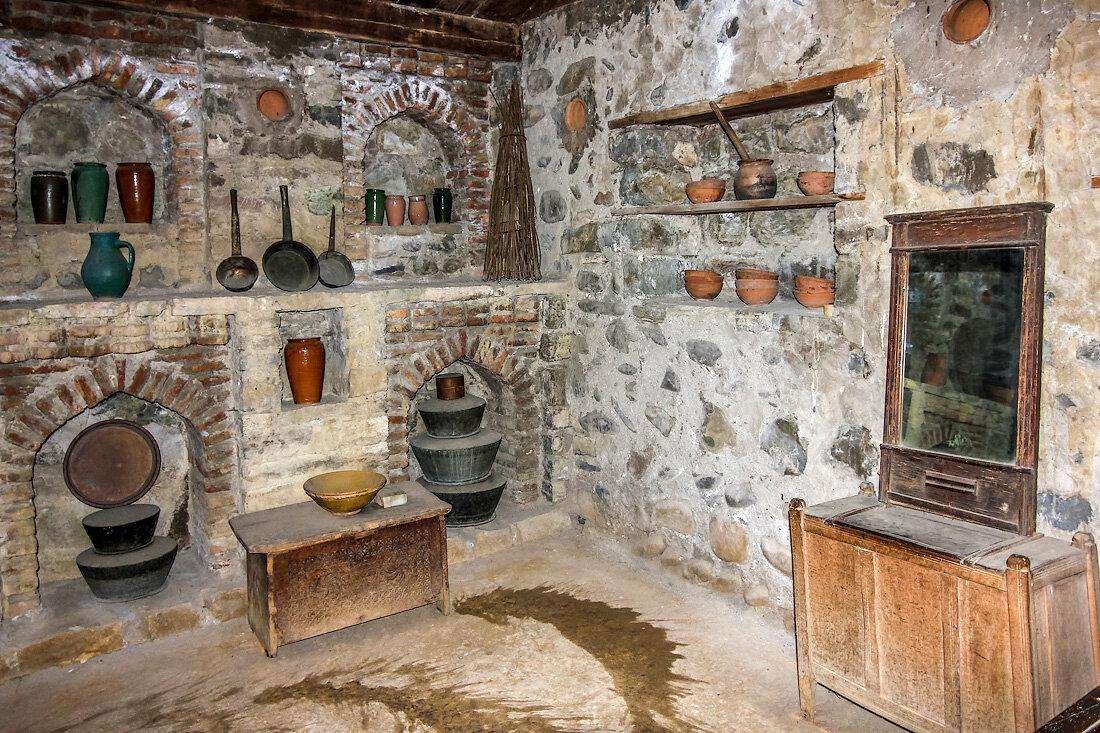
One area is dedicated to historical and archaeological monuments. On display here are the Sioni Basilica from the 5th-6th centuries, a dolmen from Abkhazia dating back to the 2nd millennium BC, and a rich collection of relief gravestones. Along with architectural works, the museum contains over 8,000 artifacts: weapons and tools, household furniture, textiles, and ceramics.
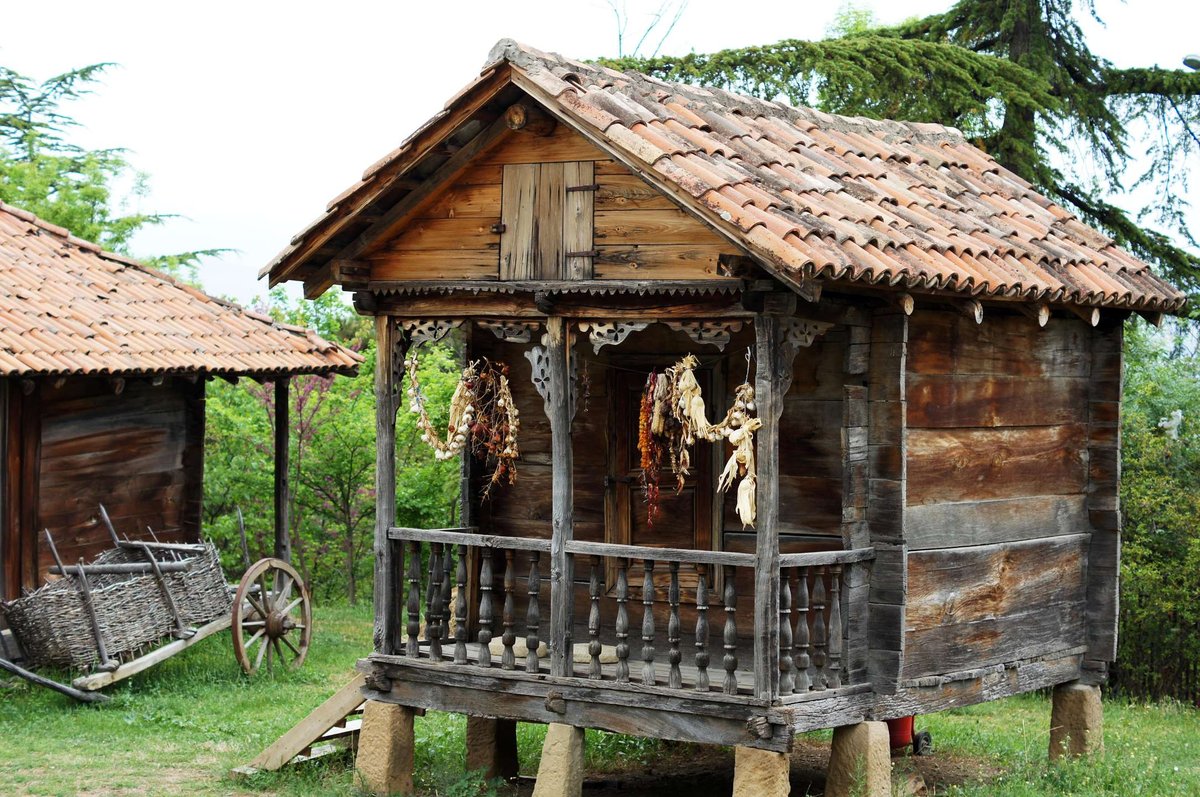
The Giorgi Chitaia Open-Air Museum is a unique scientific and educational institution located in Tbilisi, distinguished from other museums by its uniqueness and the diversity of its ethnic cultures. It was founded by Academician Giorgi Chitaia in 1966 and houses natural, material, and spiritual monuments of cultural heritage.
The museum covers an area of 52 hectares and is divided into 11 historical and ethnographic zones, representing three main productive and cultural areas: the plain of eastern Georgia, the lowlands of western Georgia, and mountainous Georgia. Here, visitors can see approximately seventy residential buildings and outbuildings that convey the country's history and represent its various habitats.
The Giorgi Chitaia Open-Air Museum allows visitors to immerse themselves in the atmosphere of Georgian life and learn a great deal about the material and spiritual culture, work history, creative thinking, and aesthetic taste of the Georgian people. The museum displays not only various ethnographic zones but also historical and archaeological monuments.
One of the areas that attracts particular attention is the area with historical and archaeological monuments. Here, visitors can see the Sioni Basilica dating from the 5th-6th centuries and an Abkhazian dolmen dating back to the 2nd millennium BC, as well as a rich collection of relief tombstones. The museum also contains over eight thousand artifacts, including weapons and tools, household furniture, textiles, and ceramics.
Furthermore, the museum boasts a rich collection of national costumes and jewelry, demonstrating the diversity and beauty of Georgian ethnic culture. The museum often hosts workshops on making national costumes and jewelry, as well as culinary classes where visitors can learn to prepare traditional Georgian dishes such as khinkali, khachapuri, and shashlik.
The Giorgi Chitai Open-Air Museum is not only a place to learn about the culture and history of Georgia but also an excellent venue for celebrations and events. The museum grounds frequently host exhibitions, festivals, concerts, and performances, attracting both local residents and tourists from around the world. During these events, visitors can enjoy Georgian culture and traditions, as well as sample national cuisine and wine.
One of the most interesting events held at the museum each year is the "Festival of National Cultures." During this festival, visitors can watch traditional dances and songs, learn to play national musical instruments, and attend workshops on making national jewelry and costumes.
National jewelry and costumes are also on display at the Giorgi Chitai Open-Air Museum. They showcase the historical and cultural characteristics of Georgia's different regions. For example, the costumes of those living in mountainous Georgia are made of warmer and coarser materials, such as wool and linen, while those of those living in eastern Georgia are lighter and more comfortable for the hot climate.
The museum also hosts various events and exhibitions related to Georgian culture and history. For example, you can attend traditional Georgian weddings, enjoy national dances and songs, and sample traditional dishes.
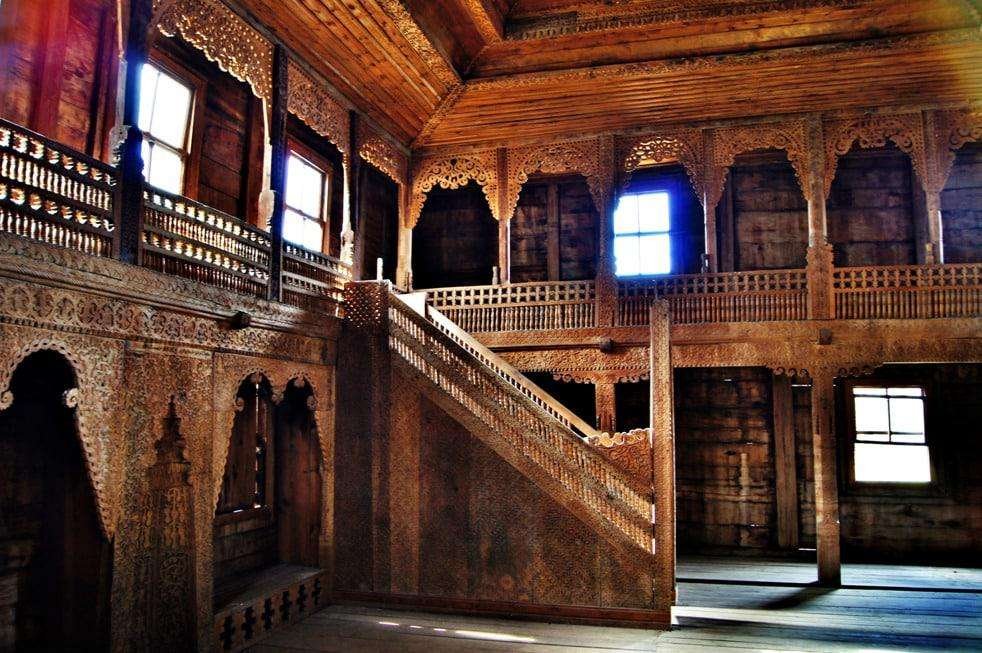
Although the Giorgi Chitaia Open-Air Museum was established as a historical and cultural complex, it is also an important site for scientific research. Exploring the museum's collections allows for a deeper understanding of the culture and traditions of the Georgian people and a better understanding of the country's history. Furthermore, the museum contributes to the preservation and restoration of Georgia's cultural heritage, promotes the culture and traditions of national minorities, and develops tourism in the region.
It is important to note that the Giorgi Chitaia Open-Air Museum is not only a popular tourist destination but also serves as an educational center for schoolchildren and students. Many of the museum's exhibits are used as teaching materials, helping students better understand the history and culture of their country.
Thus, the Giorgi Chitaia Open-Air Museum is an important historical and cultural complex that allows students to experience and understand Georgia's national culture and history.
Thank you for reading this article about the Giorgi Chitai Open-Air Museum. We hope you enjoyed exploring this unique museum, which showcases the history and culture of Georgia. If you have any questions or comments, please leave them below, and we will respond as quickly as possible. We always welcome your opinions and feedback, which will help us improve our content and provide more interesting and useful information to our readers. Thank you for reading our article and sharing your thoughts with us!

43 comments
Log in to leave a comment
Этот этнографический музей создан в 1966 году грузинским историком
этнографом Георгием Читаем. Отличие от других музеев в том ,что все
экспонаты перевезены из 14-ти исторический - географических регионов Грузии.
Они отражают быт, технологий и традиций народа. Работники музея
хорошо сохранили кухонный утварь, кувшины, табаки, казаны . Сохранены кровати,
колыбели, одежды. Местами воспроизведены хозяйственные постройки с сараями
амбарами, конюшнями.
Если турист хочет соприкасаться с историей Грузии узнать по ближе ее древний быт,
это место находка . В статье говорится что ещё есть экспонаты на стадий
реконструкций работниками музея. Так что это ещё не предел.