




Tbilisi Tapestry Museum: Academy Works and Creative Studio
Recognizing the centuries-old traditions of developing artistic textiles (felt, curtains, etc.), the Department of Tapestry and Artistic Fabrics was founded at the Tbilisi State Academy of Arts in 1960 on the initiative of D. Tsitsishvili, G. Kandareli, and T. Japaridze. This department has nurtured generations of talented artists and laid the foundation for the revival of modern Georgian tapestry.
In 1998, Professors Givi Kandareli and Tamaz Nutsubidze founded the Museum of Georgian Tapestry at the Academy of Arts, whose collection comprises works created over a number of years by students and faculty of the Academy. It is worth noting that all the exhibits on display in the museum were created in the adjacent workshop. The museum continues to function successfully as one of the Academy of Arts' creative workshops.
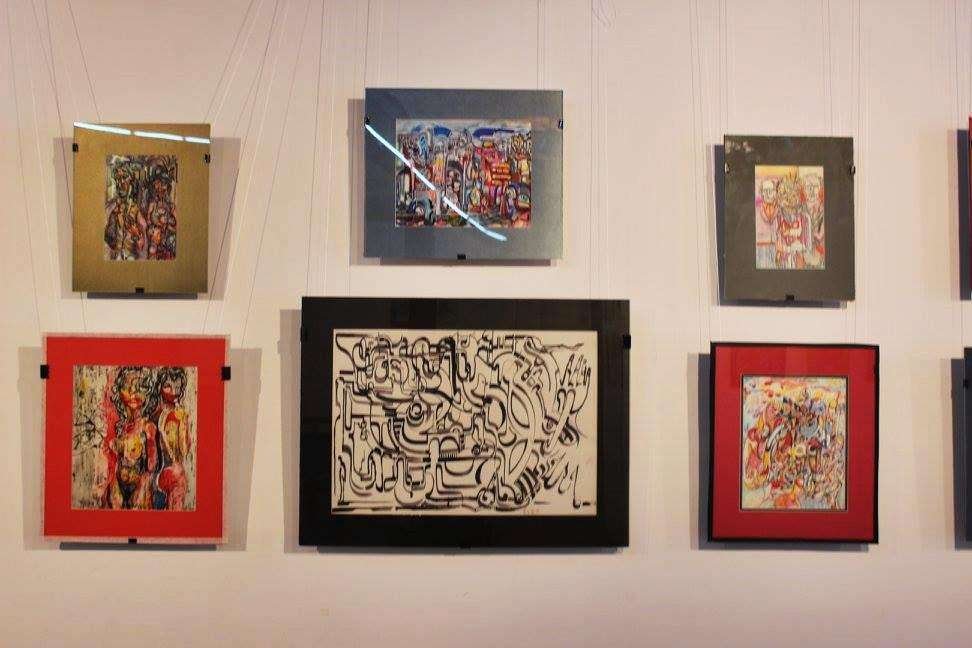
The Tapestry Museum of the Tbilisi State Academy of Arts is a unique place that can rightfully be called one of the most interesting museums in Georgia. Located on the academy's grounds, it houses a collection of works created by students and faculty over many years.
The museum's collection includes paintings, sculptures, and other works of art that testify to the high level of skill and talent of its artists. Many of these works are executed in tapestry, a technique with a rich history in Georgia.
It is worth noting that the museum is based on the Department of Tapestry and Artistic Fabrics, which was founded in 1960 on the initiative of prominent Georgian artists D. Tsitsishvili, G. Kandareli, and T. Japaridze. The department has trained several generations of talented artists and has become a platform for the revival of contemporary Georgian tapestry.
The museum was founded in 1998 by professors G. Kandareli and T. Nutsubidze, who decided to preserve and showcase the heritage of Georgian tapestry to the world. The museum's collection contains more than 600 works created by students and teachers of the academy, who continue the traditions of Georgian tapestry and create new, contemporary works.
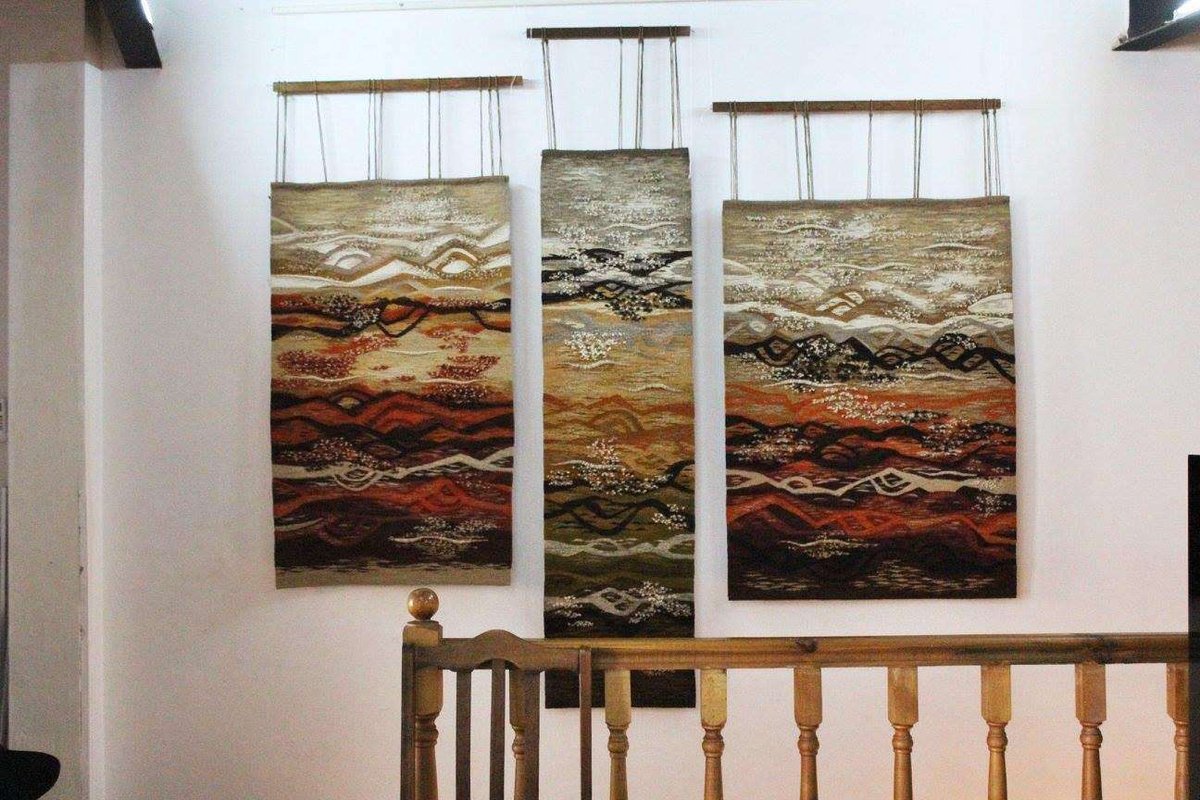
One of the museum's most interesting works is the "Atskhal" tapestry, created by Amiran Kvasnyanidze in 1987. This tapestry was created based on historical events related to Georgian history. It depicts scenes from the lives of Georgian heroes and symbolizes the power and grandeur of Georgian culture.
Each piece in the Tbilisi State Academy of Arts's Tapestry Museum symbolizes the power and grandeur of Georgian culture. These tapestries are not only works of art but also testaments to Georgia's history and culture.
The centuries-old traditions of Georgian textiles and tapestry trace their roots back to antiquity. Examples of textiles dating back to the first millennium BC have been found in Georgia. This demonstrates that Georgian textile and tapestry culture has evolved over many centuries.
However, with the development of new technologies and modern trends in art, tapestry has ceased to be the most popular and sought-after art form in Georgia. Fortunately, thanks to the efforts of talented artists and teachers at the Tbilisi State Academy of Arts, tapestry has begun to return to the forefront of art.
The Department of Tapestry and Artistic Fabrics was founded at the Tbilisi State Academy of Arts in 1960 on the initiative of D. Tsitsishvili, G. Kandareli, and T. Japaridze. It became the center for the revival of the tapestry industry in Georgia and nurtured numerous talented artists.
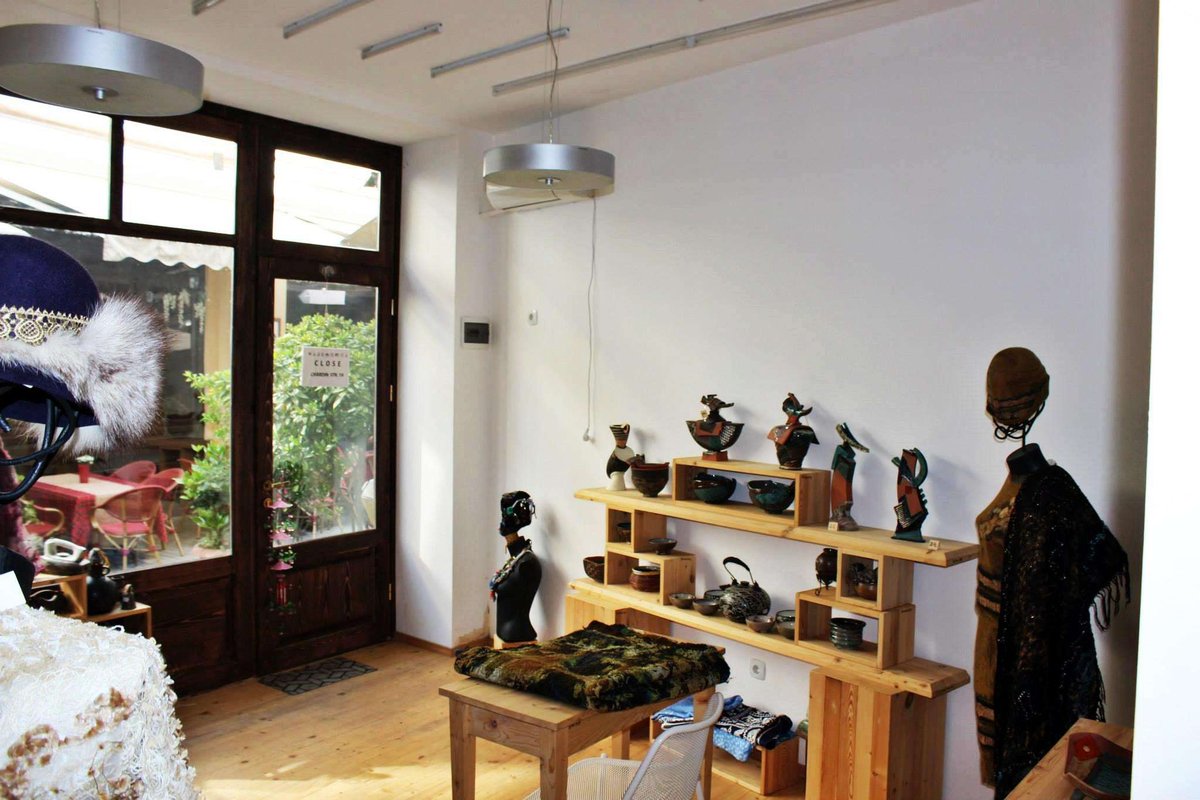
Unique works of art were created in the workshop of the Department of Tapestry and Artistic Textiles, which became part of the collection of the Georgian Tapestry Museum of the Academy of Arts. The museum is a unique place where you can see not only tapestries but also other forms of art created by talented artists. Here you can see paintings, engravings, sculptures, and much more. Each piece is distinguished by its uniqueness, originality, and masterful execution. Some of them are of historical value and are associated with important events in Georgian history.
One such work is the painting "Tbilisi Tournament," painted by the renowned artist Levan Mukashvili. It depicts a tournament held in Tbilisi in the 1960s, which brought together the world's most renowned chess players. The painting symbolizes a unique event in the history of Georgian sports and culture.
The museum also features sculptures made from various materials, from wood to metal. They depict various eras and styles of art, and convey the mood and emotions of the artist. One of the most interesting sculptures is the "Swan," crafted from white marble. This beautiful and elegant sculpture is one of the symbols of Georgian art.
The museum is also dedicated to the art of photography. Here you can see a collection of photographs taken by renowned photographers, capturing the life and culture of Georgia through different eras. Each photograph conveys a unique mood and emotion, and helps us understand the country's history and culture.
A visit to the Tapestry Museum of the Tbilisi State Academy of Arts is a unique and captivating experience that allows you to immerse yourself in the world of Georgian art and culture. The museum offers a unique opportunity to see works of art created by talented artists.
Please leave a comment below the article about the Tbilisi State Academy of Arts' Tapestry Museum and ask any questions you may have. We'll be happy to answer all your inquiries and feedback. Your opinion is very important to us!

37 comments
Log in to leave a comment
Читая старые книги об истории Европы, например- Франция, Англия, Шотландия.
Часто сталкивалась как рассказывали о гобеленах в спальнях, в гостевых комнатах,
в залах где принимали короли, королевы, принцессы и другие. В нем изображали
исторические моменты, сражения, портреты, пейзажи, цветы.
Это рукотворная работа очень кропотливая и требует внимательности, ощущения
чувство прекрасного, и в то же время точности.
С учётом многовековых традиций развития текстиля - фетр ,гардины в 1960 году была
организована в академий Тбилиси кафедра гобелена и художественных тканей.
Благодаря этой кафедре возродилась современная гобеленная искусство Грузий.
Рядом с музеем до сих пор функционирует мастерская Академий художников.