




🏛️ Visiting the Stalin Museum in Gori: What's Inside and How to Read It
🏛️ The Stalin Museum: The Essentials
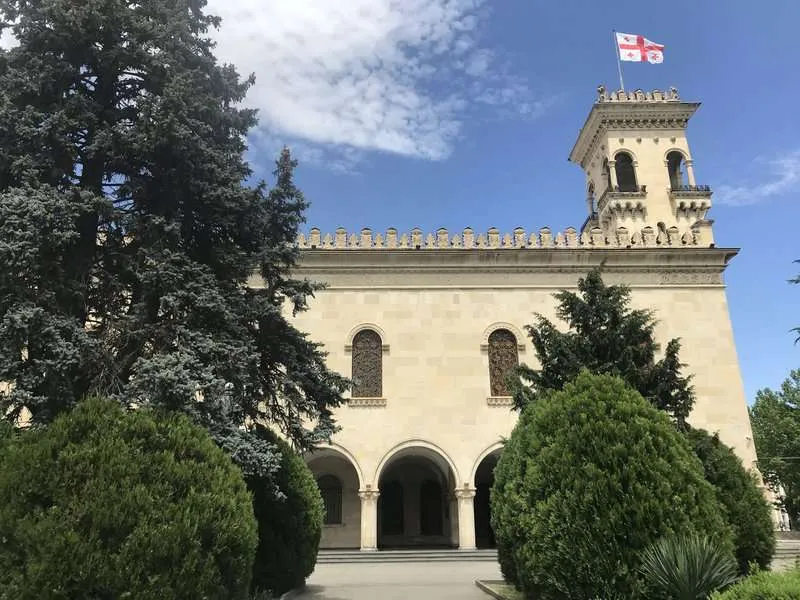
A memorial complex in central Gori made up of three parts: a Stalinist-Gothic main building with six exhibition halls, the wooden house where Stalin was born, and his personal armoured railway carriage. The collection runs to more than 60,000 items.
Gori, Shida Kartli, on Stalin Avenue in the city centre, roughly 500 metres from Gori Fortress. About 85 km from Tbilisi, an hour to an hour and a half by road.
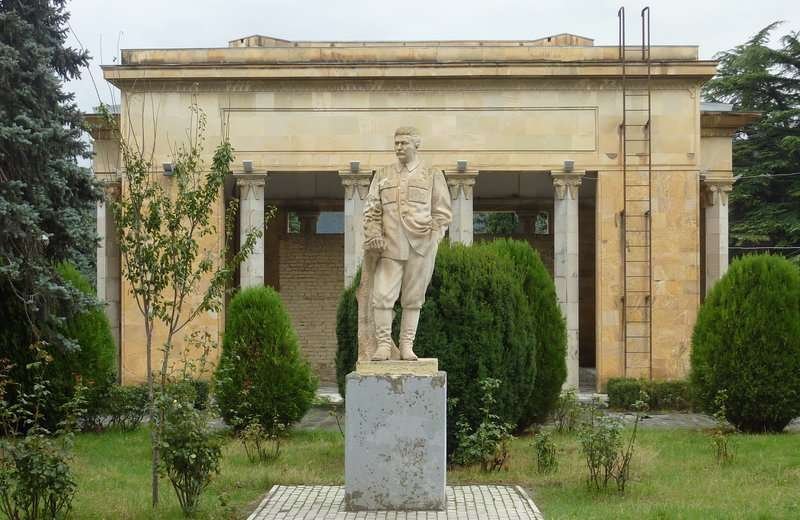
The Joseph Stalin Museum stands in the centre of Gori, the town where Ioseb Jughashvili was born in 1878 and went to school before becoming Joseph Stalin. It is the most visited site in Shida Kartli and one of the more unusual museums in the country. Other museums in the region are listed in the catalog on the Museums of Shida Kartli page.
This guide covers what the complex actually contains, how much time to allow, how to get there from Tbilisi, and, since it comes up constantly in visitor accounts, how the museum presents its subject.
🏛️ What the Complex Contains
The museum is not one building but three distinct parts, and they are usually seen in sequence.
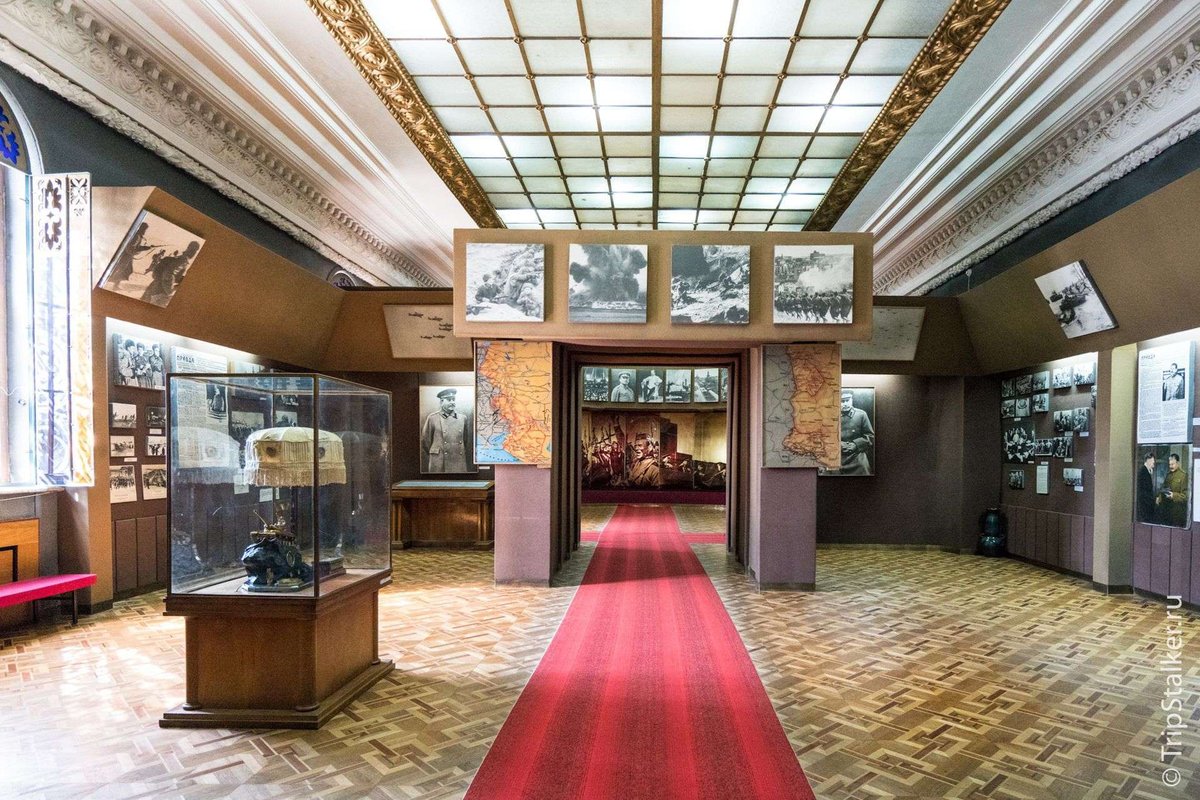
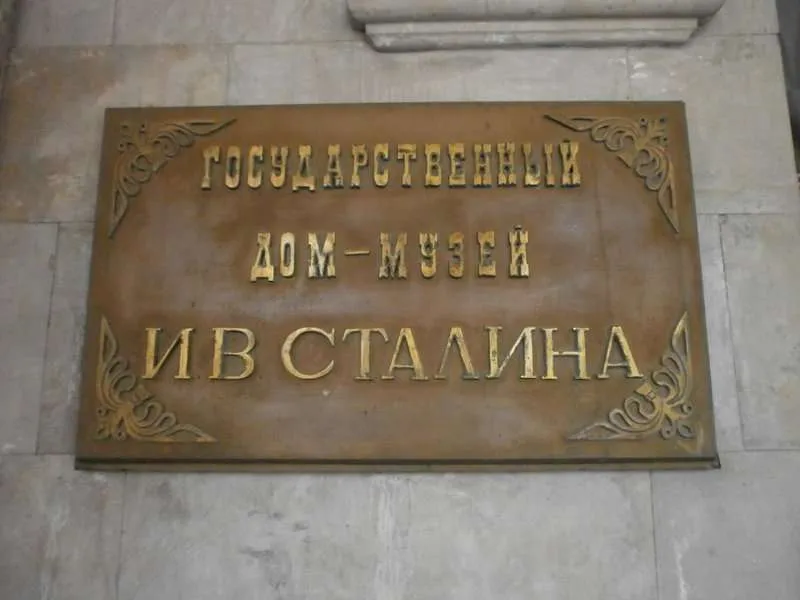
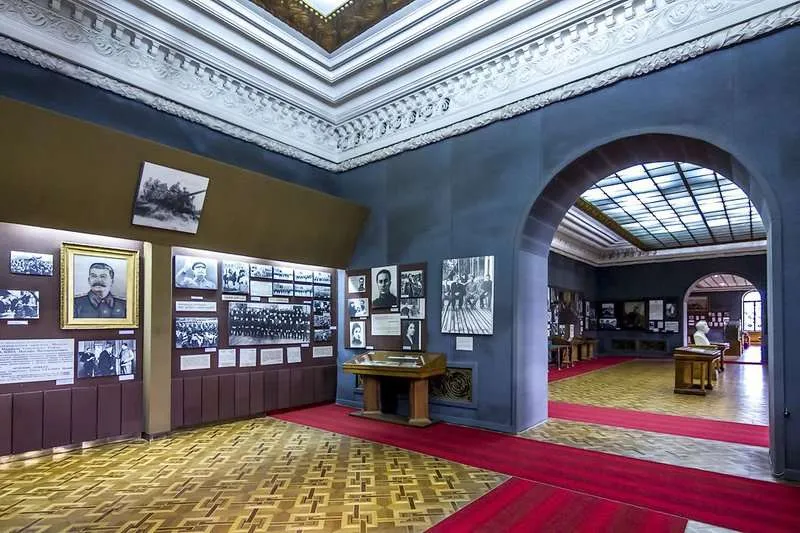
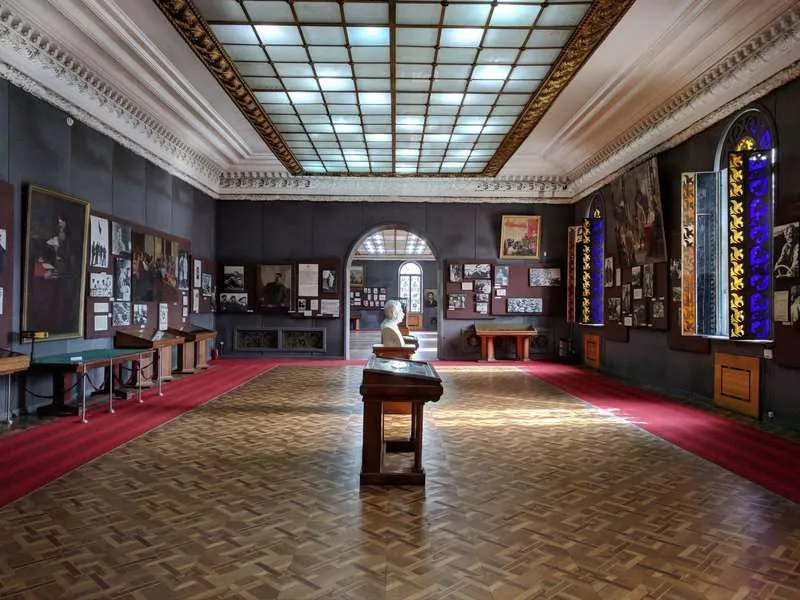
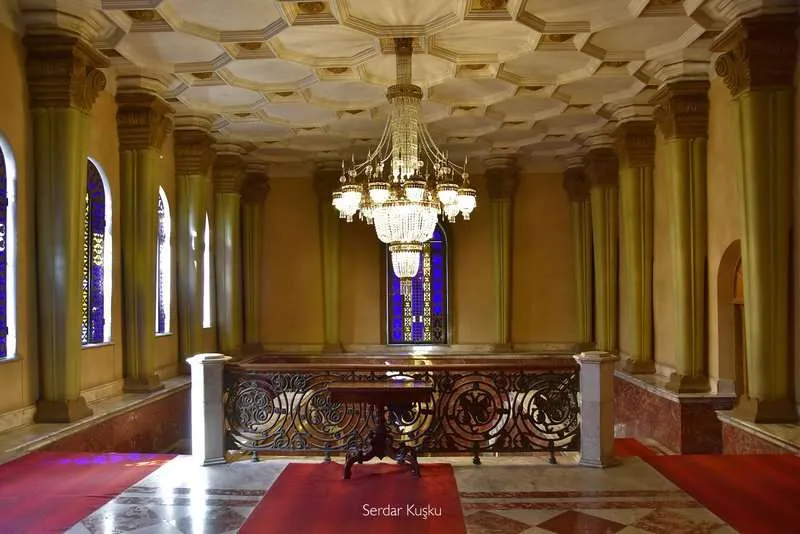
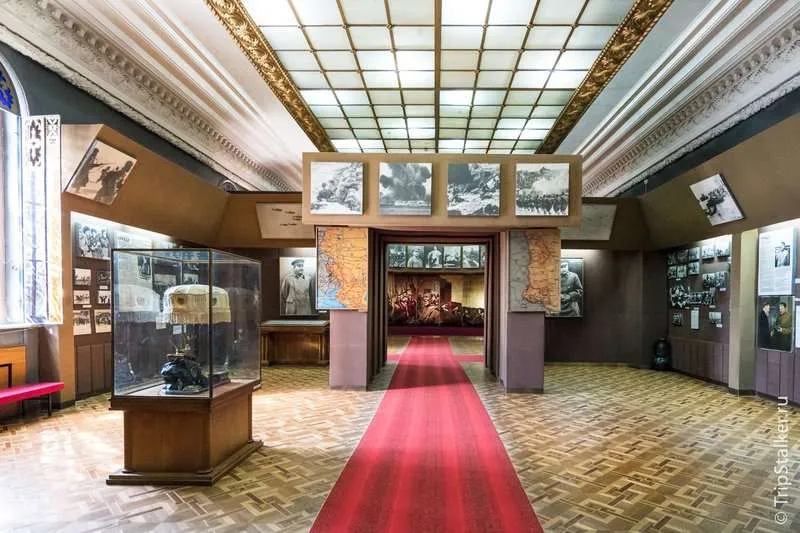
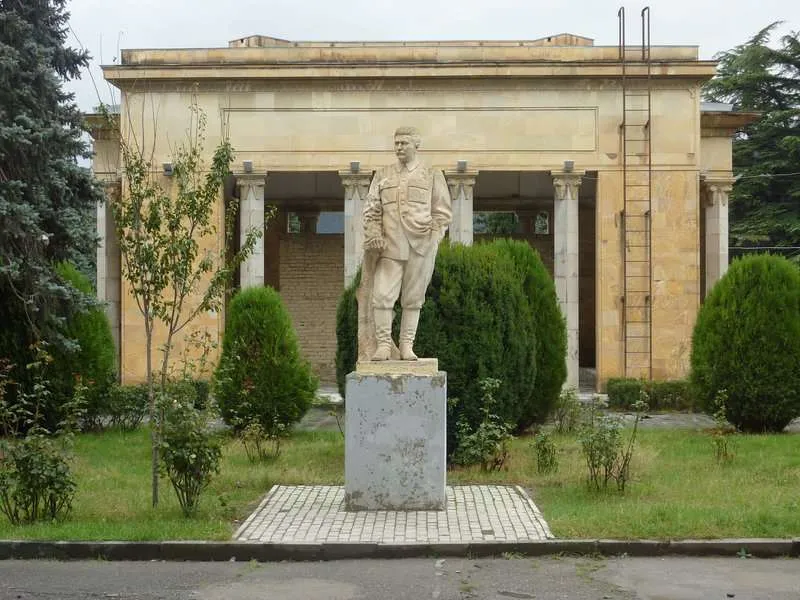
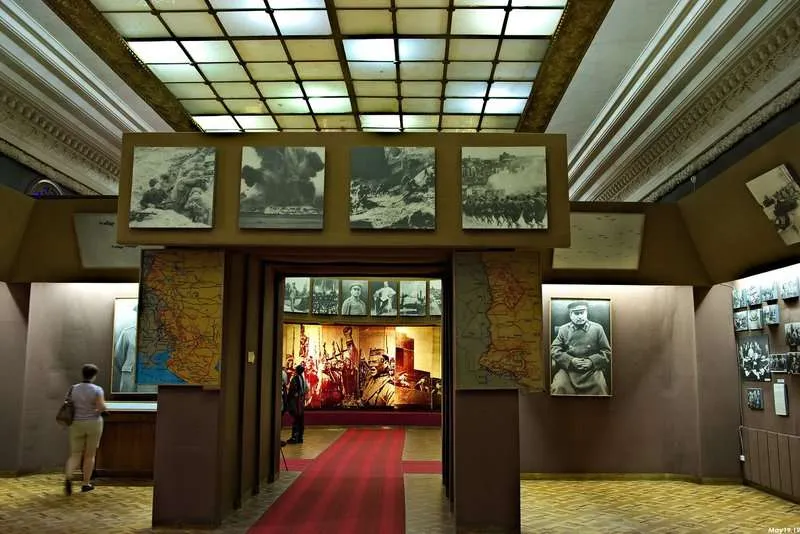
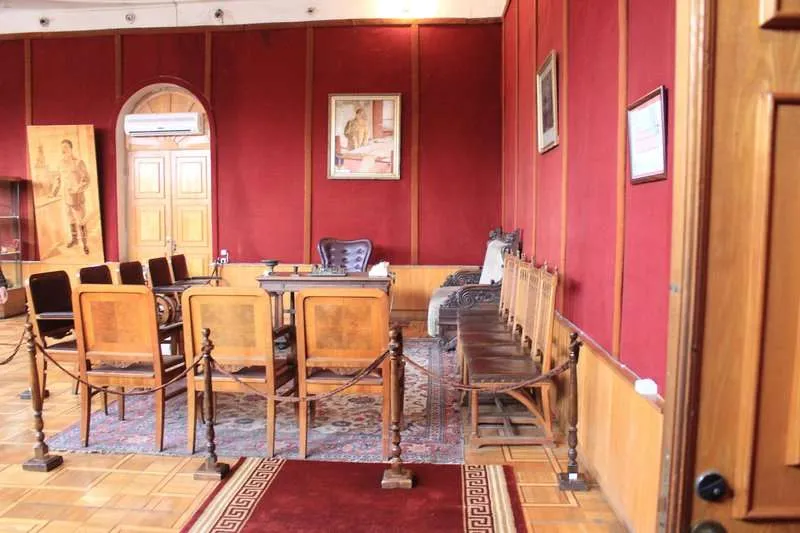
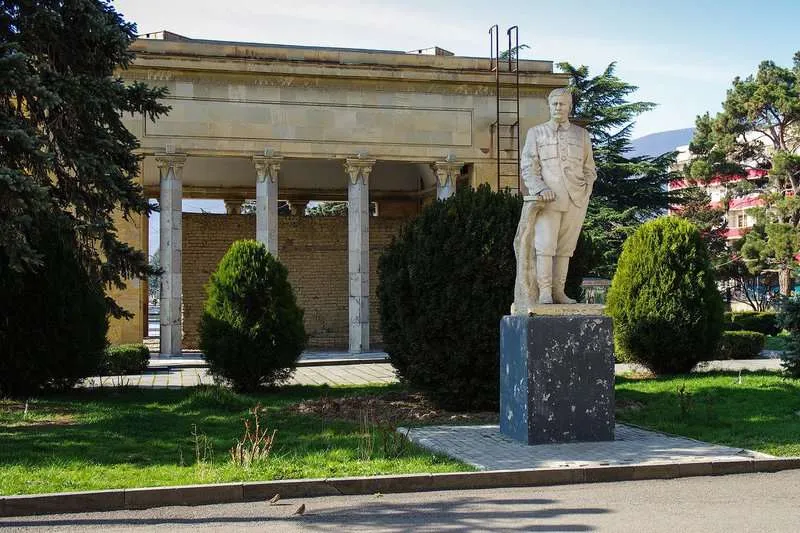
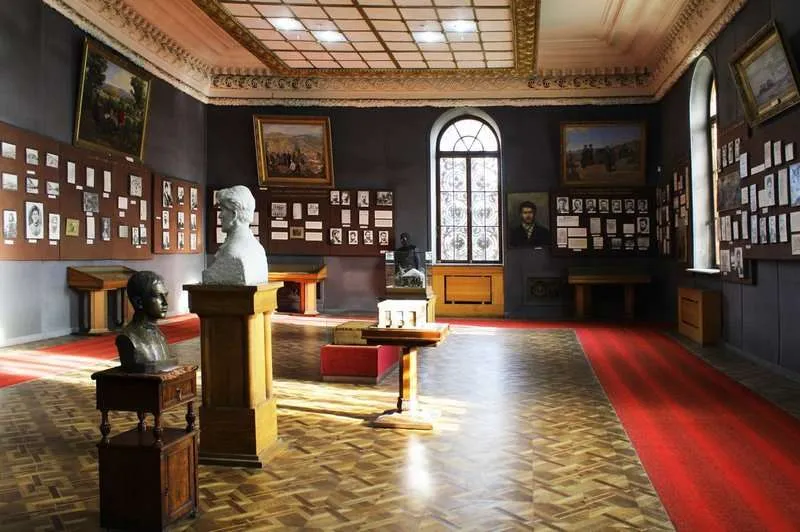
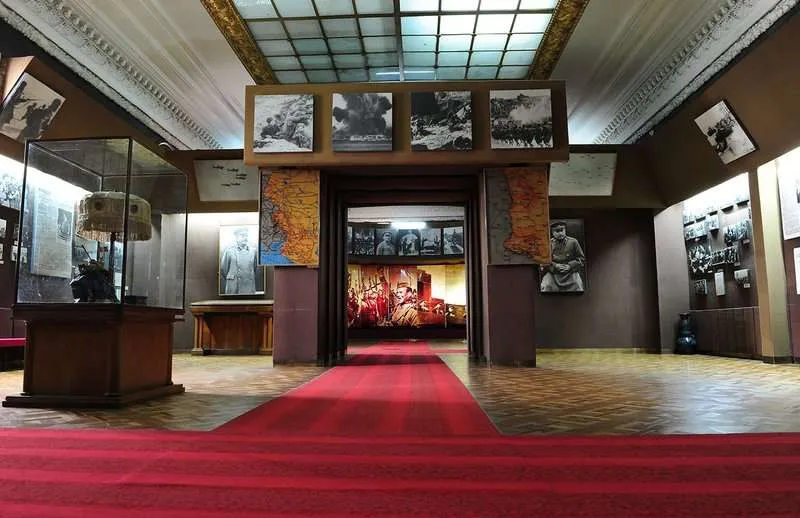
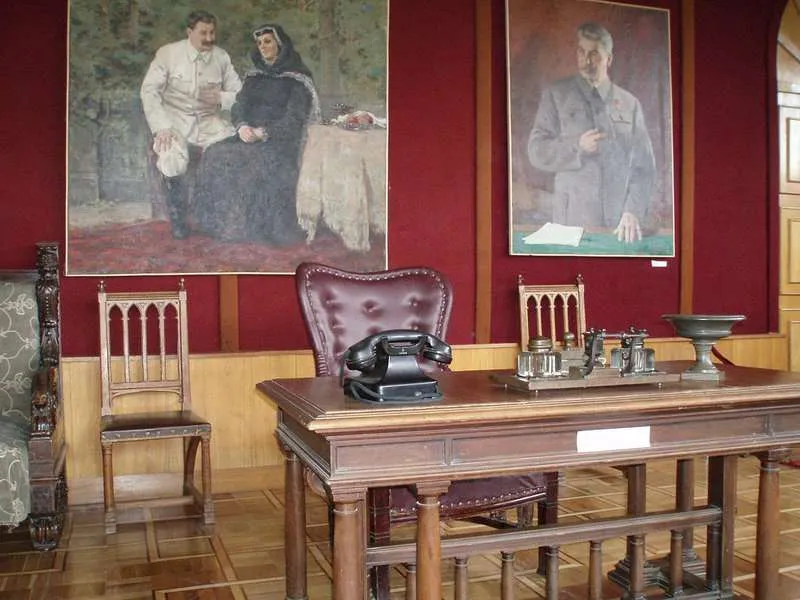
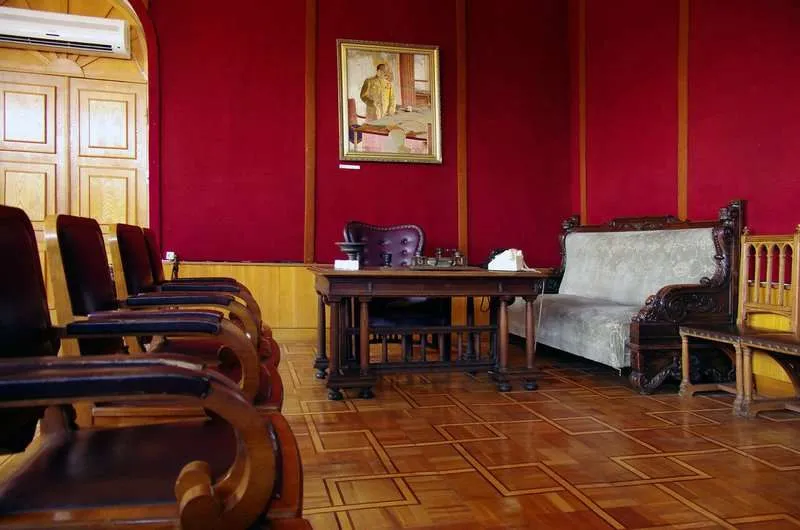
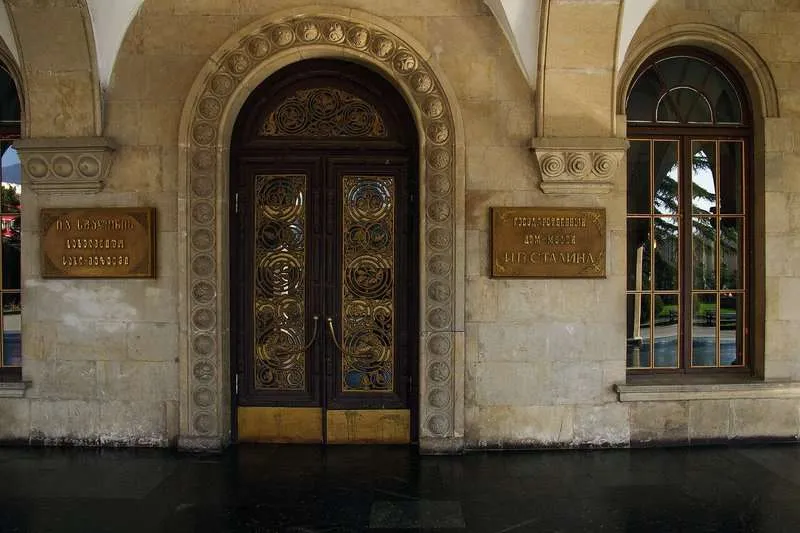
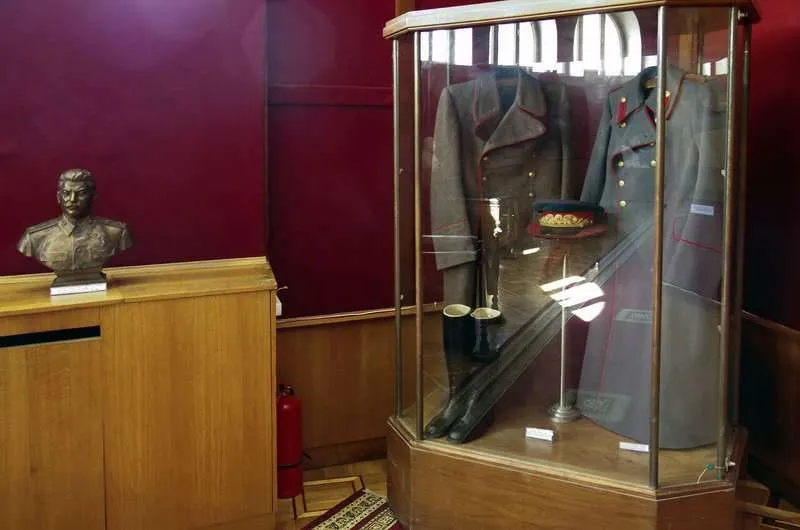
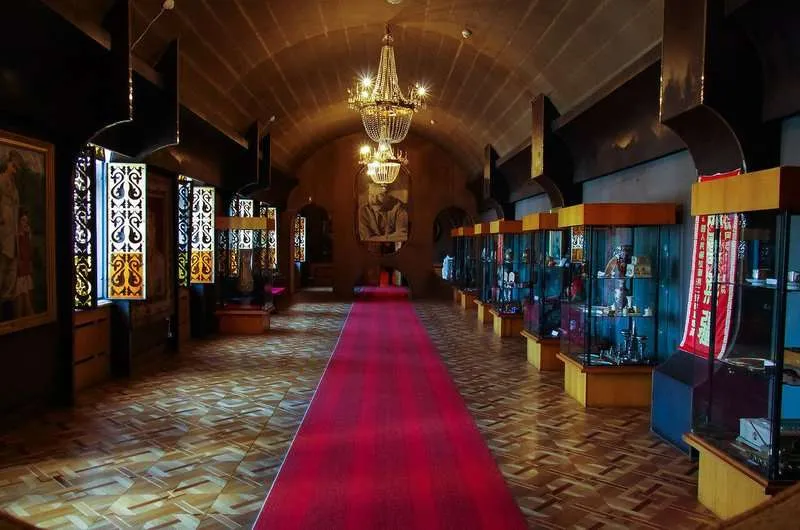
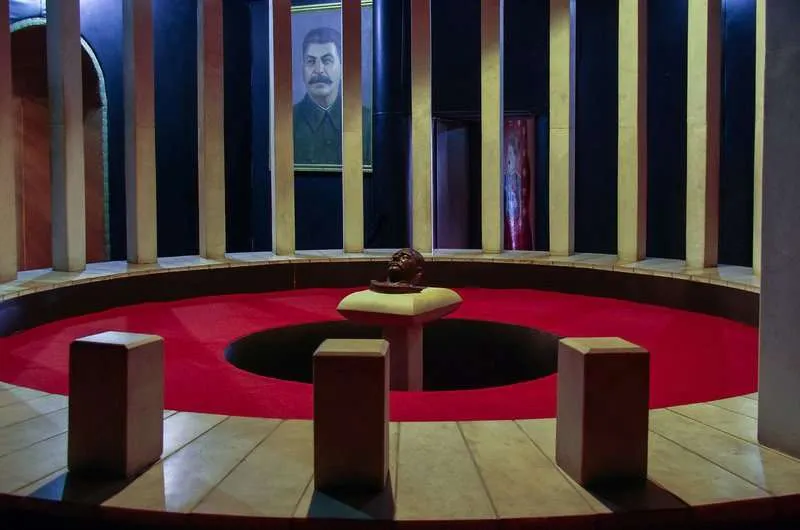
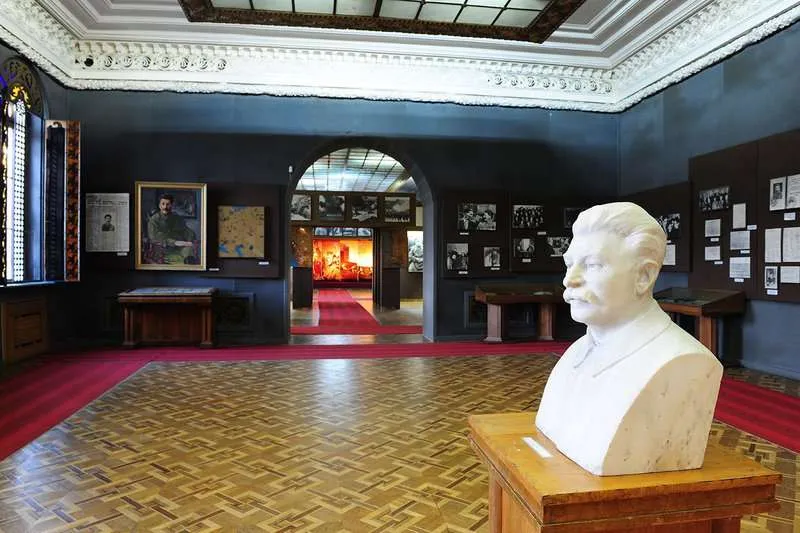
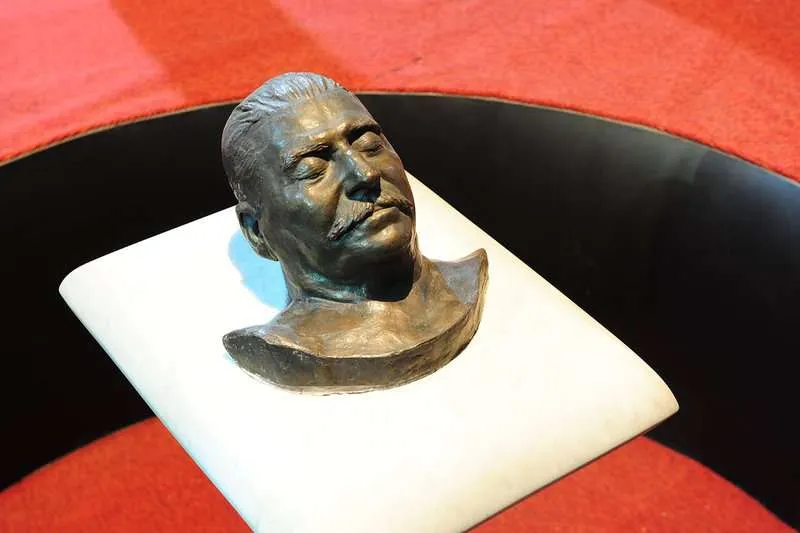
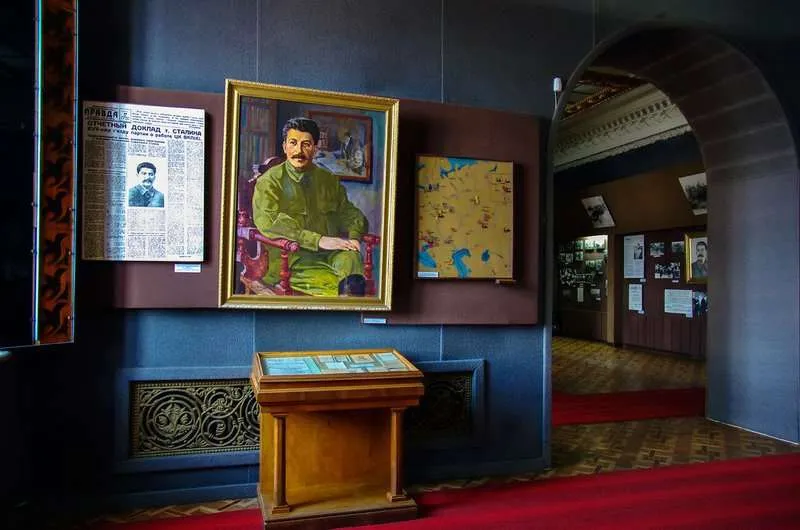
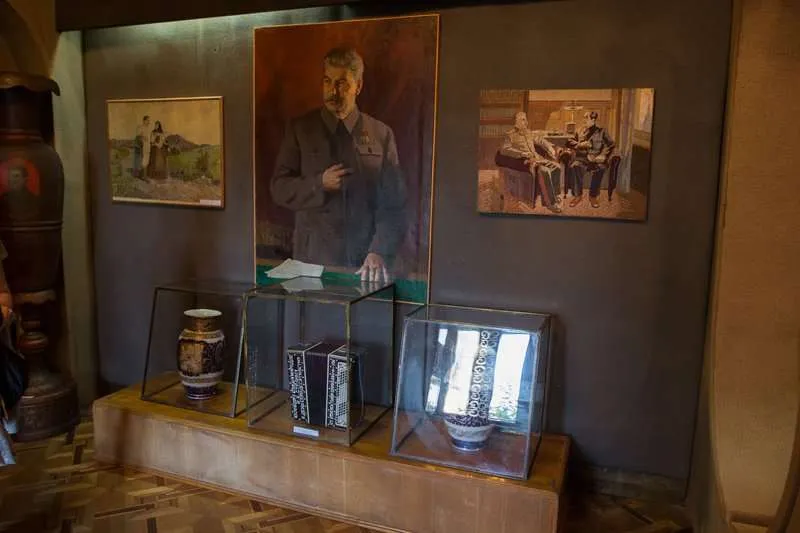
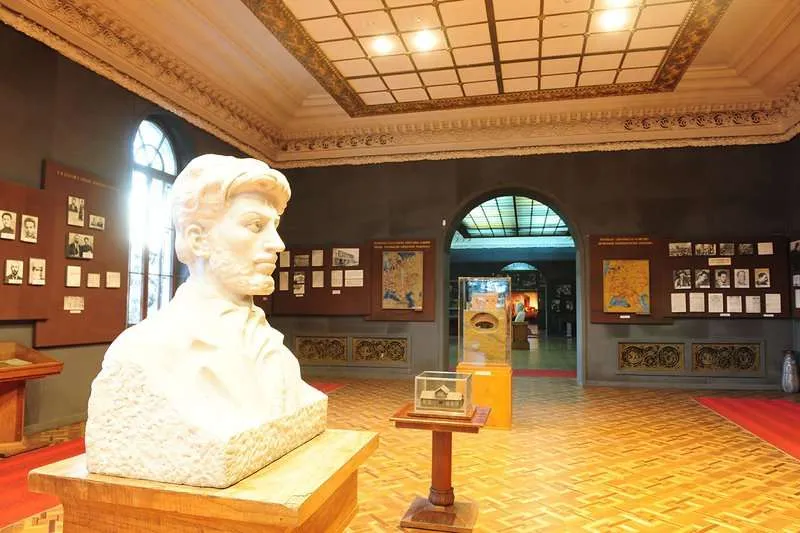
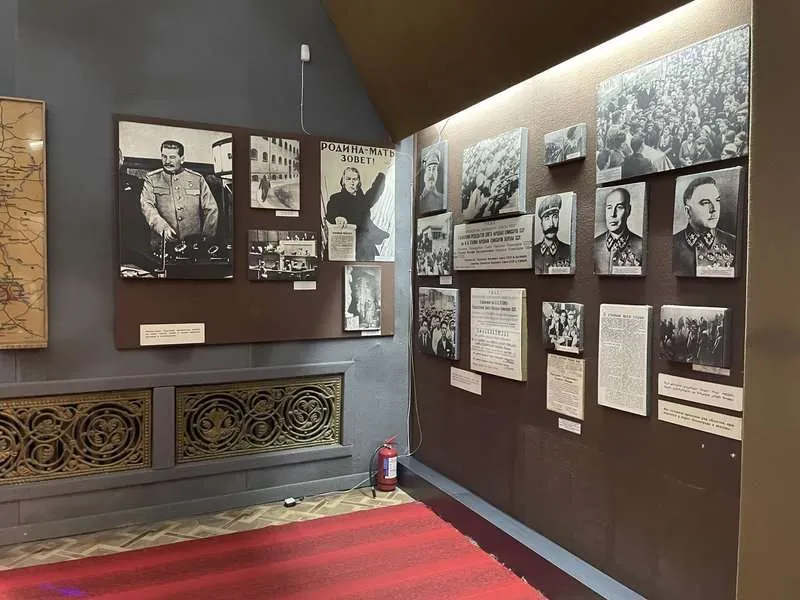
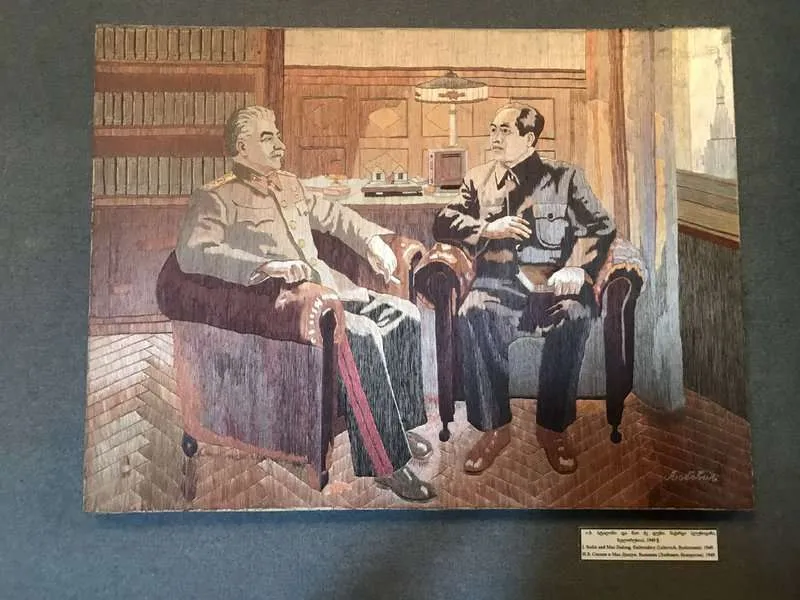
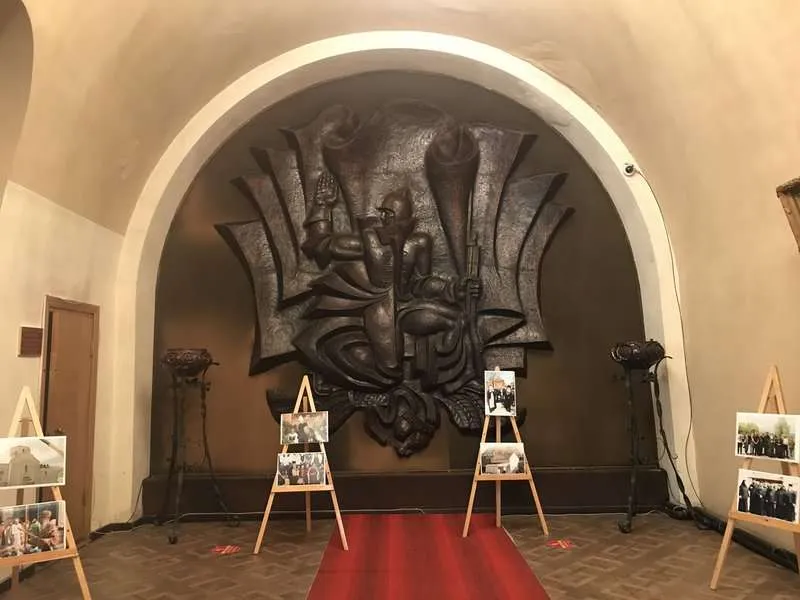
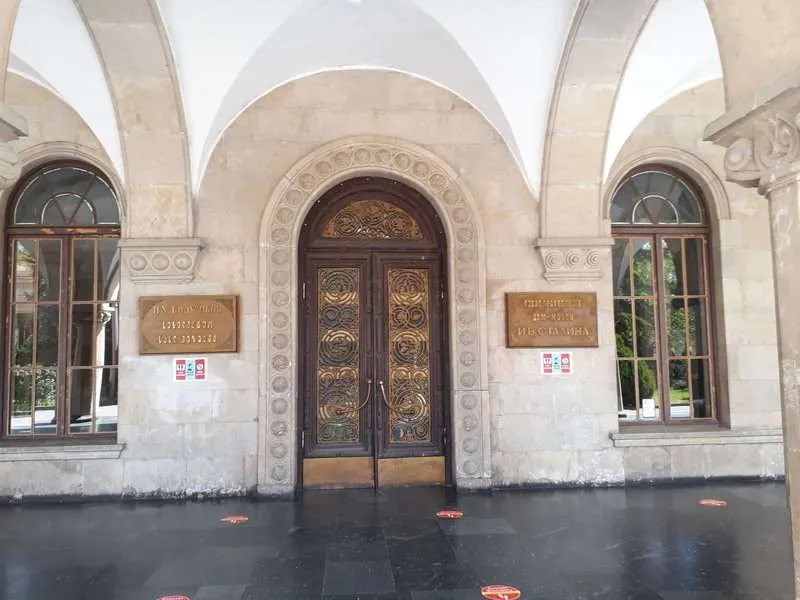
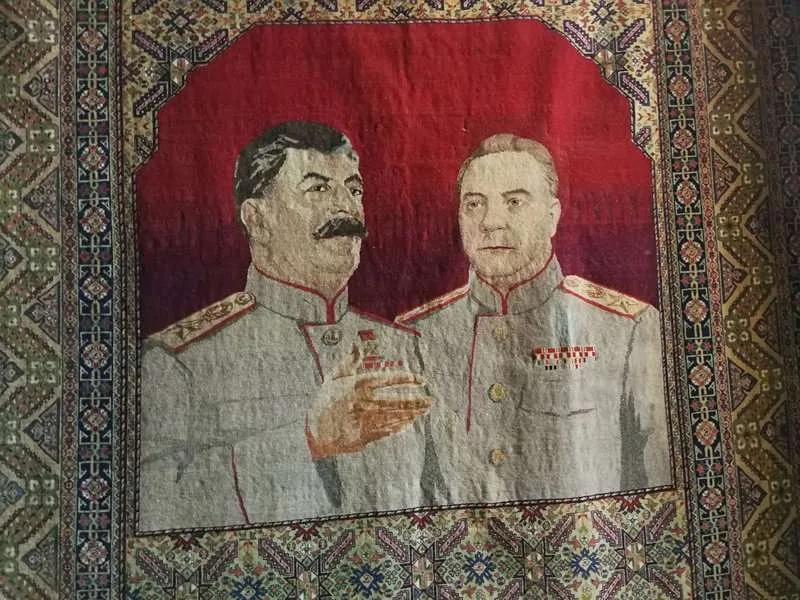
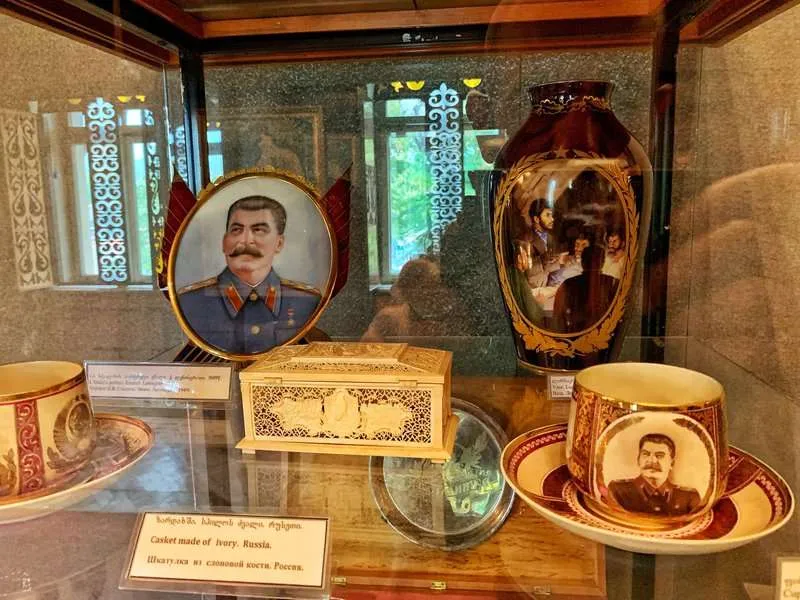
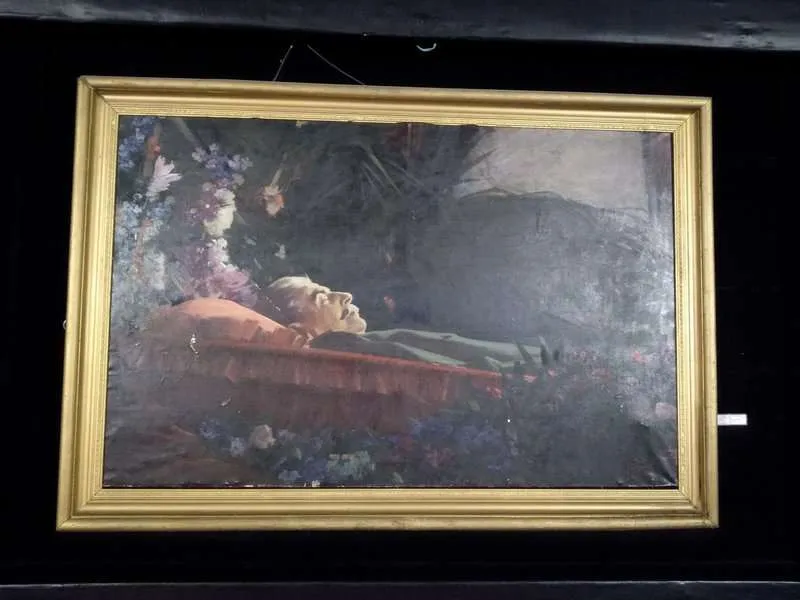
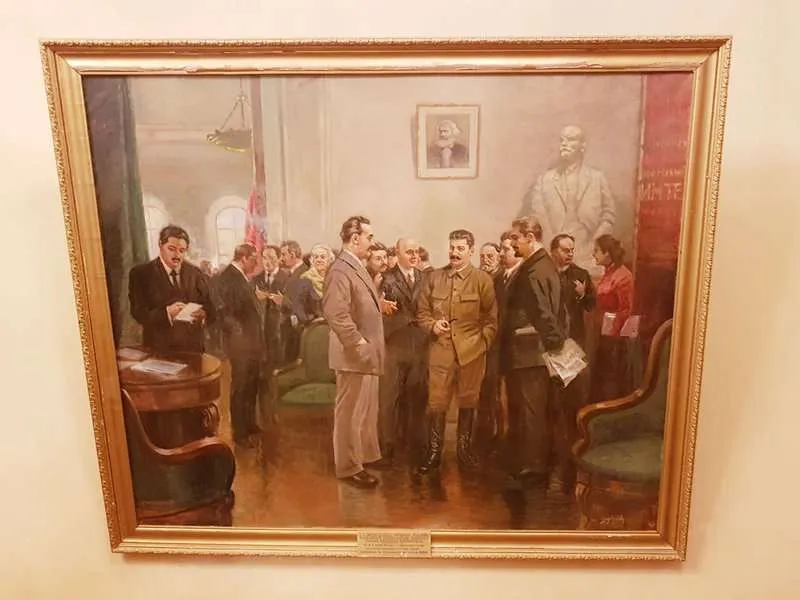
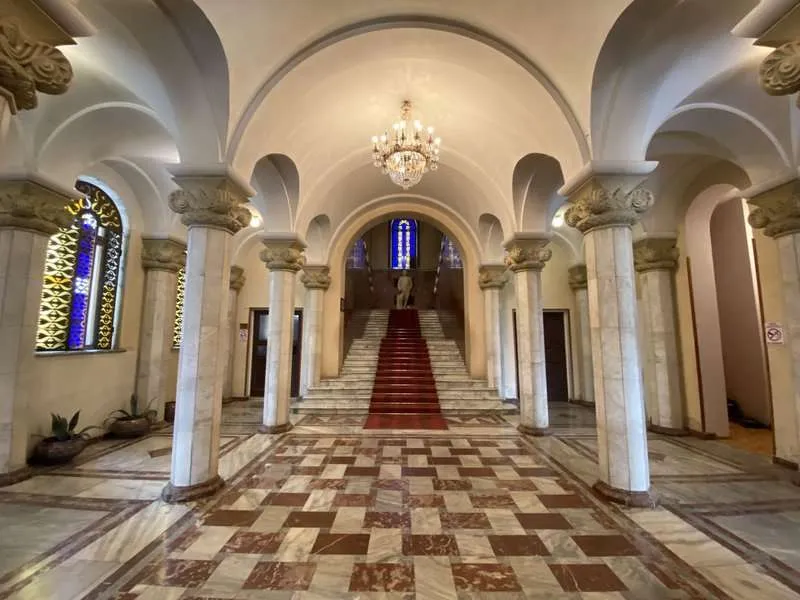
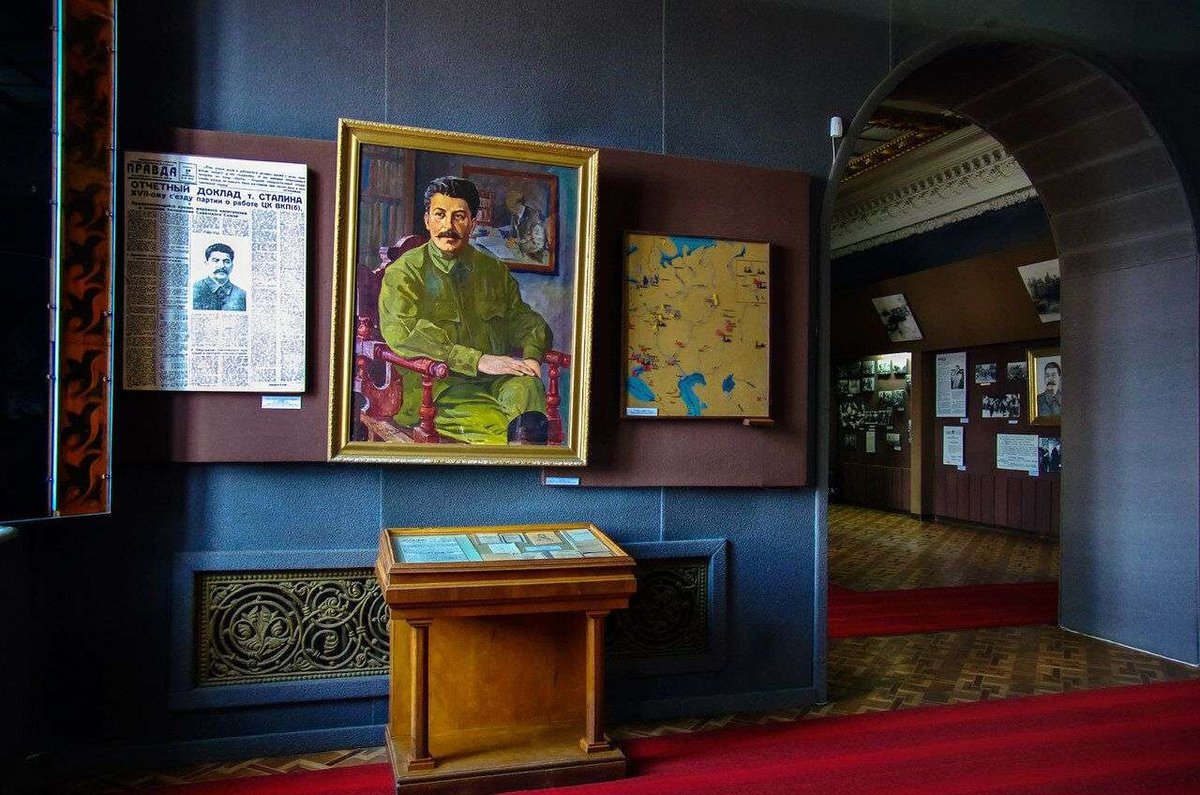
The main building. A two-storey palazzo in Stalinist Gothic style, faced with Eklar stone, completed in 1957. The lobby is finished in red marble, with a full-length statue of Stalin on the marble staircase. Six exhibition halls run through his biography: the early years in Gori, the revolutionary period, the years in power, the Second World War. The material is largely photographs, documents, gifts sent to Stalin from around the world, and personal effects, including a recreation of his study.
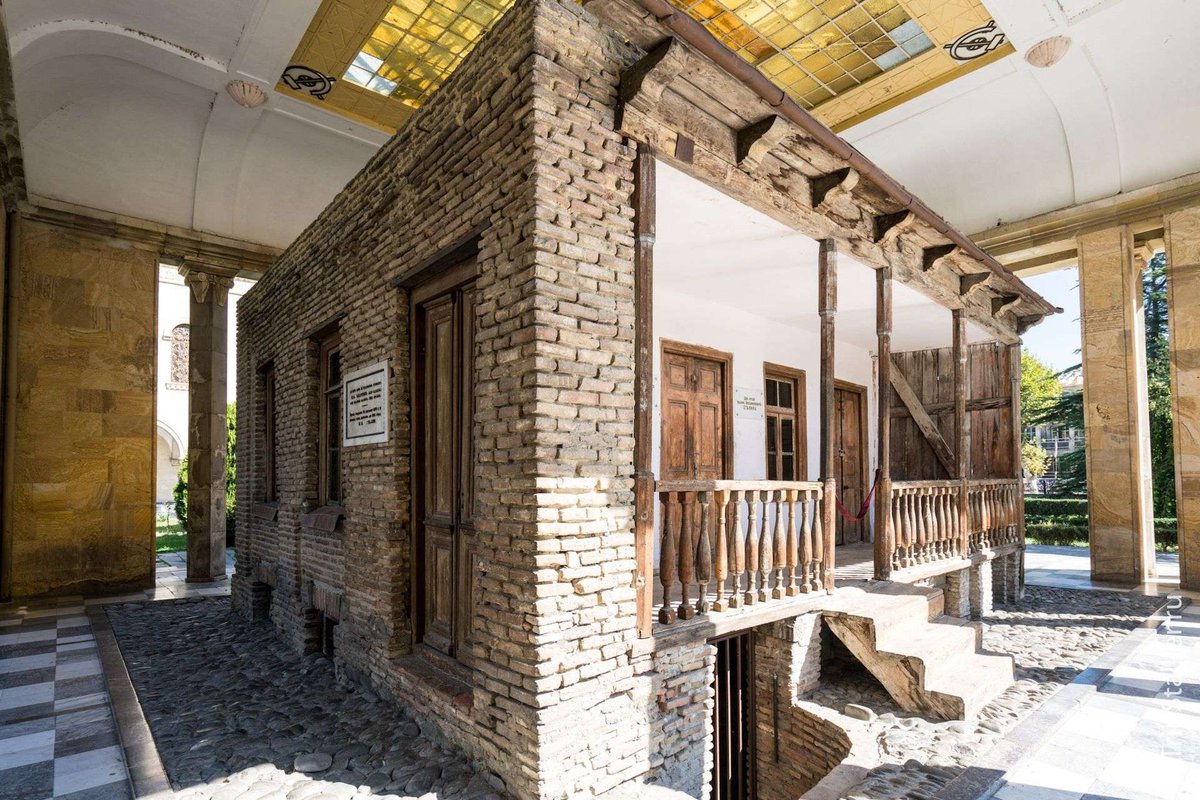
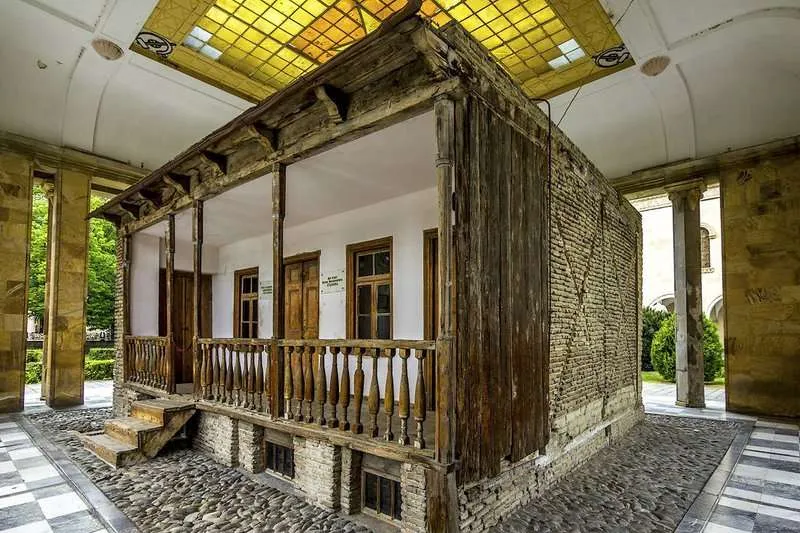
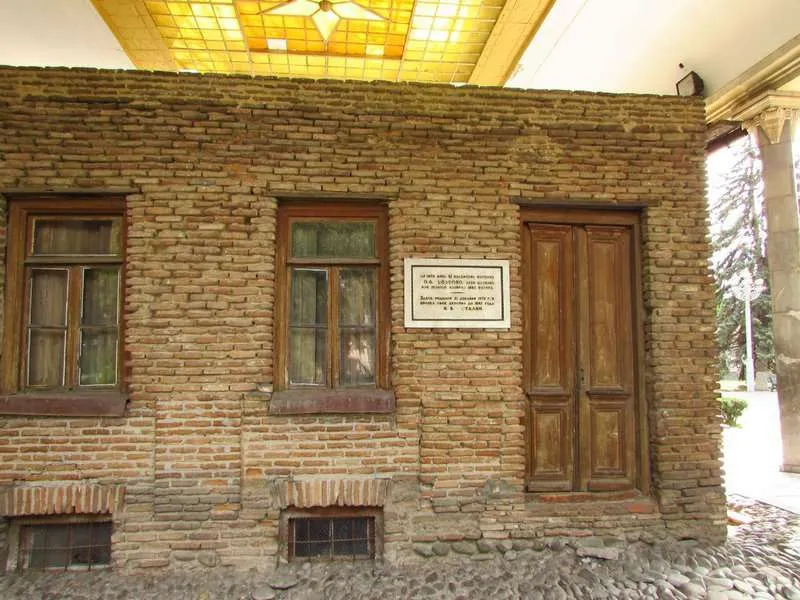
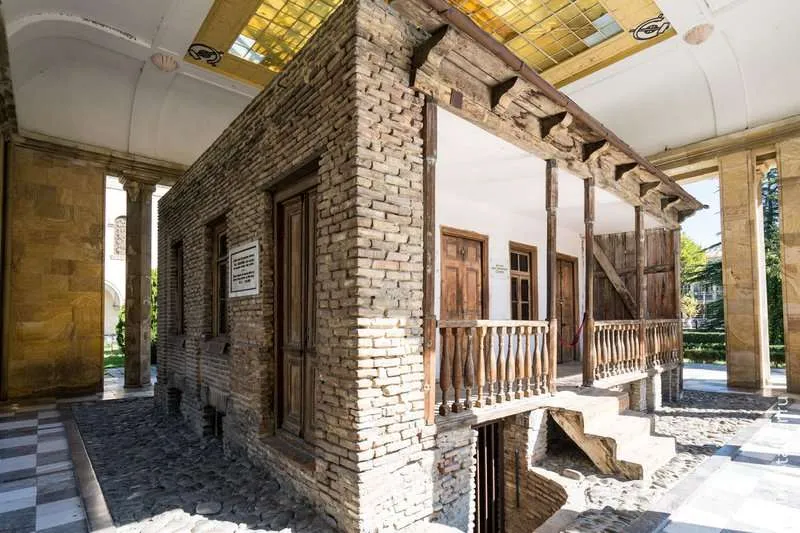
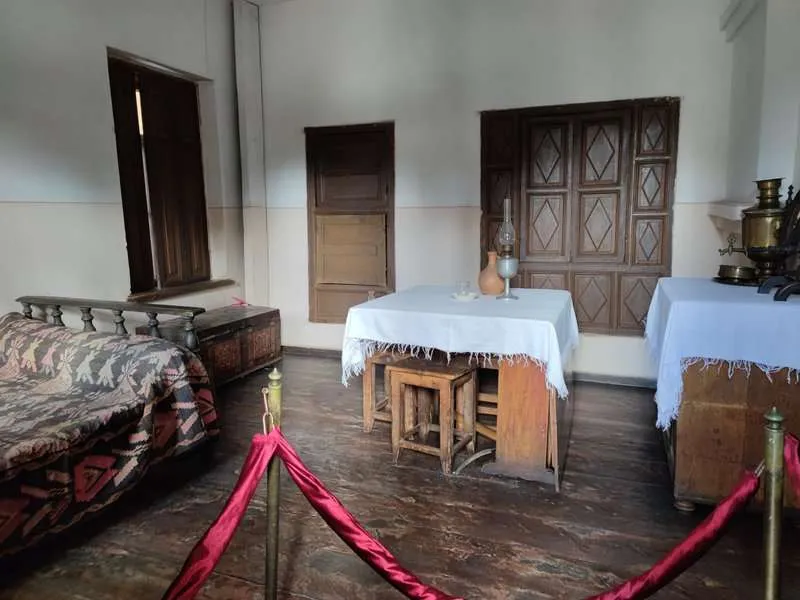
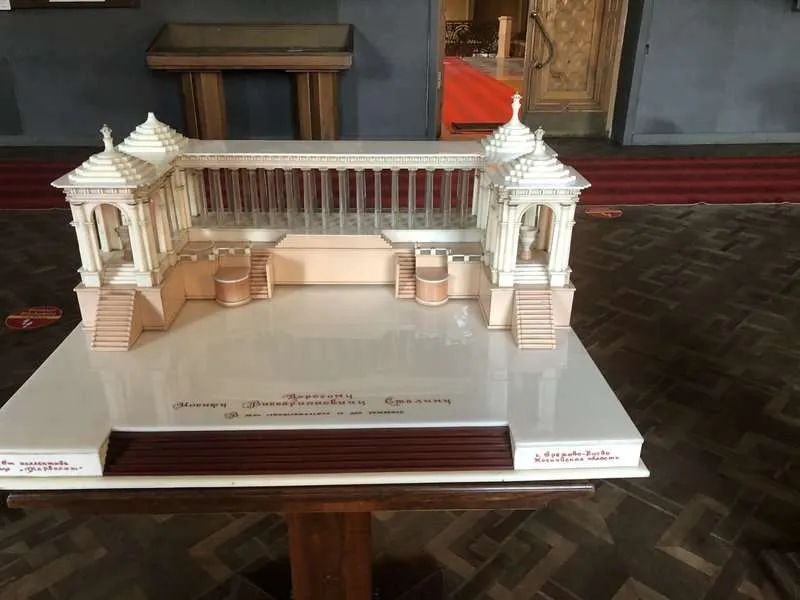
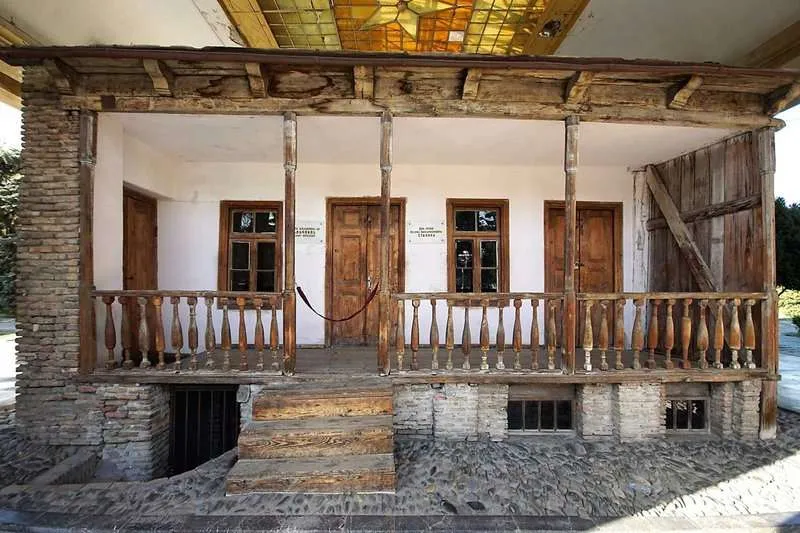
The birth house. A small wooden house in the courtyard, sheltered under a columned pavilion. The Jughashvili family rented one room here, and Stalin spent roughly his first four years in it. The house was moved to this spot from elsewhere in Gori when the complex was laid out. It's a genuinely striking contrast: a single cramped room set against everything the main building contains.
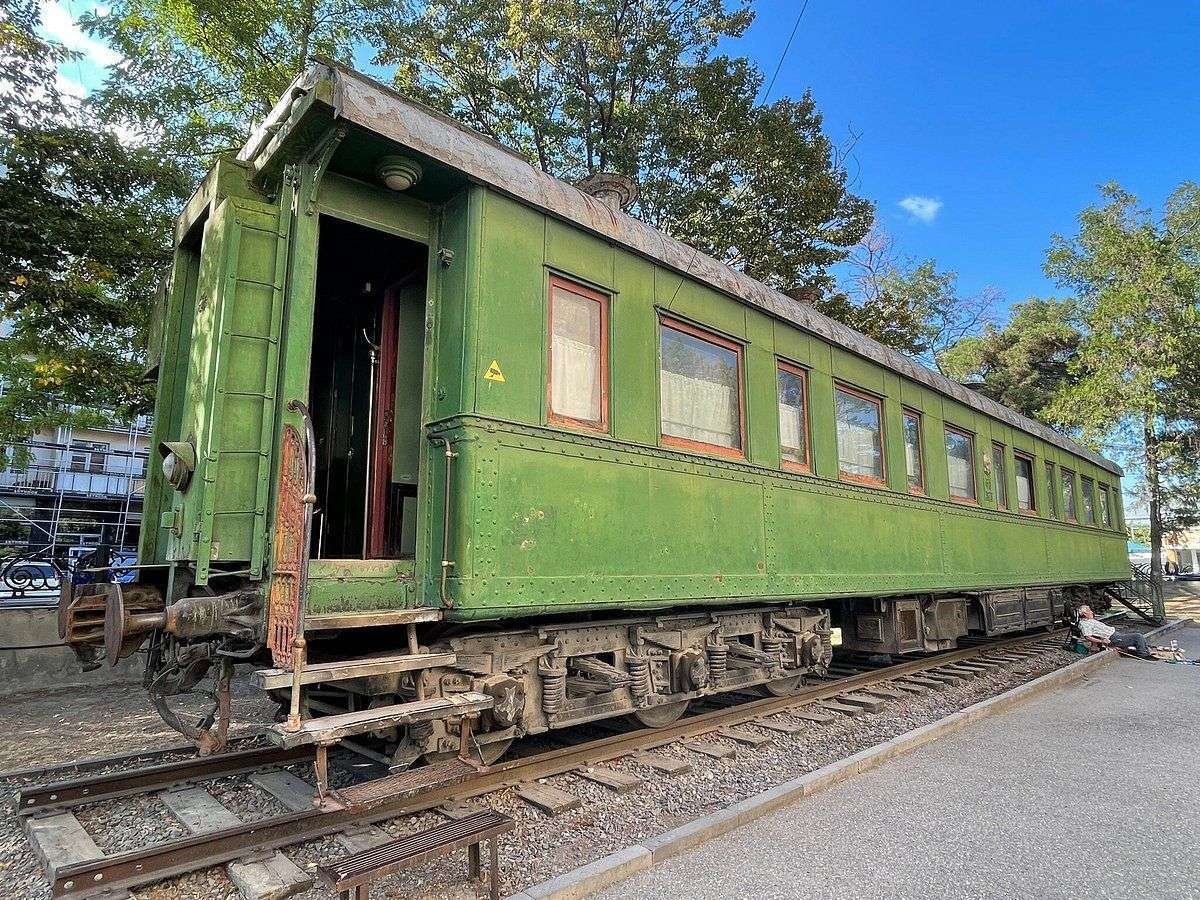
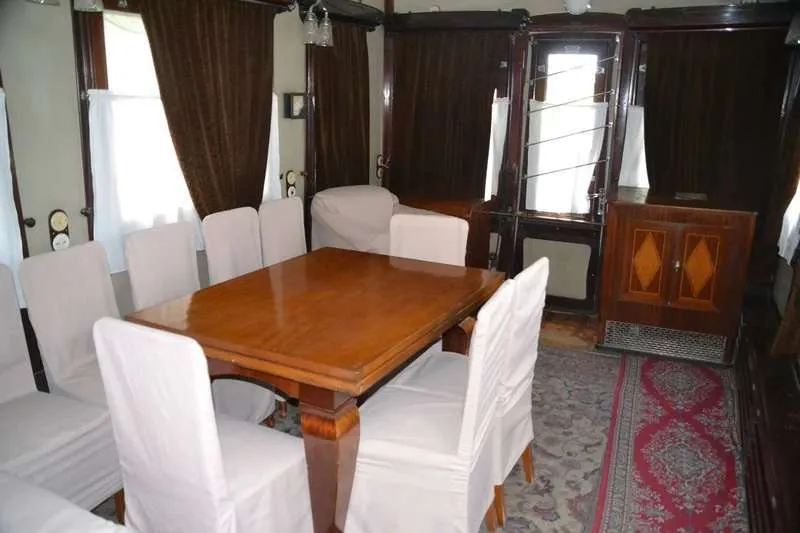
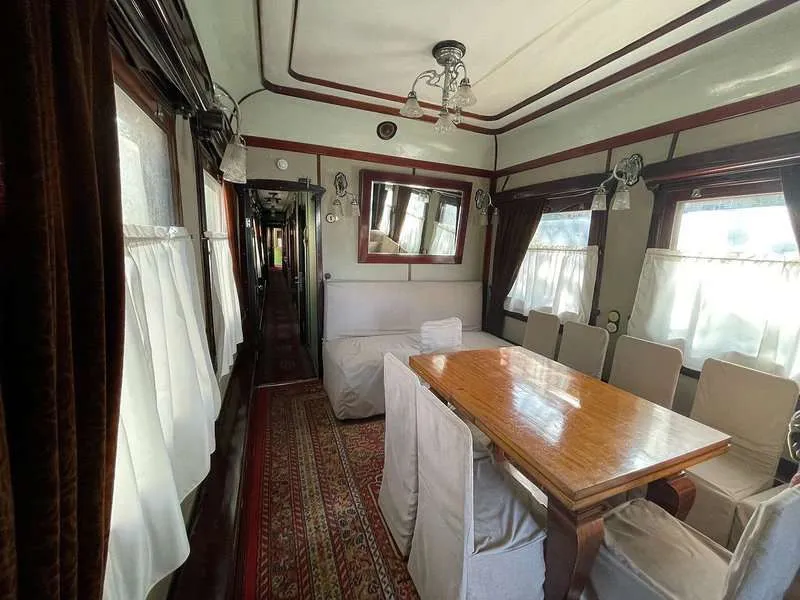
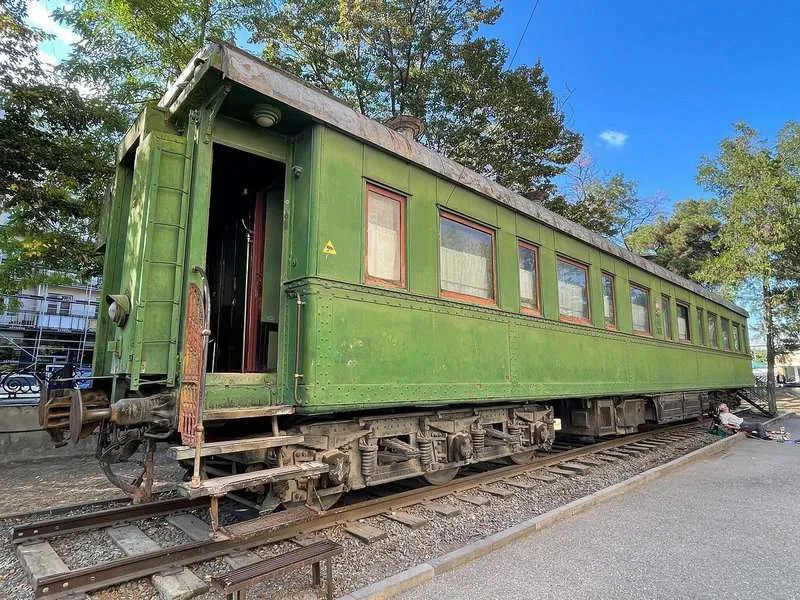
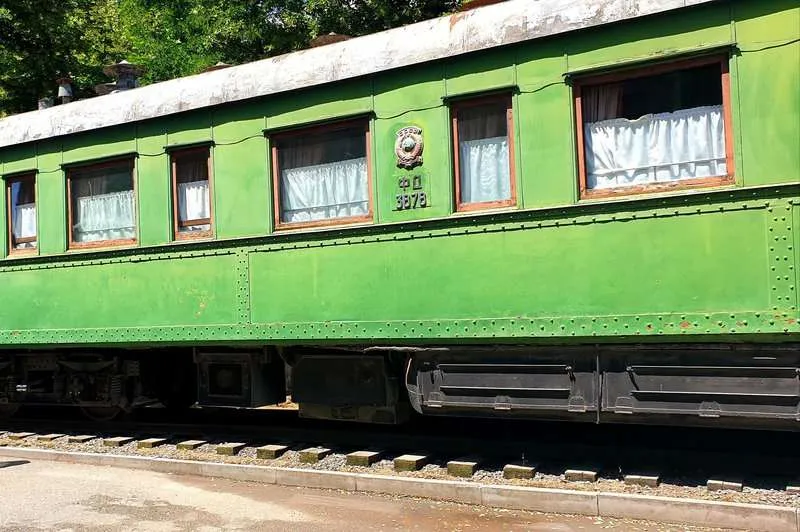
The railway carriage. Stalin's personal armoured carriage, which he used until the end of his life. It carried him to the wartime conferences, Yalta among them. Inside it is heavier and plainer than most visitors expect, with a working office, a bathroom and modest sleeping quarters rather than any display of luxury.
⚖️ How the Museum Presents Its Subject
This is worth knowing in advance, because it surprises a lot of visitors and it shapes what you get out of the visit.
The museum was created in 1957, four years after Stalin's death, as a memorial institution, and its main exhibition has retained much of that original framing. The narrative running through the halls is largely biographical and commemorative: the rise from Gori to the leadership of a superpower, the war years, the gifts and honours. The repressions of the 1930s, the famine, the deportations and the scale of the terror are not what the main halls are built around.
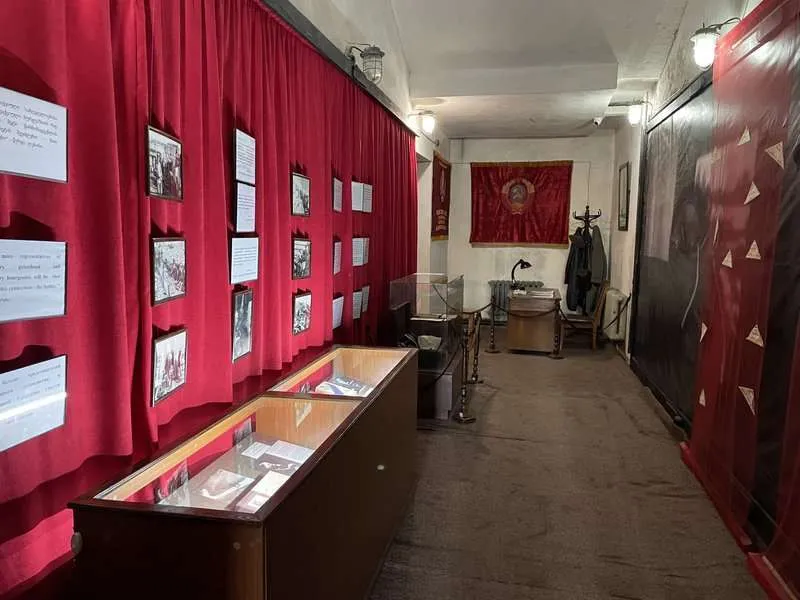
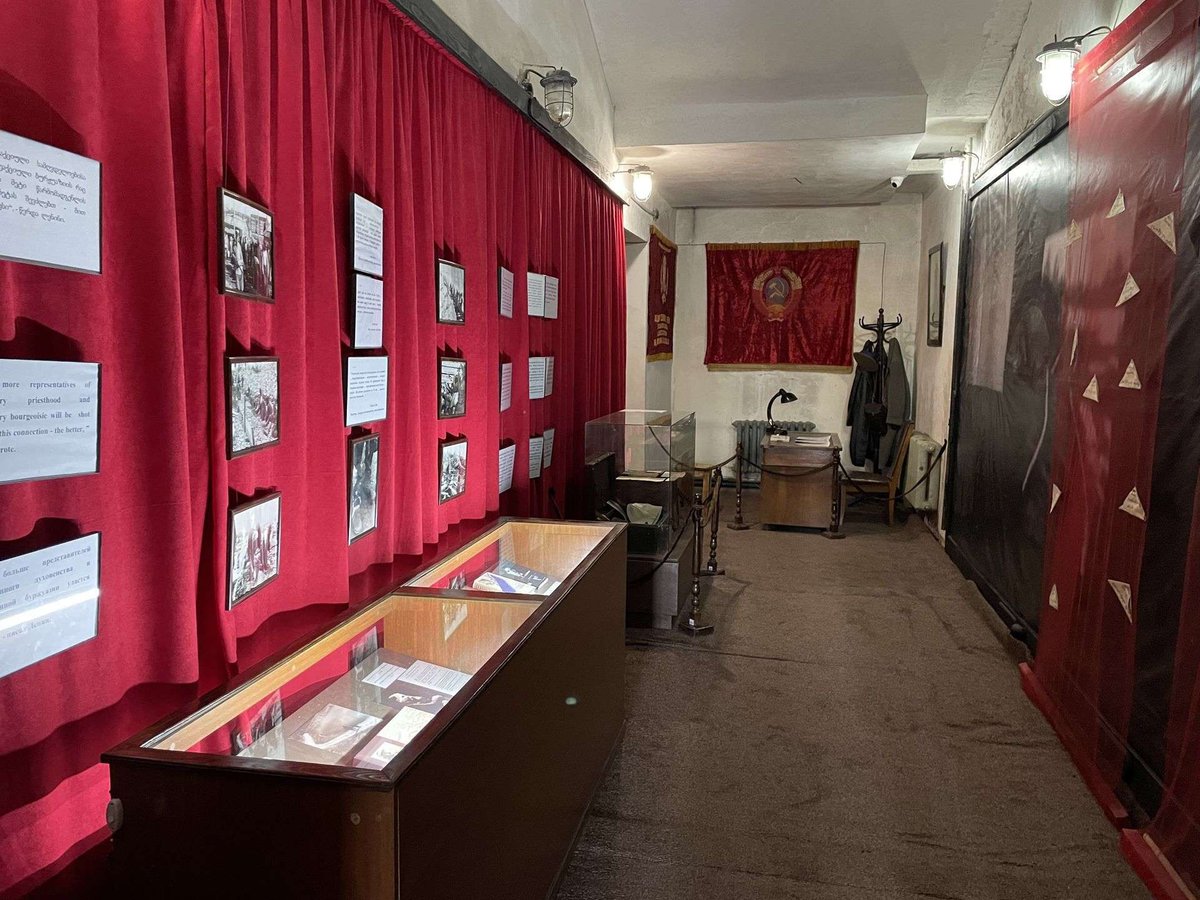
There is a basement section addressing that side of the record. It presents personal items belonging to a Georgian family who were wrongly persecuted, alongside a recreation of a KGB interrogation room. It's a small part of the complex rather than a reframing of the whole.
Two practical consequences for a visitor:
Guides vary. Tours run in English, Russian and Georgian, and some guides are long-serving museum staff whose interpretation follows the institution's traditional line. Others are more openly critical. Asking direct questions tends to be productive; a good deal depends on what you ask.
Pair it with a counterweight. If you want the Georgian historical perspective on the Soviet period, the Museum of Soviet Occupation in Tbilisi, part of the Georgian National Museum, covers the same decades from a very different angle. Many visitors find the two together more illuminating than either alone.
None of this is an argument against going. The complex is a genuine artefact in its own right: a Soviet memorial museum that survived largely intact, which is rare, and the carriage and birth house are worth the trip on their own. It simply rewards visitors who arrive knowing what kind of institution they're walking into.
🎫 Planning the Visit
Hours, prices and ticket tiers change. Confirm the current details before travelling, especially out of season.
Admission is inexpensive by European standards, and the standard combined ticket includes the exhibition halls, the birth house, the carriage and a guided tour. A cheaper tier covers the halls and house without the carriage. Because prices are periodically revised, check the current rates on arrival rather than relying on figures published online.
Allow 90 minutes to two hours for the full complex. Without a guide you can move through the halls in about an hour, but the carriage and the interior of the birth house are opened by staff, so an unguided visit misses two of the three parts.
🚗 Getting There From Tbilisi
Gori sits about 85 km west of Tbilisi on the main highway, and the museum is in the town centre on Stalin Avenue, roughly a ten to fifteen minute walk from the bus station.
By marshrutka. Shared minibuses run from Didube station in Tbilisi and take an hour to an hour and a half. This is the cheapest and most frequent option.
By train. Trains on the Tbilisi to western Georgia line stop at Gori. The railway station is about twenty minutes' walk from the museum.
By car or day tour. Gori works well as part of a day trip combining Mtskheta, the Stalin Museum and Uplistsikhe, the cave town 10 km further on. Organised tours of this route run daily from Tbilisi.
While in Gori, Gori Fortress is 500 metres from the museum and worth the short climb for the view over the town.
🧭 Where to Stay and Eat in Gori
Gori is easily done as a day trip from Tbilisi, but staying overnight makes sense if you're combining it with Uplistsikhe and the wider region.
Been to the Stalin Museum? Leave a review on Madloba: tell us what the guided tour was like, whether the carriage was open, and what you'd tell someone visiting for the first time.
Information is current as of July 2026. Opening hours, ticket tiers and prices change; confirm the current details before you travel.
❓ Frequently Asked Questions
💬 In Gori, Shida Kartli, on Stalin Avenue in the town centre, about 500 metres from Gori Fortress. Gori is roughly 85 km west of Tbilisi.
💬 Three parts: a main building of 1957 in Stalinist Gothic style with six exhibition halls and a collection of more than 60,000 items; the wooden house where Stalin spent his first years, moved to the courtyard; and his personal armoured railway carriage.
💬 Generally from 10:00, closing an hour earlier in the winter months. It's closed on 1 January and Easter Sunday, and sources disagree on whether it also closes on Mondays. Confirm before making a special trip.
💬 Admission is inexpensive by European standards. Tickets are tiered: one covers the exhibition halls and birth house, a combined ticket adds the railway carriage and a guided tour. Prices are revised periodically, so check on arrival.
💬 Ninety minutes to two hours for the full complex. About an hour if you only walk the halls, but the carriage and the birth house interior are opened by a guide.
💬 Only in part. The main exhibition retains much of its original 1957 commemorative framing. A basement section deals with repression, presenting items belonging to a wrongly persecuted Georgian family and a recreation of a KGB interrogation room, but it's a small part of the complex.
💬 The Museum of Soviet Occupation in Tbilisi, part of the Georgian National Museum, covers the same period from a contemporary Georgian perspective. Many visitors find the two museums more useful seen together.
💬 Marshrutka from Didube station, an hour to an hour and a half, or by train to Gori station, about twenty minutes' walk from the museum. Many people visit on a day tour combining Mtskheta, Gori and Uplistsikhe.

39 comments
Log in to leave a comment
ность народного вождя всегда вызывала интерес.Мнение людей разделяется,относительно его строгого режима во времена правления.Но нуж-
но учитывать,что была выиграна ВОВ 1941-1945 г.Востановление огромной державы в нелёгкие послевоенные годы.Стоит посетить этот музей.