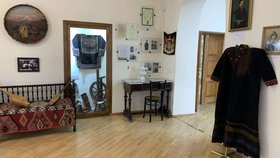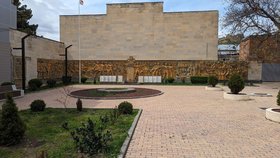




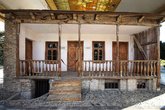

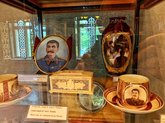

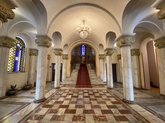

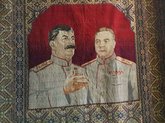

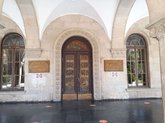

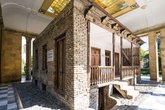

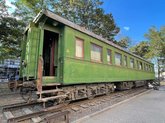

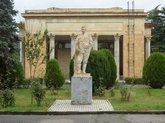

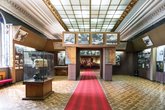

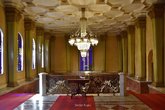

The museum is located in Gori, Shida Kartli, among the sights and leisure spots of the city. It's the house-museum at the site where Joseph Stalin (born Ioseb Jughashvili) was born and spent his early years. The exhibition includes personal belongings, historical documents, photographs, the railway carriage Stalin travelled in, and gifts he received from various countries and delegations.
For more on the museum's history, see the article on the Stalin House Museum.
A fair warning about the exhibition's character is worth including. The museum has been repeatedly and widely criticized for a main narrative that barely engages with the scale of repression, purges and famine under Stalin's rule: independent historical sources put the toll at hundreds of thousands executed and millions who died from engineered famine and in the Gulag system. An upper floor houses a small "Repression Hall," but according to visitor reviews, it's physically separate from the main exhibition, not always open, and widely seen as a token gesture rather than a genuinely integrated part of the story. Nearby is a gift shop selling Stalin-branded postcards and other merchandise, creating a noticeable contrast.
The museum remains a subject of sharp debate: in 2022, Poland's ambassador to Georgia publicly called for its closure, citing the 1940 Katyn massacre. At the same time, for some local residents, particularly older generations, Stalin remains a significant figure of Georgian origin on the world stage.
Current practical information. As of July 2026, the house where Stalin was born is closed for renovation, and the historic railway carriage is also unavailable for viewing. According to several independent reviews, English translations are limited, so visiting with a guide or a Russian- or Georgian-speaking companion is advisable.