




Uplistsikhe: Cave Town near Gori — History & Route
When traveling to a land of fantastic mountains, gentle seas, and aromatic wine, any tourist wonders what to see in Georgia. We invite you to take a closer look at the most beautiful places in Georgia, including Uplistsikhe, an open-air museum town.
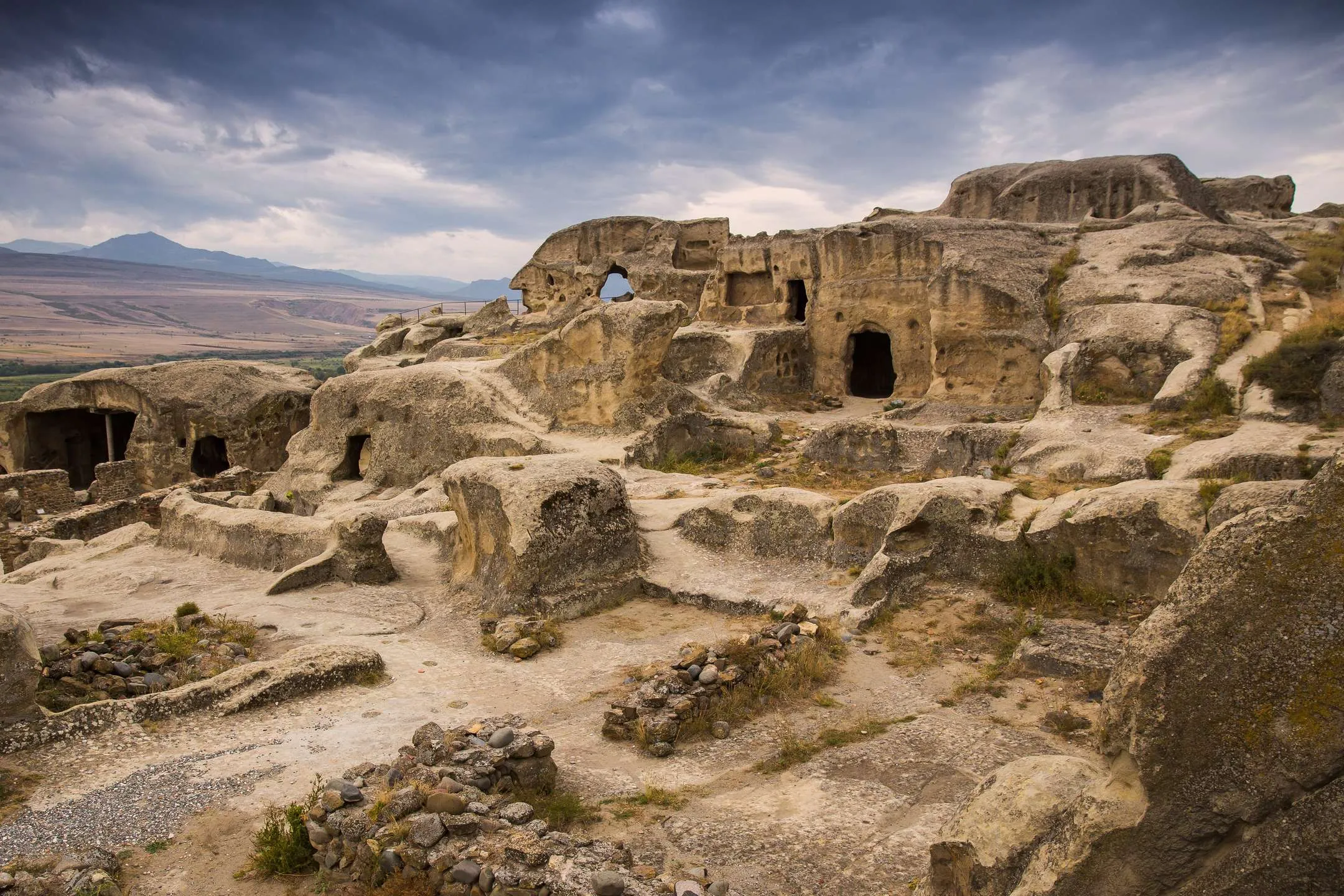
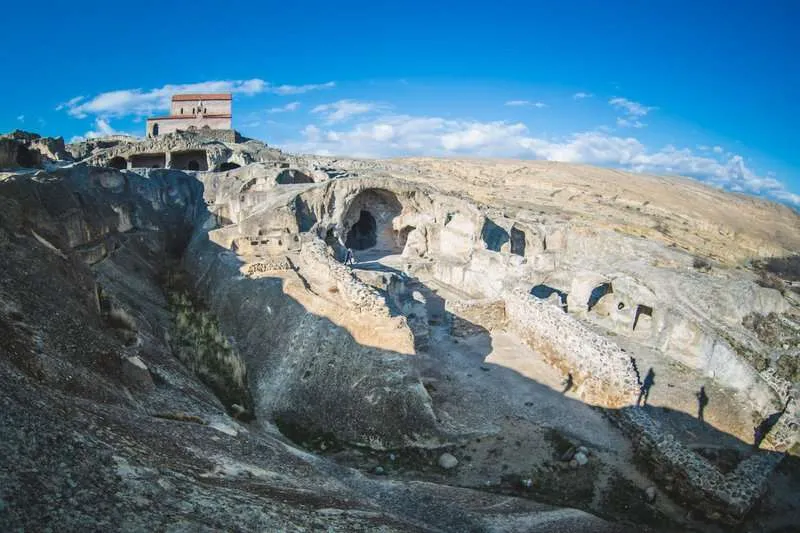
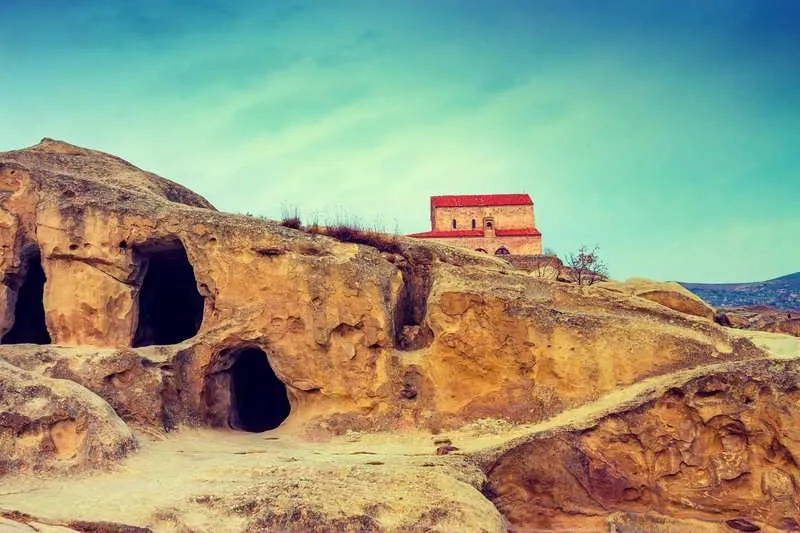
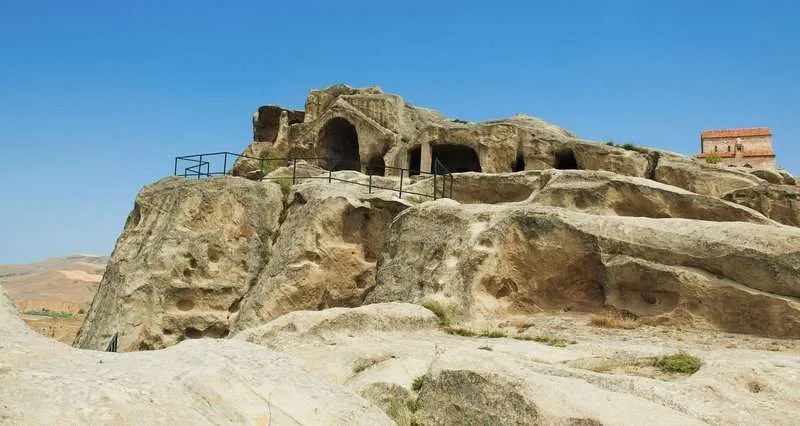
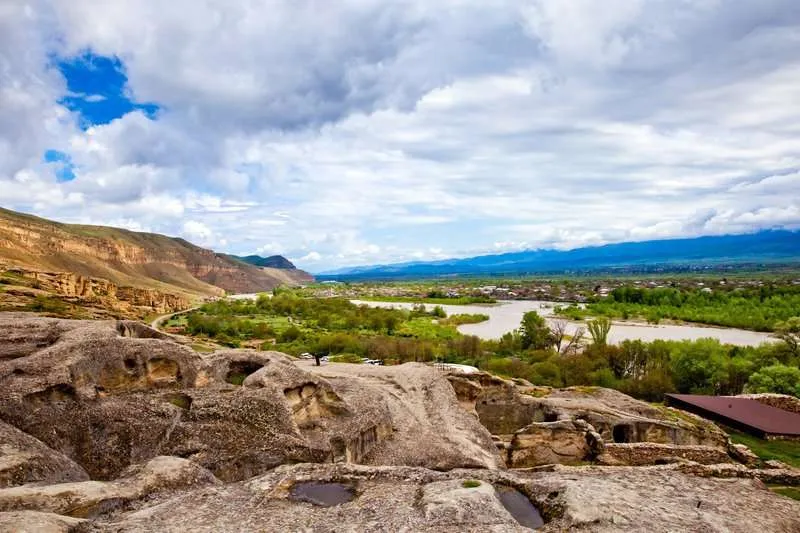
Uplistsikhe is a stunningly grand cave town and historical and architectural museum-reserve in Georgia. Location: Shida Kartli region, Gori district, approximately 10 kilometers east of Gori. For convenience, there is a direct dirt road from Gori to Uplistsikhe, but it is much easier to travel along the main roads along the southern bank of the Mtkvari River. The town is widely known among tourists and is visited by a significant number of people. It is important to note that the town requires a fee to enter. Since 2010, a comfortable reception has greeted guests at the entrance to the town. Nearby, there's a campsite with a crystal-clear spring, tables, and tent sites.
Uplistsikhe's history spans nearly 3,000 years. It is believed that the town was founded around 1000 BC and fell into complete disrepair in the 19th century. The first written mentions of the town date back to approximately the 7th century. Among the country's many attractions, this museum-reserve occupies a special place and is currently protected by UNESCO as a site of particular importance.
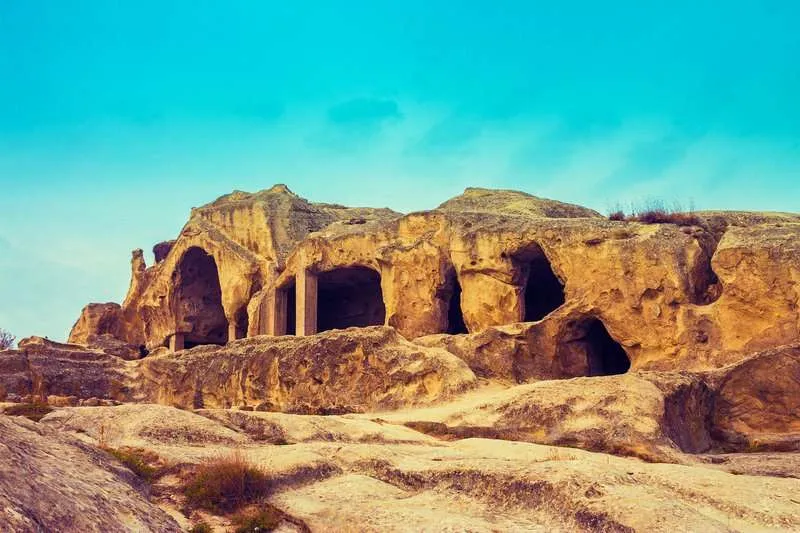
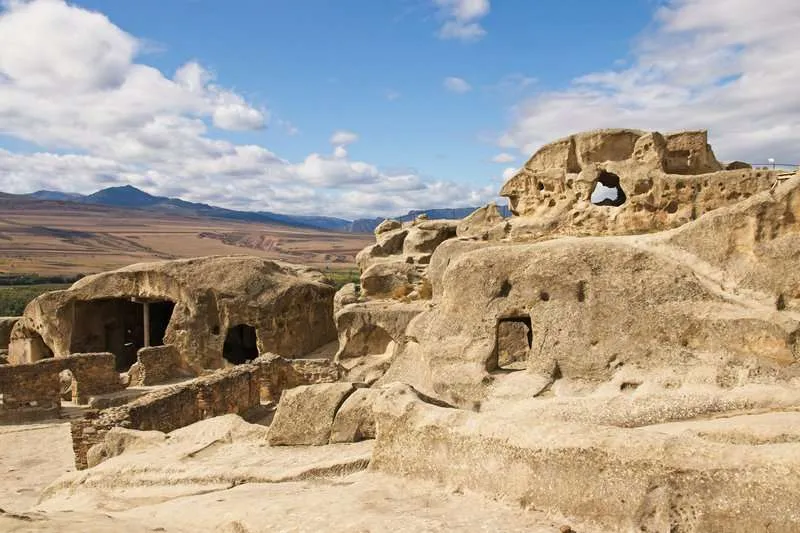
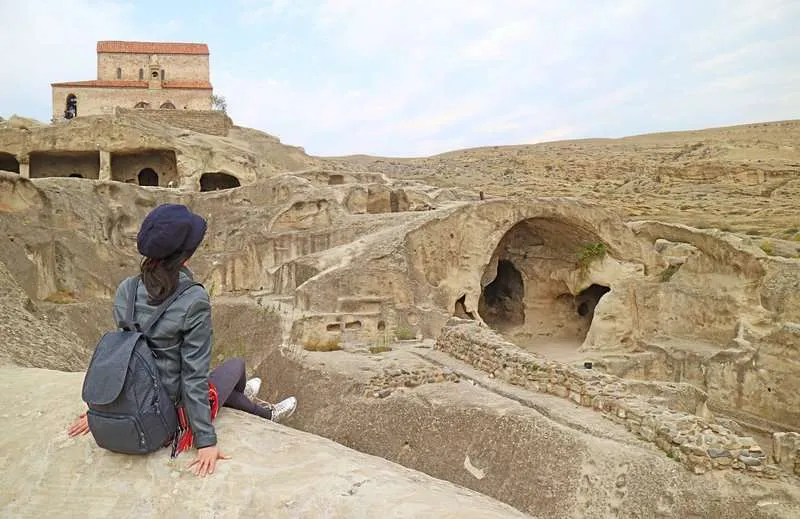
The Uplistsikhe cave town, carved out of sandstone, emerged in the late 2nd to early 1st centuries BC! It included temples, shops, a courthouse, prisons (although other scholars attribute these to ritual pits), wells, a drainage system, and even a pharmacy with a font-like structure and shelves containing preserved molecules of medicinal herbs. A kind of ancient spa. Some rooms are decorated with stone carvings and coffered ceilings. There's also a wine cellar, a "marani." Uplistsikhe has preserved 150 of its 700 rooms, all of which can be viewed and touched today. Legend has it that Queen Tamar stayed here, but this isn't certain.
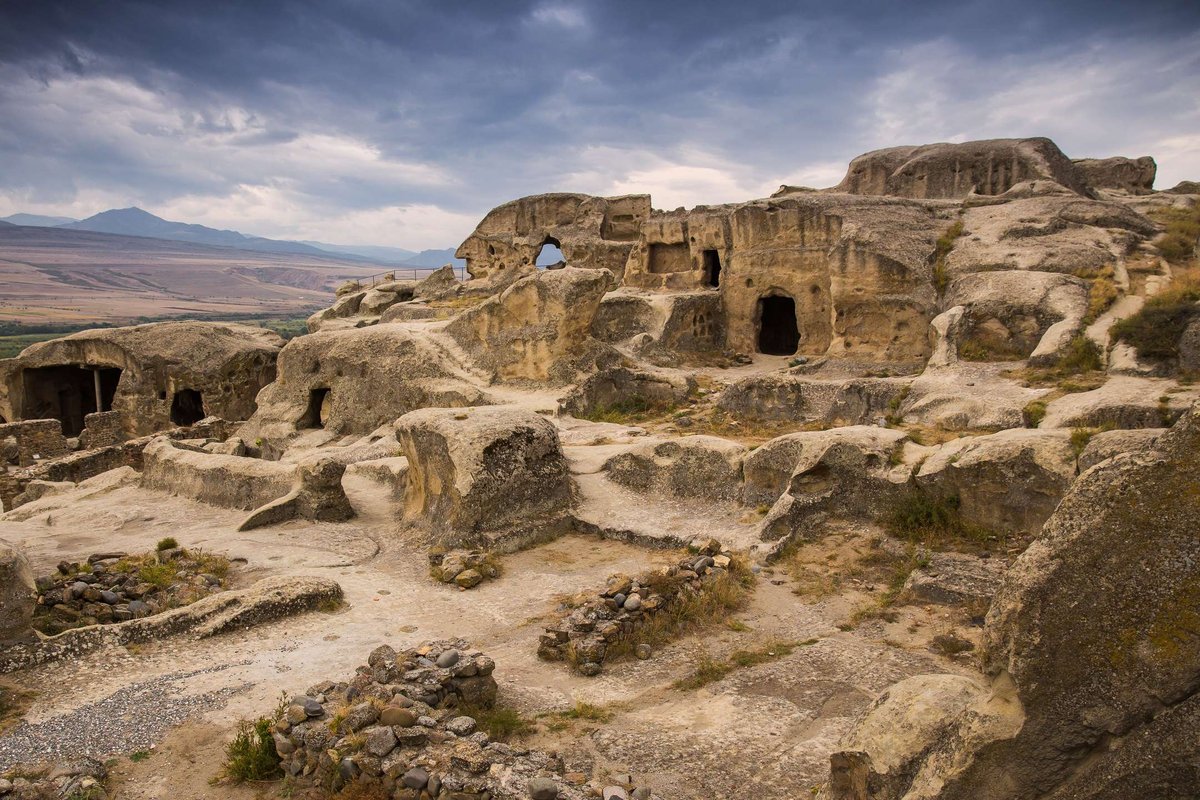
According to ancient legend, this amazing city was built by slaves. They were given chisels made half of common iron and half of precious metal. If a slave worked diligently until the iron part of the chisel wore down, he would be rewarded with the precious metal part of the chisel and the coveted freedom.
Where does the name "Uplistsikhe" come from?
There are two versions of the name's origin:
1) According to legend, one of the distant descendants of the biblical figure Noah was a man named Uplos. This legend holds that this city in the rocks (Uplos' Fortress) was named after him.
2) The second version is also quite interesting. "Upali" in Georgian means "God." This is how the name Uplistsikhe—God's Fortress—came.
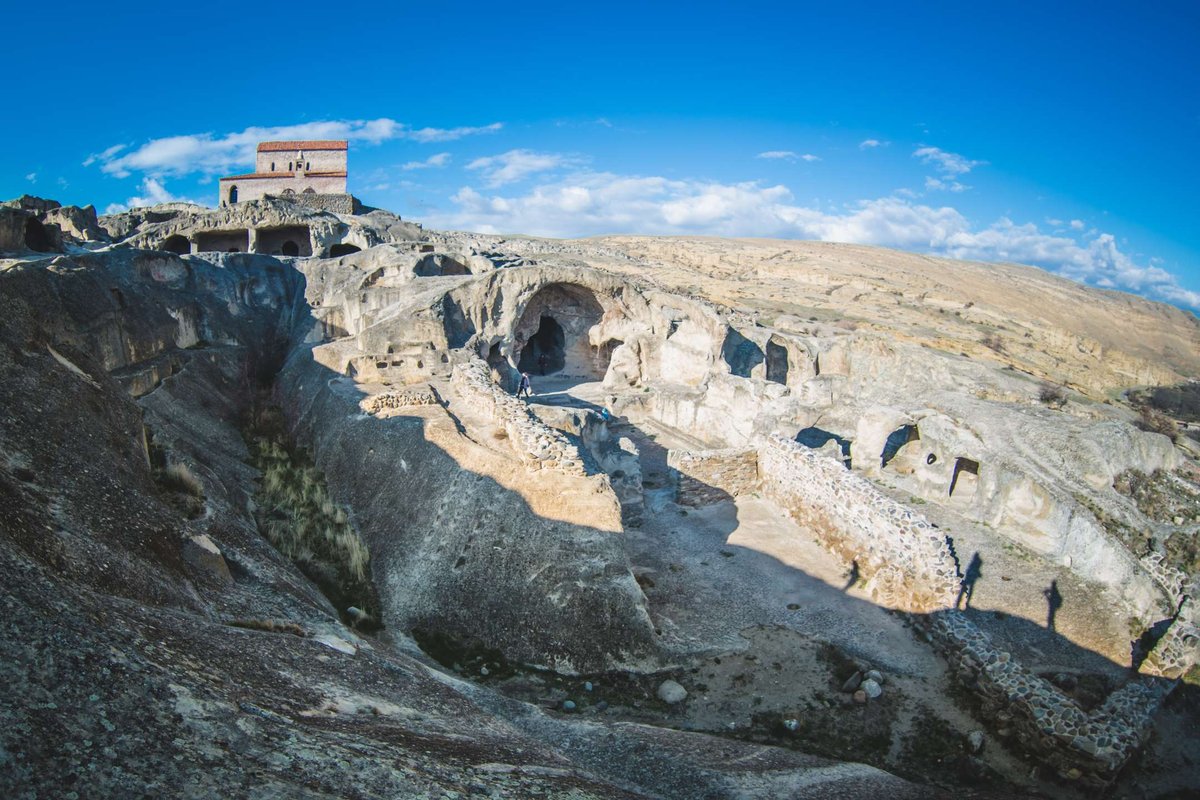
The second version of the name's origin can be explained, among other things, by the fact that this settlement has always been a spiritual, or more precisely, pagan, center. In addition to residential caves, pagan temples and a site where idols of pagan gods were installed, as well as recesses for religious rites and offerings, have been found in the city. The residents of Uplistsikhe refused to accept Christianity. For quite a long time, they worshiped their pagan deities, even after they ceased vigorous resistance to the eventual triumph of Christianity.
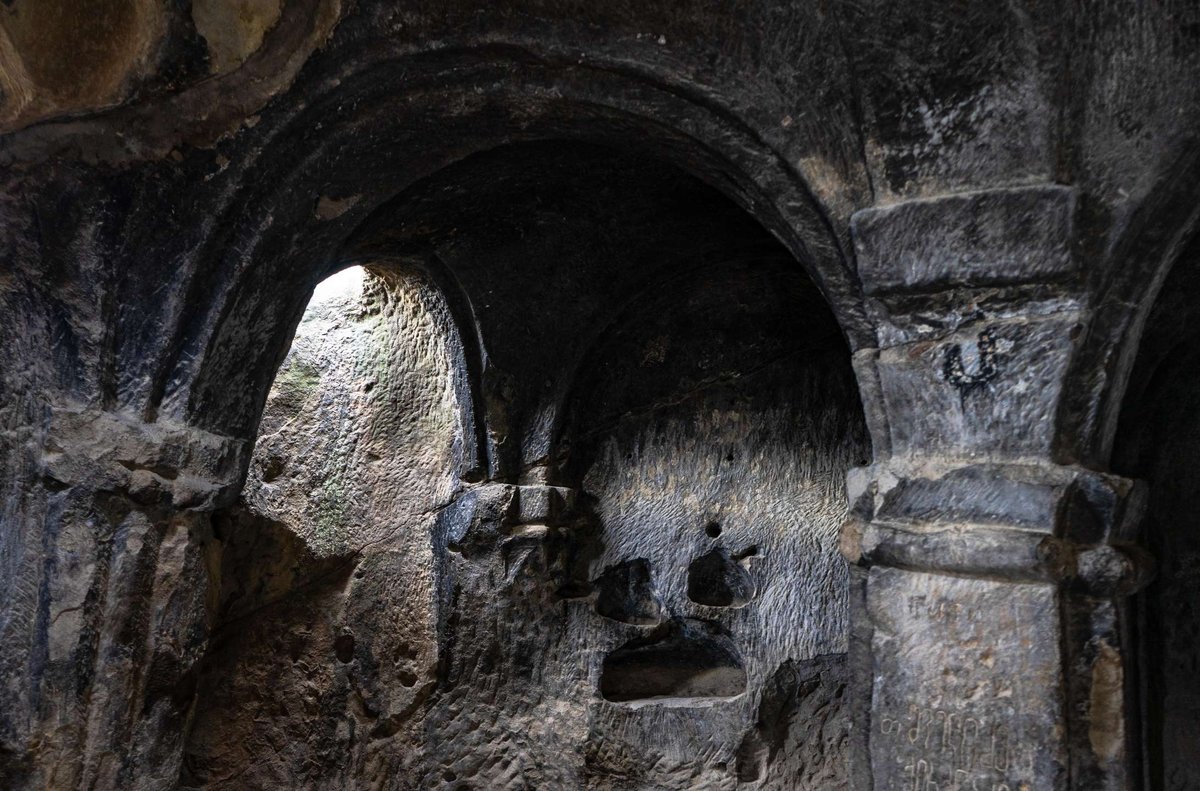
The city's residents categorically refused to exchange their faith and gods for Christianity, its god, and its saints. They were extremely opposed to Christianity as a new religion. Later, Queen Tamar was crowned and married in this very city.
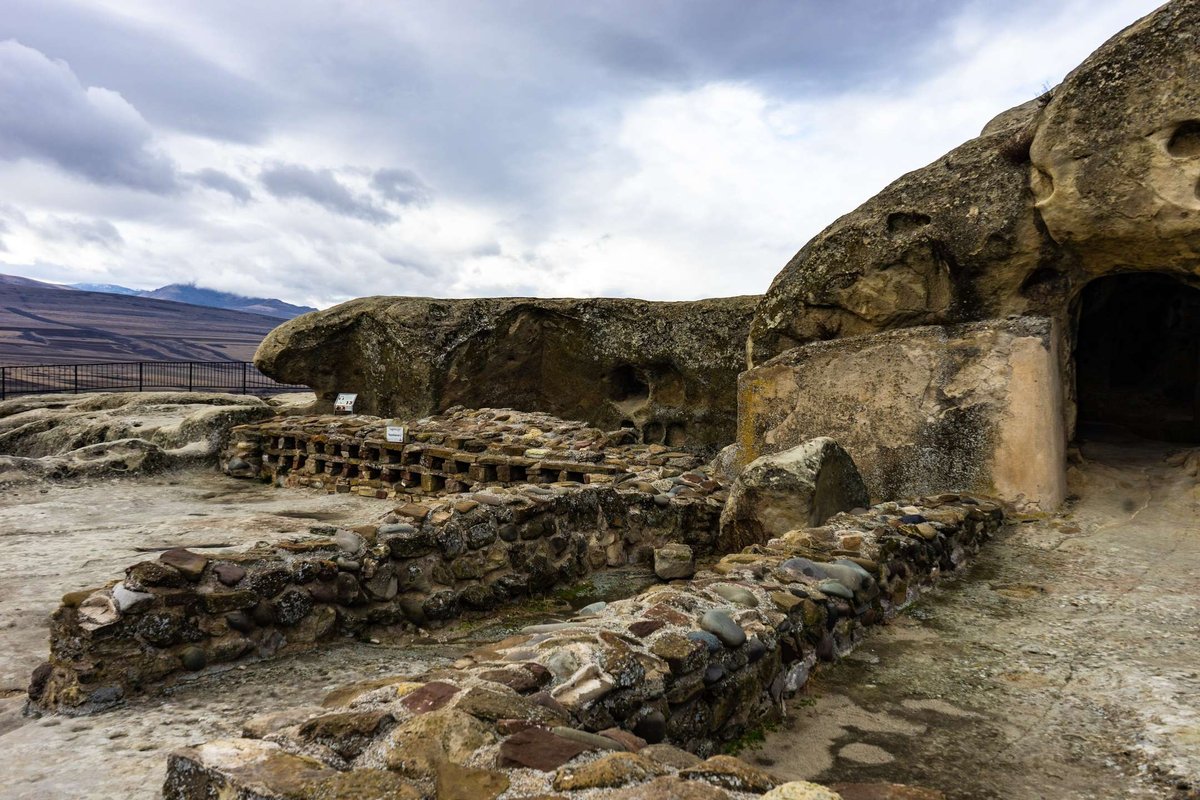
Around the 4th century, civilization began its advance on the settlement. Uplistsikhe's landmarks include not only residential caves but also socially significant structures, including a Hellenistic theater, a pharmacy, and a large throne room. The town acquired a water supply and drainage system, numerous hidden paths and tunnels, and freshwater reservoirs. Since the settlement's inhabitants worshiped pagan deities for quite some time, the sites where pagan sacrifices were made have been preserved, including some quite deep, intended for sacrifices to the subterranean gods. Georgia's landmarks can rightfully be called one of the wonders of the world!
After a tour of Uplistsikhe, I recommend stopping in Gori at the "ჯოზეფი" (Joseph) restaurant at 11 Stalin Avenue and asking to be seated in the Stalin suite. It's strange, but delicious. Try the famous cutlets and other signature dishes.
Afterwards, you can stop by the Stalin Museum, but be prepared. He's loved in the city where Joseph Vissarionovich was born. Don't get into arguments; you'll need your nerves later.
❗️The trip takes about 5-6 hours, including the drive, the tour, and lunch. Uplistsikhe is very windy and sunny. Bring a hat, a windbreaker, and sunscreen.

33 comments
Log in to leave a comment
Особенно впечатляет тот факт, что Уплисцихе был языческим центром, и до самого конца жители долгое время сопротивлялись христианству, поклоняясь своим богам. Прогулка по этому месту — это как шаг в другую эпоху. А если вас интересуют легенды, то одна из них рассказывает, что рабам, строившим город, даровали свободу за особое мастерство в камнерезном деле — кажется, что это просто волшебное место, где можно прикоснуться к многовековой истории.
И, кстати, не забудьте взять с собой что-то от ветра и солнца — там на холмах всегда дует, но это не мешает наслаждаться видами и атмосферой. Уплисцихе точно стоит того, чтобы стать частью вашего путешествия по Грузии!
После можно и в Музей Сталина зайти, но готовьтесь. В городе, где родился Иосиф Виссарионович, его любят. Не вступайте в споры, нервы вам еще пригодятся.