




🧀 Nadugi: What It Is, How It Is Made and What to Eat It With
Soft, white, slightly grainy and almost fat-free. It's made from what's left after boiling sulguni, then mixed with salt and fresh mint. Try one roll, and your hand will reach for a second all by itself.
If you’ve already tried sulguni, Imeretian cheese and even smoked cheese, but never met nadugi, you’re not alone. This is the cheese tourists often find by accident: at the market there’s a bowl of something white and crumbly next to the sulguni, or a restaurant brings you delicate mint-flecked rolls and nobody can explain what’s inside. What’s inside is nadugi. Let’s get to know it properly: what kind of cheese it is, how it’s made, why it’s sometimes called a cream cheese, and what delicious dishes are made with it.
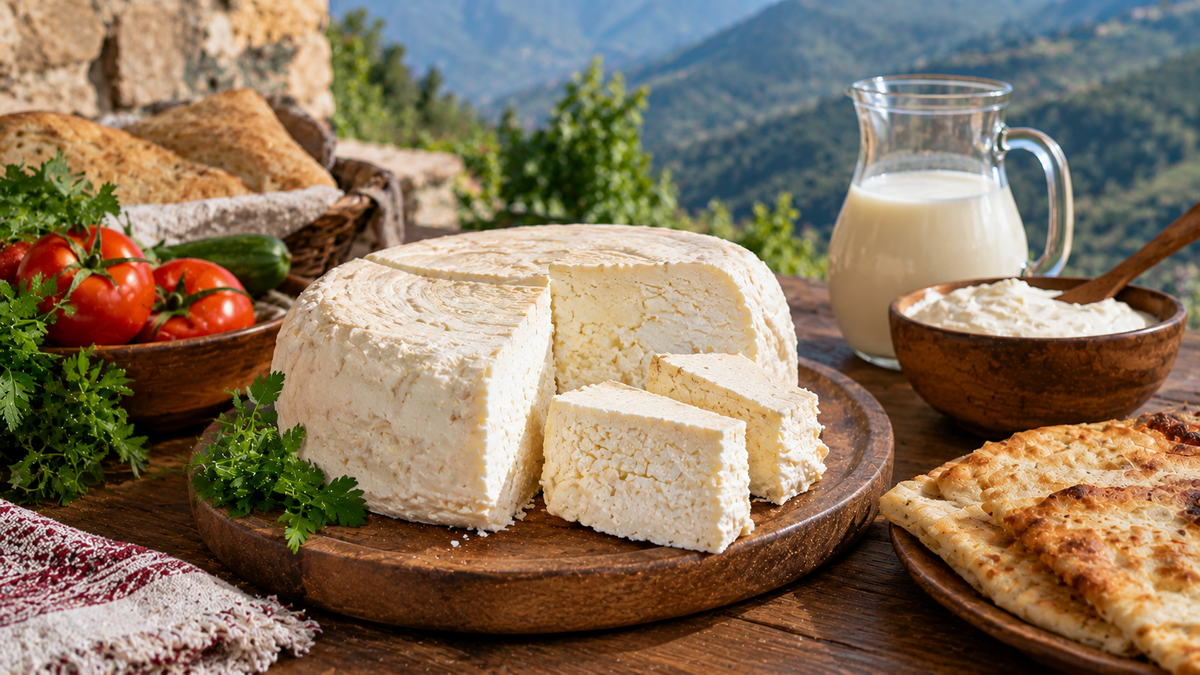
🥛 What Nadugi Is and Where the Name Comes From
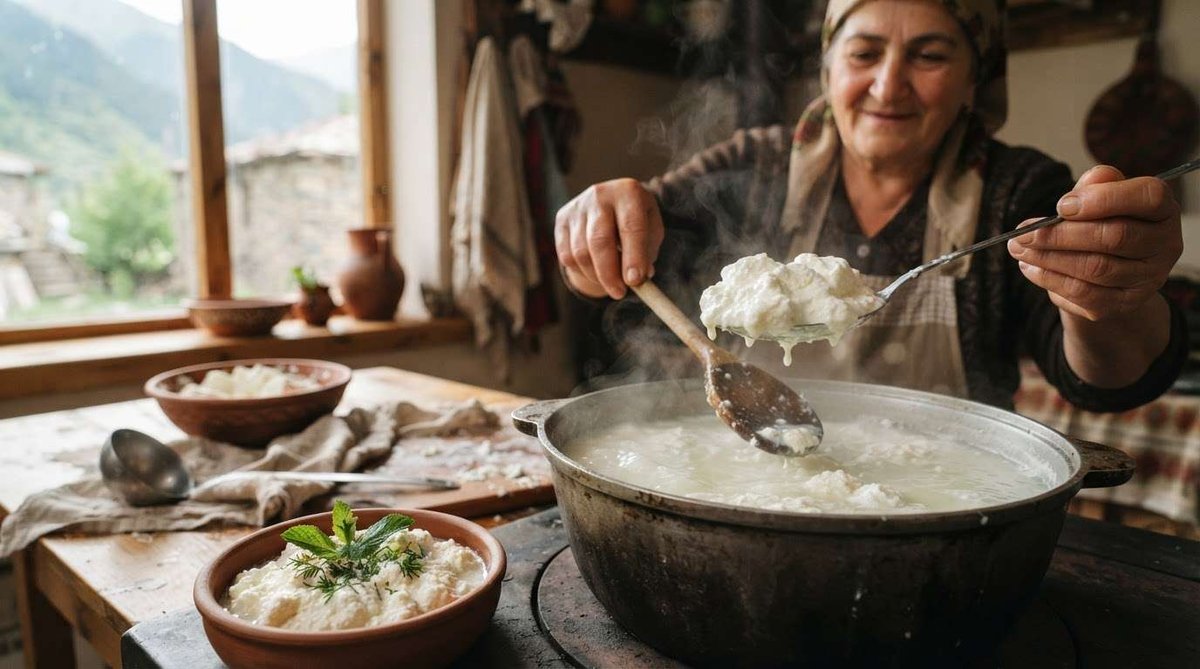
Nadugi (Georgian ნადუღი, also spelled nadughi) is a soft cheese made from whey. When a Georgian cook boils sulguni or Imeretian cheese, whey is left behind: a cloudy liquid that still holds some milk protein. It isn’t poured out. It goes back on the heat. As it warms, delicate white flakes rise to the surface, they’re carefully scooped off with a spoon, and that is nadugi.
That’s where the name comes from. It’s translated as “boiled again,” from a Georgian root meaning “to boil.” The very same idea is hiding in Italian ricotta, which means “cooked twice.” So if you need to explain nadugi to a friend in a hurry, just say: “It’s Georgian ricotta.” That’s very nearly true.
Why nadugi gets called a cream cheese. Because of its soft, spreadable texture, it’s often described this way on menus and packaging. But in reality there is almost no fat in nadugi: the cream goes into the sulguni, and what stays in the whey is mostly protein. So by composition it’s not a cream cheese like mascarpone, but a light whey cheese, much closer to ricotta and soft cottage cheese.
How nadugi differs from cottage cheese. Cottage cheese is made from soured milk and tastes noticeably tangier. Nadugi is softer, fresher and barely sour at all. Georgian cooks sometimes mix the two to soften the sourness of the cottage cheese.
🔥 How Nadugi Is Made
If you make cheese yourself, you'll never pour out the whey again.
- Save the wheyAfter the sulguni or Imeretian cheese has been separated from the whey, strain it and pour it into a heavy-bottomed pot.
- Heat it to just below boilingSet it over medium heat and warm it without letting it boil hard. After a while, soft white flakes will appear on the surface.
- Help the protein along, if neededIf the whey stays cloudy and white and there are few flakes, add 1 to 2 tablespoons of vinegar and bring it close to a boil again. The flakes will rise more readily.
- Collect the flakesLift them out with a slotted spoon and put them in a sieve lined with cheesecloth. Let it drain until the nadugi is soft and spreadable.
- Salt it and chill itAdd salt to taste, about 1 teaspoon of coarse salt per cup of nadugi, and keep it in the refrigerator.
🌿 Nadugi with Mint: The Signature Flavor
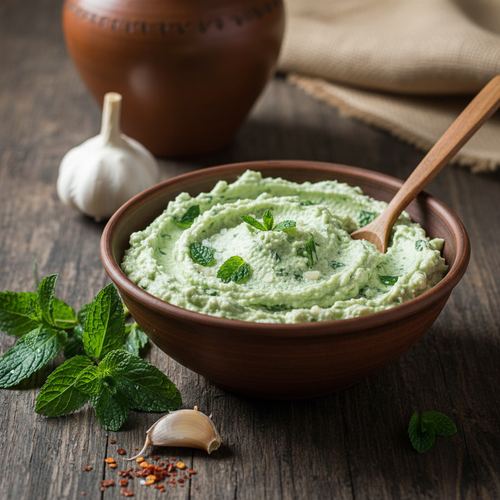
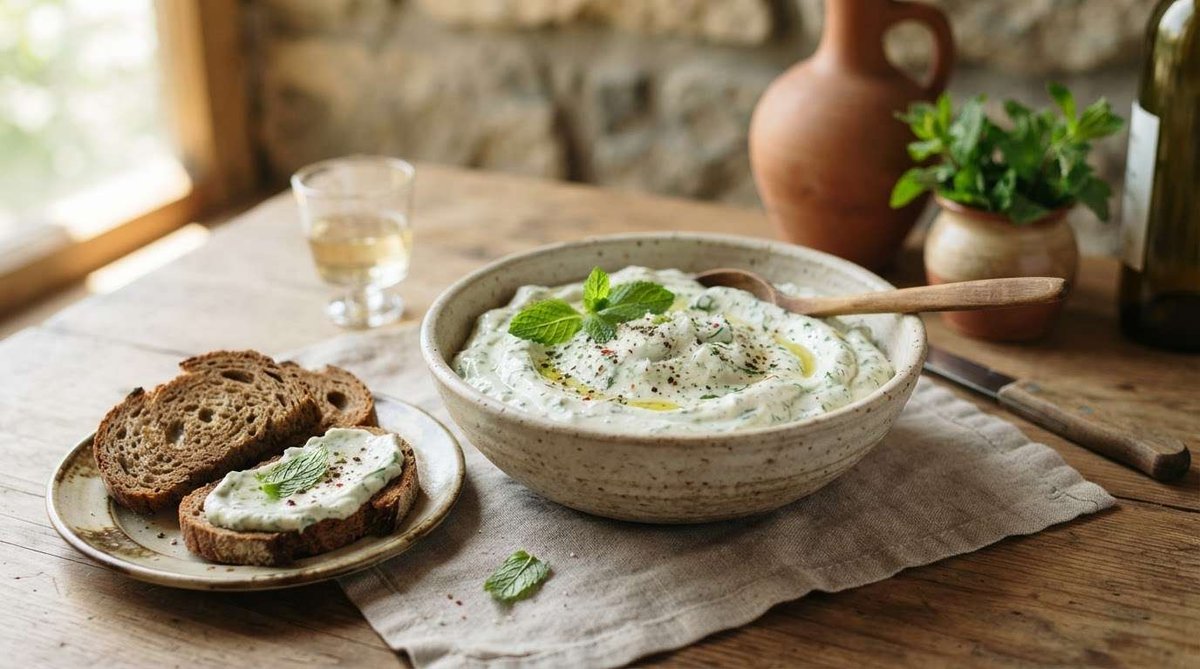
In Georgia, nadugi is rarely eaten “plain.” Almost always it’s mixed with finely chopped fresh mint and salt, and this combination, honestly, is worth remembering: cool mint and delicate cheese make a perfect pair. Some people add a clove of garlic, others a pinch of hot or black pepper. For a brighter color, a little boiled carrot is sometimes mixed in, and for a pale green shade the whole thing is blitzed in a blender.
A simple recipe for a crowd: take 450 g (1 lb) of nadugi (or ricotta), a small bunch of mint (about 70 g or 2½ oz), salt to taste and, if you like, one clove of garlic. Chop the mint as finely as you can, mix everything together and leave it in the fridge for at least half an hour so the mint can release its aroma.
🧀 Dishes with Nadugi
From a wine appetizer to a honeyed dessert: nadugi is surprisingly versatile.
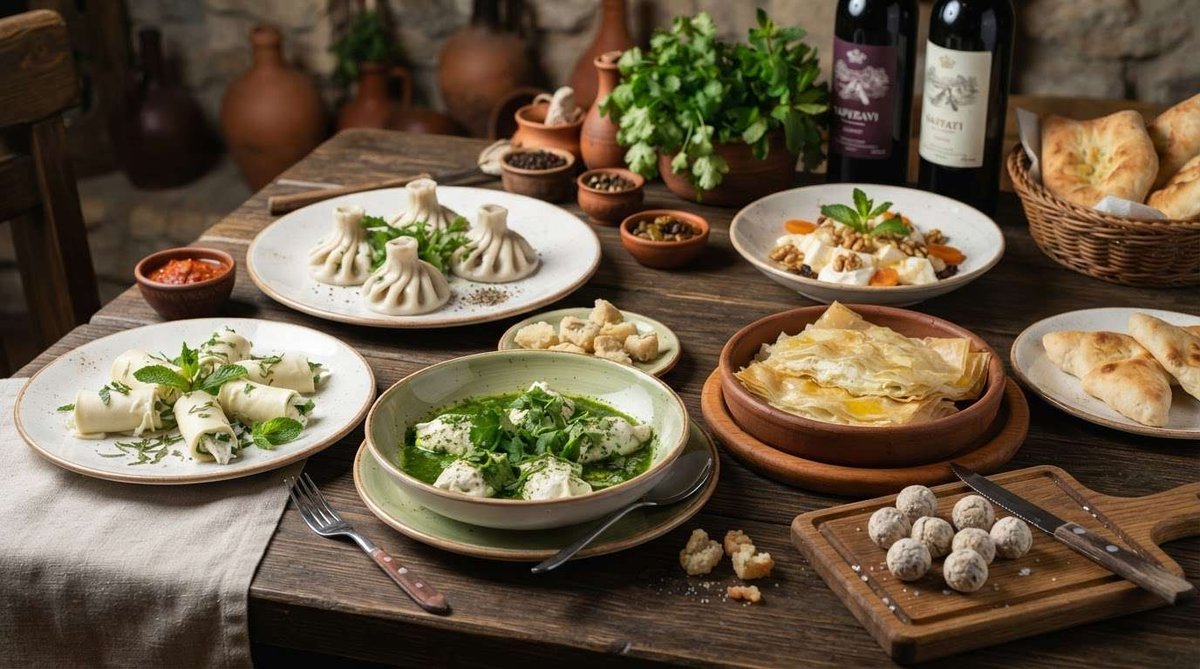
How to roll sulguni with nadugi at home. Buy thin sheets of sulguni in Georgia or at a Georgian shop (they’re sold for exactly this purpose), or slice fresh sulguni as thinly as you can. Put a tablespoon of minty nadugi on each sheet, roll it up or fold it into an envelope and, if you like, tie it with a green onion feather. Serve chilled, with herbs and a glass of white wine.
If khinkali are your weakness, read our article on khinkali: Georgian cuisine, history and varieties: they’ve been made with cheese for a long time, while the version with nadugi isn’t on every restaurant’s menu, so be sure to ask.
🍽 What to Serve with Nadugi
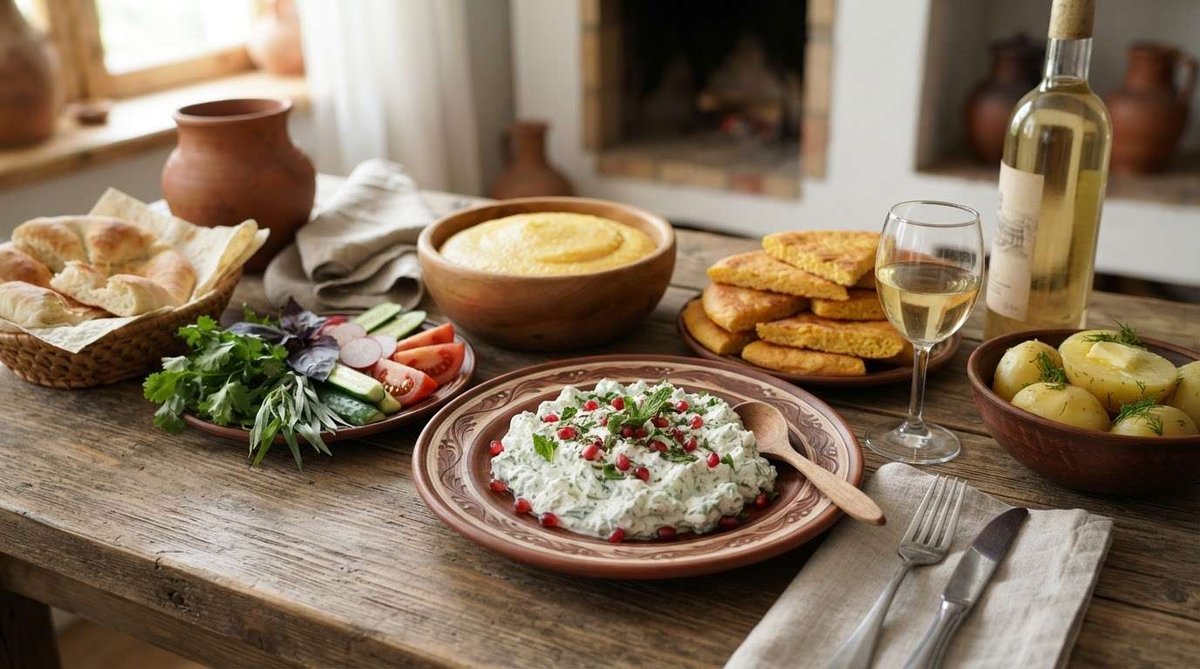
Nadugi likes simple, fresh pairings:
- With mchadi and ghomi. Cornbread or Megrelian cornmeal porridge with cool minty cheese, a western Georgian classic. We have a separate article on the flatbread, Mchadi: Georgian cornbread recipe and how to serve it.
- With fresh bread. Just spread it on warm shoti, like a soft cheese.
- With pomegranate. Pomegranate seeds on top add tartness and color; nadugi is often served this way on a festive table.
- With herbs and vegetables. A plate of cilantro, tarragon, radishes and cucumbers.
- With new potatoes. Boiled potatoes, a little butter and a spoonful of minty nadugi, very homey.
- With wine. Fresh nadugi pairs nicely with light white wines.
🔍 Nadugi, Cottage Cheese, Ricotta and Sulguni: What’s the Difference
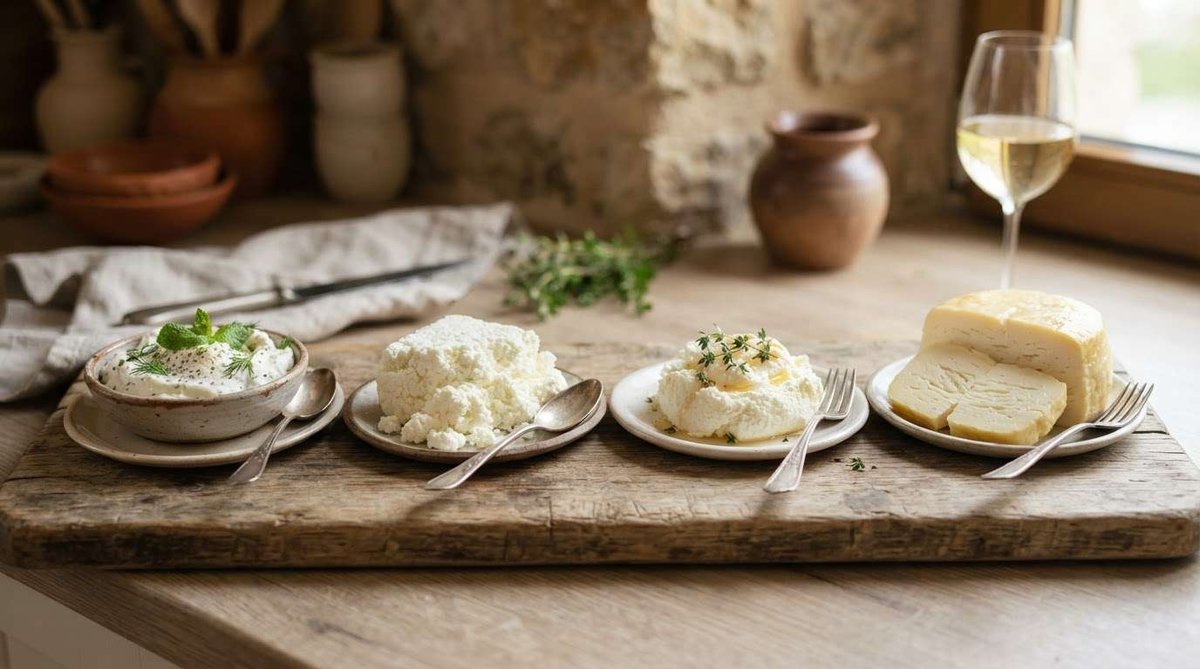
We cover sulguni, Imeretian cheese, guda and other Georgian cheeses in detail in the article Georgian cheese: types, names and where to find the real flavors.
🛒 Where to Buy and Try Nadugi in Georgia
The easiest place to find nadugi is a market. In the cheese rows, look for bowls of white, crumbly cheese next to the sulguni and ask for “nadughi.” It’s often sold already mixed with mint. Nadugi also turns up in supermarkets, in the fresh dairy section, though the market kind is usually tastier and more delicate. Don’t forget to ask for a few thin sheets of sulguni along with it, and you’ll have an appetizer ready for the evening.
In restaurants, look for nadugi among the cold starters: “sulguni with nadugi,” “sulguni with mint” or “gebzhalia.” It shows up most often in places that cook Megrelian and Adjarian cuisine.
We’ve gathered places in our catalogs: markets in Tbilisi, restaurants and cafes in Samegrelo and restaurants and cafes in Adjara.
Nadugi isn't a traveler: it's a fresh cheese, and in a suitcase it will spoil within a day. So eat it in Georgia and bring home sulguni or smoked cheese instead. And if you crave nadugi at home, take fresh ricotta, mix it with mint and salt, and you'll come very close to the original.
Have you tried nadugi in Georgia? Tell us in the comments which dish it came in and where it tasted best. Maybe you have a family recipe for sulguni rolls? Share it, other readers will definitely find it useful.
Updated October 2026. We checked how nadugi is made and the dishes that use it against Georgian culinary sources and Georgia’s official tourism portal. Cheese yield depends on the milk, so the figures in the recipe are approximate.
❓ Frequently Asked Questions About Nadugi
💬 It’s a soft Georgian cheese made from the whey left after boiling sulguni or Imeretian cheese. The whey is heated, the flakes that rise are skimmed off, and they’re usually mixed with salt and mint.
💬 There’s no exact equivalent. The closest is Italian ricotta, which is also made from whey. Nadugi is sometimes described as a curd paste or cottage-style cheese, but by the way it’s made it is a true whey cheese.
💬 No, though it’s often called that because of its soft texture. Nadugi contains almost no fat: the cream goes into the sulguni, and what stays in the whey is mostly protein.
💬 Cottage cheese is made from soured milk, and it’s tangier and firmer. Nadugi is cooked from whey, so it’s softer, fresher and barely sour at all.
💬 It became the custom in western Georgia: cool fresh mint brings out the mild flavor of the cheese. The pairing of nadugi and mint is now a classic, especially in Samegrelo.
💬 A cold appetizer: thin sheets of sulguni rolled up or folded into envelopes, with nadugi and mint inside. It’s served with herbs and wine.
💬 Sulguni rolls, Megrelian gebzhalia, Adjarian sinori and kurut, khinkali and pastries with nadugi, as well as a dessert with honey, walnuts and raisins.
💬 Fresh low-fat ricotta, or yogurt strained through cheesecloth for 8 to 10 hours. Mix it with salt and chopped mint, and the taste will be very close.
💬 It’s a fresh product: 2 to 3 days in the refrigerator. It’s not worth taking home from Georgia, since it spoils quickly on the road.
💬 Most easily at markets in the cheese rows, next to the sulguni, and also in the fresh dairy section of supermarkets. Ask for “nadughi”; it’s often sold already mixed with mint.

0 comments
Log in to leave a comment