




Vartsikhe in Imereti: Ancient Castle and Settlement History
Not far from the town of Baghdati, where the Rioni and Khanitskali rivers converge, lies the village of Vartsikhe, which is much older than most cities in the world. Historically, military action in this area has been virtually constant.
While other cities grew and expanded their borders, Vartsikhe remained a small village, with a population of 1,500. However, it also boasts some of Georgia's most remarkable landmarks. The first mentions of this settlement date back to the 5th century.
At that time, the village of Vartsikhe was called Rhodopolis, and the Romans and Persians fought for control of this territory. Rhodopolis is a Greek name, meaning "rose fortress" in Russian. Interestingly, Vartsikhe has the same meaning in Georgian. Archaeological excavations have revealed that Vartsikhe was a fortified settlement in the 5th century, complete with ramparts.
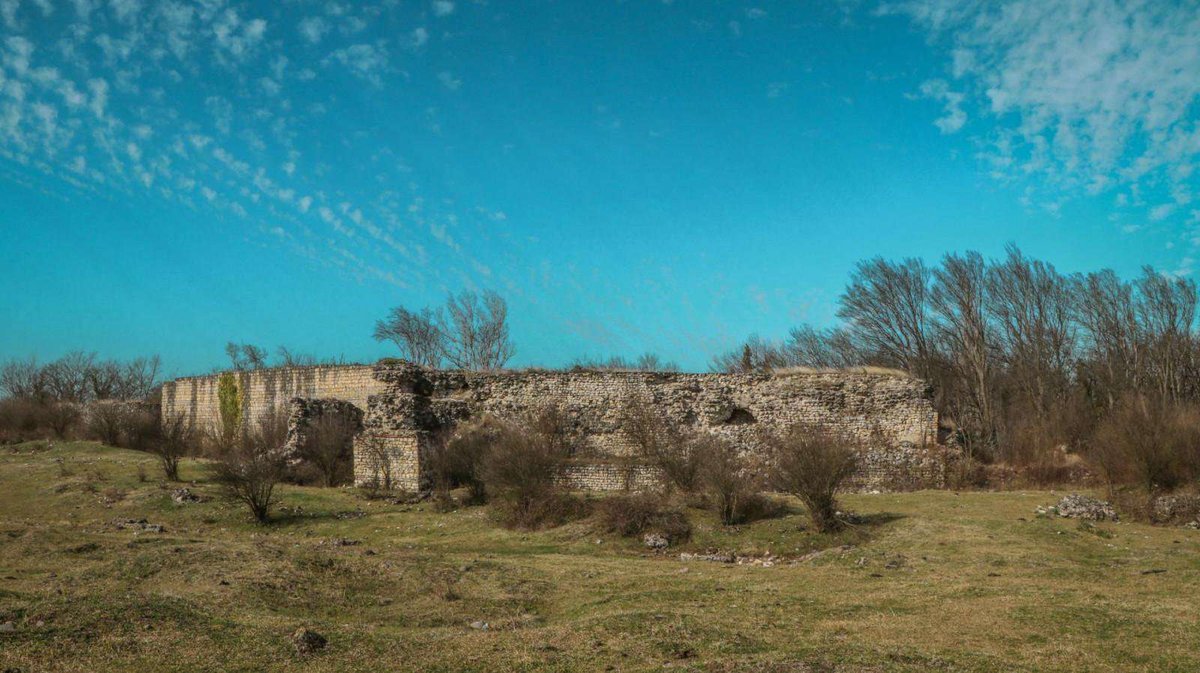
Most likely, Rodopolis was some kind of outpost. In the 6th century, the fortress was destroyed. Despite this, the city was preserved, but remained undefended. Vartsikhe appears and disappears in historical accounts from various eras until the 17th century. Before the 10th century, not only the Romans visited here, but also the Huns and Lazi, who left their traces, and Persian garrisons were stationed here.
However, the 17th century did not bring peace to these lands. At that time, a castle was built here – the residence of the Imeretian kings. They came here to hunt. In the 18th century, Russia and Imereti, joining forces, opposed the Ottomans, resulting in the castle being heavily damaged. However, in the early 19th century, Vartsikhe became a refuge for the Imeretian king Solomon II – the conflict between Russia and Imereti escalated.
The castle fell in 1810, and Imereti was annexed to the Russian Empire. The subsequent history of Vartsikhe appears relatively peaceful. For some time, the building itself was unused, and the castle was practically forgotten. In the early 20th century, Georgian wine entrepreneurs built a cognac factory here—the brandy of the same name is still produced today. After the Revolution, the estate of the Ananovs, the same winemakers, was converted into a kindergarten and later a hotel.
Heritage - Vartsikhe Castle and Fortress Walls
Relatively significant archaeological research in Vartsikhe was conducted in the 1970s. Excavations uncovered fortress walls dating back to the 4th and 6th centuries. Although the Vartsikhe castle is in ruins, it is a Georgian cultural monument and is listed in a special register. Remains of late antique settlements, as well as various glass, ceramic, and iron artifacts, were found in the early layers of the Vartsikhe village. The best time to visit this area is late spring, summer, and early fall.
Photo source: georgiantravelguide.com

34 comments
Log in to leave a comment
عندما قرأت عن الفيديو، حسيت إنه يتكلم عن شيء أكثر من مجرد أماكن. يتحدث عن المشاعر والذكريات! بحب أزور أماكن غامضة ومليئة بالتاريخ مثل هذه. بس عندي سؤال... هل في طرق معينة توصلني هناك، أو أفضل أستأجر مرشد محلي؟
Особенно ценными оказались советы местных жителей — они подсказывают, где лучше начать прогулку, какие точки для фото самые эффектные и где можно почувствовать атмосферу настоящей грузинской деревни. Благодаря этим рекомендациям я уже представляю, как шаг за шагом поднимаюсь к укреплениям, слушаю, как ветер играет с травой, и пытаюсь представить, как жили здесь люди много поколений назад.
Отзывы других читателей также помогли составить живую картину: кто‑то делится тем, как его поразили панорамные виды с крепостных стен, кто‑то — как уютно прогуляться по старой части деревни и заглянуть в местное кафе с настоящей грузинской кухней.
Мне особенно хочется вернуться сюда на рассвете или на закате, чтобы увидеть, как свет мягко ложится на каменные стены, и ощутить атмосферу спокойствия и глубины истории.
А вы бы предпочли сначала исследовать сам замок Варцихе, чтобы почувствовать масштаб истории, или начать с деревни, чтобы прочувствовать повседневную жизнь местных?