




🏰 The Monastery of the Nativity of the Theotokos in Teklati: School, Printing House and Revival
🏰 Teklati Monastery: The Essentials
A working convent of the Nativity of the Theotokos on Mount Sakharbedio in the Senaki municipality. The community took shape in the 1870s, and what sets it apart is that a girls' school and a printing house operated here.
Samegrelo, Senaki municipality. The monastery stands on Mount Sakharbedio beside the village of Teklati, about 3 km from the town of Senaki, so it's easy to reach.
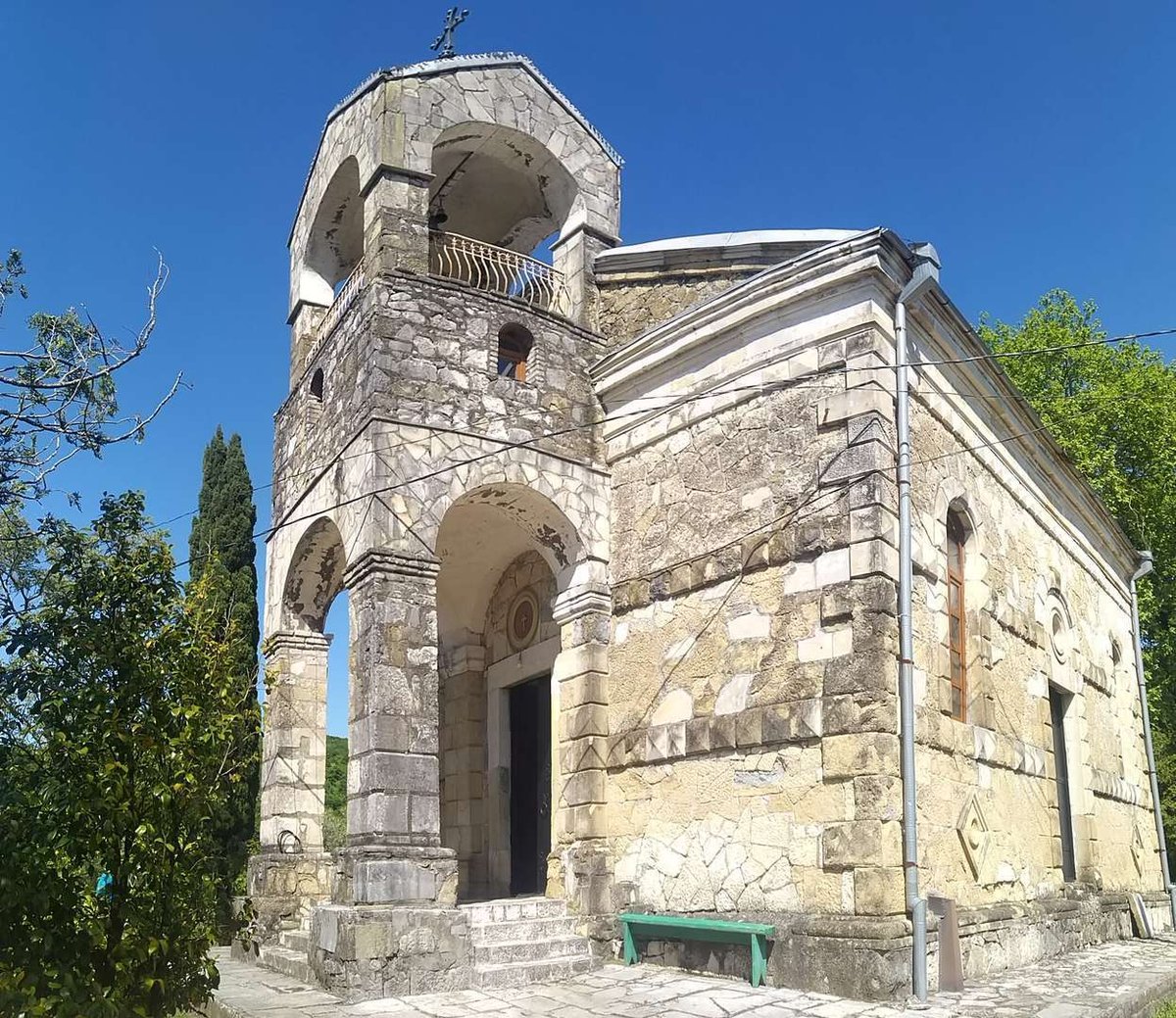
Teklati Monastery is a working convent dedicated to the Nativity of the Most Holy Theotokos in Samegrelo. It stands on Mount Sakharbedio, not far from the village of Teklati in the Senaki municipality. By Georgian standards it's a young monastery: it took shape not in the Middle Ages, like most of the country's well-known foundations, but in the second half of the 19th century. Other churches of the region are gathered in the catalog on the Churches, Cathedrals and Monasteries of Samegrelo and Upper Svaneti page.
What makes it interesting isn't age but activity. A girls' school named after St Nino and a printing house both operated at Teklati Monastery, and for Georgia in the later 19th century that combination, a monastic community plus education and book printing, was notable. Below is how the convent came about, what happened to it under Soviet rule, and what's here today.
📜 How the Monastery Came About
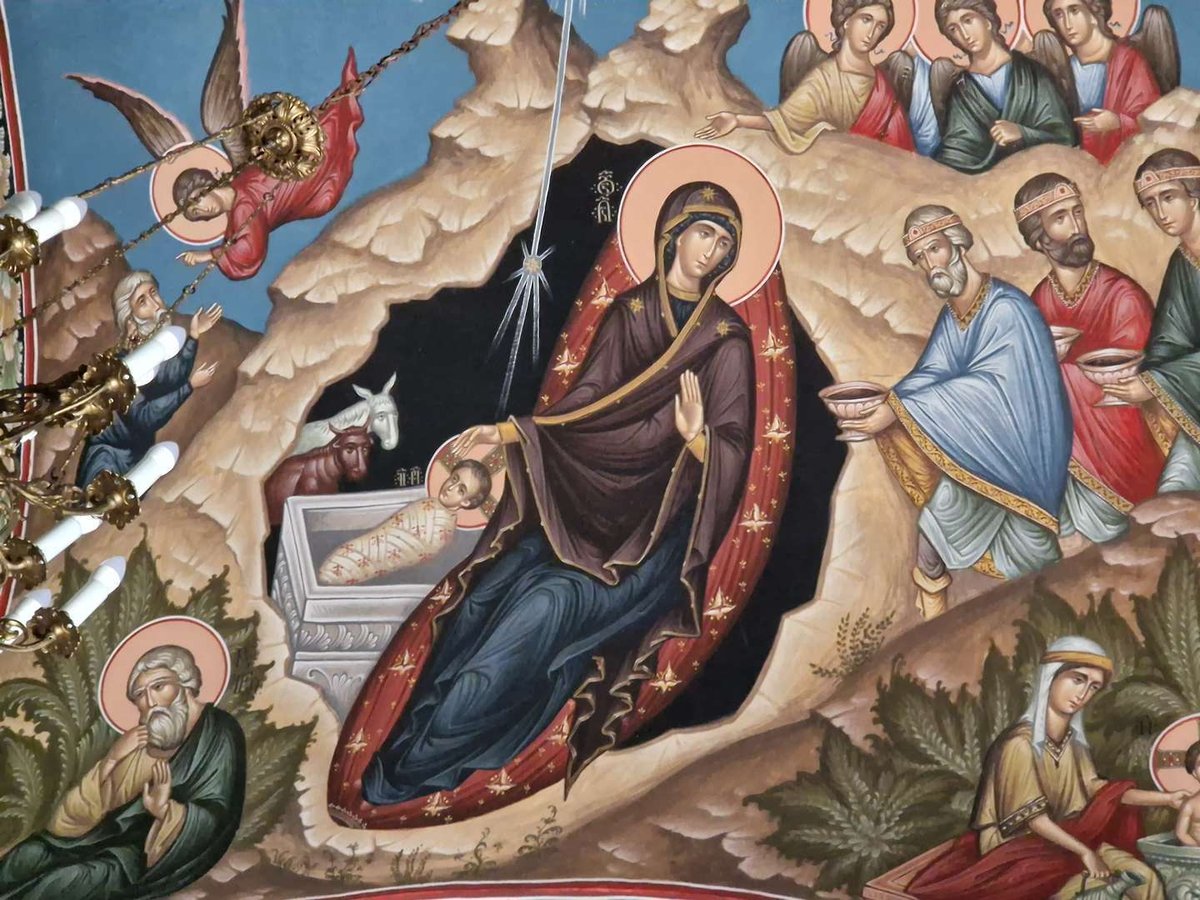
The community's history is counted from the 1860s. The key date is 1870: that year, with the blessing of Bishop Gabriel of Imereti and following a typikon he drew up himself, the sisters began organising monastic life here. A rule written personally by a bishop suggests the undertaking was taken seriously, rather than treated as the private initiative of a few nuns.
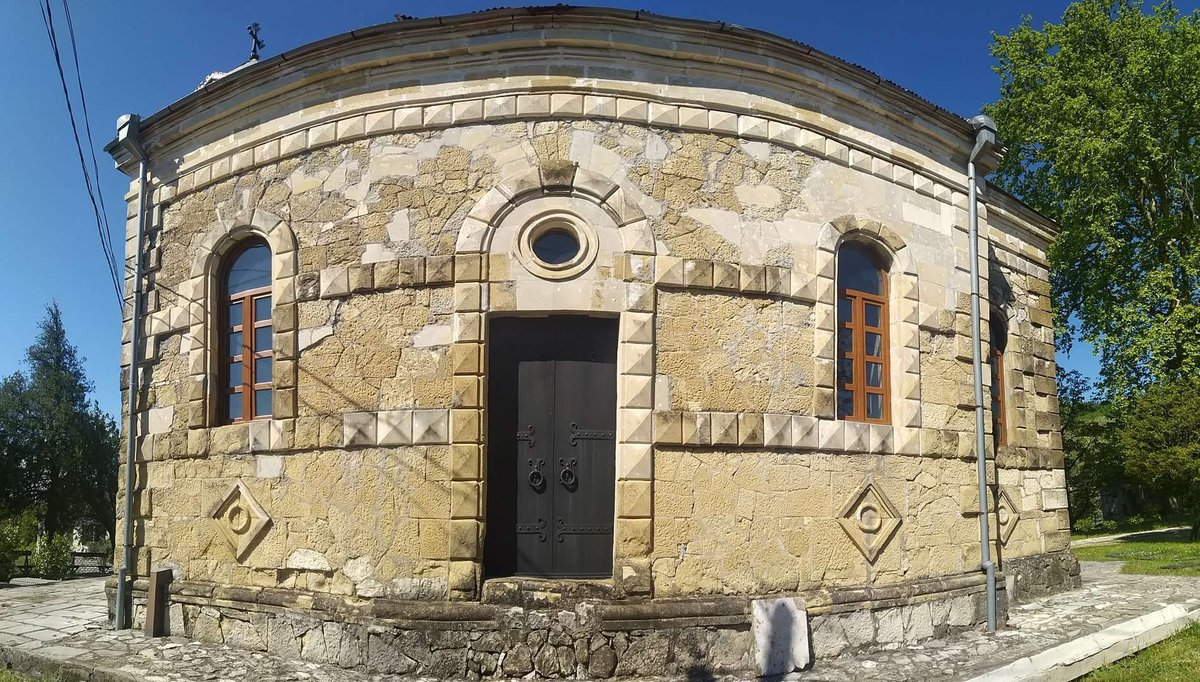
The monastery's main church is consecrated to the Nativity of the Theotokos and dates to the 19th century. In official monument lists for the Senaki municipality it appears as the Church of the Nativity of the Theotokos of the Upper Teklati convent, so if you come across the spelling "Zemo Teklati", it refers to the same place.
The monastery did more than hold services. Two institutions operated here that were a rarity in the Georgian provinces of the 19th century.
📖 The School and the Printing House
This is exactly what makes Teklati interesting. The school at the monastery bore the name of St Nino, the enlightener of Georgia, and the logic is clear enough: the convent took on not only prayer but the teaching of girls. In the later 19th century, when women's education in provincial Georgia was only beginning to take shape, a monastery school was often the only option available.
The printing house is a rarer detail still. Printing required equipment, people and money, so presses were far from standard at monastic foundations. There's little detail in open sources about print runs and editions, so I won't claim what exactly was printed here: the existence of the press is recorded, but its output is described only sparsely.
🕯️ The Soviet Years and the Revival
The 20th century was hard on the convent. Sources speak of persecution and hardship endured by the sisters through the Soviet decades, which was the common fate of Georgian monasteries: closure, confiscation of property, dispersal of communities. The details for Teklati are set out only fragmentarily in open sources, so the exact dates of closure and of the resumption of services are best checked on site.
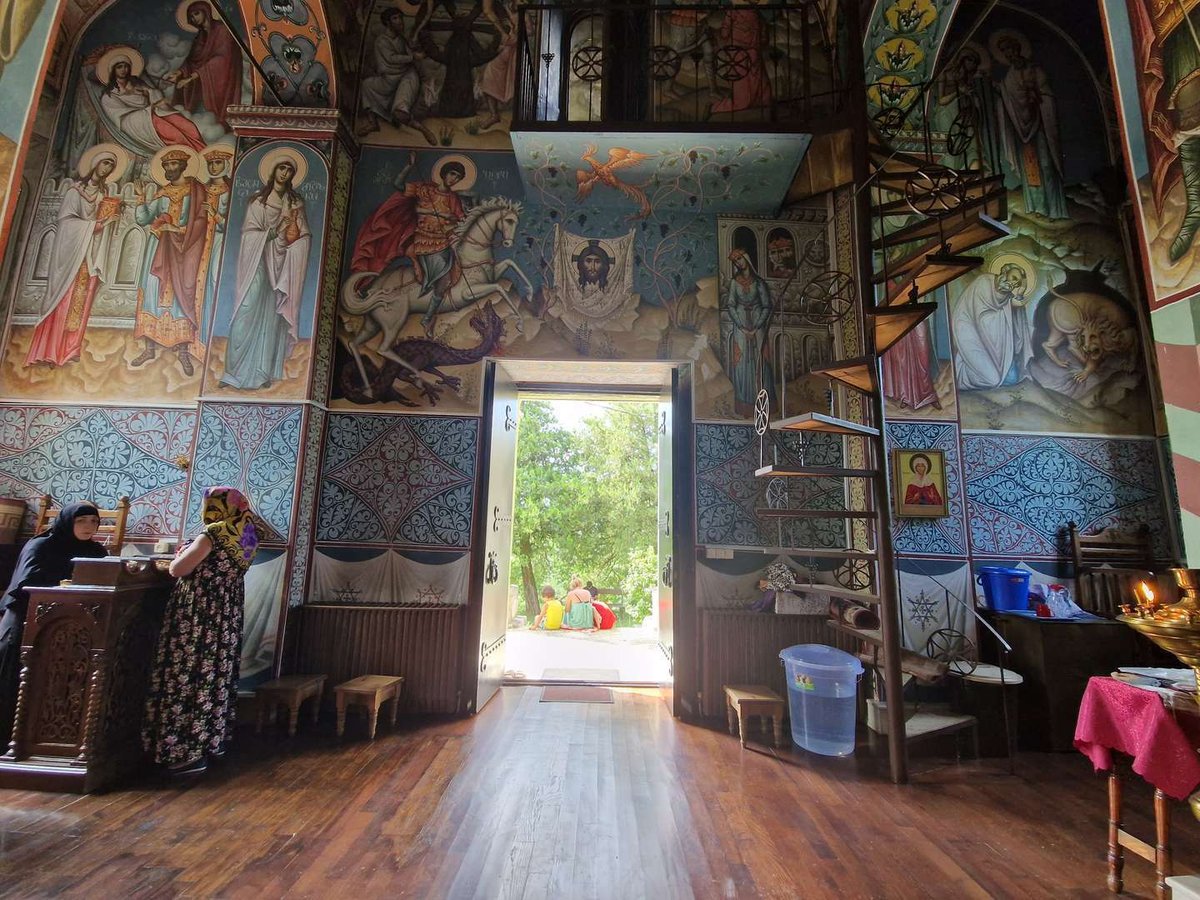
A new chapter began in 1997, when Abbess Ana Muselian took charge. The revival of monastic life is associated with her arrival: buildings restored, the community re-formed, the household put back in order. Teklati Monastery is active today, sisters live here, and it isn't a museum but a convent running to an ordinary monastic timetable.
🏞️ Where It Is and How to Get There
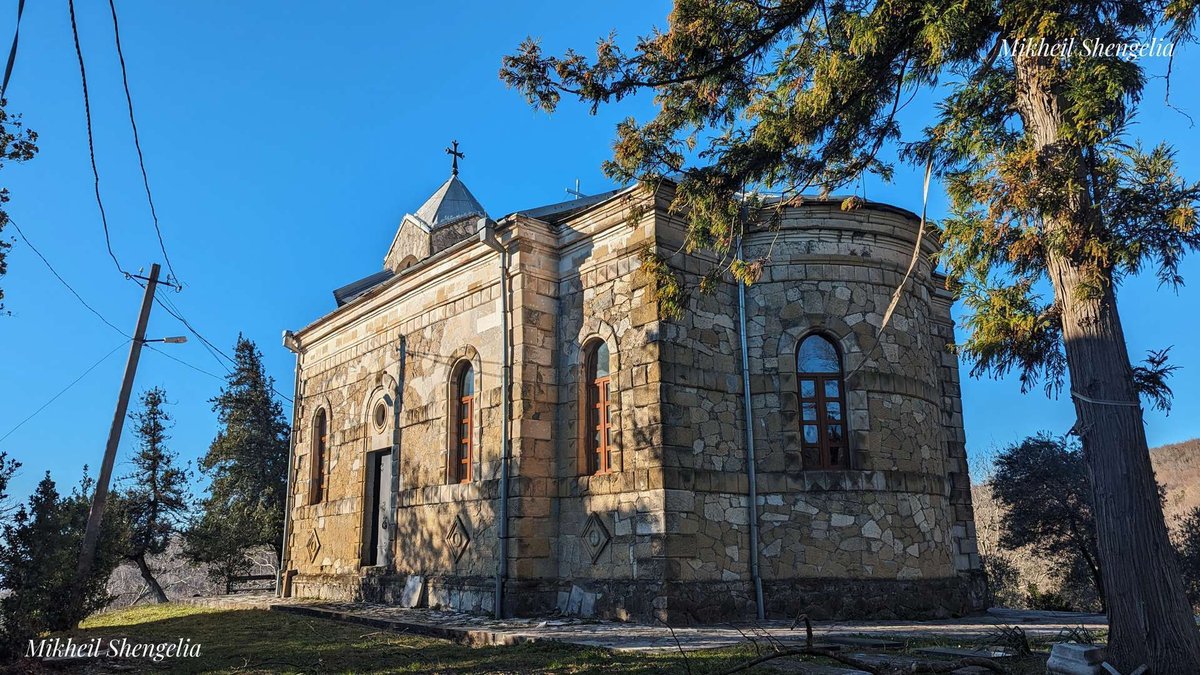
The monastery stands on Mount Sakharbedio beside the village of Teklati. The village itself lies on the Odishi-Guria lowland on the bank of the Tsivi river, at around 21 metres above sea level, about 3 km from Senaki. Teklati is first mentioned in written sources in the 17th century, so the village is considerably older than the monastery.
The logistics are simple: your reference point is the town of Senaki, a significant hub in western Georgia served by both the railway and road routes. From Senaki the monastery is very close, which makes it easy to combine with a wider trip through Samegrelo, the Martvili canyon or Martvili Monastery for instance. Check the final approach and the state of the road up the hill locally: the monastery sits on high ground, and the last stretch may differ from the main route.
🧭 Where to Stay and Eat in Senaki
Senaki is the nearest town with proper infrastructure, so it's the practical base. Below are the catalog sections for the town and the region.
Been to Teklati Monastery? Leave a review on Madloba: tell us how you got there, whether the church was open to visitors, and what first-timers should know. Your experience will help others plan.
Information is current as of July 2026. Visiting arrangements at a working convent, service times and road conditions all change; check the current situation before you travel.
❓ Frequently asked questions
💬 In Samegrelo, Senaki municipality, on Mount Sakharbedio beside the village of Teklati. It's about 3 km from the town of Senaki, so it's an easy trip.
💬 The community's history is counted from the 1860s, and monastic life was organised from 1870, with the blessing of Bishop Gabriel of Imereti and following a typikon he drew up.
💬 To the Nativity of the Most Holy Theotokos. The main church dates to the 19th century, and in monument lists it may appear as the church of the Upper Teklati convent.
💬 Yes. A girls' school named after St Nino operated at the convent, along with a printing house. For provincial Georgia in the later 19th century, that combination was a rarity.
💬 Yes, it's a working convent. The revival of monastic life is associated with 1997, when Abbess Ana Muselian took charge.
💬 The same as at any working convent: covered clothing, a headscarf for women, quiet behaviour. Photography is best agreed with the sisters, and service times checked on site.
💬 The monastery combines well with a wider trip through Samegrelo: Senaki with its local history museum is right there, and Martvili Monastery and the Martvili canyon are a little further on.

4 comments
Log in to leave a comment