




Juli Shartava Senaki Local History Museum
The museum contains photos, documents, books, personal belongings reflecting the life and work of the National Hero of Georgia, statesman and politician Julie Shartava (1944-1993).
Julie Shartava was educated at the Georgian Polytechnic Institute. He worked in high government positions in Tbilisi and Rustavi. He was a member of the Supreme Council of Georgia. In the last years of his life, he worked as the Chairman of the Council of Ministers and the Defense Council of the Abkhaz Autonomous Republic. During the Russian-Georgian armed conflict in Abkhazia, on the day of the fall of Sukhumi, he did not leave the population of the city. The armed separatist gangs, encouraged by Russia, captured him and shot him. Later, Shartava's body was handed over to the Georgian side. He was buried in the Saburtalo Pantheon in Tbilisi. In 2004, he was posthumously awarded the Order of the National Hero.
The museum houses archaeological artifacts found mainly in the Senaki region, as well as ethnographic material, a numismatic collection, bonistic samples, photos and documentary material about the history of the region.
It is worth noting the material collected as a result of archaeological research and excavations in the territory of the historical city of Nokalakevi (Archeopolis), and other materials.
Address: Senaki, Shota Rustaveli Street, No. 150
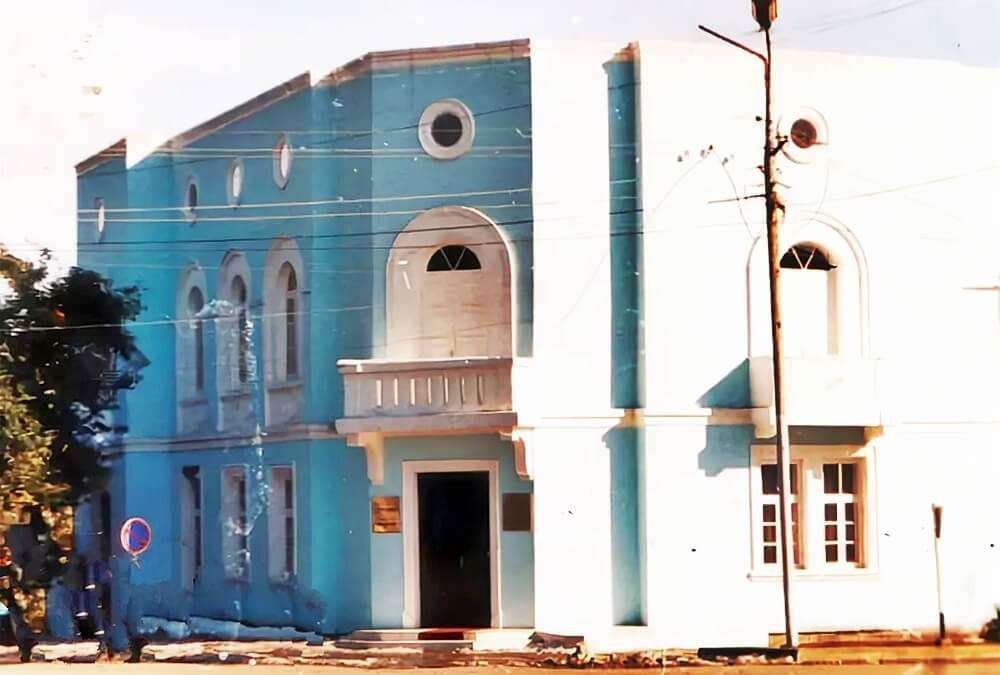
Local History Museum named after Julie Shartava is located in the town of Senaki, in western Georgia. The museum was founded in 1998 in memory of the national hero of Georgia and political figure Julie Shartava, who was killed during the Russian-Georgian armed conflict in Abkhazia in 1993. The museum is located in a small two-story building, which was previously used as a cultural center.
The museum's exposition includes archaeological artifacts found in the Senaki region, ethnographic materials, a numismatic collection, samples of bonistics, as well as photographs and other documents related to the life and work of Julie Shartava.
A special place in the museum's collection is occupied by archaeological finds made in the area of the historical town of Nokalakevi (Archeopolis), located 10 km from Senaki. The town of Nokalakevi was founded in the 8th century BC and is one of the most ancient towns in Georgia. During archaeological excavations on the territory of the town, remains of buildings, religious buildings, household items and religious artifacts were discovered. The museum displays many exhibits related to the history of Nokalakevi and its surroundings.
In addition, the museum stores materials related to the history of the Senaki region. These are photographs and documents reflecting the life and daily life of local residents, the history of the region's development and its cultural heritage.
Visitors to the museum have the opportunity to get acquainted with the life and work of Julie Shartava, who was one of the most prominent and significant political figures in Georgia in the second half of the 20th century.
In addition, the museum also provides an overview of the life and culture of the Georgian people in general. The ethnographic material stored in the museum allows guests to learn about the traditions, customs, crafts and clothing of the Georgian people. Here you can see original household items and national costumes that have been used for many centuries. The museum also hosts exhibitions of works by local artists dedicated to the culture and history of Georgia.
The Julie Shartava Museum is one of the few museums in the region that displays the cultural heritage and history of Georgia with such diversity and completeness. It contains original items dating back several thousand years, as well as numerous exhibits from later periods of Georgian history.
Despite the fact that the museum is located in the small town of Senaki, its exposition is very interesting and attractive for tourists who are interested in the history and culture of Georgia. Here, every visitor will find something new and exciting for themselves, and will also be able to learn a lot about the life and work of Julie Shartava, one of the most prominent political figures of Georgia.
It is also worth noting that the museum actively interacts with local schools and colleges, conducting excursions and lectures for students. This helps to maintain interest in the history and culture of their country among the younger generation and to foster patriotism.
In general, the Julie Shartava Museum is a unique place where you can get acquainted with the history and culture of Georgia, as well as learn a lot about the life and work of one of the most prominent political figures of the country. If you visit the Julie Shartava Museum in Senkai, you should definitely stop by the Nokalakevi Historical Park, which is about 20 km away from the city. This park is an archaeological reserve that contains the remains of one of the most ancient cities in Georgia - Nokalakevi, or Archeopolis, as the locals call it.
Nokalakevi was founded in the 4th century BC and existed until the 17th century. There were two fortresses here, as well as a number of other buildings associated with the religious and political life of the city. The most impressive remains of the ancient city are the huge stone walls, more than 5 meters high and up to 2 meters thick, that surrounded the city.
The park also contains the ruins of the Church of St. George, built in the 11th century, as well as other religious and public buildings. All these structures demonstrate the wealth and cultural diversity that existed in this city for many centuries.
Nokalakevi Park is one of the most visited tourist sites in the region, and it leaves a lasting impression on everyone who comes here. You can walk along the remains of ancient buildings, enjoy beautiful views of the surrounding area and learn a lot about the ancient history of Georgia.
In addition, there are other attractions in the Senaki region that you can visit. For example, the famous Gelati Temple, which was built in the 12th century and is one of the national symbols of Georgia. This temple is located near the city of Kutaisi and occupies a well-deserved place on the UNESCO World Heritage List.
If you are interested in the history and culture of Georgia, then the Senaki region is worth visiting. Here you can get acquainted with the rich cultural and historical heritage of Georgia, from its ancient and medieval history to modern times. In the museum, you can see exhibits related to the history of the Georgian church, including relics, crosses, icons and other sacred objects.
Particular attention in the museum is paid to the history of the Senaki region, where the museum is located. It houses archaeological finds, documents and photographs that reflect the life and culture of local residents. One of the main attractions of the museum is the numismatic collection, which includes coins issued in Georgia from the 5th century BC to the present day.
In addition, the museum has an ethnographic department, where you can learn about traditional folk crafts and crafts such as weaving, ceramics, wood carving, and see unique exhibits of national costume.
Despite its small size, the Julie Shartava Museum of Local History is a valuable cultural resource not only for the town of Senaki, but for all of Georgia. Here, visitors can expand their knowledge of the rich history and culture of this beautiful country, as well as get acquainted with the most prominent and iconic figures of its past and present, including the national hero Julie Shartava.
The Julie Shartava Museum is open to visitors every day except Mondays from 10:00 to 17:00. Admission is free, but voluntary donations are accepted to support the museum and its exhibits. The address of the museum: Senaki, Shota Rustaveli Street, 150.
Our team will be glad to know your opinion about the article and answer your questions. Please feel free to leave comments and ask questions at the bottom of the page. Your feedback will help us improve the quality of our work and write more interesting articles in the future.

32 comments
Log in to leave a comment