




🏰 Gegut Palace near Kutaisi: the residence of Queen Tamara
📋 What You Should Know Before Visiting
| 📍 Location | Geguti village, Tskaltubo Municipality about 7 km south of Kutaisi, on the banks of the Rioni River |
| 🕐 Opening Hours | Tue–Sun, 10:00 AM–6:00 PM, closed on Mondays |
| 💰 Admission | 5 GEL, cash only, tickets are sold by the caretaker on site |
| 📅 Built | main construction completed around 1156, during the reign of King George III |
| 👑 Royal Residence | Kings David IV the Builder, George III, and Queen Tamar |
| 🚗 How to Get There | by taxi or guided tour from Kutaisi; there is no public transport to the village |
🧭 About This Article
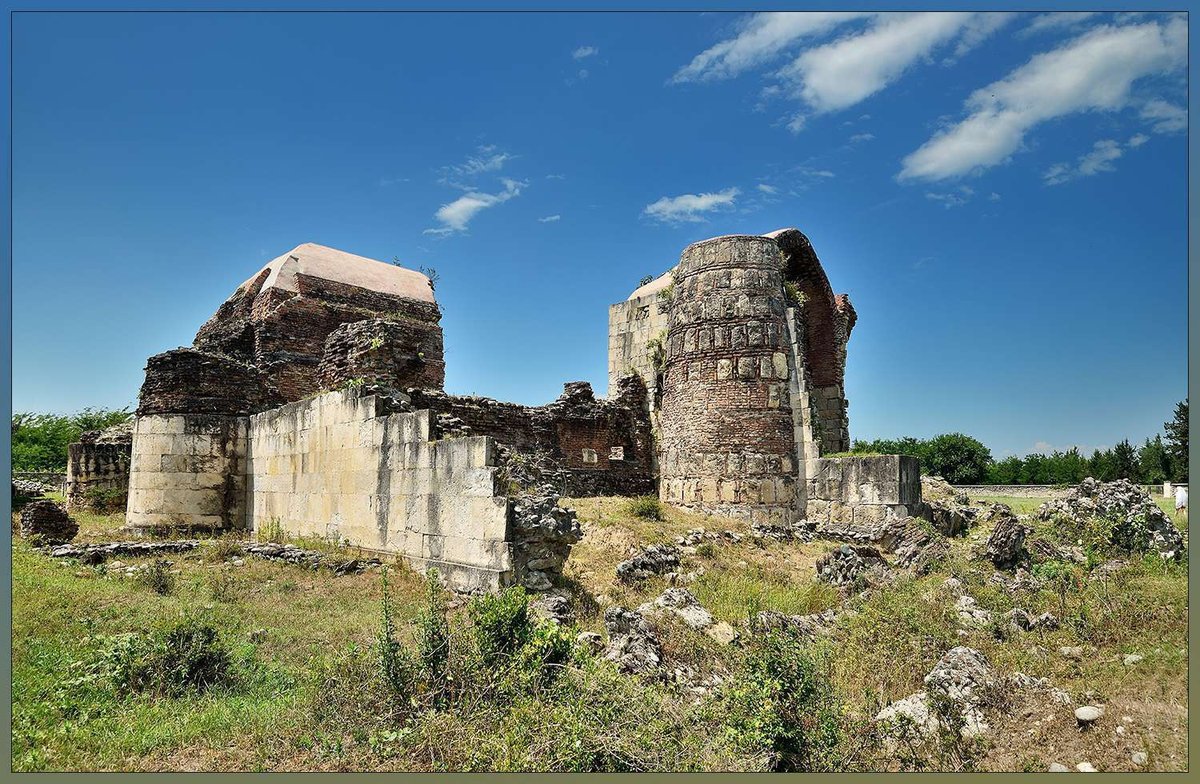
Geguti Palace is the ruined remains of one of the few surviving secular (non-religious) buildings from medieval Georgia, located just a 30-minute drive from Kutaisi. This guide is ideal for travelers who have already visited enough churches and monasteries and would like to discover what a genuine 12th-century royal residence looked like.
📘 What is this place in simple words
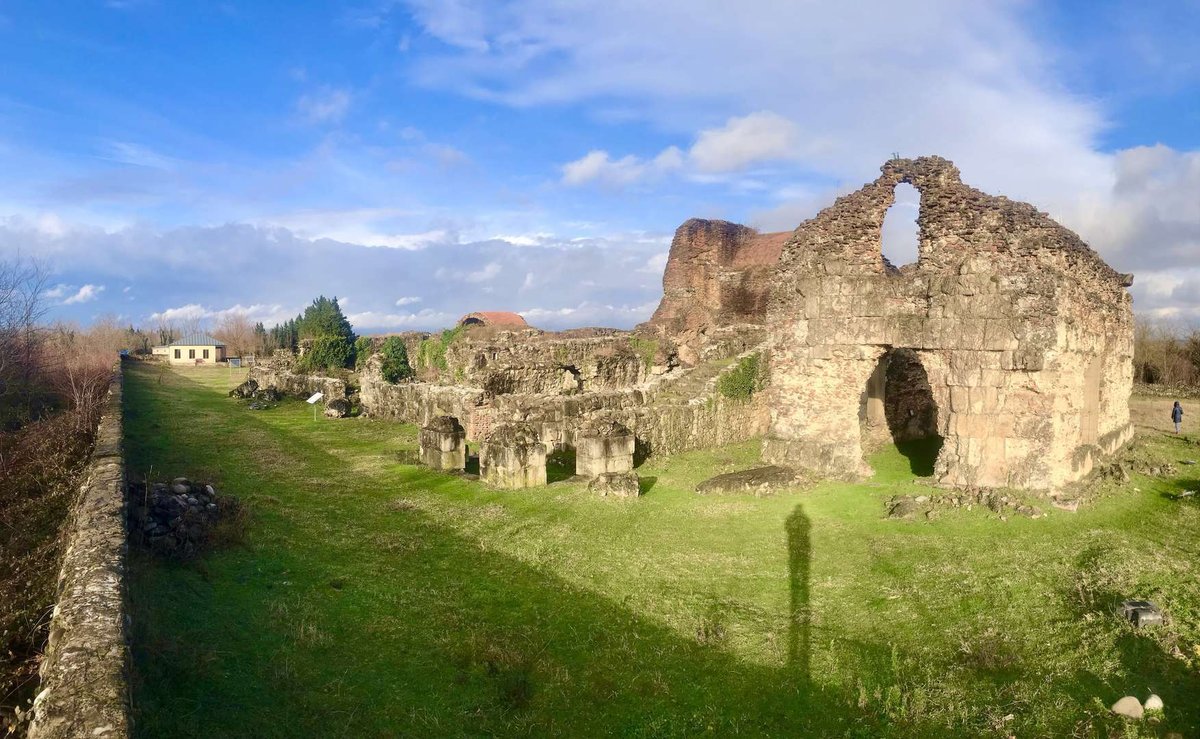
The Geguti Palace is the ruins of a royal residence near the village of Geguti, on the right bank of the Rioni River, approximately 7 km south of Kutaisi. A four-tiered palace-castle with a huge domed central hall once stood here, where the main rulers of medieval Georgia—from David IV the Builder to Queen Tamar—lived and made decisions. Today, only walls, cellars, arches, and staircases remain of this splendor, and there are few tourists here, despite being located just half an hour from the center of Kutaisi.
🕊️ History: From a hunting lodge to a royal palace
The first buildings on this site appeared as early as the 8th century—a country hunting lodge for the Abkhazian kings, built on the ruins of a 4th-century fortress. Over time, the modest residence grew into a full-fledged palace complex, and the main part that survives today was built around 1156, during the reign of King George III. The palace served as the residence of David IV the Builder, George III himself, and later his daughter, Queen Tamar, during whose reign Georgia experienced a golden age.
One of the most dramatic episodes of Tamar's reign is associated with Geguti. In 1190, after the queen divorced her first husband, the Russian prince Yuri (George) Bogolyubsky, his supporters attempted to proclaim Yuri as king here, in the Geguti palace, in opposition to Tamar. This was essentially an attempted coup d'état in the midst of the struggle for the Georgian throne.
The palace's peaceful existence ended with the arrival of the Ottomans: Turkish raids between 1510 and 1691 inflicted serious damage on the building. The palace's destruction was finally overtaken by its own people: in the 1830s, local residents dismantled its walls to make bricks for their own buildings, causing the structure to become permanently deformed. The first person to seriously study and preserve the monument was the Swiss explorer and scholar Frédéric Dubois de Montpéreux. In 1833, during his expedition through Crimea and Transcaucasia, he developed a plan for the conservation of what remained of the palace. Partial restoration was only carried out between 1953 and 1956, and it is in this state that the ruins remain today.
💡 Editor's Tip
There is no public transport to Geguti, and the caretaker's actual schedule does not always match the official opening hours. One traveler walked from the center of Kutaisi in about 50 minutes and said the walk was even more enjoyable than the ruins themselves. To avoid any uncertainty, take a taxi both ways or include the palace in a day trip around Kutaisi together with Gelati Monastery and Motsameta Monastery.
🏛️ What remains of the palace
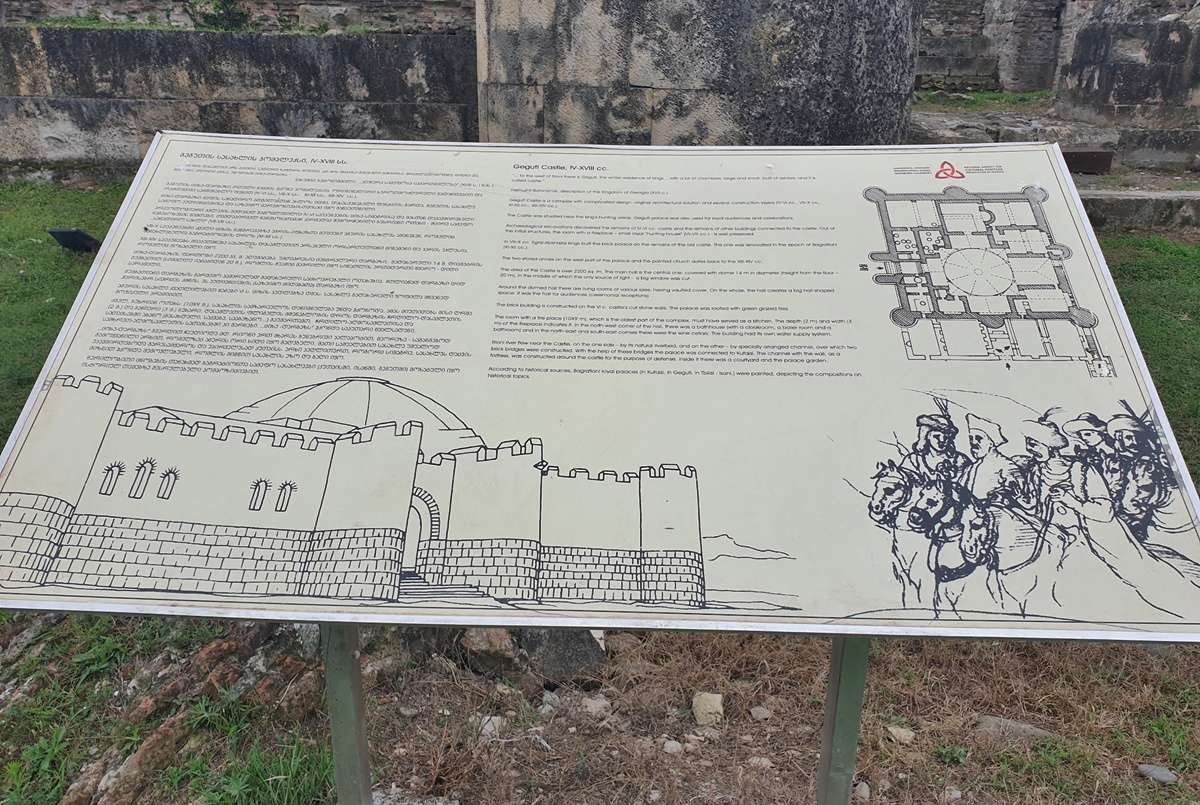
The palace's plan resembles a cross: in the center is a large hall crowned by a dome 14 meters in diameter and approximately 20 meters high. Surrounding it are smaller rooms, including a bedroom, a coin room, a treasury, and a bathhouse. The walls were originally plastered and painted, and massive columns flanked the exterior of the building. To the east of the main building stand an outbuilding and a church, added later, in the 13th–14th centuries.
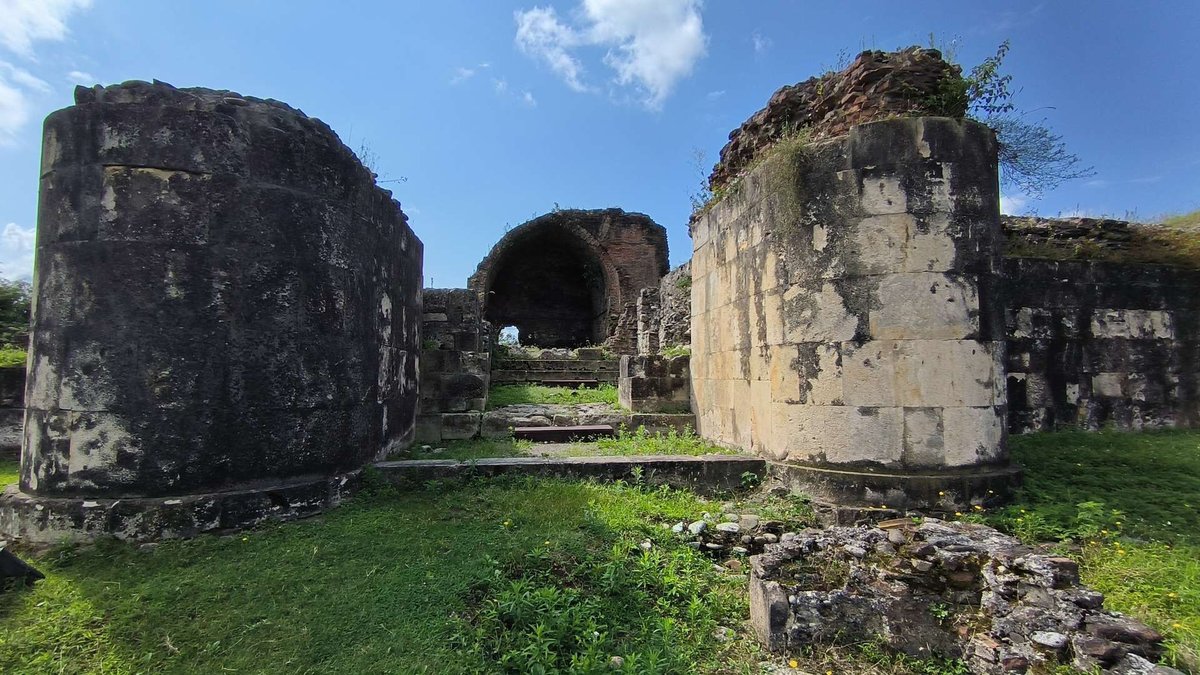
Of all this splendor, all that remains today are cellars, arches, fragments of staircases, and sections of walls within a square enclosure covering approximately 2,000 square meters. Some of the buildings surrounding the main hall date back to the 8th–9th centuries—predating the palace itself.
👀 What can you see today
Gegut Palace isn't a museum with signs and an audio guide, but rather an atmospheric ruin that requires mental preparation: visitors describe half-open gates, a caretaker with dogs in a nearby gatehouse, and an almost complete absence of other tourists even during peak season. At the same time, the sheer scale of the preserved cellars, walls, and arches impresses even those with low expectations: "an unusual place where the ruins speak louder than any guide," as one visitor put it.
🗺️ What to see nearby


ℹ️ Information on opening hours, admission fees, and payment methods is current at the time of publication (data updated on the map in June 2026). Please check the current schedule before your visit, especially if you plan to visit on a Monday.
💬 Tell Us About Your Visit
Have you visited Geguti Palace? Share your experience in the comments and let us know how easy it was to find the caretaker and buy your ticket on site.
🏁 Finally
The Geguti Palace is a rare case where the ruins of a secular, rather than ecclesiastical, building provide insight into how Georgian kings, including Queen Tamar herself, lived, and not just how they prayed.
🧡 Continue Exploring Kutaisi
- 🕳️ Prometheus Cave in Tskaltubo: The Underground Kingdom of Imereti
- 🏛️ Abandoned Sanatoriums of Tskaltubo: A Guide to the Ruins of a Soviet Spa Resort
- 🎨 Kutaisi Street Art: A Guide to the Murals of the Old Town and KIU Campus
💾 Save this article so you can come back to it before your trip to Kutaisi.
❓ Frequently asked questions about Geguti Palace
💬 Geguti served as the residence of several Georgian kings: David IV the Builder, George III, and his daughter, Queen Tamar.
💬 Entrance is 5 lari, cash only. The palace is open Tuesday through Sunday from 10:00 AM to 6:00 PM, and closed on Mondays.
💬 There is no public transportation to the village of Geguti, so it is more convenient to take a taxi or take a tour of the surrounding area of Kutaisi. The walk from the city center takes about 50 minutes.
💬 The central hall under the dome, cellars, arches, fragments of staircases, and sections of walls within the square enclosure, covering approximately 2,000 m², have survived to this day.
💬 Supporters of Yuri Bogolyubsky, Queen Tamar's first husband, attempted to proclaim him tsar in opposition to Tamar herself—one of the most dramatic attempts to challenge her authority.

35 comments
Log in to leave a comment
დამაინტერესა, ორშაბათობით ხო არ დაგკეტავთ? 📅
როგორც კი გავიგე, რომ 5 ლარი უჯდება მისი ნახვა, უცნაური მღელვარება შემიპყრო, თითქოს დროის მანქანაში შევდივარ. მახსენდება, რომ ხშირად მიჭირს ძველების მიმართ გააზრებული აღფრთოვანება. იქნებ ეს კიდე უფრო ღრმად ჩაფიქრებისთვის მომცეს?
და მაინც, შეგვიძლია იქ მივიღოთ ფანტასტიური ხედები?
В рейтинге здорово собраны не только факты, но и отзывы путешественников, которые подсказывают, в какие моменты света дворец выглядит особенно впечатляюще и откуда лучше смотреть панораму вокруг. Это помогает заранее представить, что ожидает на месте, и не пропустить самые выразительные ракурсы.
После прогулки заглянул в небольшой ресторан недалеко — крепкий кофе и простой обед отлично завершили погружение в атмосферу Средневековья. Классные подборки Madloba вдохновляют снова и снова открывать такие места.
Как вы думаете, лучше сначала неспешно пройти весь комплекс Гегути, чтобы почувствовать общую атмосферу, или сначала сосредоточиться на деталях фресок и архитектурных элементов?