




Kldekari and Samshvilde: the Ruins of Ancient Fortresses
The fortified town of Samshvilde is mentioned in historical records in connection with Alexander the Great's campaign in Kartli. The Georgian historian Juansher recounts that Vakhtang Gorgasali's mother, Sagdukht, after adopting Christianity, ordered the construction of a church in Samshvilde—the Samshvilde Sioni.
One of the most ancient and powerful fortified towns, Samshvilde is located 4 km southeast of the town of Tetritskaro, near the modern village of Samshvilde, at the confluence of the Chivchavi and Khrami (Ktsia) rivers, on a high rocky peak.
Originally, the fortress of Orbi stood here, built, according to legend, by the eponymous Georgian—the legendary ancestor of Kartlos. Beginning during the reign of Parnavaz (4th-2nd centuries), the first king of Kartli, Samshvilde was the center of the eristaviate, and later a large and influential city in southern Georgia, where crafts and trade flourished. However, after the Mongol invasions, the city's power came to an end. And on March 28, Easter Day, 1440, the Iranian hordes led by Jehan Shah captured Samshvilde after a 50-day siege. 1,100 Georgians perished in the attack. After this tragic event, Samshvilde continued to exist only as a fortress.
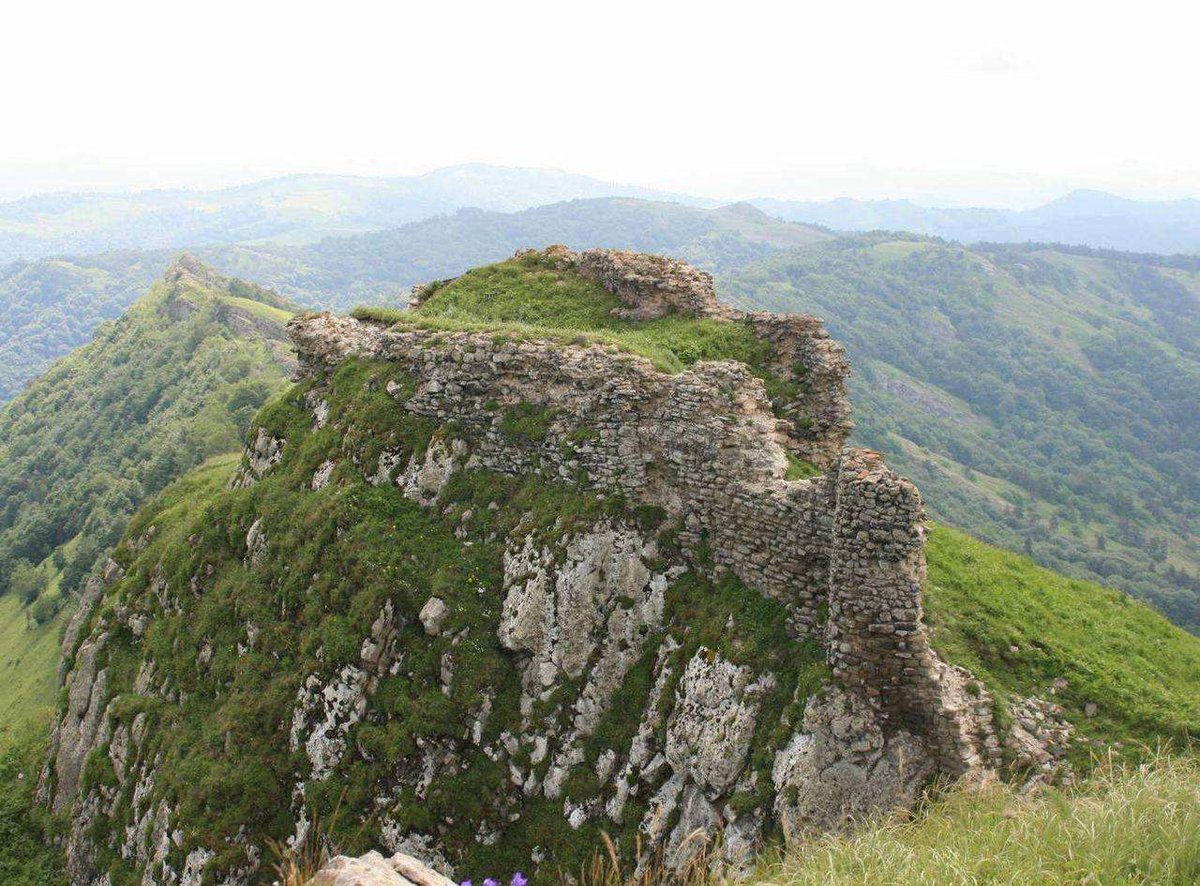
The last battle at its walls took place in 1748 between Erekle II and Abdullah Beg, the son of the King of Kartli, Iese (Ali Kuli Khan), who had converted to Islam. Erekle II won a decisive victory over the enemy. After this event, Samshvilde is rarely mentioned in historical sources. Only the ruins of this once powerful city remain. It was a triangular fortress, 3 km long and only 400 meters wide. On the west, it was protected by five-meter-thick walls. On the other three sides, the fortress was guarded by naturally steep cliffs. The city territory was divided into three parts: the citadel (walls 6 m thick, 12 m high); the walled main fortress, which housed the residences of the nobility and clergy; and the area where ordinary residents lived. The ruins of seven churches have been discovered on the site of the former town. Several caves have been carved into both slopes of the Ktsia Valley near the town ruins.
The Algeti State Nature Reserve was founded in 1965 to protect the plants of the extreme eastern borders: the oriental spruce and the Caucasian fir. In 2007, the reserve was granted the status of a national park. The park's surroundings contain many historical, cultural, and archaeological sites, including Manglisi Sioni, Samshvilde, Kldekari, Birtvisi, and others.
In the Trialeti Mountains, on a high watershed ridge, with the Tsalka and Manglisi areas to the south and the Tedzma and Tana river valleys to the north, a stone cliff stands like a wall. At the top of the cliff, the ruins of the castle of Bagvashi, a town once inhabited by Georgian feudal lords, still remain. For centuries, a strategic trade and caravan route, running along the foot of the cliff, was guarded and controlled from here. This route connected Kartli with southern Georgia—Tsalka and Trialeti—and played a vital role in the country's economic life. A passage is cut through the foot of the mountain, giving rise to the name Kldiskari ("klde" means cliff, "kari" means gate).
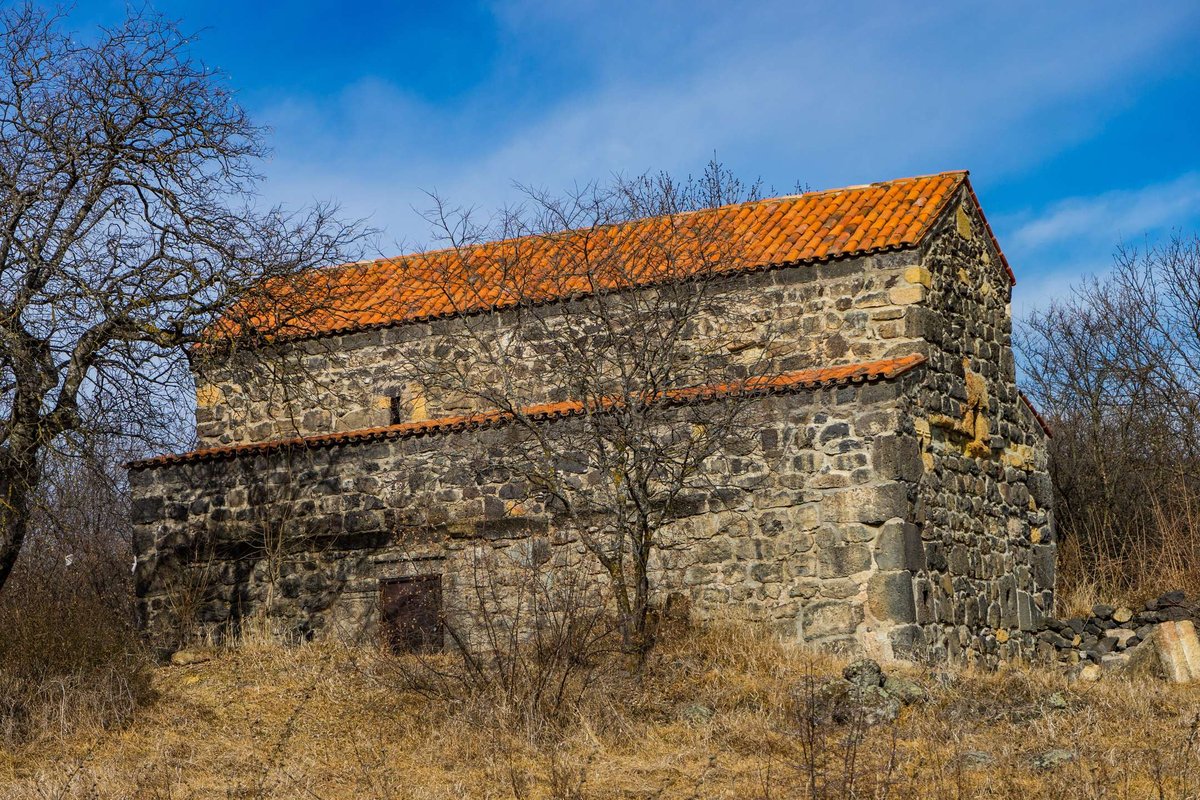
The Kldekari Fortress was built in the 870s by order of the feudal lord Lipart I Baghvashi. Due to its location, the fortress was considered one of the most impregnable. Only a small portion of the fortress remains. The fortress's unusual location and inaccessibility generate great interest among tourists. The historical events that unfolded around Kldekari have given rise to many legends.
The Baghvashi family of feudal lords is known in Georgian history for its defiance of royal authority. They inflicted great losses on King Bagrat III, who fought for the unification of the Georgian lands, and throughout the 10th century, they offered armed resistance to the royal troops. Lipart even dared to show disobedience to David the Builder. In 1094, David captured Lipart, sent him to Greece, and abolished the Kldekari principality. By the late Middle Ages, Kldekari no longer existed. Therefore, it is rarely mentioned in historical monuments.
The territory of Kldekari is part of the Algeti National Park.
Ancient fortresses and churches can be found throughout the country. Georgia is a fascinating religious country with an ancient history, preserved to this day by the Georgian people. Traditions and the memory of ancestors are held in high esteem here, which is why many monasteries and churches built thousands of years ago have survived to this day and are still active.
Of course, not everything has been preserved in its original form, such as Kldekari and Samshvilde, but even the ruins of these fortresses allow us to get a closer look at those times.
Read more about the Georgian people, their culture, and customs in Madloba's catalog. Here you will find articles and reviews of all the sights, life hacks for the perfect vacation, and the latest news about the country. Share your impressions, write comments, and get to know Georgia better!

34 comments
Log in to leave a comment