



Krubera Cave Guide: Depth, Map and Arabika Massif Route
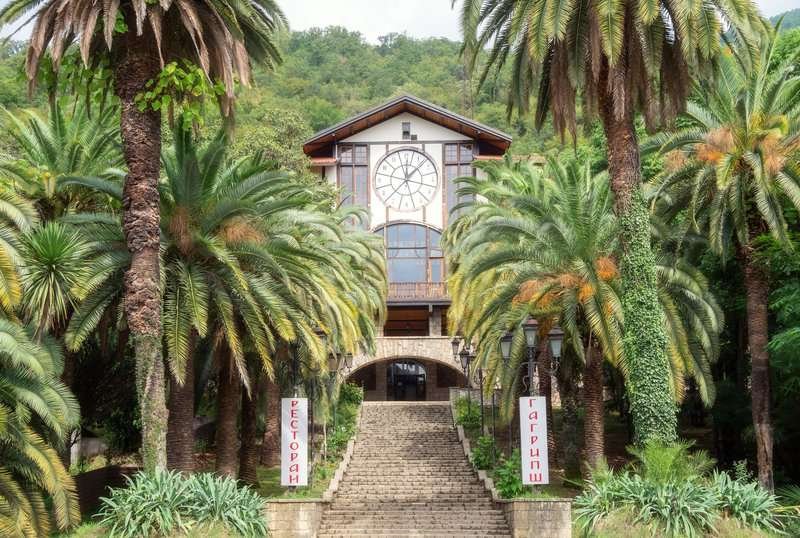
The building of the Gagripshi restaurant was constructed in Norway from Norwegian pine. From there to Gagra it was brought in a variety of forms and reassembled on the spot. It is noteworthy that not a single nail was used during the assembly of the restaurant. "Gagripshi" is still a symbol of the city.
Gagra located in a quiet bay, surrounded by mountains. The territory of the city has been inhabited since ancient times — as early as 20,000 years ago. In the II century BC, Greek colonists founded a small trading colony of Trigliths here. The bulk of the population consisted of Kolkhs and Greeks, who traded first with Greek, and then with Genoese and Venetian merchants, selling them locally produced products - wood, wool, honey and beeswax. The existence of the city in subsequent centuries is evidenced by the monument of early Christian Georgian architecture - Gagrin Basilica (VI-VII centuries), which is one of the oldest examples among the three-nave basilicas common in Georgia.
Russian Russian imperial family member, Prince of Oldenburg, decided at the beginning of the twentieth century that Gagra was to become a resort for the highest nobility - the Russian "Nice". By his decree, a coastal park was laid out, beautiful palaces, a hotel and a restaurant "Gagripshi" were built. Soon the first German tourists arrived here. And in 1912, the Russian Emperor Nicholas II visited Gagra.
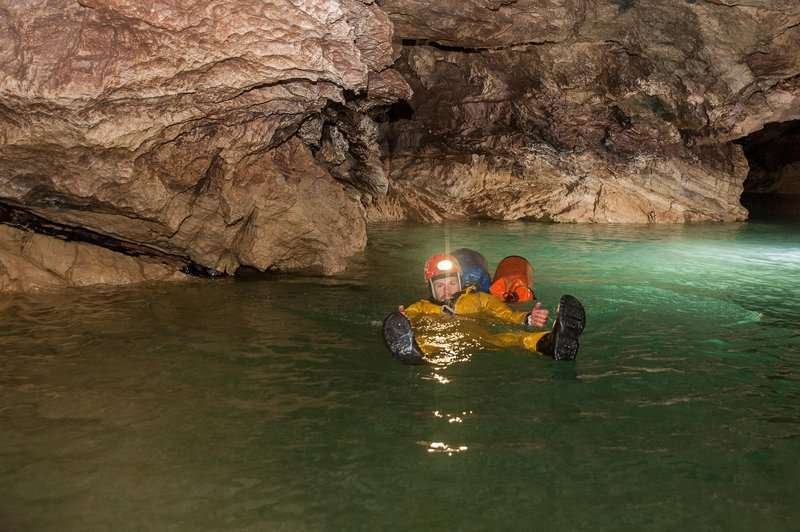
In the western part of the Gagra ridge, there is the Arabica limestone massif. There are many karst mines, caves, craters and wells. One of them, the Kruber-Voronya Cave, is the deepest hollow cave discovered in the world (2197 m). It is also called the "Bottomless Basin". Presumably, in the depths of Arabica, other now unknown ultra-deep karst mines and giant cave systems are still hidden.
The waters of the Kruber cave are fed by the shortest river in the world — the Reproa, the source of which is located 18 meters from the sea. Due to the fact that the river flows underground, the Guinness Book of Records does not recognize its right to be called the shortest river in the world.

39 comments
Log in to leave a comment
Особенно вдохновляют советы от местных 👣💬 — они подсказывают, какие маршруты выбрать, как безопасно пройти самые глубокие участки и где находятся самые впечатляющие залы для фото 📸✨ Благодаря таким подсказкам подготовка к визиту становится намного легче, и ты заранее представляешь, что тебя ждёт под землёй!
После такого экстремального подземного приключения хочется отпраздновать всё увиденное в уютном кафе ☕🍰, обсудив впечатления с друзьями за чашкой ароматного кофе или бокалом грузинского вина 🍷 — идеальный способ поделиться эмоциями и впечатлениями от такого необычного места 🌄💛
Мне очень нравится, как этот рейтинг помогает почувствовать атмосферу Круберы ещё до поездки: живые описания, отзывы путешественников и полезные подсказки делают путешествие настоящим открытием 🌿✨
А вы уже были в пещере Крубера? Какие ощущения или моменты там произвели на вас самое сильное впечатление — и стоит ли готовиться к настоящему подземному приключению? 🦇🌑👏
Гагра расположена в тихом заливе, в окружении гор, заселён ещё 20.000 лет назад!
Во II веке до н.э. греческие колонисты основали здесь небольшую торговую колонию Триглит. Население: колхи и греки, вели торговлю сначала с греческими, а затем с генуэзскими и венецианскими купцами, продавая им продукты местного производства - древесину, шерсть, мёд и пчелиный воск.
В начале ХХ века член русской императорской семьи, принц Ольденбургский, решил превратить Гагру в русскую "Ниццу", курорт для высшей знати. Построили прибрежный парк, дворцы, гостиницу и ресторан «Гагрипши». Первыми туристами были немцы. А в 1912 году Гагру посетил российский император Николай II.
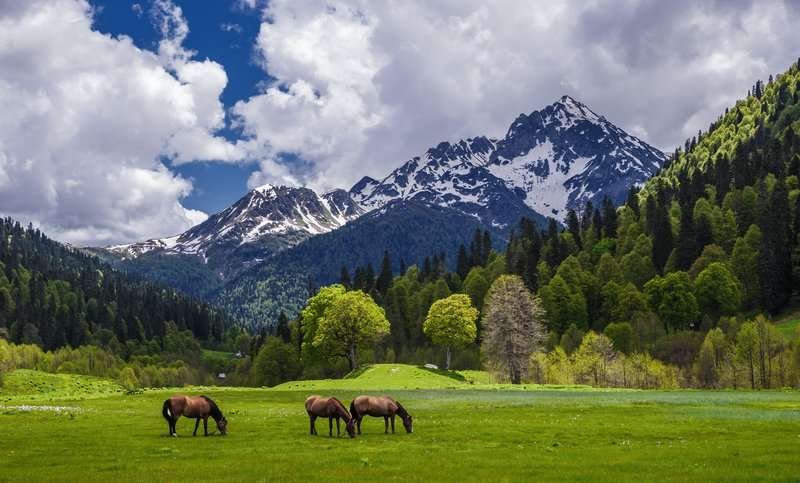
Здесь есть известковый массив Арабика, где много карстовых шахт, пещер, воронок и колодцев. Одна из них– Бездонная котловина –самая глубокая из открытых в мире полых пещер, более 2000 метров.
Водами пещеры Крубера питается самая короткая река в мире — Репруа.