




Vegetarian Georgian Food: 15 Recipes and Where to Try Them
Many associate Georgia with khinkali, shashlik, and meat dishes. But for vegetarians, an equally delicious world opens up: spicy, aromatic, and incredibly diverse. Traditional meatless dishes include not only salads but also hearty appetizers, hot dishes, and soups. Moreover, each region of the country has its own unique recipes, passed down from generation to generation for centuries.
If you've given up meat, no problem. Georgia will still surprise you.
Here are 15 authentic vegetarian dishes worth trying at a cafe, at the market, or even at a Georgian family's home.
1 Ajapsandali
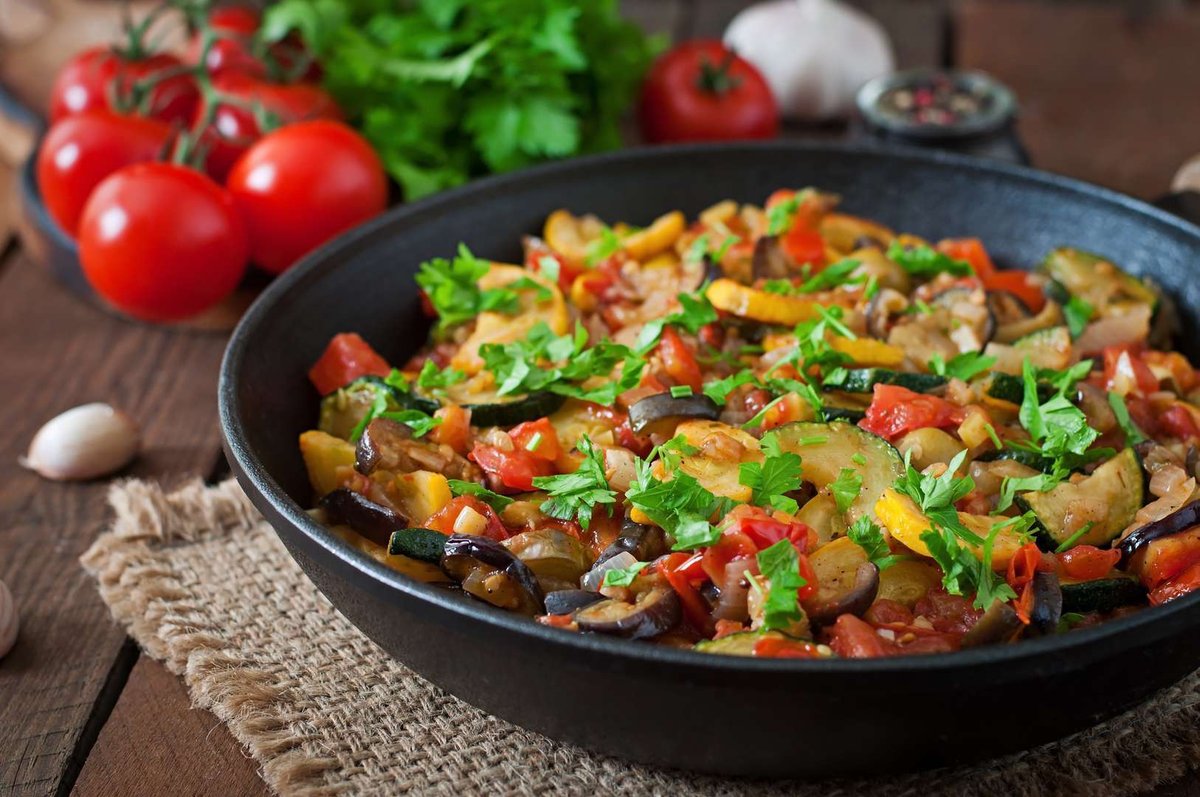
Ajapsandali is a flavorful mix of eggplant, bell peppers, tomatoes, onions, and plenty of herbs: cilantro, basil, and parsley. Potatoes are often added for a more filling version. The beauty of the dish is its versatility: ajapsandali can be eaten hot or cold. In a classic serving, the vegetables are stewed in their own juices until soft, then seasoned with garlic and spices (khmeli-suneli, coriander). It pairs perfectly with lavash or mchadi, a corn flatbread. If you like it spicy, ask for more chili pepper. You can try this dish at most restaurants in Tbilisi and Batumi, especially in the summer, when fresh vegetables are abundant. Find trusted places in the Madloba directory, which features establishments with traditional cuisine and highly rated reviews.
2. Lobio (including Amolesili lobio)
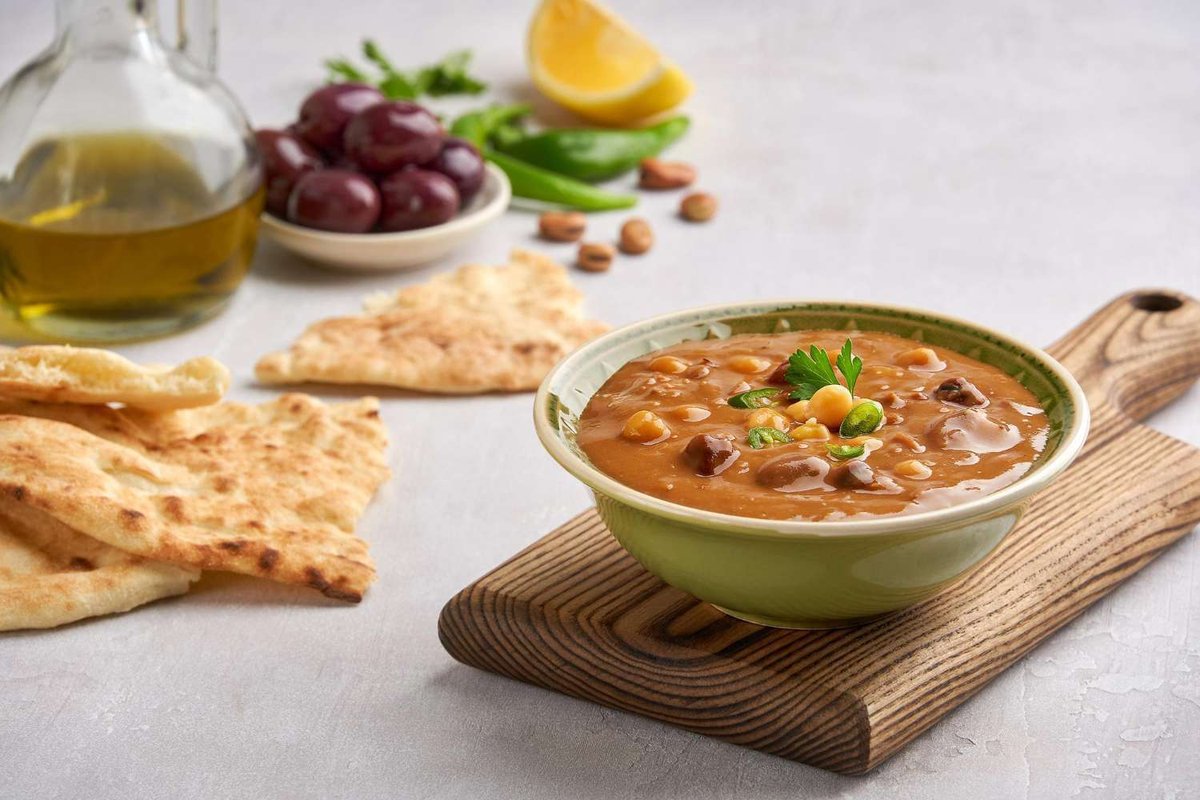
Lobio is a bean dish with dozens of variations across Georgia. The most famous version is made with red beans, slowly simmered with onions, garlic, cilantro, and walnuts. Amolesili lobio is made with green beans, which gives it a lighter flavor. Classic lobio is often served in a clay pot, seasoned with spices like utskho-suneli and topped with fresh onion rings before serving. A traditional side dish is mchadi corn cakes or shoti bread for dipping in the rich sauce. In western Georgia, lobio can be slightly spicier (thanks to adjika), while in eastern Georgia, it's milder. Look for it in family-run cafes, where cooking secrets are passed down from generation to generation.
3. Gomi with Suluguni
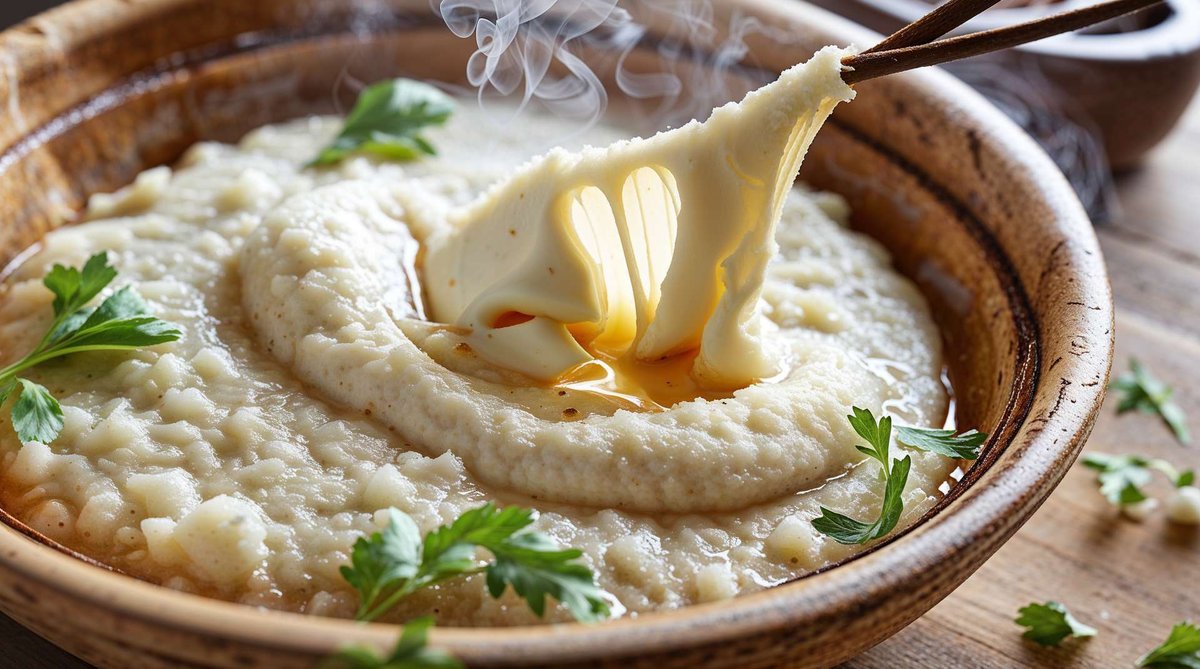
Gomi is a corn porridge similar in texture to mamalyga. In Megrelia, it often becomes a full-fledged meal if grated suluguni cheese is mixed into the hot mixture: the cheese melts and imparts a delicate, chewy texture. The texture of the porridge can be soft or firm, depending on the flour milling. On the second day, the gomi is often cut into pieces and fried in butter, creating delicious slices that can be eaten as fast food. Vegetarians especially recommend pairing it with fried vegetables or nut sauce. The best places to try authentic gomi are in Megrelian restaurants or in the villages of Western Georgia, recommended by the Madloba directory.
4. Eggplant with nuts
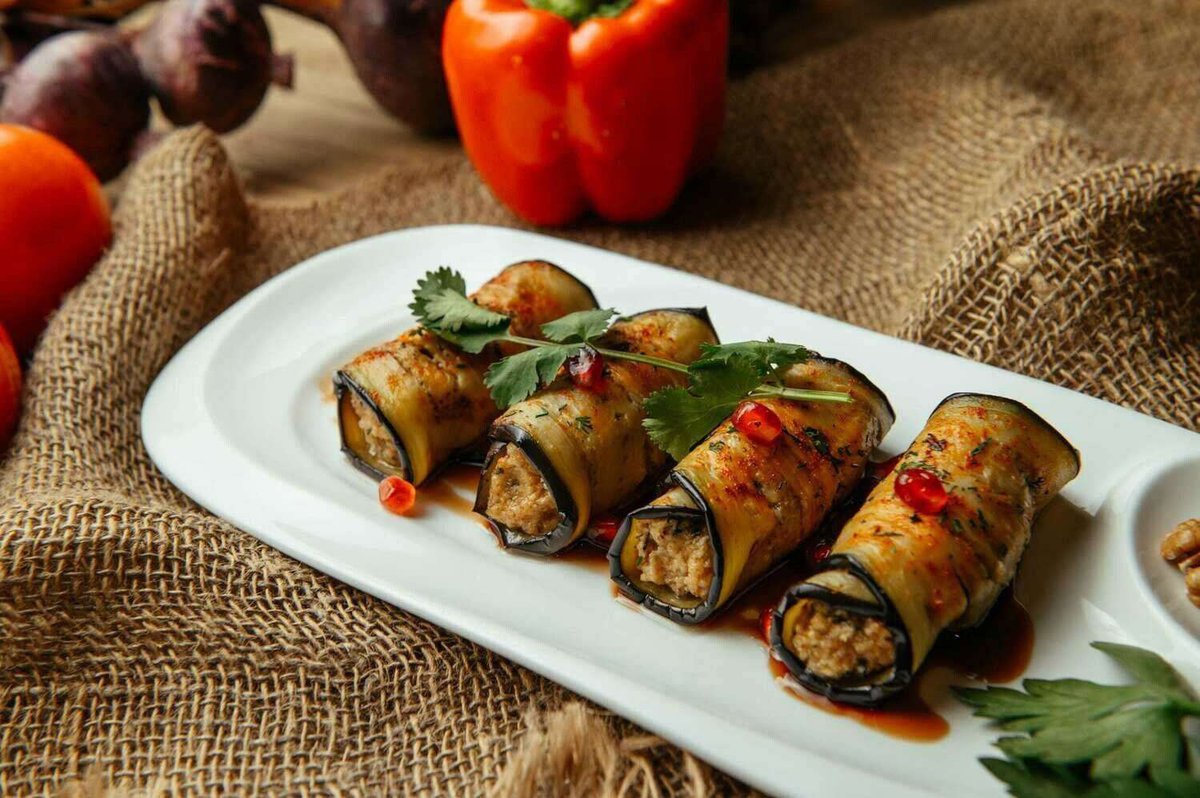
One of the most recognizable dishes of Georgian cuisine: thinly sliced eggplant, fried in oil and rolled with a nut paste inside. The paste typically includes walnuts, garlic, cilantro, and sometimes a touch of vinegar to balance the flavor. Pomegranate seeds are garnished on top, adding a vibrant color. Despite its simplicity, the result is very filling and spicy. Some restaurants bake the eggplants for an additional richness. It is usually served as a cold appetizer. If you want to explore the full range of Georgian appetizers, be sure to order eggplant with nuts along with pkhali and grape juice.
5. Gandzili (ramson)
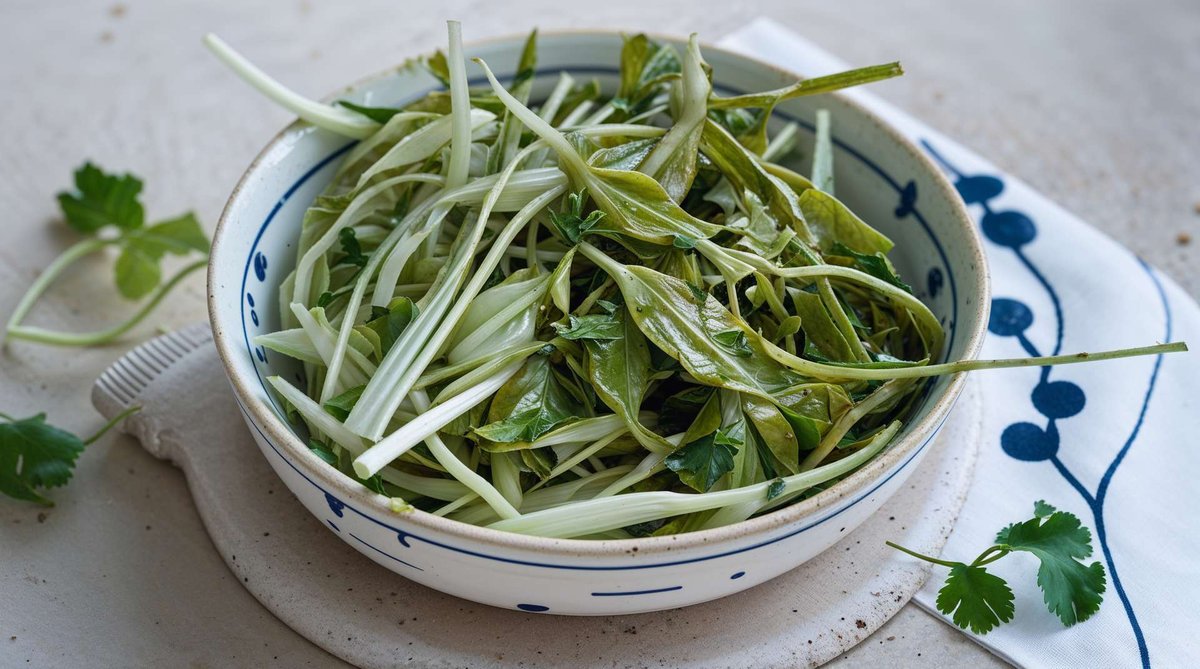
Gandzili is a traditional dish, especially beloved in Kakheti. It's made with fresh or cooked wild garlic mixed with vegetable oil, wine vinegar, cilantro, and a pinch of salt. When marinated, gandzili tastes like a cross between spinach and sauerkraut, with a piquant flavor. Its peak season is late winter and early spring, when wild garlic is particularly tender. It's considered an excellent appetizer before a main meal and is rich in vitamins. If you're feeling adventurous, try adding a little spicy adjika to gandzili—the culinary combination will be unforgettable.
6. Pkhali (from spinach and not only)
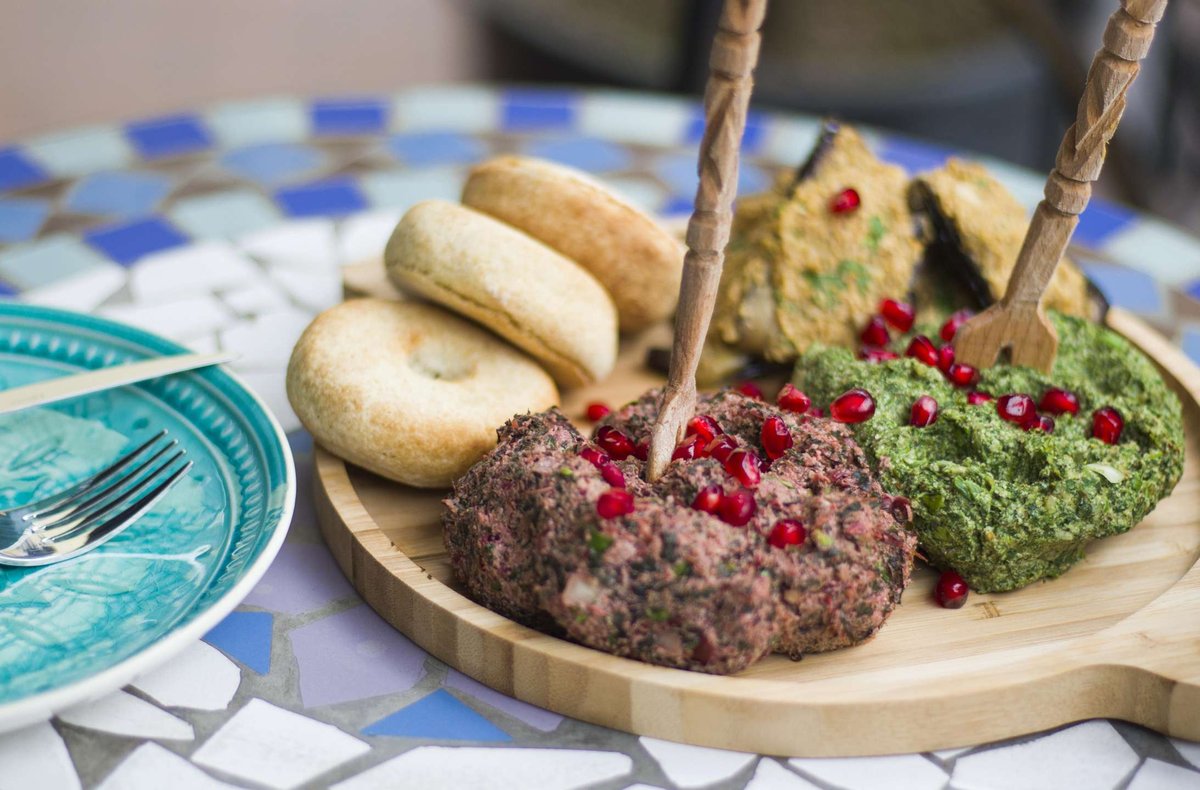
Pkhali is a whole category of dishes where chopped vegetables (spinach, beets, cabbage, radish tops) are mixed with nut paste and spices. The classic version is spinach pkhali: the succulent greens are boiled, then thoroughly squeezed and chopped together with garlic, spices, and walnuts. Small balls are formed, an indentation is made in the center, and they are garnished with pomegranate seeds or a drop of nut oil. There are countless variations of pkhali: some add dill, others cilantro, and still others make it spicier. Order several types at once to test out the different flavors. Many restaurants featured in Madloba serve pkhali as a platter, which is especially convenient for tasting.
7. Tutmaji
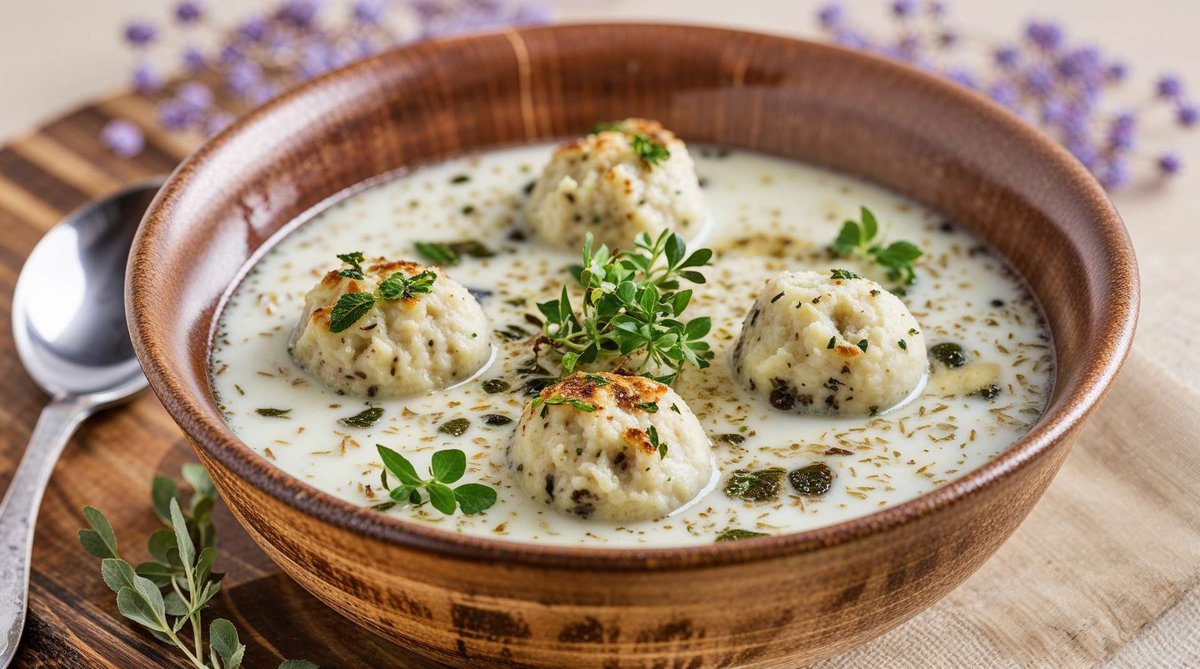
Tutmaji is a rare but very colorful fermented milk soup, typical of Meskheti (the southwestern region of Georgia). It's made with matsoni (a thick yogurt product) diluted with water or broth, then topped with small balls of dough (sometimes with herbs inside). The vegetarian version is meatless but can include vegetable oil, herbs, and, if desired, spices. The flavor is mildly tart, and the dough balls add a rich, nutritious flavor. Tutmaji is harder to find in large Tbilisi restaurants, but it's quite common in regional cafes or in the homes of home cooks.
8. Dogwood shechamandi
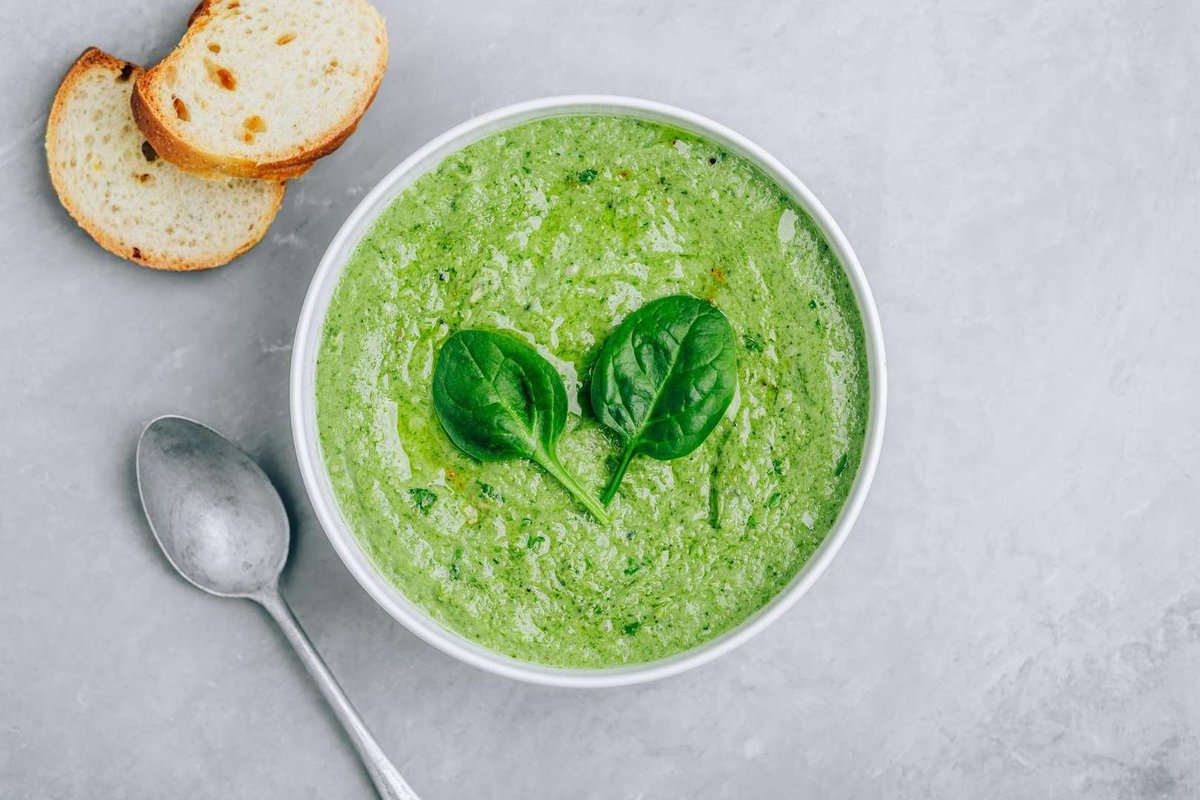
Shechamandi is a Georgian soup known for its unique sweet and sour flavor. The base is dogwood: fresh berries, a decoction, or even tklapi (dried dogwood pulp). For vegetarians, this is a great way to try something unusual without fear of meat. Georgians believe dogwood has healing properties, helping to fight colds and strengthen the immune system. The flavor of shechamandi can range from neutral to very sour, depending on the ripeness of the dogwood. If you're feeling adventurous, ask restaurants if they serve this unique soup—it's most often found in home recipes, but more and more establishments are adding it to their menus.
9. Cabbage chashushuli
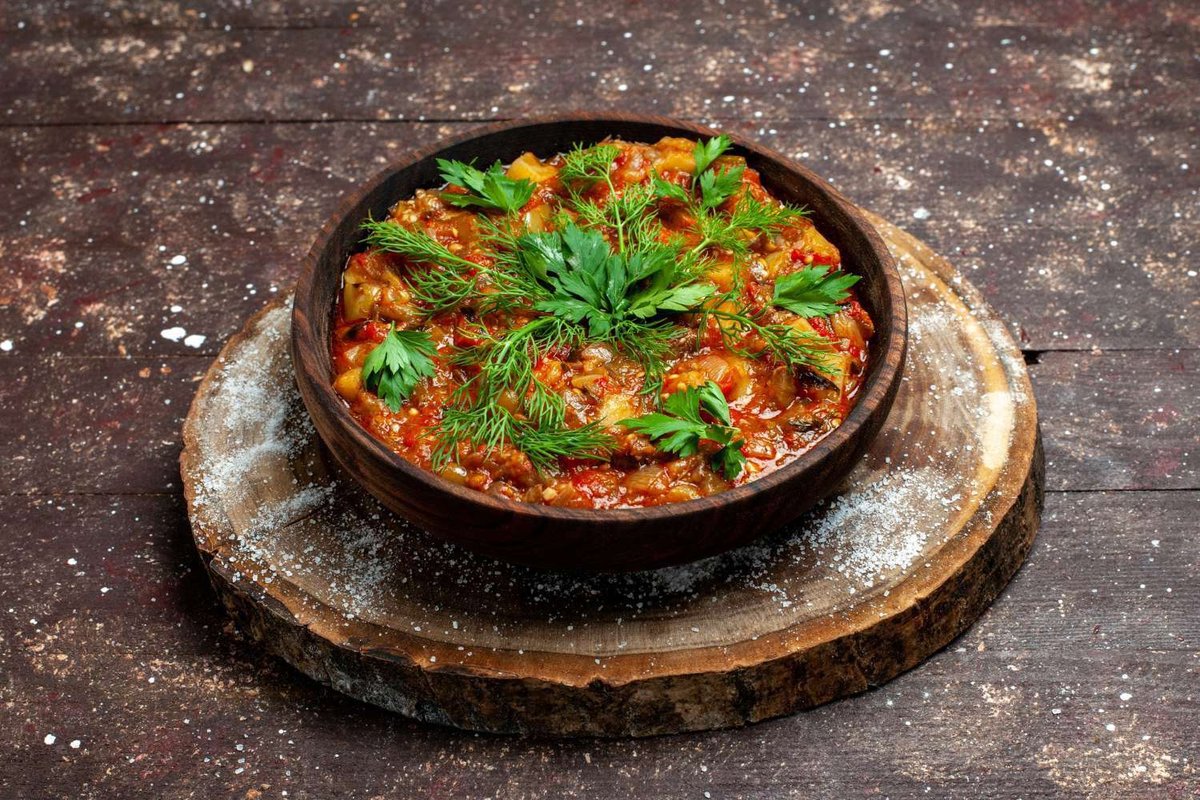
Traditional chashushuli is usually made with meat (veal or beef) simmered in a tomato-onion sauce with adjika. However, in vegetarian adaptations, the meat is replaced with cauliflower, broccoli, or cabbage. Spices (khmeli-suneli, coriander) and herbs (cilantro) remain the same, preserving the same delicious aroma. Serving it in a clay pan (ketsi) gives the dish a homey charm. It's great served with lavash bread, which absorbs the sauce. Some cafes also add bell peppers for an even more vibrant flavor. You can find it on menus under the names "vegetable chashushuli" or "cabbage chashushuli."
10. Martsveni
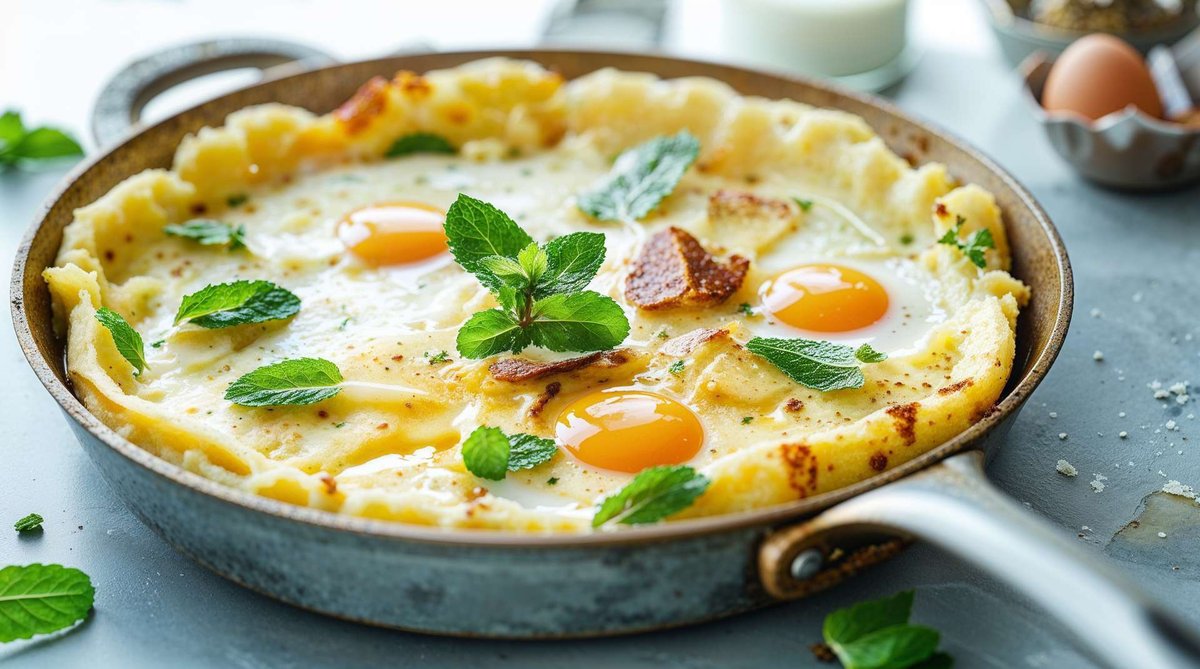
Martsveni is a virtually forgotten Megrelian recipe found only in western Georgia or in a few restaurants that focus on the cuisine of the Samegrelo region. It's a mixture of eggs, flour, suluguni, mint, and milk, poured into a frying pan and lightly baked. Its consistency is reminiscent of a cross between an omelet and thick cheese pancakes. The mint adds a fresh flavor, and the suluguni adds a distinctive salty note. For vegetarians, this dish can be a real find, especially if you enjoy the combination of cheese and herbs. It's recommended to eat it immediately, while it's still warm. Serve with mchadi corn cakes or fresh vegetables.
11. Chvishtari
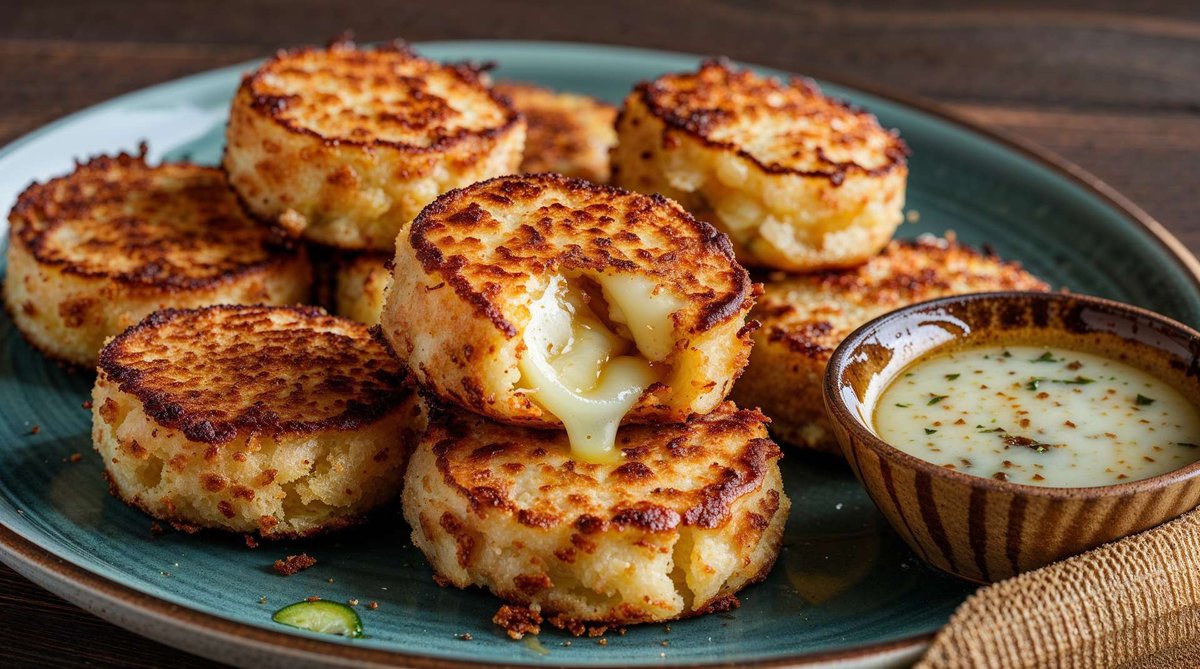
Chvishtari are corn flatbreads with slices of suluguni cheese. When fried, the cheese melts, creating a delicate texture inside. The outside is crispy, while the inside is a gooey, cheesy mass. This dish is often eaten for breakfast or as a quick snack. It is especially popular in Svaneti and Samegrelo. The vegetarian version, of course, does not use meat broth. Chvishtari is served with matsoni, savory sauces, or vegetable salads. A great choice for those looking for something simple yet delicious.
12. Mchadi
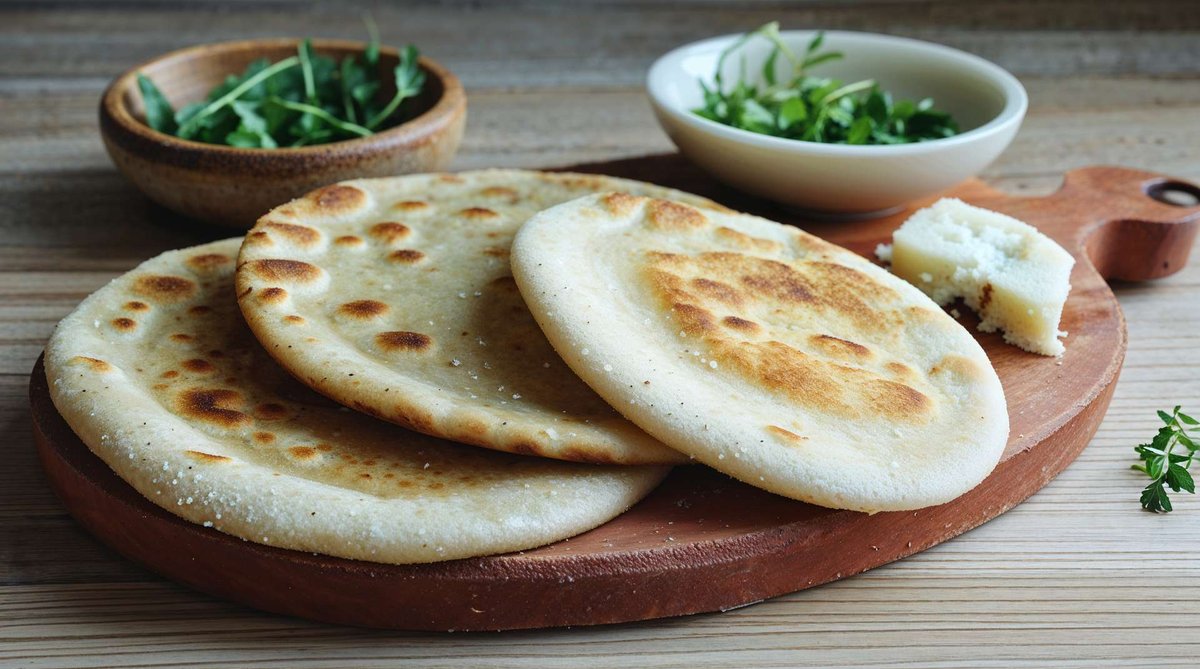
Mchadi are simple, unleavened corn flatbreads that are fried in a dry frying pan or baked in a tonă (traditional oven). They are served as a bread alternative with beans, stews, and soups. Mchadi are ideal for vegetarians, as they contain only three ingredients: cornmeal, water, and a pinch of salt. Sometimes the flatbreads are seasoned with butter and garnished with herbs. Restaurants also serve a version called "gakhmartovani mchadi," filled with cheese. However, even without cheese, they are a wonderful accompaniment to lobio. If you're looking for gluten-free bread in Georgia, mchadi is a real lifesaver.
13. Kuchmachi without meat (mushroom or vegetable)
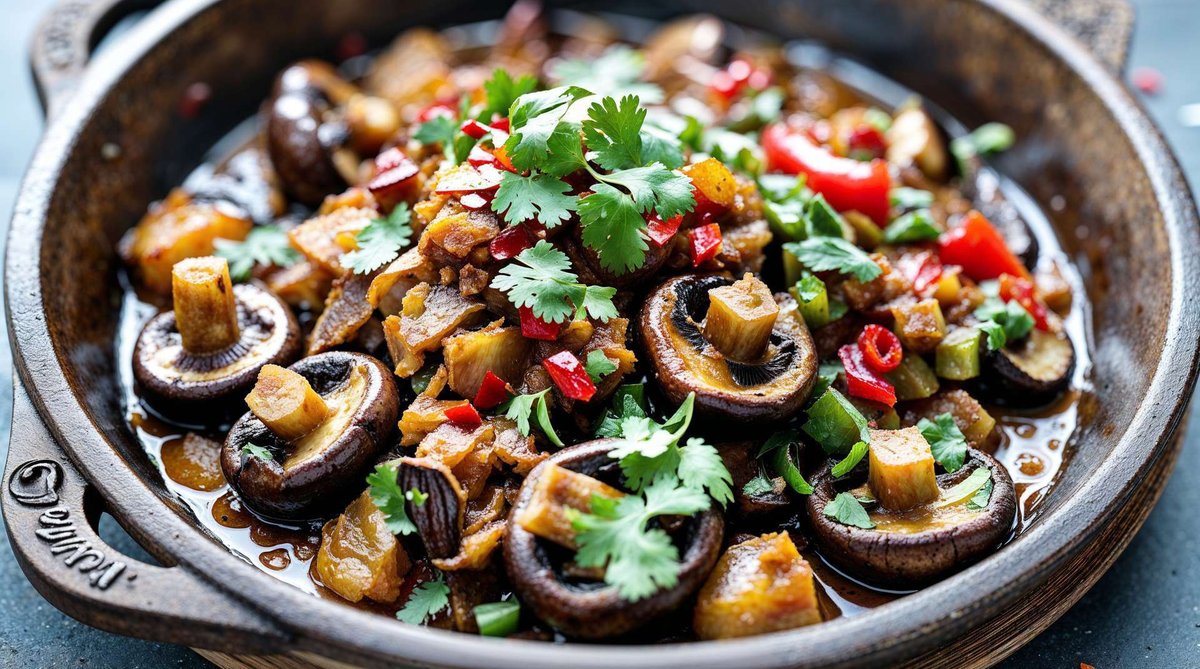
Kuchmachi is typically made from offal, but some Georgian chefs experiment by substituting mushrooms or eggplant for the meat and adding the same spices (red pepper, garlic, onion, and herbs) to create a vegetarian version. The flavor is spicy, slightly hotter than a classic stew, and the vegetables or mushrooms are soaked in the rich sauce. It's best served in a ketsi (clay pan) to keep the dish warm longer. This variation of kuchmachi is becoming increasingly popular in Tbilisi's markets and restaurants thanks to the trend toward plant-based cuisine.
14. Jonjoli
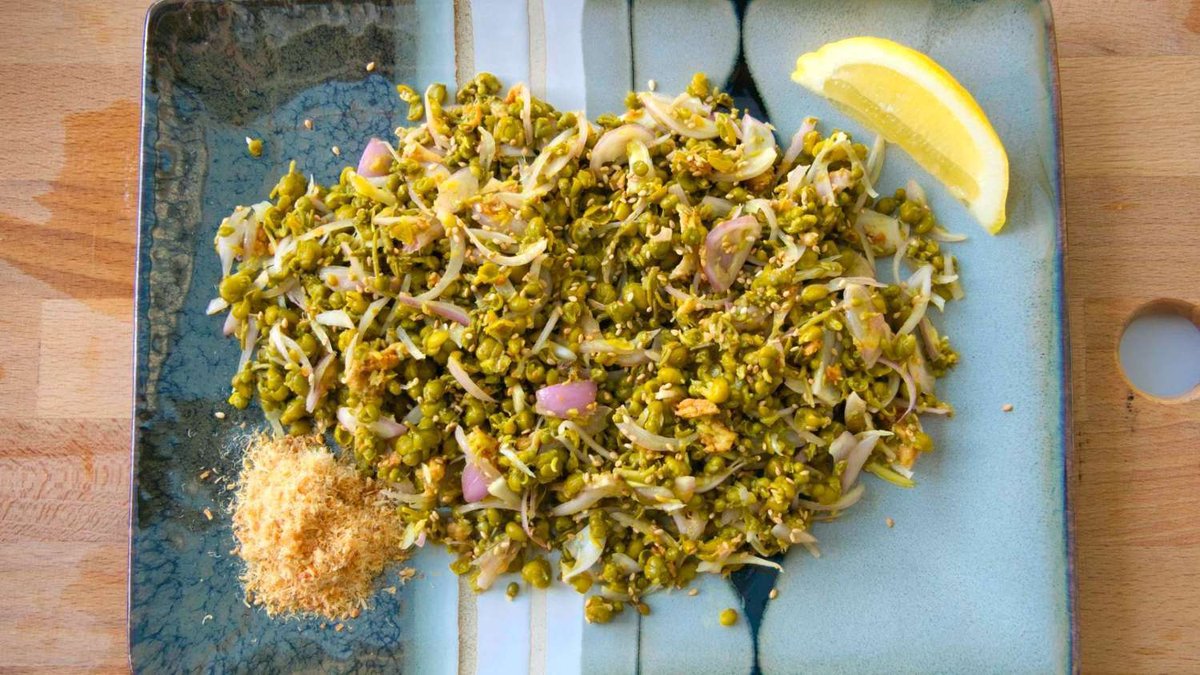
Jonjoli is the pickled shoots of a plant that grows in mountainous regions. It tastes like capers, only slightly more floral and fresh. It's considered a delicacy that Georgian housewives preserve in the spring. It's served as a cold appetizer with onions, oil, and a little vinegar or lemon juice. For vegetarians, jonjoli makes an interesting addition to salads or nut appetizers. It's best to try it in authentic places where the chefs or owners prepare the product themselves. If you're looking for a rare appetizer on the menu, be sure to check out jonjoli.
15. Georgian salad with nut dressing
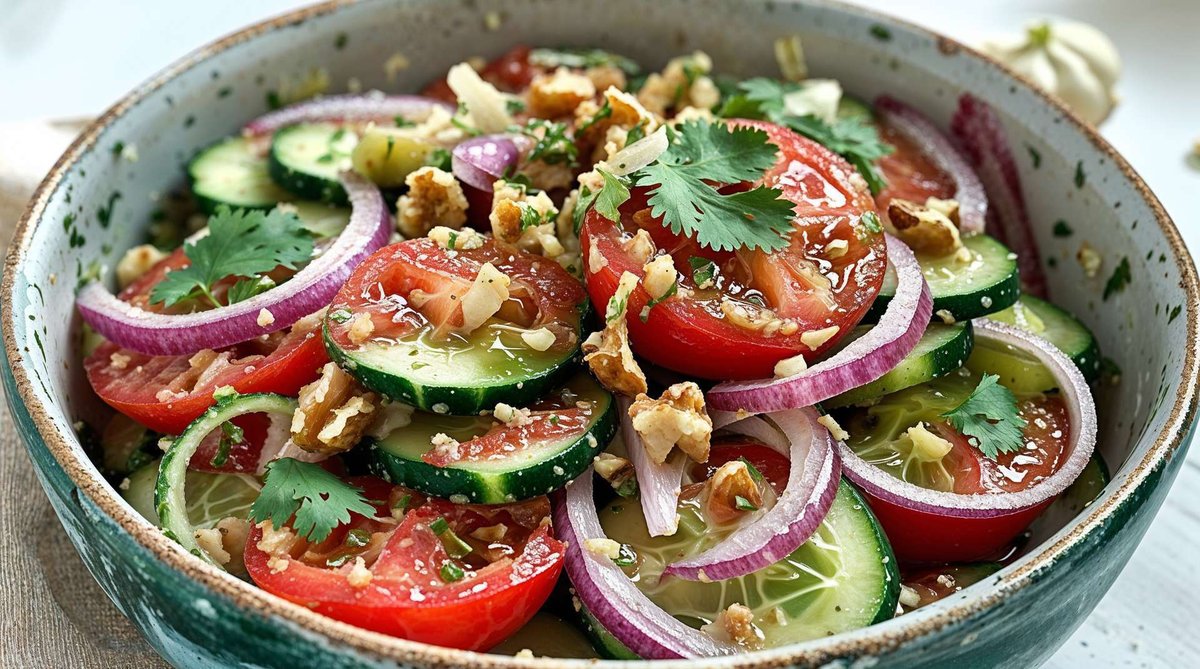
Our selection ends with a simple yet incredibly flavorful salad of fresh tomatoes, cucumbers, onions, and herbs. Its highlight is the nutty dressing made with walnuts, garlic, and sometimes wine vinegar. The dressing is whipped into a paste, which is then mixed with chopped vegetables. The result is nutritious and fresh. In the summer, this salad is a real relief from the heat, and in the winter, it provides a boost of vitamins. If desired, you can add a little chili pepper for a spicy kick. We recommend serving it with lobio or ajapsandali to experience the richness of vegetarian Georgian cuisine.
Where can I find all this?
You can easily find most of the dishes listed in restaurants and cafes in Tbilisi, Batumi, and Kutaisi. To avoid making a mistake, check out the Madloba directory—it features trusted places with detailed menus and customer reviews, including vegetarian options.
Frequently Asked Questions about Georgian Vegetarian Cuisine
In most cases, yes, but check with the waiter - sometimes soups or sauces may contain additives.
White (tsolikauri, rkatsiteli) or qvevri wines are often recommended, emphasizing the flavor of nuts and herbs.
Yes, and their number is growing. You can find a clue in Madloba, which has a section on vegetarian and vegan establishments.
Always ask about broths or seasonings, especially in soups and sauces.
Summer and early autumn: at this time there is an abundance of fresh vegetables, herbs and fruits.
Ask the chef to remove nuts from the recipe or replace them with seeds (pumpkin, sunflower) - many establishments will accommodate you.
No, they are usually cheaper or equal in price to meat options.
Yes, for example, fried gomi or grilled corn, as well as flour products like mchadi.
Yes, with potatoes, mushrooms or herbs, without eggs and milk in the dough - check the recipe.
“მე ვეგეტარიანელი ვარ” (Me vegetarianeli var).

24 comments
Log in to leave a comment
Как девушка, которая любит прогулки по рынкам, уютные кафе и блюда без мяса, я с радостью отмечала для себя каждый пункт: пхали с зеленью и орехами, лобио в глиняном горшочке, нежный сулугуни и освежающий матсони — всё звучит как идеальное меню для долгой грузинской трапезы.
Особенно вдохновили рекомендации где искать эти блюда: я уже мечтаю заглянуть в кафе Cafe Leila в Тбилиси, где по отзывам читателей подают фантастическое имерули хачапури без мяса, а затем отправиться в Batumi Mall на прогулку с ачарули хачапури у моря.
Очень полезны и советы от местных: они подсказывают, как просить блюда без мяса на рынке или в семейных двориках, а также какие сезонные овощи лучше всего пробовать вместе с грузинскими специями. Отзывы других путешественников тоже помогли составить список must‑try локаций!
Спасибо автору за такой насыщенный и дружелюбный путеводитель!
А какое вегетарианское грузинское блюдо вы хотели бы попробовать первым — пхали, лобио или особенный хачапури? 🥟💚🇬🇪