




Ushguli: What to See in the Highest Village in Europe
Svaneti is a mountainous region in northwestern Georgia, a place where pristine nature has been preserved. The region attracts tourists from around the world, although its beauty is not easily accessible.
People come here to hike mountain trails, enjoy the natural beauty, and immerse themselves in the Middle Ages. And most importantly, to see the famous Svan towers. And they also seek thrills, as access to Ushguli can be achieved not only by hiking, but also by following a narrow mountain road over a cliff.
The village of Ushguli
The Ushguli community is considered the highest permanently inhabited place in Europe. It's a community, not a village. It's located at an altitude of 2,200 meters, at the foot of Mount Shkhara, Georgia's highest mountain at 5,193 meters.
Ethnographers believe the name Ushguli is a combination of the words "ushishari" and "guli," meaning "fearless at heart." The people here are courageous and fearless. For centuries, they have lived by their own laws, defended their villages from enemies, and survived in harsh natural conditions.
The community consists of four villages: Chazhashi, Zhibiani, Chvibiani, and Murkmeli. They are home to 70 families, about 200 people, a school, and shops. Due to natural and climatic conditions, the community is cut off from the outside world for about six months—snowfalls block all roads. Chvibiani is the center of public life; the village is home to the main infrastructure: guesthouses, hotels, cafes, a couple of shops, and a museum.
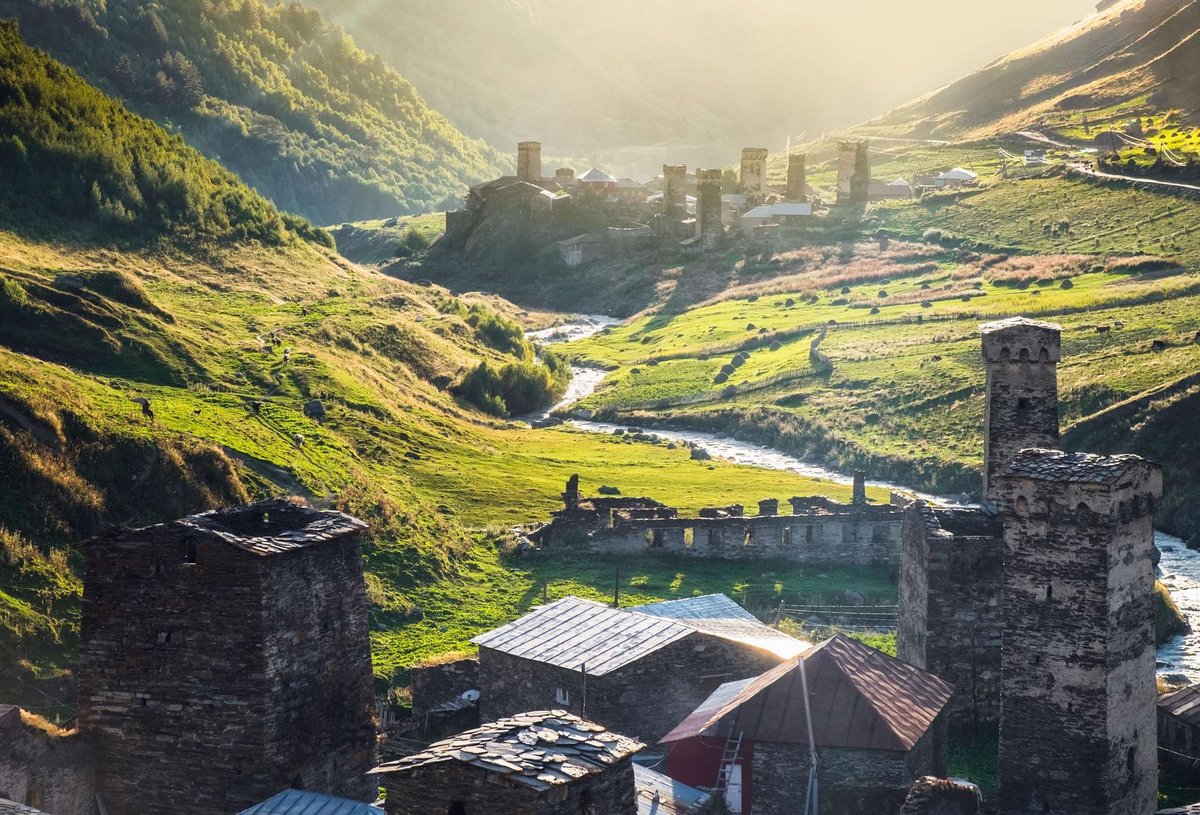
Chazhashi is an open-air museum. You can walk or ride horseback between the houses and towers. The streets are quite narrow. It's worth wandering through them to understand and experience the local flavor. The Chazhashi towers are covered with flagstone, which distinguishes them from others.
Thanks to the preservation of Chazhashi's medieval appearance, as well as its natural scenery, the village of Ushguli and the Svan towers are listed as UNESCO World Heritage Sites.
Near the village, the Lower Chazhashi Castle stood on a hill; only ruins remain. From here, the best views of the village and the surrounding mountains open up. And at the top of the hill, beyond the forest, stands the Upper Castle. Legend has it that Queen Tamar stayed there.
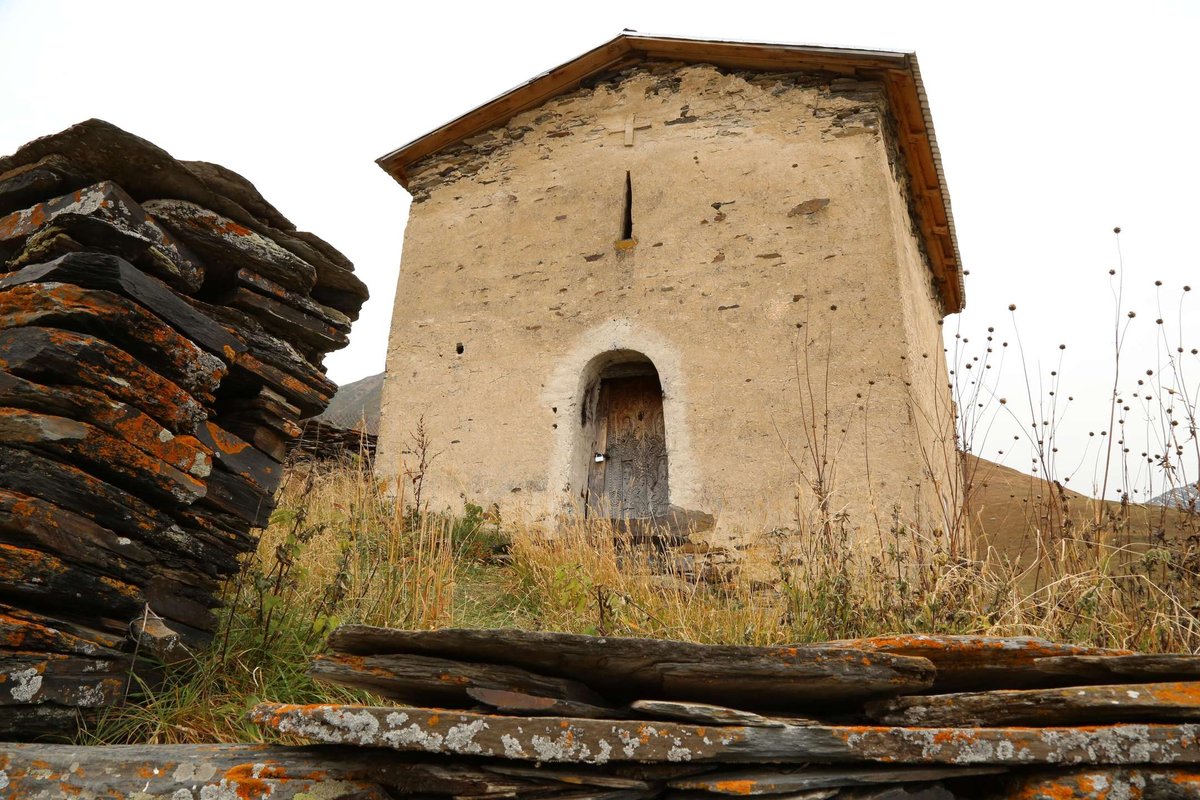
In the village of Murkmeli, the Church of St. Barbara and the Church of the Savior are worth visiting.
Zhibiani. The White Church, or Jrag, is of tourist interest. It is also called the Church of St. George. Nearby stands the Lamaria Monastery, surrounded by a stone wall.
The Svans are distinguished from the lowlanders by their reclusiveness. Yes, they are hospitable and friendly, but they do not engage in lengthy conversations with strangers. Sometimes you can arrange for an overnight stay and dinner in the home of a Svan family. But don't expect a large family feast with rivers of wine and stories about life in the mountains.
This is not the custom among the Svans, and they also drink vodka more often than wine. The mountain dwellers are calm, unhurried, accepting life as it comes, with humility and a certain resignation to fate. But everyone will rise to the defense of their homes from an enemy without a second thought. It so happens that this mountain village has never been captured by an enemy. Nature itself leaves its mark on the local people's character and way of life. They continue to live by the ancient laws of the clan community. There are no special excesses here; everything is designed for comfort.
Watchtowers stand on the outskirts of the villages. Each family had their own, a clan watchtower, next to their home. It served as a watchtower, a food storage facility, and a shelter in case of a siege. A secret passage or tunnel led from the house to the watchtower.
Roads leading to Ushguli
There are flights from Tbilisi to Mestia, but not daily. You can take the train to Zugdidi and then take a minibus from there. Alternatively, you can rent a car directly from Tbilisi, preferably an SUV.
The distance from the district center, Mestia, to the community is 45-50 km. Mountain trekkers can hike, which takes several days.
If you're short on time, rent a car with a local driver in Mestia for 180-200 lari. This way, the trip will take just one day, giving you time to see the main sights of Upper Svaneti.
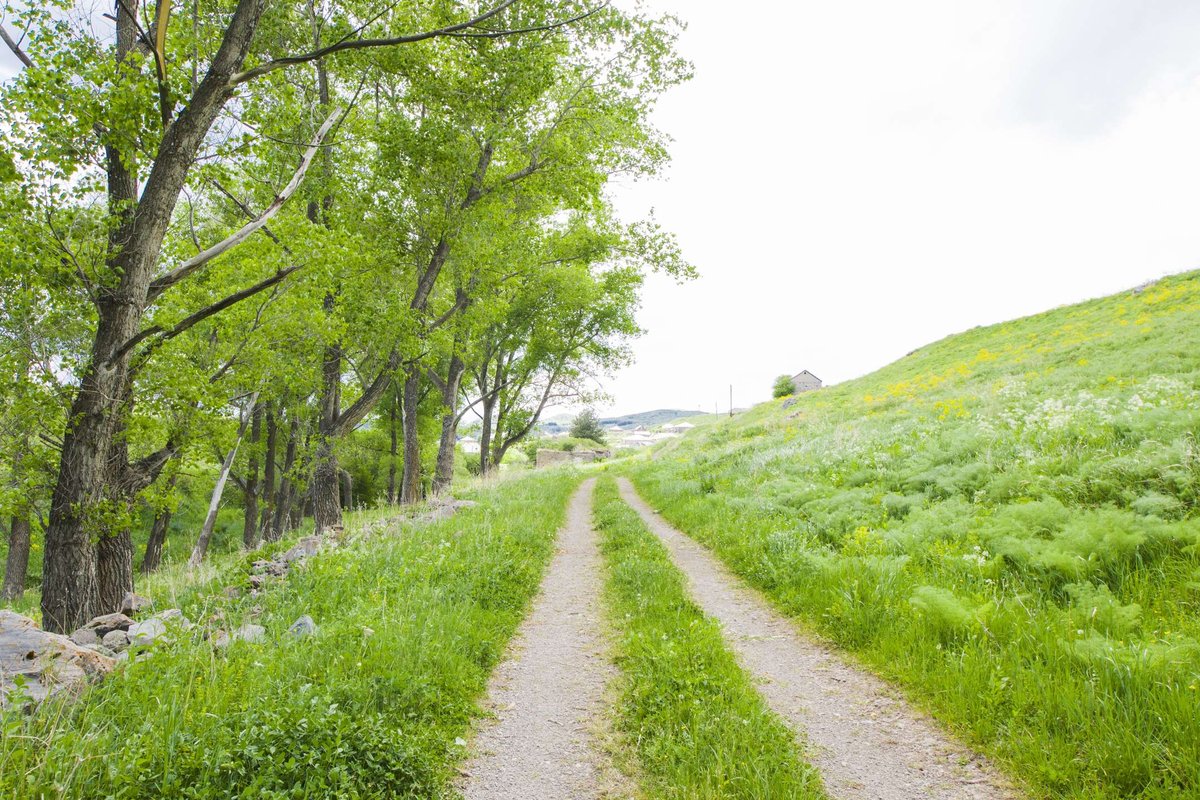
The road runs through a canyon, along the Inguri River. The natural beauty is breathtaking! By arrangement with the driver, you can stop for photos at the most picturesque spots.
There's also a road from Lentekhi to Ushguli. It's in poor condition and rarely used. Only a powerful SUV is used in dry weather. Most people travel on foot. To better understand and explore these places, it's worth staying in the community for a while. You can book a stay in a high-altitude hotel or guesthouse through booking websites.
Ushguli's tourist menu
- There are museums in Mestia. One of them is the Museum of History and Ethnography of Svaneti. It covers everything about the life and traditions of the Svans. Many valuable relics have been collected in the old villages, all of which are kept in the museum.
- Medieval fortified houses, towers, and temples.
Ushguli's main attraction is its more than 200 famous Svan towers, built between the 8th and 13th centuries, all well preserved. The towers are stone, multi-story, with wooden interiors. They had no street entrance. Now, some towers have doors for tourists; you can enter, but be careful to avoid injury.
There are five churches in the community. This is due to the harsh natural conditions. Residents are cut off from the outside world for almost half a year. Georgians, including Svans, are very religious.
Zhibiani has two museums: an ethnographic museum and an icon museum. The ethnographic museum is housed in a private house. Built in the 16th century, it is a landmark in itself. The museum is privately owned and open from morning until late evening. Admission is 5 lari.
- Skiing: Tetnuldi and Hatsvali resorts.
- Horseback riding along mountain trails.
- Hiking:
- Mestia – Ushguli (approximately 50 km, 3-4 days);
- Zhabeshi – Ushguli (3 days);
- Ushguli – Shkhara Glacier, source of the Inguri River (6-7 km one way, 7-8 hours);
- Lentekhi – Ushguli (55 km). The route through the Zagar Pass is challenging: it features switchbacks and steep trails. The Zeskho mountaineering camp was built at an altitude of 1840 m in 1960. Tourists will also see abandoned temples from the 8th and 9th centuries;
- Ushguli – Latpari Pass – the shortest route.
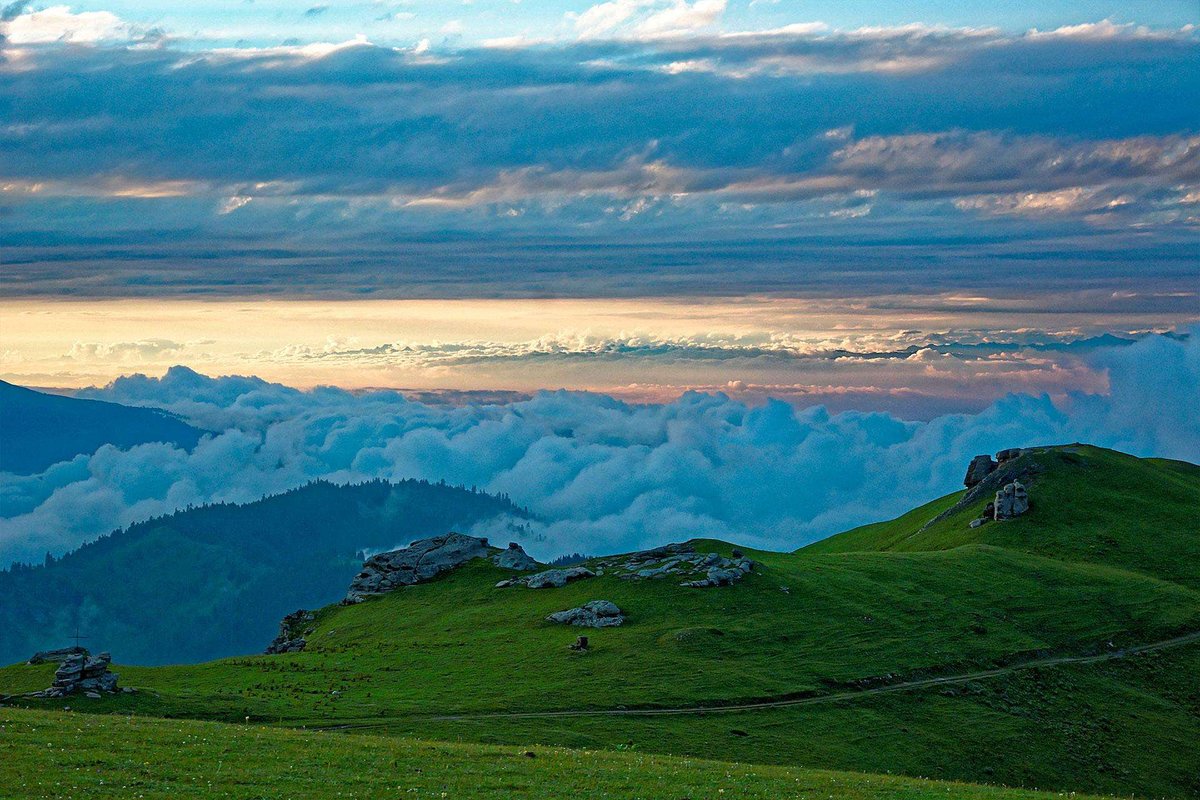
Contemplation of the surrounding nature, meditation overlooking Shkhara.
Where to live
Although life here has changed little over the centuries, civilization is making its way here. Tourist infrastructure is developing.
Hotels are located in the village of Chvibiani, and the "Koshki" café, well-known among tourists, is also located here, offering a clear view of Mount Shkhara.
Another accommodation option is pitching a tent in the yard of a private home for a fee. You can use electricity, water, and all the amenities provided by the hosts. If you're not comfortable spending the night far from people but still want to camp, look for signs that say "Place for tent." This is semi-extreme accommodation.
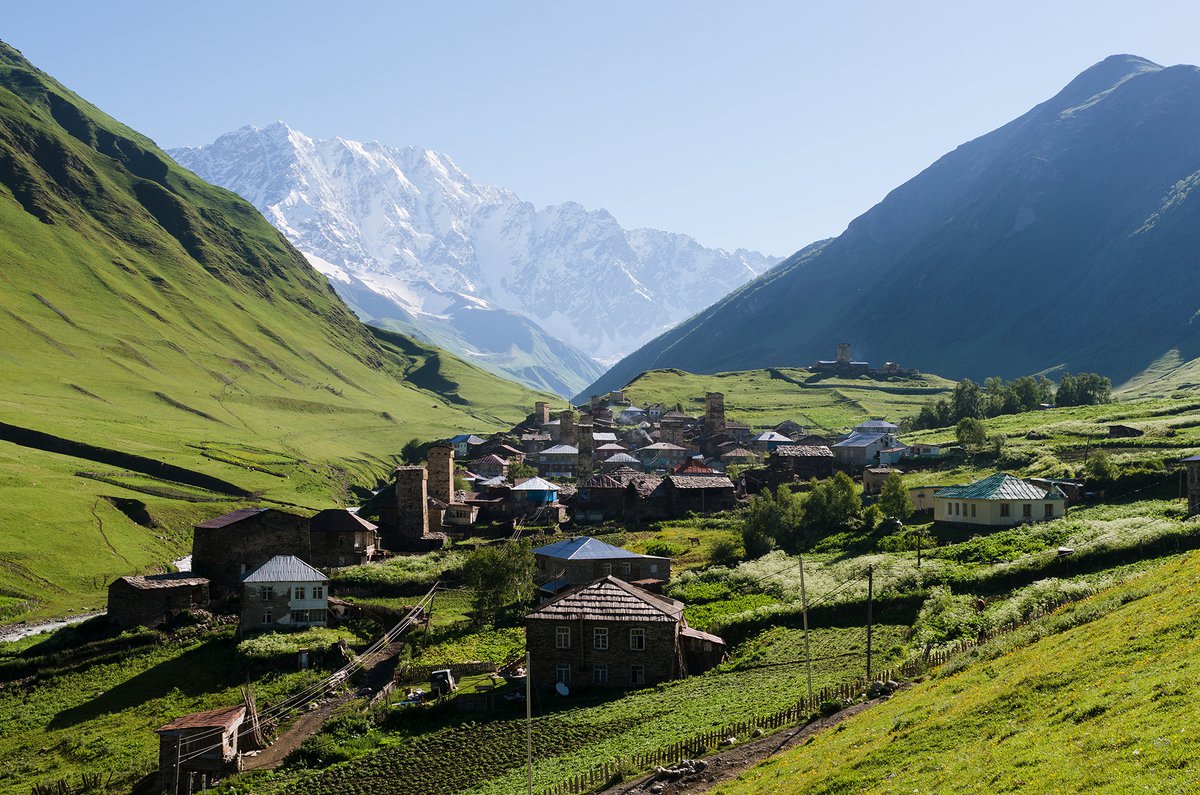
Ushguli has preserved a medieval atmosphere. You should come here to experience the customs and culture of the proud Svans and to understand them.
A large number of attractions are located in a small area. All this is set against a backdrop of wild, untamed nature. There's no other place like it in Georgia. This is precisely why tourists flock here, defying all the travel hassles.

36 comments
Log in to leave a comment
Да, дорога была настоящим испытанием, но именно в этом и кроется тот самый адреналин, за которым едут приключенцы. А как встретили местные! Столько дружелюбия и тепла, кажется, что ты - часть их мира, хотя всего на пару дней. Вечером сидеть у костра и слушать истории местных - это что-то особенное. Есть в этом что-то магическое. И, знаете, уезжая оттуда, я оставил часть себя среди тех гор. Каждый, кто хоть раз там побывал, помнит это чувство.
Mais quelle beauté ! Les paysages semblent s'étirer à l'infini, un mélange de vert et de gris. Je me suis senti à la fois minuscule et privilégié. Les gens, eux, sont un vrai mystère. Leur accueil est chaleureux, mais il faut toujours naviguer entre respect et curiosité.
Je suis resté avec plus de questions qu’en arrivant. Comment appréhender au mieux les coutumes locales sans froisser leur culture si riche ?
Отдельное спасибо за практические советы о том, как добраться и где остановиться. Очень полезно для планирования поездки. А ещё мне кажется интересным идея разместиться в палатке во дворе — звучит как настоящий опыт погружения в атмосферу. Теперь Ушгули точно в моём списке мест, которые нужно посетить!