




Omalo: High-Mountain Village in Tusheti and What to See
The largest village in Tusheti, which also serves as the regional administrative center, is called Omalo and is divided into two parts: Old and New Omalo. From Old Omalo, founded in the 18th century, people began moving downhill and settling the flatlands.
This is how the "younger" part of the city, New Omalo, was formed. This village is located in the Akhmeta Municipality on the Kakheti side and, as mentioned above, is the largest village in the region.
Previously, the village was formed around the fortress, meaning these structures were the center of the village. However, over time, as New Omalo began to develop, the towers lost their central role in the settlement and began to be used only as shelters from enemies during attacks.
Several towers remain today, one of which houses an ethnographic museum. Here you can see the everyday and military weapons of Tusheti.
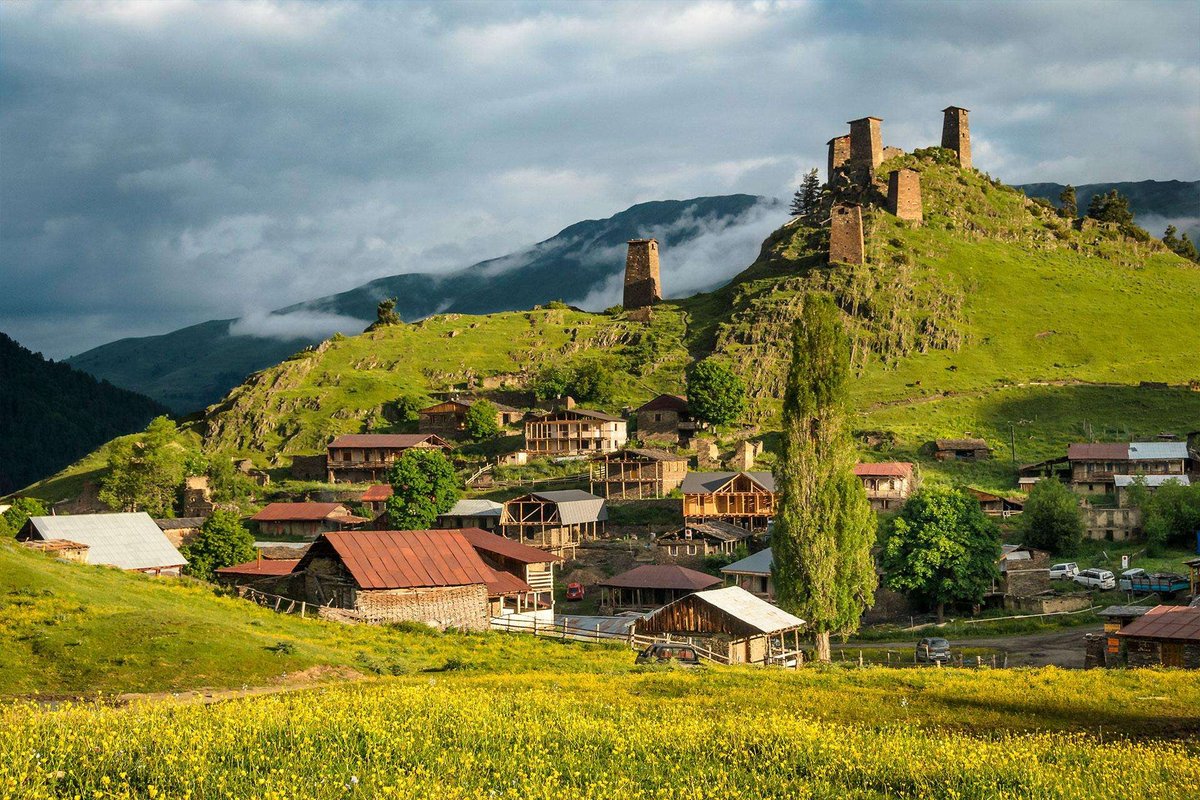
Omalo is also famous for its healing mineral waters, which are characteristic of the entire Tusheti region. The main occupation of the local residents is shepherding. In honor of this, an annual folk festival, "Shepherd's Day," or "Tushetoba," is held annually.
Since the 1970s, it has taken place in the second half of summer in Old Omalo near the Keselo fortress. The festival is a joyful affair, with traditional Tushetian games and a ceremonial award ceremony for shepherds.
The largest village in Tusheti is located between the Greater Caucasus and the Tusheti Mountains. On November 7, 2006, by order of the President of Georgia, Old Omalo was declared an immovable cultural monument of national significance. Later, on October 24, 2007, the landscape of this region was inscribed on the UNESCO World Heritage List. These features only serve to demonstrate the uniqueness and remarkable features of Omalo.

34 comments
Log in to leave a comment