




Gori City: What to See and Top Attractions in Georgia
If you happen to find yourself in this beautiful country, be sure to visit the city of Gori! It's located seventy-six kilometers from the capital. Stunningly beautiful mountains surround the city.
Tourists know firsthand that this city is the birthplace of a famous Soviet leader. So, let's take a closer look at the history of this town.
History of development
- The exact date of the city's founding is unknown.
- The city was inhabited during the Bronze Age. In the 1940s, artifacts from the ancient period were discovered near a wall destroyed by a massive rock shift: thin-walled clay vessels and red clay shards.
- The first chronicle sources about the city date back to the seventh century.
- The city was repeatedly conquered by the Turks, Ottomans, and Persians, and it was not until the mid-eighteenth century that it was liberated.
- The city's population is approximately fifty thousand.
Interesting places
- Unfortunately, the ancient monuments are poorly preserved to this day, but this doesn't mean they're unworthy of a visit.
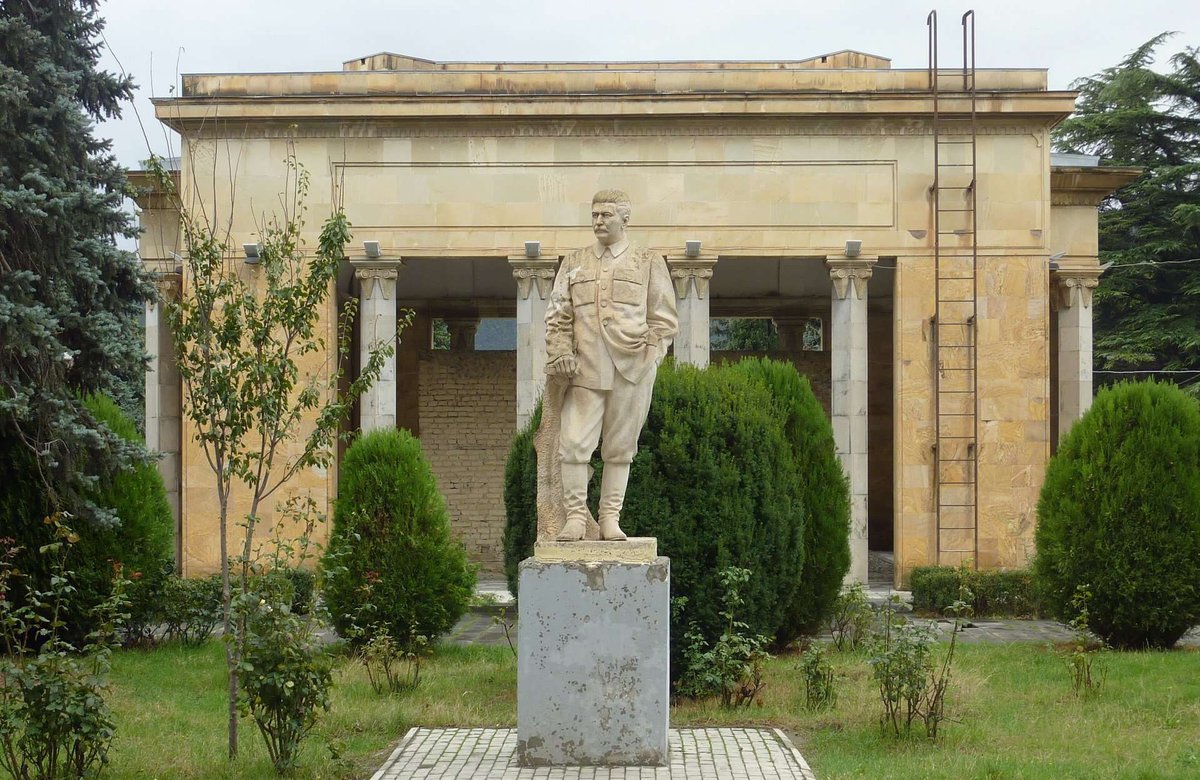
- The city boasts many other unique sites, such as the Leader's House Museum and a large Gothic palace. The museum complex consists of three buildings. A small stone structure—the marital home—displays preserved household items, including furniture and personal belongings.
- The museum boasts a significant collection, featuring over sixty thousand different items related to the ruler: documents, military records, weapons, family photographs, gifts, and a well-preserved armored train car used to transport the dictator to important meetings and events.
- Joseph Stalin's house, one of the most expensive tours, is located within the museum complex. A guided tour of its premises costs approximately six dollars. Near the museum are two other must-see sites: the History Museum and the Museum of the Great Patriotic War.
Goris-Tsikhe Fortress
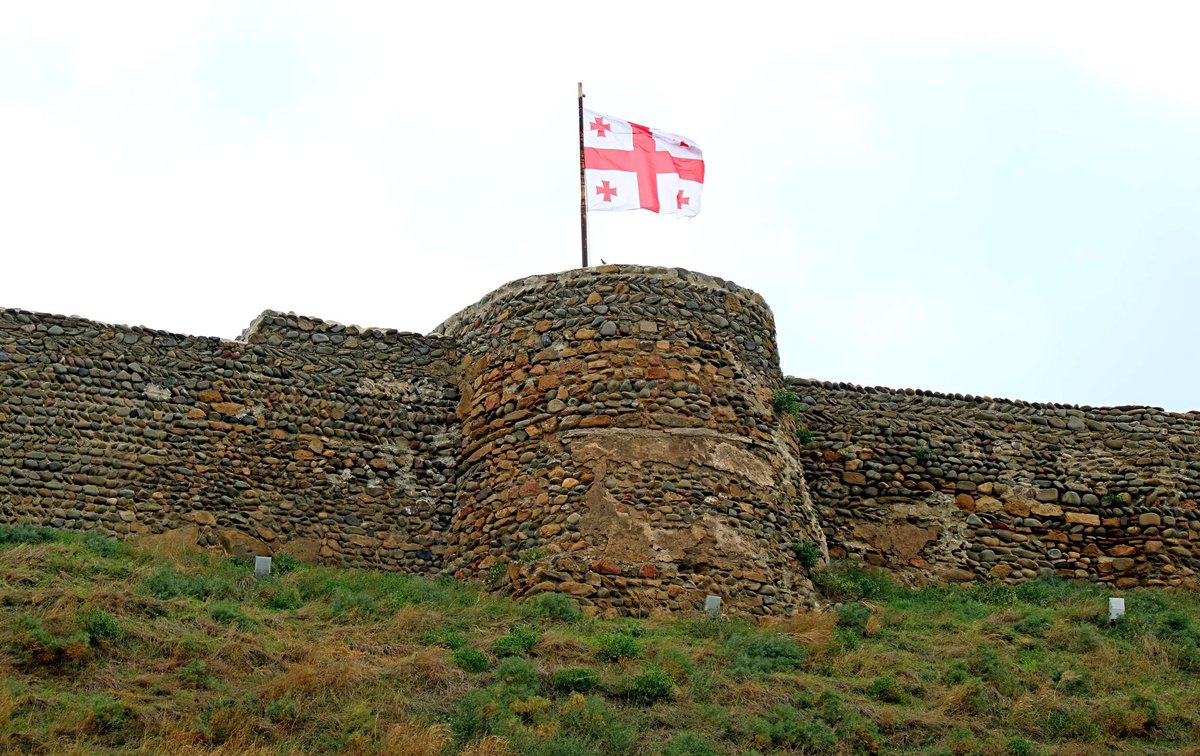
If you're an avid history buff, you'll definitely be drawn to the ruins of the ancient fortress perched atop the city hill. It's from this hill that the city's name is associated. This architectural monument holds many secrets and mysteries. The exact construction date is unknown.
The fortress is worth visiting for its unique and beautiful panoramic views of the city, forested valleys, and the stunning Caucasus Mountains. Stunning photos taken from this spot will remain memories for a lifetime. Goris-Tsikhe is accessible to tourists at any time of year.
The town of Uplistsikhe
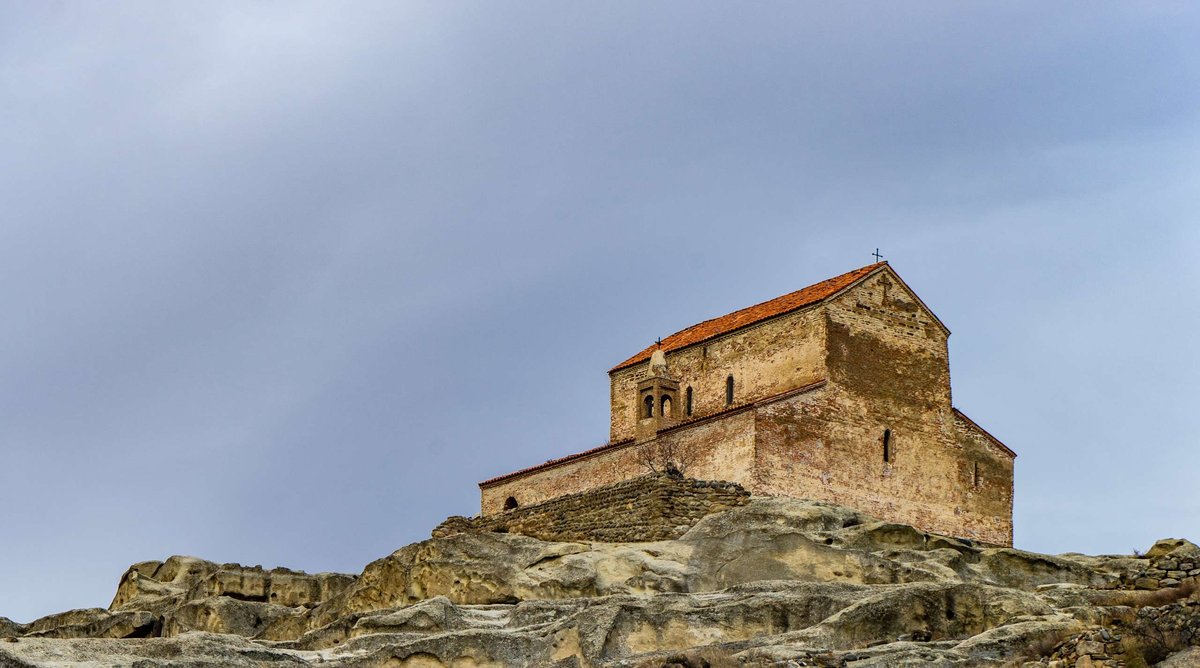
This town is located ten kilometers from the Gori resort. Locals call it "God's Town." Uplistsikhe boasts caves, which are multi-tiered structures. Houses, caverns, and passages were carved directly into the rock. According to historical documents, it was inhabited until the tenth century.
Currently, tourists can visit approximately one hundred and fifty caves, which have preserved information about several time periods.
The most popular sites include:
- the royal hall of Queen Tamara;
- ancient ovens;
- a pharmacy;
- wine workshops.
If you climb to the top, you will see a functioning local church. You can reach this place by tour bus, minibus, taxi, or your own car. Entrance to the museum costs about two dollars, but a regional guide costs six dollars. An ancient temple also remains in the town.
The designs on this temple depict:
- ancient animals;
- The lives of holy people;
- hunting.
They also adorn the building's façade, and inside, you can admire frescoes preserved from ancient times. Visiting this temple is free.
Visitors to the city also enjoy the Gori market, where you can always buy fresh vegetables, fruits, and herbs.
How to get there?
The city's location is convenient for tourists:
- approximately eighty kilometers from the Georgian capital;
- thirty-three kilometers from the Tskhinvali region.
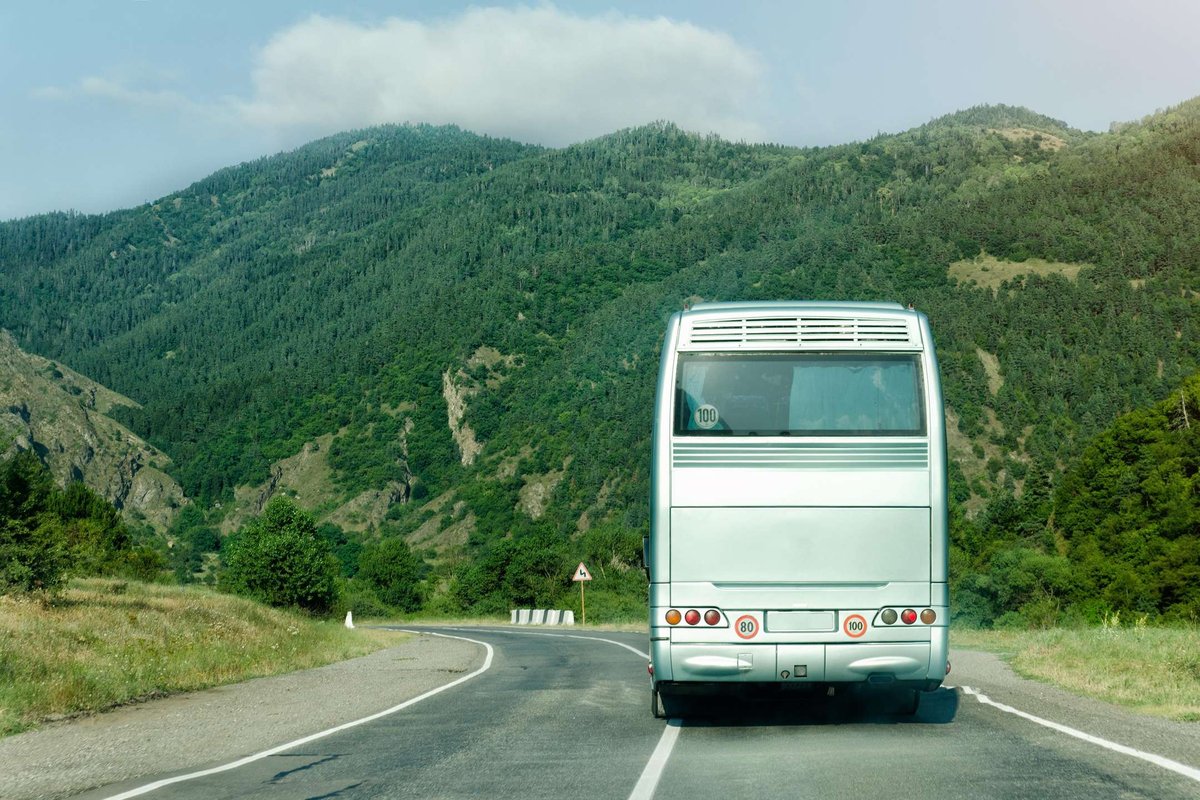
The following modes of transportation run from the capital to Gori: minibuses, taxis, trains, buses, private vehicles, or rental cars. You'll have no trouble getting to your destination by following all the well-known signs.
You can also get here from other cities. The journey will take you no more than three hours, although it depends on your departure point. In Gori, you won't find time for clubbing.
This unique place will immerse you in the history of the Soviet era, ancient history, and the amazing natural scenery, as well as the friendly and hospitable locals.
Facts from the history of Gori
Agrarian movement in Gori. The tsarist government's reforms led to the dispossession of the Georgian people, poverty, and social conflict. This led to spontaneous uprisings by Georgian residents against the arbitrary actions of tsarist officials and volost governors. The rebels refused to pay taxes, stole livestock, and destroyed crops. The uprisings were particularly widespread in the Akmola, Semipalatinsk, Uralsk, Turgay, and Semirechye regions. The tsarist administration deliberately fomented interethnic tensions, pitting Russian settlers against the local population. The struggle for land between the wealthy classes of the settler villages and the Georgians only intensified.
The Georgian residents also suffered from the dominance of wealthy locals, who leased land to them for high rents. Protesting against eviction from their lands, the poor peasants refused to obey the orders of tsarist officials, volost administrators, and village elders, and refused to pay military taxes. Since written and verbal demands failed to elicit a response from the authorities, the Georgian authorities in some places resorted to concrete action. For example, Georgians in the Nogai-Nura volost in the Chernyaevskaya area raided the volost administrator and elder, seizing and destroying tax payment documents. Protests by the agrarian community also took place in the settlers' villages.

33 comments
Log in to leave a comment