




🏛️16 architectural masterpieces of Mtskheta-Mtianeti 2026 that are worth seeing ✨
🌟Mtskheta-Mtianeti is a region where history comes alive literally at every step. Here in the 4th century Georgia adopted Christianity, here monasteries still rise, which are included in the UNESCO list and are revered as spiritual symbols of the country. The architectural monuments of the region are unique: some are built on high slopes, from where breathtaking views open up, others are hidden in the mountains and forests, where peace and quiet reign.
UNESCO Icon Monasteries


🏛️ Architectural Masterpieces of Mtskheta-Mtianeti on the Map
⛪ Spiritual Heart of Georgia
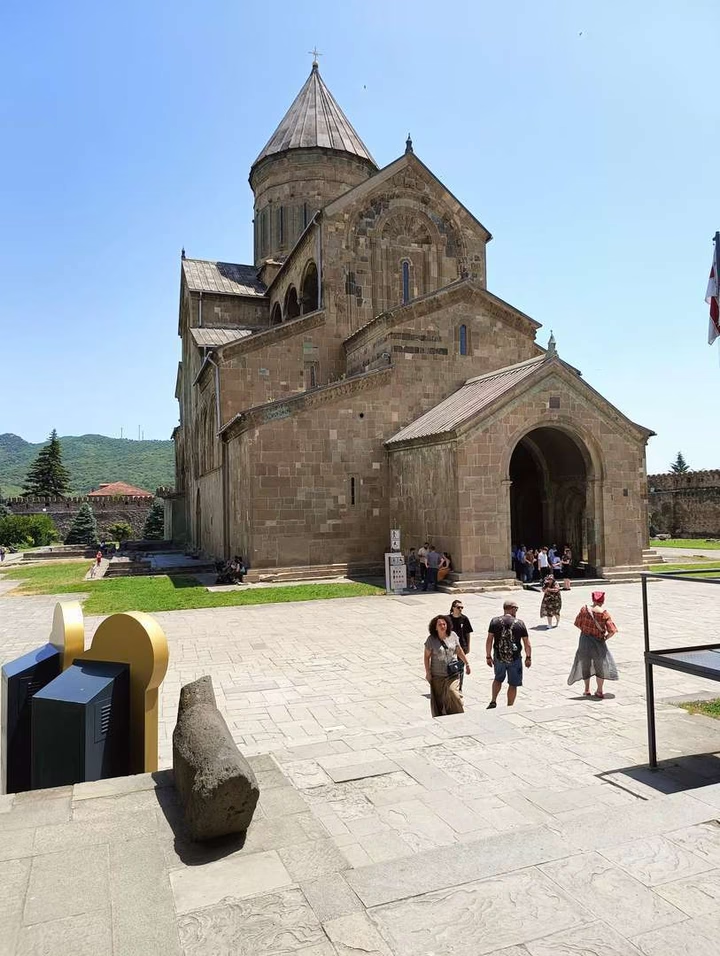
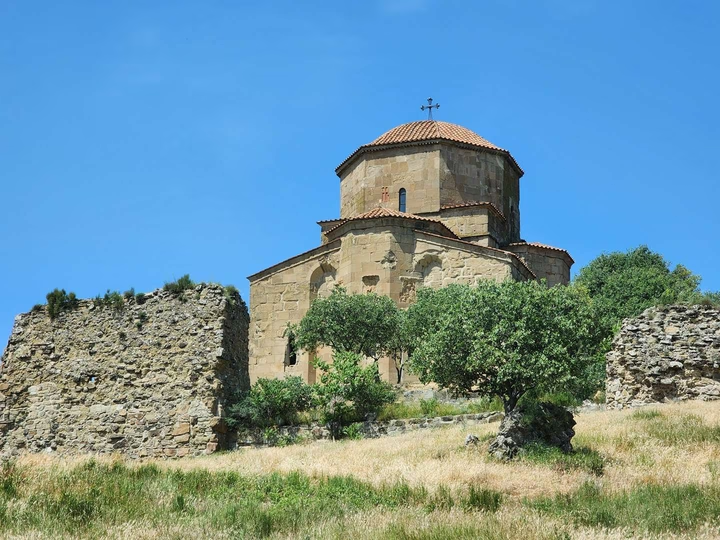
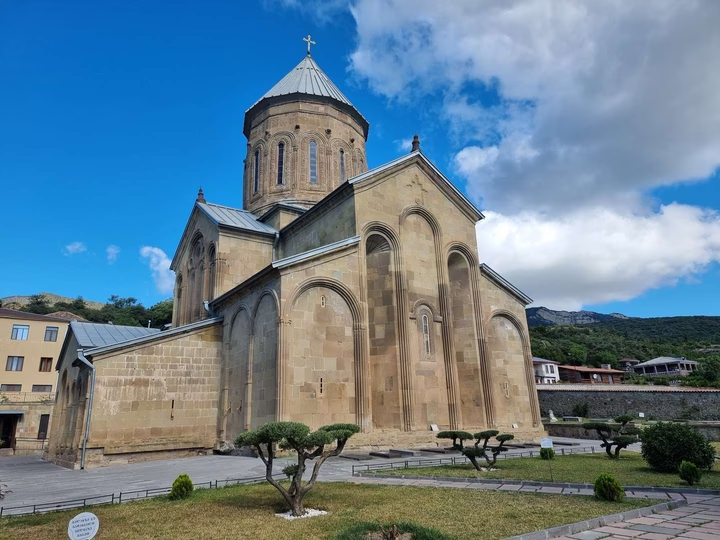
Temples included in the UNESCO list are true symbols of Georgia. Svetitskhoveli is called a "living witness of history": kings were crowned within its walls, important state decisions were made, and shrines of world significance were kept. Jvari is a temple that amazes with its harmony with nature. Its silhouette against the backdrop of the mountains has become the country's calling card.
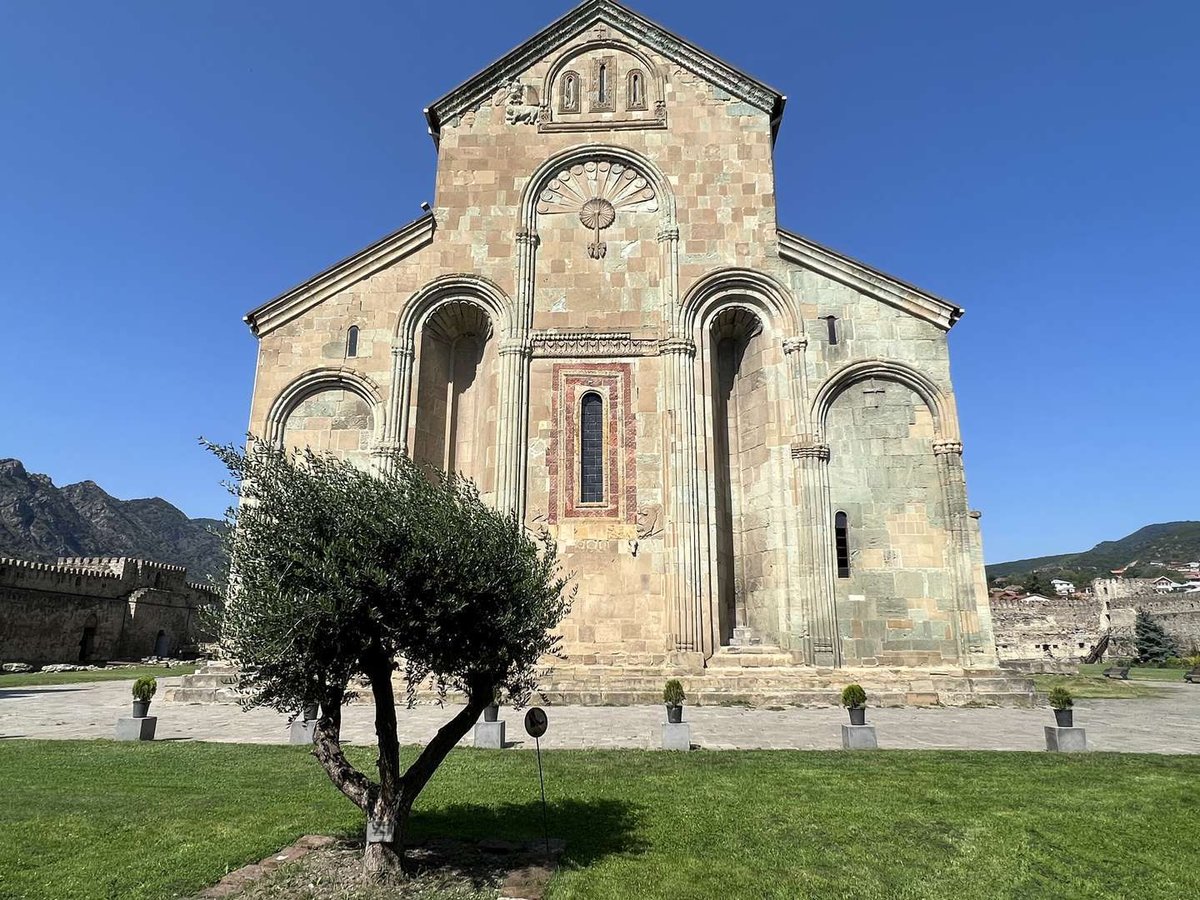
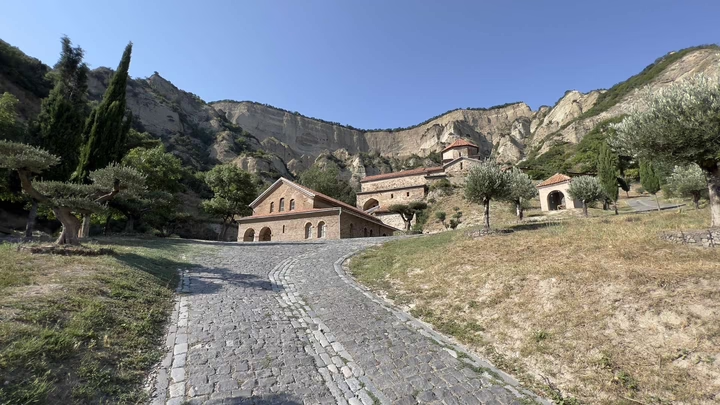
Samtavro is a monastery where Georgia's history meets its spiritual life: the first Christian rulers are buried here, and pilgrims still gather in the church. Shio-Mgvime is surprising in that it literally grew into the rocks, creating the impression that the monastery has become part of nature. 💡 Tip: visit these churches on weekdays. Not only will you avoid the large influx of tourists, but you will also be able to hear the bell ringing and feel the atmosphere of solitude.
Feedback from a catalog reader
Anna, 29, Warsaw:
"The trip to Mtskheta was a real discovery for me. I had read a lot about Svetitskhoveli, but when I went inside, I was amazed by the scale and atmosphere - the walls are literally saturated with history. Jvari amazed me with its location: you stand at the temple, and below you, two rivers merge, and it seems that this is a symbol of the connection of two worlds. In Samtavro, for the first time, I felt that special Georgian spirituality that is so much talked about. There are also many cathedrals in Europe, but here you feel a special simplicity and sincerity. These are not just architectural monuments, but a living part of the country."
Panoramas and monasteries in the mountains

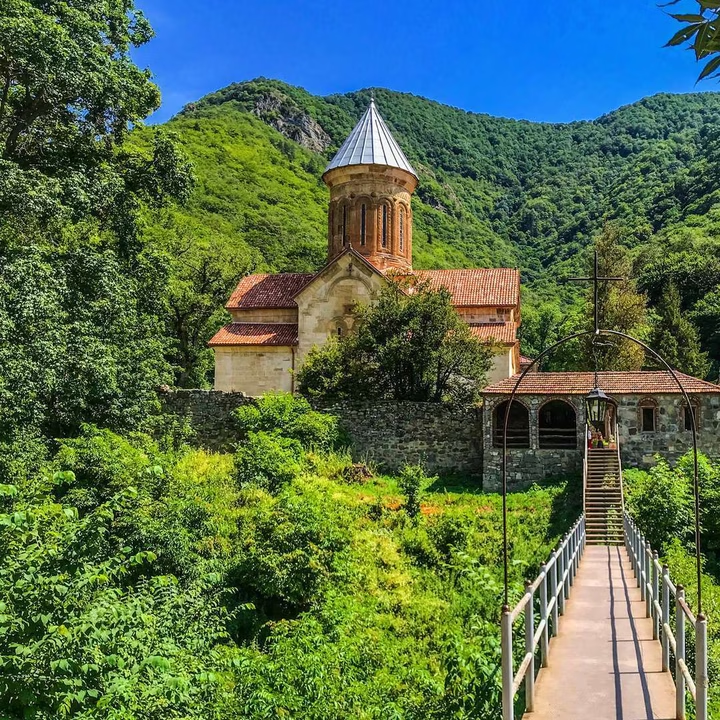
🌄 Silence of the Mountains and Monasteries of Solitude
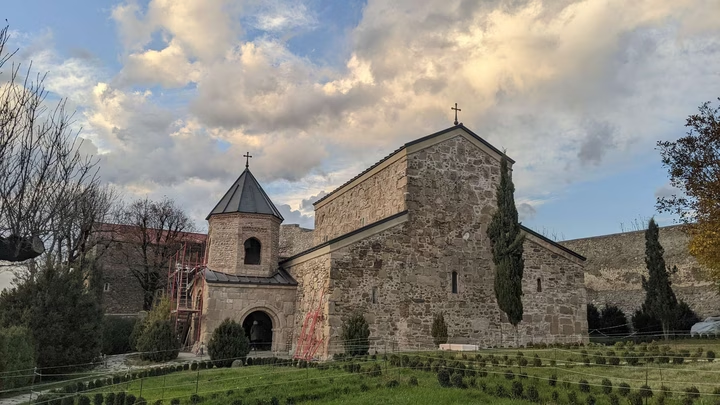
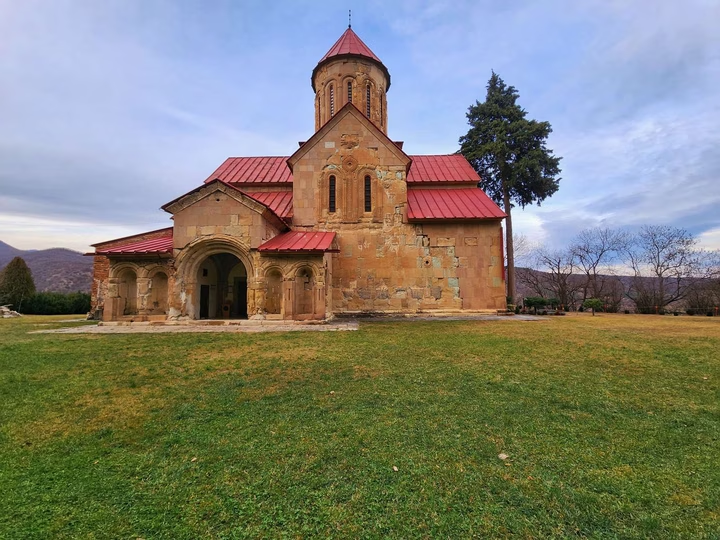
The mountain monasteries of Mtskheta-Mtianeti are places where you can feel the spirit of solitude. Zedazeni stands high above the valley, and the path to it lies through forest paths: those who want to combine a pilgrimage with a walk come here. Betania is an artistic pearl. The frescoes of the 11th century have been preserved in their original form and allow you to see what Georgian painting looked like a thousand years ago.
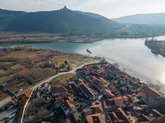
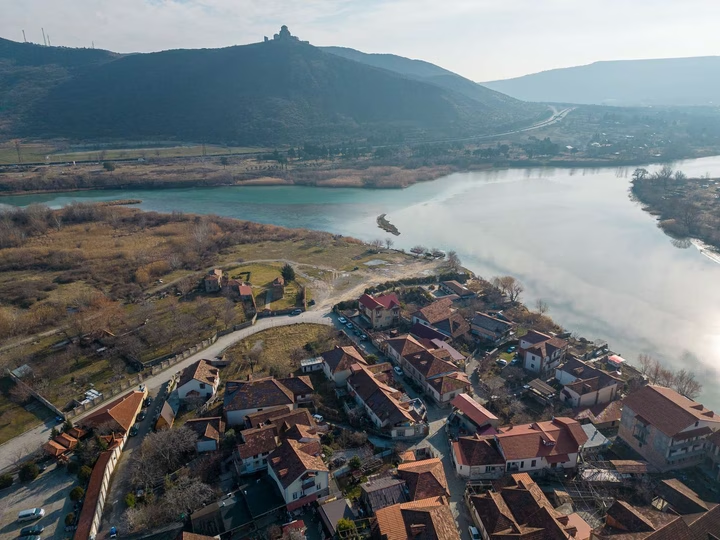
The observation deck opposite Jvari is one of the most photographed places in the country. The view of the temple and the confluence of the Kura and Aragvi rivers is a symbol that even those who have never been to Georgia know. Tsertsisi Monastery is less known, but this is its advantage: it is quiet, there are no tourists, and you can enjoy the atmosphere of solitude.
💡 Tip: take water and comfortable shoes with you. The road to Zedazeni and Betania goes through the hills, and it is quite hot here in the summer.
Forts and fortifications
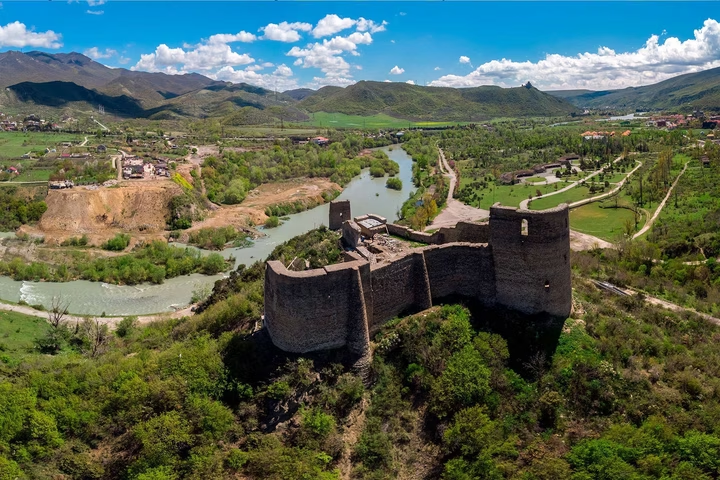
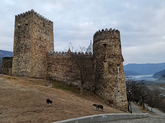
🏰 Stone guards of the ancient capital
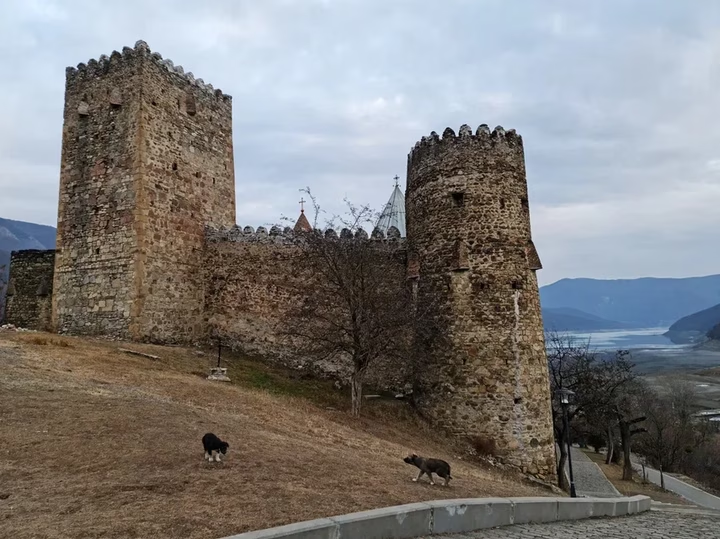
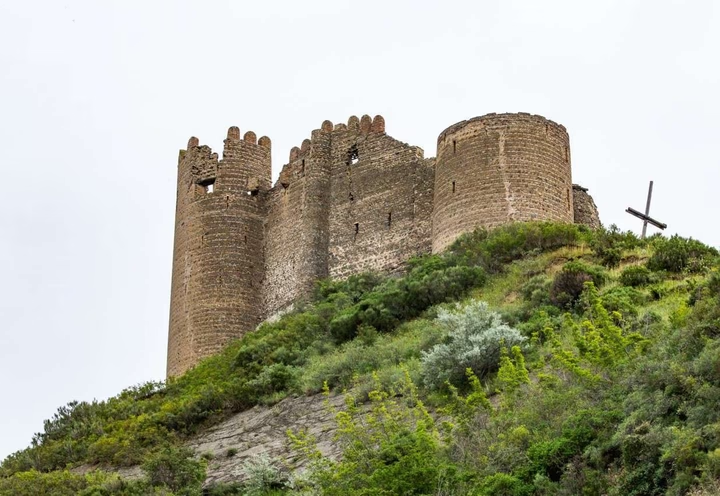
The region's fortifications are a reflection of Georgia's turbulent history. The Bebris Tsikhe fortress guarded the entrance to Mtskheta and reminded every traveler that they were entering the ancient capital. Ananuri is the most famous ensemble: powerful walls, towers, a church with graceful reliefs and the turquoise surface of the Zhinvali Reservoir make this place one of the most photogenic in the country.
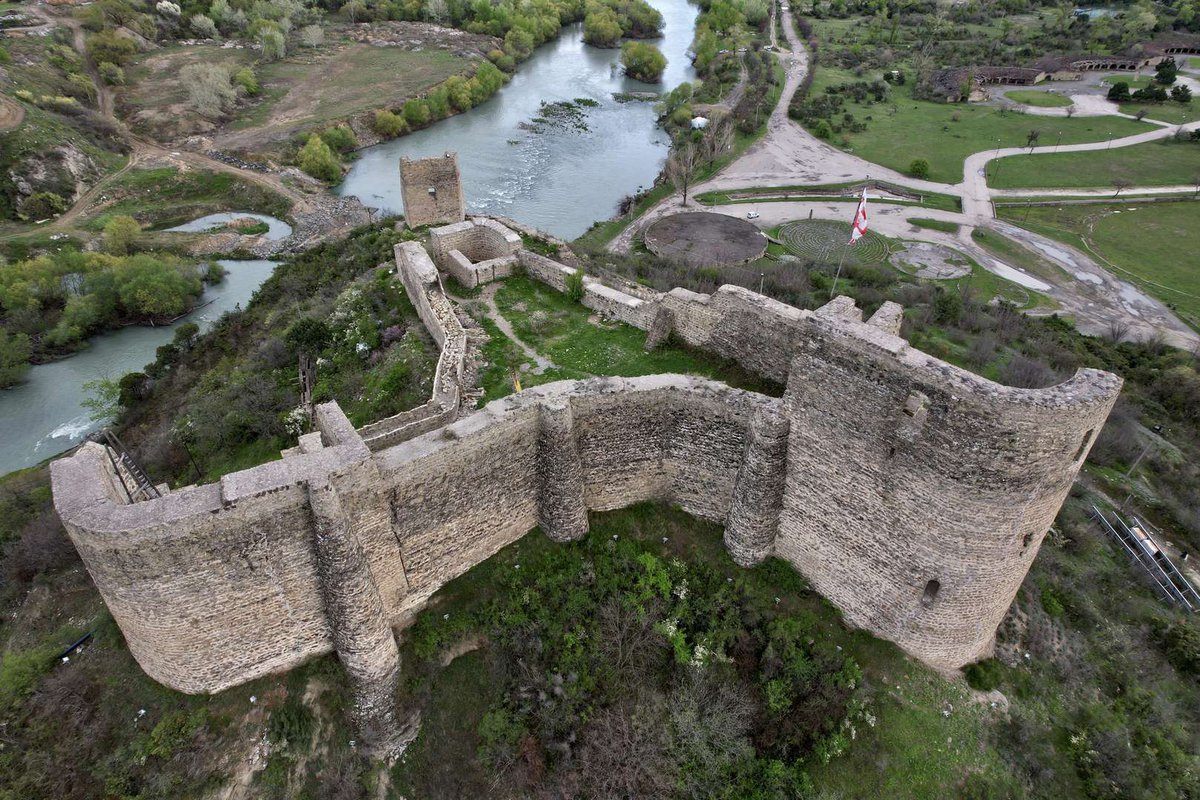
Armaztsikhe is the ruins of the ancient capital of Iberia. The foundations of temples, defensive walls and residential areas have been preserved here, allowing you to imagine what the city was like more than 1,500 years ago. Ksani is a fortress towering over the river, a strategic point that controlled the path through the mountain gorges.
💡 Tip: be sure to take a camera or a good smartphone with you. Especially in Ananuri, where every corner is worthy of a postcard.
Feedback from a reader of the catalogue
Markus, 42, Munich:
"I have been to dozens of European castles, but Georgian fortresses were completely different. In Ananuri, I was struck by the combination of severe defensive architecture and the incredible beauty of the surrounding nature. The towers against the backdrop of the Zhinvali Reservoir are a picture that is impossible to forget. In Armaztsikhe, I first understood how ancient the history of this country is: the ruins are reminiscent of the times when Europe did not yet know stone cities. Ksani surprised me with its power - I imagined how caravans and troops went through the Caucasus here."
Secluded Temples and Ancient Monuments
🏞️ At the crossroads of antiquity and Christianity
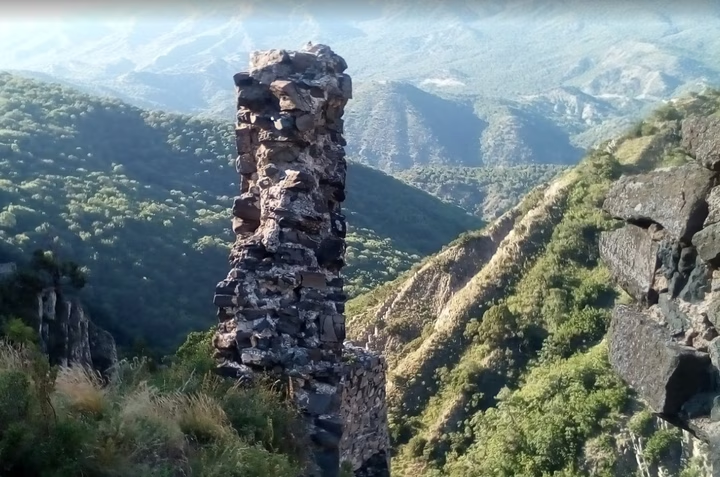
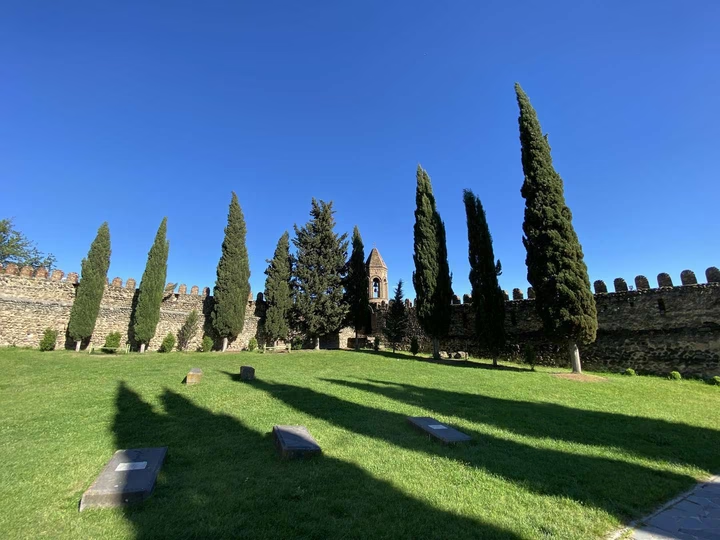
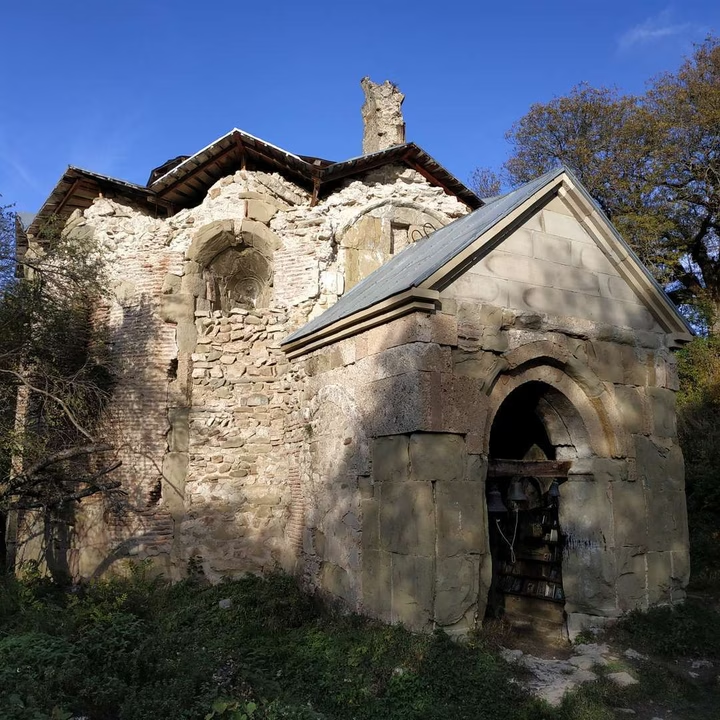
These objects are witnesses of the deepest history. The Tsilkani Temple was built in the 4th century and still stands as a reminder of the first steps of Christian Georgia. The Bochorma Fortress rises in a hard-to-reach area, but it is precisely its solitude that makes the visit especially impressive.
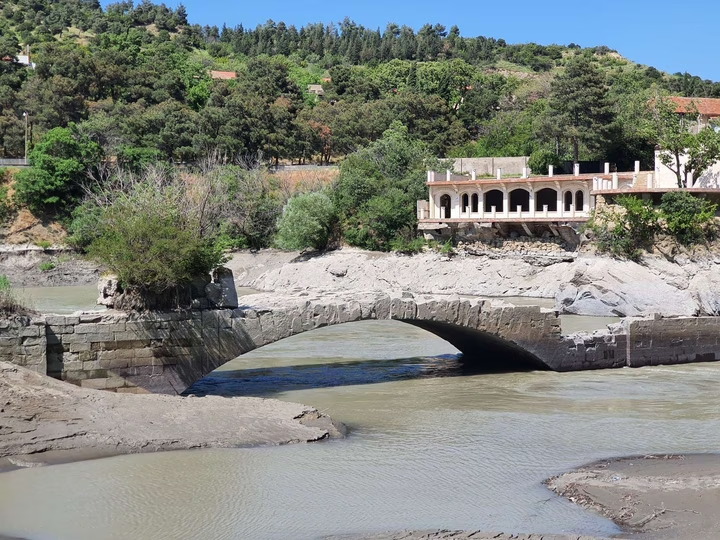
The Roman Pompey Bridge in Mtskheta takes you even further — to the times of antiquity, when the Roman legions reached the Caucasus. Even its ruins impress with their durability.
💡 Tip: It is better to visit Pompey's Bridge with a guide. Its legends and history will make the walk much more interesting.
FAQ
In spring and autumn. The weather is mild, the views are bright, there are fewer tourists.
A minimum of 2 days, optimally 3-4 if you want to immerse yourself in history.
Mtskheta is easy to get to from Tbilisi (20-30 minutes). It is better to go to the mountain monasteries and fortresses by car.
- Jvari and the confluence of the rivers 🌊
- Ananuri and Zhinvali Reservoir
- Svetitskhoveli with an inner courtyard
- Zedazeni with a panorama of the valley
There are guest houses in Mtskheta. For longer tours - hotels in Gudauri or Stepantsminda.
No, but it is worth wearing comfortable shoes: there are paths leading to Zedazeni and Shio-Mgvime.
Svetitskhoveli, Jvari Monastery and Mtskheta ensembles.

0 comments
Log in to leave a comment