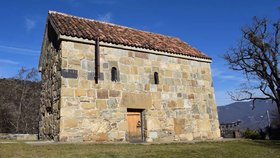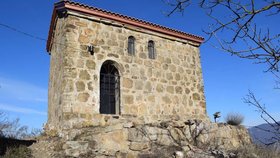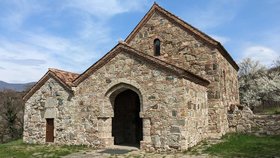






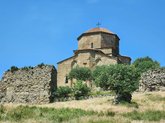


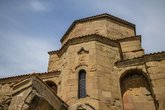

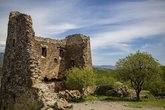

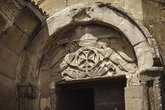

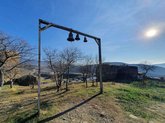

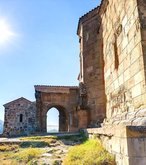

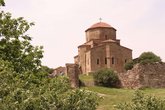

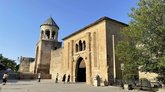

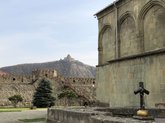

Jvari Monastery stands atop a rocky mountain east of Mtskheta, at the confluence of the Mtkvari (Kura) and Aragvi rivers, among the churches and cathedrals of the region. The 6th-century church is part of the UNESCO World Heritage listing for the historical monuments of Mtskheta, alongside Svetitskhoveli Cathedral.
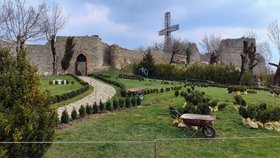
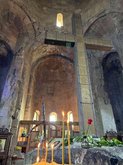
The site's history predates the church itself: according to tradition, King Mirian, after Iberia adopted Christianity, erected a wooden cross here that became an object of veneration for many Christian peoples of the Caucasus. The first stone structure was a small church known as "Small Jvari," built by Guaram, eristavi of Kartli, later expanded with the larger church. Jvari's architecture, a cross-domed (tetraconch) type, marked an important stage in the development of Georgian ecclesiastical building and influenced many later churches across the country.
South of the main building, a narrow path leads to a spring associated with Saint Nino, the enlightener of Georgia. The monastery remains active and is one of the most visited sites around Tbilisi and Mtskheta, known for its panoramic view over the confluence of the two rivers.