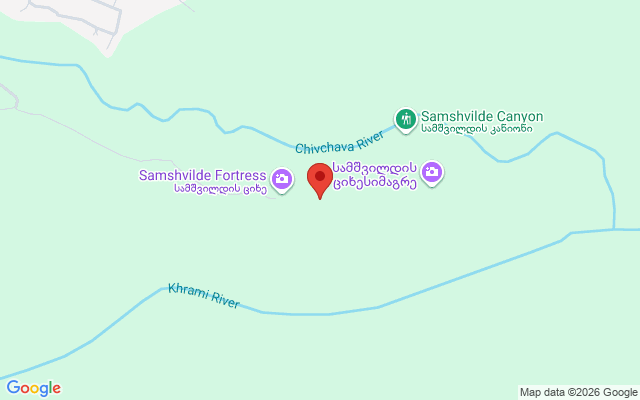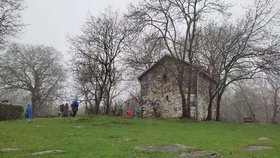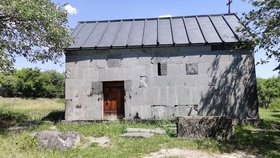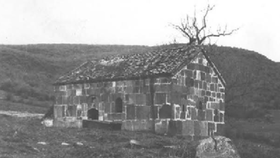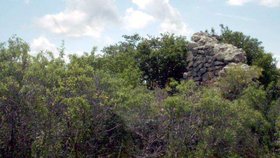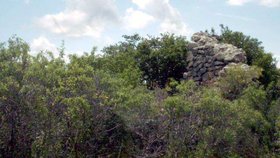




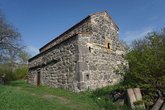

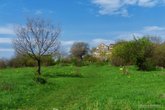

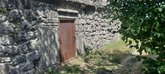

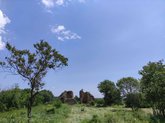

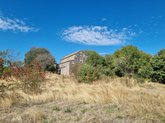

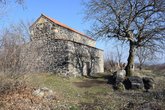

The three-nave basilica stands within the Samshvilde archaeological complex, about 120 metres from the citadel of the fortress-city, among the churches and cathedrals of the region. Unlike the complex's main church, the 8th-century Samshvilde Sioni Cathedral, the basilica was built considerably later, likely following Armenian building tradition: its construction reused stones salvaged from the ruined Sioni.
The dating connects to the period when Samshvilde became a political centre: in the late 10th century, the city came under the control of the Kyurikids, a junior branch of the Armenian royal Bagratid dynasty, and served as the capital of the Tashir-Dzoraget kingdom until a member of the dynasty was captured by the Georgian king Bagrat. This Kyurikid era saw active construction in the region, of which the three-nave basilica may have been part.
Like the rest of the complex, the basilica survives only as ruins. A visit here pairs naturally with the Samshvilde fortress-city as a whole, along with other sites managed by the Samshvilde-Kldekari Museum-Reserve.