


Add organization

Karajaanta Sakvdari - a shrine of Gavazi village in Kakheti

Unknown
Updated at:
5.0/1 review
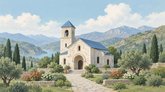
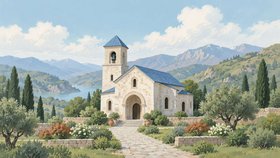
Иллюстрация церкви: светлое каменное здание с колокольней и синей крышей, дорожка, цветы и горный пейзаж.
  • General
  • Description
📍 Coords and Plus Code

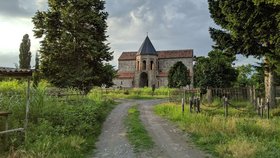
The Karajaanta sakvdari stands in the southern part of Gavazi, another church building of the village after the church of the Virgin. The word sakvdari means a church altar and, by extension, the building itself.

The qualifier Karajaanta appears to point to a family name: the ending -anta in Georgian marks belonging to a family or clan, and such names attached to churches maintained by a single household. Here, unlike the three neighbouring Gavazi churches, the name and the place agree: the building really does stand in Gavazi itself.

The building keeps no fixed schedule and can be approached freely. Dress with shoulders and knees covered, a headscarf for women, and speak quietly on the grounds.

💡 Tip

  • A church building; sakvdari means an altar and the building itself
  • The southern part of Gavazi, north-east of Gurjaani
  • The ending -anta marks belonging to the family that maintained the church

🚗 Getting there

  • Landmark - the southern part of the village of Gavazi north-east of Gurjaani
  • The Build Route button will take you to the spot

✍️ Have you visited this place? Share your impressions on Madloba: your reviews help other travellers.
Location map
Click to load interactive map

Similar places nearby

Places in the same category within 5 km. Distances are approximate and measured in a straight line.

1 review
Give a rating
Upload photos
  • Z
    Zura Chitaia

    XV-XVI საუკუნეების დარბაზული ეკლესიის (8.9×4 მ) აბსიდაში შემორჩენილია მოხატულობის ფრაგმენტი, თუმცა გამოსახულება რთულად აღიქმება. კოლორიტში უპირატესად წითელი და ყავისფერი ფერები დომინირებს. შესასვლელთან, დასავლეთიდან მიახლოებული ორსართულიანი სამრეკლოს პირველ სართულზე, ორივე მხარეს მოთავსებულია სწორკუთხა, გამართული ქვა, რომელზეც ქართული ასომთავრულით შესრულებული წარწერები არის. პირველი წარწერა კარის ჩრდილოეთ მხარეს (ორი სტრიქონი): „მეფეთამეფისა გი(ორ)გის შვ(ი)ლსა პატრონსა თამ(ა)რს შ(ეუნდვ)ნ(ე)ს ღ(მერთმა)ნ ა[მენ]“. მეორე წარწერა კარის სამხრეთ მხარეს ზემოთ (ორი სტრიქონი): „ამიტომ აღმ(ა)შ(ე)ნ(ე)ბ(ე)ლსა [ცო]დვ(ი)ლსა კო(ნ)სტ(ანტინე)ს“. მესამე წარწერა გრძელდება იმავე მხარეს ქვევით (ოთხი სტრიქონი): „ცოდვ(ა)ნი [მისნ]ი შ(ეუნდვე)ნ ღ(მერთმა)ნ ა(მე)ნ. მისსა მეუ ღლ(ე)სა მ(ა)რიხს შ(ეუნდვე)ნ ღ(მერთმა)ნ ა(მე)ნ“.