


Add organization

๐Ÿฐ Why Zubi Fortress in Lechkhumi Is Called Impregnable: A River on Three Sides and a Single Eastern Gate

๐Ÿฐ Before You Go

๐Ÿฐ Zubi Fortress in Lechkhumi

A medieval stronghold on a high promontory in the middle of a valley ringed by mountains. A river guards it on three sides, and the only gate sits on the east.
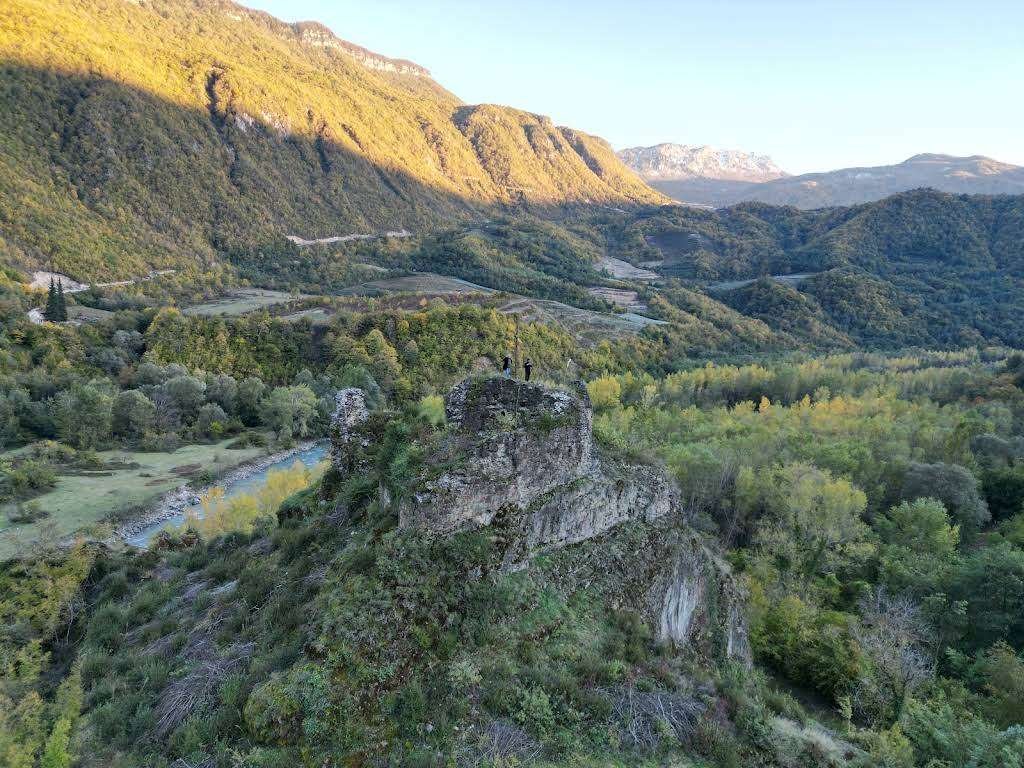
A fortress of two eras Zubi shows two building phases: a lower terraced fortress and a later, reinforced citadel. That points to the stronghold being rethought and refortified over the course of the Middle Ages.
One theory links the fortress to Takveri, a stronghold named in the chronicle Kartlis Tskhovreba, though this rests on the account of Vakhushti Bagrationi rather than confirmed fact.
๐Ÿ“
LocationZubi village, Tsageri Municipality, Lechkhumi
๐Ÿ›ก๏ธ
Defenceone gate from the east, the river guards the rest
โ›ช
17th centuryGrigol Tsagereli gave it to the Khvamli church
๐Ÿท
The village is known forUsakhelouri wine, the Zubi-Okureshi zone
โ„น๏ธ There's no organised tourist infrastructure at the fortress. The structures are old, so take care while exploring.

Zubi Fortress

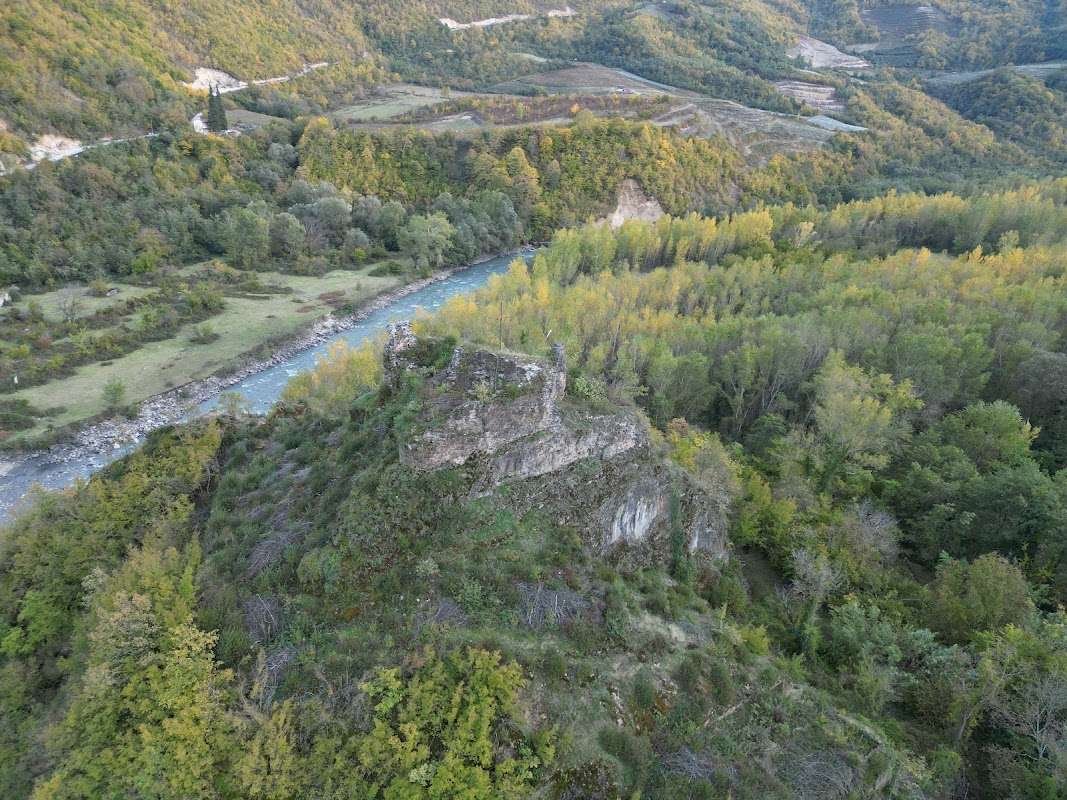
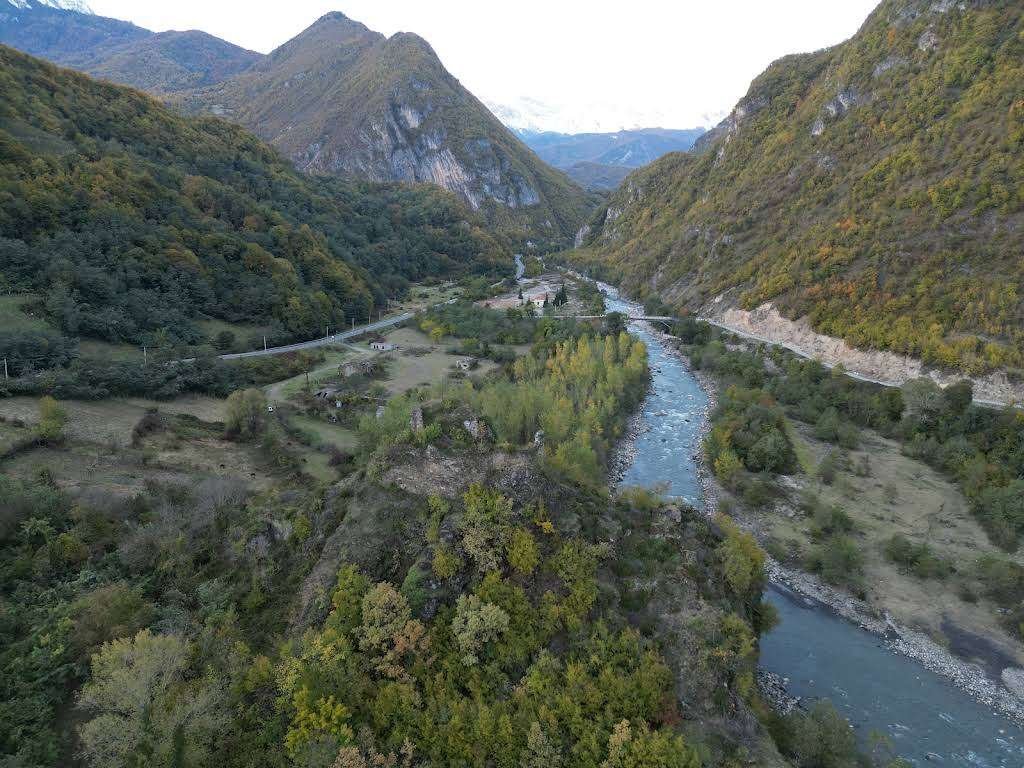
Zubi Fortress is a medieval stronghold in Lechkhumi, by the village of Zubi, in the Tsageri Municipality of the Racha-Lechkhumi and Kvemo Svaneti region. It stands on a high promontory in the middle of a valley ringed by mountains. Its defensive layout is simple and effective at once: the only gate sits on the east, while a river guards the other three sides.

The fortress shows two building phases, which points to it being rethought late in the medieval period. Some accounts also link it to historical chronicles, though that connection remains a hypothesis, covered in more detail below.

๐Ÿ“ Where the Fortress Stands and Why It's Called Impregnable
ะšั€ะตะฟะพัั‚ัŒ ะ—ัƒะฑะธ

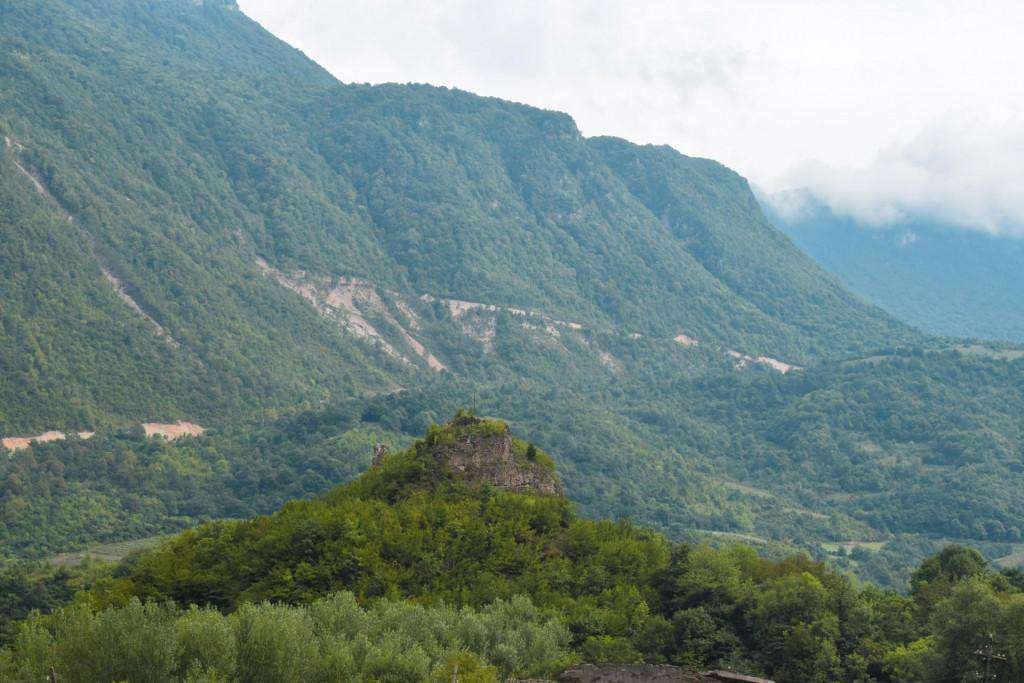
Zubi Fortress sits in the middle of a valley, on a promontory raised high above it, with mountains rising all around. That natural position gave the fortress almost automatic protection: on the river side, further fortification was nearly unnecessary, while the other sides were reinforced with walls built on terraced platforms.

The fortress has only one entrance, from the east. On the other three sides a river wraps around it, and the landscape itself became the stronghold's main defender. That's why it's often called impregnable: an attacker was left with just one approach, and an easily covered one at that.

๐Ÿ“œ The Fortress and Kartlis Tskhovreba: A Possible Link to Takveri

Old chronicles sometimes connect Zubi Fortress with Takveri, a stronghold named in Kartlis Tskhovreba, the medieval Georgian chronicle. According to the historian Vakhushti Bagrationi, that fortress stood at the foot of the Caucasus mountains, on the bank of the Tskhenistsqali River. It may have been one of the residences of the Takveri eristavi, ancient Georgian feudal lords.

This identification remains a hypothesis and hasn't been fully accepted by historians. But if it holds, it ties Zubi Fortress directly to one of the oldest written records of Racha-Lechkhumi, giving it more historical weight than an ordinary border stronghold.

โ›ช A Gift to the Khvamli Church in the 17th Century
ะœะฐััะธะฒ ะฅะฒะฐะผะปะธ

The fortress's later history is also tied to church sources. In the 17th century, Grigol Tsagereli transferred ownership of the fortress to the Church of St. George in Khvamli. This shows how secular defensive structures passed into church ownership late in the medieval period, a process typical of Lechkhumi as a whole.

Mount Khvamli, connected to this church history, isn't far from Zubi and is a landmark in its own right, known for its caves and legends. More on that in the "what's nearby" section below.

๐Ÿ—๏ธ Architecture: Two Terraces, a Citadel and a Tower
Zubi Fortress

The lower part of the fortress spreads down the slope in terraces, enclosed by a stone wall and a ditch. A second, rectangular terrace is held by a massive wall of stone blocks. At the highest point, on a third terrace, stands a rectangular citadel reinforced with semicircular and round buttresses. At its heart is a four-sided tower.

This two-tier structure, a lower fortress and an upper citadel, followed a practical logic: the lower terraces for everyday defence and daily life, the reinforced citadel as a last refuge. Traces of two building phases in the masonry suggest the system took shape gradually rather than being built all at once.

๐Ÿ“‹ Zubi Fortress in Facts

Location
Zubi village, Tsageri Municipality, Lechkhumi
Coordinates
42.564992, 42.686210
Defence
one gate from the east, the river guards the rest
Structure
two terraces, a citadel, a four-sided tower
Building phases
two, refortified late in the medieval period
Possible link
Kartlis Tskhovreba, Takveri fortress (hypothesis)
17th century
given to the Church of St. George in Khvamli
The village is known for
Usakhelouri wine (the Zubi-Okureshi zone)

๐Ÿท Zubi and Usakhelouri Wine

ะ’ะธะฝะพะดะตะปัŒะฝั "Mitra wine cellar"

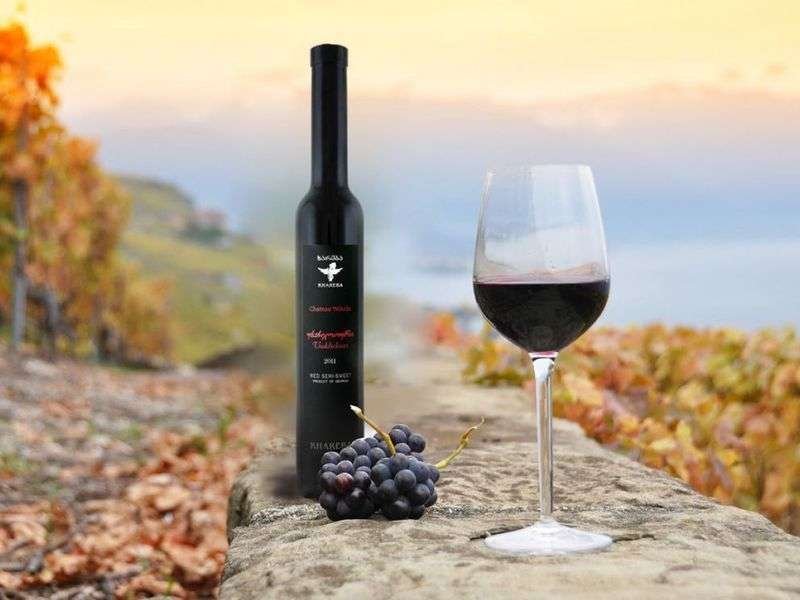
The village of Zubi is known for more than its fortress. It's in the Zubi and neighbouring Okureshi zone that the best expression of Usakhelouri is grown, one of the rarest and most expensive Georgian wine grape varieties, found almost exclusively in this microzone.

That detail adds another layer to a visit to the fortress: the village where a medieval stronghold stands is, at the same time, one of Georgia's most distinguished wine terroirs. If you're planning a trip here, it's worth setting aside time not only for the fortress but for meeting local winemakers too.

๐Ÿฅพ What's Nearby: The Askhi Massif and Mount Khvamli
ะœะฐััะธะฒ ะฅะฒะฐะผะปะธ

Zubi is the starting point of a two-day hiking route that runs from the village through the Askhi karst massif and ends in the village of Kulbaki. The route suits nature lovers well: the Askhi massif holds more than eighty karst depressions, including 42 caves, along with lakes and rivers. Read more about it in the two-day route from Zubi village through the Askhi massif to Kulbaki village.

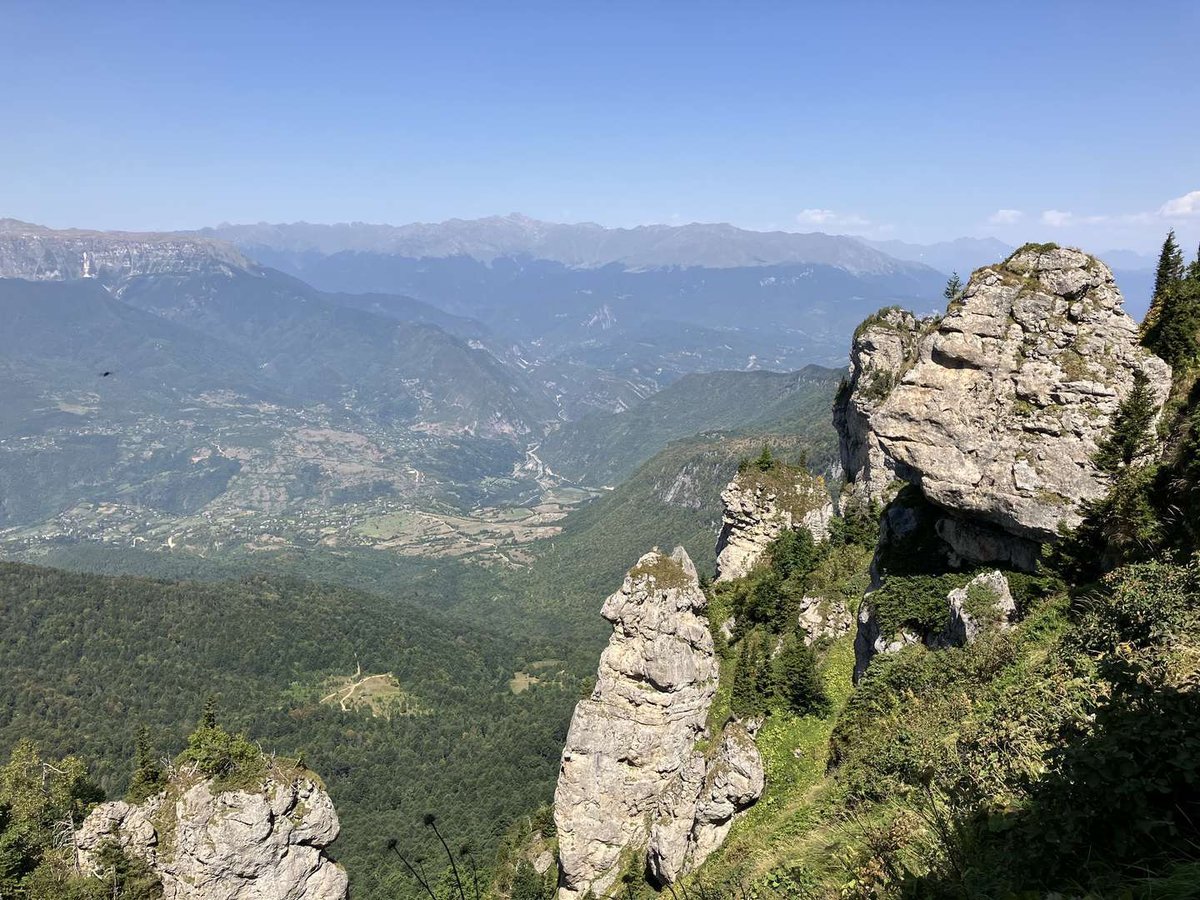
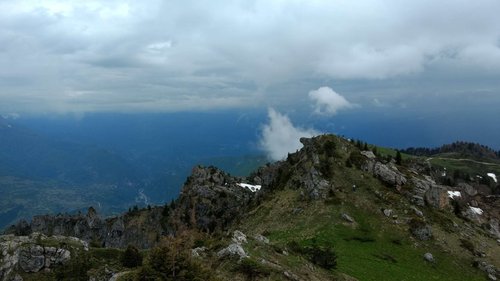
Mount Khvamli, tied to the fortress's church history, is another well-known landmark of Lechkhumi. According to legend, Amirani, the hero of Georgian mythology, was chained in the caves of Khvamli, and the Colchian princess Medea prepared her remedies there. The mountain can be reached by car from the village of Okureshi, in the same Tsageri Municipality as Zubi. Read more about the mountain's history and legends in the article on the Khvamli massif.

๐Ÿ—บ๏ธ Zubi Fortress on the Map

Open in Google Maps
โ„น๏ธ Coordinates: 42.564992, 42.686210. There's no organised tourist infrastructure at the fortress.

Zubi Fortress

Zubi Fortress is one of those places that don't try to sell themselves, though they have every reason to: a naturally defended position, traces of two building eras, a possible link to Kartlis Tskhovreba, and a church history dating back to the 17th century. Add the village's celebrated wine and the legends of nearby Askhi and Khvamli, and you get a destination that offers more than a single site.

Have you been to Zubi Fortress? Tell us in the comments on Madloba: what condition the citadel and tower are in now, and whether it's worth combining the visit with the route to the Askhi massif.

Information is current as of June 2026. Some historical details about the fortress, including the link to the Takveri stronghold, haven't been fully confirmed by researchers.

โ“Frequently Asked Questions

โ“ Where is Zubi Fortress located?

Near the village of Zubi, in the Tsageri Municipality, historical Lechkhumi, Racha-Lechkhumi and Kvemo Svaneti region. Coordinates: 42.564992, 42.686210.

โ“ Why is Zubi Fortress considered impregnable?

It has only one gate, from the east. A river guards the other three sides, leaving an attacker just one, easily covered, approach.

โ“ When was Zubi Fortress built?

The exact date isn't established. The fortress shows two building phases, pointing to refortification over the course of the Middle Ages.

โ“ Is Zubi Fortress really the Takveri fortress mentioned in Kartlis Tskhovreba?

That's a hypothesis, not a confirmed fact. According to Vakhushti Bagrationi, the Takveri fortress stood on the bank of the Tskhenistsqali River, as one of the residences of the Takveri eristavi. Historians haven't fully accepted this identification.

โ“ What happened to the fortress in the 17th century?

Grigol Tsagereli transferred ownership of the fortress to the Church of St. George in Khvamli, showing how a secular stronghold passed into church hands.

โ“ What else is the village of Zubi known for besides the fortress?

Usakhelouri wine. The Zubi-Okureshi zone is one of the best-known terroirs for this rare Georgian grape variety.

โ“ What's worth seeing near the fortress?

A two-day hiking route to the Askhi karst massif, starting from the same village of Zubi, and Mount Khvamli with its legends of Amirani and Medea.

โ“ Is there tourist infrastructure at the fortress?

No, there's no organised infrastructure. The structures are old, so take care while exploring.

Ksenia Khandina
By:

Ksenia Khandina

Post: Guide to Georgia. Tourism Expert

Hello!My name is Ksenia, and I love the sea, yachting and travel. Nature is my passion and I am always looking for new and exciting places to discover.On a wonโ€ฆ

Visit author

5 comments


Log in to leave a comment


  • P
    Pedro Gonzalez
    Nunca he estado en la fortaleza de Zubi, pero la idea de que estรฉ protegida por un rรญo por tres lados suena casi demasiado perfecta, ยฟno? ยฟRealmente se puede considerar "impregnable" solo porque haya una entrada? Me pregunto si en su dรญa, los invasores no habrรกn encontrado alguna forma de sortear este obstรกculo natural. Ademรกs, el hecho de que forme parte de las crรณnicas de Kartlis Tskhovreba sugiere que tiene una historia rica, pero, al mismo tiempo, eso no garantiza que haya sido tan resistente como se dice. ยฟAlguien ha investigado mรกs sobre sus caรญdas o conquistas? ยฟO solo quedรณ en el mito de que nunca pudieron tomarla?
  • N
    Nino Bolkvadze
    แƒ–แƒฃแƒกแƒขแƒแƒ“ แƒ”แƒ แƒ—แƒฎแƒ”แƒš, แƒ แƒแƒชแƒ แƒ–แƒฃแƒ‘แƒแƒจแƒ˜ แƒ•แƒ˜แƒงแƒแƒ•แƒ˜, แƒชแƒ˜แƒฎแƒ˜แƒก แƒแƒšแƒแƒ’แƒ–แƒ” แƒ•แƒฎแƒ”แƒขแƒ˜แƒแƒšแƒแƒ‘แƒ“แƒ˜. แƒซแƒแƒšแƒ˜แƒแƒœ แƒกแƒแƒ˜แƒœแƒขแƒ”แƒ แƒ”แƒกแƒ แƒ“แƒ แƒฃแƒฉแƒ•แƒ”แƒฃแƒšแƒ แƒแƒ“แƒ’แƒ˜แƒšแƒ˜, แƒ›แƒแƒ’แƒ แƒแƒ› แƒฎแƒแƒœแƒ“แƒแƒฎแƒแƒœ แƒ›แƒ”แƒฉแƒ•แƒ”แƒœแƒ”แƒ‘แƒ, แƒ แƒแƒ› แƒ˜แƒกแƒขแƒแƒ แƒ˜แƒ˜แƒก แƒกแƒฃแƒœแƒ˜ แƒ˜แƒกแƒ” แƒซแƒšแƒ˜แƒ”แƒ แƒ˜แƒ, แƒ แƒแƒ› แƒ—แƒ•แƒ˜แƒ—แƒแƒœแƒแƒช แƒแƒ› แƒชแƒ˜แƒฎแƒ˜แƒก แƒœแƒแƒฌแƒ˜แƒšแƒแƒ“ แƒ›แƒ˜แƒ’แƒ แƒซแƒœแƒแƒ‘แƒก. แƒ›แƒ“แƒ˜แƒœแƒแƒ แƒ˜แƒก แƒฎแƒ›แƒแƒฃแƒ แƒ˜ แƒ“แƒ แƒ›แƒ—แƒ”แƒ‘แƒ˜แƒก แƒกแƒ˜แƒšแƒแƒ›แƒแƒ–แƒ” แƒœแƒแƒ›แƒ“แƒ•แƒ˜แƒšแƒแƒ“ แƒ’แƒแƒฌแƒ•แƒ“แƒ˜แƒšแƒ˜แƒ แƒแƒ› แƒกแƒแƒฆแƒ•แƒ—แƒ แƒแƒ“แƒ’แƒ˜แƒšแƒ˜แƒก แƒจแƒ˜แƒœแƒแƒ’แƒแƒœแƒ˜ แƒซแƒแƒšแƒ˜แƒก แƒ›แƒแƒœแƒ˜แƒจแƒœแƒ”แƒ‘แƒšแƒแƒ“.

    แƒกแƒแƒฅแƒแƒ แƒ—แƒ•แƒ”แƒšแƒ แƒฎแƒแƒ› แƒงแƒแƒ•แƒ”แƒšแƒ—แƒ•แƒ˜แƒก แƒ˜แƒงแƒ แƒ’แƒแƒ แƒ™แƒ•แƒ”แƒฃแƒšแƒ˜ แƒกแƒ˜แƒซแƒšแƒ˜แƒ”แƒ แƒ˜แƒก แƒกแƒ˜แƒ›แƒ‘แƒแƒšแƒ, แƒ›แƒแƒ’แƒ แƒแƒ› แƒ›แƒ˜แƒ™แƒ•แƒ˜แƒ แƒก, แƒ แƒแƒ’แƒแƒ  แƒ˜แƒชแƒ•แƒšแƒ”แƒ‘แƒ แƒ’แƒแƒœแƒชแƒ“แƒ แƒแƒ› แƒแƒ“แƒ’แƒ˜แƒšแƒ”แƒ‘แƒ–แƒ”, แƒ แƒแƒชแƒ แƒ•แƒ˜แƒœแƒ›แƒ” แƒแƒฎแƒแƒš แƒ˜แƒกแƒขแƒแƒ แƒ˜แƒแƒก แƒแƒ›แƒ‘แƒแƒ‘แƒก. แƒ—แƒฅแƒ•แƒ”แƒœแƒ˜ แƒกแƒขแƒแƒขแƒ˜แƒ แƒ™แƒ˜แƒ“แƒ”แƒ• แƒ”แƒ แƒ—แƒฎแƒ”แƒš แƒ›แƒแƒ แƒฌแƒ›แƒฃแƒœแƒ”แƒ‘แƒก, แƒ แƒแƒ› แƒ˜แƒกแƒขแƒแƒ แƒ˜แƒ แƒ“แƒ แƒ—แƒแƒœแƒแƒ›แƒ”แƒ“แƒ แƒแƒ•แƒ”แƒแƒ‘แƒ แƒ”แƒ แƒ—แƒ›แƒแƒœแƒ”แƒ—แƒก แƒฃแƒคแƒ แƒ แƒฃแƒแƒฎแƒšแƒแƒ•แƒ“แƒ”แƒ‘แƒ. แƒ˜แƒฅแƒœแƒ”แƒ‘, แƒ•แƒชแƒแƒ“แƒแƒ— แƒแƒฅแƒ•แƒ” แƒขแƒฃแƒ แƒ”แƒ‘แƒ˜แƒก แƒ›แƒแƒฌแƒงแƒแƒ‘แƒ แƒ›แƒแƒ›แƒแƒ•แƒแƒšแƒจแƒ˜?
  • M
    Maka Gelashvili
    แƒ’แƒฃแƒšแƒ›แƒ™แƒ”แƒ แƒ“แƒจแƒ˜ แƒ แƒแƒฆแƒแƒช แƒฃแƒชแƒœแƒแƒฃแƒ แƒ˜ แƒกแƒ˜แƒ—แƒ‘แƒ แƒ›แƒแƒ›แƒฎแƒ•แƒ“แƒ, แƒ แƒแƒชแƒ แƒ–แƒฃแƒ‘แƒ˜แƒก แƒชแƒ˜แƒฎแƒ˜แƒกแƒ™แƒ”แƒœ แƒ•แƒคแƒ˜แƒฅแƒ แƒแƒ‘. แƒ”แƒก แƒแƒ“แƒ’แƒ˜แƒšแƒ˜ แƒ˜แƒกแƒ”แƒ แƒ’แƒแƒฌแƒ•แƒ“แƒ˜แƒšแƒ˜ แƒ›แƒ“แƒ˜แƒœแƒแƒ แƒ˜แƒก แƒžแƒ˜แƒ แƒแƒก, แƒ แƒแƒ› แƒ—แƒ˜แƒ—แƒฅแƒแƒก แƒ˜แƒกแƒขแƒแƒ แƒ˜แƒ แƒ—แƒ•แƒ˜แƒ—แƒแƒœ แƒจแƒ”แƒœแƒช แƒ˜แƒกแƒ” แƒ”แƒžแƒงแƒ แƒแƒ‘แƒ, แƒ แƒแƒ’แƒแƒ แƒช แƒกแƒแƒฃแƒ™แƒฃแƒœแƒ”แƒ”แƒ‘แƒ˜แƒก แƒ’แƒแƒœแƒ›แƒแƒ•แƒšแƒแƒ‘แƒแƒจแƒ˜ แƒ”แƒžแƒงแƒ แƒแƒ‘แƒแƒ“แƒ แƒ˜แƒ› แƒฎแƒแƒšแƒฎแƒก, แƒ•แƒ˜แƒœแƒช แƒแƒฅ แƒ˜แƒชแƒฎแƒแƒ•แƒ แƒ. แƒกแƒแƒ˜แƒœแƒขแƒ”แƒ แƒ”แƒกแƒแƒ, แƒ แƒแƒ’แƒแƒ  แƒ˜แƒ›แƒแƒ แƒ—แƒ”แƒ‘แƒแƒ“แƒ แƒชแƒฎแƒแƒ•แƒ แƒ”แƒ‘แƒ แƒแƒกแƒ”แƒ— แƒกแƒแƒ™ั€ะตะฟแƒแƒ”แƒ‘แƒก แƒจแƒแƒ แƒ˜แƒก, แƒ แƒแƒชแƒ แƒจแƒ”แƒ›แƒแƒขแƒ”แƒ•แƒ แƒจแƒ”แƒ˜แƒซแƒšแƒ”แƒ‘แƒแƒ“แƒ แƒงแƒ•แƒ”แƒšแƒแƒคแƒ”แƒ แƒ–แƒ”.

    แƒ›แƒ˜แƒœแƒ“แƒ แƒจแƒ”แƒกแƒแƒ‘แƒแƒ›แƒ˜แƒกแƒ˜ แƒ“แƒ”แƒขแƒแƒšแƒ”แƒ‘แƒ˜ แƒ’แƒแƒ•แƒแƒ แƒ™แƒ•แƒ˜แƒ, แƒ›แƒแƒ’แƒแƒšแƒ˜แƒ—แƒแƒ“, แƒแƒ แƒ˜ แƒกแƒแƒ›แƒจแƒ”แƒœแƒ”แƒ‘แƒšแƒ แƒฎแƒœแƒ˜แƒก แƒ แƒแƒชแƒ˜แƒแƒœแƒแƒšแƒฃแƒ แƒ˜ แƒ›แƒฎแƒแƒ แƒ” - แƒ แƒแƒ’แƒแƒ  แƒ’แƒแƒ›แƒแƒ˜แƒงแƒฃแƒ แƒ”แƒ‘แƒแƒ“แƒ แƒชแƒ˜แƒฎแƒ” แƒ—แƒแƒ•แƒ˜แƒ“แƒแƒœ แƒ“แƒ แƒจแƒ”แƒ›แƒ“แƒ”แƒ’, แƒ—แƒฃ แƒ แƒแƒ›แƒ˜แƒ— แƒ’แƒแƒœแƒกแƒฎแƒ•แƒแƒ•แƒ“แƒ”แƒ‘แƒแƒ“แƒ แƒแƒ แƒ”แƒฃแƒšแƒ˜? แƒ›แƒแƒ˜แƒœแƒขแƒ”แƒ แƒ”แƒกแƒ”แƒ‘แƒก, แƒ”แƒก แƒ˜แƒกแƒขแƒแƒ แƒ˜แƒ”แƒ‘แƒ˜ แƒ แƒแƒ’แƒแƒ  แƒ˜แƒกแƒ›แƒ˜แƒก แƒฎแƒแƒšแƒฎแƒ˜แƒก แƒžแƒ˜แƒ แƒก แƒแƒ› แƒกแƒแƒคแƒ”แƒšแƒจแƒ˜ แƒแƒฎแƒšแƒ, แƒ แƒแƒชแƒ แƒ›แƒแƒขแƒ”แƒ แƒ˜แƒแƒšแƒฃแƒ แƒ˜ แƒกแƒ˜แƒฌแƒ›แƒ˜แƒœแƒ“แƒ”แƒ”แƒ‘แƒ˜ แƒฃแƒ™แƒ•แƒ” แƒ›แƒฎแƒแƒšแƒแƒ“ แƒ’แƒแƒ—แƒ แƒ”แƒ•แƒแƒกแƒแƒ•แƒ˜แƒ— แƒแƒ แƒ˜แƒก.

    แƒ“แƒ แƒกแƒแƒ”แƒ แƒ—แƒแƒ“, แƒ˜แƒ›แƒ˜แƒก แƒ’แƒแƒ แƒ™แƒ•แƒ”แƒ•แƒ แƒ แƒแƒ’แƒแƒ  แƒ’แƒแƒฌแƒ•แƒ“แƒ˜แƒšแƒ˜ แƒ›แƒ“แƒ˜แƒœแƒแƒ แƒ˜แƒ— แƒ“แƒ แƒ›แƒ—แƒ”แƒ‘แƒ˜แƒ— แƒ“แƒแƒชแƒฃแƒšแƒ˜แƒ, แƒ แƒ˜แƒก แƒจแƒ”แƒ“แƒ”แƒ’แƒแƒ“ แƒ˜แƒฅแƒ›แƒœแƒ”แƒ‘แƒ แƒ”แƒก แƒกแƒ˜แƒ›แƒแƒ’แƒ แƒ” - แƒกแƒแƒ˜แƒœแƒขแƒ”แƒ แƒ”แƒกแƒแƒ, แƒ˜แƒฅแƒœแƒ”แƒ‘ แƒ•แƒ˜แƒœแƒ›แƒ”แƒ› แƒ“แƒ”แƒขแƒแƒšแƒ”แƒ‘แƒ˜ แƒ’แƒแƒ’แƒ•แƒ˜แƒ›แƒฎแƒ”แƒšแƒแƒก?
  • ะœ
    ะœะฐะบัะธะผ ะ—ะฐะนั†ะตะฒ
    ะšะพะณะดะฐ ั ะฒะฟะตั€ะฒั‹ะต ัƒะฒะธะดะตะป ะบั€ะตะฟะพัั‚ัŒ ะ—ัƒะฑะธ, ะผะตะฝั ะฟะพั€ะฐะทะธะปะฐ ะตั‘ ัะฟะพัะพะฑะฝะพัั‚ัŒ ัƒะบั€ั‹ะฒะฐั‚ัŒัั ะพั‚ ะผะธั€ะฐ. ะžะฝะฐ ัะปะพะฒะฝะพ ะทะฐะผะตั€ะปะฐ ะฒะพ ะฒั€ะตะผะตะฝะธ, ะพะฑะฝะธะผะฐะตะผะฐั ั€ะตะบะพะน, ะธ ั ะพั‰ัƒั‰ะฐะป, ะบะฐะบ ะฟั€ะพัˆะปะพะต ัˆะตะฟั‡ะตั‚ ัะฒะพะธ ั‚ะฐะนะฝั‹ ะฒ ะบะฐะถะดะพะผ ะบะฐะผะฝะต. ะ—ะฐั‰ะธั‚ะฐ ะธ ัƒะตะดะธะฝะตะฝะธะต, ะพะฑัŠัั‚ะธะต ะฟั€ะธั€ะพะดั‹ ะธ ะธัั‚ะพั€ะธั, ะบะพั‚ะพั€ะฐั ะฒั‹ะถะธะฒะฐะตั‚ ะฝะตัะผะพั‚ั€ั ะฝะฐ ะฒะตะบะฐ. ะ”ะตะนัั‚ะฒะธั‚ะตะปัŒะฝะพ, ะตั‘ ั€ะฐัะฟะพะปะพะถะตะฝะธะต ะฒะฟะตั‡ะฐั‚ะปัะตั‚! ะะพ, ั‡ะตัั‚ะฝะพ, ะทะฐะดัƒะผั‹ะฒะฐัŽััŒ: ะฐ ะบะฐะบะธะต ัะตะบั€ะตั‚ั‹ ะฝะฐ ัะฐะผะพะผ ะดะตะปะต ั…ั€ะฐะฝัั‚ ัั‚ะธ ัั‚ะตะฝั‹? ะ‘ั‹ะปะธ ะปะธ ั‚ัƒั‚ ะบะพะณะดะฐ-ั‚ะพ ะธะทะฝะฐั‡ะฐะปัŒะฝั‹ะต ะถะธั‚ะตะปะธ, ั‡ั‚ะพ ะผะตั‡ั‚ะฐะปะธ ะพ ัะฒะพะฑะพะดะต?
  • T
    Teona Kakhidze
    แƒ–แƒฃแƒกแƒขแƒแƒ“ แƒ›แƒแƒฎแƒกแƒแƒ•แƒก, แƒ แƒแƒชแƒ แƒžแƒ˜แƒ แƒ•แƒ”แƒšแƒแƒ“ แƒ’แƒแƒ•แƒ˜แƒแƒ แƒ” แƒ–แƒฃแƒ‘แƒ˜แƒก แƒชแƒ˜แƒฎแƒ˜แƒก แƒ’แƒ•แƒ”แƒ แƒ“แƒ˜แƒ—, แƒ˜แƒ›แƒฎแƒ”แƒšแƒ แƒœแƒแƒ–แƒ˜ แƒ”แƒ›แƒแƒชแƒ˜แƒ”แƒ‘แƒ˜ แƒ’แƒแƒ›แƒ˜แƒขแƒงแƒ“แƒ! ๐Ÿฐ๐Ÿฅฐ แƒ›แƒ“แƒ˜แƒœแƒแƒ แƒ˜แƒก แƒœแƒแƒžแƒ˜แƒ แƒ–แƒ”, แƒ›แƒ—แƒ”แƒ‘แƒ˜แƒก แƒคแƒแƒœแƒ–แƒ”, แƒ˜แƒกแƒ” แƒฉแƒแƒœแƒก, แƒ—แƒ˜แƒ—แƒฅแƒแƒก แƒ“แƒ แƒ แƒ’แƒแƒ˜แƒงแƒ˜แƒœแƒ. แƒ แƒแƒฆแƒแƒช แƒกแƒ”แƒกแƒฎแƒฃแƒšแƒ˜แƒช แƒ˜แƒ’แƒ แƒซแƒ”แƒœแƒ˜, แƒ—แƒ˜แƒ—แƒฅแƒแƒก แƒ˜แƒก แƒ˜แƒกแƒขแƒแƒ แƒ˜แƒ แƒžแƒ˜แƒ แƒ“แƒแƒžแƒ˜แƒ  แƒ›แƒ”แƒšแƒแƒžแƒแƒ แƒแƒ™แƒ”แƒ‘แƒแƒ“แƒ. แƒฉแƒแƒ•แƒ˜แƒฆแƒ”แƒ‘แƒ” แƒ•แƒ˜แƒœแƒ›แƒ” แƒ แƒ”แƒ™แƒแƒœแƒกแƒขแƒ แƒฃแƒฅแƒชแƒ˜แƒ, แƒ›แƒแƒ’แƒ แƒแƒ› แƒ›แƒแƒ˜แƒœแƒช แƒ•แƒ”แƒ  แƒ“แƒแƒ˜แƒ•แƒ˜แƒฌแƒงแƒ”แƒ‘แƒ“แƒ˜ แƒ˜แƒ› แƒฃแƒ™แƒแƒœแƒแƒกแƒ™แƒœแƒ”แƒš แƒ™แƒ”แƒ“แƒšแƒ”แƒ‘แƒ˜แƒก แƒฎแƒ›แƒแƒกแƒ แƒ“แƒ แƒ–แƒฆแƒแƒžแƒ แƒ”แƒ‘แƒจแƒ˜ แƒ’แƒแƒฎแƒ•แƒ”แƒฃแƒš แƒฌแƒแƒ แƒกแƒฃแƒšแƒก. แƒกแƒแƒจแƒ˜แƒœแƒšแƒแƒ“ แƒ›แƒแƒ˜แƒœแƒขแƒ”แƒ แƒ”แƒกแƒ”แƒ‘แƒก, แƒ แƒแƒ’แƒแƒ  แƒ’แƒแƒ›แƒแƒ˜แƒงแƒฃแƒ แƒ”แƒ‘แƒแƒ“แƒ แƒชแƒ˜แƒฎแƒ” แƒ—แƒแƒ•แƒ˜แƒก แƒžแƒแƒขแƒ แƒแƒœแƒ”แƒ‘แƒ˜แƒก แƒ›แƒ›แƒแƒ แƒ—แƒ•แƒ”แƒšแƒแƒ‘แƒ˜แƒกแƒแƒก. ๐Ÿงโœจ แƒจแƒ”แƒ˜แƒซแƒšแƒ”แƒ‘แƒ แƒ›แƒแƒ’แƒ–แƒแƒฃแƒ แƒแƒ‘แƒ˜แƒก แƒ“แƒ แƒแƒก แƒ›แƒ˜แƒ•แƒ”แƒ“แƒ˜ แƒฅแƒ•แƒ”แƒ‘แƒ–แƒ” แƒ“แƒแƒฌแƒ”แƒ แƒ˜แƒšแƒ˜ แƒ—แƒ•แƒ˜แƒ—แƒแƒœ โ€žแƒฅแƒแƒ แƒ—แƒšแƒ˜แƒก แƒชแƒฎแƒแƒ•แƒ แƒ”แƒ‘แƒ˜แƒกโ€œ แƒแƒ›แƒ‘แƒ”แƒ‘แƒ˜แƒก แƒ›แƒแƒฌแƒ›แƒ”แƒช? แƒ˜แƒฅแƒœแƒ”แƒ‘ แƒ•แƒ˜แƒœแƒ›แƒ”แƒก แƒแƒฅแƒ•แƒก แƒ˜แƒœแƒคแƒแƒ แƒ›แƒแƒชแƒ˜แƒ, แƒ แƒแƒ’แƒแƒ  แƒฃแƒœแƒ“แƒ แƒแƒ•แƒ˜แƒ™แƒ แƒ˜แƒคแƒแƒ— แƒจแƒ—แƒแƒ’แƒแƒœแƒ”แƒ‘แƒ แƒ˜แƒฅ?! ๐ŸŒ„