



Add organization

Anchiskhati Basilica in Tbilisi: Anchi Icon and Ancient History

⛪ 6th-century basilica · ⏱️ 30–60 minutes · 📍 Ioane Shavteli Street, Old Tbilisi

⛪ Know Before You Go

📍 Address Ioane Shavteli St, Old Tbilisi
📅 Age 6th century — the oldest surviving church in Tbilisi
🔄 Names Originally — Church of the Nativity of the Virgin. Renamed to "Anchiskhati" in 1664
🖼️ Icon of Anchi Crafted by master Beka Opizari. Currently housed in the Georgian National Museum
🏛️ Architecture Three-nave basilica. 17th-century frescoes. Bell tower from 1675. Carved wooden doors
🎓 History Year 1755: a school and seminary operated at the church, where Georgian princes studied
🕐 Admission Free. Entrance through the western doors. Women must cover their heads
💡 Anchiskhati looks like a small and modest church — and that is exactly how it is deceptive. Behind this facade lie fifteen centuries, several destructions and restorations, the icon for which the temple itself was renamed, and a school where princes studied. More details below 👇

🧭 Who This Article Is For

Anchiskhati is one of those spots in Tbilisi that is easy to pass by without realizing exactly what is right in front of you. A small church on Shavteli Street in the Old Town. From the outside, it looks like nothing special by modern standards. Inside, there are 17th-century frescoes, a history dating back to the 6th century, traces of destruction and restoration, and a silence that feels completely unique here. This article is for those who want to visit with intention.
Анчисхати

⛪ Fifteen Centuries in the Old Town

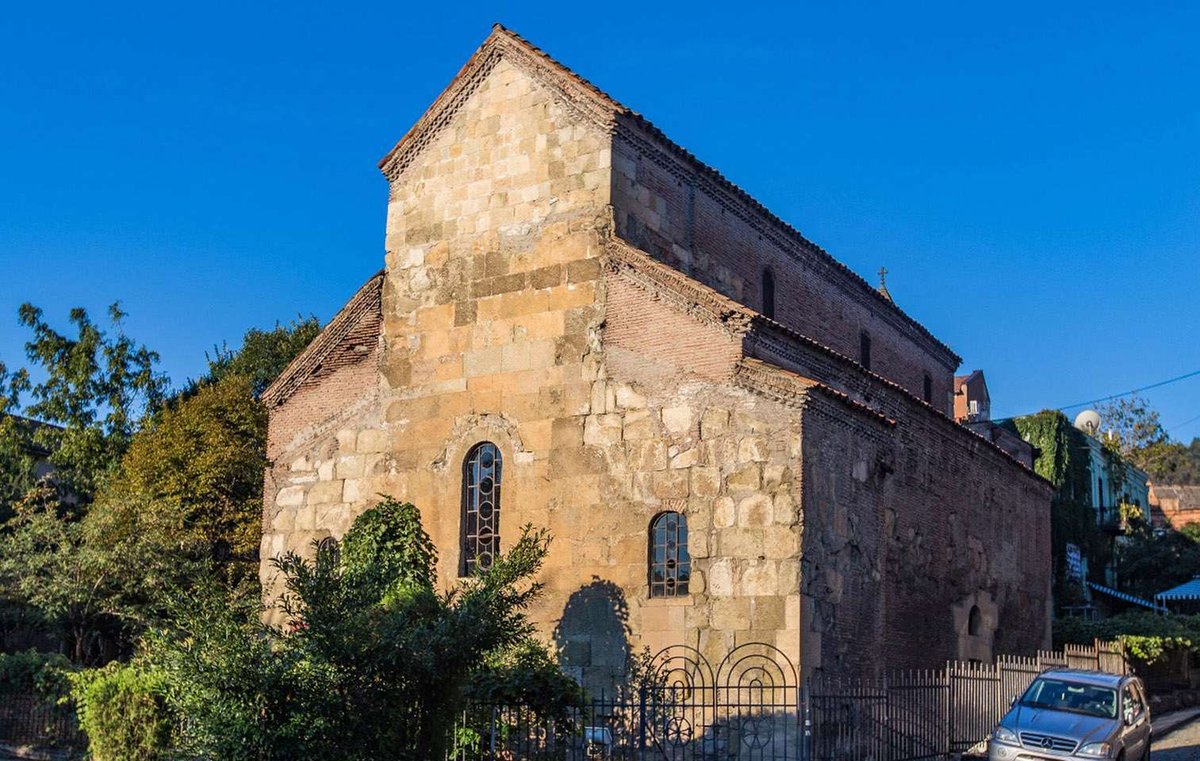
Anchiskhati is the oldest surviving church in Tbilisi. Built in the 6th century, it has survived centuries of wars, destruction, and remodeling — yet it still stands in the exact same spot on Ioane Shavteli Street in the heart of the Old Town.

The original name of the church was the Church of the Nativity of the Virgin, dedicated to the feast of the Nativity of the Most Holy Theotokos. It bore this name for over a thousand years.

The Renaming in 1664

In 1664, the miraculous icon of the Savior of Anchi was brought to the church from southern Georgia. The icon was crafted by the outstanding master of gold-embossing Beka Opizari, one of the most famous Georgian goldsmiths and artists of the Middle Ages. The arrival of this icon changed the very name of the sanctuary: the church became known as "Anchiskhati" — literally "the icon of Anchi".

Later, the icon was moved: currently, it is preserved in the Georgian National Museum, where it can be seen today.
Анчисхати

🏛️ Architecture: What Exactly to Look For

The three-nave basilica is a classic early Christian style of church building. The rectangular structure is divided inside by two rows of columns into three parts (naves). The semicircular apses in the eastern part are a nod to ancient architectural traditions.

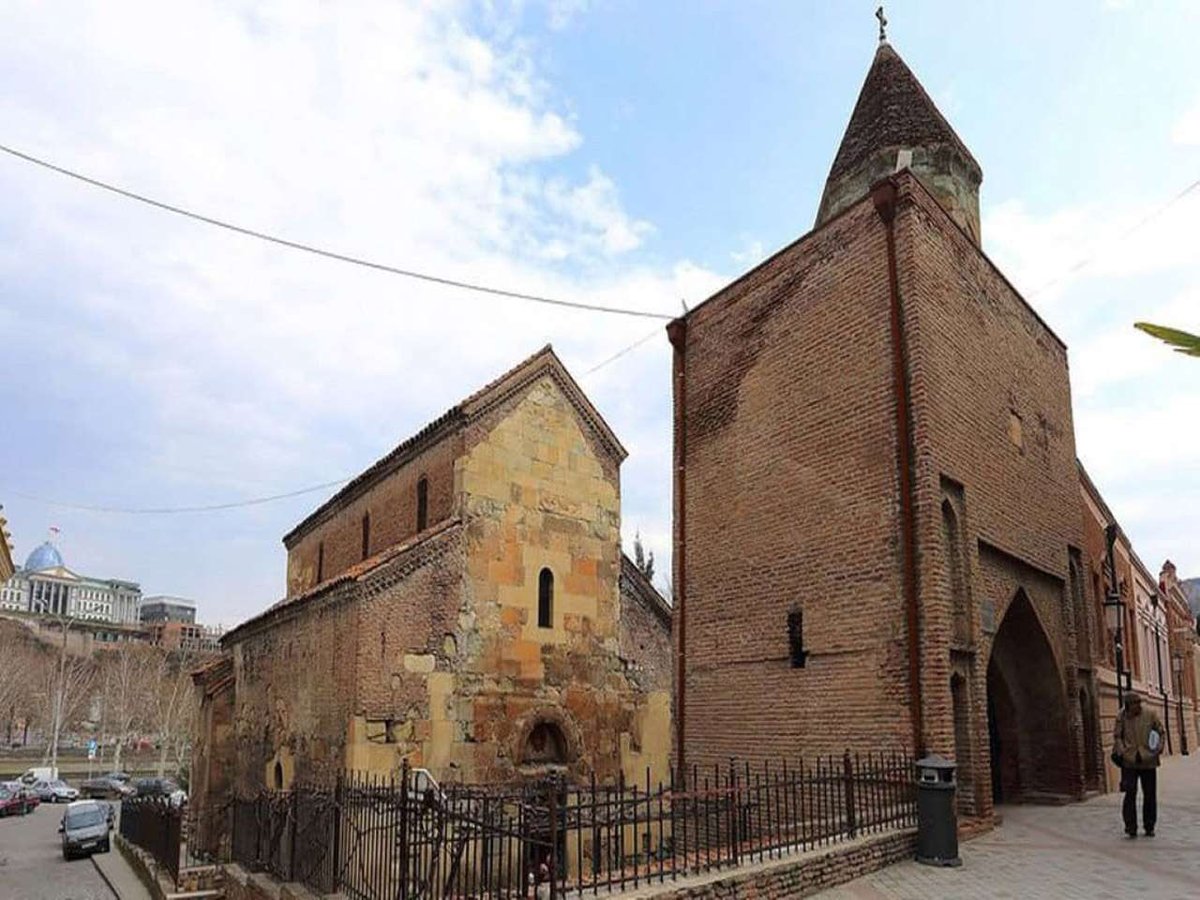
Due to repeated destructions and rebuilds, the stone walls were replaced with brick at some point. This is the result of several restorations following wars with the Ottoman and Persian armies.

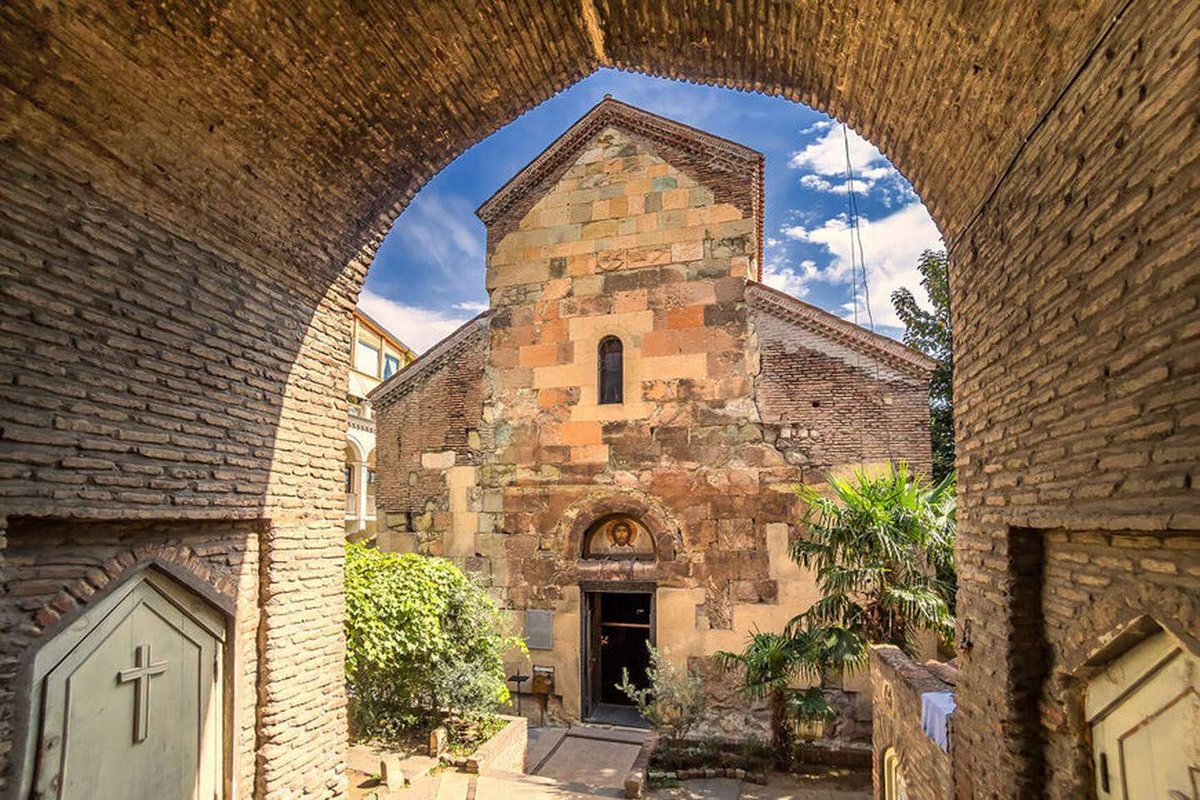
There are three entrances — from the south, north, and west. Currently, only the western one is open.

What to See on the Outside

  • Wooden doors with Georgian ornaments — every entrance is adorned with them. The ornamentation is authentic and has survived through all the reconstructions.
  • A relief featuring a Bolnisi cross and an angel figure — located on the western facade. It is one of the few surviving elements of the original decoration.

What to See Inside

  • 17th-century frescoes — adorn the walls. Following restorations, the authentic motifs were preserved wherever possible.
  • The bell tower of 1675 — added to the western part of the church by Catholicos Domenti. It is a two-story brick tower with decorative niches on the second tier.
Анчисхати

🎓 A School for Georgian Princes

This is one of the most unexpected facts about Anchiskhati — and one of the most significant.

In 1755, the Georgian King Heraclius II decided to open a public school and a theological seminary at the church. It was within the walls of this very church that Georgian princes were educated.

The curriculum was broad: besides the Word of God and church history, they taught physics, arithmetic, the Georgian language, grammar, rhetoric, and logic. This was one of the earliest experiences of systematic secular education in Georgia at that time.

✍️ Editor's Tip

Come during non-tourist hours — early in the morning or late in the evening. Anchiskhati is small; tour groups pack it midday, which completely changes the atmosphere. In the silence, this church is experienced quite differently. If you plan to see the actual Icon of Anchi, head to the Georgian National Museum, where it is on display in the permanent collection. Take a photo of the western facade with the angel relief — it’s a detail that is easy to miss.

🗺️ How to Guide Your Visit

1️⃣ Walk up to the western facade — this is where the only open entrance and the relief with the Bolnisi cross and angel are located.

2️⃣ Examine the carved wooden doors with Georgian ornamentation — this is one of the most recognizable elements of the church.

3️⃣ Step inside — let your eyes adjust to the light. The space of the three-nave basilica is perceived much differently from the inside than from the outside.

4️⃣ Locate the 17th-century frescoes — look for them on the walls of the naves.

5️⃣ Go back outside and inspect the bell tower of 1675 on the southwest side — its brickwork and niches are clearly visible.

6️⃣ Nearby is the Rezo Gabriadze Marionette Theater and other landmarks of the Old Town. Combine them into a single route.

💬 What Visitors Say

"I never realized that Anchiskhati is not just the oldest church in Tbilisi, but also the place where Georgian princes were educated! It's fascinating to learn that they even taught physics and arithmetic here. Now I absolutely want to see this place with my own eyes, especially the frescoes and the famous doors with Georgian ornaments."
"At first glance, it seems like an ordinary church. Georgia is full of them. And that is the most deceptive judgment. The Anchiskhati Church is truly amazing, even just by its history."
"I was in Old Tbilisi and visited the Anchiskhati Church. The architecture is impressive, especially the wooden doors with Georgian patterns. The history of the temple is rich; it's amazing how it was restored after destructions."
"This is a historical place radiating a unique atmosphere of spirituality and peace. The shades of light filtering through the window panes create a magical illumination that gives the prayer hall a special aura."

🏁 Why Go

Anchiskhati is not the most monumental church in Tbilisi. It is not the largest, nor the most lavishly decorated. But it is the oldest surviving one. Fifteen hundred years of history are tucked just a few meters away from the bustling tourist paths. Frescoes, carved doors, the icon for which the temple itself was renamed, and a bell tower built in the same year they only just began building St. Paul's Cathedral in London.


ℹ️ Admission to the basilica is free. Entrance through the western doors. Women need a headscarf. Located on Ioane Shavteli St in Old Tbilisi. The Icon of Anchi is kept in the Georgian National Museum — that requires a separate visit. Information is current at the time of publication.

🗨️ Now It's Your Turn

Have you been to Anchiskhati? What made the biggest impression on you — the age of the church, the frescoes, the carved doors, or the story behind the icon? Tell us — we read all comments ❤️

❓ Frequently Asked Questions

🤔 Where is Anchiskhati located in Tbilisi?

💬 On Ioane Shavteli Street in the Old Town. The Rezo Gabriadze Marionette Theater is nearby. It is an easy 5–10 minute walk from most tourist spots in Old Tbilisi.

🤔 Is it really the oldest church in Tbilisi?

💬 Yes. Anchiskhati is the oldest surviving church in Tbilisi, built in the 6th century. Despite numerous destructions and restorations, it has survived to this day in its original location.

🤔 Why is the church named "Anchiskhati"?

💬 Its original name is the "Nativity of the Virgin." It was renamed in 1664, when the miraculous icon of the Savior of Anchi — a work by the gold-embossing master Beka Opizari — was brought here from southern Georgia. "Anchiskhati" literally translates to "the icon of Anchi." Later, the icon was moved to the Georgian National Museum, where it is kept today.

🤔 Can you see the Icon of Anchi inside the basilica itself?

💬 No. The original icon is preserved in the Georgian National Museum — visiting it requires a separate trip. Inside the basilica, you can view the frescoes, architecture, and decor.

🤔 What is inside the basilica?

💬 A three-nave basilical space divided by two rows of columns. 17th-century frescoes on the walls. Authentic ornaments, parts of which were preserved after restorations. A peaceful atmosphere — visitors often describe experiencing a "special silence."

🤔 What is the Anchiskhati bell tower and who built it?

💬 The brick bell tower was added to the western part of the church in 1675 by Catholicos Domenti. The two-story tower with decorative niches on the second tier is clearly visible when viewing the exterior.

🤔 Is it true that Georgian princes studied in this church?

💬 Yes. In 1755, King Heraclius II founded a public school and a theological seminary at the church. Georgian princes studied there as well. The subjects taught went beyond religious topics to include physics, arithmetic, the Georgian language, grammar, rhetoric, and logic. It was one of the earliest steps toward systematic education in Georgia.

Alla Smirnova
By:

Alla Smirnova

Post: Georgia sightseeing expert

My name is Alla Smirnova, and I am completely enchanted by Georgia. My passion is to share the amazing stories and rich ancient culture of this country. As an…

Visit author

31 comments


Log in to leave a comment


  • Е
    Екатерина Соловьева
    Калі звярнуцца да гісторыі грузінскіх цэркваў, напэўна, задумаешся над тым, як шмат у іх наспеўнага і зычнага. Калі шчыра, менавіта падчас апошняга візіту ў Тбілісі я выпадкова патрапіў у Анчыскхатскі сабор. Сядзеў на дзядуліным крэсле, глядзеў на храм, і раптам адчуў, як цягнець нешта таемнае ў старадаўніх сценах. А як пахне! Міхал, мой брат, заўсёды казаў, што пахі і гукі ў цэрквах - гэта як музика для душы.

    Але вось тут найцiкавейшае. Я чытаў пра ікону, выкананую з залатой, ручной работы. Неверагодна, што яна перажыла столькі стагоддзяў. Мой тата заўсёды казаў, што сапраўдная гісторыя - гэта не пра даты, а пра эмоцыі, якія адчуваеш, калі глядзіш на мастацтва. А што ты думаеш пра наяўнасць іконы ў музеі? Ці справедліва гэта?
  • R
    Rivka Cohen
    בזמן שביקרתי בטביליסי, הלכתי לכנסיית אנצ'יסקטי, וזה היה כמו לגעת בהיסטוריה - המבנה העתיק, עם הקירות שמספרים סיפור שלא נגמר. החוויה של לעמוד מול האייקון המפורסם, גם אם הוא יכול להיות מופיע ואינו נגיש, גרמה לי להרגיש את הקסם שבמקום. אני זוכר את השקט, את האור שנכנס מהחלונות ואיך הכל נראה קצת שונה כשאתה נותן למקום לדבר. מעניין איך דבר קטן כמו אייקון יכול לשנות את השם והזהות של כנסייה. לפעמים הדברים הקטנים הם אלו שמחזיקים את העולם יחד.
  • S
    Sopho Beridze
    უცნაურია, რომ მიუხედავად იმისა, რომ ანჩისხათი ასე მნიშვნელოვანი ადგილებია, ბევრი ადამიანი მასზე არ იცის. როცა პირველად მივედი, თითქოს დრო გააჩერეს - მეათე საუკუნის სუნი მოდიოდა, და ეს წარმოუდგენელი სულიერება, რომელიც ეკლესიაში კი არა, ზოგადად, საქართველოშია. ხატი, რომელიც იქ ინახება, როგორც იქნა, საუკუნეების წინანდელი ისტორიას გვახსენებს. ვერ ვწვდილი, თუ რამდენად აღაფრთოვანებს ეს ადგილი. გგონია კი, რომ ადამიანებს ვეღარ ხვდებიან მაქეთ, თუ რატომ არის ასეთი მისწრაფება ნამდვილად მიხვალ? ჩემი მეგობარი მითხრა, რომ სინამდვილეში ზედმეტად თუ გაწვდები, შეიძლება ძალიან სხვანაირი ანგელოზები გნახონ. ამიტომ, გამოცდილება ყოველთვის მნიშვნელოვანია, როგორც ეს ეკლესია.
  • ლ
    ლიკა ყურციკიძე
    ძალიან მაინტერესებს, როგორ განვითარდა ხატწერა საქართველოში და როგორ მოხვდა ანჩის ხატი ამ კონკრეტულ ტაძარში? ვცდილობ გავიგო, როგორ დაკავშირებული იყო ეს მოვლენები ჩვენს კულტურულ მემკვიდრეობასთან.
  • B
    Bella B.
    The mention of the miraculous icon of the Savior Anchi caught my attention. Is it possible to see the actual icon on display at the National Museum of Georgia, or is it kept in a private collection?
  • l
    lenagromova1993
    Была в старой части Тбилиси, и у меня остались яркие впечатления от посещения собора Анчисхати. То, как он был разрушен и восстановлен несколько раз, поражает стойкостью истории. Особенно запомнились изящные деревянные двери с грузинским орнаментом. Жаль, что икона Спасителя теперь в Национальном музее, но фрески внутри храма тоже впечатляют. Кстати, не знала, что при соборе когда-то была школа и семинария — это тоже добавляет исторической глубины этому месту.
  • G
    Gvantsa Bagrationi
    საინტერესოა, რომ წმინდა ანჩისხატში არა მხოლოდ არქიტექტურული დეტალებია აღსანიშნავი, არამედ ისიც, რომ იგი არაერთხელ იქნა აღდგენილი თურქეთისა და სპარსეთის შეტევების შემდეგ. ასევე, თუ შეგიძლიათ, გეთქვათ მეტი იმ დეტალებზე, თუ როგორია დღეს შიგნით ფრესკების მდგომარეობა და რამდენად დაცულია თავდაპირველი დეკორაცია.
  • p
    paigemorris1990
    I found the part about the architectural details, like the Georgian ornamented wooden doors and the relief with the Balnur cross and angel, particularly fascinating. As an architect, I appreciate how the structure has survived and been restored despite multiple wars over the centuries. Also, I'm curious about the current condition of the frescoes inside the basilica—did the restoration manage to preserve much of the original artwork?
  • К
    Кристина Садовская
    Интересно, что архитектурные особенности собора Анчисхати, такие как рельеф с крестом Балнур, сохранились после всех разрушений и восстановлений.
  • D
    Denise
    I was fascinated to learn about the rich history and architectural beauty of Anchiskhati Basilica. The fact that it dates back to earlier times and has been reconstructed multiple times is a testament to its significance. The description of its three entrances and wooden doors with Georgian ornamentation makes me want to see it myself. It's incredible to think about the miraculous icon of Savior Anchi that once graced its walls and is now preserved in the National Museum. The presence of frescoes and retained decor after restoration adds to the allure. I wasn't aware of its connection to King Erekle II and the establishment of a school and seminary in 1755, which suggests the cathedral’s role in the community's cultural and educational fabric.
  • А
    Агата
    Восхищена историей и архитектурой собора Анчисхати. Представляю, сколько труда и мастерства вложено в его восстановление. Интересно было узнать о его многовековой истории и роли в образовании. Особенно впечатляют фрески и орнаменты на дверях.
  • M
    Mzia
    მაინტერესებს, რამდენად ხშირად მიმდინარეობს აღდგენითი სამუშაოები ანჩისხატის ტაძარში? საინტერესო იქნებოდა მეტი დეტალი გაგვეცნო ისეთ არქიტექტურულ ელემენტებზე, როგორიცაა ჭერის ფრესკები და ორნამენტები.
  • T
    Tillie
    The article mentions that the Ankhi icon is now kept in the National Museum of Georgia. Do you know if there's a specific exhibition dedicated to it, or is it part of a larger collection? I'm also curious how much of the original frescoes and decor can be seen today after restoration.
  • Р
    Роман
    Какой стиль фресок сохранился в соборе после реставрации? Интересно, насколько они близки к оригинальному искусству тех времен.
  • Д
    Дарья Цемах
    Интересно, можно ли сейчас увидеть часть сохранившегося декора и фрески внутри собора?
  • В
    Витя Антонов
    Недавно я побывал в старом Тбилиси и посетил собор Анчисхати. Архитектура впечатляет, особенно деревянные двери с грузинскими узорами. История храма богатая, удивительно, как его восстанавливали после разрушений. Не знал, что икона, из-за которой переименовали собор, теперь в музее. Интересно, можно ли увидеть больше фресок и оригинальных декоров внутри храма?
  • ს
    სოფიკო აბაშიძე
    "იქნებ გვითხრათ, რატომ აქვთ ანჩისხატში ბეკ ოპიზარის მიერ შექმნილი ხატი ეროვნულ მუზეუმში და არა თავად ტაძარში? ასე მნიშვნელოვანი ხატი ხომ მისტიურობას აძლევს ტაძარს."
  • F
    Flynn
    Are visitors allowed to see the original Anchiskhati icon at the National Museum of Georgia, or is it only accessible to researchers?
  • E
    Emilian Falkland
    The Anchiskhati Basilica's history and architecture, including its ties to the miraculous Anchi icon and its resilience through war, make it a fascinating site to explore in Old Tbilisi.
  • Д
    Даниил Ковалев
    Очень интересно было узнать, что собор Анчисхати несколько раз восстанавливали после войн. Историческое значение храма просто поражает, особенно когда узнал, что в нем когда-то даже учились студенты. Всегда любил грузинскую архитектуру, и теперь обязательно захочу увидеть мощные деревянные двери с орнаментом.
  • E
    Elvina
    Никогда не задумывалась, что Анчисхати – это не просто старейший храм Тбилиси, но и место, где обучались грузинские принцы! Интересно узнать, что здесь преподавали даже физику и арифметику. Теперь обязательно хочу увидеть это место своими глазами, особенно фрески и знаменитые двери с грузинским орнаментом. История этого собора поражает своей глубиной: он пережил войны, разрушения, но его восстановили, сохранив дух древности. Удивительно, как в Грузии бережно относятся к таким памятникам! Спасибо за полезную информацию, теперь в мой список мест для посещения точно добавился и этот собор! 😊
  • v
    viktoriadosmetova
    Мне очень понравился необычный фасад, кирпич, из которого сделан Собор Анчисхати.
    Только подумать, в этом месте воспитывались принцы! Посетить его - встретиться со сказкой, восхитетльной красотой.
  • Е
    Елена
    Собор Анчисхати в старом городе Тбилиси — одна из самых значимых достопримечательностей Грузии. До середины XVII века он носил другое название, но был переименован благодаря обретению чудотворной иконы Спасителя Анчи, изготовленной мастером золотой чеканки Беком Опизари. Сейчас эта икона хранится в Национальном музее Грузии. Очень интересно узнать такие исторические факты и посетить это место!
  • А
    Аделина
    Этот собор является истинным воплощением духа Грузии и ее богатого культурного наследия. Расположенный в старой части Тбилиси, он словно врывается в прошлое, напоминая о величии и красоте этой страны. Прогуливаясь между его арками и колоннами, можно почувствовать мощь и величие грузинской истории. Собор Анчишати — это не просто храм, это святое место, где каждый камень кажется пропитанным духом веков. Своеобразная атмосфера этого места вдохновляет на размышления о времени и пространстве, и я благодарна за возможность погрузиться в его уникальную атмосферу.
  • К
    Клара
    Дейчтвительно, согласна с автором, что посещение таких исторических мест, как собор Анчишати в старой части Тбилиси, дарит нам не только красоту архитектуры, но и углубляет наше понимание истории. Каждый камень этого собора несет в себе тысячелетия истории и культуры Грузии. Прогулка по его коридорам заставляет нас видеть мир в новом свете и ценить наследие наших предков.
  • r
    roma
    Собор Анчисхати - это поистине уникальная достопримечательность старого города Тбилиси. Его история наполнена загадками и чудесами, и это место имеет особое значение для грузинского народа. Первое, что привлекает взгляд к собору Анчисхати - это его величественная архитектура, которая пропитана духом истории. Как только вы войдете внутрь, сразу окунетесь в атмосферу покоя и благоговения. Каждая деталь храма - от икон до резных дверей - имеет свое особое значение и рассказывает свою историю.
  • y
    yshorts0.078
    Восхищение охватило меня, когда я посетила Собор Анчисхати в старом районе Тбилиси. Это историческое место, излучающее неповторимую атмосферу духовности и покоя. Пройдя через его величественные двери, я оказалась внутри удивительного храма, где каждая деталь и каждая фреска наполнены красотой и символикой. Я преклонилась перед величием архитектуры и мастерством, воплощенными в этом месте. Оттенки света, проникающие сквозь стекла окон, создавали волшебное освещение, придающее молитвенной зале особую мистическую ауру. Собор Анчисхати - это не только исторический памятник, но и святое место, где я почувствовала себя ближе к богу и нашла вдохновение для своей души. Это место оставило незабываемые впечатления и стало для меня источником внутреннего спокойствия и духовного пробуждения.
  • t
    tatyanadjus1988
    Сколько святынь хранится в Грузии. Даже если сильно захотеть все святыни не обойти и за год. Соборы, монастыри, церкви сколько же исторических мест... И даже руины завораживают. Я обязательно выделю хотя бы месяц на изучение и посещение самых значимых мест Грузии. Это моя самая заветная мечта.
    Из статьи не очень понятно Собор Анчисхати все-таки сейчас восстановлен или нет?
  • Н
    Надежда
    Как же прекрасна Грузия и её достопримечательности! Из данной статьи я узнала много нового для себя. Очень грустно, что из-за войн храм был разрушен несколько раз. Но несмотря на это, его всё равно строили, чтобы он радовал нас своей красотой и дальше. В них действительно можно прочувствовать настоящую атмосферу Грузии. Это так здорово!
  • М
    Марина
    С первого взгляда кажется обычным собором. Таких в Грузии полным полно. И это самое обманчивое суждение, которое только могло бы быть. собор Анчисхати удивительный даже своей историей. В статье каталога Мадлоба правильно сказали, что при церкви было организовано обучение. А ведь развитие - это наше будещее. Мне было бы очень любопытно посмотреть, что осталось на текущий момент.
  • И
    Иван
    Очень познавательная публикация и прекраснейший собор. Собор действительно производит впечатление, очень классно, что за все время существования этого место, люди сохраняют атмосферу этого храма, сохраняя изначальный вид. Огромнейшее спасибо автору статьи за архитектурную и историческую справку.