



Georgian Kings: From David the Builder to the Russian Empire
The 11th century brought new trials for the Georgian state. The Seljuk Turks invaded, destroying cities and villages and causing heavy human losses. Weakened by internecine wars, Georgia was unable to resist this new enemy.
King David of the Bagrationi dynasty, who ascended the throne at the age of sixteen, played a major role in the fight against the invaders. A talented military leader and wise ruler, David united the feuding princes and rallied the Georgian people to fight the Seljuk Turks. After inflicting a series of crushing defeats on the enemy, David succeeded in liberating the country from the invaders and, by occupying Tbilisi, completed the unification of the Georgian principalities into a single state.
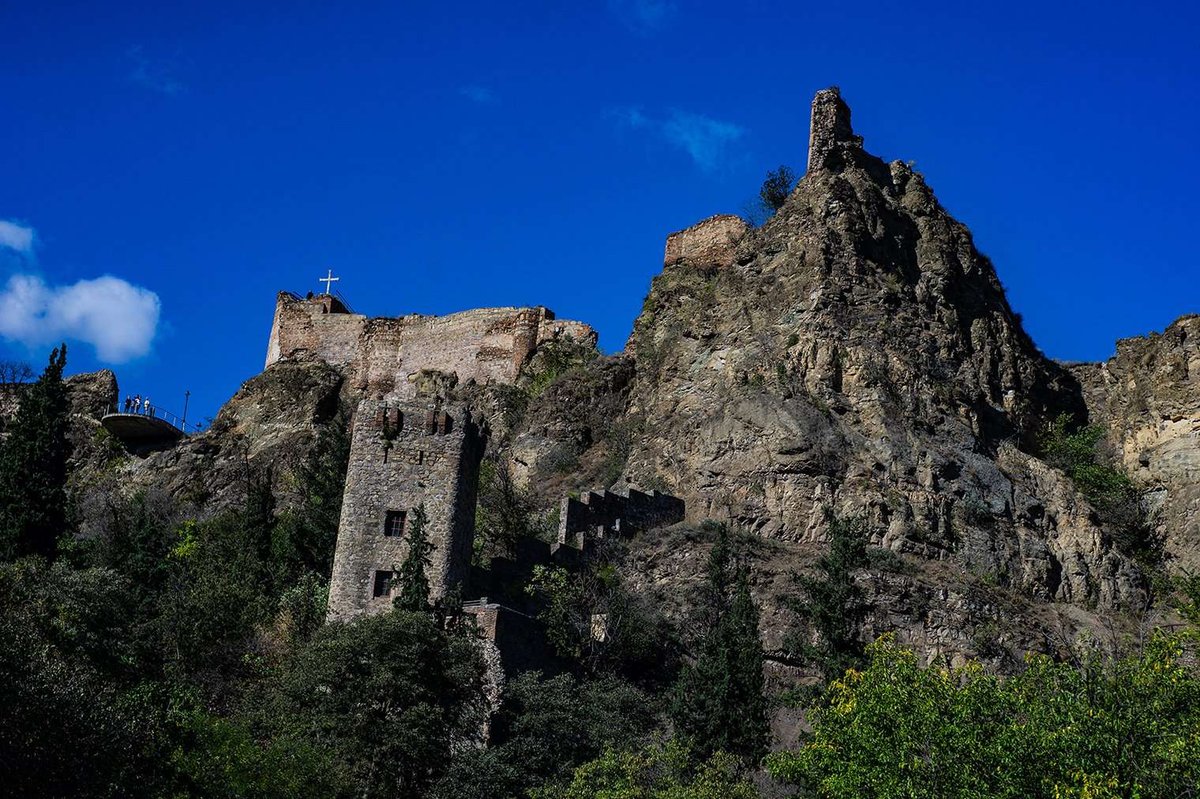
David sought to strengthen the country and expand its territory. During his reign, two warring peoples, the Polovtsians and Ossetians, joined the Georgian state. To strengthen political ties, the king became engaged to a Polovtsian princess.
The decisive battle between the armies of King David and Sultan Mahmud took place in 1121. Despite the Ottoman army being far superior to the Georgians, the latter emerged victorious. Interestingly, the battle took place in a narrow gorge, the exit from which, by David's order, was blocked to prevent the retreat of his troops.
King David devoted extensive attention not only to the country's foreign policy; he also actively pursued reforms in the domestic political, economic, religious, and social spheres of the state.
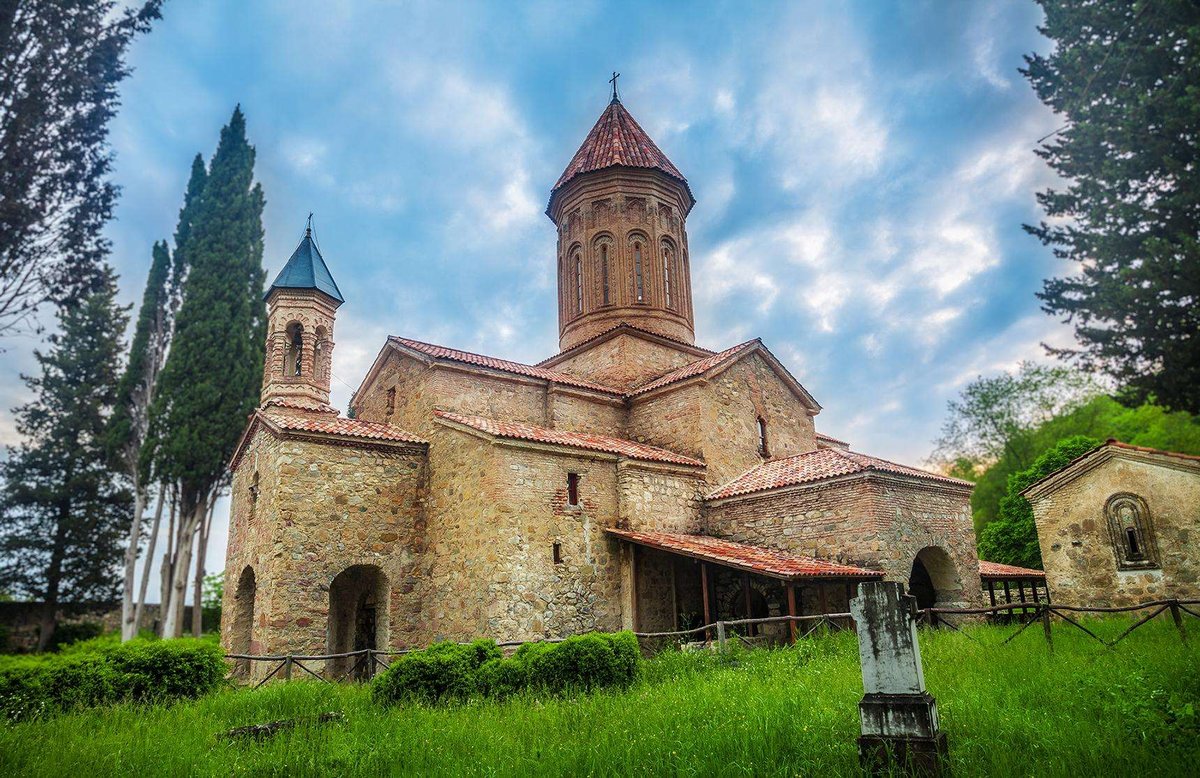
During David's reign, active urban development took place, roads and bridges destroyed by wars were restored, and churches and caravanserais were built. David is considered the founder of the famous Gelati Academy. For his work, the king was nicknamed David the Builder.
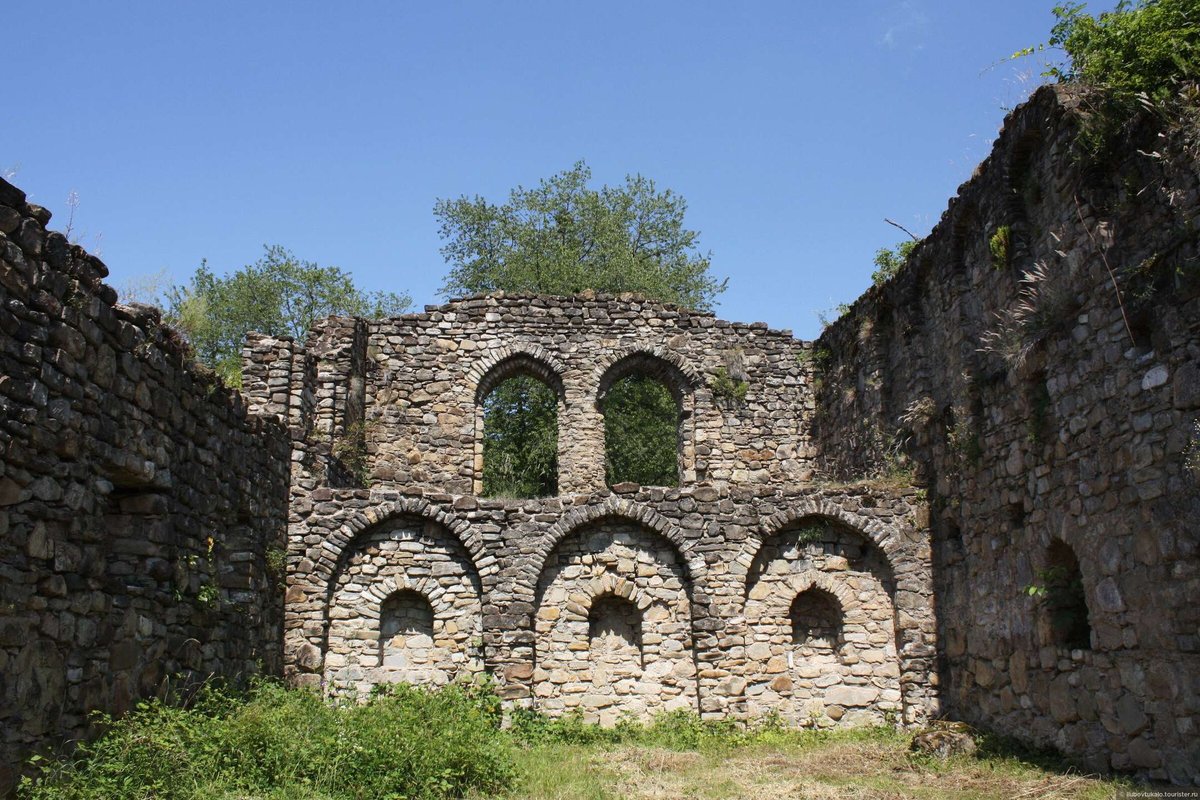
The centralized Georgian state reached its peak during the reign of David's great-granddaughter, Queen Tamar, who ascended the throne in 1184. Her reign is called the Golden Age of Georgian history. This short period (almost 30 years) was marked by a rise in urban development, agriculture, and crafts, the expansion of trade relations, and cultural development.
A significant portion of the literary works from Tamar's reign have unfortunately been lost. Of those that have survived, the most famous is the epic poem "The Knight in the Panther's Skin," written in Georgian by Shota Rustaveli.
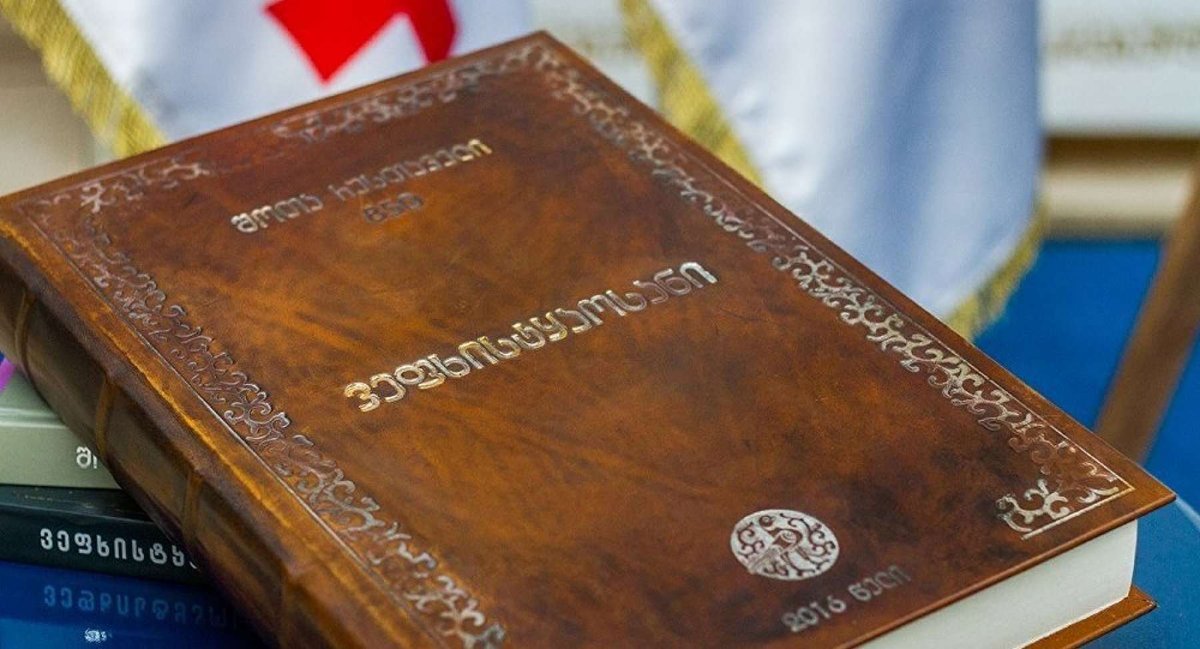
During this period, the construction of temples and churches, fortifications, and urban infrastructure continued. Church architecture is distinguished by its rich decoration and picturesqueness.
Little is known about Tamar's life; only two written sources survive to this day.
The power of the Georgian state did not last long. In the second half of the 13th century, Georgia was again attacked from outside – this time by the Mongol-Tatar hordes. The east and south of the country fell under the onslaught of the invaders, but the western part of the state held firm.
The Mongols devastated the eastern Georgian lands, undermined agricultural life, and destroyed small towns and villages. Large cities faded away. Against the backdrop of the Mongol conquests, the centralized power of the kings began to give way to the great princes.
The Georgian people were able to restore a strong state only in the early 14th century. King George V led the country into a new life. He managed to implement several successful reforms in domestic policy. However, just half a century later, Georgia fell under the onslaught of the Golden Horde state established by Timur. For 17 years, the country was plundered by the Mongol hordes and emerged from the war devastated.
From the 15th to the 18th centuries, Georgia experienced a period of fragmentation. Principalities and kingdoms emerged from the territory of the once unified state—Kartli, Kakheti, Imereti, Megrelia, Guria, Abkhazia, and others—which were contested between Iran and Turkey until the end of the 18th century. Under the Treaty of Georgievsk of 1783, between Georgia and Russia, Eastern Georgia recognized the protection of the Russian Empire. The annexation of Eastern and Western Georgia to Russia occurred in the early 19th century.
And this was not the end of Georgia's history as a state. After the collapse of the USSR, the Georgian Republic declared sovereignty and became independent. From this moment, the formation of modern Georgian culture and the development of the country began. Today, Georgia is rightfully recognized as a tourist destination, attracting millions of tourists annually to admire its landmarks, some of which are over 2,000 years old.
Furthermore, the country's government is focused on developing IT technologies and agriculture, and is actively working to attract foreign investors and entrepreneurs. To this end, special preferential terms are being introduced for foreign citizens, grants are being issued, and the business registration process has been simplified as much as possible.
Read more about how to make money in Georgia in a special section on the madloba directory!

40 comments
Log in to leave a comment
Автор красиво и живо рассказывает о царе Давиде IV Строителе — одном из величайших правителей страны, который в XII веке сумел объединить разрозненные княжества, освободить Тбилиси от захватчиков и начать строительство мощного государства. Он не только руководил армией, но и возводил дороги, храмы и культурные центры, превращая Грузию в центр Кавказа. 
Затем, как продолжение истории, рейтинг ведёт через период царствования царицы Тамары — когда страна переживала свой «Золотой век» с расцветом искусства, торговли и архитектуры. 
Но история Грузии — это не только подъёмы: после XIII века монгольские нашествия подорвали централизованную власть, что привело к феодальной раздробленности и созданию нескольких царств и княжеств, за которые вели борьбу соседние державы. 
И, наконец, рейтинг объясняет, как в XVIII веке, после долгих конфликтов с Османской империей и Персией, восточные грузинские царства обратились к Российской империи за покровительством — что привело к подписанию Георгиевского трактата 1783 г., а затем к присоединению как Восточной, так и Западной Грузии к Российской империи в начале XIX века. 
Спасибо автору за такой насыщенный и понятный обзор исторического пути Грузии!
А какое эпохальное событие в истории Грузии вам кажется самым впечатляющим — объединение страны Давидом Строителем, расцвет при Тамаре или переход к новой эпохе вместе с Россией? 🇬🇪✨