




Batumi Synagogue: History and Architectural Style
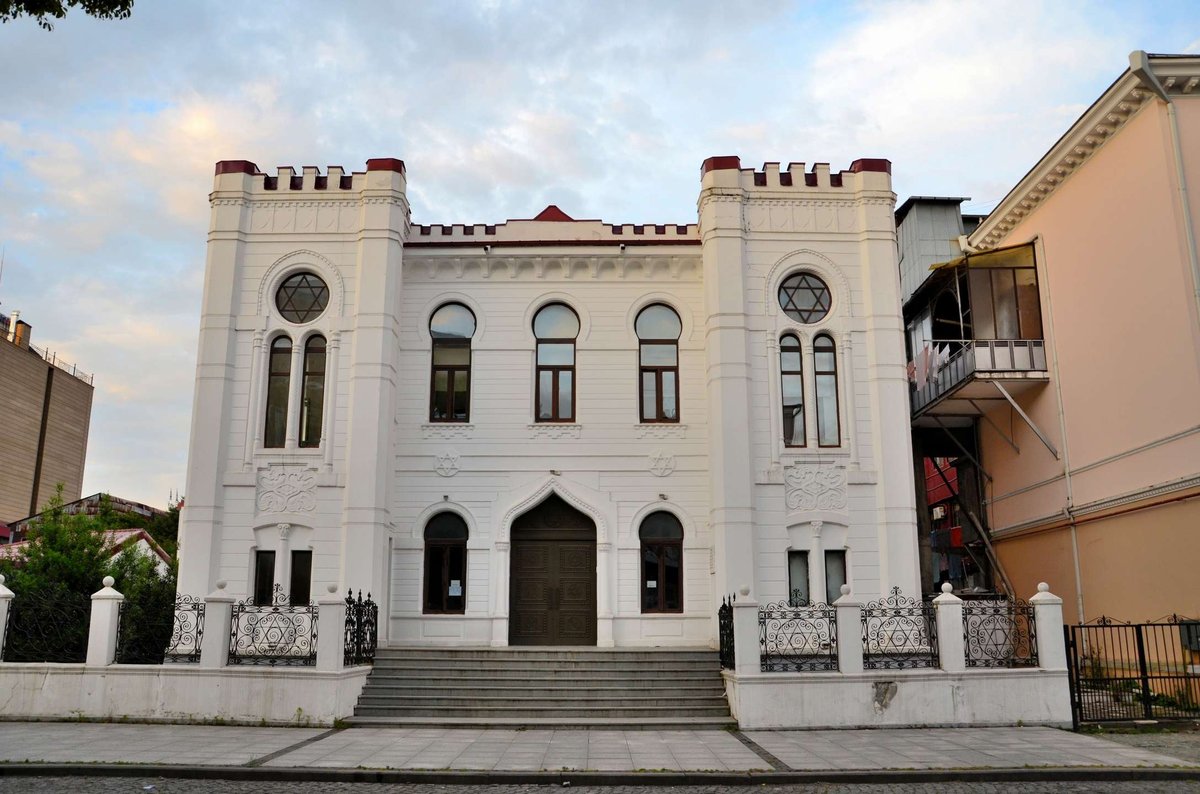
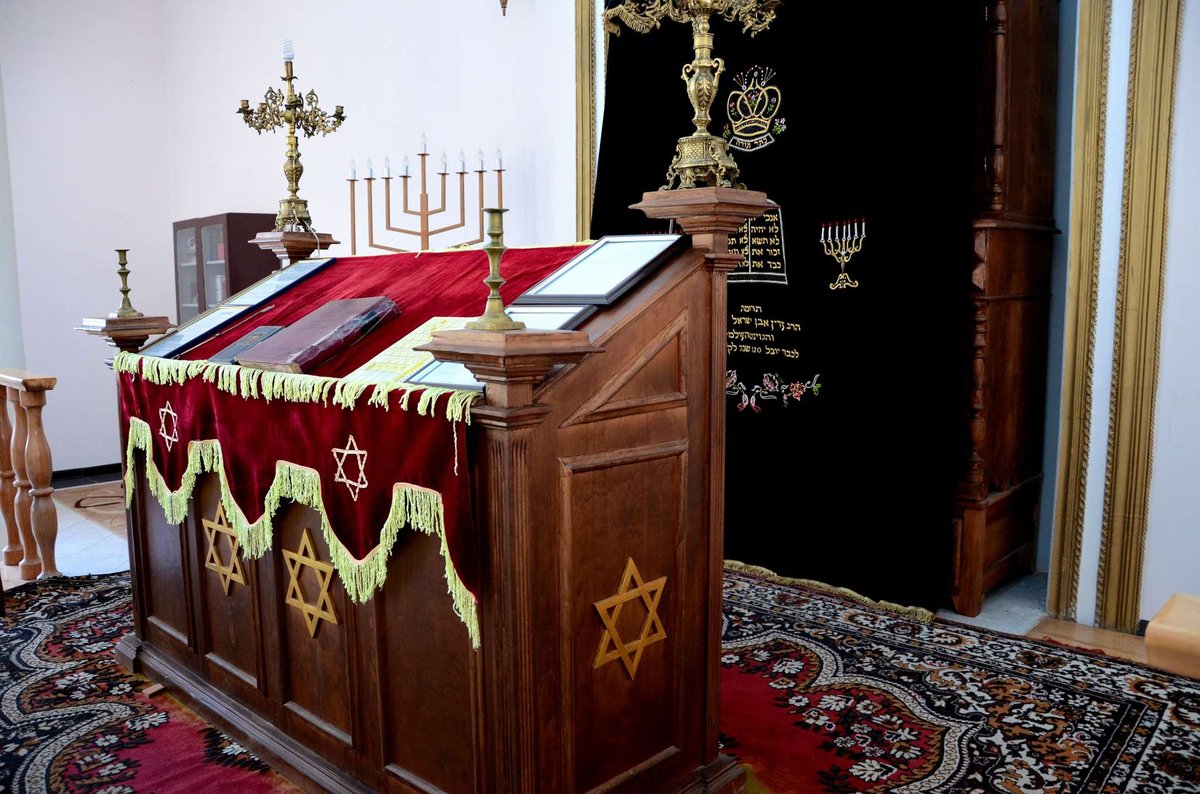
Batumi is a vibrant, lush city. It's not for nothing that they say it's home to Georgia's most beautiful spots. The white synagogue stands out from many others in its modesty and austerity. It's built without much embellishment, both inside and out.
Jews in Batumi
It's hard to imagine multiethnic Georgia without Jews. It seems they've always lived here. Their lives have evolved in different ways.
The Jewish community in Batumi was formed in 1878, after Adjara became part of Russia. According to the 1897 census, 1,179 people of Jewish nationality lived in the city. By 1923, the number of Jews had increased to 3,700. The newspaper "Jewish Voice" was published.
After the synagogue closed, life changed. For various reasons, the Jewish population steadily declined in the 20th century.
The Jewish community began to recover in the late 1980s. There were clubs and courses for those wishing to learn Hebrew. A Sunday school opened. But Jewish families continued to leave the country. As a result, in 2001, there were about 100 Jews in Batumi.
Interested in the history of religion? Looking for something to see in Georgia? Consider the majestic Batumi Synagogue.
History of the Synagogue
The Georgian Jews in Batumi established a synagogue in the 1880s. It was housed in a wooden house and existed virtually illegally. Batumi Jews repeatedly petitioned the authorities to officially open a prayer house. Permission was granted only in 1899. However, the building was small, accommodating only 20 people.
Therefore, the Jewish community petitioned Russian Emperor Nicholas II for permission to build a synagogue at their own expense. The petition was approved, and permission was granted.
Construction of the Ashkenazi synagogue lasted four years—from 1900 to 1904. The design was prepared by the renowned architect S.L. Volkovich.
Soviet Period
In 1923, the synagogue ceased operation. The building was used by the city authorities. It was returned to its former owners only in 1992–1993.
In 1998, restoration work was carried out with financial support from the Adjara authorities. The building was returned to its original appearance.
In 2011, the Batumi Synagogue was recognized as a cultural heritage site. Like other religious buildings, it is a landmark of Georgia.
During the summer, it is visited by tourists interested in the history of the Jews of Batumi and Adjara.
Address: 33 Vazha-Pshavela Street, Batumi.

31 comments
Log in to leave a comment